
1. The Ambassador Hotel (Los Angeles)
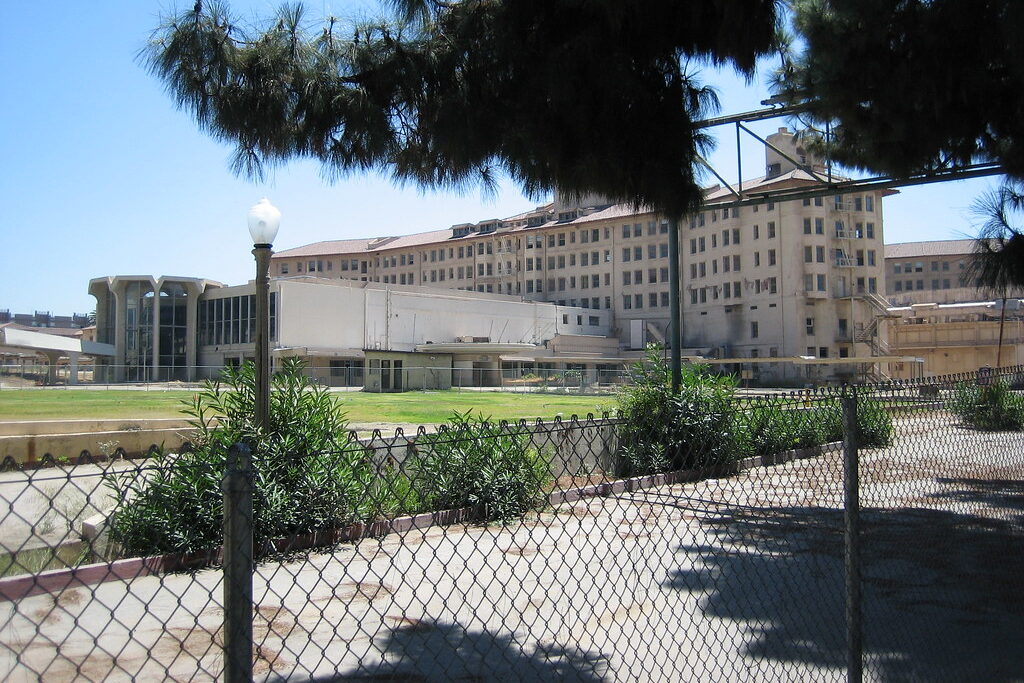
For decades, the Ambassador Hotel was one of Hollywood’s most glamorous gathering spots, hosting Academy Awards ceremonies, political fundraisers, and celebrity galas that shaped entertainment history. Marilyn Monroe, Frank Sinatra, and countless studio power players passed through its Cocoanut Grove nightclub, turning it into a symbol of Old Hollywood excess and sparkle. The hotel also became permanently tied to a darker chapter when Robert F. Kennedy was assassinated there in 1968, a moment that changed how many people remembered the property. After that tragedy, the building struggled to regain its former shine as travel patterns and tourism shifted. By the ’80s, the once-proud hotel had become increasingly vacant and neglected, quietly fading from public attention. Many Angelenos drove past it without realizing what had once happened inside those walls. When it was finally demolished in the mid-2000s, the loss felt strangely muted compared to its former cultural weight. Today, a public school campus occupies the site, and the Ambassador survives mostly in photographs and fading memories.
There’s something bittersweet about how quickly a place that once defined glamour can disappear from everyday awareness. Younger generations may recognize the name only from true crime documentaries or classic Hollywood books. Without the physical building to anchor the story, the hotel’s legacy feels more abstract and distant. It reminds people how quickly cultural landmarks can slip away once they stop serving a modern purpose. The memories live on in old newsreels, celebrity anecdotes, and black-and-white photographs. But unless someone intentionally goes looking, the Ambassador no longer occupies much mental space in the city’s daily life. It exists more as a footnote than a destination now. That quiet fade feels almost stranger than a dramatic ending.
2. Grossinger’s Catskill Resort Hotel (New York)
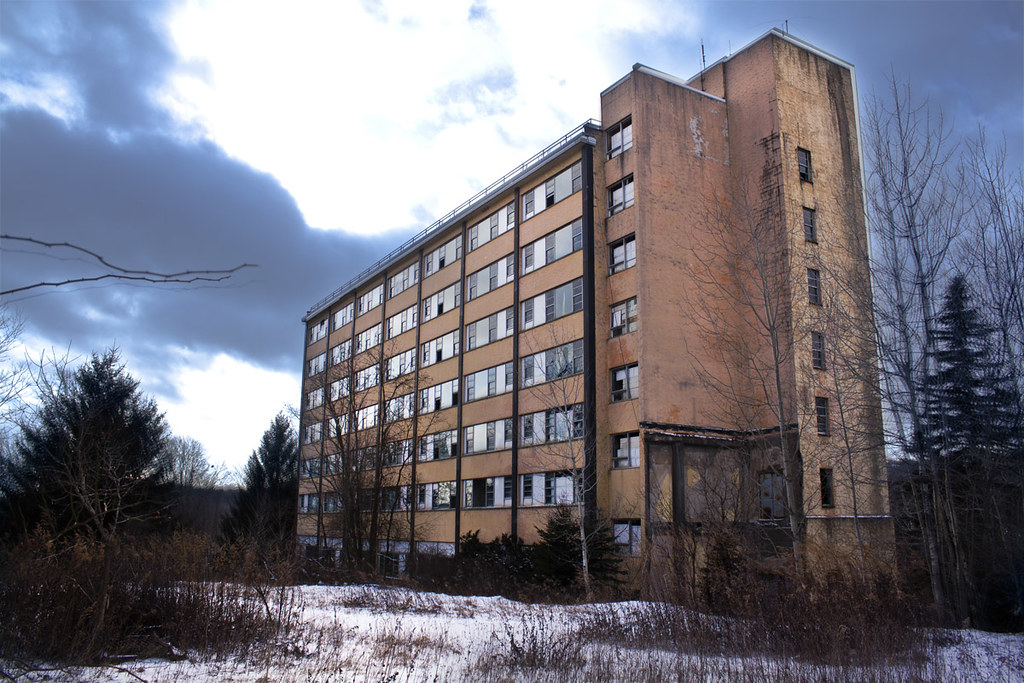
Grossinger’s was once the crown jewel of the Catskills, a sprawling resort where comedians, musicians, athletes, and vacationing families all mixed under one enormous roof. During the heyday of the so-called Borscht Belt, this place helped launch countless entertainment careers and defined summer vacations for generations of East Coast families. Guests came for the shows, the food, the pools, and the sense that something exciting was always happening. For many visitors, it felt like a small city built entirely for fun and escape. As air travel became cheaper and vacation habits changed, the Catskills slowly lost their grip on American tourism. The crowds thinned, the buildings aged, and maintenance became harder to justify. By the early 2000s, Grossinger’s closed its doors, leaving behind acres of abandoned structures. Eventually, much of the property fell into decay and partial demolition.
If you drive past the area today, it’s hard to imagine the laughter and energy that once filled those halls. The resort’s fame survives mostly in old family photo albums and stories told by grandparents who remember the golden summers. Younger travelers often have no idea the Catskills were once a national vacation hotspot. Without the bustling crowds, the land feels strangely quiet and disconnected from its past. It’s a reminder that entire travel cultures can vanish in a single generation. What once felt like a guaranteed summer tradition now feels like a forgotten chapter of American leisure. The echoes of live bands and packed dining rooms linger only in memory. Time moved on faster than anyone expected.
3. The Astrodome (Houston)
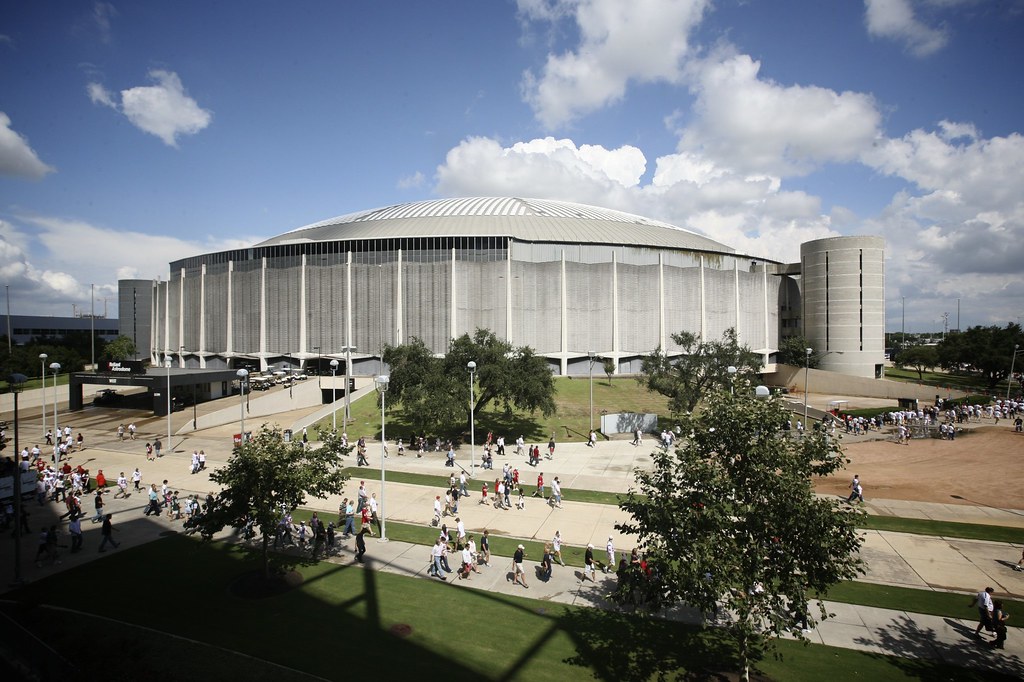
When the Astrodome opened in 1965, it was proudly billed as the “Eighth Wonder of the World,” a futuristic stadium unlike anything people had seen before. Its massive enclosed design and artificial turf made it a symbol of American innovation and optimism. Fans packed the dome for baseball, football, concerts, and major civic events, creating decades of shared memories. For many Houstonians, attending a game there felt like stepping into the future. Over time, newer stadiums offered better amenities, luxury boxes, and updated technology that the aging dome could not match. The Astrodome gradually lost its primary tenants and became more of a curiosity than a destination. Despite multiple proposals to repurpose it, the building has remained largely unused for years. It still stands, but mostly as a quiet monument to a different era of stadium design.
The strange part is how something so famous can slowly blend into the background of a city skyline. People drive past it without giving it much thought, even though it once represented cutting-edge engineering. Younger fans may not realize how revolutionary the dome once felt. Its story reflects how quickly “state of the art” becomes outdated. Nostalgia keeps its reputation alive more than actual use. The building’s silence contrasts sharply with its once-roaring crowds. It’s not truly gone, yet it no longer plays an active role in daily life. That in-between status makes its fading presence even more noticeable.
4. Coney Island’s Steeplechase Park (New York)
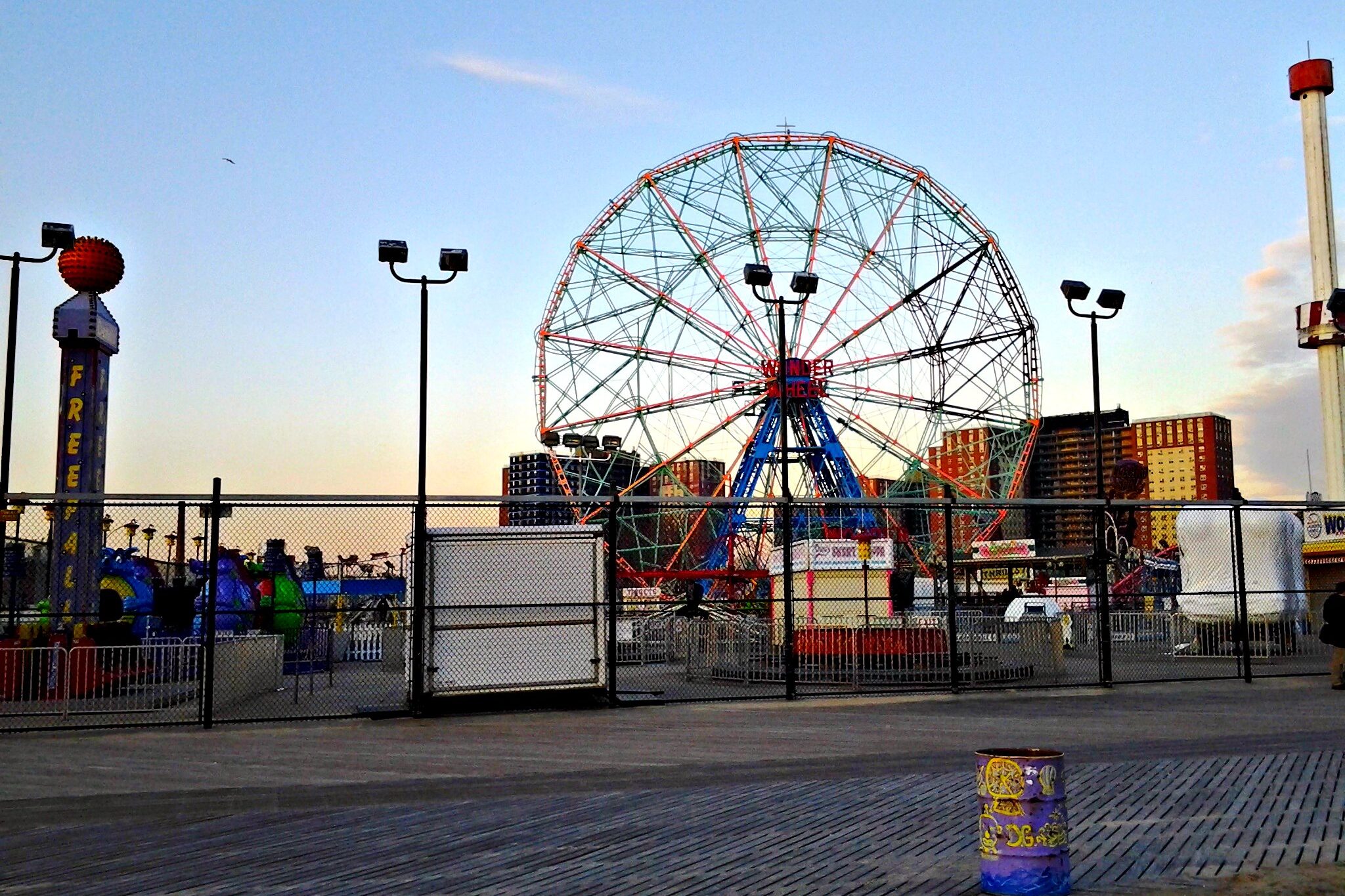
Steeplechase Park was one of the original amusement parks that helped turn Coney Island into America’s playground in the early 20th century. Famous for its mechanical horse ride and playful chaos, it attracted millions of visitors seeking thrills, laughter, and seaside escape. The park helped define what a modern amusement park could be, long before theme parks became corporate giants. Families traveled from all over the region just to spend a day riding attractions and soaking up the carnival atmosphere. After decades of operation, the park struggled with changing tastes, rising costs, and increased competition. It officially closed in the 1960s, marking the end of one of Coney Island’s most beloved institutions. The land was later redeveloped, leaving little physical trace of the original park. Over time, its name slipped out of everyday conversation.
Unless someone studies amusement park history, Steeplechase often gets overshadowed by the modern rides still operating nearby. The laughter and excitement that once filled the air exist only in archival photos and newspaper clippings. It’s easy to forget how central this park once was to New York leisure culture. Without a visible landmark to anchor the memory, the story slowly fades. Even frequent visitors to Coney Island may not realize what stood there before. The park’s disappearance feels quieter than its joyful beginnings. It reminds us how entertainment spaces can vanish while the coastline stays the same. Memory becomes the only remaining attraction.
5. The Original Penn Station (New York City)
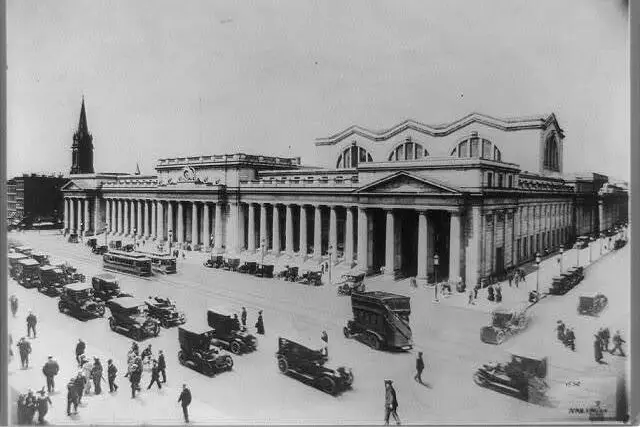
The original Pennsylvania Station was an architectural masterpiece, filled with soaring ceilings, grand columns, and natural light that made travel feel majestic. Built in the early 1900s, it welcomed millions of travelers and symbolized New York’s ambition and elegance. People often described walking through it as entering a cathedral of transportation. For decades, it set the standard for what a major transit hub could look like. By the mid-20th century, declining rail travel and rising real estate pressures led to its controversial demolition. The station was torn down in the 1960s to make way for Madison Square Garden and a smaller underground terminal. The loss shocked architects, preservationists, and everyday commuters alike. It eventually sparked the historic preservation movement in New York City.
Even though its destruction is well documented, many people today have never seen what the original station looked like. The current Penn Station feels purely functional, lacking the emotional impact of the original building. Without photographs, it’s difficult to grasp what was lost. Younger travelers often assume the station has always been cramped and chaotic. The old grandeur survives mostly in history books and documentaries. It stands as a lesson in how cultural treasures can disappear quickly when priorities shift. Memory keeps it alive more than the physical city does. Its absence still shapes how people think about urban preservation.
6. The Hollywood Brown Derby (Los Angeles)
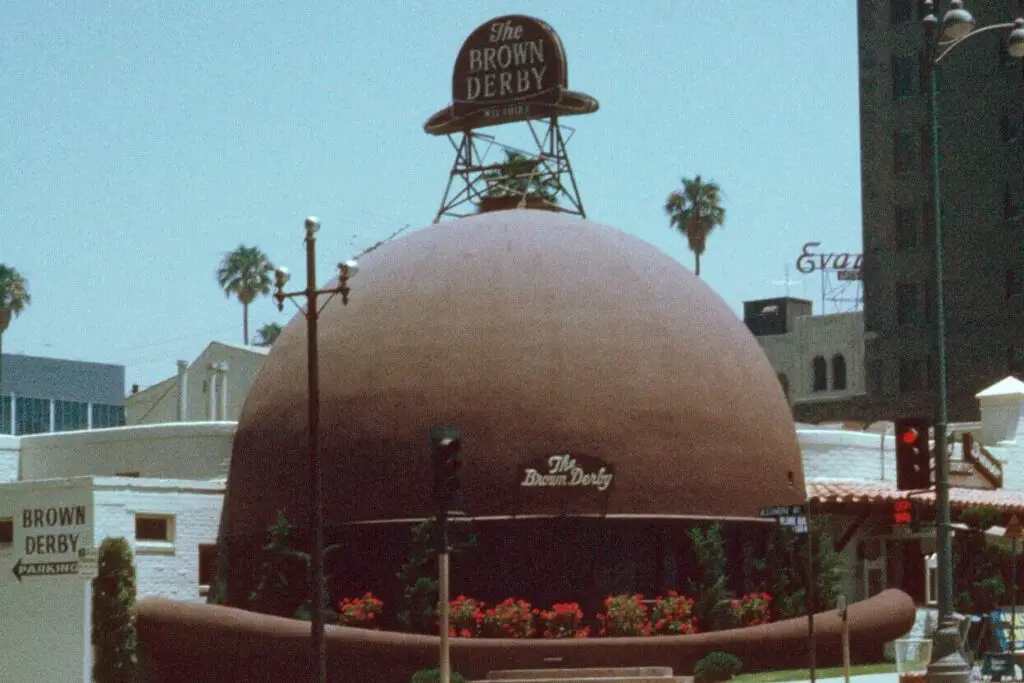
The Hollywood Brown Derby was once a magnet for movie stars, producers, and gossip columnists, serving as both a restaurant and a stage for celebrity culture. Shaped like a giant derby hat, the building itself became an instantly recognizable landmark. Studio deals were rumored to be negotiated over martinis and steak dinners at its booths. Tourists flocked there hoping to spot a famous face or catch a glimpse of Hollywood glamour. As dining trends changed and studios relocated, the restaurant gradually lost its cultural grip. Several locations closed over time, and the original building was eventually demolished. What remained was mostly nostalgia and old photographs of autograph-covered walls. The restaurant’s fame faded as newer hotspots took over the spotlight.
Today, the name occasionally resurfaces in classic film stories or vintage Hollywood trivia. Without the physical space, it’s harder to imagine how central it once was to industry social life. Younger film fans may recognize the name but not fully understand its significance. The sense of exclusivity and glamour that defined it belongs to a different era of celebrity culture. Modern Los Angeles dining feels faster and more fragmented. The Brown Derby’s slow fade reflects how social hubs evolve with the industries they serve. It lingers as a symbol of a vanished Hollywood rhythm. Memory carries more weight than location now.
7. The Sands Hotel and Casino (Las Vegas)
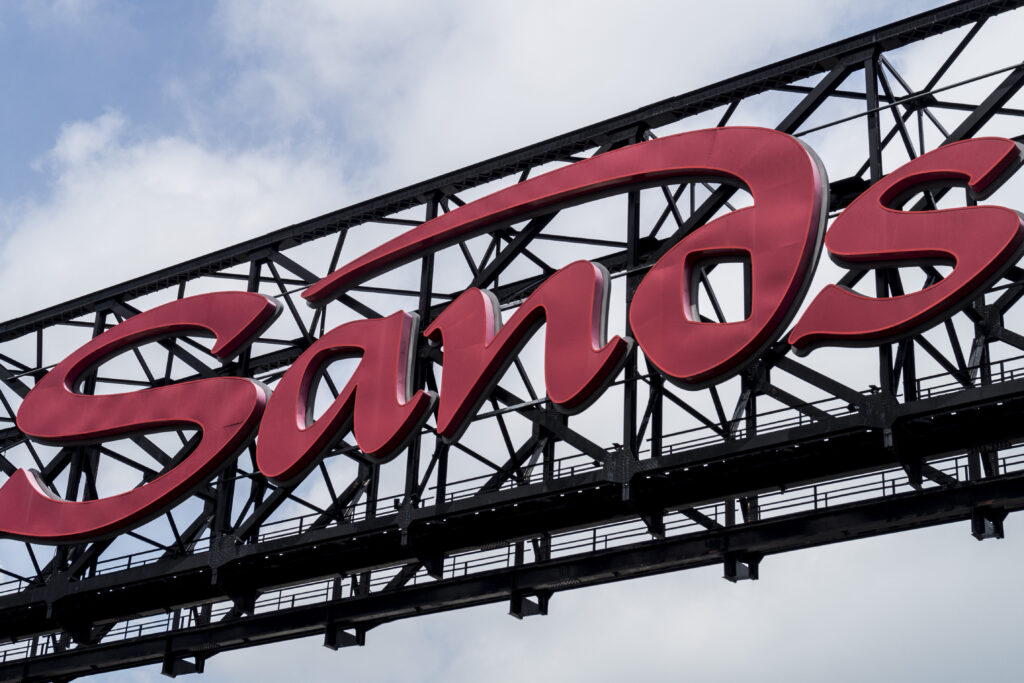
The Sands was one of the original Las Vegas resorts that helped shape the city’s glamorous mid-century image. It was closely associated with the Rat Pack, where Frank Sinatra and his friends turned lounge performances into legendary nightlife events. Visitors came not just to gamble, but to feel part of a larger cultural moment. The casino embodied a mix of elegance, danger, and star power that defined early Vegas. As mega-resorts began to dominate the Strip, older properties struggled to compete with size and spectacle. The Sands closed in the 1990s and was imploded to make room for newer development. Its physical presence vanished almost overnight. What remained were stories, photos, and recordings of iconic performances.
Modern visitors walking the Strip may have no idea where the Sands once stood. The rapid cycle of demolition and reinvention in Las Vegas makes nostalgia easy to lose. Without visible traces, the past gets layered over quickly. Younger travelers often associate Vegas only with massive contemporary resorts. The Sands feels like part of a different personality of the city. Its disappearance reflects how entertainment capitals constantly reinvent themselves. The glamour survives mainly in old footage and music history. Memory keeps the lights on long after the building is gone.
8. The Packard Automotive Plant (Detroit)
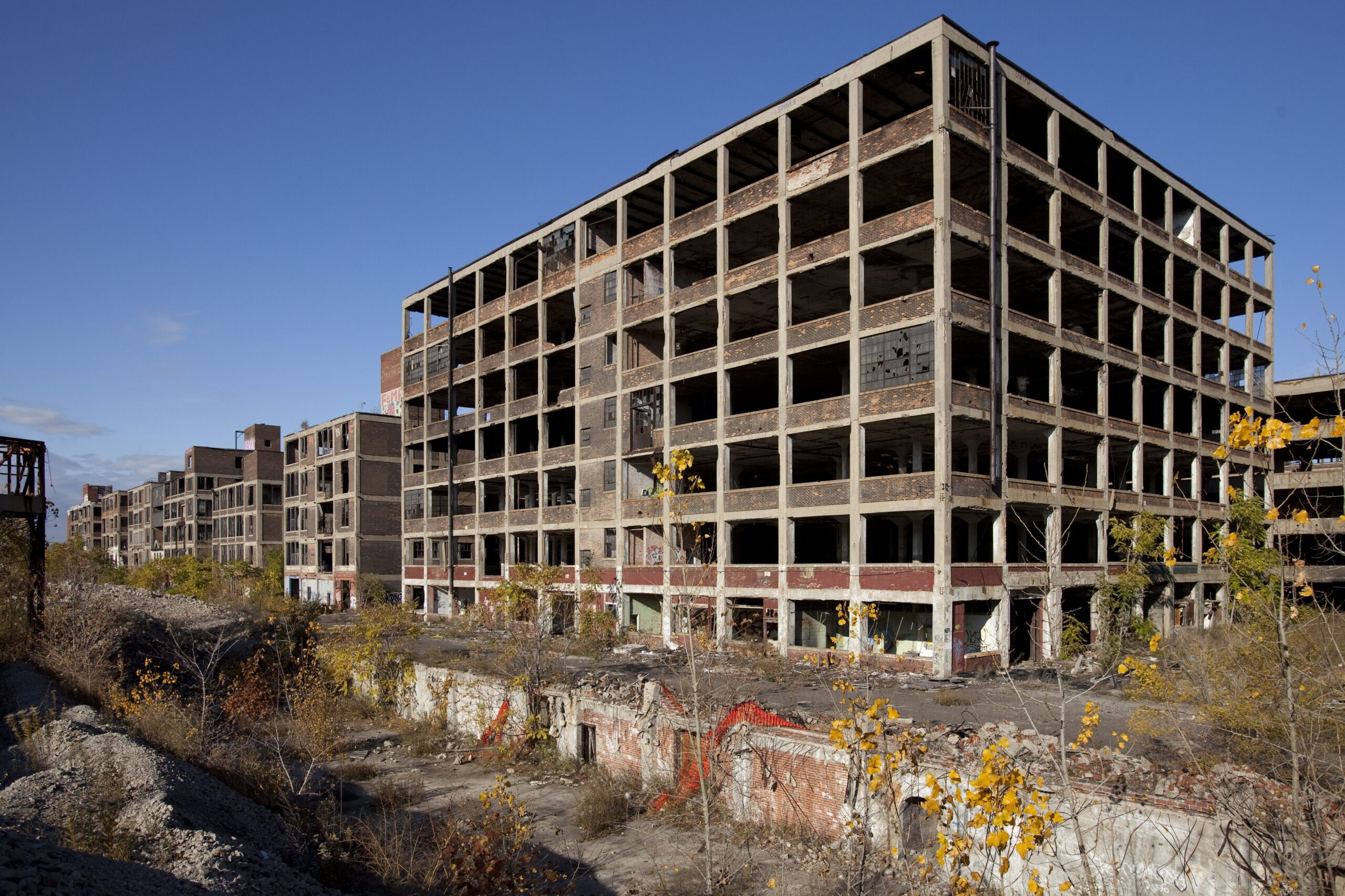
When the Packard Automotive Plant opened in the early 1900s, it symbolized Detroit’s rise as the heart of American industrial innovation. At its peak, tens of thousands of workers passed through its massive concrete complex each day, building luxury automobiles that were exported around the world. The factory itself was considered an architectural marvel for its time, designed to maximize light, airflow, and efficiency long before modern factory standards existed. For decades, Packard represented prestige, engineering excellence, and the economic confidence of the Motor City. As the auto industry shifted, competition intensified, and Packard’s business declined, production slowed dramatically. The plant closed in the late 1950s, leaving behind an enormous vacant structure. Over the years, neglect, vandalism, and partial demolition reshaped the site. What had once been a symbol of American manufacturing strength quietly turned into a crumbling landmark.
Many people today recognize the plant only through haunting photographs of abandoned factories circulating online. Without context, it can feel like just another ruin rather than a former industrial powerhouse. Younger generations may not realize how central Packard was to Detroit’s identity and global reputation. The scale of the complex still hints at its former importance, even in decay. Urban explorers and historians keep its story alive more than everyday residents do. It reflects how quickly economic shifts can erase once-dominant institutions from public consciousness. The factory’s silence contrasts sharply with the noise and motion it once generated. Memory now carries what machinery no longer can.
9. The Chicago Stockyards (Illinois)
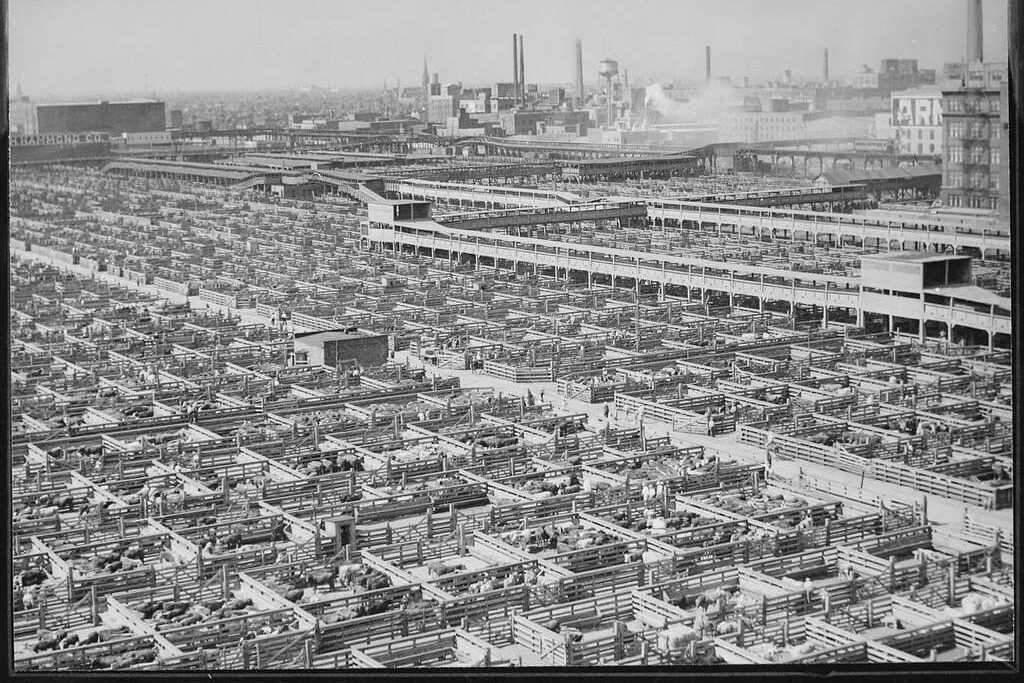
The Chicago Stockyards once formed the backbone of America’s meatpacking industry and helped transform the city into a major economic powerhouse. Millions of animals passed through its gates each year, supplying food across the country. The stockyards supported thousands of jobs and shaped entire neighborhoods around industrial labor. At its peak, it was one of the largest livestock centers in the world. As refrigeration, transportation, and industry practices evolved, centralized stockyards became less necessary. Operations slowly declined through the mid-20th century. The stockyards eventually closed in the 1970s, and the land was redeveloped for other uses. What had once been a symbol of industrial might quietly disappeared from daily awareness.
Many residents today may not realize how influential the stockyards were in shaping Chicago’s identity. The physical landscape gives little indication of the massive operations that once existed. Industrial history often fades faster than entertainment landmarks. Without museums or preserved buildings, memory becomes fragmented. The stories survive mostly in books and historical archives. Younger generations may associate the area only with modern businesses or housing. The stockyards’ fade shows how economic engines can vanish without dramatic fanfare. Time rewrites city identity faster than expected.
10. The New York Hippodrome Theatre
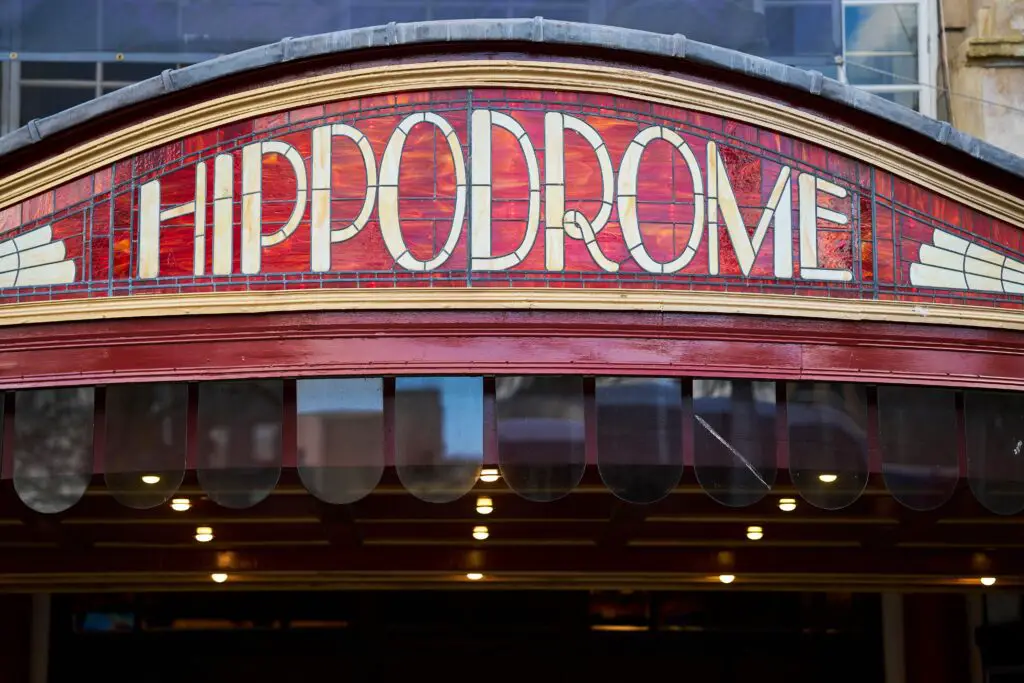
The Hippodrome Theatre was once the largest theater in the world, famous for its massive stage spectacles, elaborate productions, and even live animal acts. Audiences were amazed by its scale and technical ambition, which pushed the limits of early theatrical engineering. For years, it stood as a must-see destination for New York entertainment. Crowds lined up to witness productions that felt more like grand events than simple shows. As entertainment tastes shifted toward film and smaller venues, maintaining such a massive operation became impractical. The theater closed in the 1930s and was later demolished. Its enormous footprint disappeared into new development. Over time, the Hippodrome slipped out of popular memory.
Few people today can picture what such a gigantic theater looked like in operation. The idea of elephants and water features on a stage feels almost surreal now. Without surviving structures, the scale becomes hard to comprehend. Theater history enthusiasts keep the story alive, but casual audiences rarely encounter it. The name no longer appears on modern marquees or maps. It exists mainly in photographs and written descriptions. The Hippodrome’s disappearance reflects how quickly spectacle can become obsolete. Memory shrinks even when history was once massive.
11. The Pan Am Worldport (New York)

The Pan Am Worldport was a futuristic airline terminal that symbolized the glamour of early jet-age travel. Designed with a dramatic circular roof, it allowed passengers to board planes directly under sweeping architectural curves. Flying once felt like a stylish event, and this terminal reinforced that sense of elegance. Celebrities, executives, and international travelers passed through its gates during the height of Pan American World Airways. As airline operations modernized and the company declined, the terminal lost its primary purpose. It eventually closed and was demolished in the early 2010s. The iconic structure vanished quietly from the airport landscape. Its memory now survives mostly among aviation enthusiasts.
Many travelers today have no idea such a distinctive terminal ever existed. Modern airports prioritize efficiency over architectural flair. The romance of air travel has largely faded into routine logistics. Without preserved structures, the emotional connection disappears quickly. Old photographs capture a time when flying felt special and aspirational. The Worldport represents a moment when design and travel merged into cultural theater. Its disappearance mirrors the broader shift in how society views air travel. What once felt glamorous now feels purely functional.
12. The Palace Amusement Park (Old Orchard Beach, Maine)
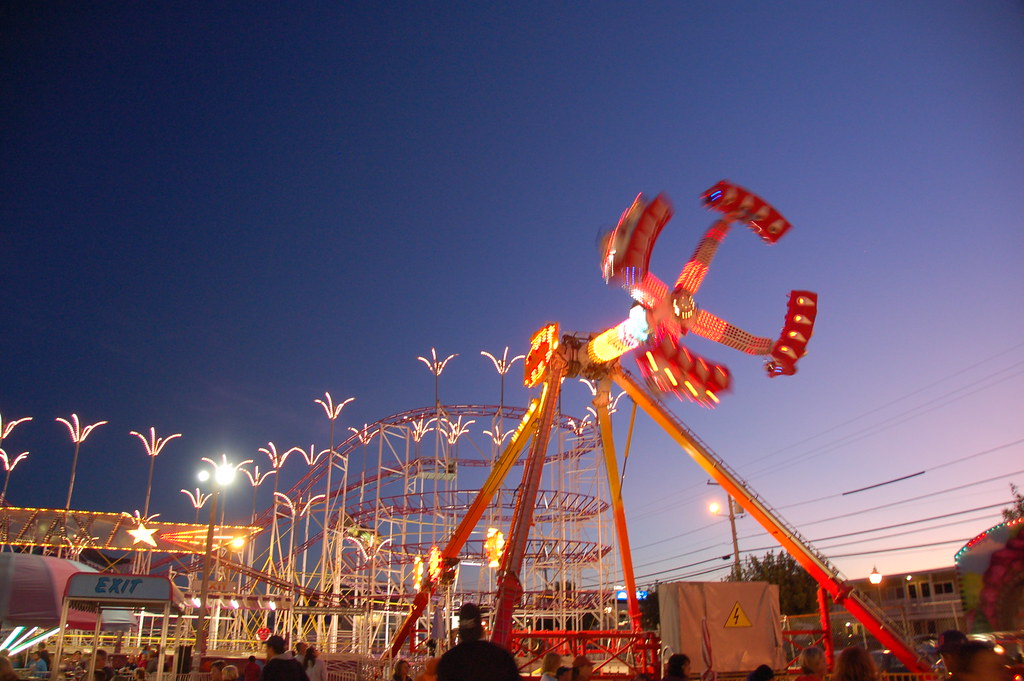
Palace Amusement Park was once a beloved seaside attraction filled with rides, arcades, and summer crowds. Families returned year after year, building traditions around cotton candy, boardwalk games, and ocean breezes. For many New Englanders, it defined childhood vacations and carefree summers. The park’s lights and sounds created a festive atmosphere that lingered long after sunset. As competition increased and maintenance costs rose, the park struggled to remain profitable. It eventually closed in the late 1990s, leaving behind a gap in the town’s seasonal rhythm. Portions of the area were redeveloped with new attractions and businesses. The original park slowly faded from collective memory.
Visitors today may still enjoy the beach, but the old amusement culture feels softened and scattered. Without the iconic rides, the experience feels quieter and more subdued. Younger families may never know what once stood there. Nostalgia keeps the park alive in personal stories and photo albums. The shift reflects how regional attractions often struggle against large commercial parks. Local charm can disappear without much national attention. Memory preserves the laughter more than the landscape does. The shoreline keeps changing along with its traditions.
13. The Original Yankee Stadium (New York)
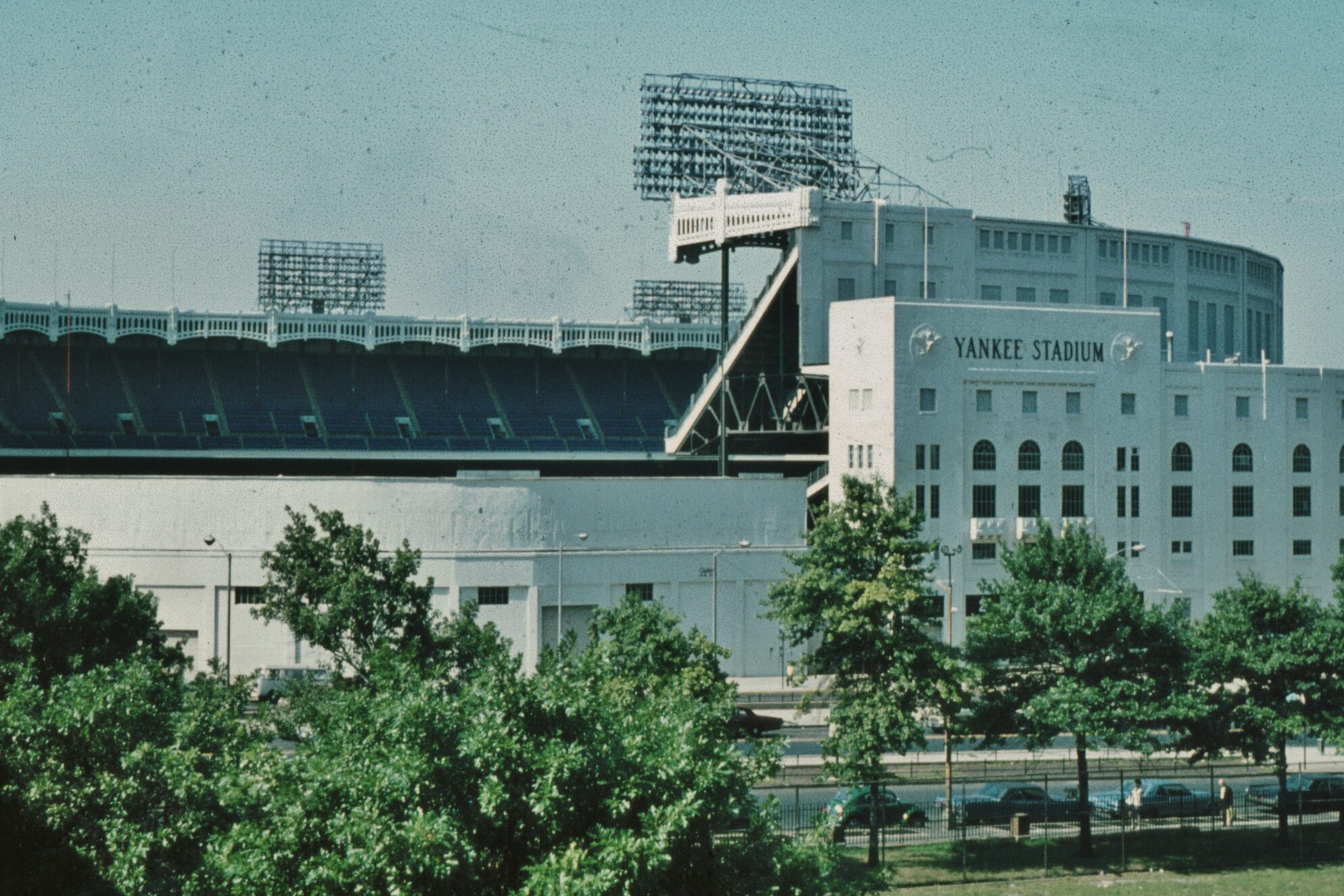
The original Yankee Stadium opened in 1923 and quickly became known as “The House That Ruth Built,” anchoring decades of baseball history. Legends played under its lights, and countless iconic sports moments unfolded on its field. Fans associated the stadium with tradition, championship banners, and a sense of mythic permanence. Attending a game there felt like participating in living history. As facilities aged and modern expectations grew, renovations could only go so far. The stadium was ultimately replaced by a new structure nearby in 2009. The original building was demolished, ending nearly a century of physical continuity. Its memory now lives mostly in stories, footage, and souvenirs.
While the new stadium carries the same name, the emotional connection feels different for longtime fans. The quirks and imperfections that gave the old stadium personality are gone. Younger fans may not fully grasp the atmosphere that once defined game days. The physical absence creates a quiet emotional gap. Even legendary places can be replaced when economics demand change. Nostalgia fills in what concrete no longer holds. The old stadium exists more in imagination than geography. Memory becomes the last remaining bleacher seat.
14. The Boardwalk Empire Era Atlantic City Steel Pier (New Jersey)
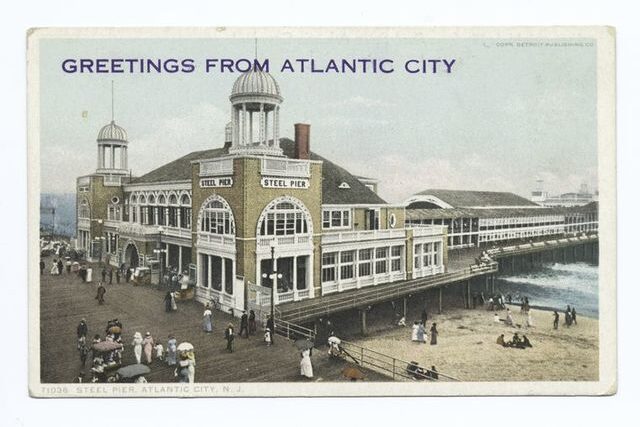
The Steel Pier was once Atlantic City’s premier entertainment destination, hosting major concerts, diving horses, and massive crowds during the early and mid-20th century. It symbolized seaside glamour and spectacle long before casinos reshaped the city’s image. Families flocked there for rides, live shows, and novelty attractions that felt thrilling at the time. The pier helped define Atlantic City as a national vacation hotspot. As tourism patterns shifted and casinos dominated the skyline, the pier’s cultural role diminished. Many of its original attractions disappeared or were replaced with smaller-scale offerings. The grand sense of spectacle gradually faded. Its former prominence slipped quietly into history.
Today, visitors may walk the area without realizing how influential the pier once was. The entertainment landscape feels fragmented compared to its unified past identity. Without preserved attractions, the memory becomes abstract. Old postcards and photographs capture moments that feel surprisingly distant. The pier’s transformation mirrors Atlantic City’s shifting economic identity. What once felt like a centerpiece now feels peripheral. Cultural memory fades when physical anchors disappear. The ocean keeps washing in, but the crowds changed long ago.
15. The Old Main Street Electrical Parade Route (Disneyland)
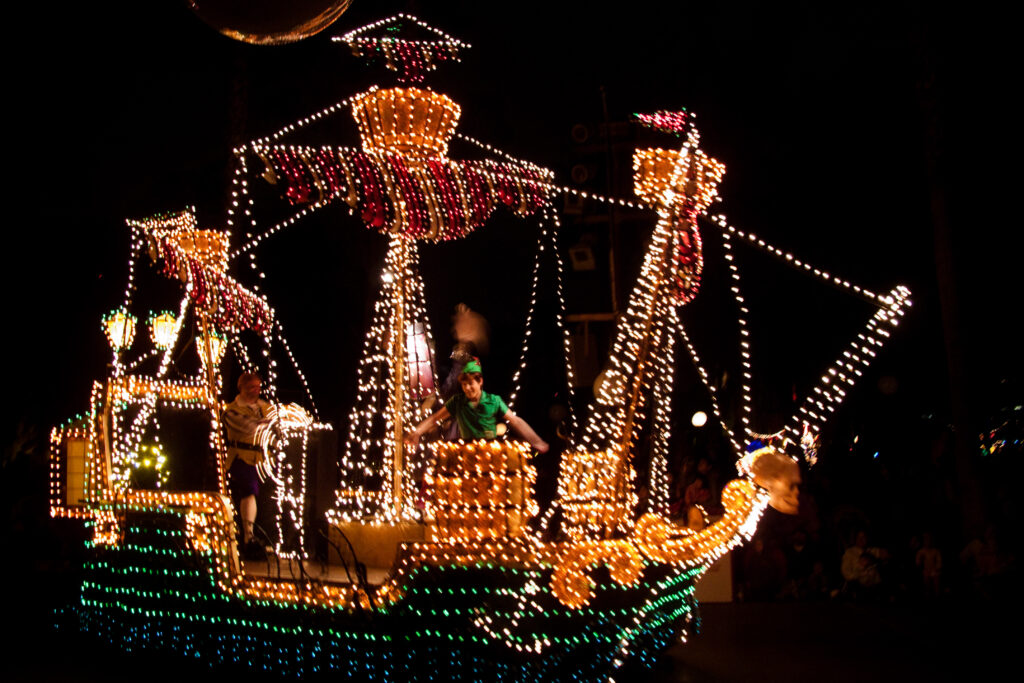
For decades, the Main Street Electrical Parade transformed Disneyland’s nighttime atmosphere into a glowing spectacle of lights, music, and synchronized floats. Families planned their evenings around securing the perfect viewing spot, turning the parade into a shared ritual. The glowing characters and catchy soundtrack became deeply embedded in childhood memories. It felt like a moment when the entire park paused together. As entertainment offerings rotated and updated, the parade’s presence became more intermittent. Eventually, newer nighttime shows replaced it as the main attraction. The physical route remains, but the emotional association slowly softened. What once felt like a guaranteed nightly tradition became an occasional revival event.
Younger visitors may recognize the parade mostly through videos or nostalgia-driven merchandise. The sense of communal anticipation has faded with changing park schedules. Without consistent repetition, traditions lose their grip on collective memory. The parade still sparks powerful nostalgia when it returns briefly. But it no longer anchors the park’s nightly rhythm. Memory fills in what routine once reinforced. Even beloved traditions can slowly drift into the background. Time reshapes how magic is remembered.