
1. Jell-O Pudding Pops
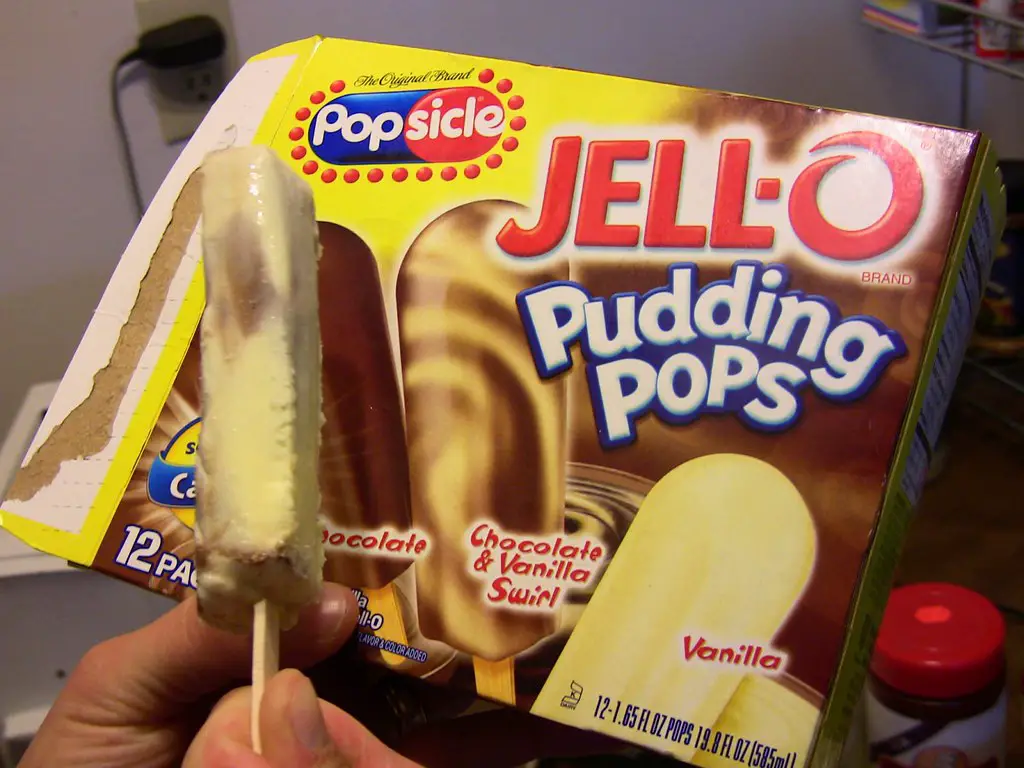
Jell-O Pudding Pops were a genuine freezer-case phenomenon in the ’80s and early ’90s, especially after Bill Cosby became the face of the ads. The creamy chocolate and vanilla bars felt like frozen pudding on a stick, which was exactly the appeal. Kids begged for them, and parents liked that they felt slightly more substantial than regular popsicles. They were messy in the best possible way, dripping down your wrist on hot afternoons. Grocery stores stocked entire freezer sections with them at their peak. Then sales gradually declined as novelty ice cream bars flooded the market. The brand discontinued them in the mid-’90s. Multiple revival attempts have surfaced over the years, but the original version never truly returned.
People still talk about the exact texture, which was softer and richer than most frozen treats. Nostalgia drives frequent online petitions asking for their comeback. Many shoppers are surprised to learn they have been gone for decades. It’s one of the clearest examples of a frozen classic quietly disappearing despite strong name recognition. Modern pudding snacks simply do not scratch the same itch. The original recipe and format remain part of frozen dessert folklore. If they ever reappeared nationally, they would likely sell out instantly. Their absence is still felt by anyone who grew up with them.
2. Nestlé Push-Up Pops in Cardboard Tubes

The original Push-Up Pops came in tall cardboard tubes with metal bottoms you pushed upward as the ice cream melted. They were sticky, sweet, and almost impossible to eat neatly. Kids loved the ritual of pushing the dessert higher as they ate it. The flavors were simple, but the experience was half the fun. These were everywhere in grocery freezers and ice cream trucks for years. Eventually, packaging regulations and changing manufacturing costs made the original design impractical. Plastic versions appeared later, but they did not feel the same. The classic cardboard Push-Ups quietly vanished.
Many adults still remember the faint cardboard taste mixed with sugary ice cream, which oddly added to the nostalgia. The originals felt sturdier and more playful than later versions. The packaging itself became part of the memory. Collectors even seek out old unused tubes online. While the brand still exists in different forms, the iconic format is gone. It’s a reminder that sometimes packaging defines a product as much as flavor. The disappearance happened gradually without much notice. Most people only realized it years later.
3. Eggo Wafflers
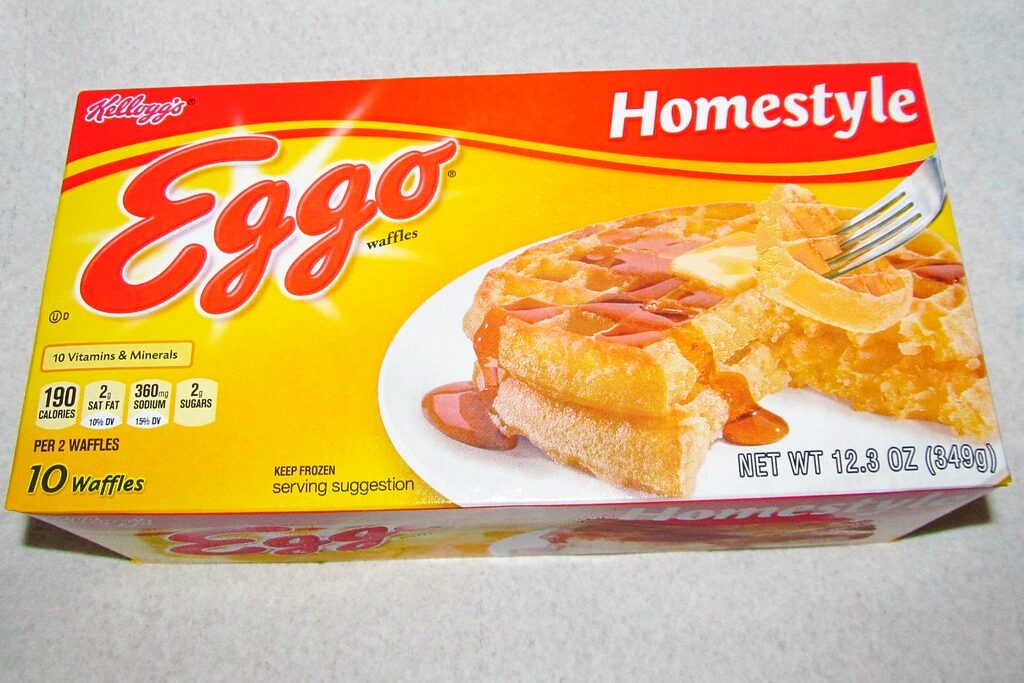
Eggo Wafflers were bite-sized waffle snacks meant to be eaten straight from the freezer or lightly warmed. They came in fun flavors like chocolate chip and cinnamon. They were marketed as a snack rather than a full breakfast, which made them appealing to kids. The texture was softer than a traditional Eggo waffle, almost like a mini pastry. They were easy to grab and surprisingly addictive. Despite decent visibility, they never became a long-term staple. Kellogg’s eventually discontinued the line. The product quietly disappeared from freezer aisles.
Many people vaguely remember the box but struggle to recall exactly when they stopped seeing them. They filled a niche between dessert and breakfast that never fully caught on. Snack trends shifted toward bars and shelf-stable options instead. Wafflers now feel like a very specific moment in frozen food experimentation. They weren’t bad, just slightly ahead of or behind the market timing. Fans occasionally bring them up in nostalgia forums. Their absence is subtle but noticeable once remembered.
4. Stouffer’s French Bread Pizza Singles (Original Recipe)
Stouffer’s French Bread Pizza still exists today, but longtime fans swear the original recipe and size disappeared years ago. The older versions were thicker, cheesier, and heavier on sauce. Many people remember them as a staple after school snack or late-night comfort food. The texture was more indulgent than today’s streamlined version. Over time, portion sizing, ingredient changes, and manufacturing updates altered the product. The modern version does not quite match the original experience. While the name remains, the original formula quietly vanished. For many fans, it feels like a discontinued product in spirit.
This kind of soft discontinuation happens more often than people realize. Brands evolve recipes without formally announcing changes. Loyal fans notice immediately, even if casual shoppers do not. Online discussions frequently compare old packaging photos with current versions. It’s a reminder that nostalgia often ties closely to specific textures and flavors. The original French Bread Pizza remains a memory rather than a product. People still search for something that tastes like it did decades ago. That version is effectively gone.
5. Totino’s Party Pizza Crisp Crust Line
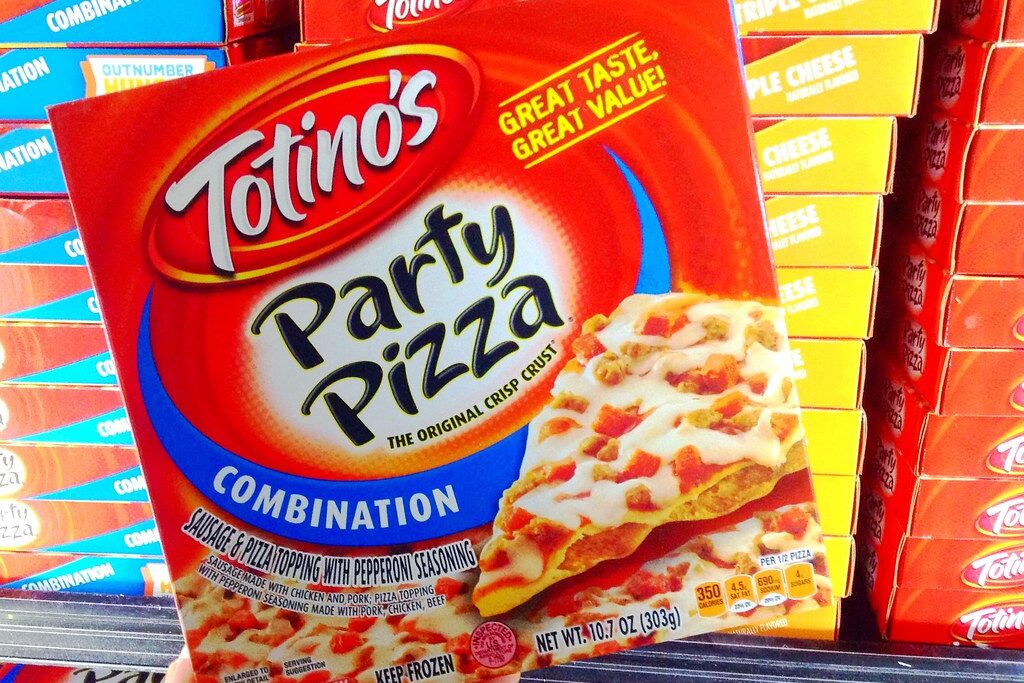
Totino’s once sold a Crisp Crust version of its party pizzas that baked up firmer and crunchier than the standard soft crust. It appealed to people who wanted a slightly more pizza-parlor texture. The packaging clearly distinguished it from the classic version. For a while, both varieties shared freezer space. As shelf space tightened, the company streamlined the lineup. The Crisp Crust variety slowly disappeared from most stores. The softer crust became the dominant format. Many fans barely noticed until they specifically went looking for it.
Those who preferred the crunchier texture still talk about it today. It felt more satisfying and less doughy. The disappearance reflects how companies simplify product lines to focus on top sellers. While Totino’s remains widely available, that specific experience is gone. It’s a subtle example of how familiar brands quietly evolve. Only longtime buyers tend to remember the difference. The Crisp Crust version now exists mostly in memory.
6. Lean Cuisine Desserts and Soufflés
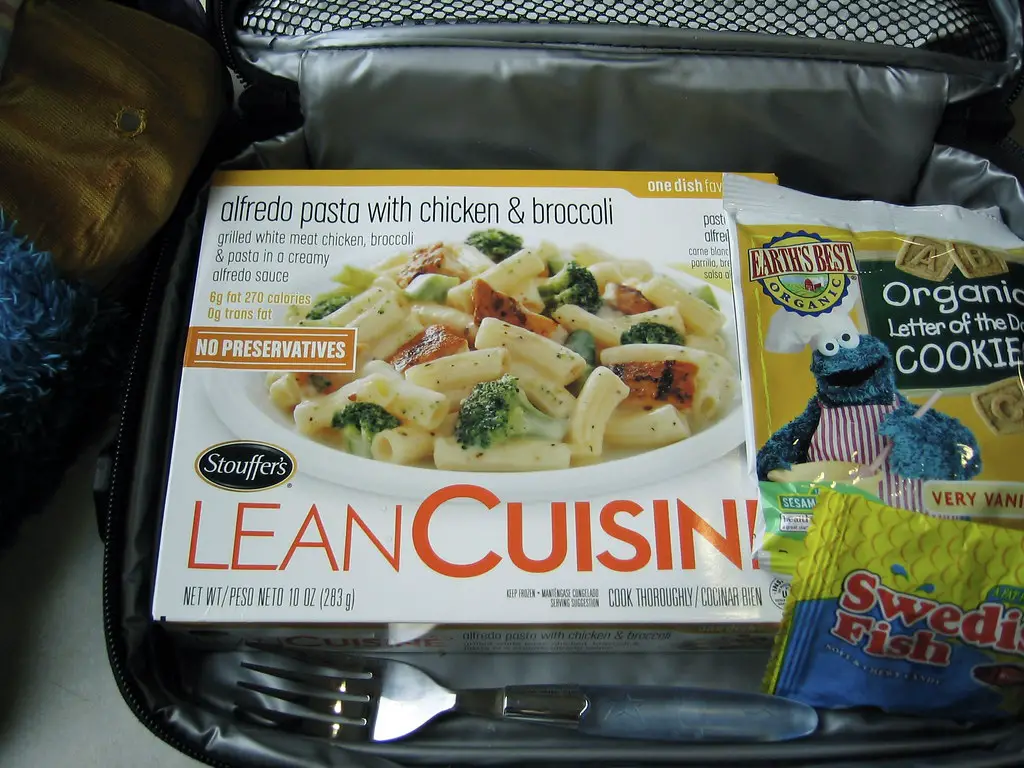
Lean Cuisine once experimented with frozen desserts and soufflés meant to feel indulgent but portion-controlled. Chocolate soufflé cups were especially popular for a time. They offered a warm, gooey dessert that fit within calorie goals. Many dieters relied on them as a nightly treat. Over time, Lean Cuisine shifted away from dessert offerings and focused more heavily on bowls and protein-forward meals. Dessert SKUs quietly disappeared from most freezer cases. The soufflés became harder and harder to find. Eventually, they vanished entirely in many regions.
Diet trends shifted away from strictly calorie-counted branding. Consumers moved toward flexible eating rather than rigid portion controls. The desserts felt like a product of a very specific era. People who used them regularly still miss the convenience and consistency. They filled a niche that has not been fully replaced. Their disappearance was gradual and unannounced. It is another example of how health marketing cycles change.
7. McCain Smiles Potato Faces
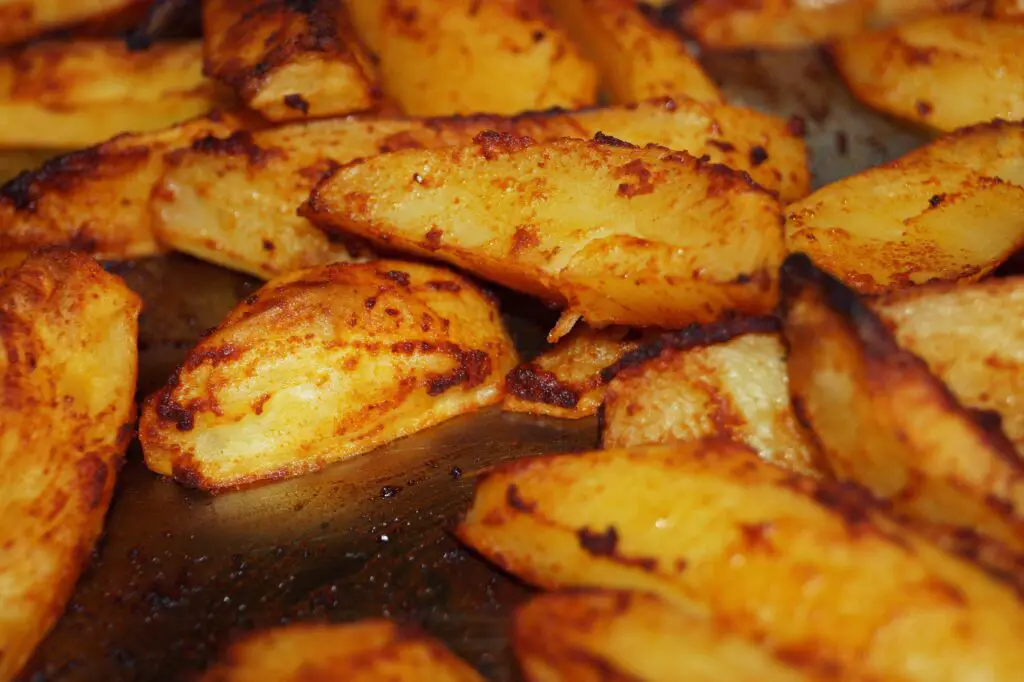
McCain Smiles were frozen mashed-potato faces shaped like smiling emoji-style characters. They were wildly popular with kids in the ’90s and early 2000s. Parents used them to make dinner more fun without much effort. The crispy outside and soft inside made them comforting and familiar. They were instantly recognizable in freezer cases. Over time, licensing, production costs, and shifting trends reduced their availability. Many U.S. stores stopped carrying them entirely. They quietly disappeared from mainstream shelves.
People still reference them with strong nostalgia. The faces were oddly charming and memorable. Social media posts frequently ask where they went. Some international markets still carry variations, but U.S. availability has largely vanished. That adds to the sense of loss for American shoppers. They were more than just potatoes, they were part of childhood dinners. Their absence is noticeable once remembered. It feels like a small piece of grocery culture disappeared.
8. Sara Lee Frozen Pound Cake Slices
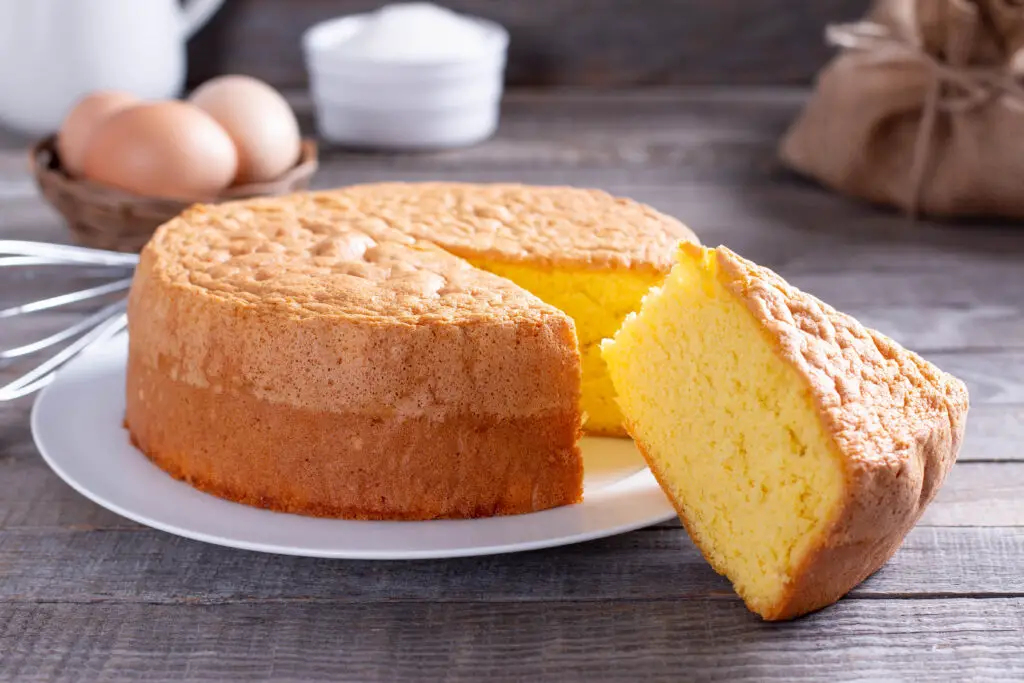
Sara Lee once sold frozen pre-sliced pound cake designed for quick desserts and shortcake recipes. Many families kept a box in the freezer for last-minute guests. The slices thawed quickly and tasted bakery-fresh. It made entertaining easier without baking from scratch. Over time, in-store bakeries expanded and refrigerated desserts improved. Frozen cakes lost shelf space. The sliced pound cake quietly disappeared from many grocery chains. Shoppers slowly stopped seeing it during routine trips.
Convenience expectations shifted toward fresher options. The freezer became more competitive for meals rather than desserts. People who used the pound cake regularly still notice its absence. It filled a practical and reliable role. Now similar products are harder to find in frozen form. The change happened without formal announcements. It simply faded away.
9. Banquet Dessert Pies
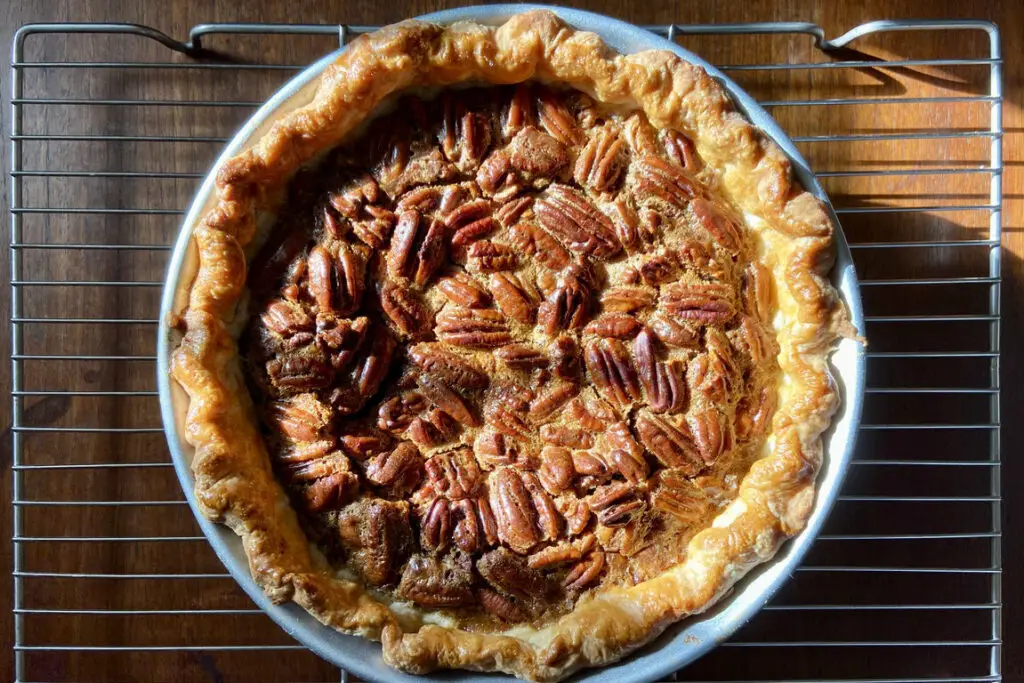
Banquet once sold individual frozen dessert pies alongside its savory frozen meals. Flavors like apple and cherry were easy comfort desserts. They baked quickly and felt homemade enough for casual family nights. Many households treated them as a simple reward after dinner. As frozen dessert competition increased, smaller pie formats lost visibility. Ice cream novelties and bakery desserts took over the category. Banquet gradually phased out the dessert pies. They quietly disappeared from freezers.
The pies were never flashy, but they were dependable. People who remember them often recall the bubbling filling and flaky crust. They were affordable and accessible. Their disappearance reflects shifting freezer priorities. Fewer frozen desserts now focus on baked goods. It’s a subtle loss that only longtime shoppers tend to notice. The product exited quietly without fanfare.
10. Birds Eye Creamed Vegetables Line
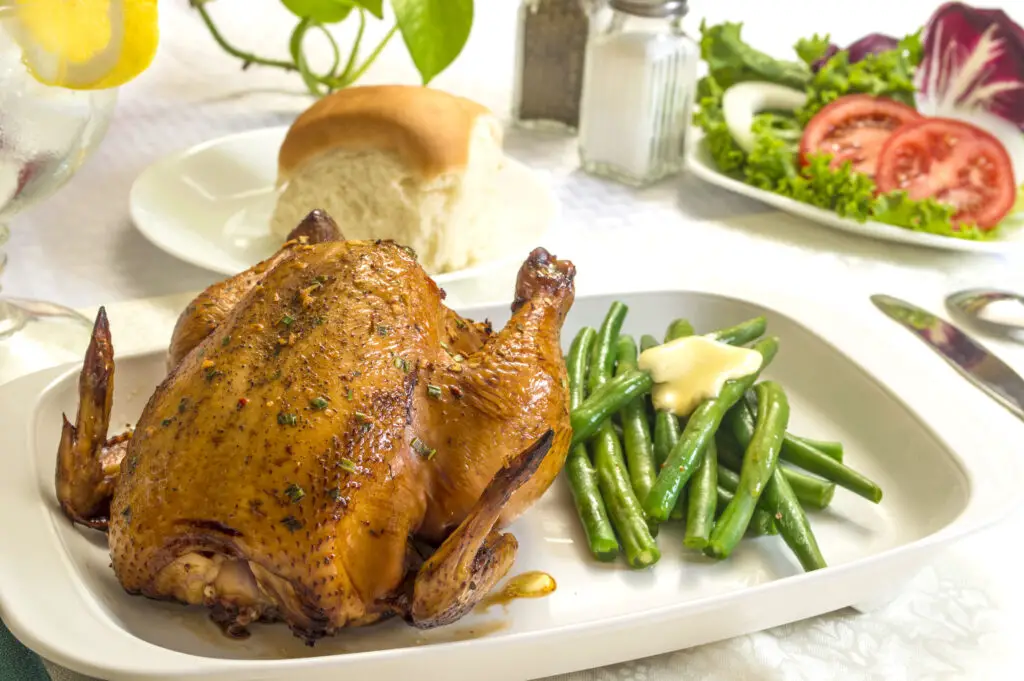
Birds Eye once offered several vegetables in heavy cream sauces, including creamed spinach and creamed corn. They mimicked steakhouse sides and comfort casseroles. Families used them for quick dinners and holidays. The rich sauces made vegetables more appealing to picky eaters. Over time, health trends pushed consumers toward lighter preparations. Steam-in-bag plain vegetables replaced heavy sauces. The creamed line slowly vanished from freezer cases. Many shoppers assumed it was temporary until it never returned.
Nutrition labeling influenced purchasing decisions heavily. Shoppers became more ingredient-conscious. The products began to feel outdated. Those who grew up eating them still remember the comforting richness. They paired well with classic comfort meals. Their disappearance happened gradually rather than abruptly. It’s another quiet shift in frozen food culture.
11. Kid Cuisine Dessert Brownies
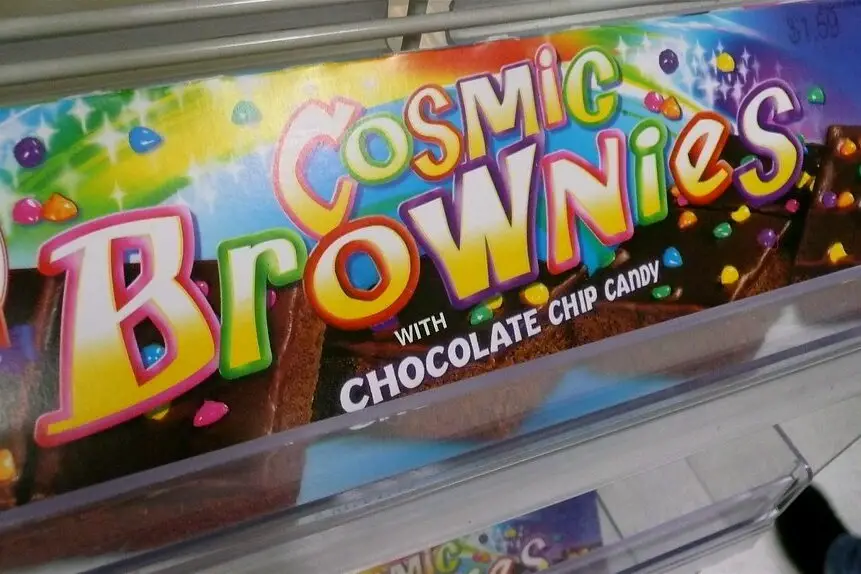
Older Kid Cuisine meals sometimes included a separate frozen brownie dessert compartment. Kids loved having a built-in treat with dinner. It made the tray feel like a complete experience. Parents tolerated it as an occasional indulgence. Over time, nutritional guidelines and marketing standards changed. Brands reduced sugary add-ons in kids meals. The brownie compartments quietly disappeared from newer packaging. Meals shifted toward more balanced presentations.
Children who grew up with the brownies often remember them fondly. It added excitement to dinner routines. The removal happened slowly, so many families barely noticed. It reflects broader changes in food marketing to children. Dessert add-ons became harder to justify publicly. The brownies now exist mostly in memory. It’s a small but meaningful change in frozen meal history.
12. Tony’s Frozen Stuffed Crust Pizzas
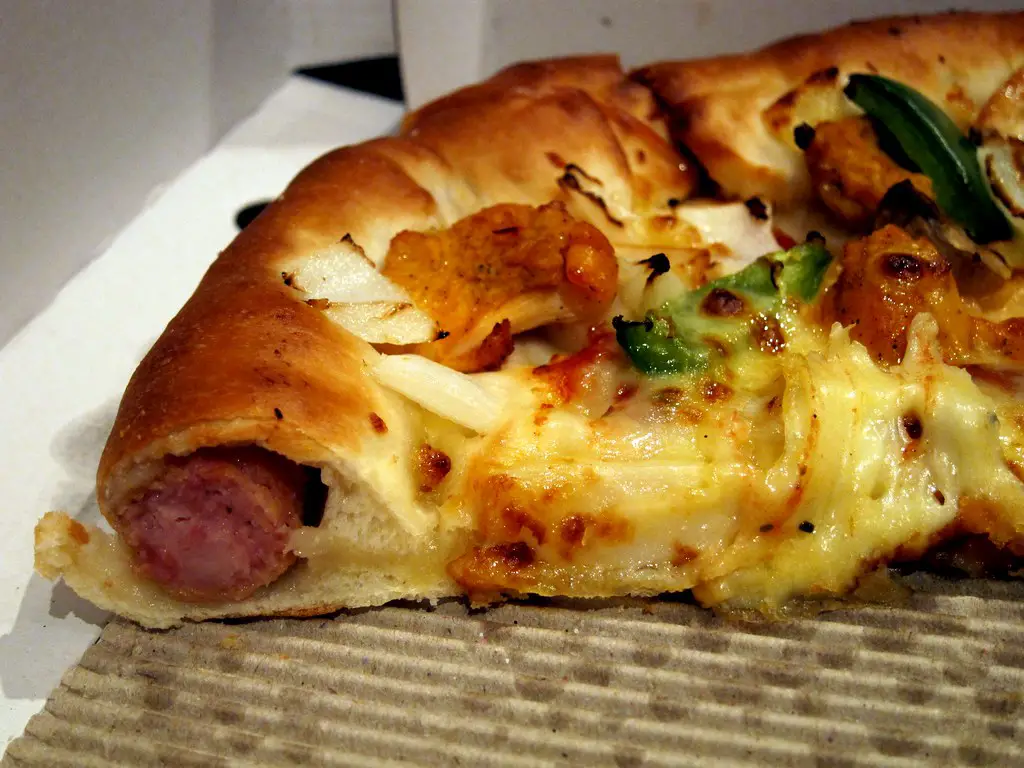
Tony’s once offered stuffed crust frozen pizzas long before premium frozen pizza brands became common. The cheese-filled crust felt indulgent and exciting. It mimicked restaurant trends at home. Many families bought it as a special treat night. Over time, production complexity and competition increased. Other brands dominated the premium frozen pizza space. Tony’s streamlined its offerings. The stuffed crust versions quietly disappeared from shelves.
Frozen pizza innovation moved toward artisanal styles instead. Stuffed crust became less novel in grocery freezers. Fans still remember the gooey crust fondly. It felt like a luxury at the time. The product vanished without formal announcement. It now feels like a forgotten experiment. Only longtime shoppers recall it clearly.
13. Nestlé Toll House Cookie Ice Cream Bars
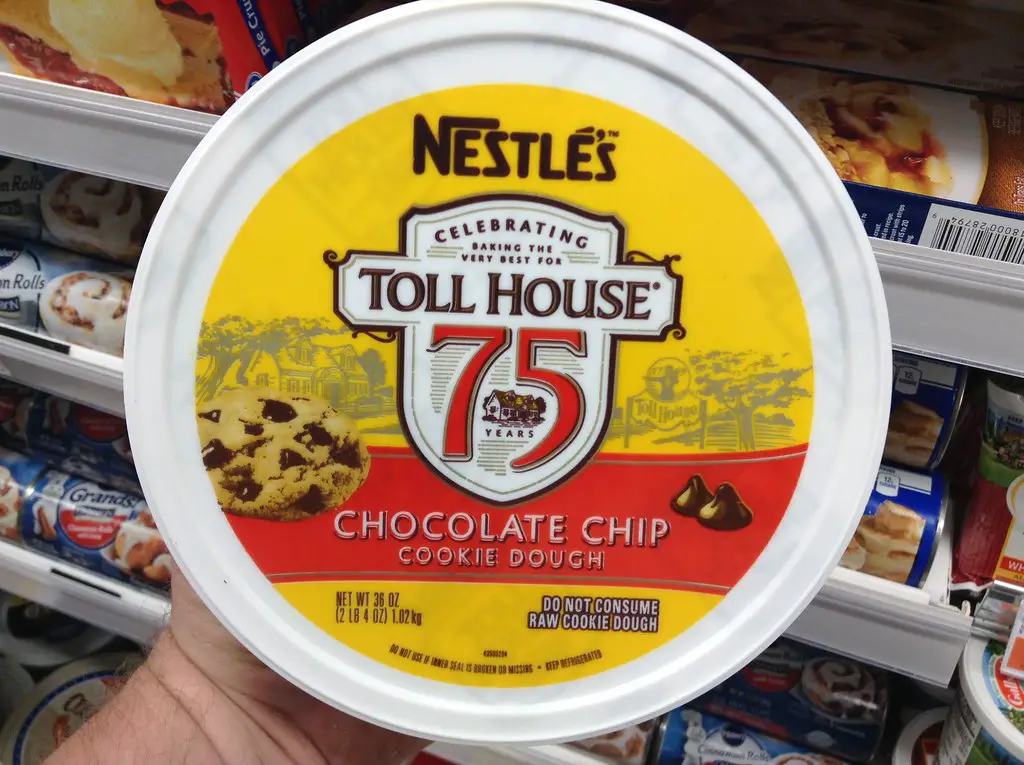
Nestlé once sold Toll House cookie-based ice cream bars using the brand’s famous chocolate chip cookie flavor. They were rich, messy, and extremely popular for a time. The combination felt like two desserts in one. Families often stocked them as premium treats. Over time, ice cream novelty competition exploded. Shelf space became crowded with new brands and flavors. The Toll House bars quietly disappeared from most freezers. Few shoppers noticed until cravings returned.
Licensing and brand focus shifted toward packaged cookies rather than frozen desserts. The bars never received a major revival. Fans still remember the thick cookie layers and creamy centers. They felt indulgent and satisfying. Their disappearance was subtle rather than dramatic. It’s a classic case of a recognizable brand quietly exiting a category. Nostalgia keeps the memory alive.
14. Hi-C Ecto Cooler Ice Pops
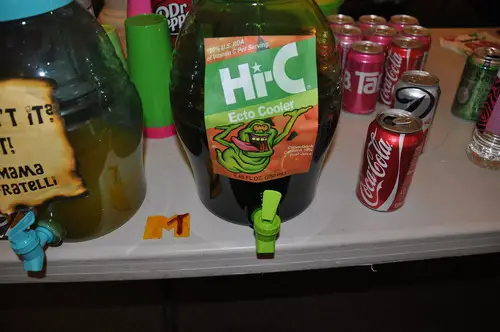
Hi-C once expanded its famous Ecto Cooler flavor into frozen ice pops during its peak popularity tied to Ghostbusters. The bright green pops were instantly recognizable and fun. Kids loved the color almost as much as the flavor. They were a summer staple for a short window. As licensing partnerships ended and trends shifted, the frozen version disappeared. Occasional beverage revivals have happened, but the ice pops did not return widely. They quietly vanished from freezer cases.
The frozen version remains especially nostalgic for those who experienced it. The color alone triggers strong memories. Limited editions and pop culture tie-ins rarely last long in frozen form. The ice pops became a product of a very specific cultural moment. Fans still ask for their return during every Ecto Cooler revival. So far, that has not happened. The frozen pops remain a forgotten novelty.