
1. No Phone Calls After 9 P.M.

In many households, the phone was considered a shared family resource, not a personal accessory, and calling late at night felt downright rude. Parents worried that an unexpected ring after nine meant bad news or some kind of emergency, so kids were trained to hang up before the clock crossed that invisible line. If you were deep into a teenage heart-to-heart, you learned to watch the minutes like a hawk. Some families even set kitchen timers as a not-so-subtle reminder to wrap it up. Long distance charges made late calls even more frowned upon, since every extra minute added to the bill. It also reinforced the idea that nighttime was for winding down, not chatting endlessly. Breaking this rule usually earned a sharp look or a quick click of the receiver being taken away.
Looking back, it’s funny how strict that boundary feels compared to today’s nonstop texting and scrolling. There was something oddly respectful about assuming everyone else in the house was already settling in for the night. It also forced conversations to feel more intentional, because you knew you had limited time. Friends planned their calls carefully instead of dialing on impulse. The rule shaped how social lives functioned after dark, especially for teens. It created a quiet rhythm in the house once evening really arrived. Now the idea of a household-wide phone curfew feels almost quaint.
2. Kids Had to Ask Permission to Use the Phone

For decades, picking up the phone wasn’t automatic for kids, it required asking a parent first. The phone sat in a central hallway or kitchen, and adults kept a close eye on how often it rang and who was on the other end. Parents worried about tying up the line in case relatives needed to call or someone important tried to reach the house. Some families even kept handwritten logs of long calls so they could monitor usage. If you wanted to call a friend just to chat, you had to make a case for why it was worth it. That extra layer of permission made every call feel slightly official. It also taught kids to be mindful of time and shared resources. A slammed receiver could signal disapproval faster than words.
The rule feels almost unimaginable in a world where kids carry their own phones in their pockets. Back then, conversations happened within earshot of parents, which added a certain pressure to keep things polite and brief. It could make awkward teenage conversations even more awkward. At the same time, it encouraged a sense of courtesy and accountability. You learned not to monopolize something everyone relied on. Families treated the phone like a utility, not entertainment. It quietly shaped how kids learned to communicate.
3. No Shoes Anywhere Inside the House

Some households treated outdoor shoes like they were practically toxic. The moment you stepped inside, you were expected to kick them off at the door, no exceptions. Parents worried about dirt, germs, salt from winter sidewalks, and mystery gunk being tracked onto carpets. Many families kept a neat line of shoes by the entryway as a visual reminder. If you forgot and walked across the living room, you’d hear about it immediately. Guests were gently but firmly instructed to follow the rule, even if they felt awkward. It kept floors cleaner and reduced the need for constant vacuuming. Over time, it became an automatic habit rather than a conscious choice.
This rule often divided households along generational or cultural lines. Some kids grew up shocked when they visited friends who left shoes on everywhere. It created a clear boundary between the outside world and the comfort of home. There was also a cozy element to it, since everyone padded around in socks or slippers. It reinforced the idea that the house was a protected space. Today, many families still follow this rule, but it once felt especially strict in certain generations. It was a quiet way of teaching respect for shared spaces.
4. Dinner Had to Be Eaten at the Table Every Night

In many homes, eating anywhere but the dinner table was considered bad manners or pure chaos. TV trays in the living room were reserved for special occasions, not everyday meals. Families gathered at a set time, and everyone was expected to sit, even if they weren’t particularly hungry. It reinforced routine and made dinner feel like an event rather than just fuel. Parents used the table as a place to check in, share news, and reinforce rules. Skipping the table meant missing out on conversation and sometimes dessert. The rule also helped control messes and keep food contained. Plates stayed where they belonged instead of traveling through the house.
As schedules became busier, this rule slowly faded in many households. Still, people who grew up with it often remember those dinners clearly, even if they complained at the time. It created built-in family time without anyone needing to schedule it. You learned how to make small talk and listen to others. It also taught patience, since everyone ate at the same pace. The table became a kind of daily anchor point. In hindsight, it shaped how families connected in subtle ways.
5. Lights Off When You Leave a Room

Parents once treated light switches like personal responsibility training tools. Leaving a room with the light on was seen as wasteful and careless. Kids were constantly reminded that electricity cost money and didn’t grow on trees. Some parents even followed behind flipping switches off dramatically to make their point. It became almost a reflex to glance back before exiting a room. The rule wasn’t just about saving money, it was about learning discipline. Breaking it could earn a lecture that felt far longer than the mistake itself. Over time, kids internalized the habit whether they liked it or not.
Even today, many adults still feel a small twinge of guilt when a light is left on. That conditioning stuck. It taught awareness of shared resources and household costs. It also created a sense that every action had consequences, even small ones. While modern lighting is more energy-efficient, the rule still echoes in many families. It became one of those invisible lessons that carried into adulthood. The habit often outlived the original reason for it.
6. No Talking During Certain TV Shows
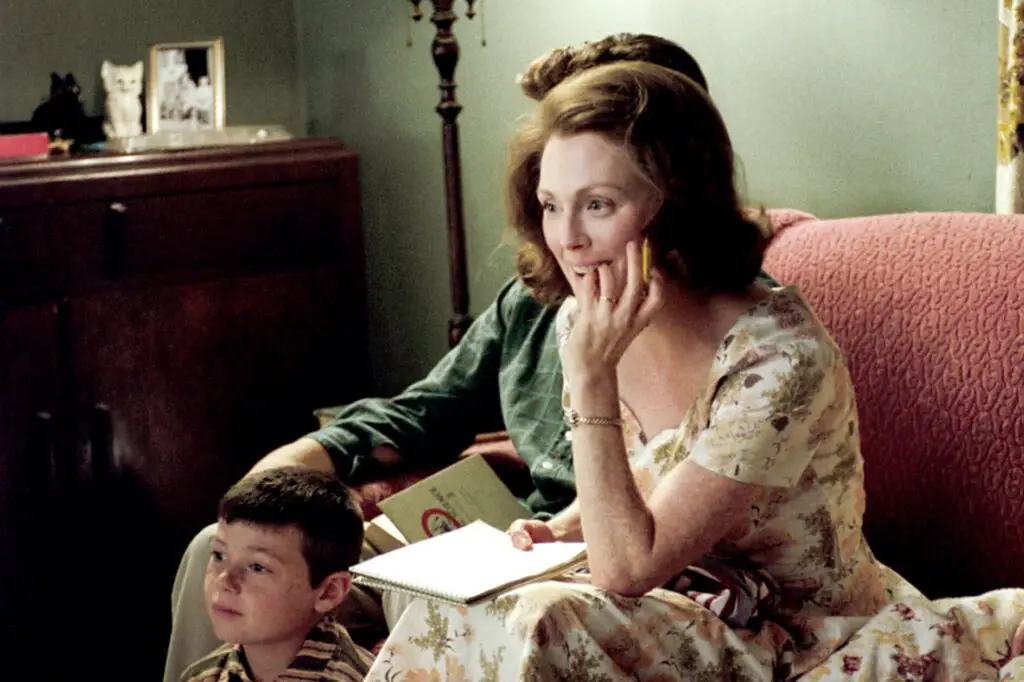
Some television programs were treated like sacred events in the household. When a favorite show came on, conversation was expected to stop entirely. Parents wanted to hear every line, commercial breaks included. Kids learned quickly which shows were off-limits for chatter. Laughing too loudly or asking questions mid-scene could earn a stern look. It created a quiet, focused atmosphere that felt almost ceremonial. Families planned snacks and bathroom breaks ahead of time to avoid interruptions. Missing a line meant waiting for reruns, so silence mattered.
This rule reflected how limited viewing options once were. You couldn’t pause or rewind live television, so attention was everything. It gave certain shows an elevated status in family culture. Watching together felt communal but structured. Kids learned patience and timing in a very analog way. Today’s on-demand world makes this rule feel almost obsolete. Still, it shaped how families once experienced entertainment together.
7. You Had to Finish Everything on Your Plate

Cleaning your plate was often non-negotiable in earlier generations. Parents tied the rule to respect for food, waste avoidance, or stories about harder times. Even if you were full or disliked what was served, you were expected to finish. Some kids sat at the table long after everyone else had left, determined not to give in. Dessert was frequently used as motivation or leverage. The rule reinforced the idea that food was valuable and not to be taken lightly. It also reflected household economics and lived experiences. Complaints rarely changed the outcome.
Many adults now look back on this rule with mixed feelings. It taught appreciation and discipline, but sometimes ignored natural hunger cues. Still, it was deeply rooted in generational attitudes toward scarcity and responsibility. Families who lived through leaner times passed that mindset down. It shaped how kids thought about waste and gratitude. The rule was less about control and more about values, even if it didn’t always feel that way at the table.
8. No Playing Outside After Dark

When the streetlights came on, it was the universal signal to head home. Parents associated darkness with safety risks, tiredness, and the end of playtime. Kids often raced the fading daylight to squeeze in one last game. Staying out past the cutoff could lead to grounding or a serious talk. The rule helped parents keep track of everyone without constant supervision. It also established a clear daily rhythm between activity and rest. Neighborhoods seemed to move in sync with the same unspoken schedule. The evening quiet felt almost ceremonial.
This rule reflected a time when kids roamed freely during the day but still had firm boundaries. It balanced independence with structure. Children learned to manage time and anticipate transitions. It also gave families predictable evenings. Today, outdoor play has changed, but the memory of racing home before dark remains vivid for many. It was a simple rule that shaped childhood routines.
9. No Sitting on the Plastic-Covered Furniture

Plastic covers on couches and chairs were once a real household phenomenon. They protected new furniture from spills, stains, pets, and everyday wear. Sitting on them in shorts could feel sticky and oddly cold. Parents insisted it preserved the investment and kept things looking new. Guests often felt awkward perching on crinkly cushions. The furniture was treated almost like a museum piece rather than something meant for comfort. Kids learned to be careful about food and drinks in certain rooms. It reinforced the idea that some spaces were more formal than others.
This rule feels especially tied to mid-century and postwar generations. Furniture was expensive and meant to last decades. Protecting it felt practical and responsible at the time. Today, comfort usually outweighs preservation. Still, many people smile remembering the sound and feel of plastic sofas. It became a strange but familiar part of home life. The rule said a lot about priorities and mindset.
10. Homework Had to Be Done Before Any Fun

Schoolwork came first, no exceptions in many households. Kids couldn’t watch TV, go outside, or call friends until homework was finished and checked. Parents believed it built discipline and responsibility. The rule often led to hurried assignments just to get to playtime faster. Some families had designated homework hours or quiet zones. It kept evenings structured and predictable. Procrastination usually didn’t go unnoticed. The message was clear: obligations come before rewards.
This rule shaped how many people learned to manage time and priorities. It created a clear boundary between work and leisure. Even today, adults who grew up with it often feel uneasy relaxing before tasks are done. The habit can be both helpful and stressful. It reflected generational values around education and self-control. The structure helped many kids succeed academically. It also became one of the most commonly remembered household rules.
11. No Wasting Water During Baths or Showers

Long baths and endless showers were discouraged in many homes. Parents worried about water bills and resource use. Kids were timed or reminded to hurry along. Some households had strict limits on how often baths could be taken. The rule taught conservation and mindfulness about utilities. It also prevented bathroom monopolies in larger families. Leaving the water running unnecessarily could spark a lecture. It reinforced the idea that comfort should not equal waste.
This rule reflected both economic and environmental awareness of certain eras. Families who experienced shortages or high costs passed down cautious habits. Many adults still carry this awareness into their own homes. It shaped daily routines in subtle ways. Water use became something you actively thought about. The rule taught responsibility through everyday behavior. It often lingered long after childhood.
12. Respectful Language Was Mandatory at All Times

Certain generations enforced very strict rules around tone and wording. Talking back, using slang, or speaking too casually to adults was unacceptable. Kids were expected to say “yes, sir” or “yes, ma’am” in some households. Eye-rolling or sarcasm could earn immediate consequences. The rule emphasized respect, hierarchy, and manners. Parents believed it prepared kids for the real world. Conversations stayed formal even within the family. It created clear behavioral expectations.
While language norms have relaxed over time, this rule shaped how many people communicate today. It taught self-control and awareness of audience. Some adults still instinctively adjust their tone in authority settings. The rule reflected broader cultural values of the time. It also reinforced structure within the household. Even if it felt strict, it left a lasting imprint on social behavior.