
1. Hanging Laundry Outside to Dry
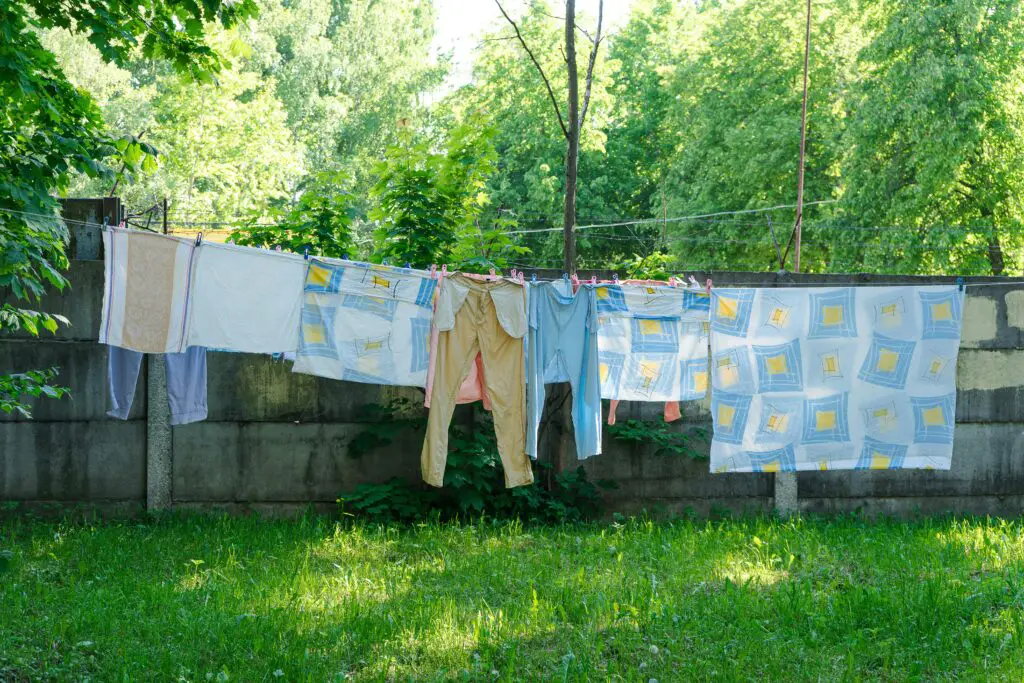
Before electric dryers became standard, hanging laundry outdoors was part of the daily rhythm in many households. Clotheslines stretched across backyards, alleys, and apartment courtyards, and the smell of sun dried sheets was something people genuinely looked forward to. Neighbors often chatted while pinning up clothes, turning a chore into a small social ritual. Weather forecasts mattered more when rain could undo a full morning’s work.
Line drying also shaped how people cared for clothing, since fabrics lasted longer without constant machine heat. Children learned early how to clip socks and towels properly so they would not fall into the dirt. Seasonal changes were felt more directly when winter laundry froze stiff or summer breezes snapped sheets like sails. It quietly reinforced patience, thrift, and a connection to the outdoors.
2. Writing and Delivering Calling Cards

Calling cards were once a polite way to announce a visit or leave proof that you had stopped by someone’s home. A small printed card with your name would be handed to a servant or left in a special tray near the door. The practice helped manage social boundaries and expectations, especially in cities where drop in visits were common. It signaled respect and formality in everyday relationships.
Over time, the ritual shaped how people thought about introductions and reputation. The quality of the card, the timing of its delivery, and whether a return card appeared all carried meaning. It taught people to be deliberate about social interactions rather than impulsive. Today, quick texts have replaced this slow, intentional system almost entirely.
3. Milk and Ice Delivery at the Doorstep

Daily or weekly delivery of milk and blocks of ice was once essential for keeping food fresh. Families left empty bottles in insulated boxes, and the milkman swapped them for full ones before breakfast. Ice deliveries replenished iceboxes long before electric refrigeration became universal. It was a small but reliable interaction that tied neighborhoods to local businesses.
This routine shaped meal planning and food storage habits in subtle ways. People bought perishables in smaller quantities and paid closer attention to spoilage. Children often watched for the truck and helped bring bottles inside. The disappearance of this practice changed how people shop, store food, and interact with local vendors.
4. Party Line Telephones

In many towns, several households shared a single telephone line, known as a party line. You could sometimes hear neighbors’ conversations if you picked up at the wrong moment. Each household had a distinct ring pattern so they knew when a call was meant for them. Privacy was limited, but community awareness was high.
This setup encouraged brevity and courtesy, since tying up the line inconvenienced others. It also spread news quickly, sometimes unintentionally, as overheard information traveled through town. Children learned early to wait patiently for a free line. The shift to private phone lines quietly changed expectations about personal space and confidentiality.
5. Airing Out Bedding and Mattresses
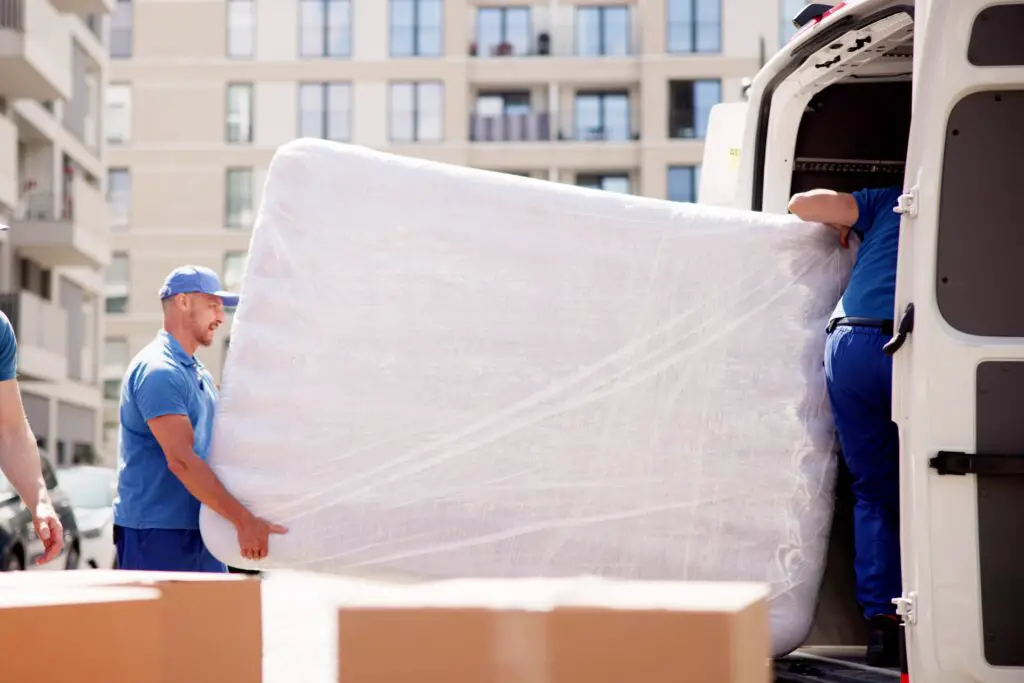
Regularly hauling mattresses and blankets outside to air them was once considered essential for cleanliness. Sunlight and fresh air were believed to reduce odors, moisture, and pests. On warm days, you could see bedding draped over porch railings and fences throughout a neighborhood. It was physical work, but it was part of maintaining a healthy home.
This habit shaped how people thought about hygiene before modern vacuums and fabric sprays existed. Families scheduled these chores around weather and daylight. Children often helped flip and shake heavy quilts. The practice faded as indoor cleaning technology improved, but it once influenced how homes smelled and felt.
6. Saving and Reusing Glass Jars for Everything

Glass jars from food purchases were routinely washed and reused rather than discarded. They stored nails, buttons, leftovers, sewing supplies, and pantry staples. Kitchen shelves often held mismatched jars filled with neatly labeled contents. It reflected a mindset of resourcefulness and practicality.
This habit reduced waste long before recycling programs became common. Children learned to recognize which jars were best for which tasks. It also encouraged careful organization in small spaces. The rise of disposable packaging quietly shifted people away from this everyday reuse culture.
7. Handwritten Letters as Primary Communication

Long form handwritten letters once carried news, emotions, and family updates across distances. People carefully chose stationery and took time composing thoughtful pages. Waiting for the mail became part of the daily routine. A single letter might be read and reread multiple times.
This practice encouraged reflection and emotional clarity in communication. Penmanship mattered, and children practiced letter writing as a life skill. Misunderstandings were often resolved slowly, with patience built into the system. Instant messaging has largely replaced this slower, more deliberate exchange.
8. Shaking Rugs and Carpets Outdoors
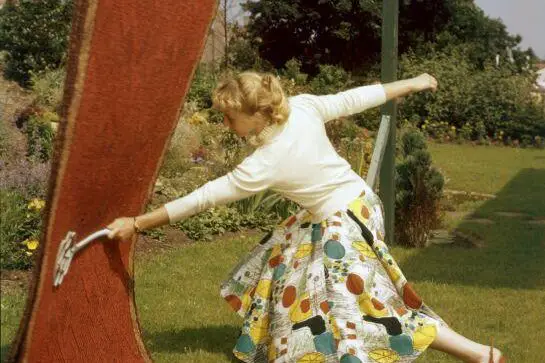
Before powerful indoor vacuums, rugs were taken outside and beaten to remove dust and dirt. Metal beaters hung in garages or on back porches for easy access. The clouds of dust were visible evidence of why the chore mattered. It was messy, physical, and oddly satisfying.
This routine influenced how often rugs were cleaned and how homes smelled and felt. It often became a shared task, with family members taking turns. Neighbors recognized the sound of rug beating as part of normal daily life. Modern appliances have made this once common ritual nearly obsolete.
9. Keeping a Household Ledger

Many families kept handwritten ledgers to track expenses, bills, and grocery costs. Every purchase was recorded carefully in ink or pencil. It created a visible sense of budgeting and accountability. Children sometimes learned basic math by helping total weekly spending.
This habit shaped financial awareness and discipline at a household level. People noticed patterns in their spending because they physically wrote them down. It encouraged planning rather than impulse buying. Digital banking has largely replaced this tactile connection to money management.
10. Sunday Family Visits as a Standing Obligation
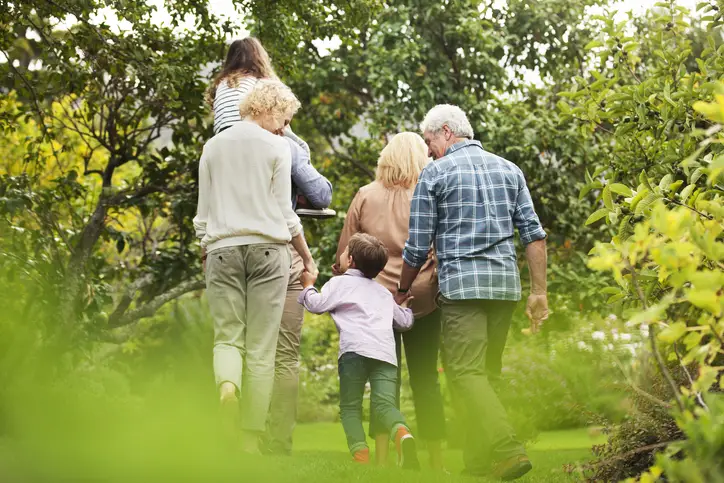
Weekly visits to extended family were once treated as a near obligation rather than a casual option. Families dressed neatly and traveled across town to share meals and conversation. These visits reinforced intergenerational bonds and shared traditions. Skipping without a strong reason could be seen as disrespectful.
This rhythm shaped how people structured their weekends and social lives. Children grew up knowing cousins, aunts, and grandparents intimately. Family news traveled through conversation rather than screens. Changing work schedules and mobility have gradually reshaped this expectation.
11. Home Canning and Preserving

Preserving fruits and vegetables at home was a seasonal ritual tied to harvest cycles. Kitchens filled with jars, boiling water baths, and the smell of fresh produce. Families planned meals months ahead based on what was canned. It created a tangible sense of food security.
This practice shaped cooking habits and appreciation for seasonal eating. Children learned where food came from and how long preparation could take. It also fostered sharing, since extra jars were often given to neighbors. Convenience foods have reduced how common this once daily oriented habit was.
12. Wearing Dedicated House Clothes

Many people changed into specific clothes meant only for being at home. These garments protected nicer outfits from wear and stains. It marked a clear transition between public and private life. The habit reinforced ideas of presentation and respectability.
This routine influenced how people treated clothing and extended garment life. Children learned when it was appropriate to change and why. It also created a subtle psychological shift between work and rest. Casual fashion has blurred this boundary significantly.
13. Walking to Local Shops Daily

Instead of weekly bulk shopping, many households visited neighborhood stores almost every day. Bread, produce, and meat were purchased fresh in small amounts. Shopkeepers often knew customers by name and preference. These trips became social touchpoints in the community.
This practice shaped meal planning and reduced food waste. It encouraged physical activity as part of ordinary life. Children learned responsibility by running small errands. Large supermarkets and car centered shopping changed this pattern quietly but permanently.
14. Memorizing Important Phone Numbers

People once memorized dozens of phone numbers because contact lists were not stored digitally. Family, friends, workplaces, and emergency numbers lived in memory or on paper. Forgetting a number could mean being unable to reach someone. It trained mental recall in practical ways.
This habit influenced how people organized information mentally. Children practiced memorization as part of daily life. It also made people more self reliant in emergencies. Smartphones have largely eliminated the need for this skill.
15. Repairing Instead of Replacing Household Items

Broken appliances, torn clothing, and loose furniture were commonly repaired rather than discarded. Toolkits and sewing kits were household staples. Fixing things was viewed as normal responsibility, not a special hobby. It encouraged patience and problem solving.
This mindset shaped how people valued possessions and longevity. Children learned basic repair skills through observation and practice. Waste was minimized out of necessity rather than environmental awareness. Modern convenience has shifted many households toward replacement instead.
16. Keeping a Front Porch as a Social Space

Front porches once functioned as informal gathering spaces for neighbors and families. People sat outside in the evenings, waved to passersby, and shared casual conversations. It created visible community presence and connection. Children played nearby while adults talked.
This habit shaped neighborhood familiarity and safety awareness. Small issues were often discussed face to face rather than formally addressed. Seasonal weather influenced how much time people spent outdoors socially. Air conditioning and indoor entertainment have reduced how central porches are to daily life.