
1. Aokigahara Forest, Japan
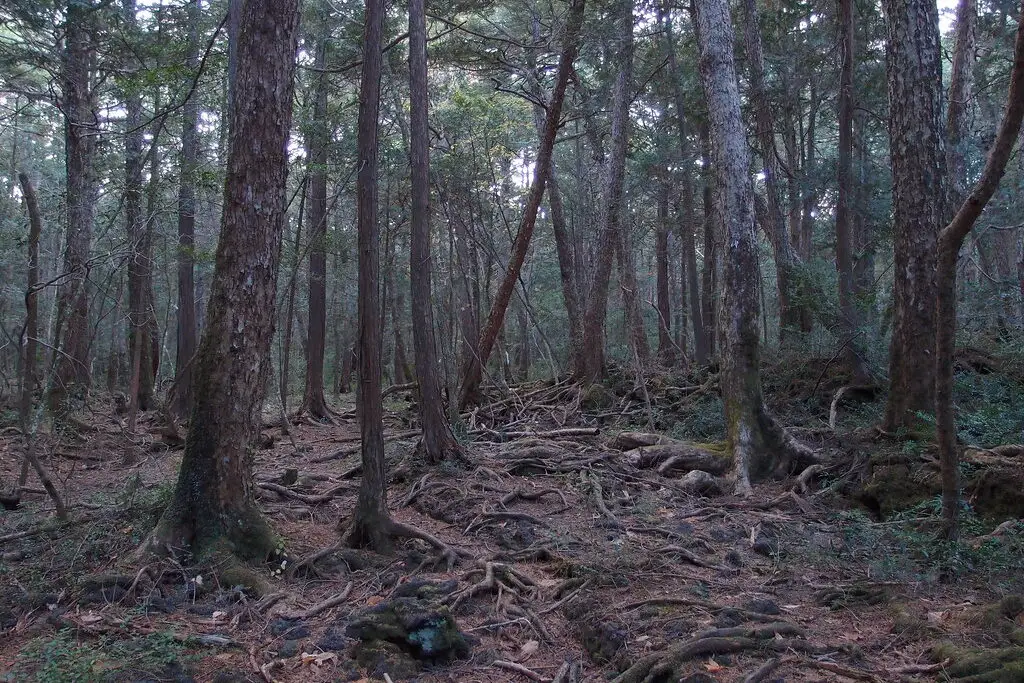
If you’ve ever seen photos of Aokigahara at the base of Mount Fuji, you already know how dense and otherworldly it looks. Hikers often describe moments where the wind suddenly dies, birds go silent, and even footsteps seem muffled by the thick volcanic soil. The forest absorbs sound in a way that feels unsettling, especially when the trees close in tightly around narrow paths. Some visitors say their own breathing feels unusually loud, as if the world around them has been muted. It can create the strange sensation that you’re walking inside a sealed room instead of outdoors. The stillness tends to come in patches rather than lasting the entire hike. That unpredictability makes people notice it even more. While there are natural explanations for sound absorption, many hikers still find the quiet unnerving.
Aokigahara also carries a heavy emotional reputation that influences how people experience it. The dense roots make the terrain uneven, forcing slower, more cautious steps that heighten awareness of every sound or lack of it. When the forest goes quiet, some hikers report feeling disoriented or slightly dizzy. Others say they instinctively start whispering without realizing it. The silence can feel respectful and eerie at the same time. There is no confirmed scientific measurement showing total sound loss, but firsthand accounts consistently mention sudden hushes. It’s one of those places where atmosphere does a lot of the storytelling. Even experienced hikers often leave talking about how strangely quiet it felt.
2. Hoia Baciu Forest, Romania
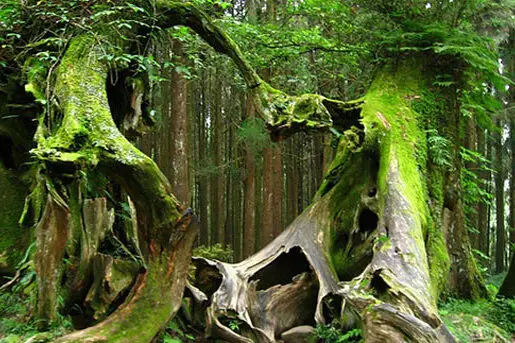
Known as one of Europe’s most mysterious forests, Hoia Baciu has long been associated with strange sensations and unexplained experiences. Many hikers report that ambient noise drops sharply once they enter deeper sections of the trail. Birds, insects, and distant traffic seem to fade away, leaving an odd vacuum of sound. Some describe the silence as heavy, almost pressing against their ears. It can make simple movements like snapping a twig feel amplified and startling. The forest’s twisted tree shapes add to the unsettling mood. People often slow their pace without realizing it. The quiet seems to arrive suddenly rather than gradually.
Locals have shared stories about feeling watched or uneasy during those silent stretches. Even casual walkers say conversations naturally drop to whispers because the stillness feels fragile. The forest sits near Cluj-Napoca, so the contrast between urban noise and forest quiet can be dramatic. Weather conditions and thick vegetation likely play a role in dampening sound, but hikers still find the effect extreme. I cannot confirm any paranormal cause for the silence. What remains consistent is how often visitors independently describe the same sensory experience. Many leave feeling unsettled but strangely calm. It’s the kind of quiet that lingers in memory.
3. Black Forest, Germany
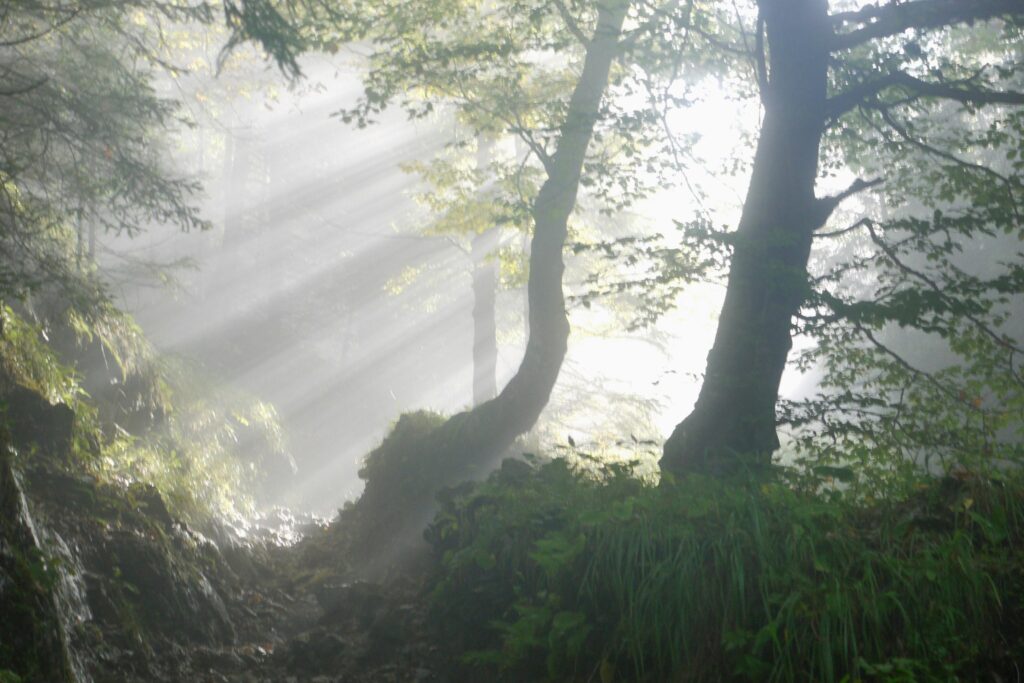
The Black Forest is famous for fairy tales, deep valleys, and towering evergreens that seem to swallow light and sound. On certain trails, hikers report moments where the forest becomes eerily quiet, with wind and wildlife suddenly absent. The thick canopy blocks airflow, which can create pockets of stillness that feel unnatural if you’re not expecting them. Footsteps on soft forest floor barely echo, adding to the muted feeling. Some people say it feels like wearing invisible earplugs. The silence often arrives without warning. That abrupt change makes people pause and look around. It can feel like the forest itself is holding its breath.
Because the Black Forest is so large and varied, these quiet zones don’t happen everywhere. When they do occur, hikers often describe a sense of heightened awareness or mild anxiety. Even distant church bells or road noise can vanish for long stretches. The quiet can be peaceful for some and unsettling for others. There is no verified evidence that sound literally disappears, but sound dampening is noticeable. The forest’s thick moss and layered vegetation absorb noise efficiently. Many hikers leave describing the silence as one of the most memorable parts of the hike. It’s subtle, but powerful.
4. Pine Barrens, New Jersey
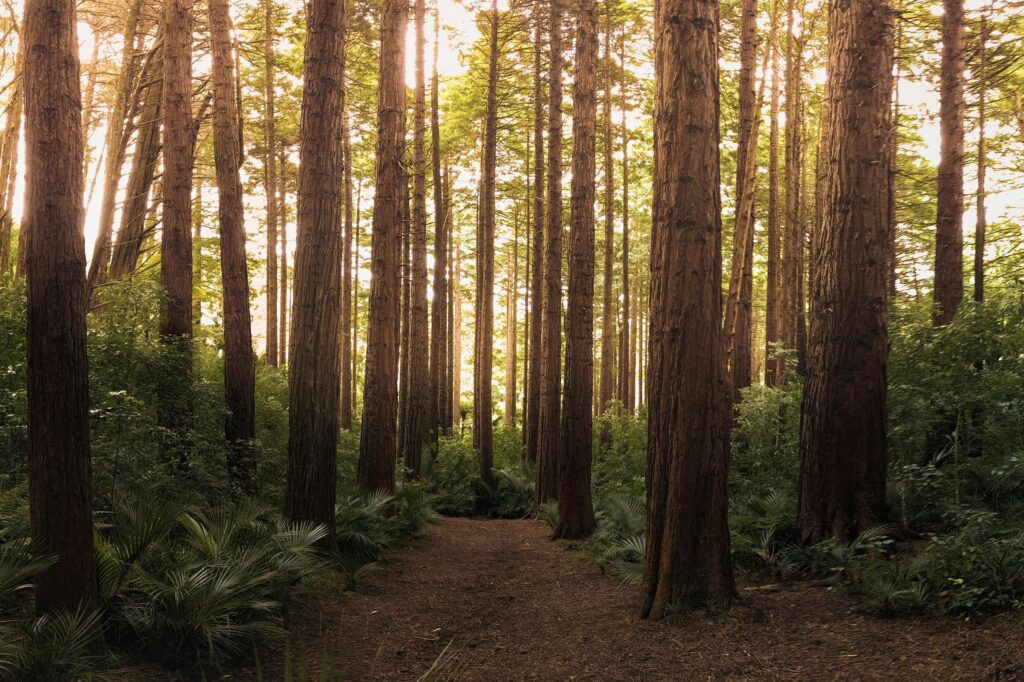
The Pine Barrens stretch across a huge portion of southern New Jersey and have a reputation for feeling remote despite being surrounded by populated areas. Hikers often notice how quickly everyday noise fades once they’re deep into the sandy trails. Pine needles and soft soil muffle footsteps, and wind doesn’t always move freely through the dense trees. Some people report moments where the forest becomes almost completely silent. Even insects seem to pause. The effect can feel isolating, especially on overcast days. Conversations sound oddly flat and absorbed. It creates a sense of being far from civilization.
The Pine Barrens also carry local folklore that shapes how people interpret these quiet moments. When the forest goes still, hikers often stop unconsciously and listen for something that never arrives. The silence can feel thick, like a blanket. I cannot confirm any supernatural cause, but sound absorption is noticeable in certain areas. The flat terrain and uniform tree growth contribute to the acoustic effect. Many visitors say the quiet feels deeper than in other forests they’ve explored. It’s not frightening for everyone, but it’s undeniably strange. The stillness sticks with you afterward.
5. Hoh Rain Forest, Washington
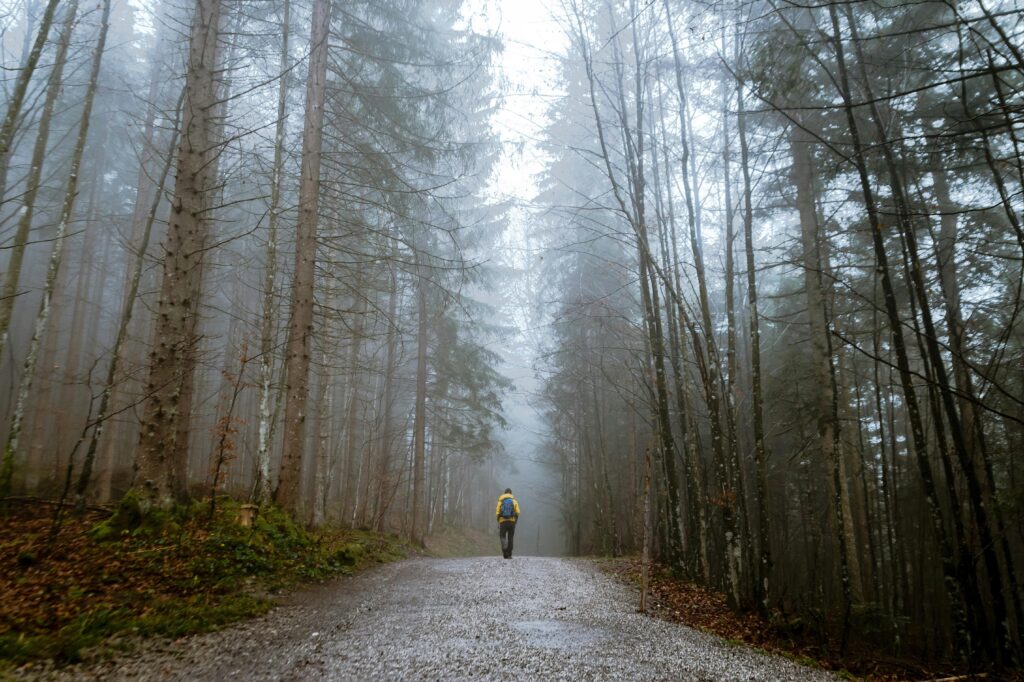
The Hoh Rain Forest is lush, wet, and dense, with moss-covered trees that seem to swallow sound. Hikers often notice how the dripping water and thick vegetation dampen echoes and distant noise. At times, the forest can go suddenly quiet, with even the steady drip of moisture fading into near silence. The air feels heavy and insulated, as if sound has nowhere to travel. Footsteps become soft and barely audible. Some hikers say their own breathing sounds amplified in contrast. The quiet can feel calming at first. Then it starts to feel oddly intense.
Because the forest is so saturated and layered with plant life, sound absorption is very effective. Visitors frequently comment on how different it feels from drier forests where noise carries easily. When wildlife pauses, the silence can feel almost artificial. I cannot confirm any reports of complete sound loss, but the sensory effect is widely mentioned by hikers. Many people instinctively lower their voices when the forest goes still. The quiet creates a meditative atmosphere that some find soothing. Others find it slightly unsettling. Either way, it’s memorable.
6. Crooked Forest, Poland
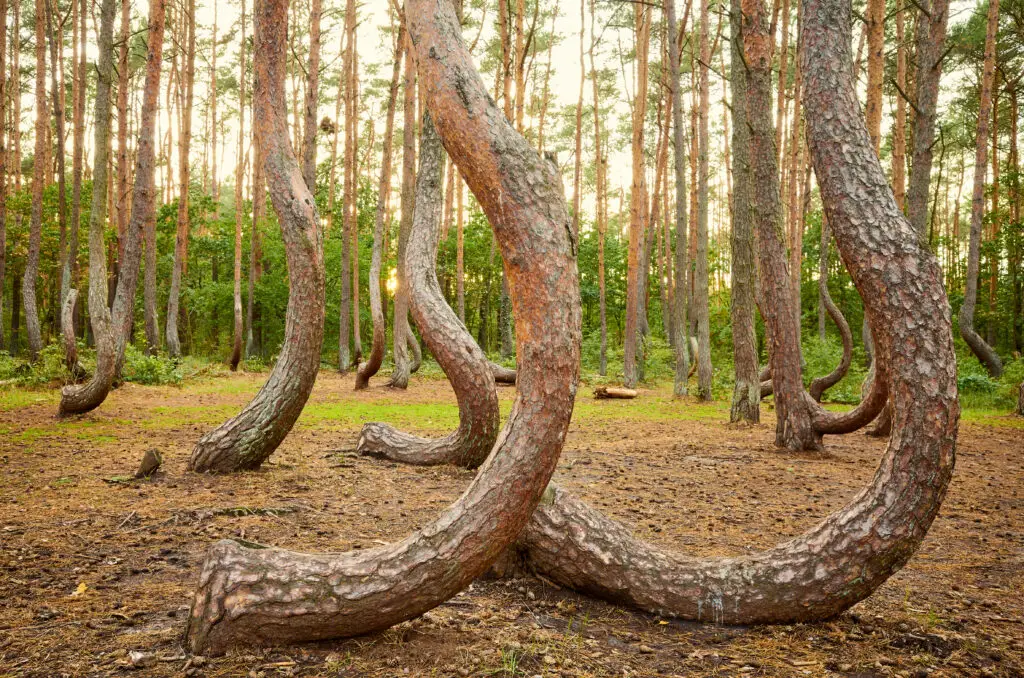
The Crooked Forest is famous for its curved pine trees, which already make the landscape feel unusual. Hikers walking through the area sometimes report stretches of deep quiet where background noise seems to vanish. Wind often moves above the canopy while the forest floor remains still. This creates pockets where sound feels trapped or absorbed. Twigs snapping can sound strangely loud in contrast. The silence can arrive abruptly, making people stop mid-step. Some describe a mild pressure sensation in their ears. It feels like entering a different acoustic zone.
Although the forest is relatively small, the effect still surprises visitors. The unusual tree formations amplify the sense that something is off. I cannot confirm any paranormal explanation for the quiet. Environmental conditions likely play a major role. Still, many hikers independently describe similar sound changes. The silence often makes people more aware of their surroundings and their own movements. It’s subtle but noticeable. The forest leaves a strong impression despite its size. Quiet can be just as powerful as noise.
7. Sherwood Forest, England
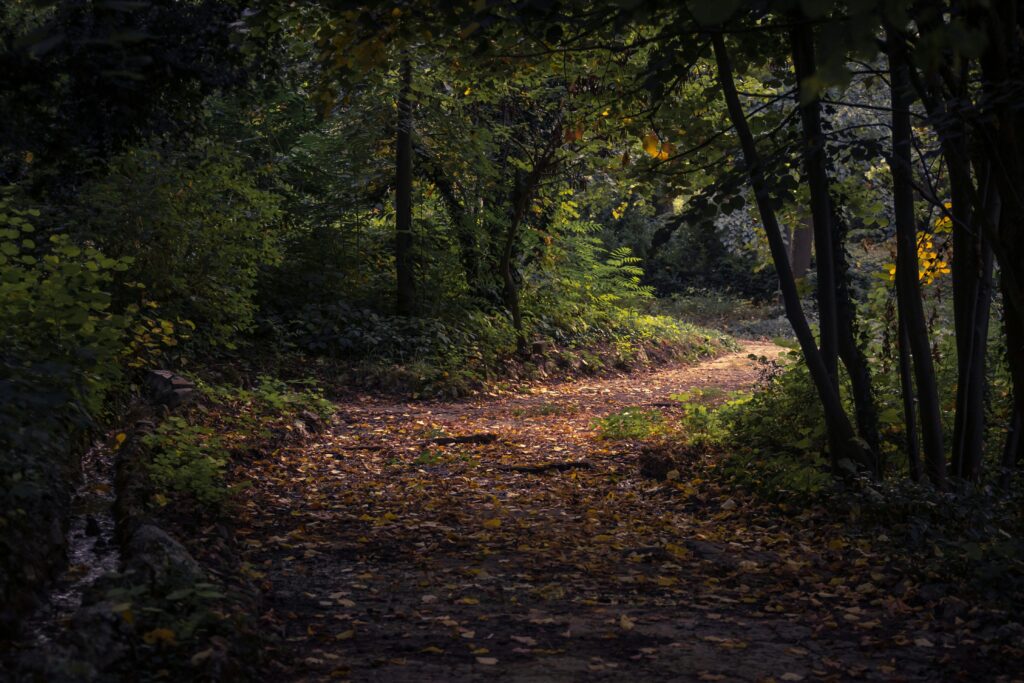
Sherwood Forest is best known for its connection to Robin Hood, but hikers also talk about its surprising quiet zones. Certain wooded paths suddenly lose background noise, especially on calm days. Birds and distant road sounds can drop away almost instantly. The ancient oaks create thick, uneven canopies that block airflow and absorb sound. Footsteps on leaf litter barely carry. The stillness feels deeper than expected for a well-visited forest. People often pause to listen, expecting noise to return. Sometimes it doesn’t for several minutes.
Because the forest is accessible and popular, the contrast between busy areas and silent pockets feels dramatic. Hikers often describe the silence as peaceful but slightly eerie. I cannot confirm any claims of true sound disappearance. However, many visitors notice the same acoustic shift in similar areas of the forest. The quiet can make time feel slower. Even small movements feel magnified. It’s a reminder of how differently natural environments handle sound. The experience tends to stick with people.
8. Great Smoky Mountains National Park, Tennessee and North Carolina
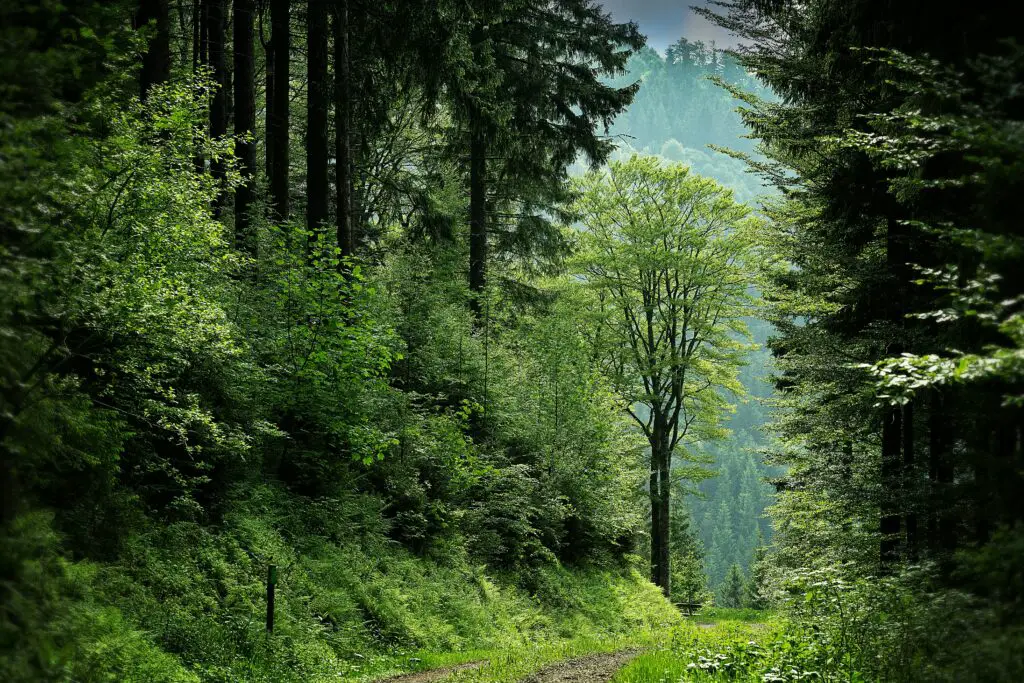
The Smokies are known for misty valleys and thick forest coverage that dampens sound. On certain trails, hikers report moments where everything becomes eerily quiet, especially early in the morning. Fog and moisture can absorb noise, making even distant streams seem muted. The silence often arrives suddenly rather than gradually. Some people describe feeling slightly disoriented when it happens. Their footsteps sound dull and swallowed by the ground. Conversations seem oddly flat. It can feel like the world has been turned down.
The park’s vastness adds to the sense of isolation when the quiet hits. Wildlife activity naturally fluctuates, contributing to long silent stretches. I cannot confirm any supernatural explanation for the sound changes. Environmental conditions provide likely explanations. Still, hikers frequently mention how intense the quiet feels compared to other parks. The silence can feel calming or unsettling depending on the person. Many say it’s one of the most memorable sensory aspects of hiking there. It adds to the Smokies’ mystique.
9. Dering Woods, England
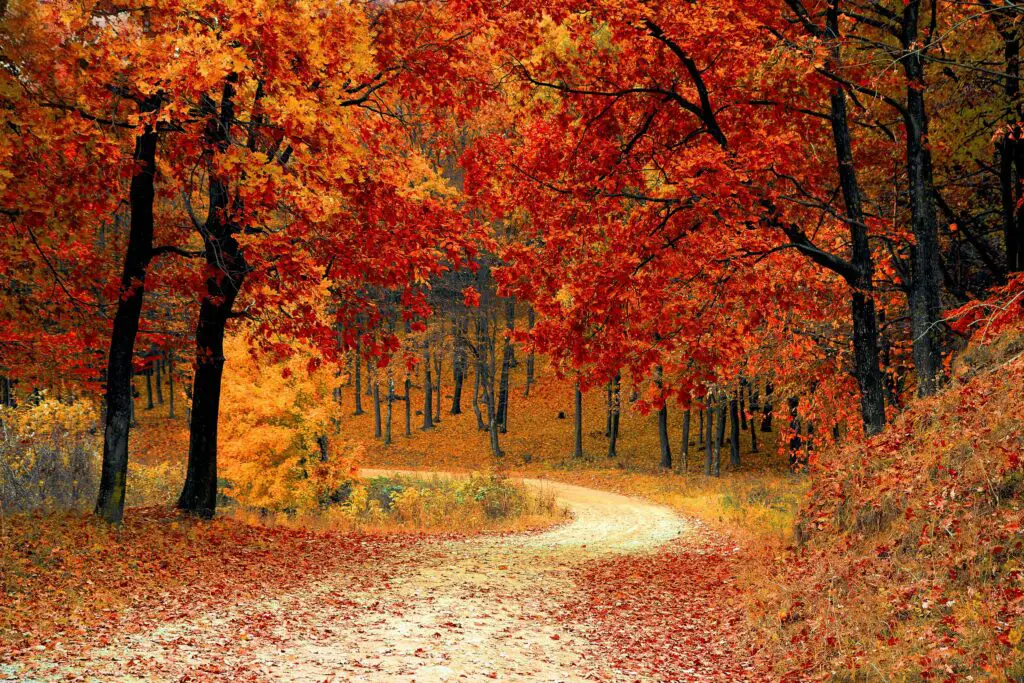
Often called one of Britain’s most haunted woods, Dering Woods has a reputation for strange sensory experiences. Hikers sometimes report that the forest becomes unnaturally quiet in certain sections. Wind noise can disappear, leaving an unsettling stillness. Even footsteps feel muted on the soft forest floor. Some people describe a ringing or pressure sensation in their ears during these silent moments. The lack of sound can feel heavy and deliberate. It often causes hikers to slow down or stop. The quiet feels different from normal woodland calm.
Local legends influence how people interpret the experience, but the sound dampening is still noticeable. I cannot confirm any paranormal cause for the silence. Dense vegetation and terrain likely contribute. Still, many visitors independently report similar sensations. The silence often feels emotionally charged rather than simply peaceful. Some hikers describe feeling watched or uneasy. Others just feel deeply alert. It’s a small forest with a big atmosphere.
10. Wychwood Forest, England
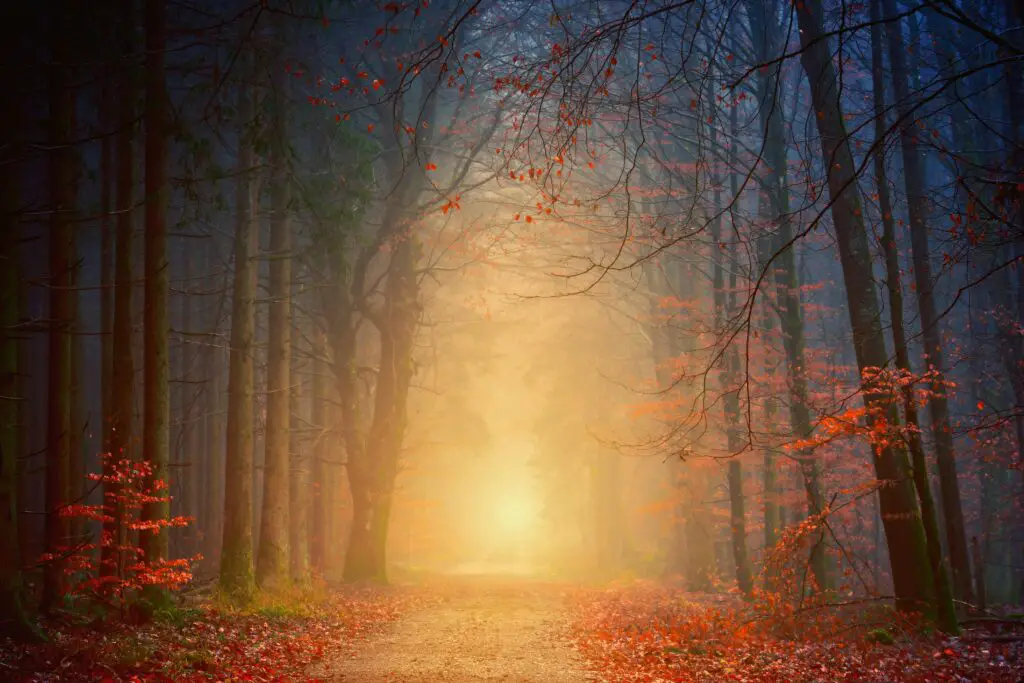
Wychwood Forest carries centuries of folklore, which naturally shapes expectations for visitors. Hikers often mention pockets where sound seems to drop away unexpectedly. Birdsong and wind fade, leaving a hollow quiet that feels amplified by the dense tree cover. The forest floor absorbs footsteps, making movement almost soundless. Some people say it feels like stepping into a vacuum of noise. The stillness can linger longer than expected. It often causes people to instinctively lower their voices. The quiet feels deliberate rather than accidental.
Because the forest is ancient and layered with thick undergrowth, sound behaves differently than in open woods. I cannot confirm any claims of supernatural silence. However, hikers consistently mention the unusual acoustic effect. The quiet can feel calming at first and then slightly unsettling. It encourages people to pay close attention to small details like leaf movement or distant creaks. Many leave remembering the silence more than the scenery. It’s subtle but powerful. The forest leaves a lasting sensory impression.
11. Markawasi Forest, Peru
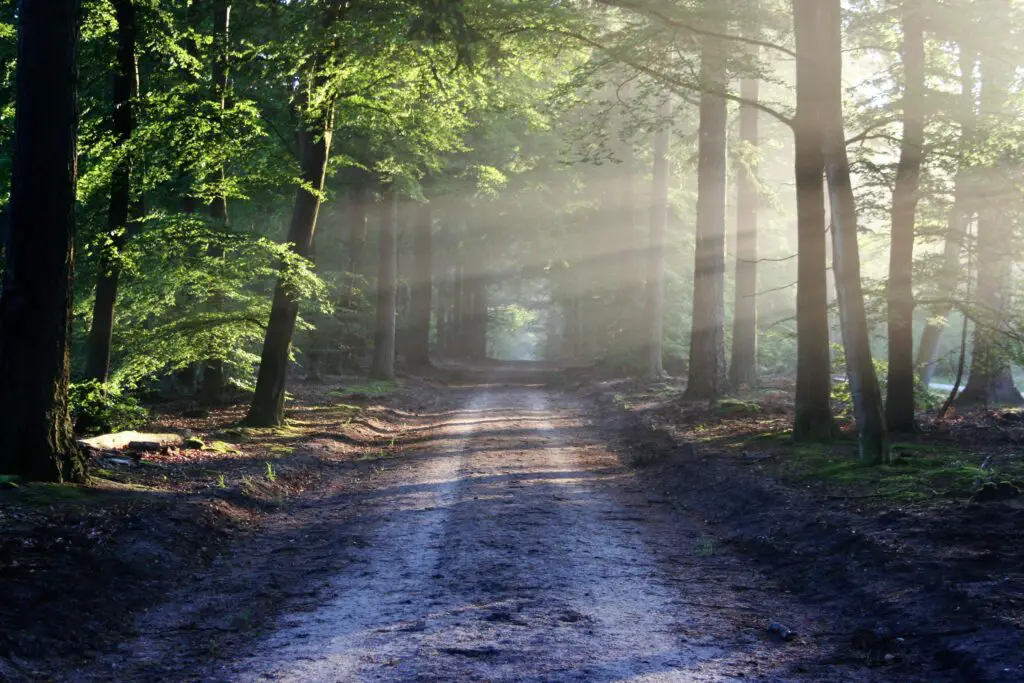
High in the Andes, the Markawasi plateau and surrounding forest feel remote and otherworldly. Hikers often report moments where wind and wildlife sounds abruptly vanish. The thin mountain air and rocky terrain affect how sound travels. Silence can arrive suddenly, making the landscape feel vast and empty. Some people say their own footsteps echo strangely and then disappear. The quiet can feel expansive rather than enclosed. It often creates a sense of being very small in a large space. The stillness can feel meditative.
Because the area is less trafficked, the absence of human noise is especially noticeable. I cannot confirm any claims of paranormal silence. Environmental factors likely explain much of the acoustic behavior. Still, hikers frequently comment on how dramatic the quiet feels compared to lower-altitude forests. The silence often heightens emotional responses and sensory awareness. Many describe feeling both peaceful and slightly unsettled. It’s a unique sensory environment. The quiet becomes part of the experience.
12. Freetown-Fall River State Forest, Massachusetts
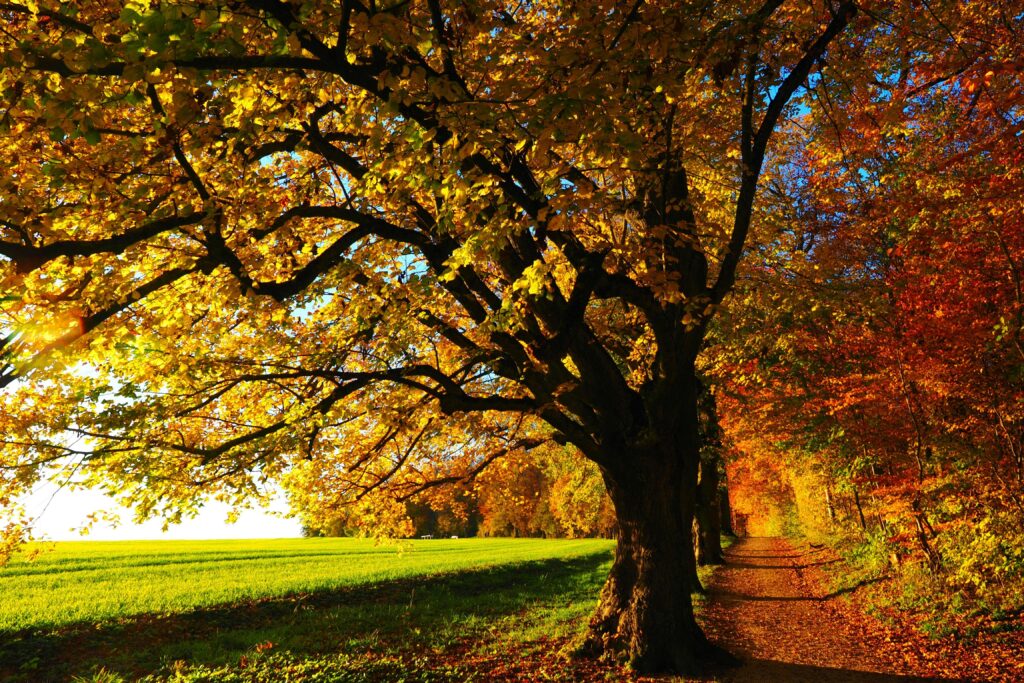
This forest has long been associated with eerie stories, which shapes how hikers experience it. Many visitors describe sections where ambient noise fades unexpectedly. Wind can stop abruptly, leaving an unsettling stillness. Even distant traffic noise disappears in certain pockets. Footsteps sound dull and absorbed by the forest floor. The silence often feels heavier than normal woodland quiet. Some hikers report feeling slight pressure in their ears. It can trigger a strong sense of alertness.
I cannot confirm any paranormal cause for the silence people report. Dense vegetation and terrain likely contribute to sound dampening. Still, the consistency of similar reports is notable. The quiet often arrives suddenly rather than gradually. People frequently pause to listen for something that never comes. The forest’s reputation amplifies the emotional response. Many hikers leave remembering the silence more than the scenery. It’s a powerful sensory experience.
13. Bwindi Impenetrable Forest, Uganda
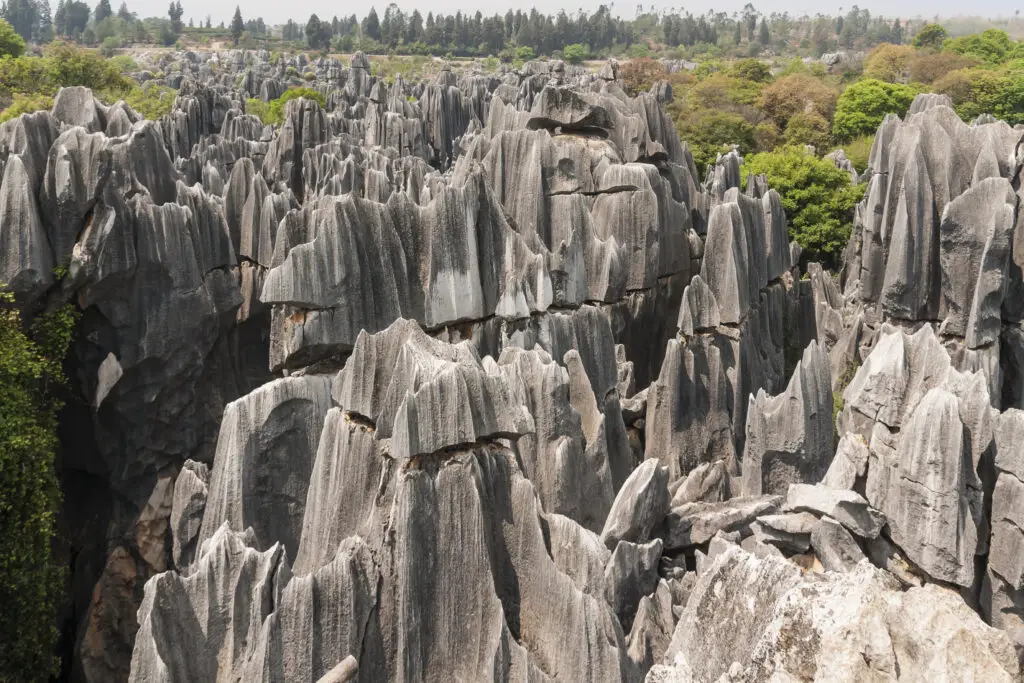
Bwindi is famously dense, with thick vegetation that absorbs sound efficiently. Hikers and guides often notice how quickly noise fades once you move deeper into the forest. Bird calls and insect sounds can suddenly drop away. The silence can feel heavy and enclosed despite the forest’s vastness. Footsteps are muffled by soft soil and dense undergrowth. Some people say the quiet feels almost padded. It can make the environment feel surreal. The stillness often arrives without warning.
Because wildlife activity fluctuates naturally, long silent stretches are common. I cannot confirm any claims of supernatural silence. Environmental factors clearly play a role. Still, many hikers describe the quiet as unusually intense. The silence heightens awareness and emotional response. Some find it peaceful, while others find it unsettling. It’s one of those places where sound or the absence of it shapes the experience. The quiet becomes part of the memory.
14. Red River Gorge Forest Trails, Kentucky
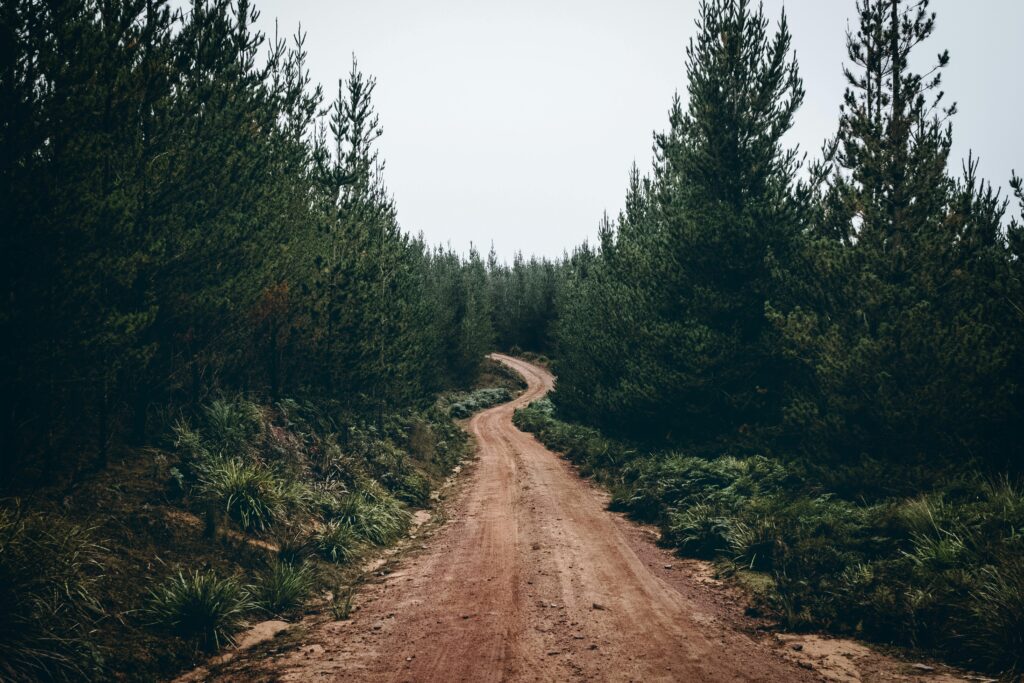
The forested trails around Red River Gorge are known for steep cliffs, dense trees, and dramatic acoustics. Hikers often report sudden drops in ambient noise as they move into sheltered sections of the trail. Wind can disappear, leaving an unexpected hush. Rock formations block sound travel, creating pockets of deep quiet. Footsteps echo briefly and then vanish. Some people say the silence feels compressed and close. It often causes hikers to stop and listen instinctively. The quiet can feel surprising given the popularity of the area.
Because the terrain is complex, sound behaves unpredictably along the trails. I cannot confirm any paranormal explanation for the silence hikers describe. Natural acoustics likely explain much of the effect. Still, visitors frequently mention the same sensory experience. The silence can feel calming or slightly eerie depending on the moment. Many say it adds to the gorge’s dramatic atmosphere. The quiet becomes part of the adventure. It’s a subtle but memorable phenomenon.