
1. Red Sky at Night, Sailor’s Delight

Long before weather apps existed, people looked to the sky for reassurance or warning, and a glowing red sunset often felt like a promise of calm days ahead. Sailors especially trusted this phrase because a red sky at night usually means dry air moving in from the west in mid-latitudes. That often signals stable weather approaching, which made it safer to set sail the next morning. Farmers also leaned on this belief when deciding whether to harvest or let crops stay in the field another day. It felt like nature offering a friendly heads-up instead of a forecast. Even families planning outdoor gatherings paid attention to how the evening sky looked. The saying passed down because it worked often enough to earn trust over generations.
On the flip side, a red sky in the morning warned people to prepare for rough weather, sometimes canceling travel or delaying work. Coastal communities took this especially seriously because storms could mean real danger at sea. While modern meteorology explains the science behind light scattering and pressure systems, the old saying still gets repeated today. It’s one of those bits of folk wisdom that feels comforting because it connects us to centuries of shared observation. People may now double-check their phones, but they still glance at the horizon out of habit. It’s a reminder that weather watching used to be a daily survival skill. The sky wasn’t just pretty, it was practical guidance.
2. Groundhogs Predicting the Length of Winter
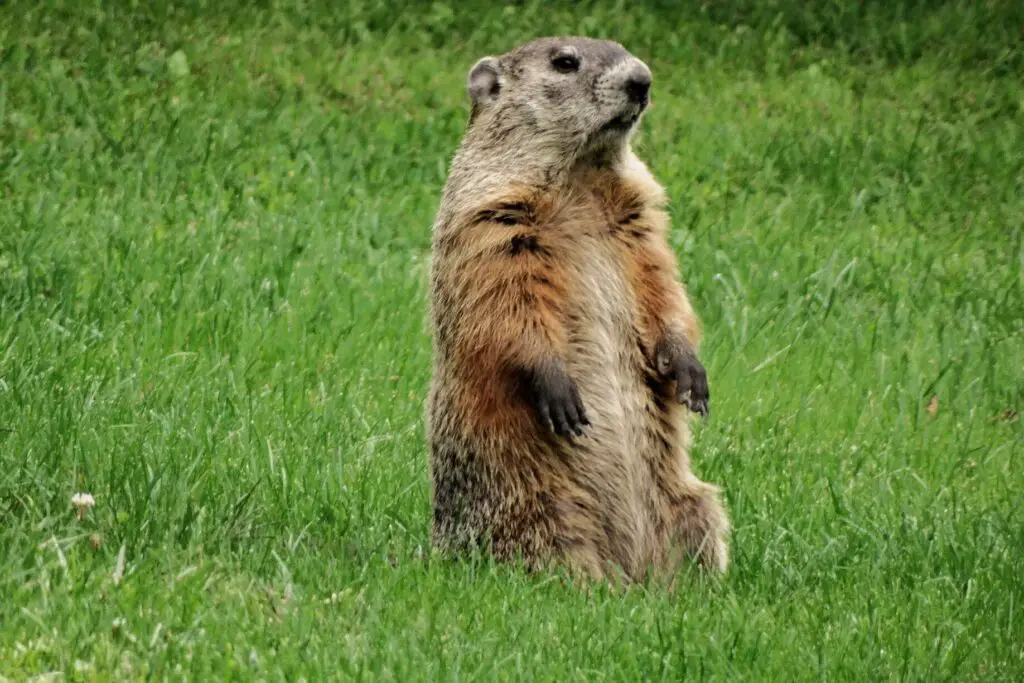
The idea that a groundhog could forecast winter’s end shaped real decisions in farming communities for decades. If the animal supposedly saw its shadow and retreated, people braced for several more weeks of cold. That could mean delaying planting plans, conserving firewood, or postponing repairs that required warmer weather. In rural areas, timing mattered because planting too early could ruin a crop. The ritual also created a shared moment of anticipation in towns that depended heavily on seasonal cycles. Even skeptics paid attention because there were few other ways to predict long-term weather. It became part science hope and part tradition.
Although the prediction isn’t scientifically reliable, the belief stuck because people wanted a sense of control over unpredictable seasons. A clear signal, even a symbolic one, helped families mentally prepare for what lay ahead. Local newspapers often reported the outcome, reinforcing its importance in daily planning. Businesses tied to agriculture sometimes adjusted inventory and staffing based on these expectations. Today it survives more as a cultural event than a serious forecast, but its roots were practical. It once guided planting schedules, fuel use, and travel timing. That little animal carried a lot of seasonal weight.
3. Ring Around the Moon Means Rain Is Coming
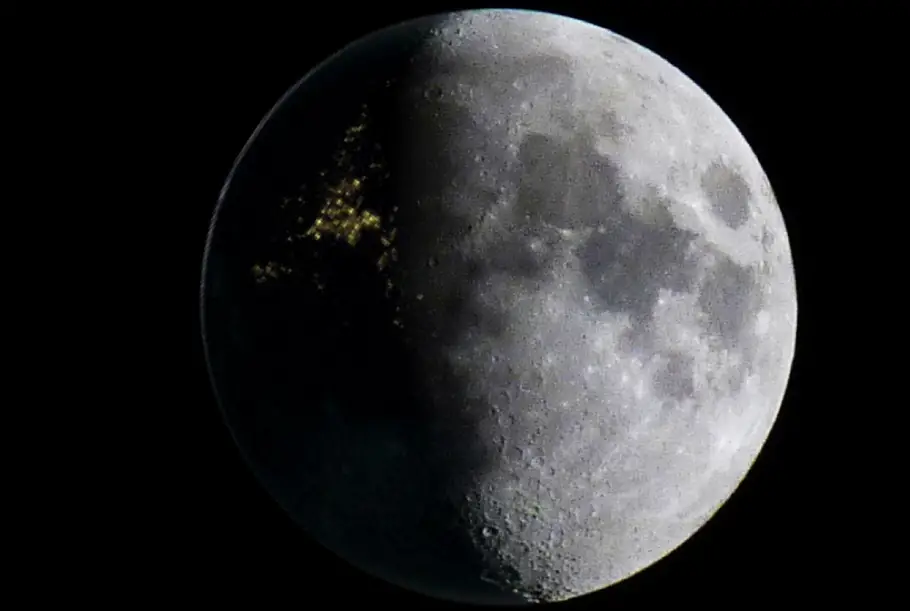
Seeing a halo around the moon made many people rethink their plans for the next day. The glowing ring often appears when ice crystals in high clouds bend light, which can signal an approaching storm system. Farmers used it as a cue to protect crops or bring livestock under shelter. Travelers might postpone long trips, especially when roads could turn muddy or unsafe. For people who depended on clear skies for work, that ring felt like a quiet warning bell. It gave them time to prepare before weather shifted. The sky acted like an early alert system.
Families planning events like weddings, fairs, or market days also paid attention to this sign. If the halo appeared, they might move activities indoors or delay setup. Even fishermen believed it hinted at rougher conditions ahead. While modern forecasts now explain the atmospheric cause, the visual cue still feels meaningful. Many people instinctively point it out when they see it, even if they don’t change plans anymore. It’s one of those sights that connects everyday observation to long-standing weather lore. The moon wasn’t just romantic, it was informative.
4. Animals Acting Strangely Before a Storm
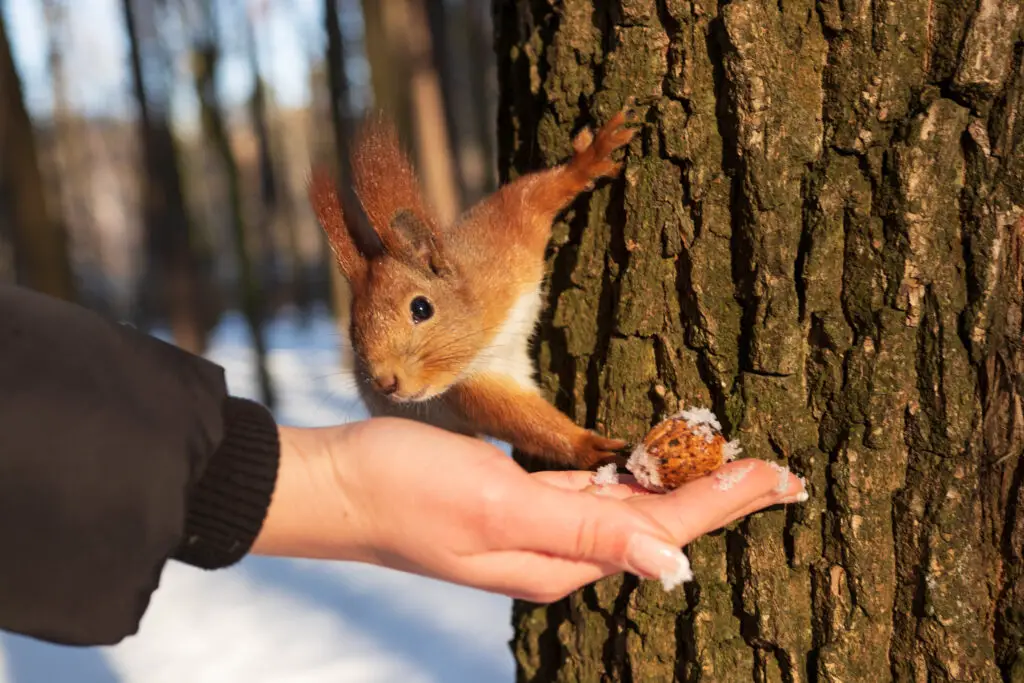
People once watched livestock and pets closely to sense changes in the weather. If cows lay down in a field, some believed rain was coming and adjusted work schedules accordingly. Birds flying low or disappearing from the sky were taken as signs of shifting air pressure. Farmers might rush to finish chores or protect equipment before a storm arrived. Fishermen often delayed trips if animals seemed restless or unsettled. These behaviors felt like early warning signals long before barometers were common. Nature itself seemed to whisper what was coming.
Even household pets played a role in decision-making when they acted anxious or hid before thunderstorms. Families might secure windows, bring laundry inside, or cancel outdoor plans. While science now explains that animals may sense pressure changes or sounds humans cannot hear, the belief remains familiar. Many people still notice when their dog acts oddly before a storm rolls in. It’s another example of how humans relied on close observation instead of technology. Animals were considered unofficial meteorologists. Their behavior influenced everything from farm labor to travel timing.
5. Thunder in Winter Means a Harsh Season Ahead
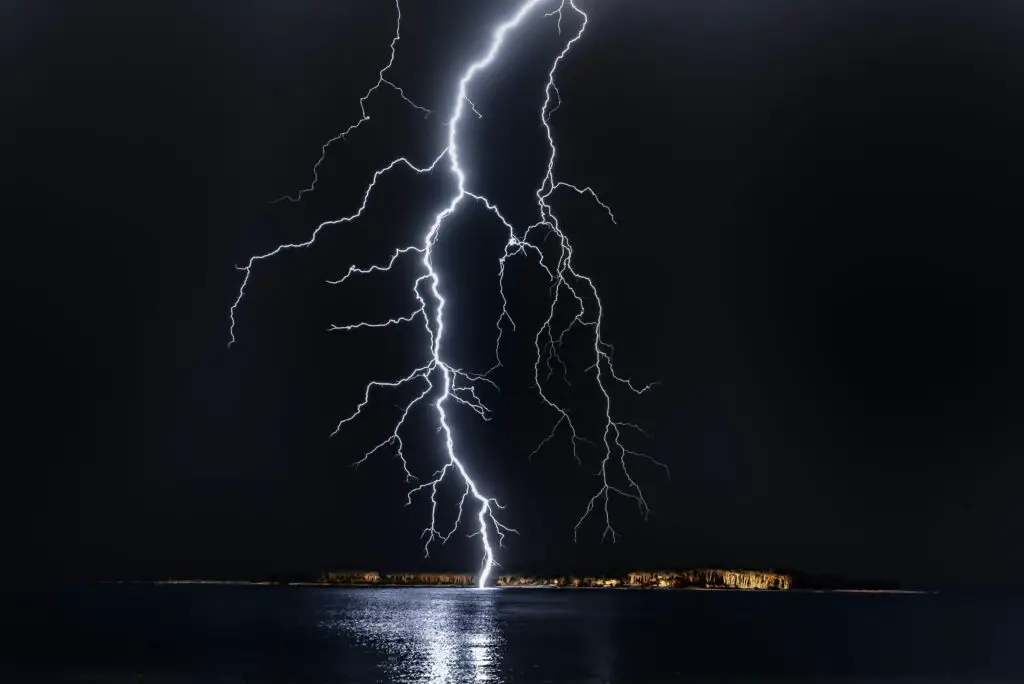
Hearing thunder during winter months once made people uneasy about what the rest of the season might bring. Some believed it predicted extra snow, prolonged cold, or difficult growing conditions ahead. That belief could influence how much firewood families stored or how they rationed supplies. Farmers might delay certain preparations or brace for a tougher spring planting season. In communities dependent on self-sufficiency, planning ahead mattered deeply. A single storm could change expectations for months. Weather signs weren’t taken lightly.
The rarity of winter thunder made it feel especially meaningful and ominous. People talked about it for weeks afterward, reinforcing the idea that it carried a message. Even though meteorology explains that winter thunderstorms can occur under specific atmospheric conditions, the folklore stuck. It gave people a narrative to understand unusual weather. Anticipating hardship encouraged caution and preparation. In many ways, the belief promoted readiness rather than panic. It shaped how families stocked, saved, and waited.
6. Pinecones Opening and Closing as Weather Signals
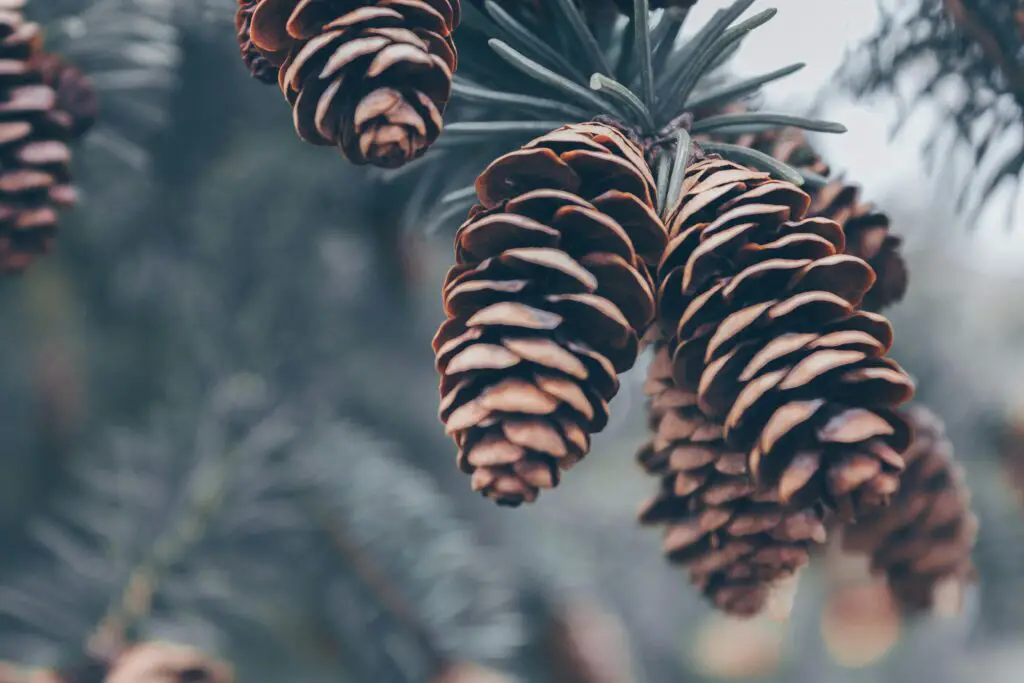
Pinecones naturally open in dry conditions and close when humidity rises, but many people once treated them like living weather instruments. A closed pinecone suggested rain or damp conditions on the way, prompting farmers to protect hay or delay outdoor work. Campers used them as a quick check before setting up tents or planning hikes. Even gardeners kept an eye on them when deciding whether to water or cover plants. It was a simple tool that required no equipment, just observation. Nature provided a built-in hygrometer.
Because pinecones were easy to find, this belief spread widely across rural communities. Children learned it early, turning it into a shared bit of knowledge passed through families. It encouraged attentiveness to small environmental details. While modern tools give more precise readings, the pinecone trick still works in a basic sense. Many people enjoy testing it just for fun now. It’s a reminder that people once read the landscape like a book. Small clues guided everyday decisions.
7. A Sudden Drop in Air Pressure Signals Storms
Long before digital sensors, people noticed how their bodies and surroundings reacted to pressure changes. Headaches, joint aches, or ears popping were taken as signs that bad weather was approaching. Sailors and farmers paid close attention because storms could threaten safety and crops. If pressure seemed to fall quickly, people might secure boats, postpone travel, or reinforce buildings. Even simple barometers in homes became trusted tools for planning. Watching the needle felt like reading tomorrow’s news.
This belief helped communities act proactively rather than reactively. A falling barometer often meant rain or wind, so preparations happened early. Families might bring animals inside or cover supplies. Although modern meteorology explains pressure systems clearly now, the basic principle remains valid. Many people still notice physical sensations before storms. The habit of paying attention to pressure changes has lingered through generations. It shaped how people scheduled work and protected livelihoods.
8. Fog Means Fair Weather Is Coming
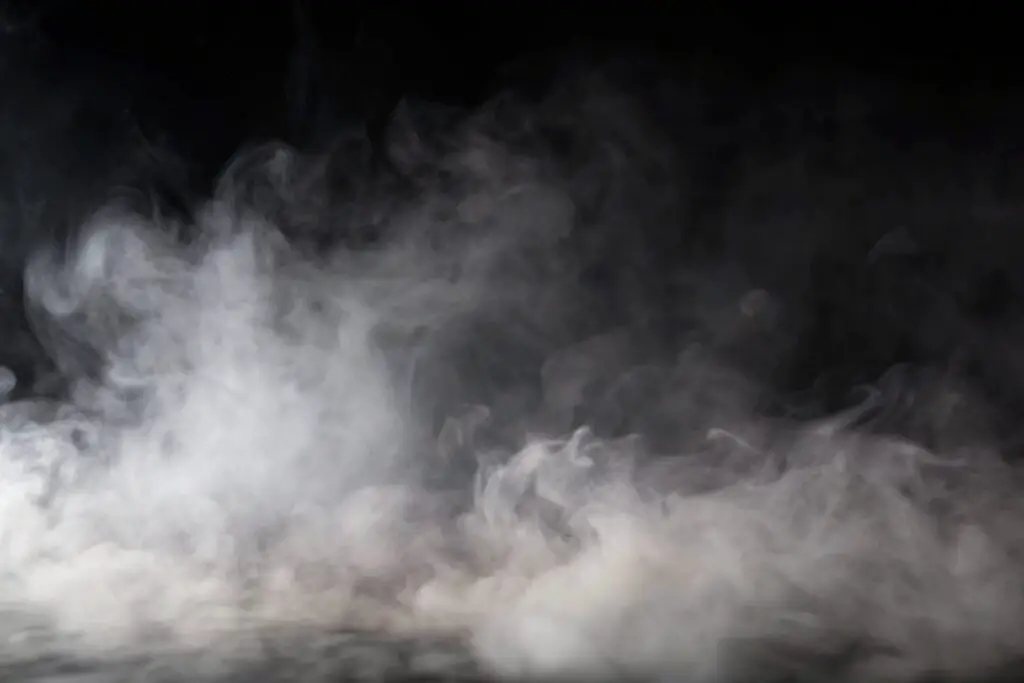
In some regions, morning fog was interpreted as a sign of stable weather ahead. Farmers believed fog indicated calm air and moisture settling close to the ground, which often clears into sunny conditions. That encouraged people to proceed with fieldwork or outdoor repairs instead of delaying. Fishermen sometimes viewed light fog as a temporary inconvenience rather than a storm warning. It reassured people that the day would improve. The belief provided optimism during uncertain mornings.
Of course, thick fog could still be dangerous for travel, so people balanced caution with hope. The idea wasn’t universal, but it influenced local routines in agricultural areas. Clearing fog often revealed bright skies, reinforcing the belief over time. People learned to trust patterns they saw repeatedly. Even today, many still say the fog will burn off into a nice day. It’s a small comfort rooted in lived experience. Weather signs often shaped mood as much as plans.
9. The Smell of Rain Before It Falls
Many people claimed they could smell rain before it arrived, and that scent guided decisions about chores and travel. The earthy smell comes from compounds released by soil and plants when moisture rises in the air. Farmers might hurry to finish harvesting or bring equipment under cover once that scent appeared. Families hanging laundry outside would rush to bring it in. It felt like a built-in sensory alert system. Your nose became part of the forecast.
Because this sensation was so personal and immediate, people trusted it deeply. It didn’t require tools or charts, just awareness. Travelers might delay departure if the air smelled heavy with rain. While science explains the chemistry behind the smell, the instinctive reaction remains strong. Many still comment on it when storms approach. It’s one of the most human ways to predict weather. Sensory memory and experience shaped daily decisions.
10. Crickets Chirping Faster Means Warmer Weather
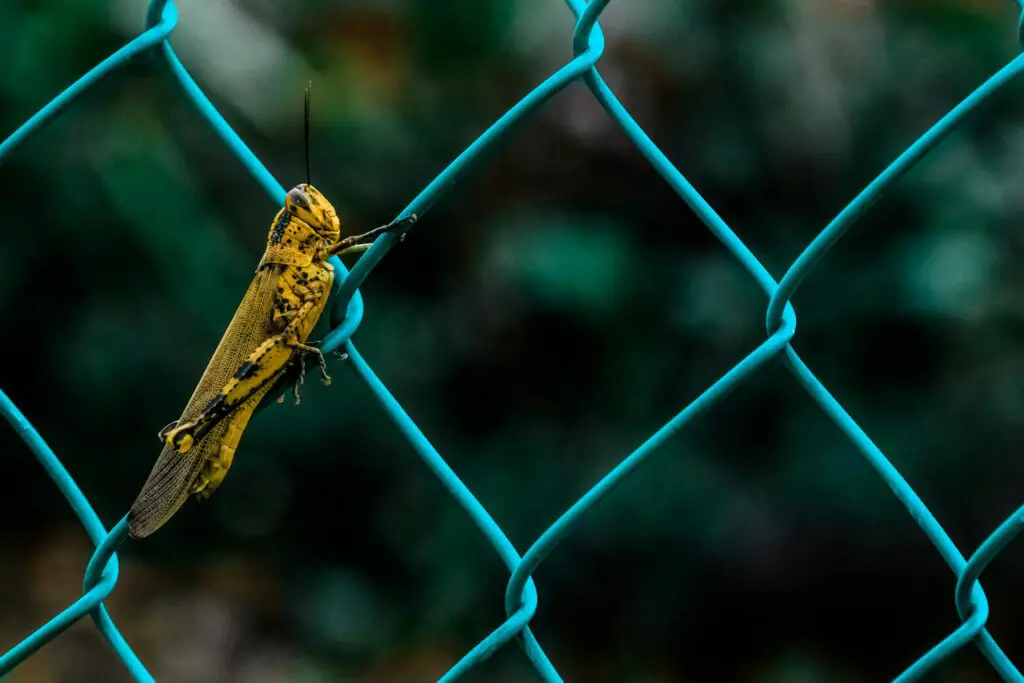
People once measured temperature by listening to crickets rather than checking a thermometer. The faster the chirping, the warmer the air tends to be, which made this belief surprisingly accurate. Farmers used it to judge whether frost was likely overnight or if crops were safe. Campers and travelers paid attention when deciding how to dress or prepare for the night. It felt almost magical to read temperature through sound. Nature provided its own soundtrack for forecasting.
Children even learned counting tricks to estimate temperature based on chirp rates. This made weather awareness part of everyday play and learning. The belief encouraged people to stay attuned to their environment instead of relying on tools. While modern devices are far more precise, the concept still fascinates people. Hearing crickets on a warm evening often sparks that old connection. It’s a reminder of how closely people once listened to the world around them. Sound guided comfort and planning.
11. Swallows Flying Low Signal Rain
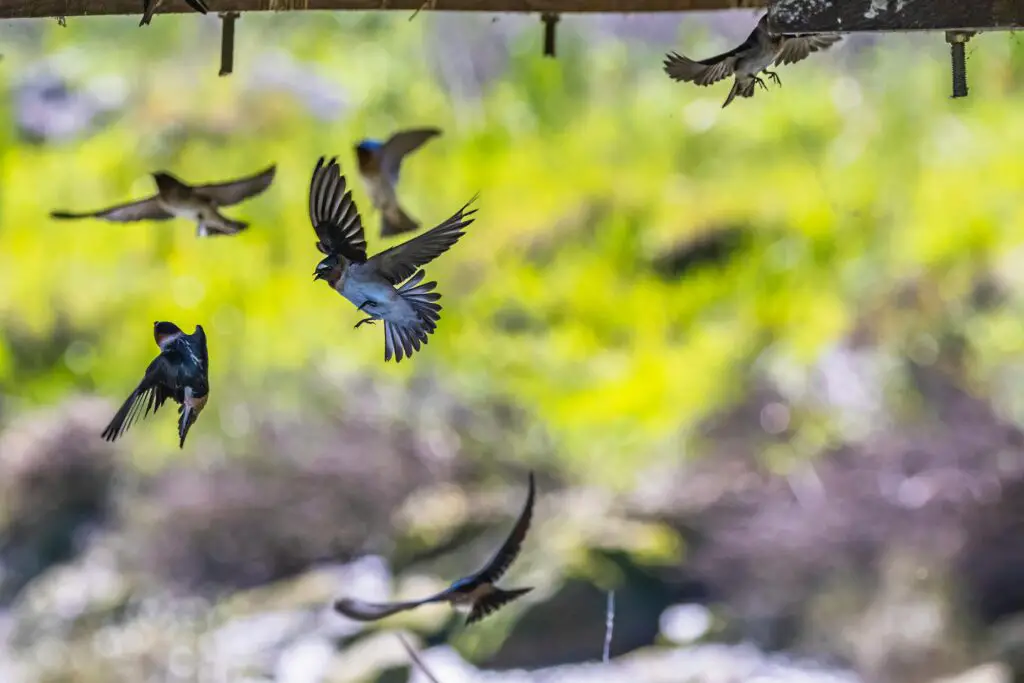
When swallows and other birds fly close to the ground, people long believed rain was on the way. Insects tend to fly lower in humid air, and birds follow their food source. Farmers used this sign to decide whether to push through work or pack up early. Fishermen and travelers sometimes delayed plans based on bird behavior. Watching the sky wasn’t just about clouds, it was about movement and patterns. Birds became part of the forecast system.
Communities that spent much time outdoors trusted these signs because they saw them repeatedly. A sudden change in bird flight could feel like an urgent message. While science now explains the insect connection, the observation remains valid. Many people still notice when birds suddenly shift their behavior. It connects everyday wildlife to practical planning. The sky wasn’t silent, it was active with clues. Those clues once shaped daily schedules.
12. Woolly Bear Caterpillar Colors Predict Winter Severity
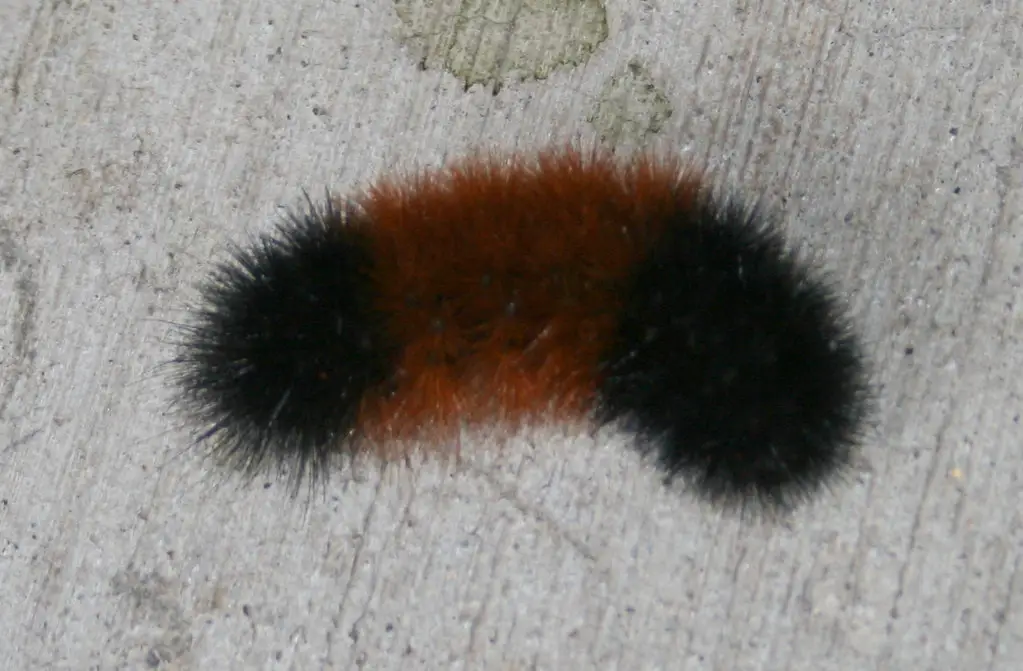
The bands on woolly bear caterpillars were believed to indicate how harsh the coming winter would be. A wider brown band supposedly meant a milder season, while more black suggested tougher weather. People used this belief to plan firewood supplies, food storage, and travel expectations. In rural areas, that could influence how families prepared months in advance. Children often collected caterpillars to compare markings, making it a shared seasonal ritual. It turned nature into a forecasting game with real implications.
Although scientists say the coloring reflects the caterpillar’s age and environment rather than future weather, the belief remains popular. It offered a tangible way to feel prepared for winter’s uncertainty. Town festivals and local news sometimes highlighted these predictions, reinforcing their influence. Even today, people still point out woolly bears in the fall and speculate. The tradition connects curiosity with preparedness. It’s another example of how observation once guided serious decisions. Folk forecasting shaped both planning and storytelling.