
1. One Hour Photo Processing Aisle

There used to be a steady hum of machines and the faint chemical smell drifting out of the photo counter at most grocery stores. You’d drop off a roll of film, grab your groceries, and come back an hour later hoping no one blinked in the family photos. The aisle was usually stocked with film canisters, disposable cameras, and photo albums, which made it feel like a mini camera shop tucked into the store. It was surprisingly social too, since everyone seemed to compare vacation pictures while waiting.
Smartphones and home printers quietly erased the need for all of that. Digital photography removed film entirely, and online photo services replaced instant pickup. Most grocery chains dismantled the equipment rather than maintain expensive, low demand machines. Today you might still see a tiny photo kiosk for prints, but the full photo processing aisle itself has essentially vanished.
2. VHS and DVD Rental Aisle

Some grocery stores once had an entire aisle dedicated to renting movies, complete with metal racks and handwritten “new release” signs. You’d toss a frozen pizza in the cart and grab a copy of a popular movie on the way out. Late fees were a constant worry, and empty boxes often meant all the good titles were already gone. It made grocery shopping feel oddly like a mini trip to a video store.
Streaming services and the collapse of physical rentals ended this category almost completely. Redbox kiosks lingered for a while, but even those are becoming rare. Grocery stores no longer devote floor space to physical movie rentals because the demand simply isn’t there. The idea of browsing tapes between the cereal and the dairy case now feels very distant.
3. Floppy Disk and Software Rack
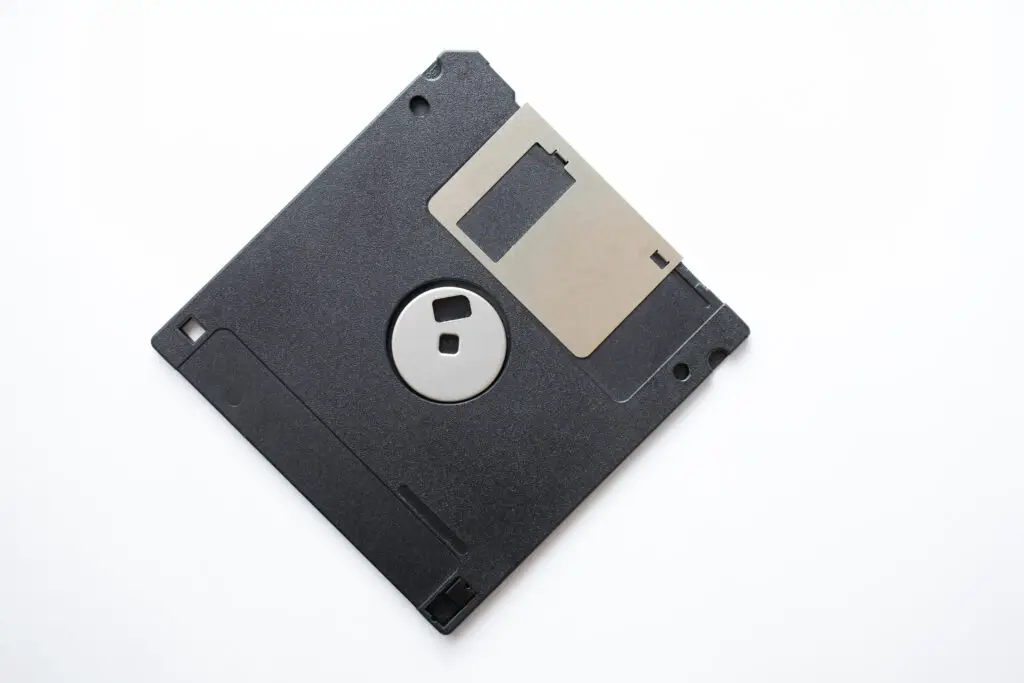
In the early home computer days, many grocery stores carried a small technology aisle filled with floppy disks, basic software, and printer paper. It wasn’t unusual to see word processing programs or simple games hanging on peg hooks near the stationery section. The packaging was bulky and colorful, promising incredible productivity or entertainment on your home computer. For families without easy access to electronics stores, this aisle actually mattered.
Physical software distribution has largely disappeared in everyday retail, replaced by digital downloads and cloud storage. Floppy disks became obsolete decades ago, and even CDs and DVDs have faded out of mainstream use. Grocery stores no longer stock any kind of boxed computer software as a regular category. That entire aisle quietly vanished as technology moved online.
4. Long Distance Phone Card Wall
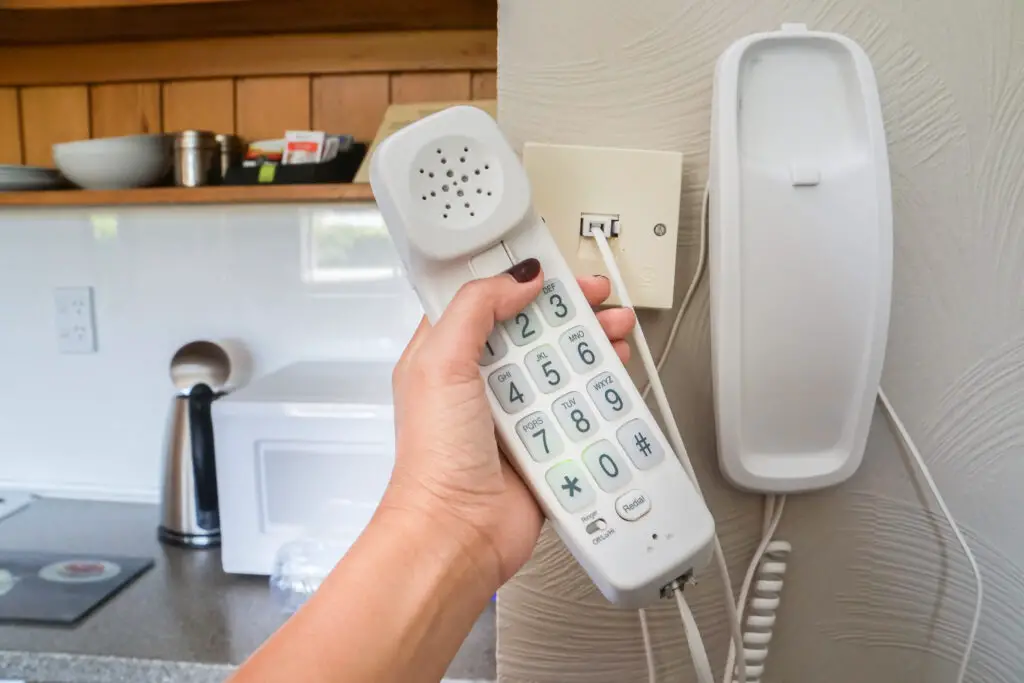
There was a time when grocery stores devoted a large section near the checkout to prepaid long distance calling cards. Brightly colored cards advertised international rates and minutes to specific countries. Immigrants, travelers, and anyone watching their phone bill relied on them heavily. The wall often looked like a collage of flags and promotional slogans.
Unlimited mobile plans and internet calling eliminated the need for these cards. Most people now make international calls through apps or bundled phone plans. Grocery stores gradually removed these racks as sales dropped off. It’s now very uncommon to see a dedicated phone card aisle in any modern supermarket.
5. Phone Book Pickup Rack
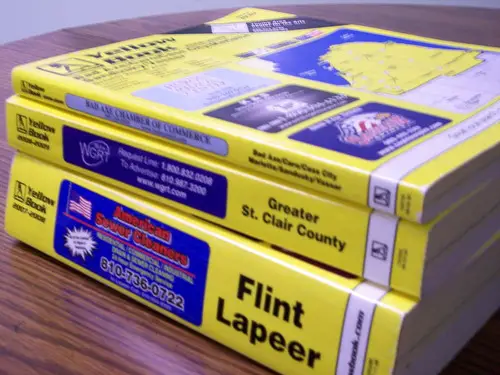
Local phone books once arrived in thick stacks near the entrance or customer service desk. Shoppers would grab the latest edition while picking up milk or bread. The racks were bulky, and the books were heavy enough to feel like small bricks. Every household seemed to keep at least one by the kitchen phone.
Online directories and smartphone search tools made printed phone books obsolete. Many cities stopped distributing them altogether due to cost and environmental concerns. Grocery stores no longer need space for something customers rarely request. The familiar yellow and white spines have largely disappeared from everyday retail.
6. Checkbook Printing and Register Station

Some larger grocery stores once offered on the spot check printing for customers opening new bank accounts or replacing lost checks. The station typically sat near customer service and required special printers and security controls. It felt surprisingly official for a grocery store environment. Shoppers could walk in without checks and walk out ready to pay bills.
As online banking, debit cards, and mobile payments became standard, check usage dropped sharply. Maintaining specialized equipment for a shrinking audience no longer made financial sense. Many banks moved these services to centralized branches or eliminated them entirely. Grocery stores quietly removed this niche service.
7. Traveler’s Checks Counter
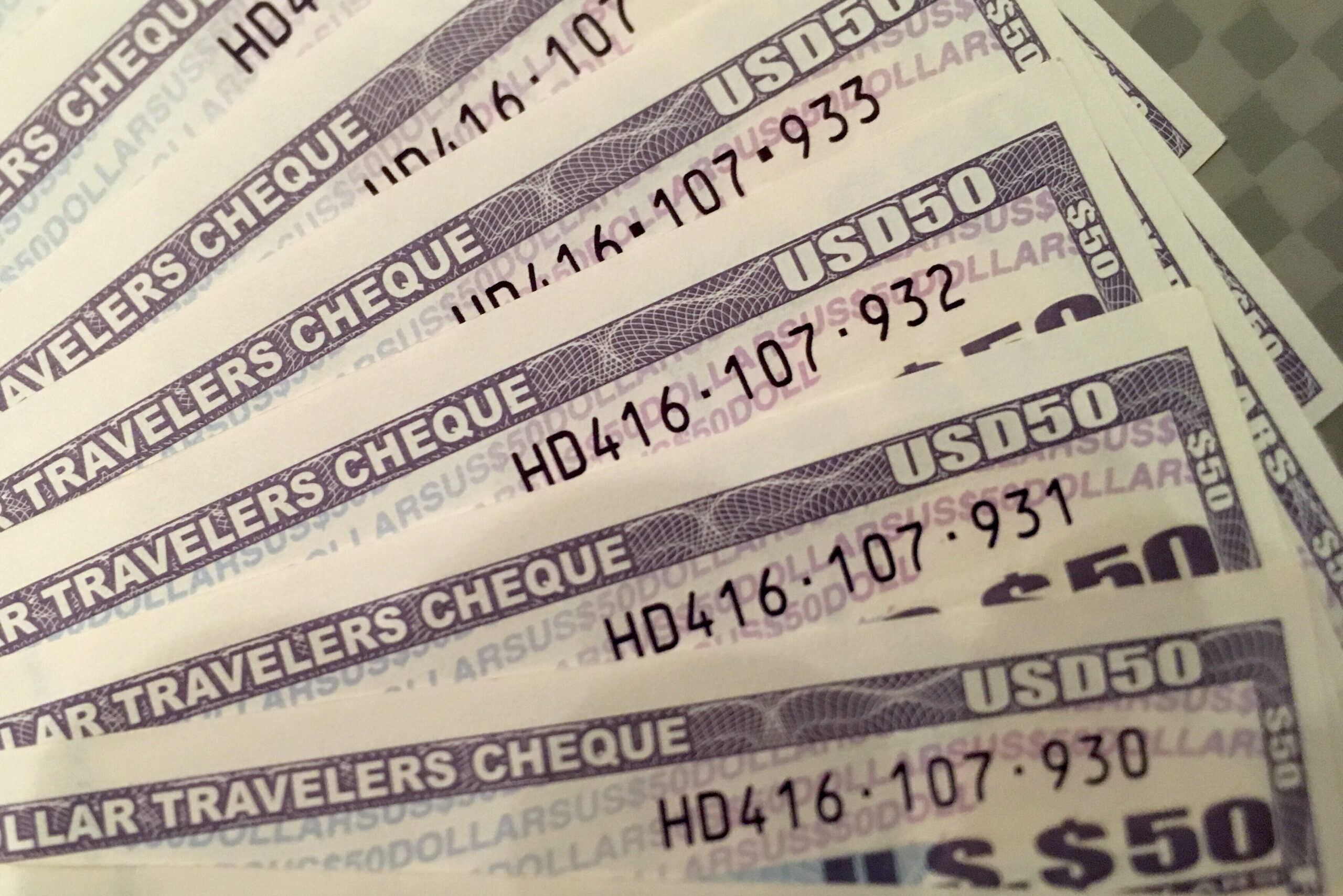
Traveler’s checks were once considered a safe way to carry money while traveling, and grocery stores often sold them through customer service counters. There were brochures explaining exchange rules and security features. People heading on vacation would stop in specifically to purchase them. It added a slightly international feel to an otherwise ordinary errand.
Debit cards, credit cards, and mobile wallets replaced traveler’s checks almost completely. Many financial institutions stopped issuing them due to low demand. Grocery stores eliminated the counters because transactions became rare. It’s now unusual to find any retailer still offering them.
8. Pager and Beeper Accessories Rack
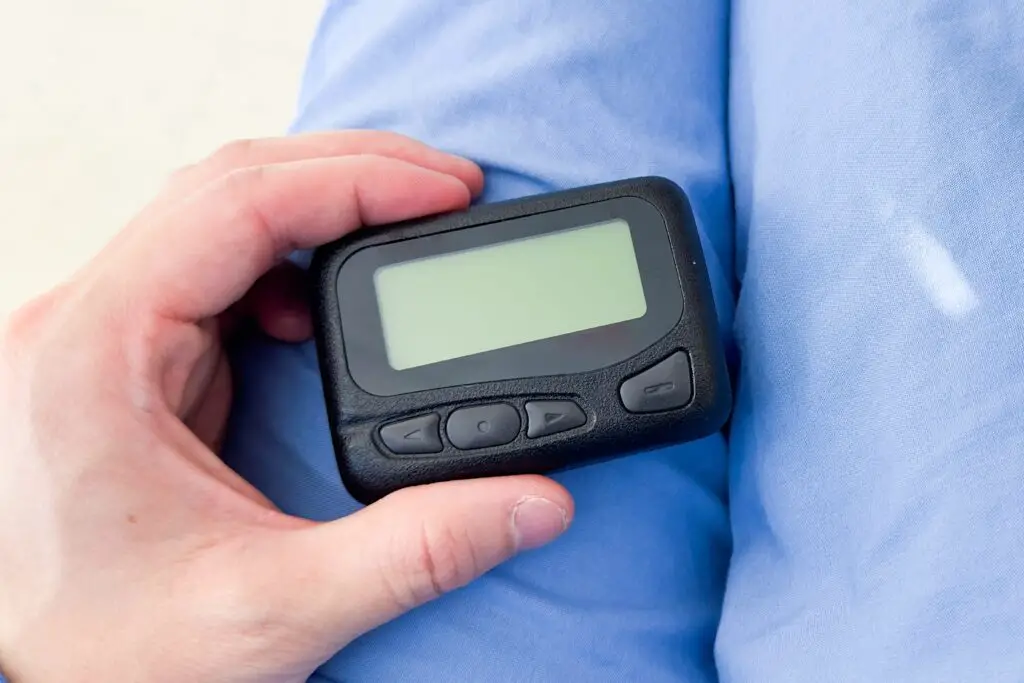
In the ’90s, pagers were everywhere, and grocery stores stocked batteries, clips, and protective cases. The rack often sat near the electronics or stationery section. Teenagers and medical workers alike depended on those little devices. Losing a battery could mean missing important messages.
Cell phones quickly replaced pagers for everyday communication. As pager usage declined, the accessory racks disappeared as well. Grocery stores no longer stock items that almost no customers use. The entire category faded out quietly without much notice.
9. Music CD Singles Display
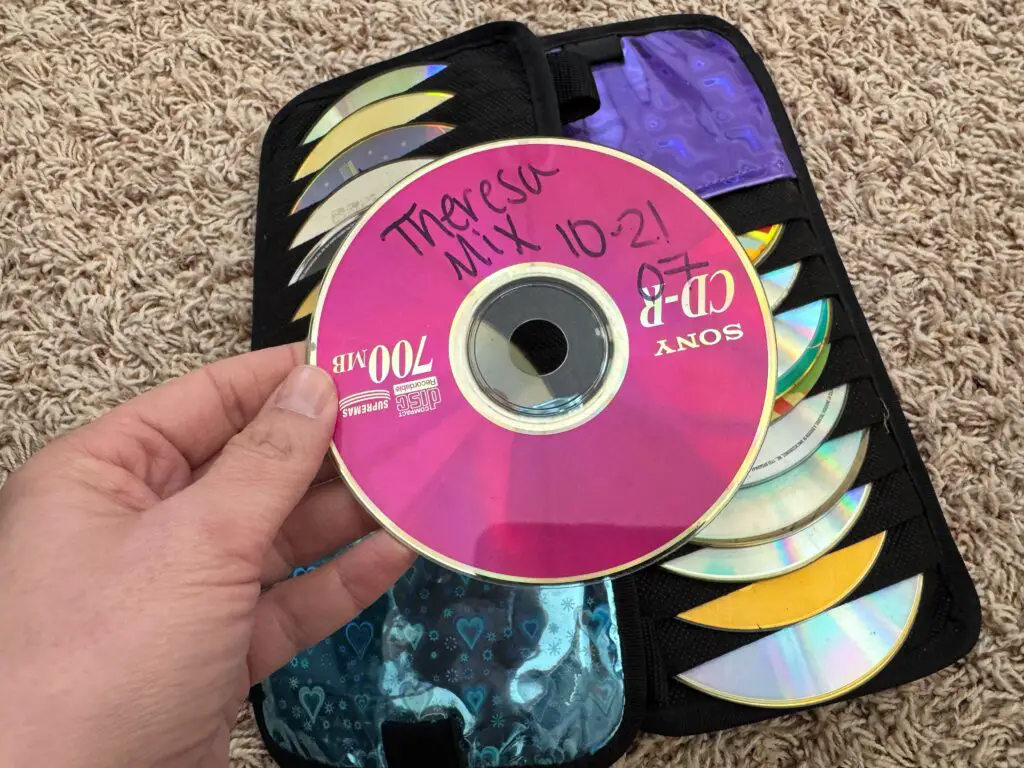
Near the front of some stores, there used to be a spinning rack filled with CD singles and small album samplers. Popular songs were packaged in slim plastic cases designed for impulse buys. Shoppers might grab a hit song along with groceries for a few dollars. It gave the checkout area a pop culture buzz.
Digital music downloads and streaming eliminated the need for physical singles. Even full CDs have largely vanished from grocery stores. Maintaining inventory that quickly became outdated was no longer practical. That music display aisle is now mostly a memory.
10. Film Projector and Slide Accessories Shelf
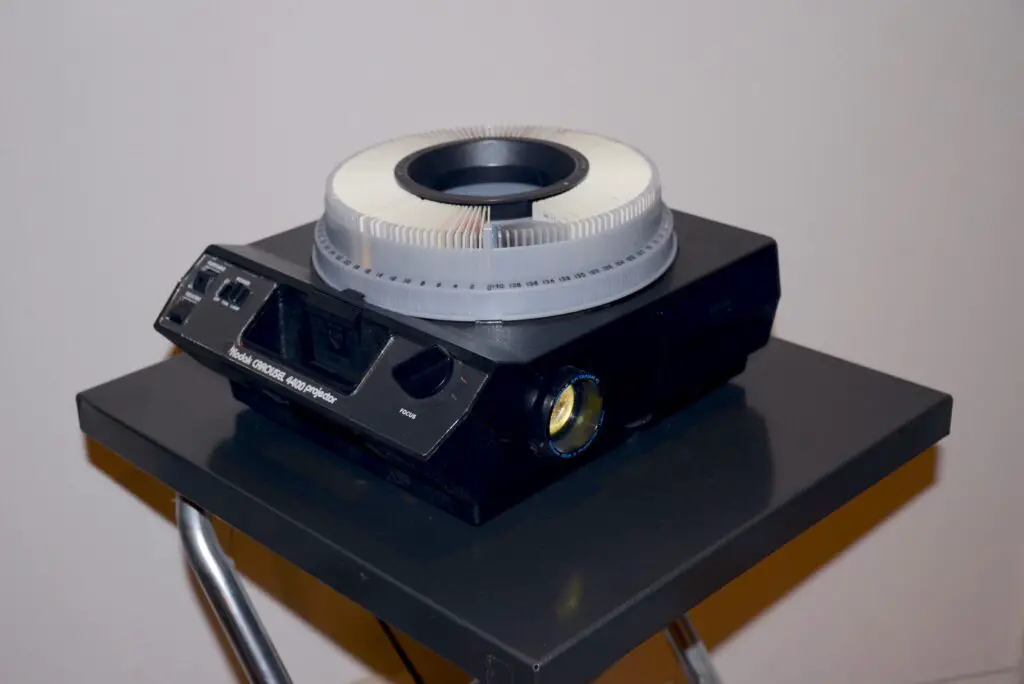
Before digital presentations and home projectors became affordable, grocery stores sold slide trays, projector bulbs, and slide cleaning kits. Families who shot slide film needed constant supplies to keep presentations running smoothly. The shelf often felt oddly technical compared to the rest of the store. It served hobbyists and travelers alike.
Digital photography and modern projection technology made slide equipment obsolete. Replacement parts became harder to source and unnecessary for most households. Grocery stores gradually phased out the entire section. Today, few shoppers would even recognize the accessories.
11. Fax Paper and Home Fax Supplies Aisle
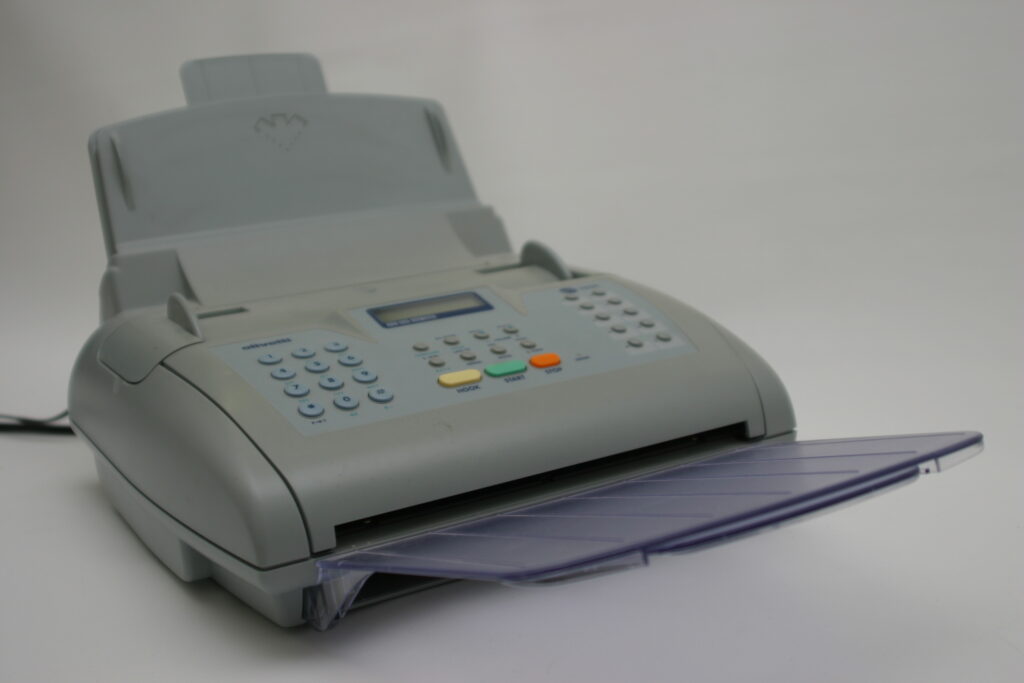
Home fax machines were once common, and grocery stores stocked thermal fax paper rolls and cleaning sheets. Offices weren’t the only customers, many households relied on fax for documents and forms. The aisle was usually tucked near office supplies. Running out of paper meant an urgent trip to the store.
Email, scanning apps, and cloud sharing eliminated the need for home faxing. Sales of fax supplies dropped sharply over time. Grocery stores no longer dedicate shelf space to a fading technology. The aisle quietly disappeared as digital communication took over.
12. Disposable Camera Development Drop Box
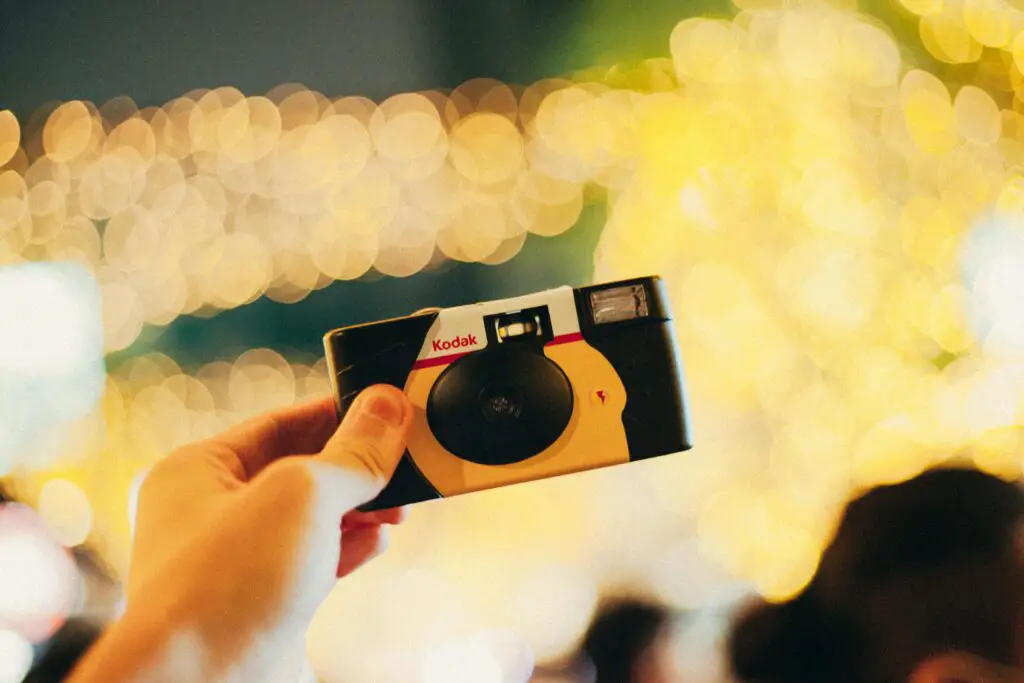
In addition to the photo counter, many stores had dedicated drop boxes for disposable cameras. You’d write your name on a tag and slide the whole camera into a slot. It felt oddly ceremonial, like mailing a small package. People trusted the process even though it took days to get photos back.
As smartphone cameras improved, disposable cameras became niche novelty items rather than everyday tools. Development services declined rapidly, and the drop boxes vanished. Many labs shut down entirely due to lack of volume. That simple ritual no longer exists in most grocery stores.
13. Yellow Price Sticker Gun Refill Station

Some stores once sold refill ink rollers and labels for manual price sticker guns used by small businesses. Independent shop owners would pick them up during grocery runs. The items were usually tucked into a quiet corner of the store. It was a practical but oddly specific category.
Barcode scanning systems and digital pricing eliminated much of the need for manual labeling tools. Demand dropped sharply as retailers modernized their inventory systems. Grocery stores no longer carry these niche supplies as a regular offering. The small refill station disappeared along with the technology.
14. Film Canister Recycling and Return Bin
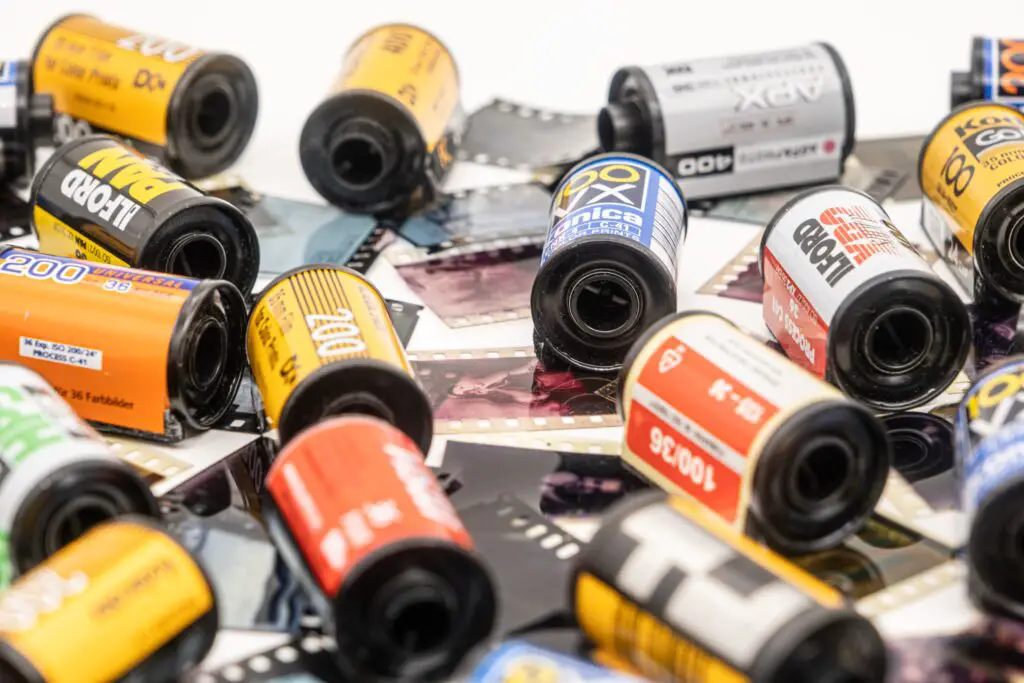
Film canisters were once recyclable through special in store programs, and some grocery stores dedicated space for collection bins. Customers would save the little plastic containers and drop them off during shopping trips. It was part of early recycling initiatives tied to photography. The bins were usually placed near entrances or customer service.
As film usage declined, the recycling programs lost their purpose. Without film canisters in circulation, the bins became unnecessary. Stores removed them as part of broader space optimization. Today, few shoppers even remember saving those containers.
15. Printed Map and Road Atlas Rack

Before GPS and smartphones, grocery stores often carried racks of folded road maps and spiral bound atlases. Families would buy them before road trips or vacations. The maps were colorful and sometimes region specific. It felt reassuring to have a physical backup in the glove compartment.
Navigation apps and real time mapping eliminated the need for printed maps for most people. Sales declined steadily as digital navigation became standard. Grocery stores reduced and eventually eliminated the category. That once practical aisle has largely disappeared from modern supermarkets.