
1. Friends: Ross Dating a Much Younger Student

When Ross starts dating Elizabeth, one of his own college students, the show treats it mostly like an awkward romantic misadventure instead of a serious ethical issue. At the time, it was framed as funny tension and mild scandal, especially when her dad shows up unexpectedly. Today, viewers would immediately raise concerns about power imbalance, consent, and professional boundaries. The idea of a professor pursuing a student would likely dominate social media discussions and spark institutional backlash within the story itself. What once played as cringe comedy now reads as deeply inappropriate. Even the way Ross defends himself would probably be dissected in think pieces and comment sections. It’s a reminder of how much awareness around workplace and academic ethics has changed. What felt like a risky storyline then would feel downright unacceptable now.
In a modern sitcom, this plot would almost certainly be written as a cautionary tale instead of a laugh track moment. Universities today have strict policies about faculty relationships, and viewers are far less forgiving of blurred authority lines. Audiences would expect real consequences rather than comedic discomfort. The humor would struggle to land because the stakes feel so much higher now. It’s the kind of storyline that would instantly go viral for all the wrong reasons. The cultural lens has shifted toward protecting vulnerable people in power dynamics. That makes this episode a perfect example of how sitcom humor ages in surprising ways.
2. Seinfeld: The Contest
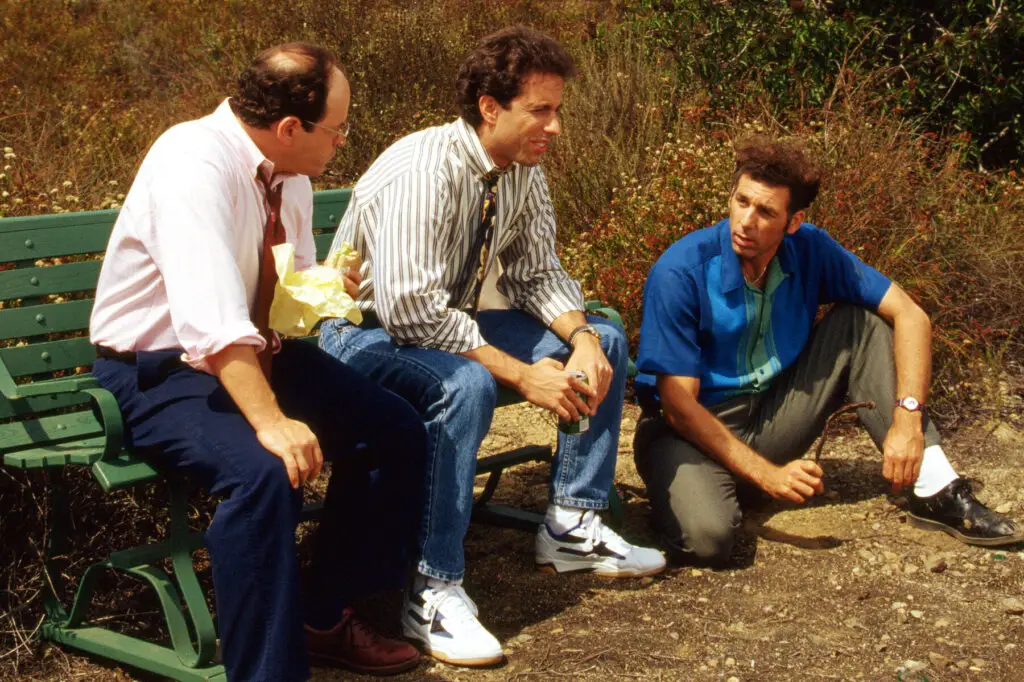
“The Contest” is often hailed as one of the funniest episodes in sitcom history, but it revolves entirely around a group of friends betting on who can abstain from self-pleasure the longest. The episode famously dances around the topic with euphemisms, which made it feel clever and daring at the time. Today, the subject itself might still be fair game, but the way it’s framed could easily spark debate about maturity, objectification, and tone. Some viewers might question whether the joke relies too heavily on embarrassment and innuendo rather than substance. What once felt edgy might now feel juvenile to certain audiences. Streaming platforms and advertisers might hesitate to promote an episode built so heavily on sexual subtext. The humor hasn’t vanished, but the tolerance for that kind of gag-driven premise has shifted.
Modern sitcoms tend to approach sexual topics with more openness and emotional context rather than coy wordplay. Viewers today often expect a clearer point beyond shock or awkwardness. While many fans still adore the episode, it would likely generate think pieces about whether it crosses lines or reinforces outdated comedic tropes. Social media would amplify every uncomfortable moment into a trending debate. Even something considered a classic can feel different when cultural standards evolve. It shows how humor once celebrated for cleverness can feel oddly dated later on.
3. How I Met Your Mother: The Naked Man
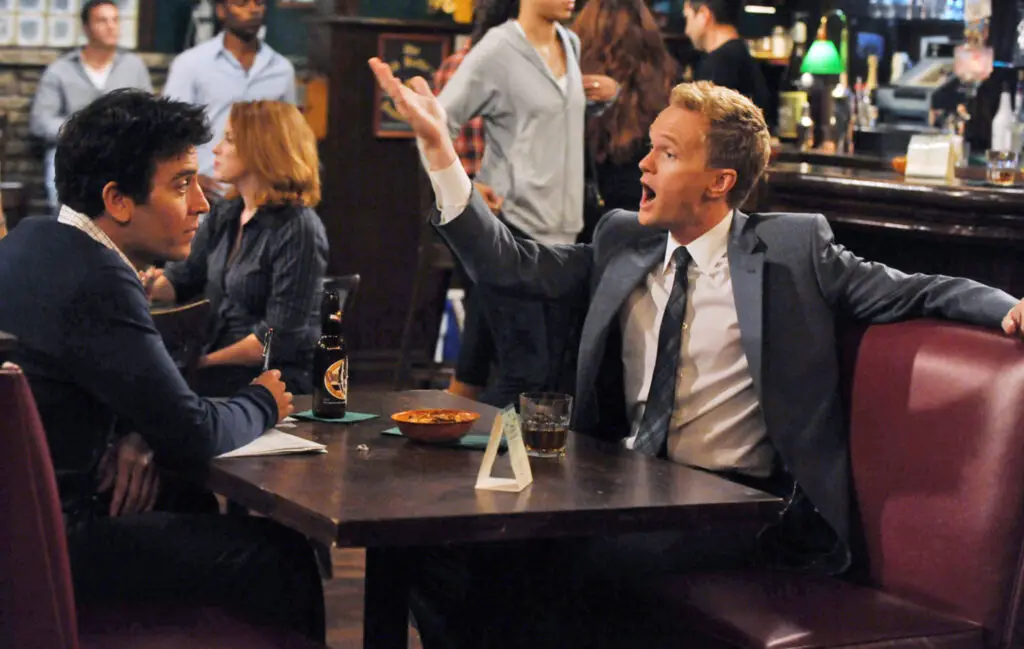
“The Naked Man” strategy involves showing up to a date’s apartment and suddenly getting naked in hopes of surprising them into intimacy. The show presents it as a goofy, high-risk move that sometimes works, complete with laugh track approval. Today, many viewers would see this as a serious consent issue rather than harmless shock humor. Uninvited nudity can feel invasive and unsafe, especially without clear boundaries or mutual interest. What once landed as absurd comedy could now be interpreted as predatory or disrespectful behavior. The idea that success rates justify the tactic would likely spark immediate backlash. It’s one of those jokes that hasn’t aged comfortably.
Contemporary audiences are far more attuned to consent, personal space, and power dynamics in dating. A storyline like this would probably require explicit discussion of boundaries to avoid criticism. Social media commentary would dissect every moment of the gag. Writers today might avoid the premise altogether or flip it into a lesson about communication and respect. The humor relied heavily on surprise, which doesn’t translate well in a culture more focused on safety and agency. It’s a clear example of how dating humor has evolved rapidly.
4. Married… with Children: Constant Fat-Shaming and Insults
Much of the humor on Married… with Children comes from relentless insults, especially toward women’s bodies and appearance. Al Bundy’s jokes about weight and attractiveness were once considered part of his exaggerated, crude persona. Today, that style of humor would likely ignite criticism for promoting body shaming and harmful stereotypes. What used to be brushed off as edgy sarcasm now feels more openly mean-spirited. Viewers are more aware of how media language affects self-image and cultural norms. The jokes would probably generate strong backlash online almost immediately. The laugh track would not soften the impact for modern audiences.
Modern sitcoms still use sarcasm and insults, but they often balance them with clearer emotional context or consequences. Audiences now expect writers to be more thoughtful about punching down. Characters like Al might still exist, but the framing would likely challenge him more directly. The shift reflects a broader sensitivity toward mental health and representation. Humor hasn’t disappeared, but the targets of that humor matter more than they once did. This show stands as a time capsule of a different comedic era.
5. Three’s Company: Jack Pretending to Be Gay to Keep His Apartment
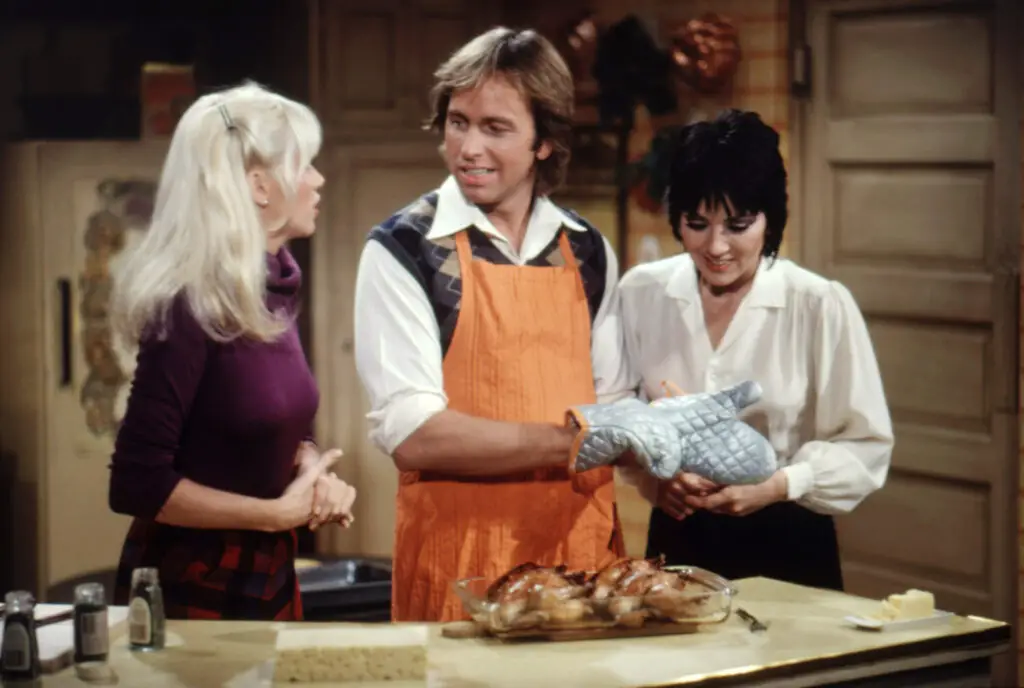
Jack Tripper pretends to be gay so his conservative landlords will allow him to live with two women. At the time, the joke relied on misunderstandings and exaggerated stereotypes for laughs. Today, many viewers would see this as trivializing LGBTQ+ identities and reinforcing outdated caricatures. What once seemed like harmless farce could now feel dismissive or offensive. The humor often leaned into flamboyant stereotypes that no longer land the same way. Audiences today expect more respectful and authentic representation. The premise itself would likely face heavy scrutiny before even airing.
Modern sitcoms tend to portray LGBTQ+ characters with more depth and realism rather than as punchlines. A storyline built on pretending to be gay for convenience would spark immediate online debate. Viewers would question why queer identity is being used as a gag rather than explored meaningfully. Even if the intent was lighthearted, perception has shifted dramatically. It highlights how representation standards have matured over time. What once passed as clever comedy now feels culturally dated.
6. The Office: Michael’s Diversity Day Disaster

The “Diversity Day” episode centers on Michael Scott’s wildly inappropriate attempt to teach diversity through offensive stereotypes and role-playing. The humor relies on how uncomfortable and clueless Michael is, while the staff reacts in disbelief. While the episode is still beloved by fans, it would likely trigger intense debate if released today. Some viewers might argue that satire can still tackle racism, while others would feel the jokes cross lines too casually. The repeated use of stereotypes could easily be clipped and taken out of context online. What once felt like boundary-pushing satire could now feel risky in a social media-driven culture. The margin for misinterpretation is much thinner now.
Modern comedies often handle sensitive topics with more explicit framing and caution. Writers today are aware that clips can circulate without context, changing how jokes are perceived. Even well-intentioned satire can spark backlash quickly. Audiences still appreciate uncomfortable humor, but expectations for clarity and responsibility have increased. The episode remains a strong example of how comedy can age into controversy without changing a single line of dialogue. Timing and cultural climate matter just as much as intent.
7. Everybody Loves Raymond: Debra and Marie’s Constant Boundary Violations
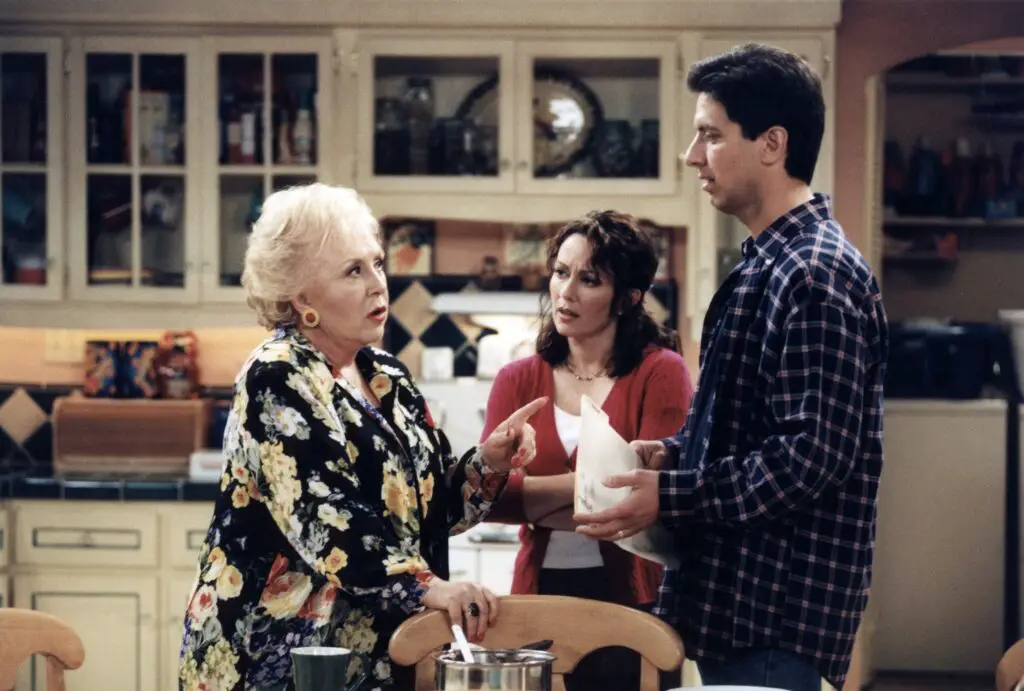
Much of the show’s humor comes from Marie inserting herself into Debra and Ray’s marriage, often crossing serious boundaries. Marie snoops, manipulates, and undermines Debra constantly, and it’s usually played for laughs. Today, viewers might frame this behavior as emotionally unhealthy and even toxic. What once felt like exaggerated family comedy could now spark conversations about control, respect, and mental well-being. Audiences today are more aware of family dynamics and emotional boundaries. The jokes might land differently for viewers who recognize similar real-life situations. Sympathy might shift more strongly toward Debra than the show intended.
Modern sitcoms still explore dysfunctional families, but they often acknowledge the emotional consequences more directly. Viewers today might expect therapy jokes or accountability arcs rather than endless resets. Social media discussions would likely analyze Marie’s behavior in detail. The humor hasn’t disappeared, but the lens through which audiences interpret it has evolved. What used to feel like harmless meddling now feels more complicated.
8. Cheers: Sam’s Relentless Womanizing
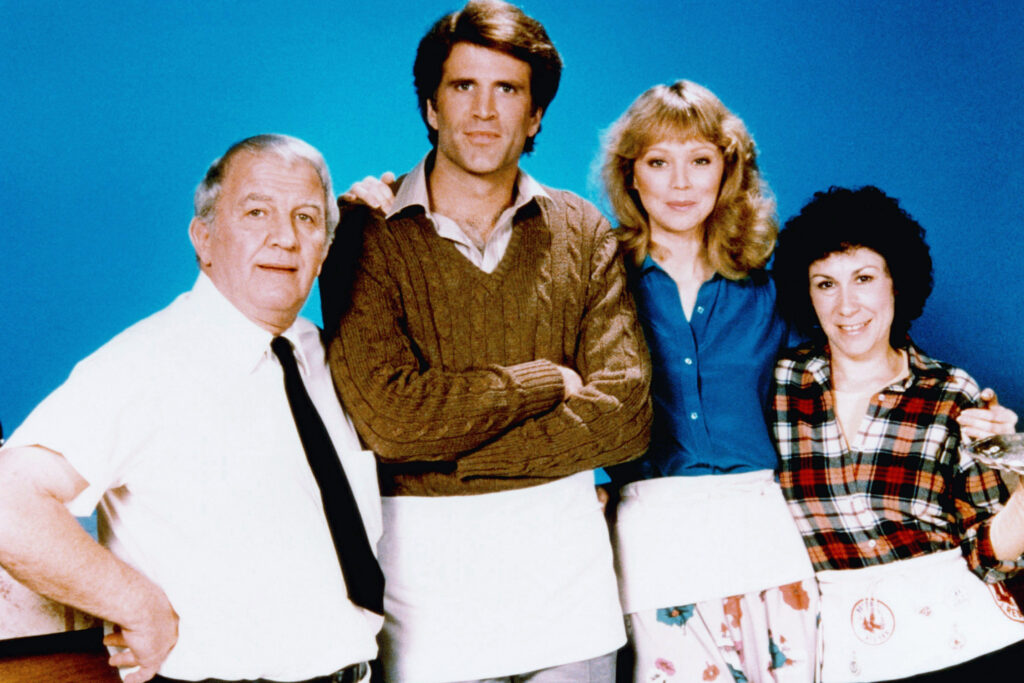
Sam Malone’s charm is built around his nonstop pursuit of women, often treating dating like a competitive sport. In the ’80s and ’90s, this was framed as roguish confidence and part of his lovable flaw. Today, many of his behaviors might be labeled as objectifying or dismissive of consent and emotional responsibility. The casual way he juggles relationships could draw criticism rather than admiration. What once played as charming arrogance might now read as outdated masculinity. Viewers today tend to expect more emotional depth and accountability in romantic storylines. The bar for what counts as romantic comedy behavior has shifted.
Modern audiences are more critical of characters who treat partners as disposable conquests. Sitcoms now often explore vulnerability, communication, and growth more openly. Sam might still exist as a character, but his behavior would likely be challenged more directly in the narrative. Social commentary has reshaped how romantic leads are portrayed. The laughs might still land for longtime fans, but new viewers could interpret him very differently. Cultural context changes how we root for characters.
9. Full House: Uncle Jesse Dating Much Younger Women
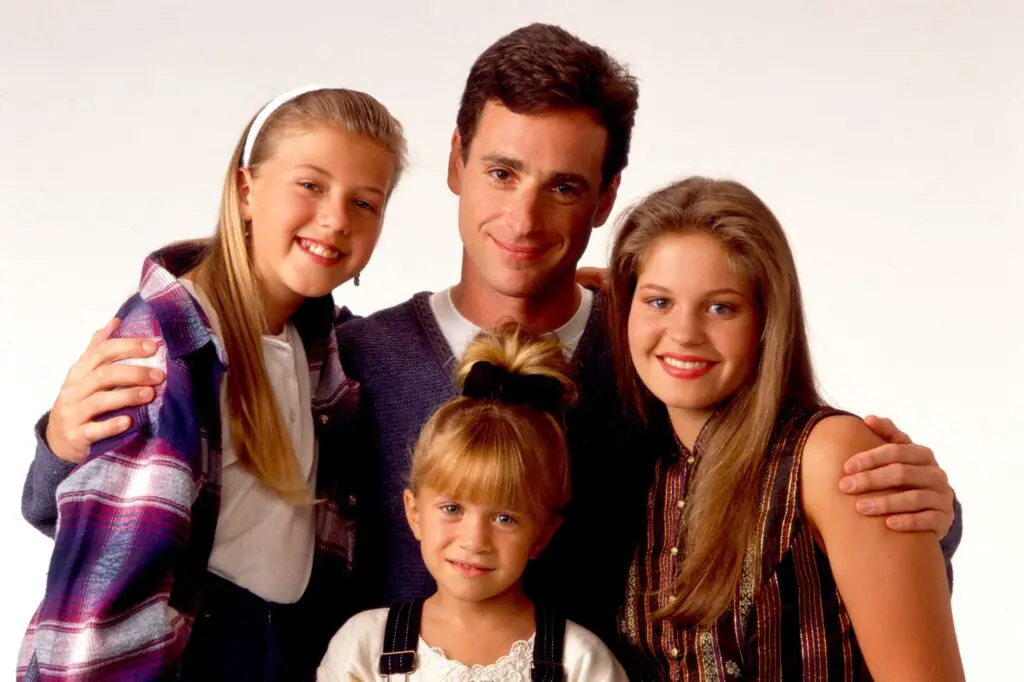
Uncle Jesse frequently dates much younger women, and the show frames it as part of his cool, rock-and-roll image. At the time, it was treated as harmless flirtation and light comedy. Today, age gaps in relationships often raise more questions about maturity, power, and intent. What once seemed charming might now feel uncomfortable or questionable. Viewers are more sensitive to how age differences can affect dynamics and consent. The jokes might not land as easily with modern audiences. The framing would likely invite online discussion rather than casual laughter.
Contemporary sitcoms tend to address age-gap relationships with more nuance or caution. Writers might explore emotional consequences instead of glossing over them. Audiences today often want context and accountability. Even wholesome family shows are held to higher standards now. The shift shows how social awareness has expanded into areas once treated lightly. What felt normal in earlier decades now invites closer scrutiny.
10. Roseanne: Jokes About Weight and Appearance
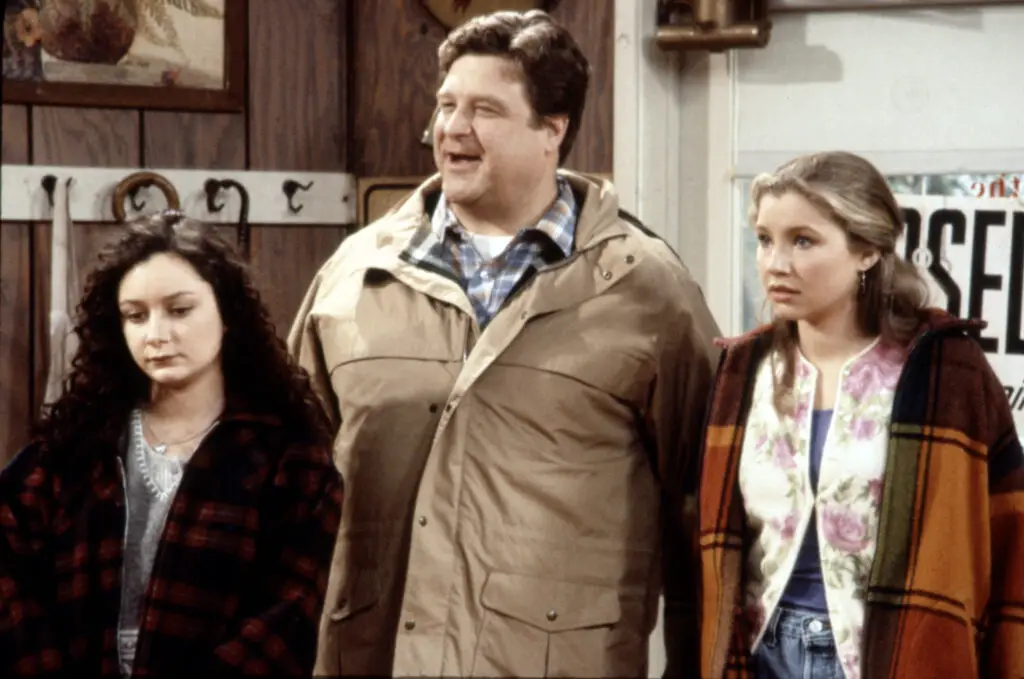
Roseanne often leaned into blunt humor about weight, appearance, and class struggles. While the show broke ground in many ways, some jokes relied on self-deprecation and sharp commentary that could feel harsh today. Modern audiences are more aware of body positivity and mental health impacts. What once felt empowering or realistic might now spark debate about reinforcing harmful narratives. The humor sometimes walked a fine line between honesty and cruelty. Viewers today might interpret certain jokes very differently. Context matters more now than ever.
Contemporary sitcoms still address body image, but often with more sensitivity and intentional messaging. Writers are more cautious about how repeated jokes shape audience perception. Social media amplifies reactions quickly, making backlash more visible. Even progressive shows from the past can feel dated through a modern lens. It’s not that the show loses its importance, but some of its humor would likely be reevaluated today.
11. Two and a Half Men: Casual Sex and Gender Stereotypes
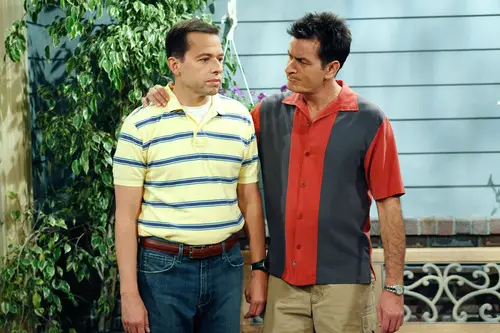
The series relies heavily on jokes about casual sex, objectification, and exaggerated gender stereotypes. At its peak, the humor was marketed as edgy and unapologetic. Today, many of those jokes would likely be criticized for being shallow or reinforcing outdated views about relationships and gender roles. What once drew laughs might now feel repetitive or insensitive. Audiences today often expect more dimensional characters and less reliance on crude punchlines. Social standards around representation and respect have shifted significantly. The show’s tone would probably generate online backlash if introduced today.
Modern sitcoms tend to balance adult humor with emotional depth and self-awareness. Viewers are more vocal about what feels lazy or harmful. Streaming-era audiences also have more choice, which raises expectations for quality and responsibility. The same jokes that once drove ratings might struggle to resonate now. Cultural tolerance for certain comedic shortcuts has declined. It reflects a broader shift in what mainstream comedy values.
12. The Fresh Prince of Bel-Air: Geoffrey as a Servant Punchline
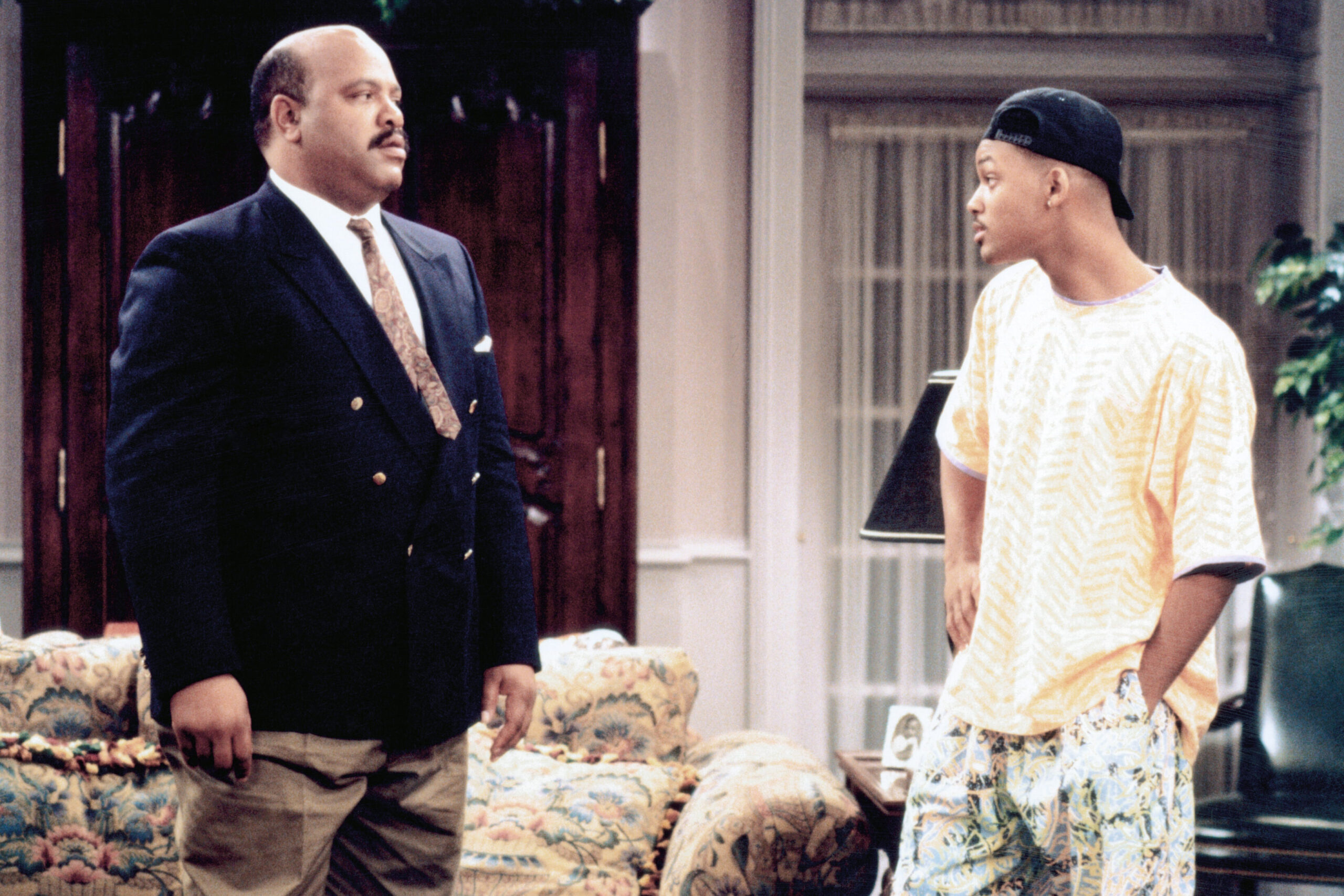
Much of Geoffrey’s humor comes from his sarcastic role as a butler serving a wealthy family. While the character is sharp and witty, the servant dynamic itself can feel uncomfortable when viewed through a modern lens. Today, viewers might question how class, race, and labor dynamics are being portrayed. What once felt like playful banter could spark deeper conversations about representation and power. The jokes may not land the same way for newer audiences. Sensitivities around stereotypes and historical context have grown. Even well-loved characters can be reevaluated over time.
Modern sitcoms often aim for more balanced portrayals of working-class or service roles. Writers today are cautious about how humor intersects with social hierarchies. Audiences are quicker to analyze subtext and cultural implications. That doesn’t erase the affection fans have for the show, but it does change how certain jokes are received. Comedy evolves along with social awareness. Context reshapes interpretation.
13. I Love Lucy: Ricky Spanking Lucy
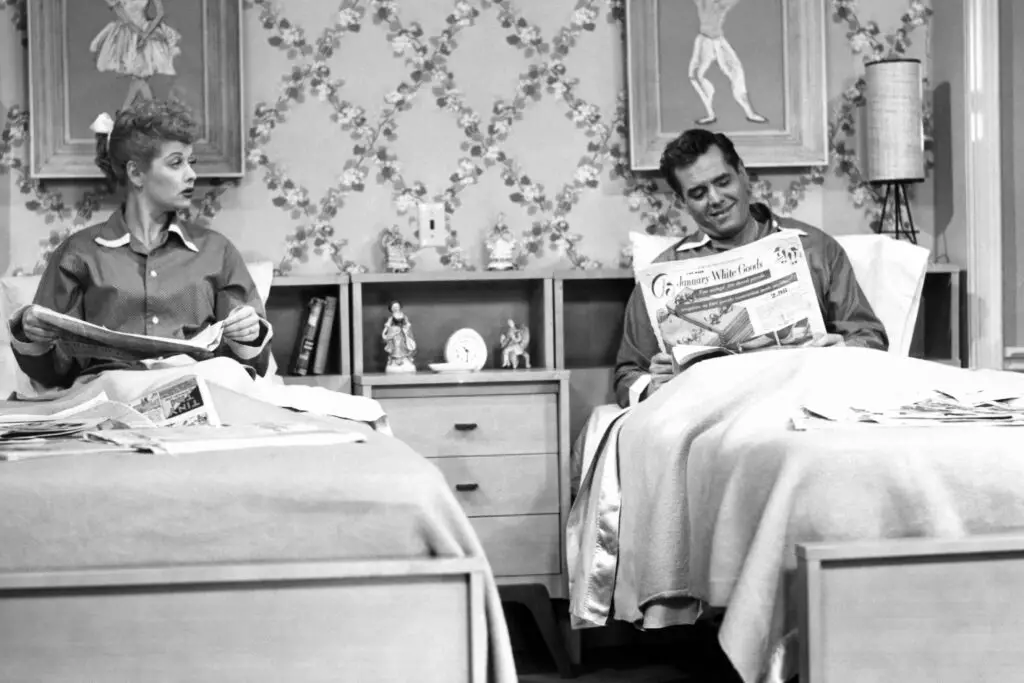
One episode famously shows Ricky spanking Lucy as part of a comedic misunderstanding, which audiences once found harmless and funny. Today, depicting physical discipline between spouses would raise immediate concerns about domestic violence and consent. What was once played for slapstick laughs would likely spark outrage online. Cultural attitudes toward physical behavior in relationships have changed dramatically. Viewers now expect media to avoid normalizing harmful conduct. The joke would not land the same way at all. Even classic sitcoms are reassessed through modern ethical standards.
Modern television rarely treats physical punishment as comedy, especially between romantic partners. Writers today understand the seriousness of the message such scenes can send. Streaming audiences are quick to call out anything that appears to trivialize harm. What once passed as harmless physical comedy now feels deeply outdated. It’s a clear example of how cultural values evolve over time. Comedy is never frozen in place, even when the episodes remain the same.