
1. Rice Krinkles
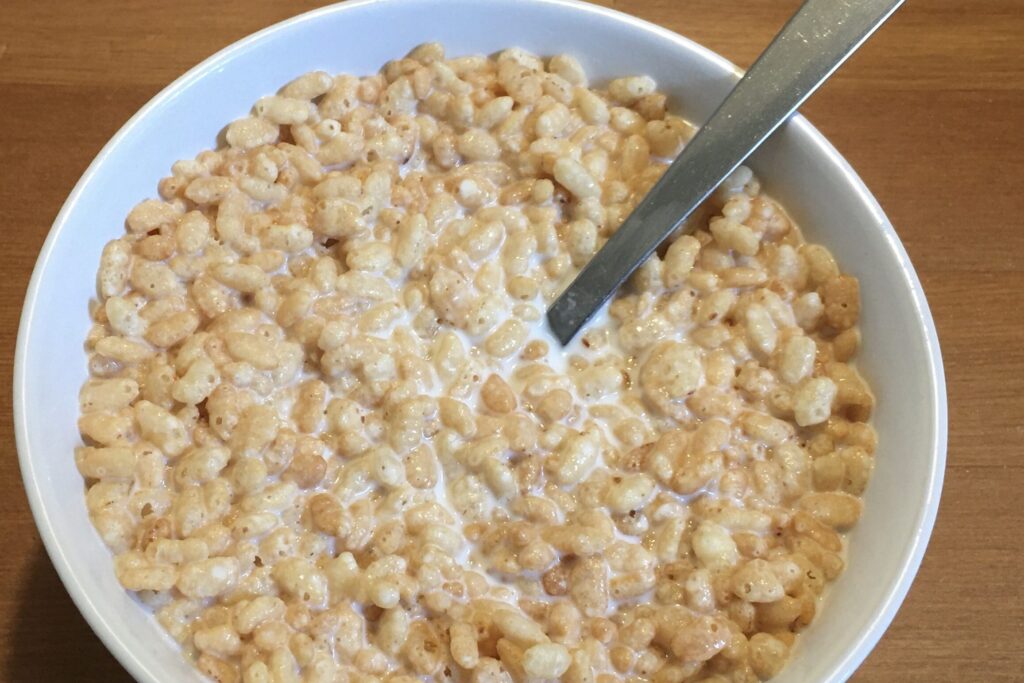
Rice Krinkles was a short lived cereal that leaned heavily on artificial coloring and sugary coating to stand out in a crowded cereal aisle. The crisp rice pieces were brightly tinted and designed to look playful rather than nutritious. Like many cereals of its era, sugar content was high and ingredient lists were rarely scrutinized by parents. It was marketed as a fun morning treat more than an actual breakfast.
Today, the combination of heavy artificial dyes and high sugar would draw quick criticism. Consumer awareness around food coloring, especially in products aimed at children, has increased significantly. Many brands have already removed or replaced certain dyes to meet modern expectations. A cereal built around visual novelty rather than nutrition would likely be reformulated or quietly discontinued in today’s market.
2. Smurf Berry Crunch
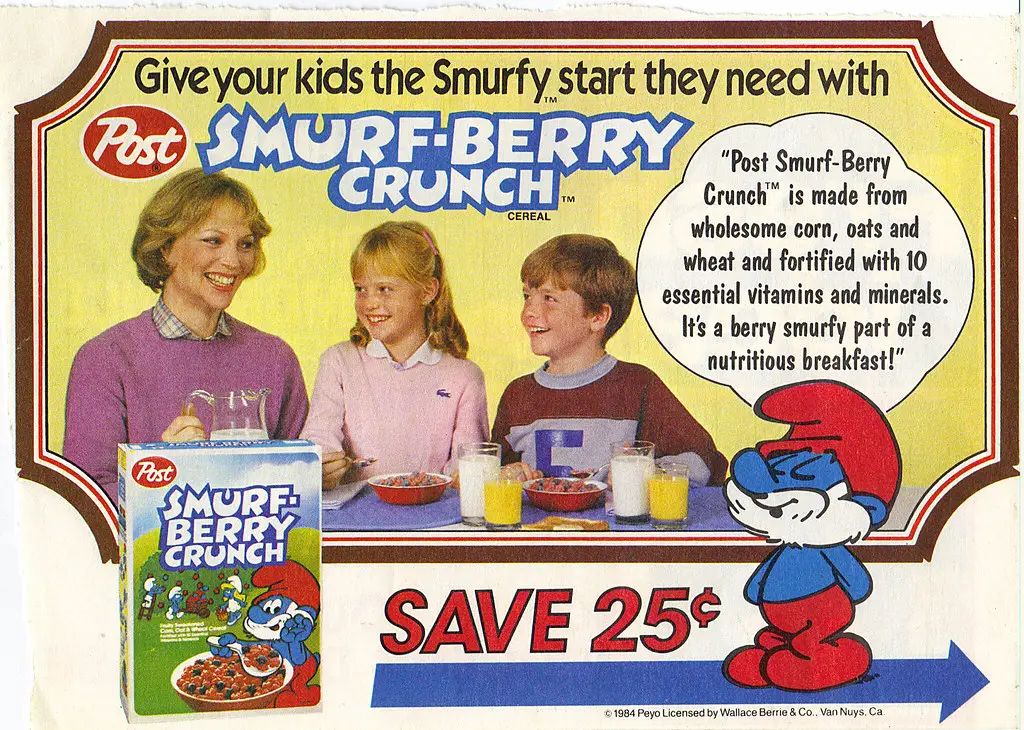
Smurf Berry Crunch leaned into cartoon licensing long before that became controversial, pairing bright blue and red berry shapes with animated Smurf characters. The cereal was colorful, sugary, and clearly designed to catch a child’s eye from across the aisle. Flavor took a back seat to novelty and visual appeal. It felt more like candy in cereal form than breakfast food.
Modern regulations and advertising standards have become stricter about marketing sugary foods directly to kids using licensed characters. Many companies have already pulled characters off high sugar products due to public pressure and policy changes. A cereal like this would likely be flagged for encouraging unhealthy eating habits among children. It would need major changes to survive today’s marketplace.
3. Mr. T Cereal
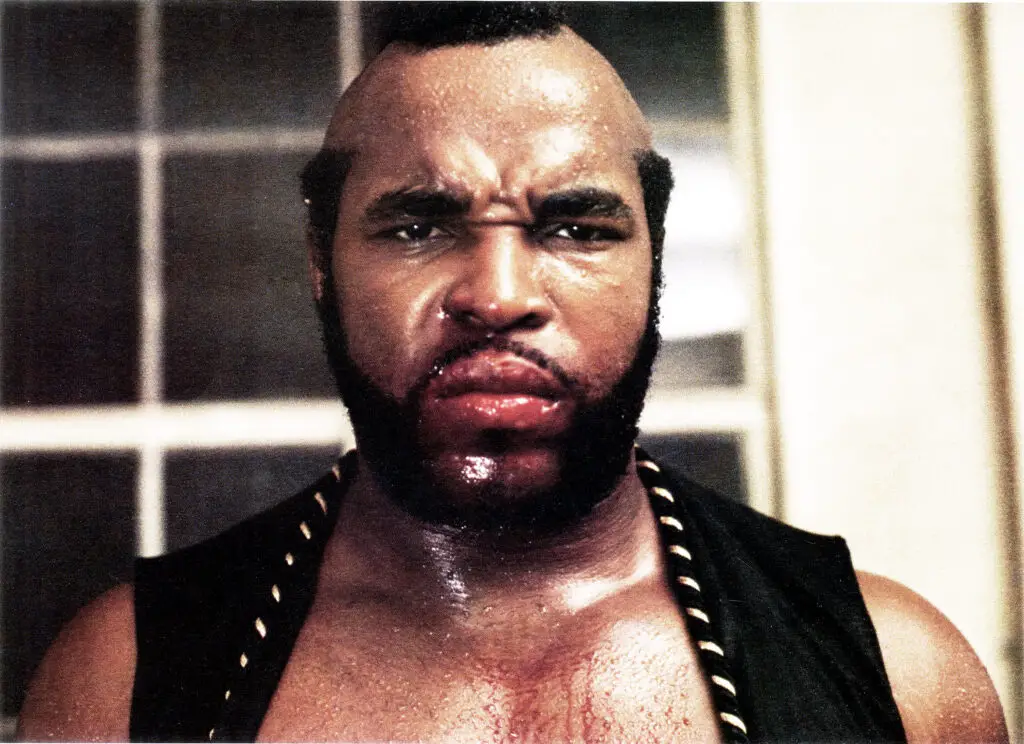
Mr. T Cereal capitalized on celebrity branding and cartoon imagery to sell sweetened corn and oat pieces. The cereal itself was heavily sweetened and brightly colored, aiming squarely at kids rather than nutrition. The novelty of seeing a pop culture figure on a cereal box was a big part of the appeal. Breakfast felt more like entertainment than fuel.
Today, celebrity endorsements aimed at children are often questioned, especially when tied to sugary foods. There is growing pressure to reduce sugar levels and improve transparency in marketing. A cereal built mainly on hype rather than health would face strong criticism. It would almost certainly need reformulation and stricter advertising limits.
4. Oreo O’s (Original Formula)
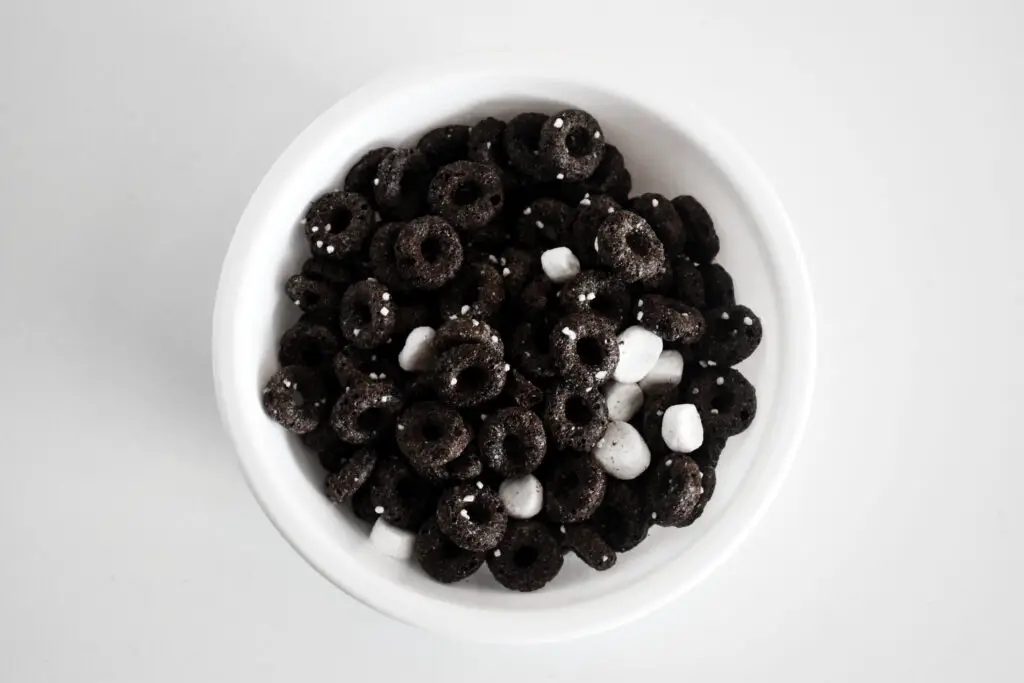
The original version of Oreo O’s leaned heavily into dessert territory, delivering chocolate cookie flavor in milk. Sugar content was high, and the cereal was marketed as a fun indulgence rather than a balanced breakfast. Kids loved the idea of eating “cookies” in the morning. Nutrition often felt like an afterthought.
While Oreo O’s has since been reformulated in some markets, the original formula would raise eyebrows today. Sugar thresholds for cereals marketed to children are increasingly monitored. Many retailers and school programs now reject products that exceed certain sugar limits. The original version would likely fail to meet those standards.
5. Sugar Smacks
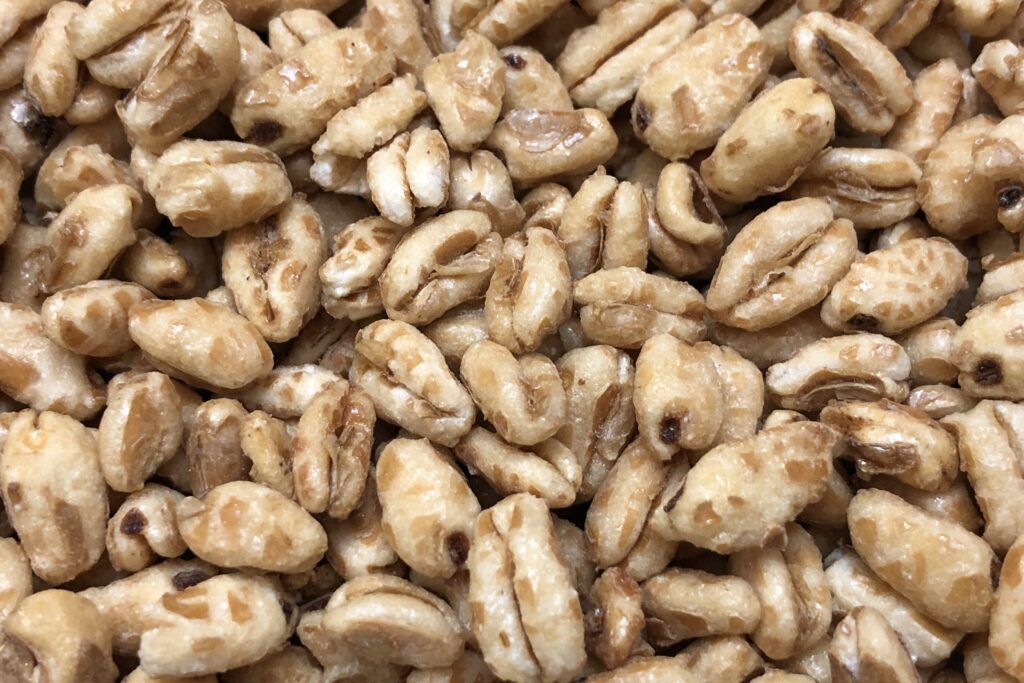
Sugar Smacks was unapologetically sweet, even wearing the word “sugar” right in the name. The puffed wheat cereal was coated heavily in sugar, making it closer to candy than breakfast. Its frog mascot and playful commercials made it irresistible to kids. Very few people questioned the sugar load at the time.
Today, explicit sugar branding aimed at children would attract criticism almost immediately. Many cereals have already renamed or reformulated to soften sugar messaging. Nutrition labeling standards and consumer awareness have changed dramatically. A cereal proudly built around sugar would struggle to remain on shelves without major changes.
6. Alpha-Bits Marshmallow Cereal
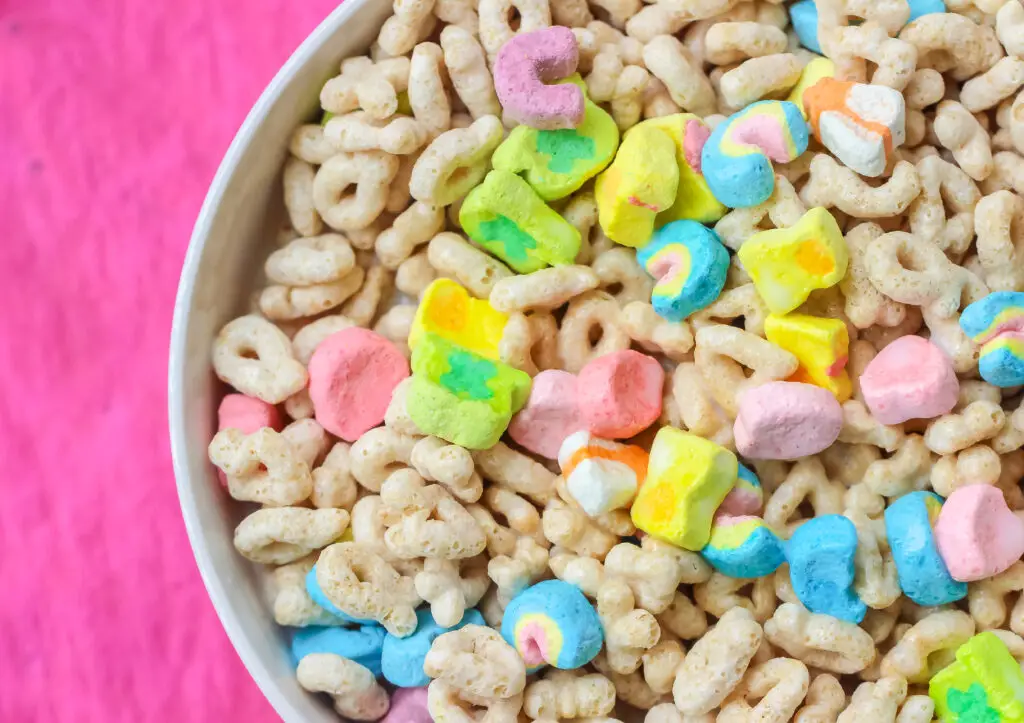
Alpha-Bits Marshmallow combined sweetened cereal letters with sugary marshmallows. It blurred the line between breakfast and dessert, especially for younger kids who loved the novelty of spelling words in milk. The marshmallows added extra sugar and artificial coloring. It was playful but nutritionally weak.
Modern guidelines increasingly discourage marshmallow-heavy cereals aimed at children. Added sugar limits and concerns about excessive sweetness would likely push this product into reformulation. Many retailers now prioritize cleaner ingredient lists. A cereal like this would face significant pressure to tone things down.
7. Donkey Kong Cereal
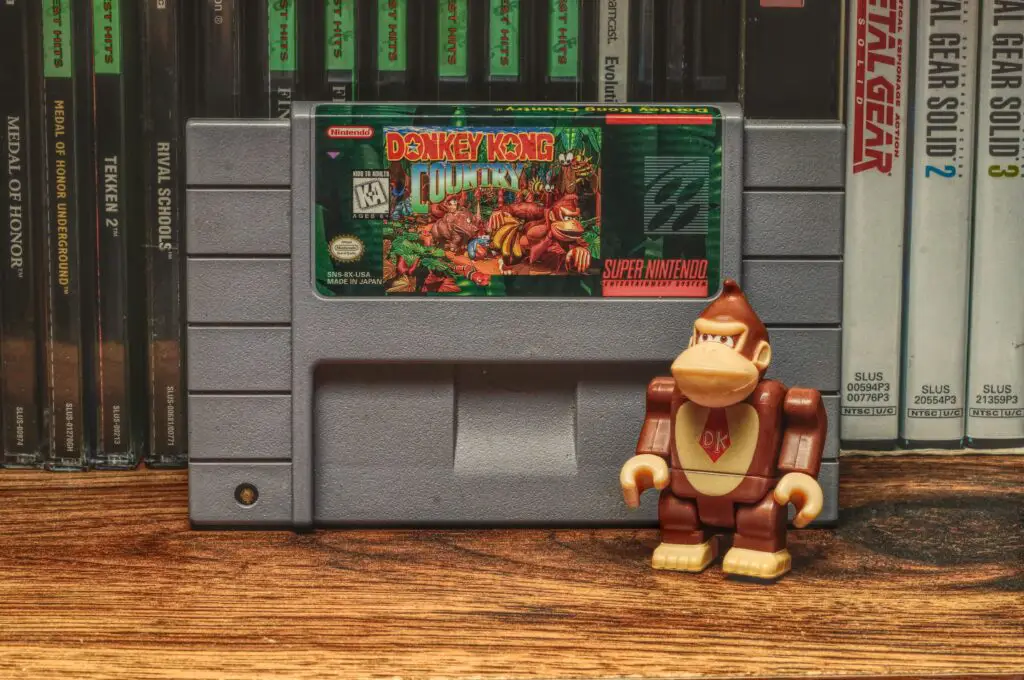
Donkey Kong Cereal used a popular video game character to sell barrel shaped sweetened corn cereal. The appeal was almost entirely tied to branding and fun visuals. The sugar content was typical of the era, meaning much higher than most parents would accept today. Kids begged for it because of the character, not the ingredients.
Marketing junk food using licensed characters is increasingly restricted or discouraged. Public health groups often push for removing cartoon tie ins from sugary foods. A cereal like this would likely face resistance from retailers and advocacy groups. It would need to significantly change its formula and branding.
8. Fruit Brute
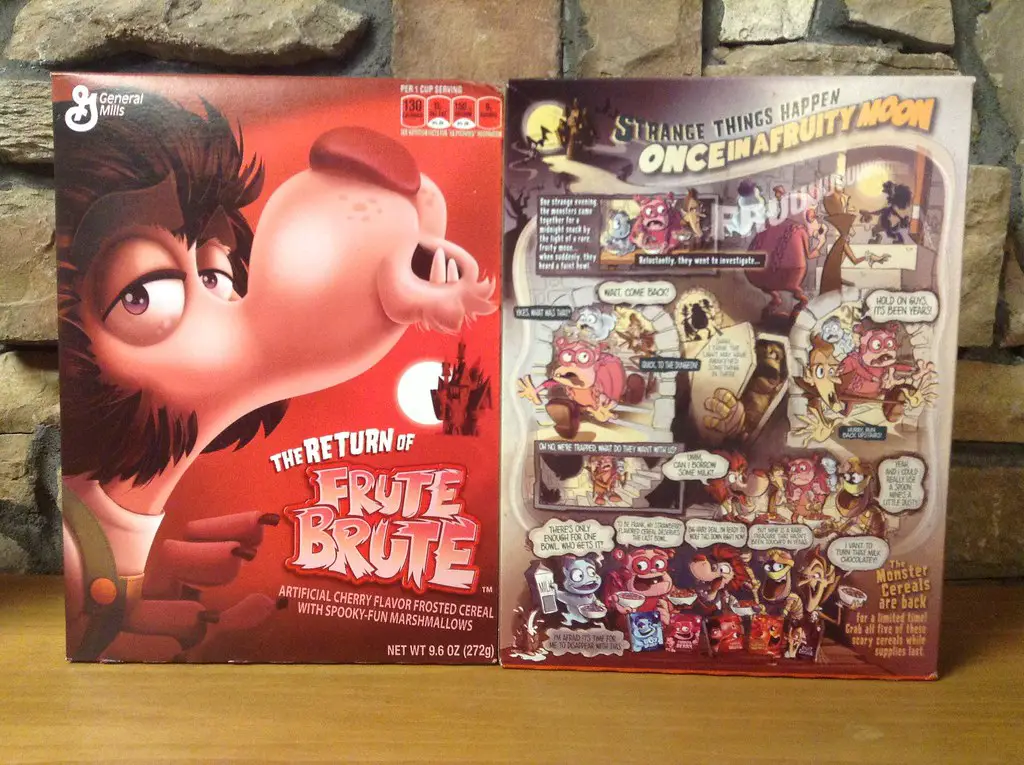
Fruit Brute leaned into bright artificial fruit flavors and vivid coloring to stand out. It was heavily sweetened and relied on novelty rather than nutrition to sell. The flavor profile was bold and candy like. It fit perfectly into the anything goes cereal era.
Today, artificial colors and flavorings receive much closer examination. Some dyes once common in cereals have been removed or replaced due to consumer demand. A cereal like Fruit Brute would face ingredient scrutiny and reformulation pressure. Its original version would likely not meet current expectations.
9. Cröonchy Stars
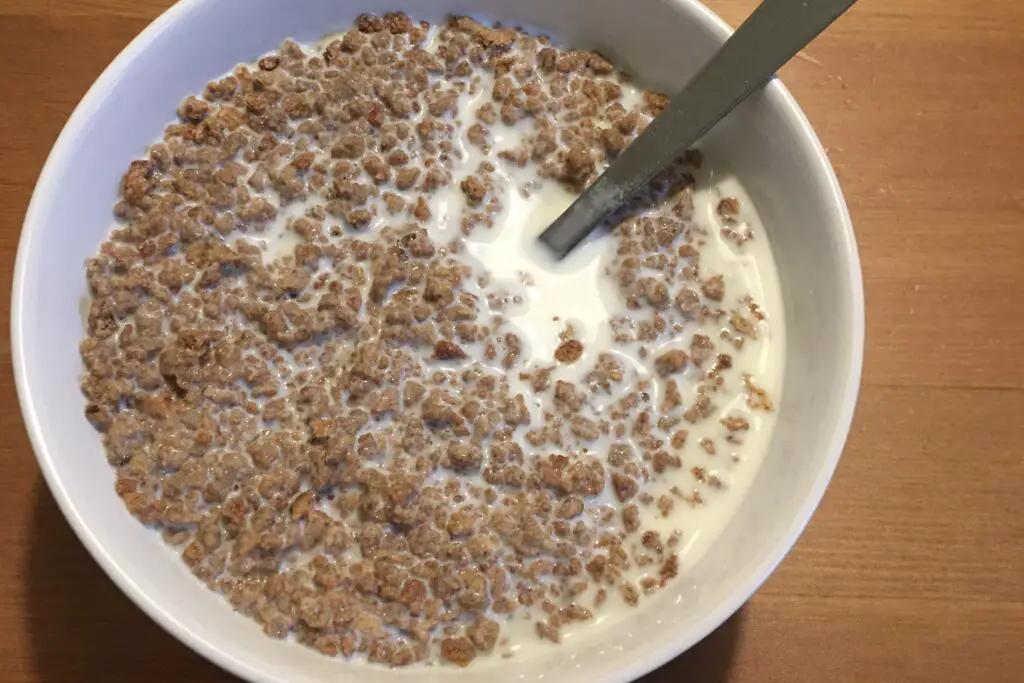
Cröonchy Stars, tied to the movie Hook, focused on whimsical star shapes and sweet crunch. The cereal leaned into fantasy branding and sugary appeal rather than health. Packaging and movie tie ins did most of the selling. Kids wanted the connection to the film more than the cereal itself.
Movie based food marketing to children now receives more criticism than it once did. Combined with high sugar levels, this kind of cereal would face challenges under modern advertising standards. Brands are increasingly cautious about tying children’s entertainment directly to sugary foods. Cröonchy Stars would likely need heavy revisions to exist today.
10. Waffle Crisp (Original Recipe)
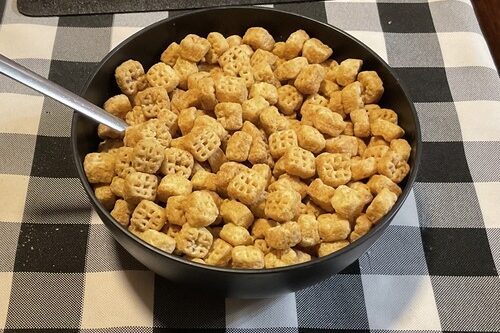
Waffle Crisp originally delivered strong maple syrup sweetness in cereal form. It tasted more like breakfast dessert than a balanced meal. Sugar levels were high, and portion control was rarely emphasized. It became a nostalgic favorite because it felt indulgent.
Modern consumers are far more aware of sugar intake and added sweeteners. Many cereals have quietly reduced sugar over the years to meet shifting standards. The original version of Waffle Crisp would likely face reformulation today. Retailers may hesitate to stock a cereal that reads like a dessert on the label.
11. Nerds Cereal
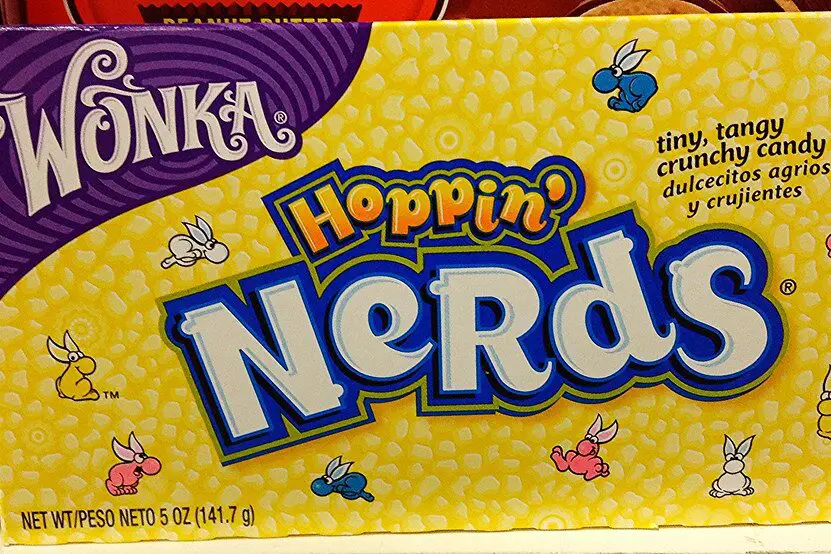
Nerds Cereal took a candy brand and turned it directly into a breakfast product. The cereal was intensely sweet and colorful, mimicking the candy experience in milk. It was essentially sugar forward novelty in a bowl. Kids loved it for obvious reasons.
Turning candy into breakfast is something most modern nutrition advocates strongly oppose. Sugar content and artificial coloring would raise immediate concerns. Marketing such a product to children would likely face regulatory and retailer resistance. It would struggle to meet today’s expectations for responsible food marketing.
12. Sprinkle Spangles

Sprinkle Spangles featured star shaped cereal covered in colorful candy sprinkles. The cereal looked festive and tasted extremely sweet. Visual appeal was its strongest selling point. Nutritional value was minimal compared to modern standards.
Today, sprinkle coated cereals aimed at kids would likely face criticism for excessive sugar and artificial additives. Many parents now actively avoid heavily processed breakfast foods. Ingredient transparency and cleaner labeling are much more important than they once were. Sprinkle Spangles would almost certainly need a major overhaul.
13. Cookie Crisp (Original Formula)

The original Cookie Crisp leaned fully into the idea of eating cookies for breakfast. Sugar levels were high, and the cereal was marketed with playful mascots and cartoon style commercials. It felt rebellious and fun to kids who wanted dessert in the morning. Nutrition messaging was minimal.
Modern advertising rules and nutrition guidelines push back against positioning sugary foods as everyday breakfast staples. Many versions of Cookie Crisp have already been reformulated over time. The original recipe and marketing style would likely not pass current expectations. Today’s version exists largely because it adapted to shifting standards.