
1. Karyn Parsons (The Fresh Prince of Bel-Air)
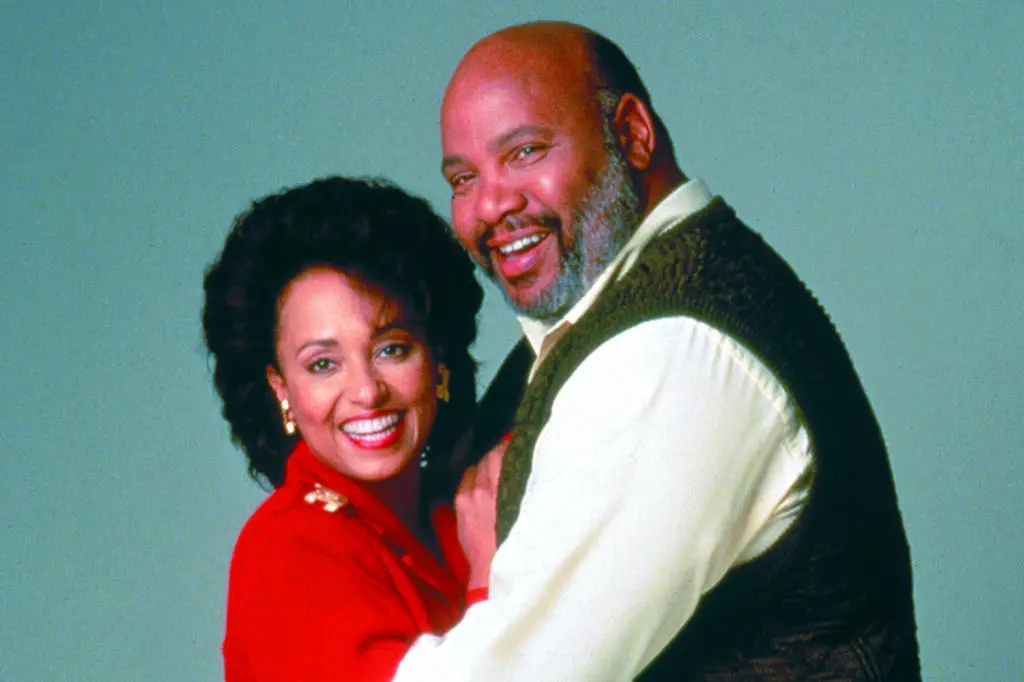
Karyn Parsons became instantly recognizable as Hilary Banks, the spoiled but oddly lovable fashionista on The Fresh Prince of Bel-Air. At the height of the show’s popularity in the ’90s, it looked like Parsons was headed for nonstop sitcom stardom. Instead, she quietly shifted her focus away from Hollywood’s spotlight after a handful of film and television roles. She became more interested in writing, producing, and raising her family rather than chasing fame. Parsons later founded Sweet Blackberry, an organization that creates animated films about unsung Black historical figures. The work allowed her to tell meaningful stories without living under celebrity pressure. Fans still associate her warmly with Hilary, even if she rarely appears onscreen anymore. It’s a classic example of choosing purpose over publicity.
Her occasional interviews make it clear she has no regrets about stepping back. Parsons has spoken openly about wanting creative control and a healthier work-life balance. While she does take the occasional acting role, it’s always on her own terms. The distance from constant casting calls gave her space to grow in other creative directions. For longtime viewers, her legacy remains tied to one of television’s most memorable sitcom characters. Even decades later, Hilary’s one liners and designer outfits are still part of pop culture memory. Parsons simply chose a quieter version of success.
2. Danny Pintauro (Who’s the Boss?)
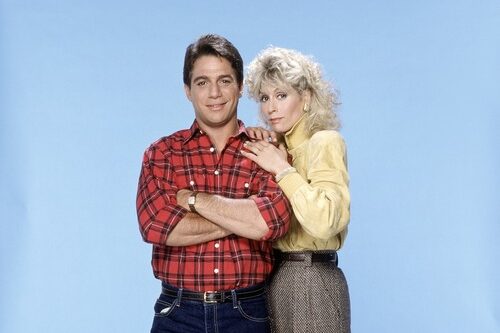
Danny Pintauro grew up on television as Jonathan Bower on Who’s the Boss?, one of the defining family sitcoms of the ’80s. As a child actor, he became a familiar face in millions of living rooms every week. After the show ended, he appeared in a few projects but gradually moved away from acting altogether. Pintauro chose a much more private life, focusing on education and later working outside the entertainment industry. He eventually became a teacher, which was a dramatic shift from red carpets and studio sets. Over the years, he has been candid about the pressures of growing up in the spotlight. The experience shaped his desire for stability and normalcy. For many fans, it still feels surprising that Jonathan didn’t grow up into another sitcom star.
When Pintauro does make public appearances or give interviews, there’s often a wave of nostalgia attached. He speaks honestly about the challenges child actors face once the cameras stop rolling. Rather than chasing a comeback, he’s embraced the life he built after fame. His story resonates with people who watched him grow up on TV and then wondered where he went. It’s a reminder that success doesn’t always mean staying visible. Sometimes it means choosing peace and consistency. Pintauro’s path reflects that quieter kind of fulfillment.
3. Josh Saviano (The Wonder Years)
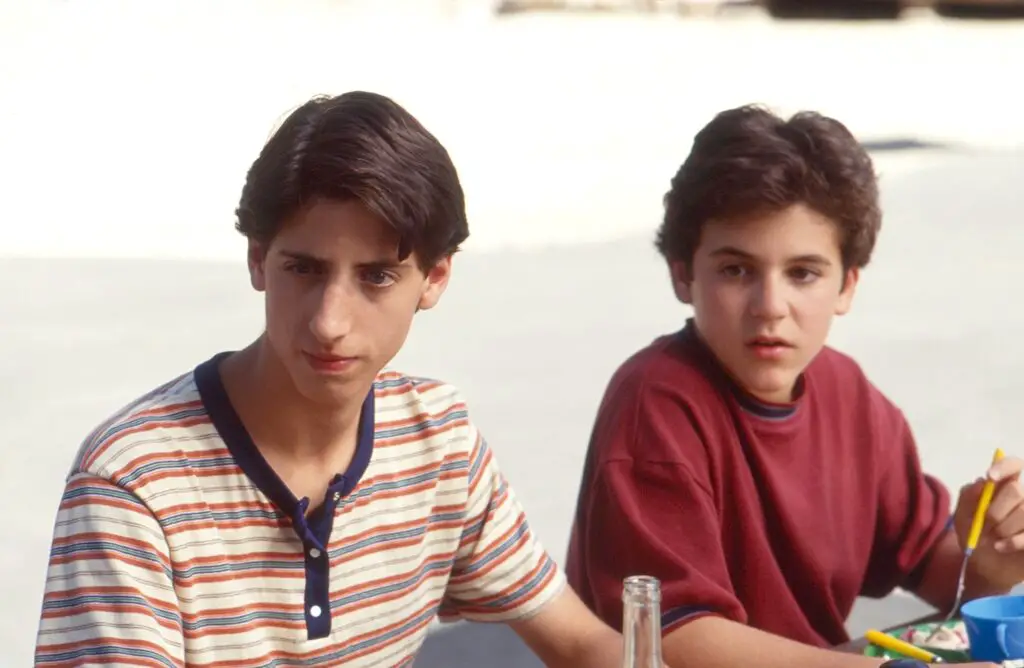
Josh Saviano played Paul Pfeiffer, Kevin Arnold’s loyal best friend on The Wonder Years, a role that made him instantly recognizable in the late ’80s and early ’90s. Paul was the emotional heart of the show, and Saviano’s performance helped anchor many of its most touching moments. After the series ended, he stepped away from acting rather than pursuing more roles. Saviano enrolled in college and eventually went on to law school. He became an attorney, specializing in intellectual property and entertainment law. The career shift surprised fans who expected him to remain in Hollywood. Instead, he built a completely different professional identity. Acting became a meaningful chapter rather than a lifelong pursuit.
Saviano occasionally acknowledges his time on the show but has largely stayed out of the public eye. His decision reflects a deliberate move toward long-term stability and intellectual work. Many viewers still associate him with Paul’s glasses, nervous energy, and heartfelt friendship. It’s a nostalgic connection that follows him even as his day-to-day life looks nothing like a sitcom set. His story often comes up in conversations about child stars who successfully reinvented themselves. Rather than fading out quietly, he redirected his talents into a new field. It’s an example of walking away from fame without walking away from ambition.
4. Erik Per Sullivan (Malcolm in the Middle)
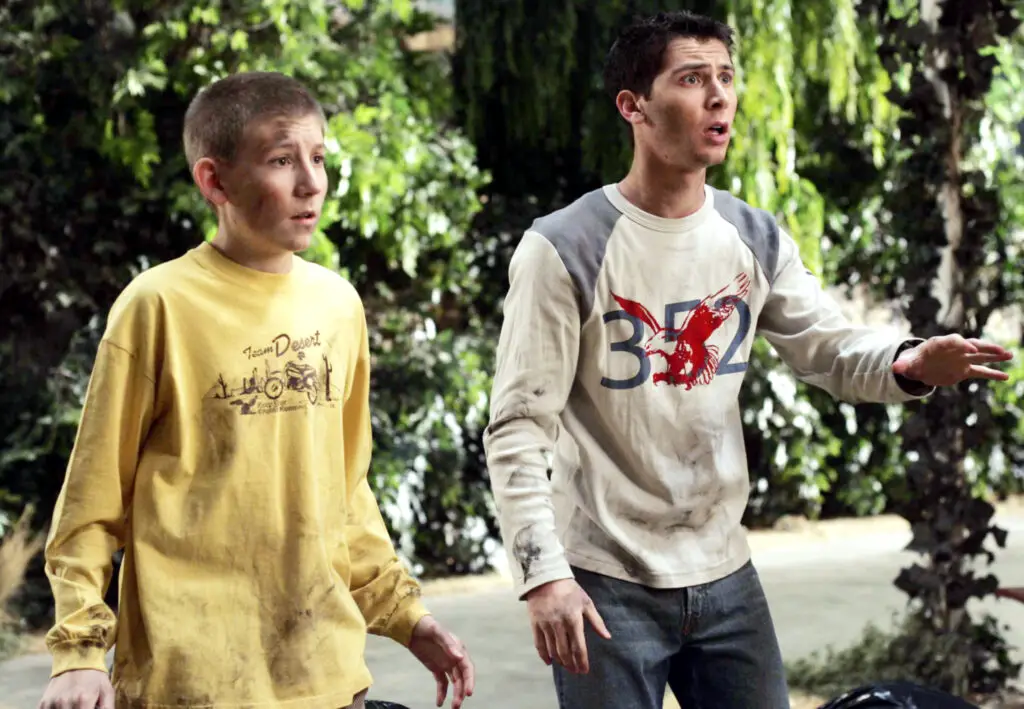
Erik Per Sullivan became famous as Dewey, the mischievous and unexpectedly clever youngest brother on Malcolm in the Middle. His performance stood out for its dry humor and emotional depth, especially as the character matured over the series. After the show wrapped, Sullivan appeared in a few small projects before stepping away from acting entirely. He chose to focus on school and private life rather than continuing in entertainment. Unlike many former child stars, he has kept a very low public profile. He did not attend later cast reunions and avoids media attention. That privacy has fueled curiosity about where he went and what he’s doing now. What’s clear is that he intentionally left the spotlight behind.
For fans who grew up watching Dewey steal scenes, the disappearance feels abrupt. Sullivan’s decision reflects a desire for normalcy after years of intense production schedules. He has reportedly pursued academic interests instead of performance work. The lack of public updates has only added to the mystery surrounding him. Still, his legacy on the show remains strong and beloved. Dewey’s clever one liners and unexpected wisdom are still quoted by fans. Sometimes stepping away completely is the cleanest way to move forward.
5. Taran Noah Smith (Home Improvement)

Taran Noah Smith played Mark Taylor, the youngest son on Home Improvement, growing up in front of a massive audience during the ’90s. His character evolved from a quiet child into a thoughtful, socially conscious teenager, which gave him some memorable storylines. After the show ended, Smith decided not to pursue acting long-term. He stepped away from Hollywood and explored other interests, including environmental activism and sustainable living projects. Smith later became involved in food-related ventures and community focused initiatives. The transition marked a sharp departure from celebrity culture. His life took on a much more grounded and private tone. For fans, it was unexpected to see him walk away so completely.
Smith has spoken about wanting independence after spending most of his childhood on a set. He experienced both the benefits and pressures of early fame, which shaped his choices. Rather than chasing auditions, he focused on building practical skills and personal values. His story often comes up in discussions about child actors choosing alternative paths. While he may not appear onscreen anymore, many viewers still remember Mark’s thoughtful personality. The contrast between his childhood fame and adult life is striking. It shows how deliberately someone can redefine success.
6. Angus T. Jones (Two and a Half Men)

Angus T. Jones became one of television’s highest paid child actors as Jake Harper on Two and a Half Men. For years, his laid-back delivery and comedic timing were central to the show’s humor. At the peak of the series, Jones made headlines when he publicly criticized the show’s content and stepped away from acting. He shifted his focus toward religious studies and personal growth. Jones distanced himself from Hollywood and declined most acting opportunities afterward. The sudden change surprised fans who associated him so strongly with mainstream sitcom fame. His exit marked a clear break from the industry. It also sparked conversation about young performers reassessing their careers.
Since leaving the show, Jones has largely remained out of the entertainment spotlight. He has occasionally appeared in small projects but has not pursued sustained acting work. His priorities shifted toward education and spiritual life. The move reflects a desire for values alignment rather than celebrity momentum. Fans still remember Jake’s goofy humor and awkward charm. Watching someone step away at the height of success remains unusual in television history. Jones’s decision shows how personal convictions can override fame.
7. Tiffany Brissette (Small Wonder)
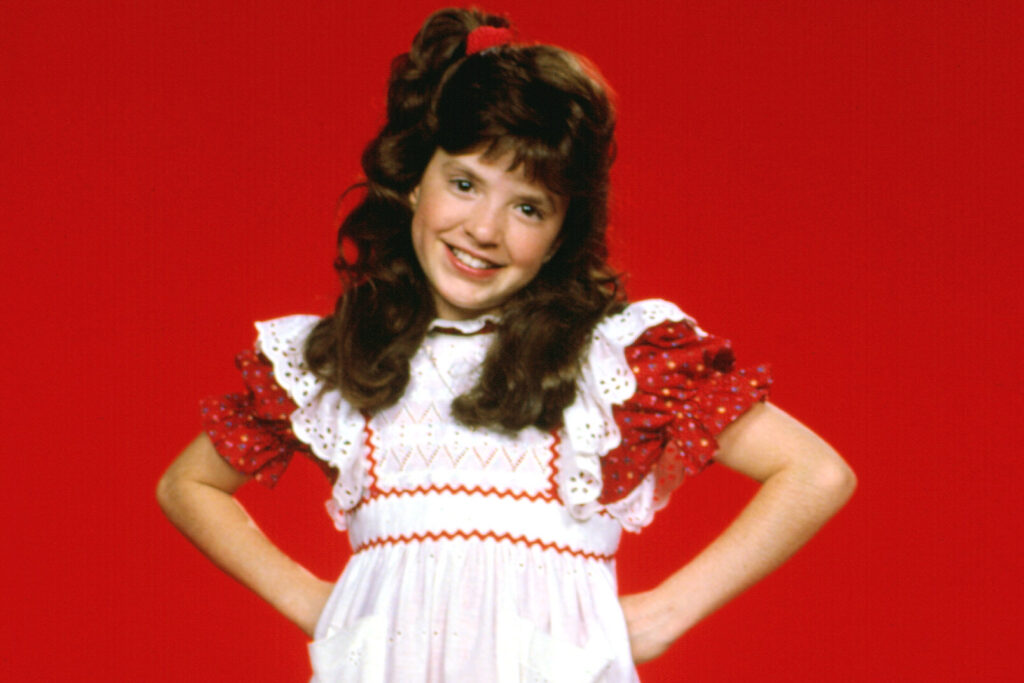
Tiffany Brissette played Vicki, the robot child on the ’80s sitcom Small Wonder, a role that made her instantly recognizable to young audiences. The show’s quirky premise turned her into a pop culture novelty of the era. After the series ended, Brissette largely stepped away from acting. She chose to pursue higher education instead of continuing in entertainment. Eventually, she became a registered nurse, a profession far removed from sitcom sets and studio lighting. The transition reflected a desire for stability and meaningful work outside fame. Many fans are surprised to learn what career path she ultimately chose. Her story is often cited as one of the more dramatic pivots from child stardom.
Brissette has occasionally acknowledged her acting past but has stayed mostly private. Nursing offered her a sense of purpose and direct impact that Hollywood could not. The contrast between playing a fictional robot and caring for real patients is striking. For viewers who remember Vicki’s stiff movements and monotone voice, it’s an unexpected but admirable evolution. Her life demonstrates that childhood fame does not have to define adulthood. Sometimes the most fulfilling path is the least visible one.
8. Jerry Supiran (Small Wonder)
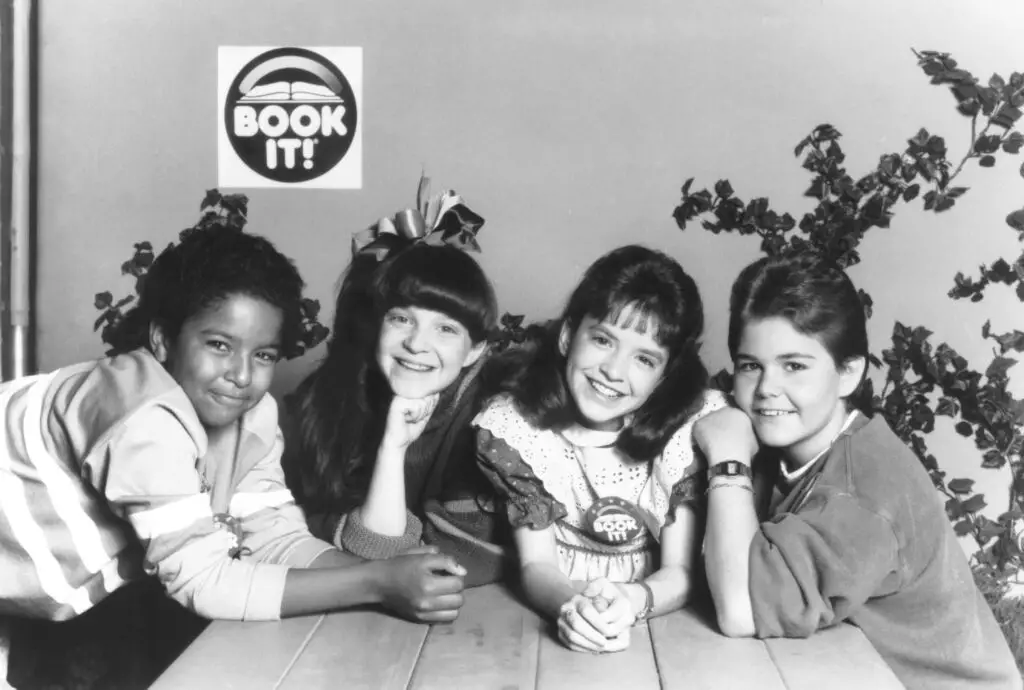
Jerry Supiran starred alongside Tiffany Brissette as Jamie Lawson on Small Wonder, serving as the human anchor to the show’s robot-centered comedy. As a child actor, he enjoyed moderate fame and steady work during the series’ run. After the show ended, Supiran gradually moved away from acting. His post-Hollywood years were more turbulent, and he faced personal struggles later in life. While he has made occasional public appearances, he did not pursue a sustained entertainment career. The distance from acting became permanent rather than temporary. His experience highlights how unpredictable life after child stardom can be. Fame did not translate into long-term stability for him.
Supiran has spoken in interviews about the challenges of transitioning out of early success. Without the structure of a working show, many former child actors struggle to find direction. His story is often referenced as a cautionary tale about the pressures of early fame. Even so, fans still remember Jamie fondly as part of a distinctly ’80s sitcom memory. The show remains a nostalgic curiosity for many viewers. Supiran’s journey underscores how complex life after television can become.
9. Angela Watson (Step by Step)
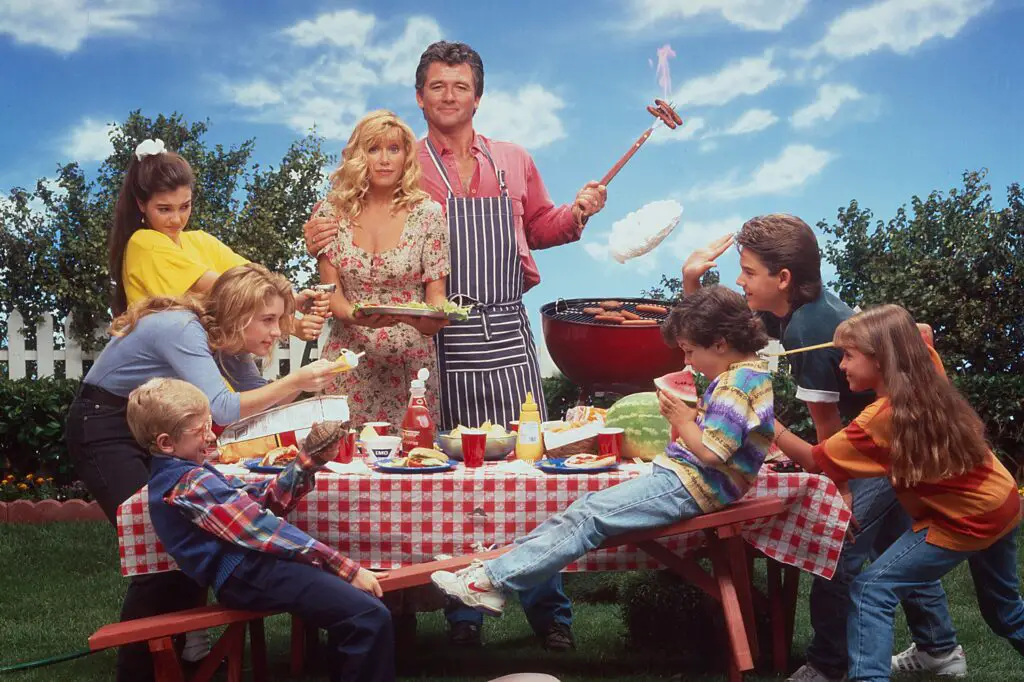
Angela Watson played Karen Foster, the stylish and occasionally mischievous older sister on Step by Step. Her role made her a familiar face throughout the ’90s as the blended family sitcom gained popularity. After the show ended, Watson appeared in a few projects before stepping away from acting. She chose to focus on personal development and later became a life coach and speaker. The shift reflected a desire to help others rather than remain in the entertainment spotlight. Watson has spoken about wanting a more balanced and intentional life. Acting became something she appreciated but did not want to pursue indefinitely. Fans are often surprised to learn how completely she changed career paths.
Watson occasionally reconnects with fans through interviews and social media, sharing insights from her coaching work. Her experiences in Hollywood helped shape her understanding of identity and self-worth. Moving away from fame allowed her to redefine success on her own terms. Viewers who remember Karen’s dramatic storylines may find the transition fitting in an unexpected way. Her journey illustrates how early visibility doesn’t have to dictate long-term direction. It’s another example of choosing fulfillment over familiarity.
10. Brian Bonsall (Family Ties)
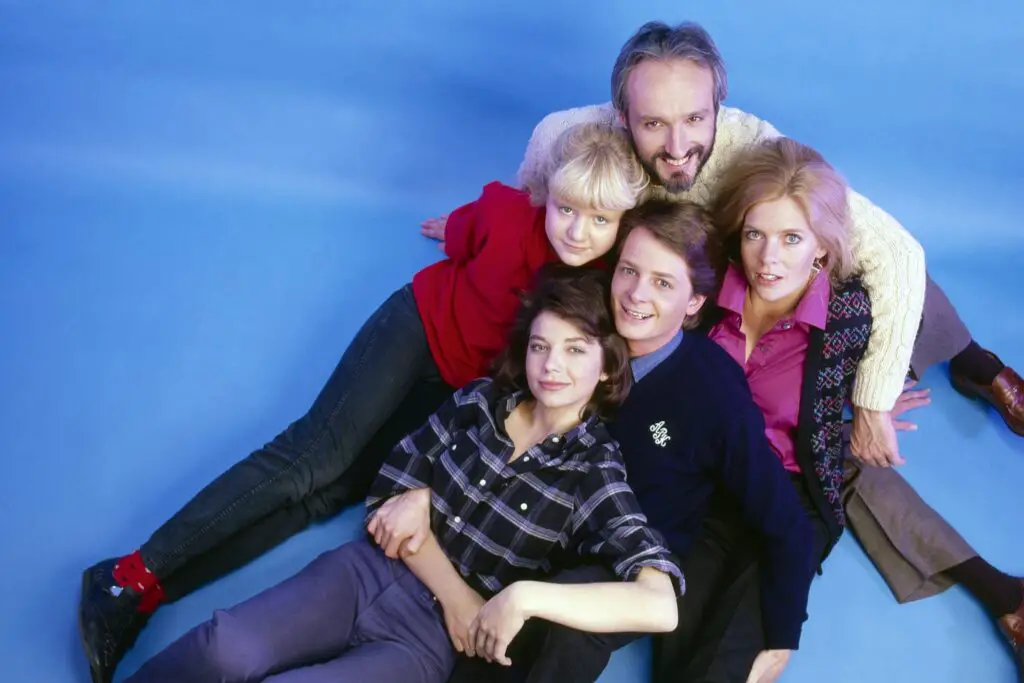
Brian Bonsall joined Family Ties in its later seasons as Andy Keaton, becoming part of one of television’s most iconic sitcom families. As a child actor, he also appeared in several films and commercials, building a strong early resume. After his teenage years, Bonsall stepped away from acting and pursued other interests. He later became involved in music, joining a punk band and focusing on creative expression outside film and television. Bonsall has also been open about personal struggles that accompanied his transition out of fame. The shift away from Hollywood was gradual but permanent. Acting became a closed chapter rather than a fallback option. His story reflects the complexity of growing up in the public eye.
In later interviews, Bonsall has discussed how difficult it can be to leave behind an identity shaped by childhood fame. Music offered him an outlet that felt more authentic and less restrictive. Fans who remember Andy Keaton often express surprise at how different his adult life looks. The contrast highlights how unpredictable former child star trajectories can be. Bonsall’s experience shows that reinvention often comes with challenges as well as freedom. Fame can open doors early but does not guarantee long-term clarity.
11. Jonathan Taylor Thomas (Home Improvement)
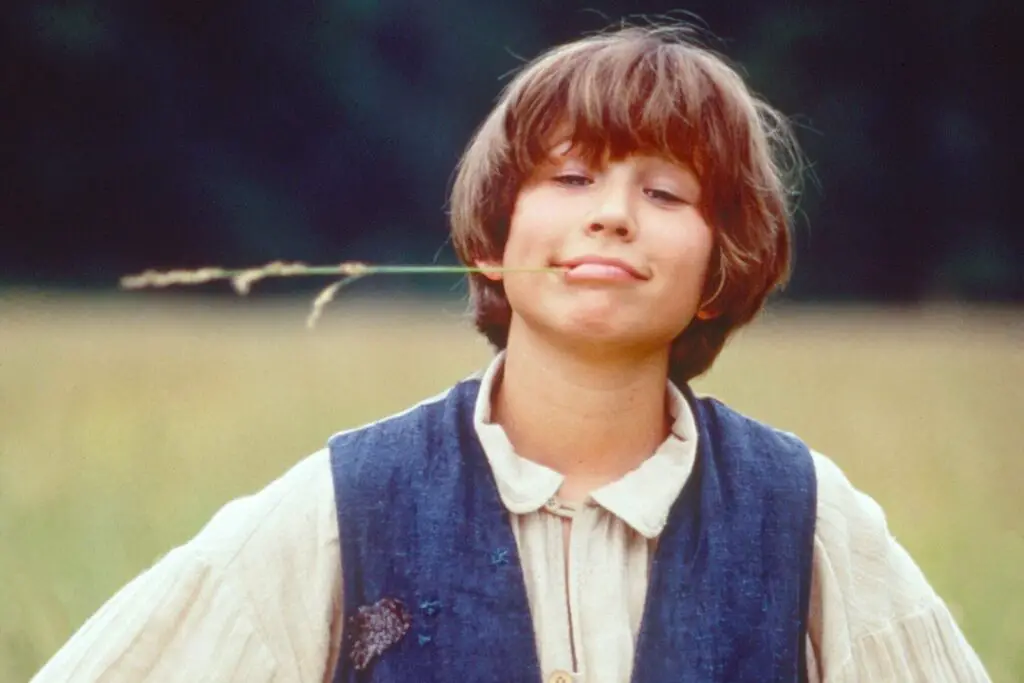
Jonathan Taylor Thomas became a massive teen idol in the ’90s thanks to his role as Randy Taylor on Home Improvement. His popularity extended far beyond the show, with magazine covers, movie roles, and devoted fan followings. At the height of his fame, Thomas made the decision to step back from acting and prioritize education. He enrolled in college and pursued academic interests rather than maintaining a nonstop Hollywood schedule. While he has made occasional brief appearances over the years, he never returned to full-time acting. The choice surprised many fans who expected a long leading-man career. Thomas valued privacy and intellectual growth over celebrity momentum. His retreat became one of the more talked-about exits of the era.
Thomas has kept a notably low profile in adulthood, rarely giving interviews. That privacy has only increased public curiosity about his life after fame. For many fans, he remains frozen in memory as the witty middle Taylor brother. His decision to walk away demonstrated a strong sense of self-direction at a young age. Not everyone is willing to step off a successful path when it’s still rising. Thomas did exactly that, and he seems content with the choice.
12. Lisa Whelchel (The Facts of Life)
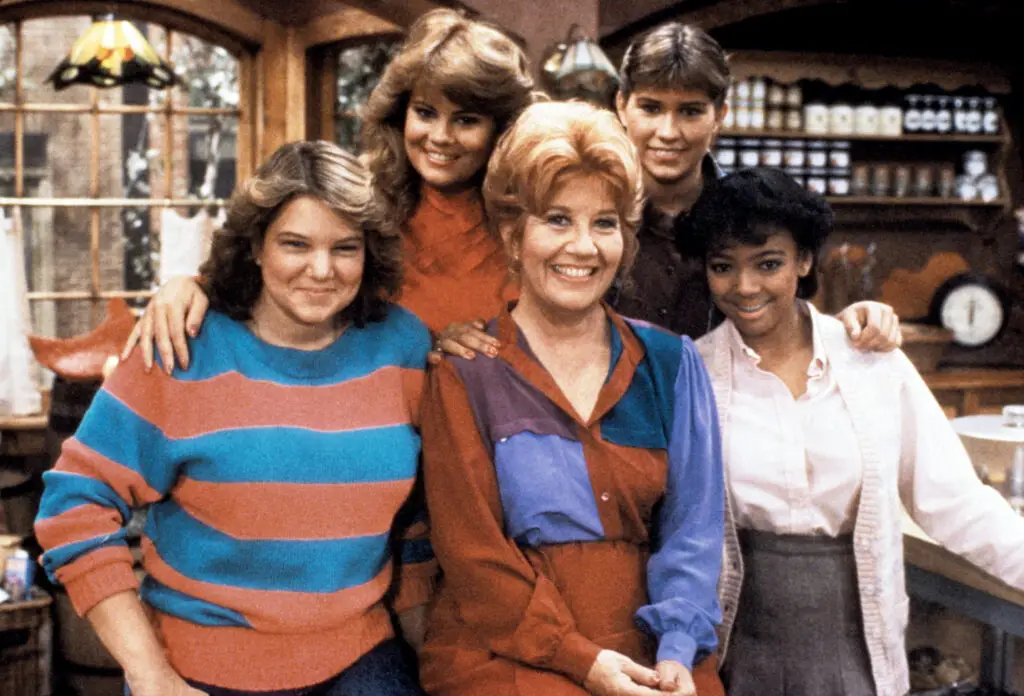
Lisa Whelchel became a household name as Blair Warner, the preppy, sharp-tongued queen bee of The Facts of Life. Throughout the show’s long run, Blair evolved from a shallow rich kid into a more layered and self-aware character, which made Whelchel a fan favorite. When the series ended, many expected her to transition seamlessly into more sitcom or film roles. Instead, she gradually stepped away from acting and shifted her focus toward family life, writing, and faith-based projects. She authored several books and became a motivational speaker rather than chasing Hollywood momentum. While she has occasionally returned for reunion projects and guest appearances, she never resumed full-time acting. The decision reflected a desire for stability and personal fulfillment outside the industry. For fans, it was surprising to see such a recognizable sitcom star quietly step back.
Whelchel has spoken about wanting a more balanced life after years of nonstop production schedules. She found satisfaction in creative work that didn’t involve constant public scrutiny. Her occasional TV appearances feel more like special events than career relaunches. Viewers still associate her strongly with Blair’s iconic headbands and cutting one liners. The character remains a defining symbol of ’80s sitcom culture. Whelchel’s choice shows how stepping away from fame can still allow for meaningful creative expression.