
1. Gelatin Mold “Diet Dinners”
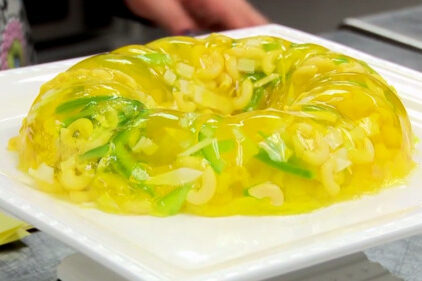
If you flipped through a ’70s diet cookbook, you probably saw entire meals suspended in wiggly gelatin. Tuna, cottage cheese, olives, even shredded carrots were sealed inside shimmering molds and pitched as light, slimming dinners. The logic was simple, gelatin was low calorie and made portions look bigger than they actually were. Hosts proudly unmolded these creations at dinner parties as if they were serving something futuristic and virtuous. The texture alone could make even adventurous eaters hesitate.
What’s strange now is how often these were framed as genuinely nourishing, not just low calorie. Protein claims floated around casually, even when the actual nutrition was questionable. A gelatin dinner could look impressive on the table but left people hungry an hour later. It was more performance art than balanced meal. Still, for a brief window, wobble equaled wellness.
2. Cottage Cheese and Pineapple Plates

Cottage cheese became a full-on lifestyle food in the ’70s, not just a side dish. A scoop of it topped with canned pineapple or peaches was regularly presented as a complete lunch or dinner. Magazines praised it for being high in protein and low in fat, which sounded wonderfully responsible at the time. People felt virtuous eating something cold, pale, and slightly tangy out of a plastic bowl. It also required no cooking, which added to its appeal.
From today’s perspective, it feels more like a snack than a meal. The sugar in canned fruit often canceled out the health halo, especially when syrup-packed varieties were used. Still, this combo became a cafeteria staple and a dieter’s safety blanket. If you grew up then, you probably saw at least one relative survive on it for months. It was simplicity dressed up as discipline.
3. Wheat Germ Sprinkled on Everything
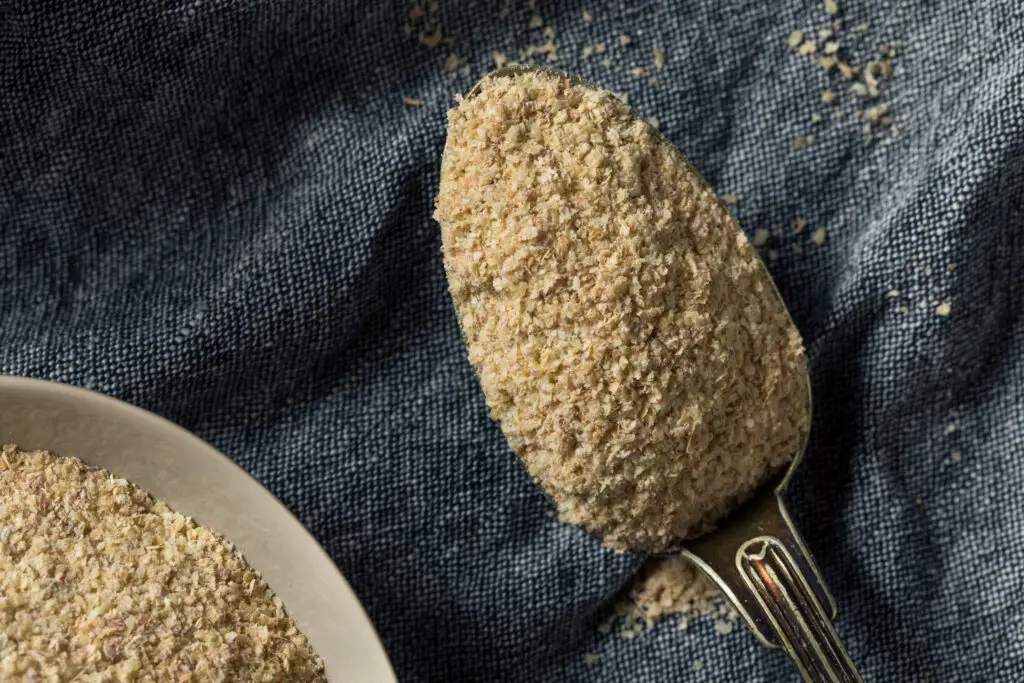
Wheat germ was treated like nutritional fairy dust during the decade. People shook it onto yogurt, cereal, salads, and even casseroles, convinced it boosted energy and overall health. Health magazines touted its vitamins, fiber, and “natural” credibility. The slightly nutty flavor was tolerated rather than loved, but no one complained if it meant being healthier. It felt proactive, like you were secretly upgrading your food.
The funny part is how vague the benefits often sounded in advertising and conversations. “It’s good for you” was usually the full explanation. Few people actually knew what wheat germ did, only that health food stores sold it in earnest brown bags. It became shorthand for being serious about wellness. Whether it improved meals or just added grit is still up for debate.
4. Carob Brownies Instead of Chocolate
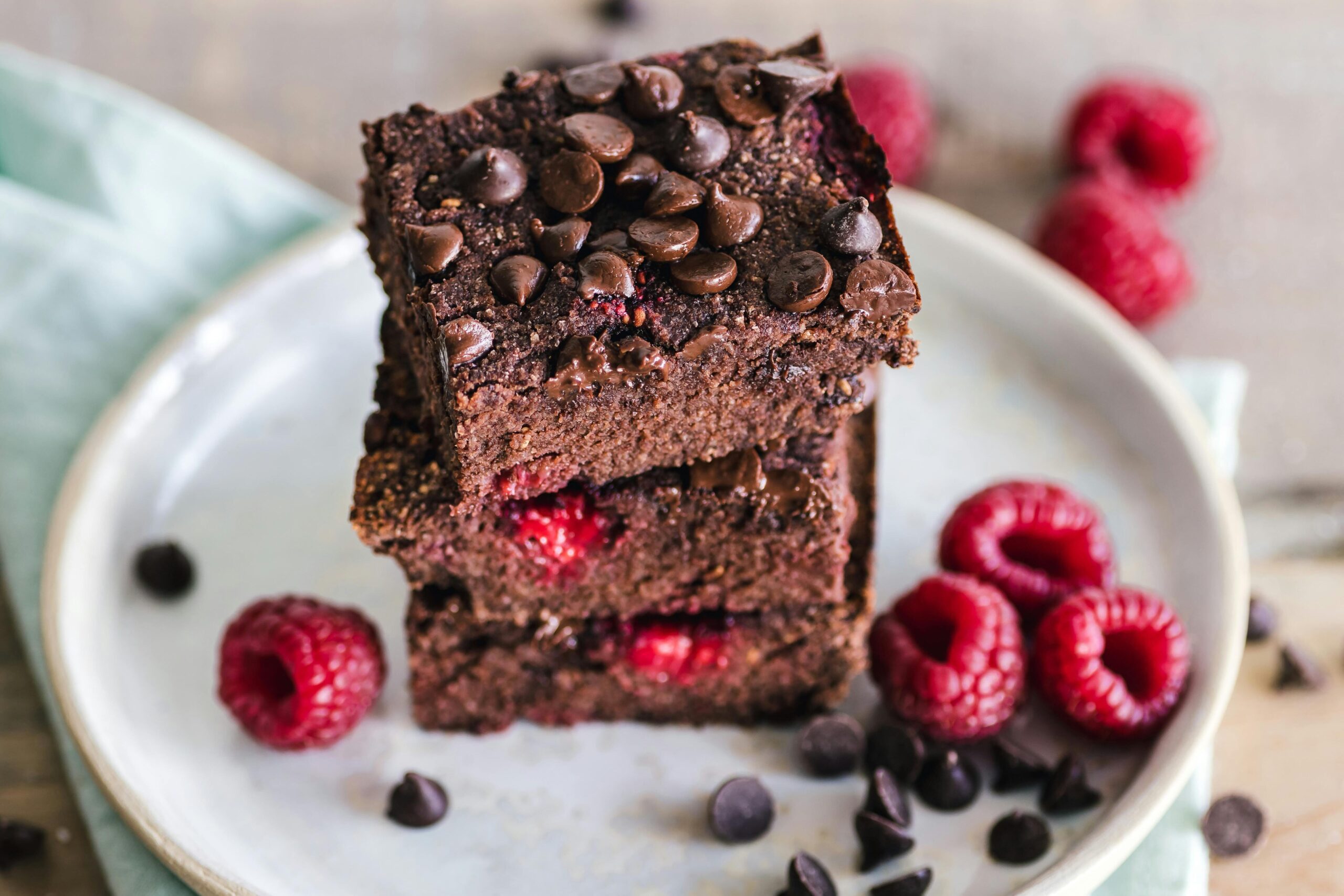
Carob surged in popularity as a supposedly healthier alternative to chocolate. Health-minded bakers swapped cocoa powder for carob in brownies, cookies, and snack bars. The pitch was that it had less fat and no caffeine, making it a smarter indulgence. People wanted dessert without the guilt, and carob promised exactly that. The packaging often leaned heavily on natural and wholesome language.
The reality was that carob tasted noticeably different, often sweeter and slightly chalky. Kids rarely bought into the switch, no matter how persuasive the adults were. Still, carob desserts filled lunchboxes and bake sale tables for years. It was wellness culture trying to trick itself into believing dessert had become virtuous. Nostalgia doesn’t always make it taste better.
5. Bran Muffins as a Full Meal
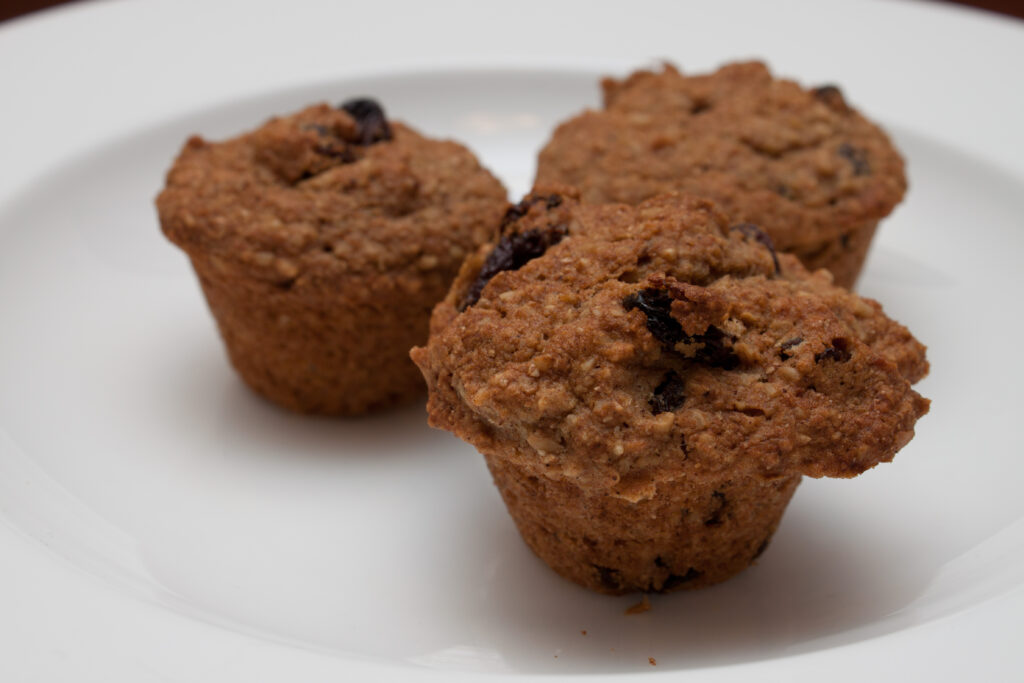
Fiber was the hero nutrient of the ’70s, and bran became its mascot. Oversized bran muffins were marketed as filling, cleansing, and ideal for digestive health. Some people treated one muffin and a cup of coffee as a complete breakfast or even lunch. Health food bakeries leaned into the rustic, wholesome look with dense textures and visible grains. The heavier and rougher it looked, the healthier it seemed.
While fiber is important, a single muffin rarely delivered balanced nutrition. Many were loaded with sugar to make the bran palatable, which quietly undermined the health pitch. Still, grabbing a bran muffin felt like making a responsible choice. It fit perfectly into the decade’s fascination with internal “cleanliness” and bodily regulation. A muffin suddenly carried moral weight.
6. SlimFast Shakes for Dinner

Meal replacement shakes exploded in popularity toward the late ’70s, with SlimFast becoming a household name. The idea of drinking dinner felt modern, efficient, and scientifically approved. Advertisements promised controlled calories and easy weight loss without complicated cooking. People blended powder with milk and called it a night. It felt like joining the future of food.
The downside was how unsatisfying liquid meals could be emotionally and physically. Many people found themselves hungry again not long after finishing a shake. Social dinners became awkward when someone showed up with a plastic tumbler instead of a plate. Still, the convenience was seductive. It planted the seed for decades of similar products to come.
7. TVP Chili and Soy Burgers
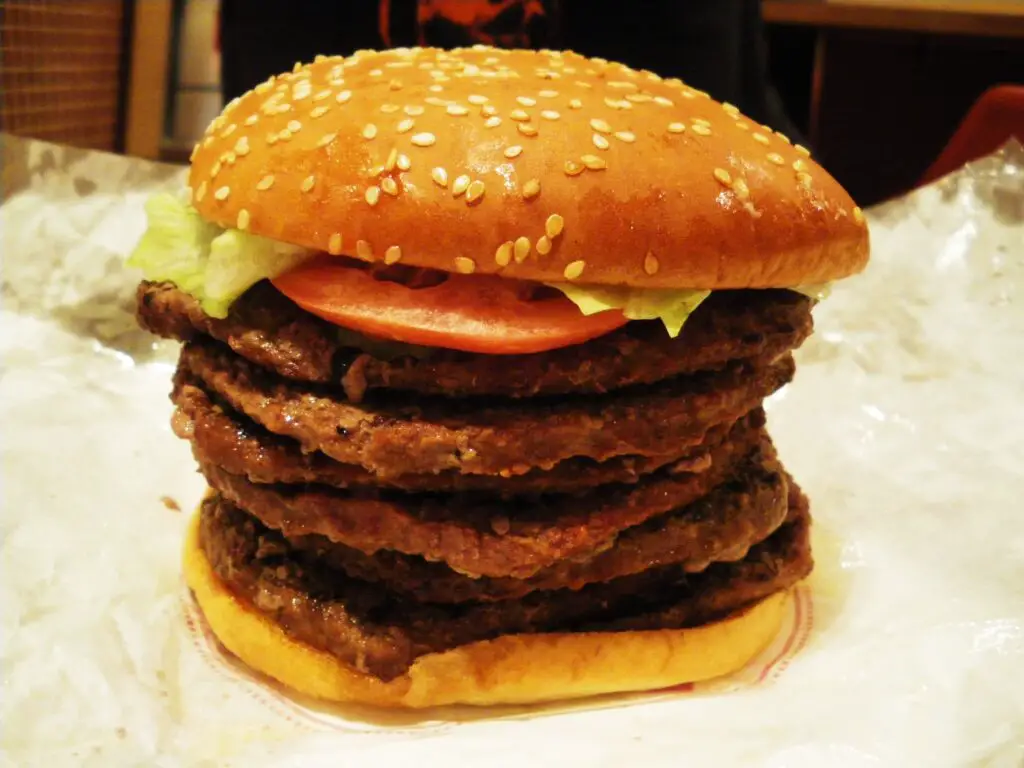
Textured vegetable protein, often abbreviated as TVP, was pushed as a high-protein meat substitute. Health food enthusiasts used it to make chili, tacos, and burgers that promised the nutrition of meat without the fat. Soy-based patties appeared in co-ops and natural food stores long before plant-based eating became mainstream. The packaging leaned heavily on protein numbers and heart health claims. For many families, it was their first encounter with meat alternatives.
The taste and texture were not always convincing, especially compared to real beef. Some versions were dry, spongy, or oddly seasoned. Still, eating soy burgers made people feel forward-thinking and disciplined. It aligned with growing environmental and health awareness. What felt experimental then now looks like the early draft of today’s grocery aisle.
8. Alfalfa Sprout Sandwiches
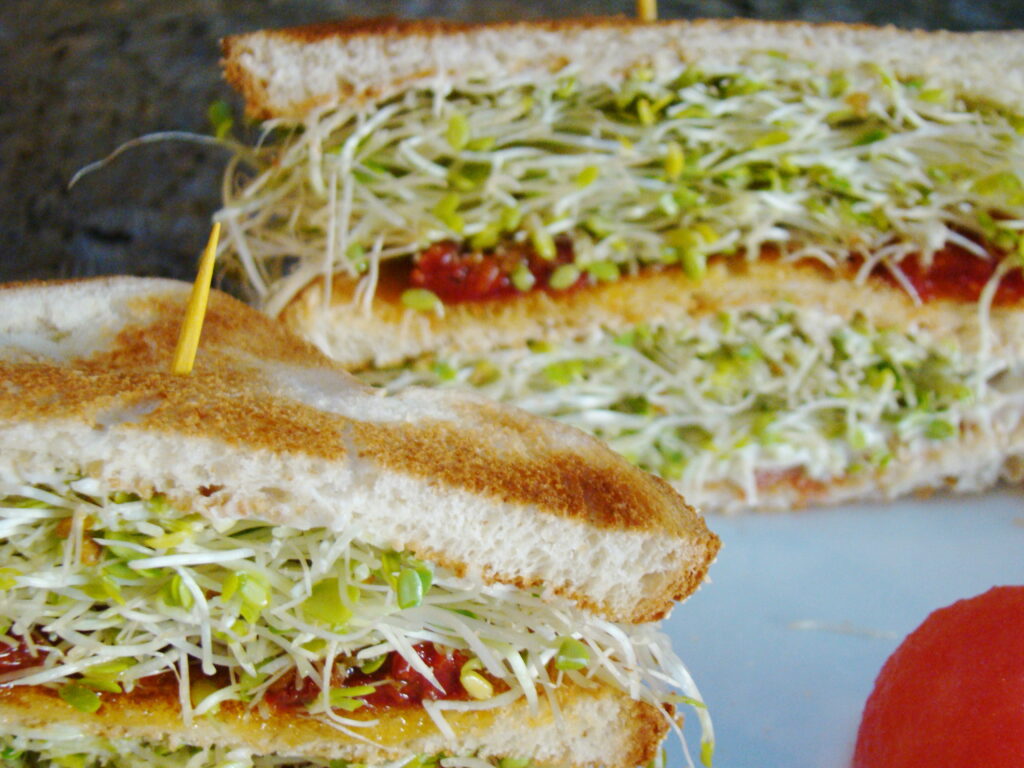
Sprouts became a crunchy symbol of clean living in the ’70s. Alfalfa sprouts piled onto whole wheat bread with a little mayo or mustard were marketed as light, natural lunches. Health food cafés leaned into the earthy aesthetic, complete with wooden tables and herbal teas. Eating sprouts felt like making a philosophical statement about purity and simplicity. They were fresh, green, and visually reassuring.
Nutritionally, sprouts added texture and some vitamins but rarely made a meal complete. A sprout sandwich often lacked enough protein or calories to sustain energy. Still, it felt virtuous and trendy. Many people associated the taste with being disciplined and enlightened. Crunch became a badge of honor.
9. Cabbage Soup Diet Meals

The cabbage soup diet circulated widely through magazines and word of mouth. People cooked massive pots of cabbage-heavy soup and ate it for nearly every meal. The promise was rapid weight loss and detox-like benefits. It was cheap, filling, and strangely comforting despite the monotony. Friends traded recipes like secret weapons.
Health claims were often exaggerated or poorly supported. Eating the same low-calorie soup repeatedly could leave people depleted and cranky. Still, the ritual of sticking to the plan felt empowering. It was discipline in a bowl. The smell alone still triggers memories for many households.
10. Macrobiotic Brown Rice Plates
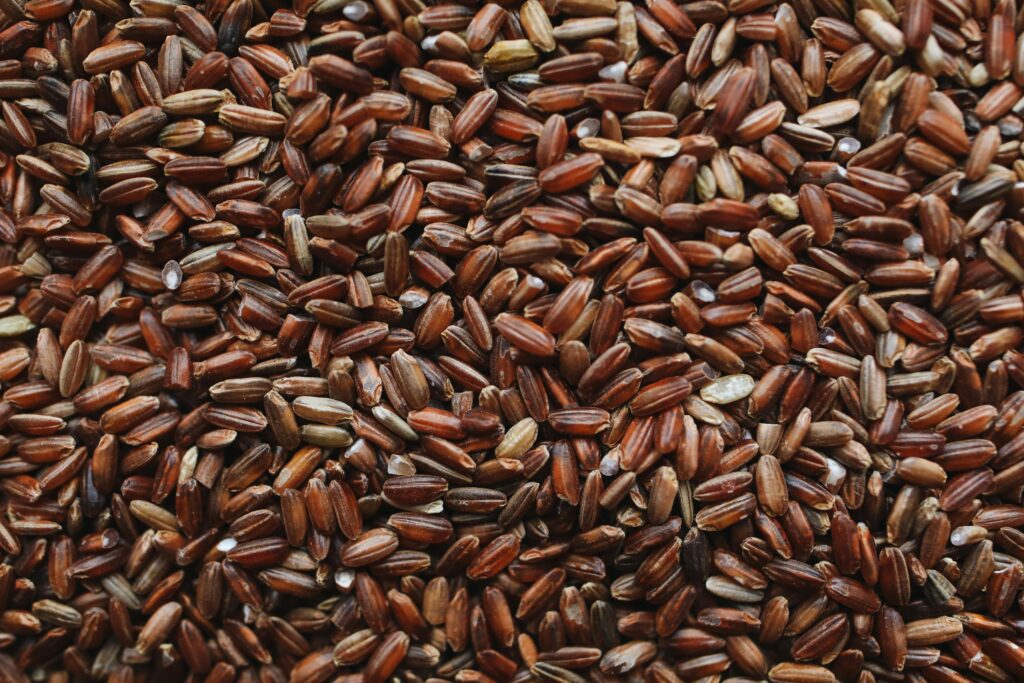
Macrobiotic eating gained traction in the ’70s, emphasizing whole grains, vegetables, and balance. Brown rice became the centerpiece of many meals, sometimes paired with seaweed or lightly cooked vegetables. Health food books praised its grounding energy and natural purity. Eating this way felt intentional and philosophical, not just nutritional. Meals often looked minimalist and serious.
For newcomers, the flavor could seem bland or repetitive. Protein sources were sometimes limited or unfamiliar. Still, many people credited macrobiotic meals with improved energy or digestion. It fit neatly into the era’s fascination with Eastern wellness ideas. Rice suddenly carried spiritual weight.
11. Liver and Onions as a “Power Meal”
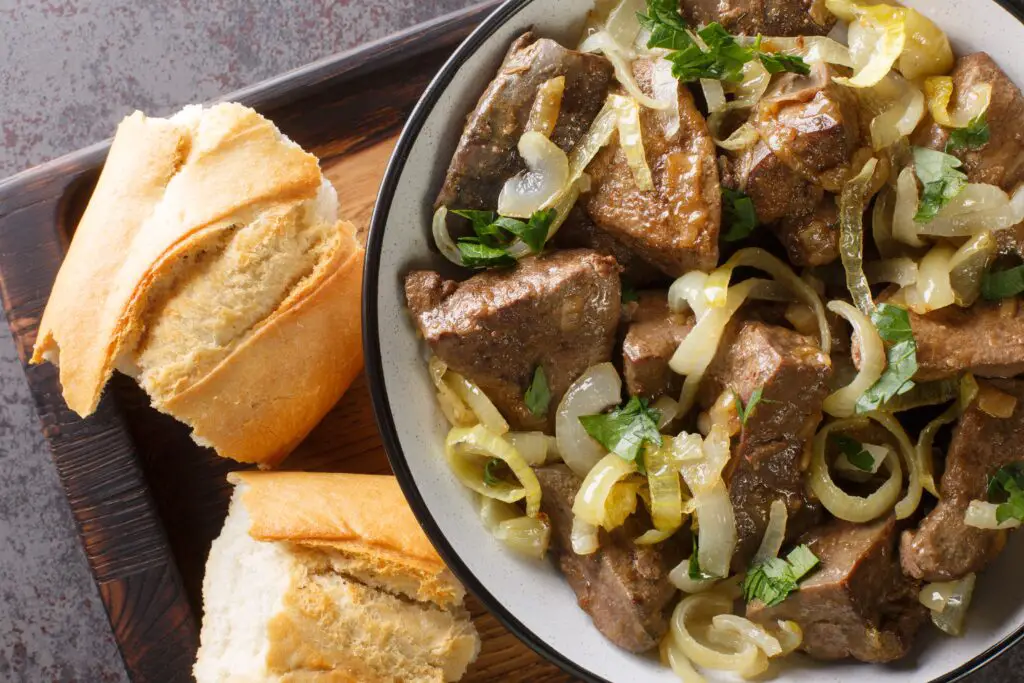
Liver had long been promoted as nutrient dense, and the ’70s leaned into that reputation. Families served liver and onions believing it boosted iron, strength, and overall vitality. It was framed as old-school wisdom backed by science. Parents often insisted it was good for growing bodies. Finishing your plate felt like earning a health badge.
The flavor and texture were polarizing at best. Many kids dreaded liver nights and tried every trick to avoid seconds. While liver does contain valuable nutrients, eating it frequently as a main health strategy feels extreme now. Still, it reflected a time when nutrition advice leaned heavily on individual superfoods. Endurance trumped enjoyment.
12. Ensure as a Complete Meal

Ensure debuted in the early ’70s as a nutritional supplement drink and quickly entered mainstream awareness. It was marketed for people needing extra calories or balanced nutrition, but some used it as a meal replacement. The idea of a medically formulated drink felt reassuring and efficient. Doctors’ offices and pharmacies reinforced its credibility. It carried a clinical kind of trust.
For everyday meals, though, it lacked the sensory satisfaction of real food. Drinking dinner could feel isolating or monotonous. Some people relied on it during busy or stressful periods, believing they were doing something smart for their bodies. It blurred the line between medical nutrition and lifestyle convenience. Even now, it holds that strange in-between identity.