
1. Comets as Harbingers of Death
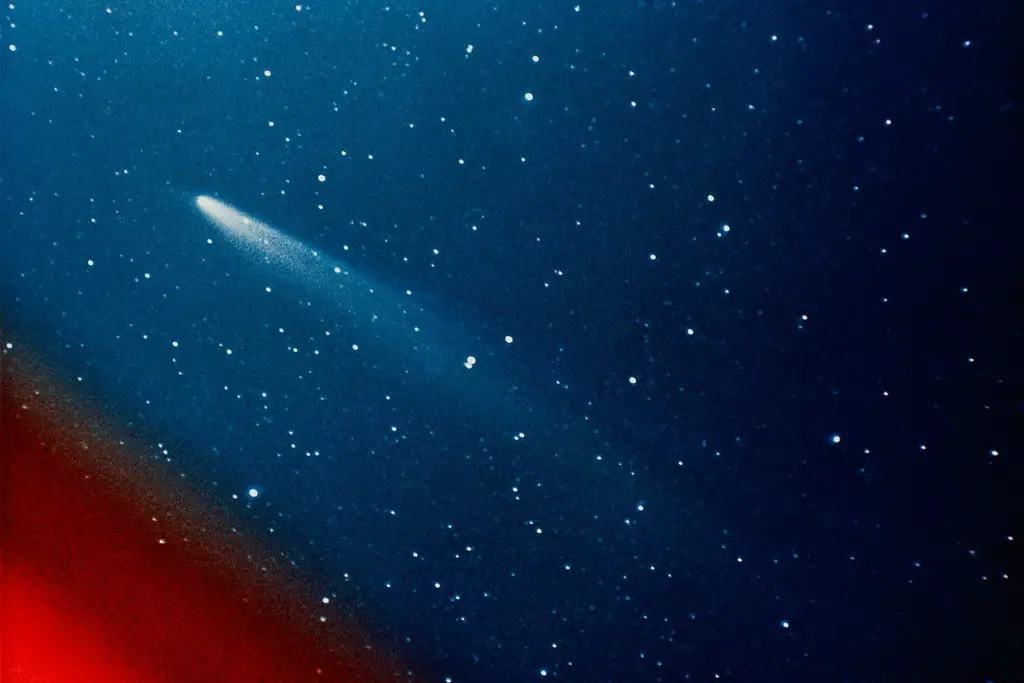
For most of human history, comets were not greeted with curiosity or excitement, they were greeted with dread. In medieval Europe and ancient China, a blazing comet was often interpreted as a warning that a king would die, a war would begin, or a plague was coming. People did not see comets as random space debris but as deliberate messages written across the sky. When Halley’s Comet appeared in 1066, it was later linked to the death of King Harold and the Norman conquest of England. That connection only strengthened the idea that comets were bad news wrapped in fire and smoke.
Even centuries later, the fear lingered whenever a comet returned. Newspapers in the early 1900s seriously reported public panic that Earth might pass through poisonous comet gas. Some families sealed windows or stocked emergency supplies, convinced something terrible was imminent. The idea of a harmless celestial visitor simply did not fit the emotional weight comets carried for generations. It is a reminder of how deeply people once believed the sky was actively interfering with human fate.
2. Lunar Eclipses as a Monster Eating the Moon
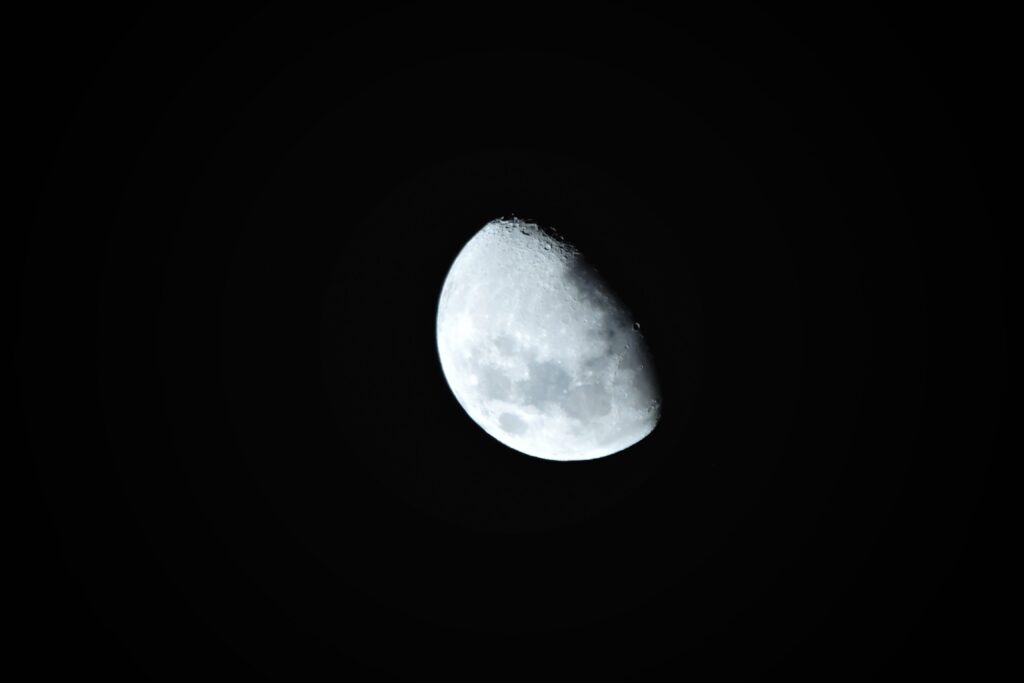
In ancient China, a lunar eclipse was believed to happen when a dragon or celestial beast swallowed the Moon. Similar ideas existed in Mesoamerican cultures, where jaguars or serpents were blamed for attacking the glowing orb. People would bang drums, shout, or fire arrows into the air to scare the creature away and save the Moon. The sudden darkening of something so familiar felt like a cosmic emergency. It was not entertainment, it was a crisis that demanded action.
The fear made sense in a time when eclipses were unpredictable and poorly understood. Seeing the Moon slowly turn dark or red could feel like watching the universe malfunction. Many believed that if the Moon disappeared completely, disaster would follow on Earth. The rituals offered a sense of control when nature felt uncontrollable. Even today, the drama of a total eclipse still carries a faint echo of that ancient panic.
3. Shooting Stars as Falling Souls
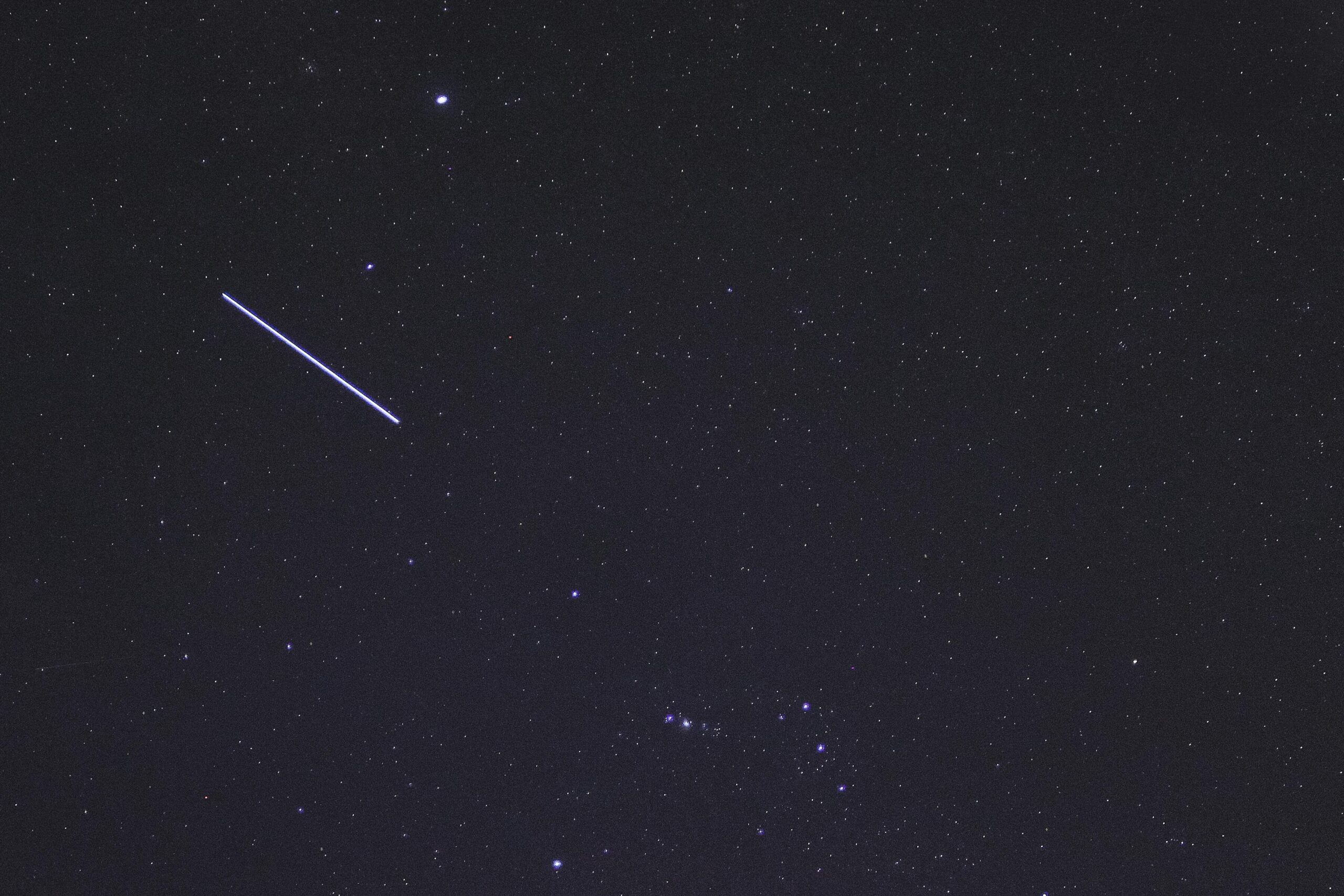
Long before people knew meteors were bits of space rock burning up in the atmosphere, many cultures believed shooting stars were souls moving between worlds. In medieval Europe, a streak across the sky could mean someone had just died or was about to. Some thought it represented a soul escaping purgatory or being judged in real time. The sudden flash and disappearance made it feel personal, almost intimate. It was easy to imagine something living behind that brief glow.
That belief gave the night sky a slightly eerie emotional weight. A beautiful meteor shower could also feel unsettling if you believed it meant countless souls were passing through the heavens. Even the tradition of making wishes on shooting stars likely evolved from this spiritual interpretation. What feels whimsical now once carried serious existential meaning. The sky was not just scenery, it was a doorway.
4. The Milky Way as the Road of the Dead
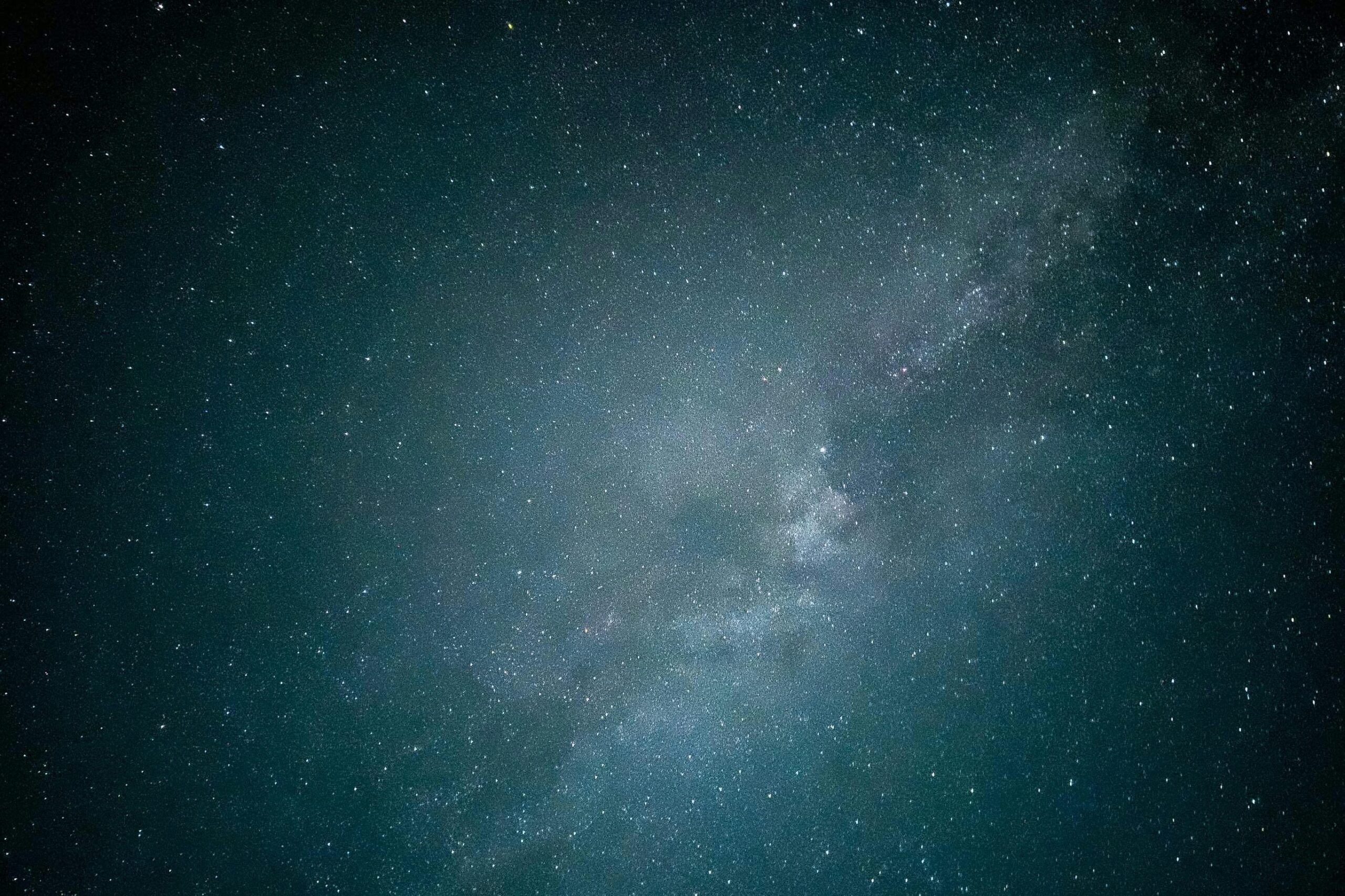
Many cultures saw the Milky Way not as a galaxy, but as a glowing path guiding spirits after death. In ancient Greece, it was sometimes linked to divine realms, while several Indigenous cultures viewed it as a literal road for souls traveling to the afterlife. The pale band stretching across the sky looked like a misty highway suspended in darkness. It felt logical to imagine invisible travelers moving along it each night.
That idea could be comforting, but it also carried an unsettling undertone. If the dead were always passing overhead, the boundary between worlds felt thin. Some traditions warned against pointing at the Milky Way, believing it could attract unwanted spiritual attention. The night sky became both a map and a reminder of mortality. Even today, staring at that glowing stripe can feel quietly haunting.
5. The Man in the Moon Watching and Judging
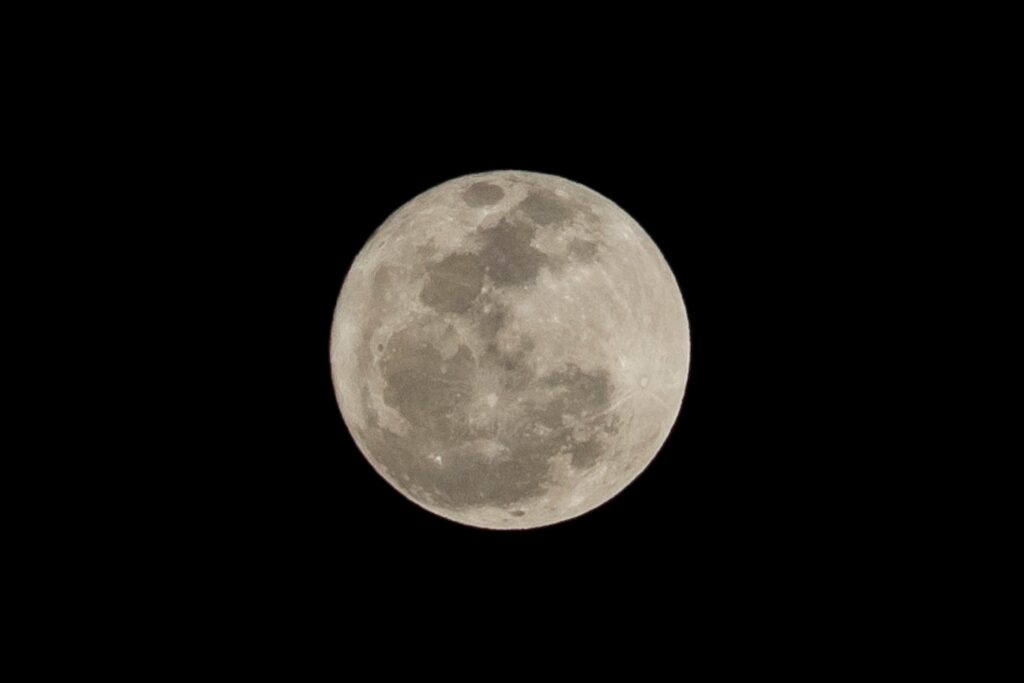
The familiar face people see on the Moon has inspired countless stories, many of them unsettling. In European folklore, the Man in the Moon was sometimes portrayed as a punished sinner condemned to watch humanity forever. Children were warned that he could see their bad behavior from above. The Moon was not just light in the darkness, it was an eye.
That sense of being watched added an eerie layer to nighttime. Moonlit nights felt less private when people believed a figure was staring back. Some versions of the tale suggested the Man in the Moon could influence fate or misfortune. The story turned a comforting symbol into something quietly judgmental. It is a small reminder of how imagination reshaped everyday skies into moral landscapes.
6. Blood Moons as Signs of War and Disaster
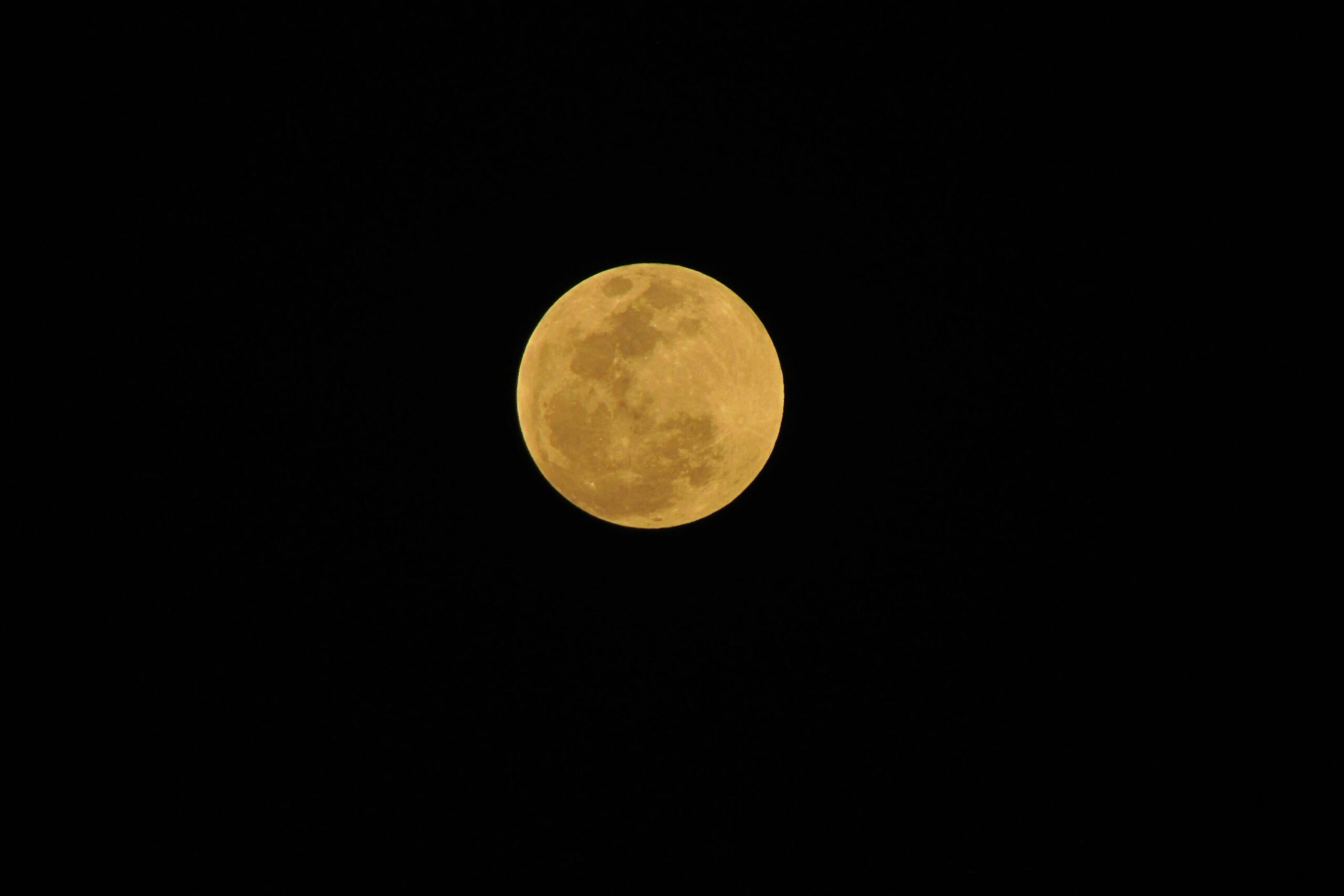
When the Moon turns red during a total lunar eclipse, it can look genuinely ominous. Many ancient cultures interpreted this “blood moon” as a warning of violence, famine, or divine anger. In some traditions, the color suggested the Moon itself had been wounded or corrupted. The unusual hue broke the comforting predictability of the night sky.
People often linked these events to real-world turmoil that followed, reinforcing the belief. A war, earthquake, or political collapse after an eclipse could feel like proof the sky had foretold it. Even today, the phrase “blood moon” still carries an emotional charge. It taps into a deep-rooted instinct to associate strange colors in nature with danger. The fear may be outdated, but the visual impact remains powerful.
7. Northern Lights as Restless Spirits
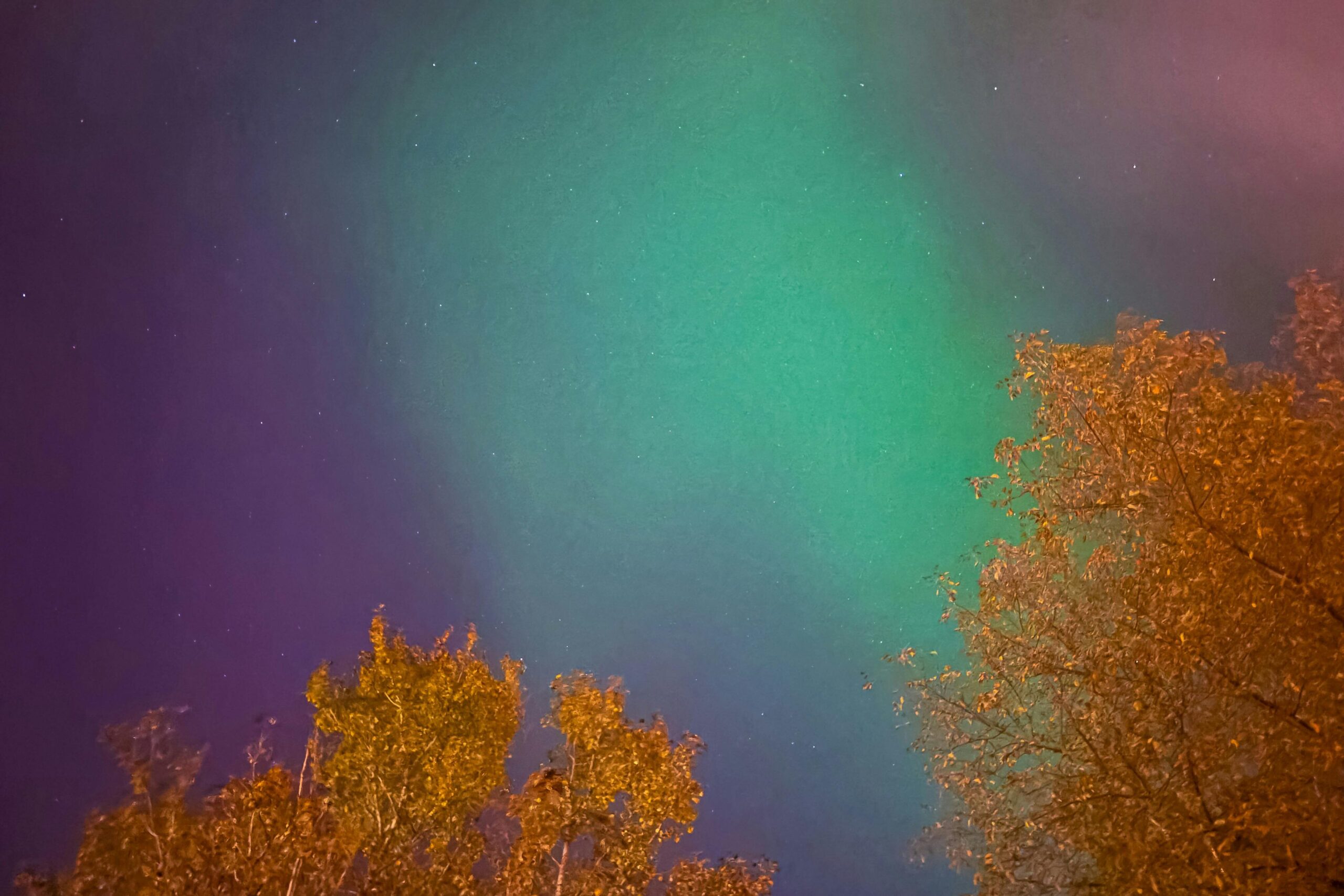
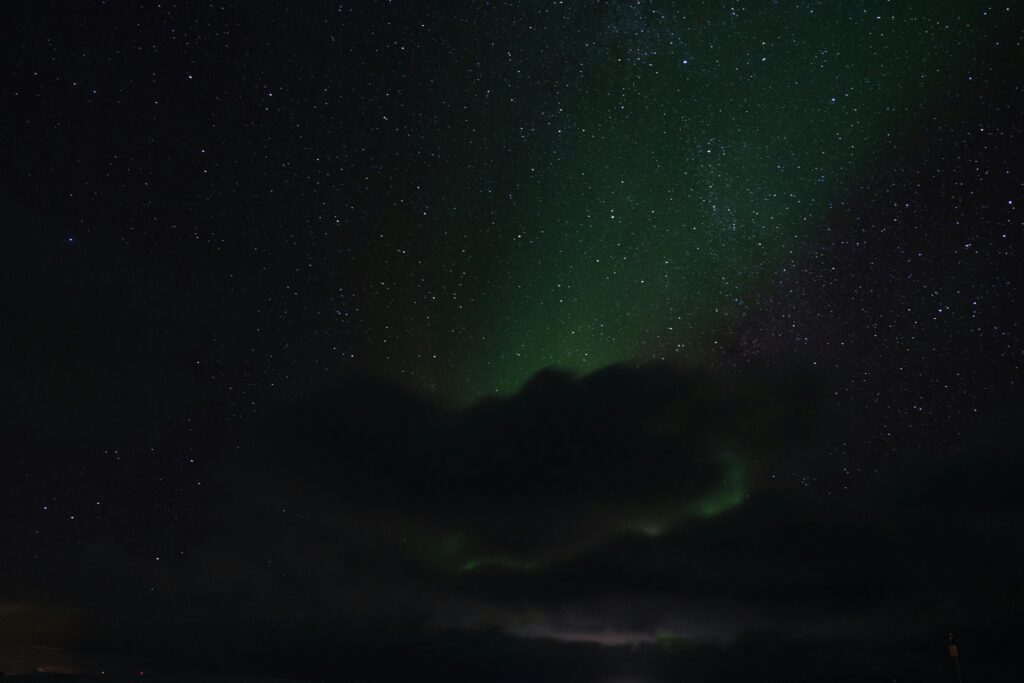
In Norse and Sámi traditions, the shimmering northern lights were sometimes believed to be spirits of the dead or supernatural beings moving across the sky. The flickering motion looked alive, almost like dancing figures or flowing energy. Some communities warned children not to whistle at the lights, fearing it might attract dangerous attention. The sky felt responsive, not passive.
That belief made auroras both beautiful and unsettling. They were admired, but also treated with caution and respect. The unpredictable way the lights appeared and vanished added to their mystery. Without scientific explanations, it was natural to assume intelligence or emotion behind such movement. Even now, many people still describe the lights as feeling strangely alive.
8. The Pleiades as Ghostly Figures Who Never Rest
The Pleiades star cluster has inspired haunting legends across multiple cultures. In Greek mythology, the seven sisters were pursued endlessly and transformed into stars, frozen in a tragic escape. Some Indigenous traditions describe them as lost children or wandering spirits in the sky. Their tight cluster gives them an eerie, almost watchful appearance.
Because they rise and set predictably each year, people connected them to seasonal change and fate. Their visibility often marked planting or harvesting times, giving them power over survival. When something so small influenced daily life, it gained emotional weight. The idea that these stars represented trapped or restless beings made the sky feel populated with stories that never ended.
9. Orion as a Hunter Who Could Harm the Living
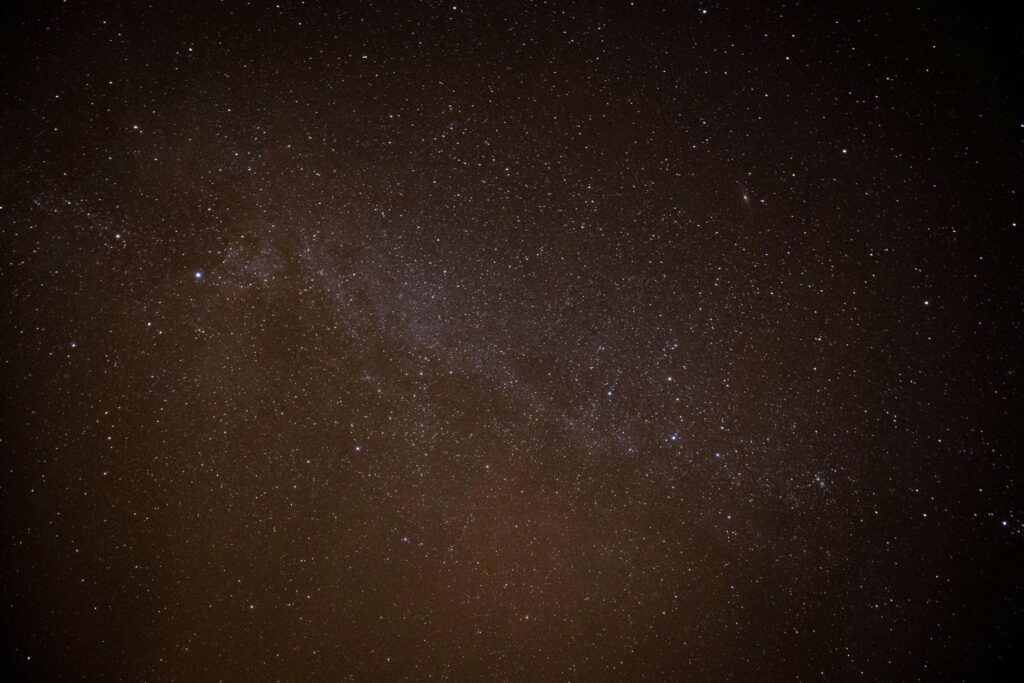
Orion has long been seen as a powerful hunter figure in many cultures. In some traditions, his presence in the sky was associated with danger, storms, or seasonal hardship. His bright belt and commanding shape made him feel dominant, almost confrontational. He did not blend quietly into the background like other constellations.
Some legends warned that Orion’s movements could influence earthly events or provoke divine conflict. The idea that a massive hunter loomed overhead added tension to winter skies when Orion is most visible. He became a reminder of power beyond human control. Even today, Orion’s bold shape can feel strangely imposing when you notice it dominating the night.
10. Dark Constellations as Predators in the Sky
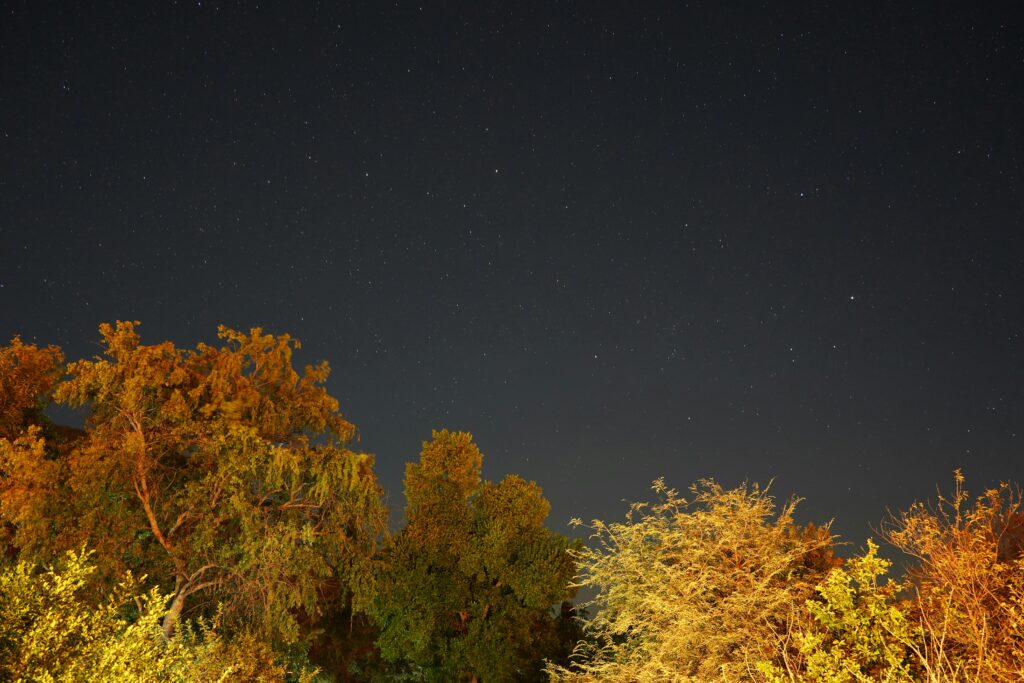
The Inca did not focus on the stars themselves, but on the dark patches within the Milky Way. They saw shapes of animals like serpents, foxes, and llamas formed by the absence of light. These creatures were believed to influence rainfall, crops, and natural balance. Darkness itself became something alive and active.
That interpretation made the sky feel layered and unpredictable. Not everything important was bright and visible, some threats hid in shadow. If those dark animals shifted or disappeared, it could signal danger on Earth. It is a reminder that even empty-looking spaces can carry meaning when viewed through cultural belief. The night sky became a living ecosystem rather than a blank canvas.
11. The Full Moon Causing Madness and Violence
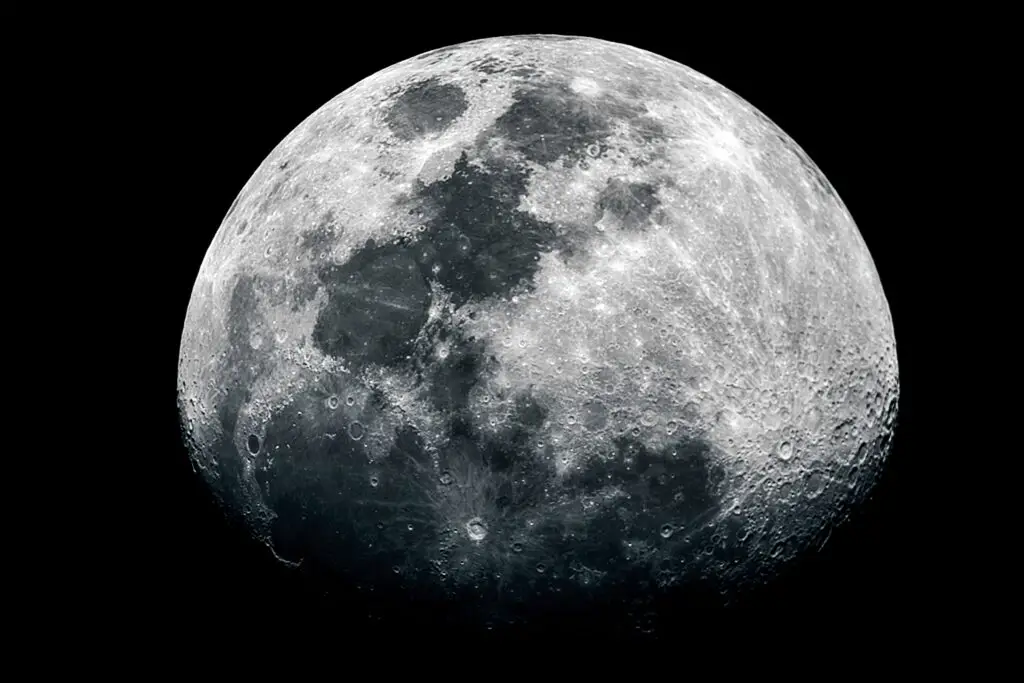
The belief that the full Moon causes people to behave strangely is ancient and widespread. The word “lunacy” itself comes from the Latin word for Moon. Many cultures believed the Moon could influence the mind, triggering madness, aggression, or erratic behavior. Bright moonlight was thought to overstimulate the brain or disturb the soul.
Hospitals, prisons, and police departments historically blamed spikes in unusual behavior on the full Moon. While modern science does not support a strong causal link, the belief remains deeply embedded in popular culture. Horror stories and folklore continue to reinforce the idea of moon-driven chaos. The Moon became not just a light source, but a psychological force.
12. The Moon as a Portal for Witches and Spirits
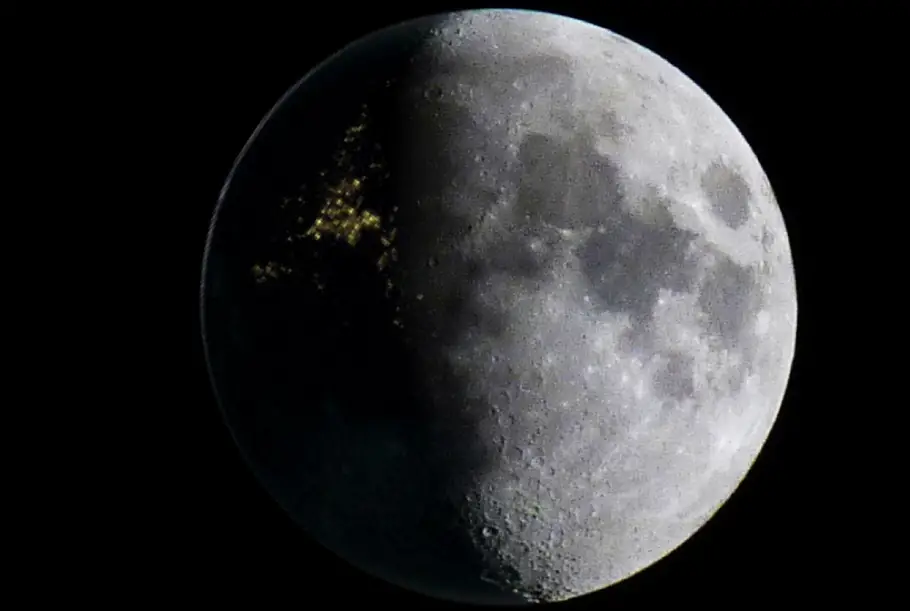
In European folklore, the Moon was sometimes believed to serve as a gateway for witches, spirits, or supernatural travel. Moonlit nights were thought to amplify magical energy and weaken barriers between worlds. That is why so many old stories place strange encounters under a full Moon. Darkness mixed with silver light created the perfect stage for fear.
People avoided certain activities at night because of this belief. Traveling alone, wandering near forests, or lingering outdoors could feel risky when the Moon was high. The idea made nighttime feel charged and unpredictable. Even today, moonlit scenes in movies instinctively signal mystery or danger because of this lingering cultural memory.
13. Wandering Planets as Chaotic Gods
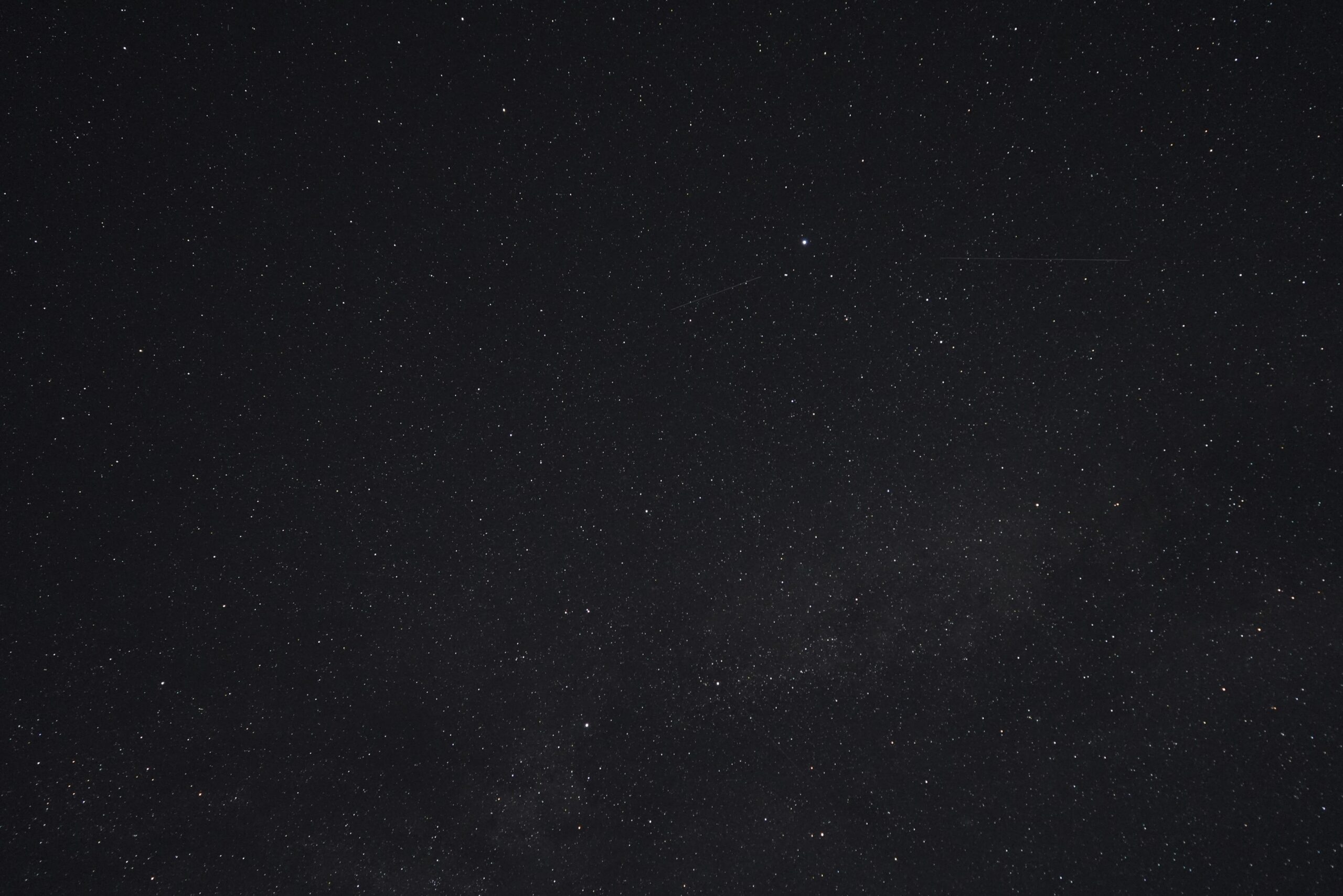
Ancient astronomers noticed that some lights in the sky moved differently than fixed stars, and they called them “wanderers,” what we now know as planets. These moving objects were often linked to gods with volatile personalities, especially Mars, associated with war. Their unpredictable paths felt like intentional disruptions of cosmic order. The sky was not stable, it was active and moody.
If a planet appeared unusually bright or shifted position, it could be interpreted as a divine warning. Political leaders and generals sometimes consulted astrologers before making decisions. A restless planet could mean conflict or upheaval ahead. That belief tied celestial motion directly to human anxiety. The heavens were not neutral observers, they were participants.
14. Sirius as a Star of Heat, Illness, and Death
In ancient Egypt and later in Greek and Roman traditions, Sirius was linked to extreme heat and sickness. Its rising coincided with the hottest part of summer, giving rise to the phrase “dog days.” People believed its intense energy could trigger fevers, madness, or misfortune. The star became associated with exhaustion and vulnerability.
Seeing a single star blamed for seasonal suffering shows how closely people watched the sky for explanations. When illness spread during hot months, Sirius felt like a logical culprit. The connection reinforced fear and respect for the star. Even though we now understand climate patterns, the phrase still survives as cultural residue. A star once carried the weight of human discomfort and fear.
15. The Moon as a Thief of Souls or Children
Some folklore traditions warned that the Moon could steal souls, children, or life energy if people stayed out too late. Moonlight was seen as something that could drain or capture what it touched. Parents cautioned children not to sleep directly in moonbeams or wander at night. The Moon became a quiet predator rather than a gentle companion.
This belief likely grew from a desire to keep people safe after dark when real dangers were higher. Wrapping practical caution in supernatural fear made the warning more memorable. The idea that the Moon could reach down and take something precious added emotional urgency. It transformed a familiar nightly presence into something subtly threatening. Even now, moonlight still carries a faint sense of mystery rather than pure comfort.