
1. Winchester Mystery House, San Jose, California
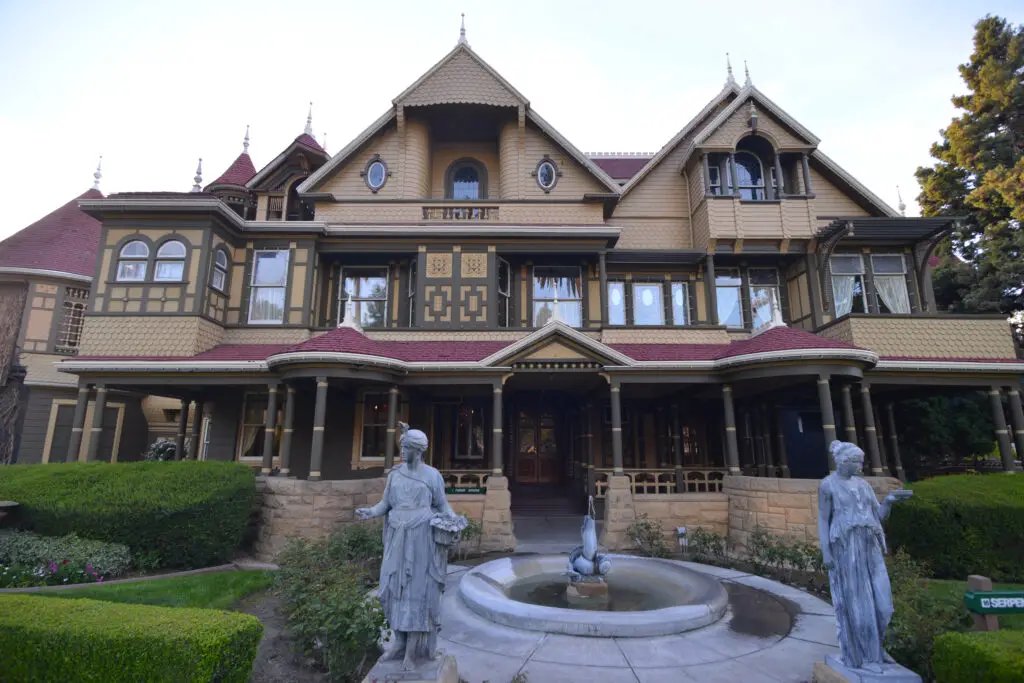
The Winchester Mystery House is often treated like the gold standard of strange architecture and gentle hauntings rather than anything dark or violent. Sarah Winchester spent decades adding rooms, staircases, and doors that seem to lead nowhere, driven by grief and spiritual beliefs after the deaths of her husband and child from illness. Visitors frequently report footsteps, soft tapping sounds, and the feeling of being watched, especially in the unfinished rooms and narrow hallways. What makes the stories unusual is that there are no documented murders or violent events tied directly to the house itself. Most historians agree the odd construction came from Winchester’s personal fears and spiritual practices rather than anything supernatural. The atmosphere feels eerie without being threatening, more puzzling than frightening.
Many longtime guides describe the activity as playful or curious rather than aggressive, like someone simply wandering the halls. Lights occasionally flicker, doors creak open on their own, and piano notes have reportedly been heard in empty rooms. Guests often leave feeling intrigued instead of shaken. It’s one of those places where the mystery comes from human behavior and imagination as much as anything paranormal. The house feels alive with history, but not with tragedy.
2. The Stanley Hotel, Estes Park, Colorado
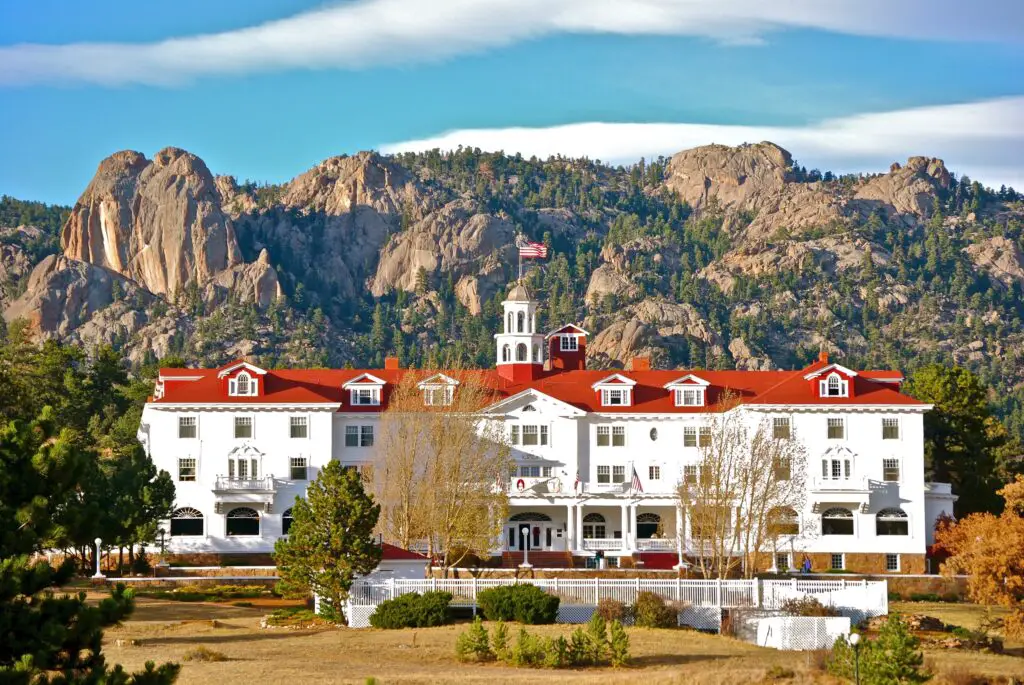
The Stanley Hotel is famously associated with Stephen King’s inspiration for The Shining, which gives it an automatic spooky reputation. In reality, the reported hauntings are remarkably mild and even charming. Guests and staff have described hearing piano music from the empty ballroom, laughter in the hallways, and lights turning on and off. The spirits are often said to be the hotel’s original owners, Freelan and Flora Stanley, who both died of natural causes years after building the hotel. There are no verified violent deaths linked directly to the property that explain the ghost stories.
Many visitors describe the activity as more curious than frightening, almost like the building itself enjoys having company. Some guests report their luggage being neatly rearranged or lights switching on as if someone is being helpful. The hotel leans into its reputation with ghost tours, but the tone is more playful than terrifying. Even skeptics admit the atmosphere feels lively rather than heavy. It’s a good example of how a place can feel haunted without a violent backstory attached.
3. Raynham Hall, Norfolk, England
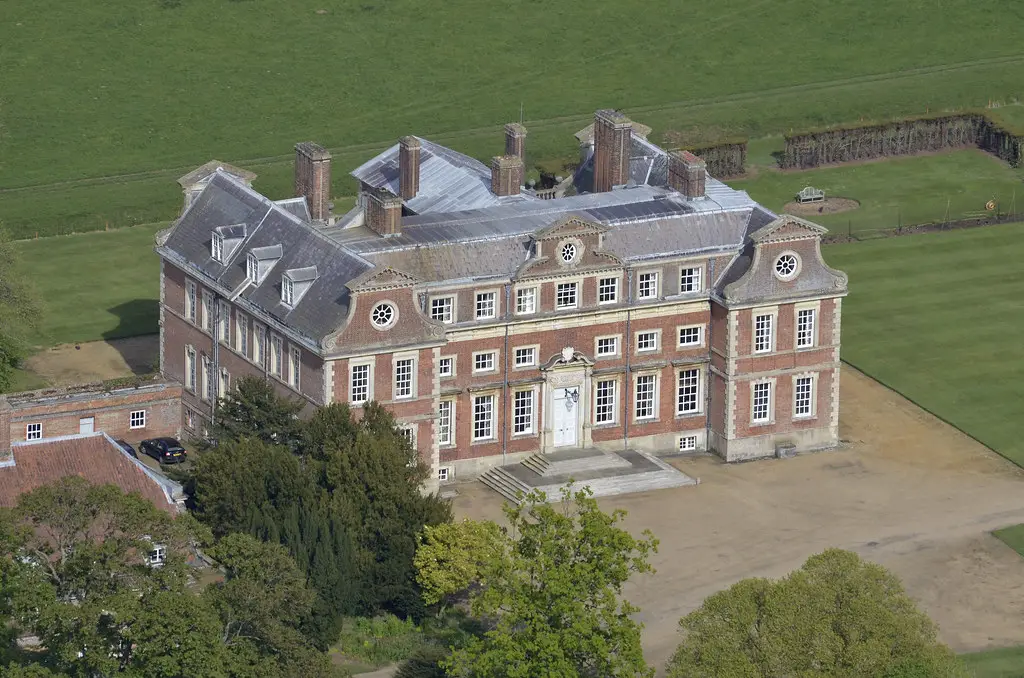
Raynham Hall is best known for the famous “Brown Lady” photograph taken in the 1930s, which many consider one of the earliest ghost images. The spirit is traditionally believed to be Lady Dorothy Walpole, who lived in the house in the early 1700s and reportedly died of illness. While there are rumors of an unhappy marriage and social isolation, there is no solid historical evidence of violence connected to her death. Sightings typically describe a calm, drifting figure on the staircase rather than anything aggressive. The story feels more like lingering sadness than anything sinister.
Visitors and staff over the years have reported faint footsteps and fleeting shadows in certain corridors. The house itself carries the quiet weight of centuries of family life rather than dramatic tragedy. The legend persists largely because of the photograph and repeated eyewitness accounts. It’s a reminder that hauntings don’t always come from trauma or crime. Sometimes they seem tied simply to memory and routine.
4. The Queen’s House, Greenwich, England
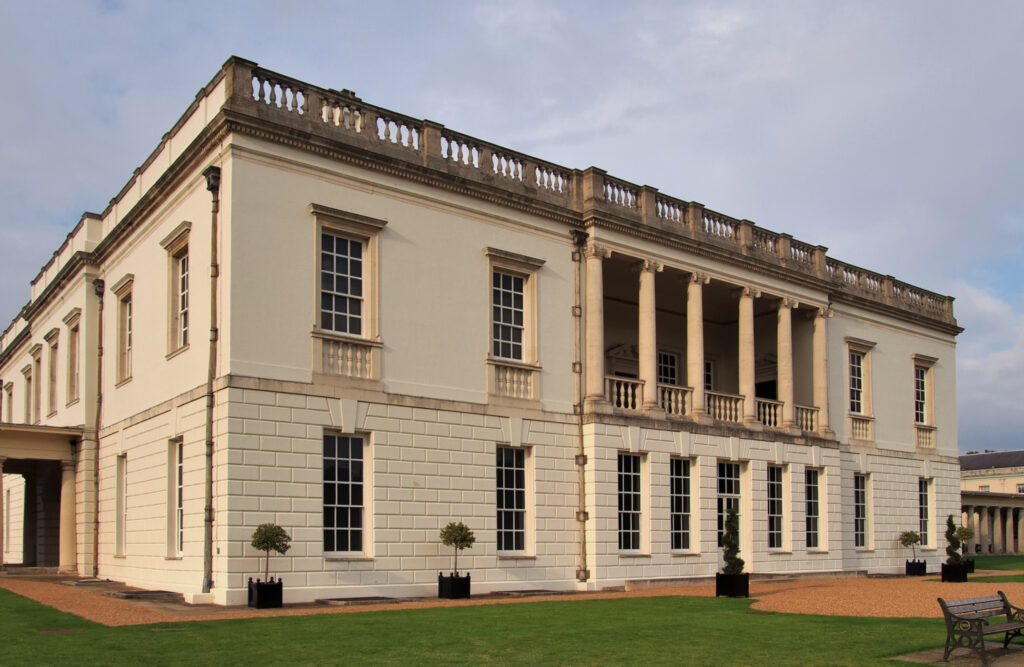
The Queen’s House in Greenwich is an elegant former royal residence that now functions as part of a museum complex. One of the most well-known ghost stories involves a small boy seen on the Tulip Staircase in a photograph taken in the 1960s. There are no documented violent incidents connected to the building itself that explain the appearance. The image sparked decades of speculation, but historians have not confirmed any tragic event tied to the supposed figure. The building’s history is largely ceremonial and residential rather than dramatic.
People who work in the museum occasionally mention footsteps, distant voices, or doors shifting on their own. The overall mood tends to feel calm and stately rather than unsettling. Visitors often describe a sense of quiet presence rather than fear. It’s one of those locations where the architecture and lighting do much of the atmospheric work. The ghost stories feel more like curious footnotes than warnings.
5. The Driskill Hotel, Austin, Texas
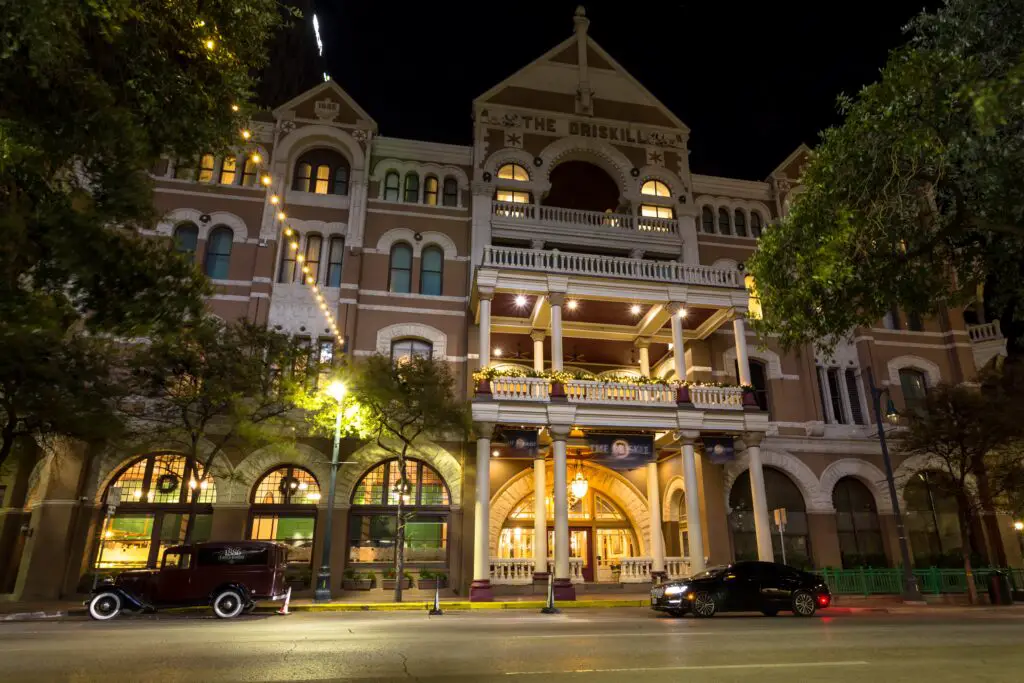
The Driskill Hotel has long been associated with friendly ghost stories, often centered around former guests and staff. Reports include children laughing in hallways, doors opening and closing, and lights flickering without explanation. While the hotel does have a long history and a few documented accidents over the decades, there is no confirmed violent crime tied directly to the hauntings people describe. Many staff members emphasize that the energy feels playful and familiar rather than dark. Guests frequently describe odd but harmless experiences.
Some visitors claim they’ve felt a gentle tug on their clothing or heard soft knocking when no one was there. The hotel embraces its ghostly reputation with tours and storytelling, but the tone stays lighthearted. It’s often presented as one of the more approachable haunted hotels in the country. People tend to leave with a good story rather than a scare. The charm of the building and its age do most of the heavy lifting.
6. The Waverly Hills Sanatorium Museum Spaces, Louisville, Kentucky
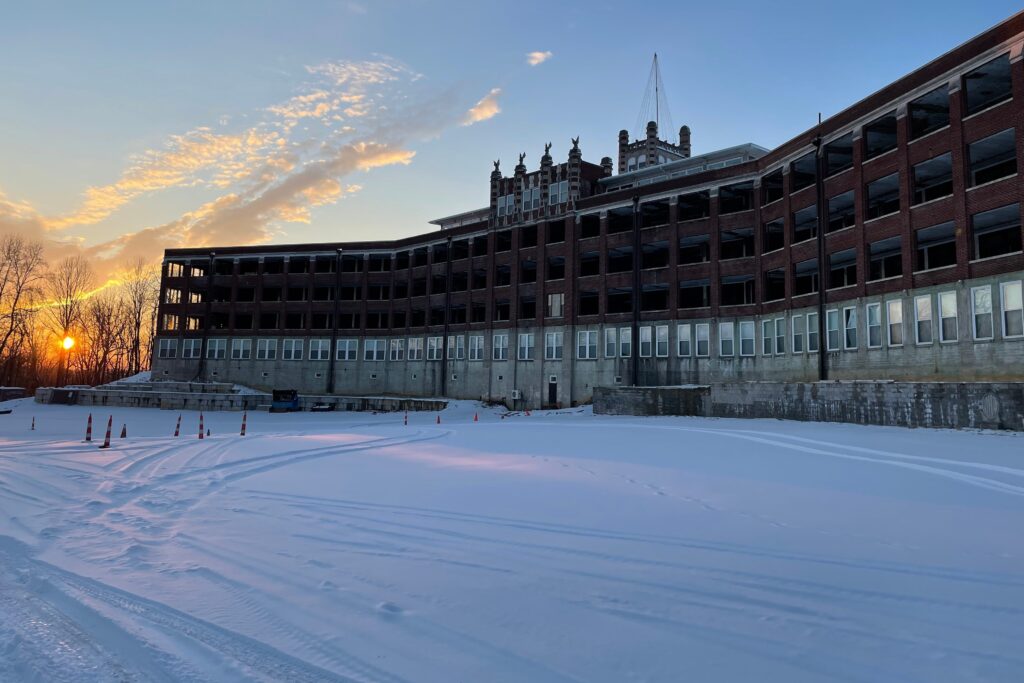
While the larger history of Waverly Hills involves serious illness and death due to tuberculosis, many of the commonly reported ghost encounters in the museum areas today are not tied to violent events. Visitors often mention playful footsteps, doors gently closing, and voices that sound like children laughing. These stories tend to focus on lingering energy rather than traumatic moments. There are no verified records of violent crimes within the facility that directly explain the hauntings people report. Much of the atmosphere comes from the building’s size and isolation.
Many tours emphasize the human stories of recovery, hope, and community that existed alongside the hospital’s hardships. Some guests feel a comforting presence rather than fear. The setting naturally feels eerie due to its age and architecture, but the reported activity is generally mild. It’s a place where the history does the haunting more than any specific incident. Visitors often describe it as emotionally heavy, but not threatening.
7. The Whaley House Museum, San Diego, California
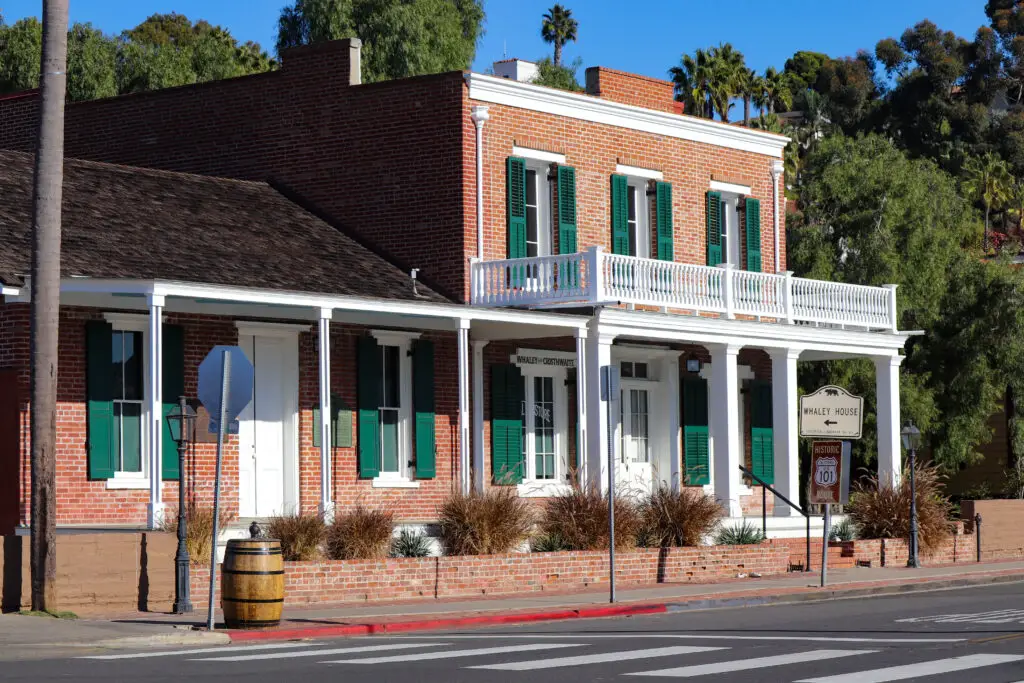
The Whaley House is frequently labeled one of America’s most haunted homes, yet many of the reported encounters are gentle and domestic. Visitors have described footsteps, faint cigar smells, and the sensation of being watched. The house served as a family home, a store, and even a theater at different points in its history. While the surrounding area had early frontier hardships, there is no clear documentation of violent events directly tied to the haunting stories inside the home. Much of the activity centers on the Whaley family themselves.
Staff members often say the energy feels more like someone checking in on their old home rather than anything malicious. Some guests report hearing quiet conversations or piano music. The stories lean toward nostalgia rather than fear. It’s one of those locations where history and imagination blend easily. People often leave feeling curious about the family rather than unsettled.
8. The Peabody-Essex Museum, Salem, Massachusetts
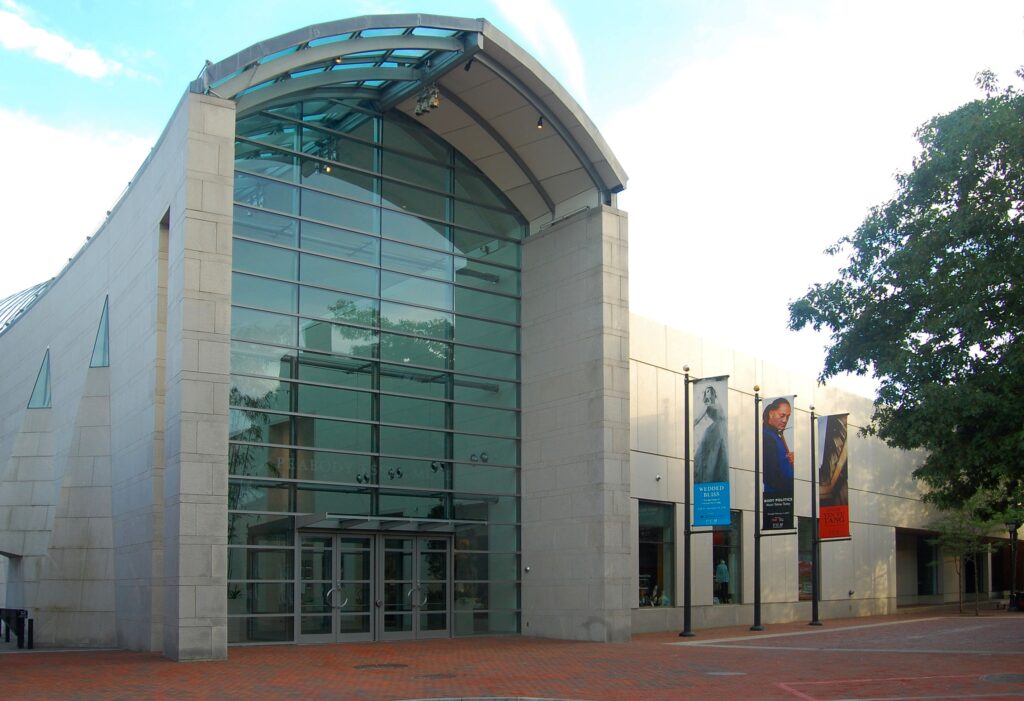
Salem carries obvious historical baggage because of the witch trials, but the Peabody-Essex Museum itself is more associated with quiet, subtle hauntings. Employees have reported doors opening, lights flickering, and footsteps after hours. There are no verified violent incidents linked specifically to the museum building that explain the activity. Most of the stories focus on the feeling of someone moving through the galleries rather than seeing full apparitions. The building’s long history as a cultural institution gives it a layered sense of time.
Many staff members treat the activity as harmless and routine. The atmosphere feels more scholarly than spooky. Visitors usually experience the space as calm and reflective. Any sense of haunting tends to come from imagination once the museum closes and the lights dim. It’s an example of how old buildings naturally invite stories even without dramatic events attached.
9. The Old Talbott Tavern, Bardstown, Kentucky
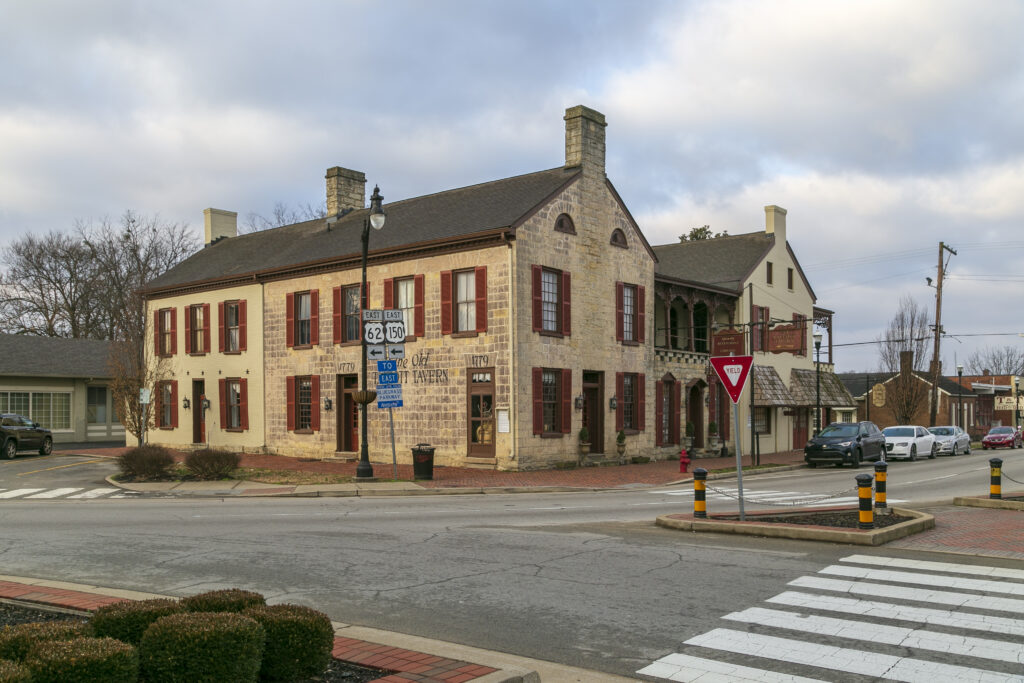
The Old Talbott Tavern dates back to the late 1700s and is often associated with traveling spirits and residual energy from centuries of guests. People report hearing footsteps on the stairs, seeing shadowy figures, and feeling sudden cold spots. While the tavern has hosted countless travelers, there are no confirmed violent incidents tied directly to the hauntings themselves. Much of the legend comes from famous names passing through rather than tragic events. The stories feel rooted in movement and routine rather than fear.
Guests often describe the energy as busy rather than ominous, as if the building never truly sleeps. Staff members treat the stories as part of the tavern’s personality. The age of the structure alone creates creaks and sounds that can easily spark imagination. Visitors tend to leave entertained rather than unsettled. It’s more historic charm than horror.
10. The Crescent Hotel’s Upper Floors, Eureka Springs, Arkansas
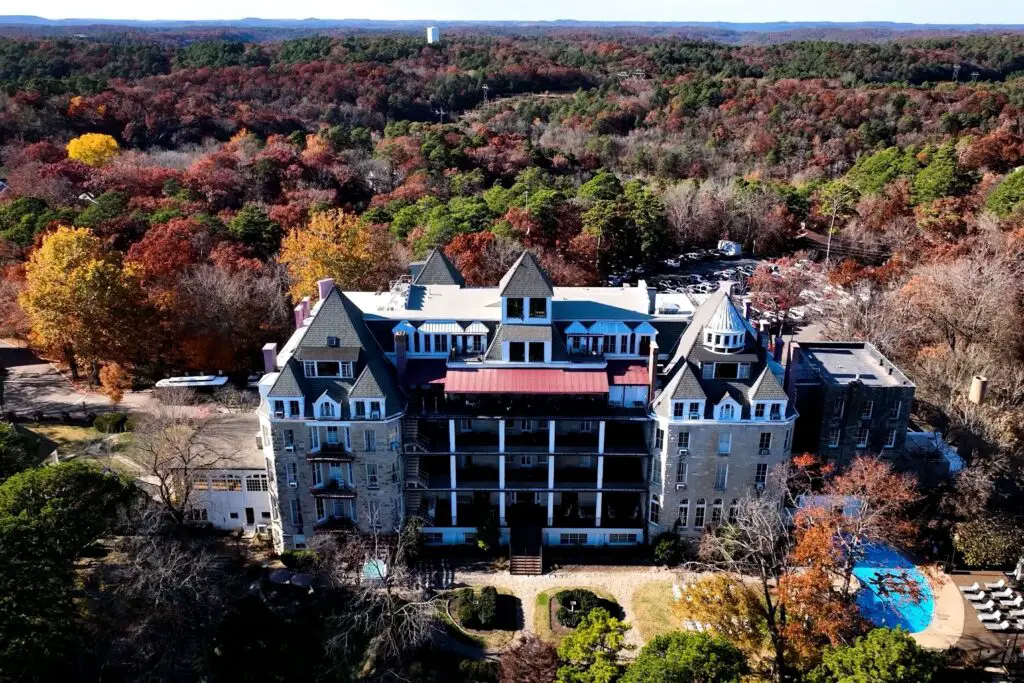
The Crescent Hotel has a complicated history, including periods when it operated as a hospital and resort, yet many of the commonly reported hauntings are lighthearted. Guests mention playful knocking, doors opening on their own, and a friendly cat spirit that seems to wander the halls. While illness and hardship existed historically, there is no clear documentation of violent acts directly tied to the ghost stories most people experience. The hauntings are often described as curious or mischievous rather than frightening. Staff members regularly share stories of harmless encounters.
Many visitors find the atmosphere oddly comforting despite the spooky reputation. The hotel actively shares its history and legends, leaning into storytelling rather than shock value. Guests often leave with a sense of fun curiosity instead of fear. It’s a place where the ghost stories feel more like personality quirks of an old building. The charm outweighs the chills.
11. The Tower of London’s White Lady Sightings Areas
The Tower of London is historically associated with executions and political violence, but some of the specific ghost sightings reported in quieter sections involve figures with no direct violent story attached. One recurring figure described by guards and visitors appears calm and silent, often simply standing or walking through certain corridors. There is no confirmed violent event connected to this particular apparition. These sightings tend to be brief and non-threatening. The atmosphere in these areas feels solemn rather than frightening.
People often describe a sense of history pressing in rather than active haunting. The presence feels more like memory lingering than a spirit seeking attention. Many visitors report feeling watched without any negative emotion attached. The stories add texture to the site’s long timeline rather than intensifying fear. It’s a reminder that not every ghost story in a dramatic location comes from a dramatic event.
12. The Eastern State Penitentiary Visitor Center Areas, Philadelphia, Pennsylvania
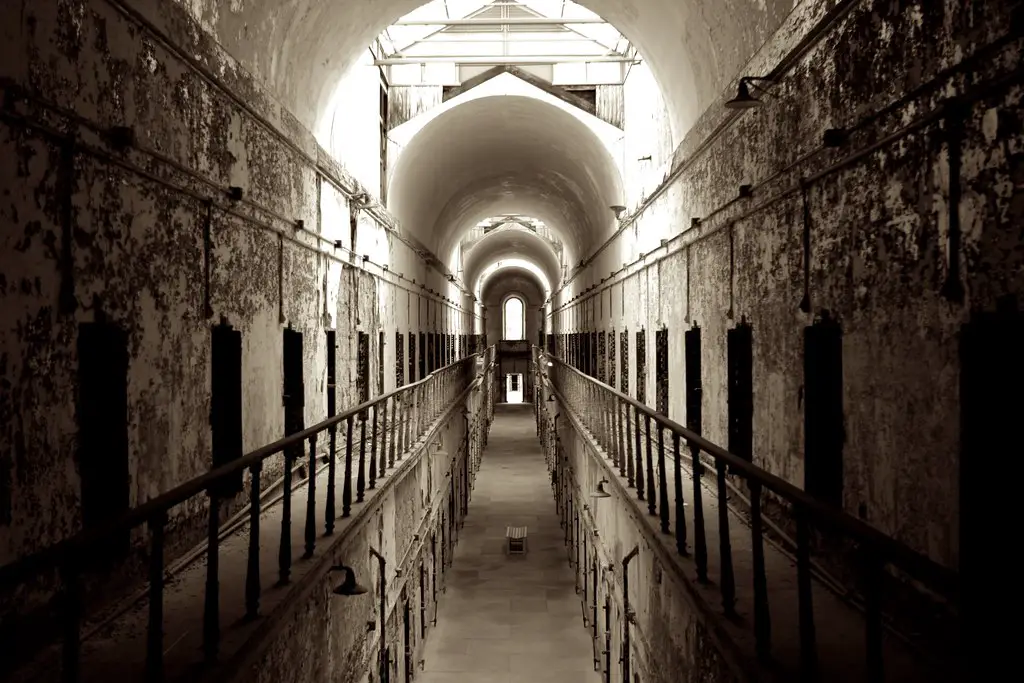
Eastern State Penitentiary is often associated with harsh prison conditions, yet many reported experiences in the visitor center and public spaces involve mild and unexplained activity rather than violent imagery. Visitors mention distant voices, footsteps, and moving shadows that don’t feel threatening. While the prison system itself was strict, there is no confirmed violent incident directly tied to the hauntings described in these areas. The stories focus more on atmosphere than specific events. Much of the unease comes from the architecture and silence.
Many guests say the experience feels more contemplative than frightening. The building naturally amplifies sound and light in strange ways. People often leave thinking about history and reform rather than ghosts. The hauntings, if present, seem passive and residual. It’s more mood than menace.
13. The Banff Springs Hotel, Alberta, Canada
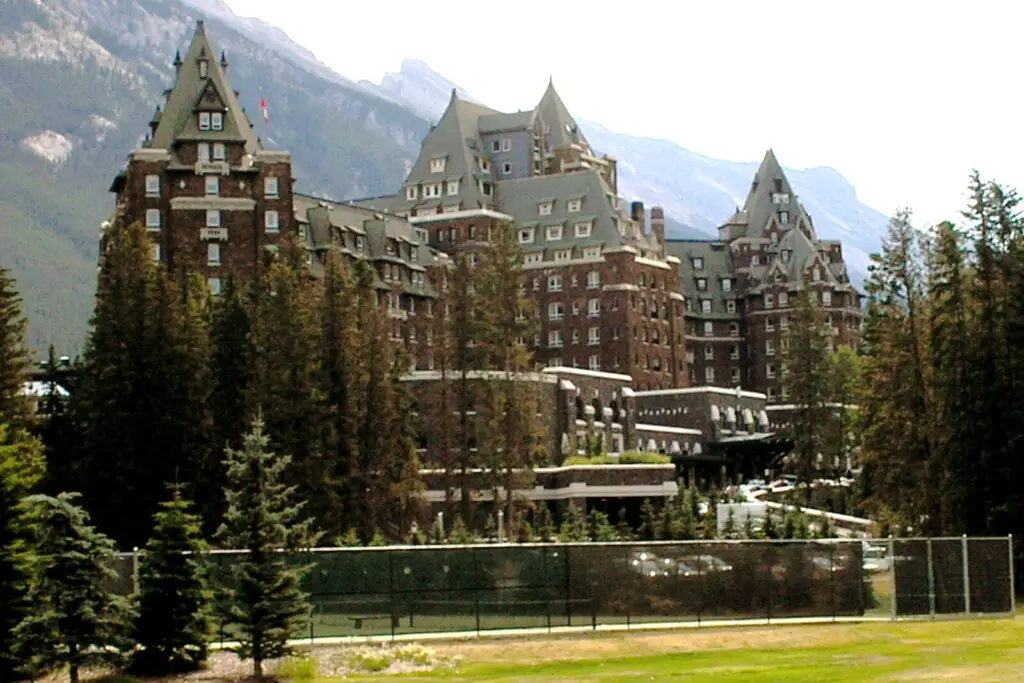
The Banff Springs Hotel is famous for stories of a friendly former bellman who supposedly still helps guests find their rooms. Reports include doors opening, lights turning on, and the feeling of being guided down hallways. The legend centers on a helpful presence rather than anything dark. There are no verified violent events directly tied to this particular ghost story. The hotel’s long history and grand design naturally inspire imagination.
Guests often describe the encounters as comforting or amusing rather than scary. Staff members share the story with affection, treating the ghost as part of the hotel’s character. The atmosphere feels elegant and calm. Visitors tend to enjoy the mystery rather than fear it. It’s one of those hauntings that feels more like hospitality than horror.