
1. Wilted Lettuce Salad
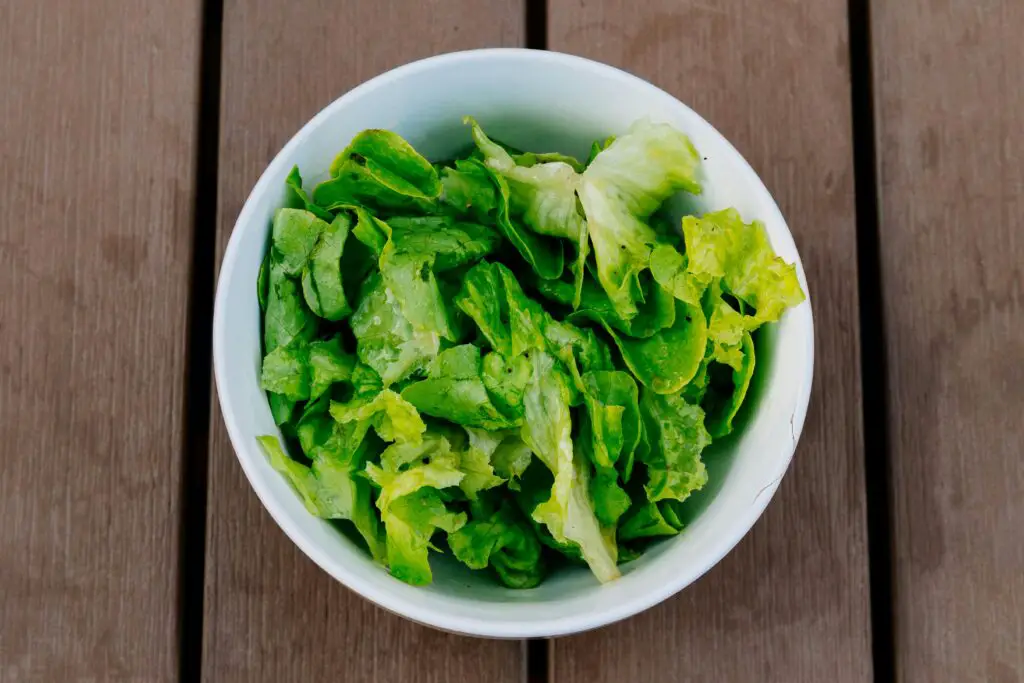
Nobody actually craved wilted lettuce salad, but throwing out limp greens felt like admitting defeat. Instead of tossing them, people would splash on vinegar, hot bacon grease, or whatever dressing might revive them enough to pass as edible. It was the kind of dish that showed up quietly at dinner, with no one mentioning why the lettuce looked tired. You ate it because it was there, not because it was exciting. There was also a faint sense of pride in not letting perfectly “good enough” food go to waste.
The texture usually gave it away, a little soggy, a little bitter, and definitely past its prime. Still, families convinced themselves it counted as being thrifty and responsible. It was one of those meals that taught kids early that food didn’t get thrown away lightly. Even if you pushed the leaves around your plate, the message stuck. Nothing made you more aware of waste than chewing on lettuce that had clearly seen better days.
2. Stale Bread Pudding
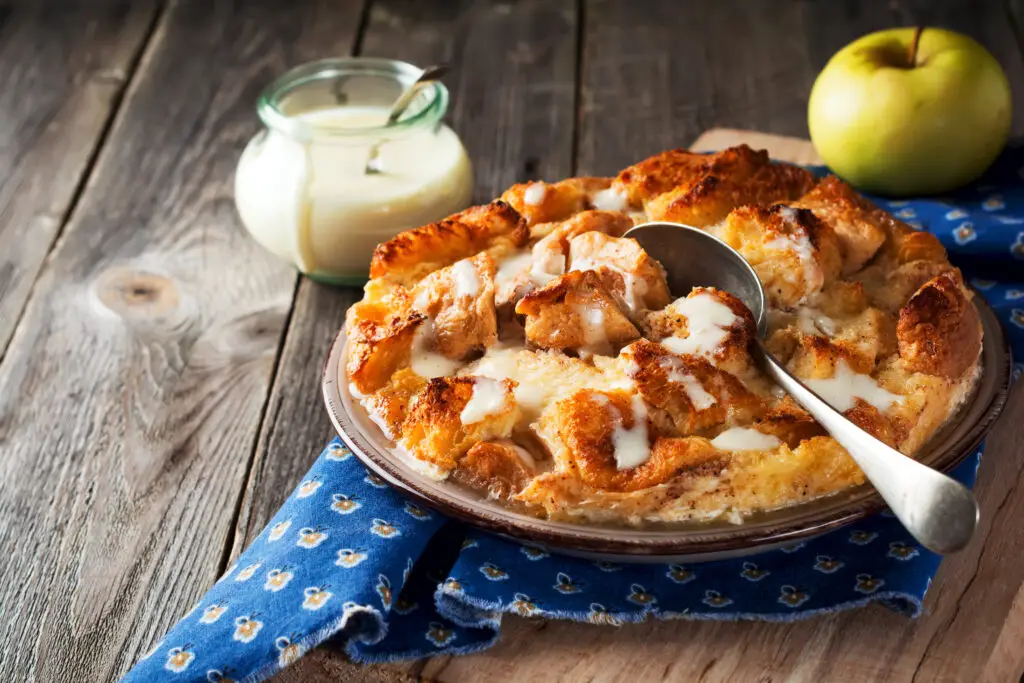
Stale bread almost never went straight into the trash when it could be reborn as bread pudding. Dry slices were soaked in milk, eggs, sugar, and whatever spices were on hand, then baked until no one could tell how hard the bread had been. It felt clever, like outsmarting waste by turning scraps into dessert. The smell alone could make the whole kitchen feel cozy and forgiving. People talked about it like a treat, even though everyone knew it started as leftovers.
Sometimes it was genuinely delicious, especially when cinnamon or raisins were added. Other times, you could still sense the original dryness hiding underneath the custard. Even then, it was eaten proudly because it meant nothing had been thrown away. There was a quiet satisfaction in scraping the dish clean. It wasn’t about indulgence so much as proving you could make something out of almost nothing.
3. Overripe Banana Mash
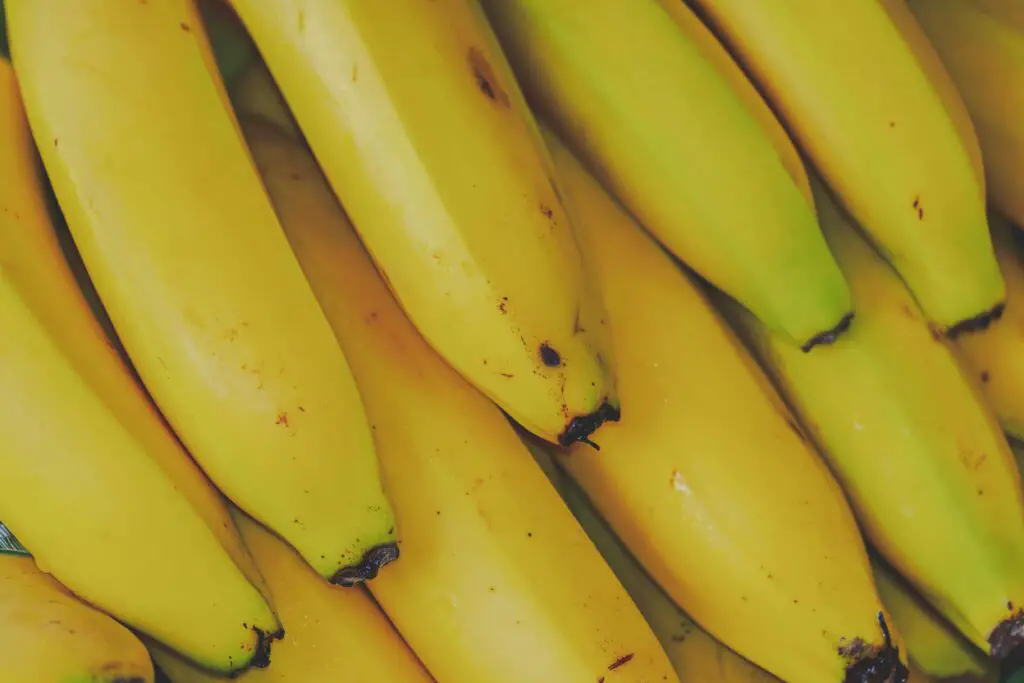
Once bananas went brown and spotty, they suddenly became everyone’s responsibility. Tossing them felt wasteful, so they were mashed into quick breads, pancakes, or just eaten straight with a sprinkle of sugar. The flavor was actually sweeter when they were overripe, even if the texture looked a little questionable. Kids learned quickly that the darker the peel, the stronger the push to use them up. Nobody wanted to be the one who “wasted” perfectly usable fruit.
Sometimes the mash got stirred into oatmeal or spread on toast like a makeshift topping. It wasn’t glamorous, but it felt practical and oddly comforting. There was a sense of virtue attached to saving those bananas from the trash. Even if you weren’t in the mood for banana anything, you ate it anyway. It was less about craving and more about doing the “right” thing.
4. Soup Made from Vegetable Scraps
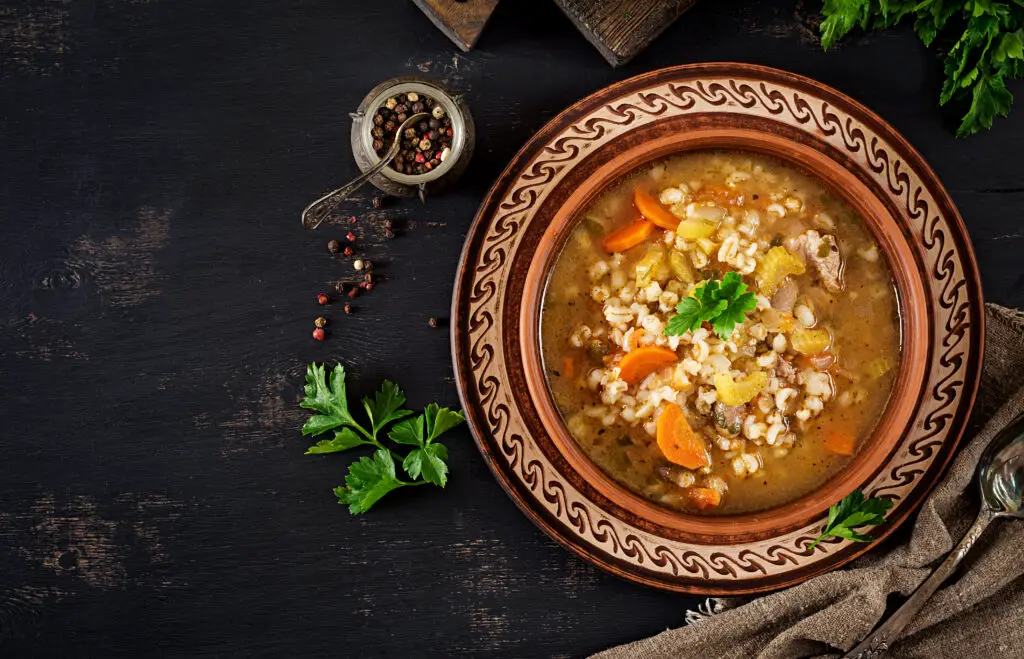
That container of carrot ends, onion skins, and celery bottoms in the freezer existed for one reason, guilt-free soup. Instead of throwing scraps away, they were boiled into broth that magically justified saving every odd piece of produce. It felt efficient and responsible, like running a tiny home economy. The resulting soup didn’t always taste amazing, but it felt earned. You could practically taste the effort of not being wasteful.
Sometimes the broth was surprisingly rich, especially when herbs or leftover bones were added. Other times, it was thin and vaguely vegetal, but still served with pride. Everyone knew this soup wasn’t about flavor so much as principle. It was a reminder that even the scraps had value. Finishing your bowl felt like participating in a small victory over waste.
5. Leftover Casserole Remix
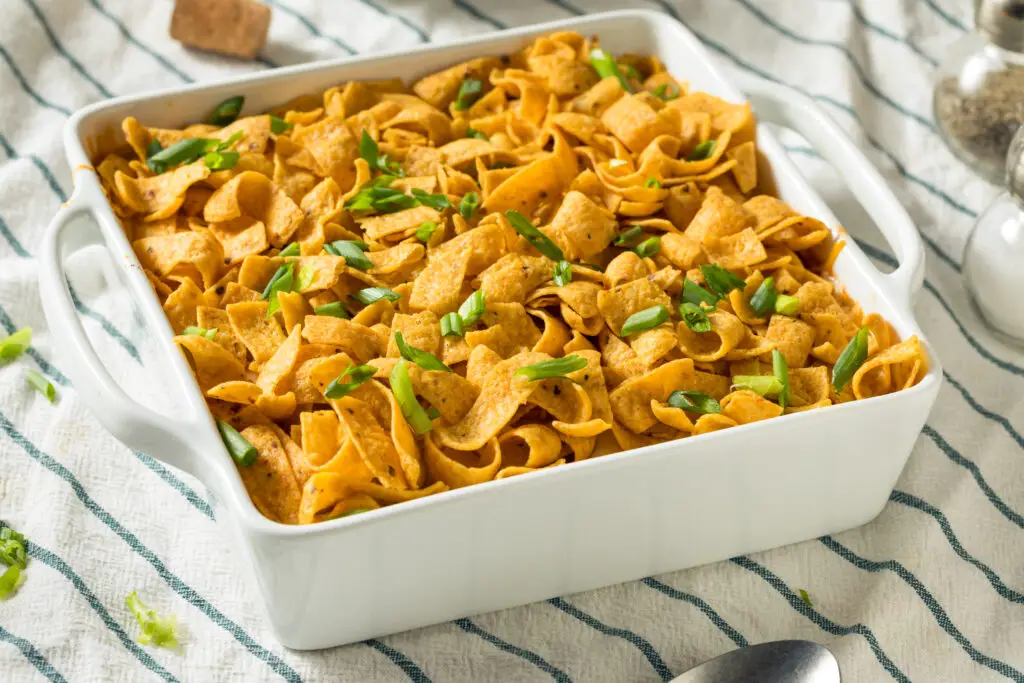
Casseroles had a mysterious second life, often reappearing days later in slightly altered form. If there was a scoop left in the pan, it might get mixed with rice, pasta, or canned soup to stretch it further. Nobody wanted to admit it was just leftovers in disguise. The goal was to make it look “new” enough to justify serving it again. It was culinary camouflage at its finest.
Sometimes it worked and tasted surprisingly good. Other times, the layers blended into a confusing mix of flavors and textures. Still, it got eaten because throwing it out would feel irresponsible. There was always someone insisting it was “just as good the second time.” Even if you weren’t convinced, you cleaned your plate out of principle.
6. Bruised Fruit Compote
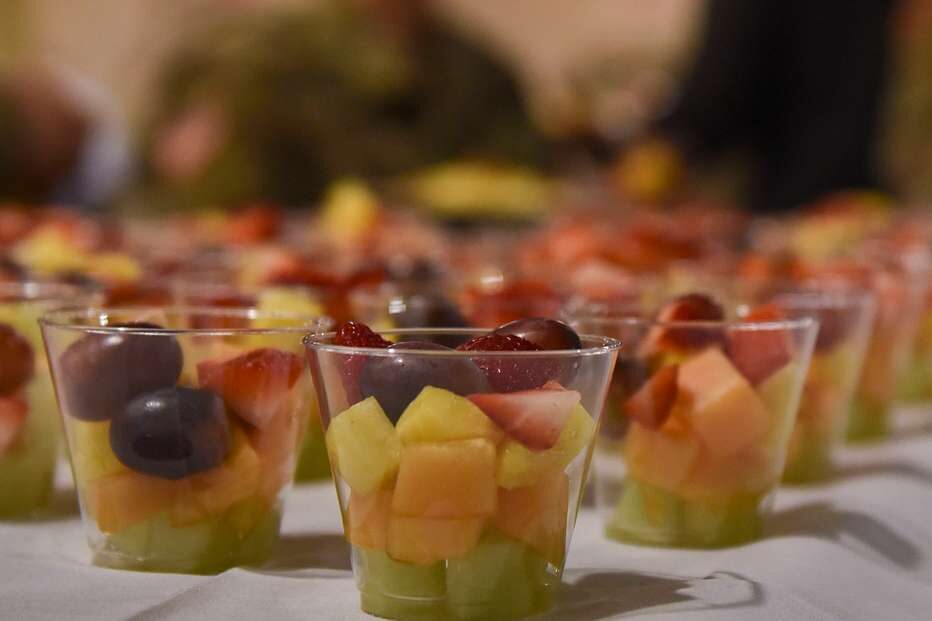
Bruised apples, peaches, or pears rarely made it to the trash when they could be cooked down into compote. The soft spots were trimmed away, and the rest simmered with sugar and spices until everything blended together. Once it was warm and syrupy, no one could tell which fruit had been slightly questionable. It suddenly became a topping for pancakes, yogurt, or toast. It felt like rescuing fruit from an undignified ending.
The smell alone made it seem more appealing than the raw bruised pieces ever were. Even if it turned out a little mushy, it still felt like a win. People took pride in transforming something imperfect into something usable. It was less about craving compote and more about proving resourcefulness. Eating it came with a small sense of accomplishment.
7. Cold Pizza Breakfast
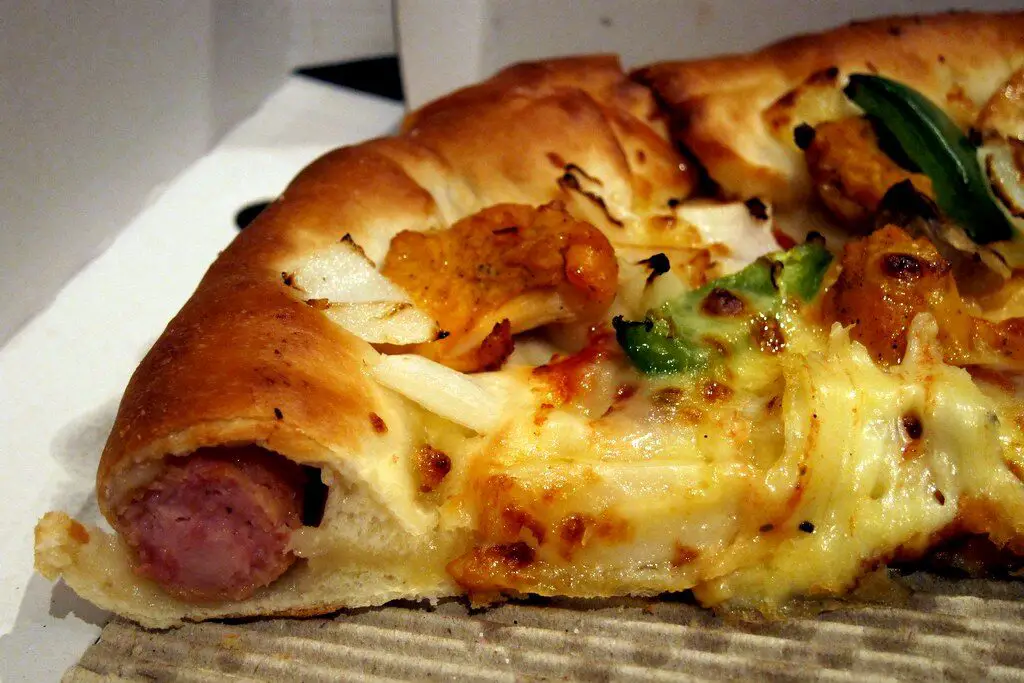
Cold pizza in the morning wasn’t always about loving pizza for breakfast. Often, it was about refusing to waste slices that had been sitting in the fridge overnight. Heating it up felt optional, but eating it felt necessary. There was a strange acceptance that this was just part of life. You didn’t want to admit the pizza might go bad if ignored one more day.
The texture was different, the cheese firmer, the crust chewier, but it still got the job done. People joked about it, but the motivation was practical. It was easier to eat leftover pizza than to throw it away and make something new. There was a mild sense of responsibility wrapped into every bite. Waste not, even if it’s breakfast.
8. Yesterday’s Mashed Potatoes Turned into Patties
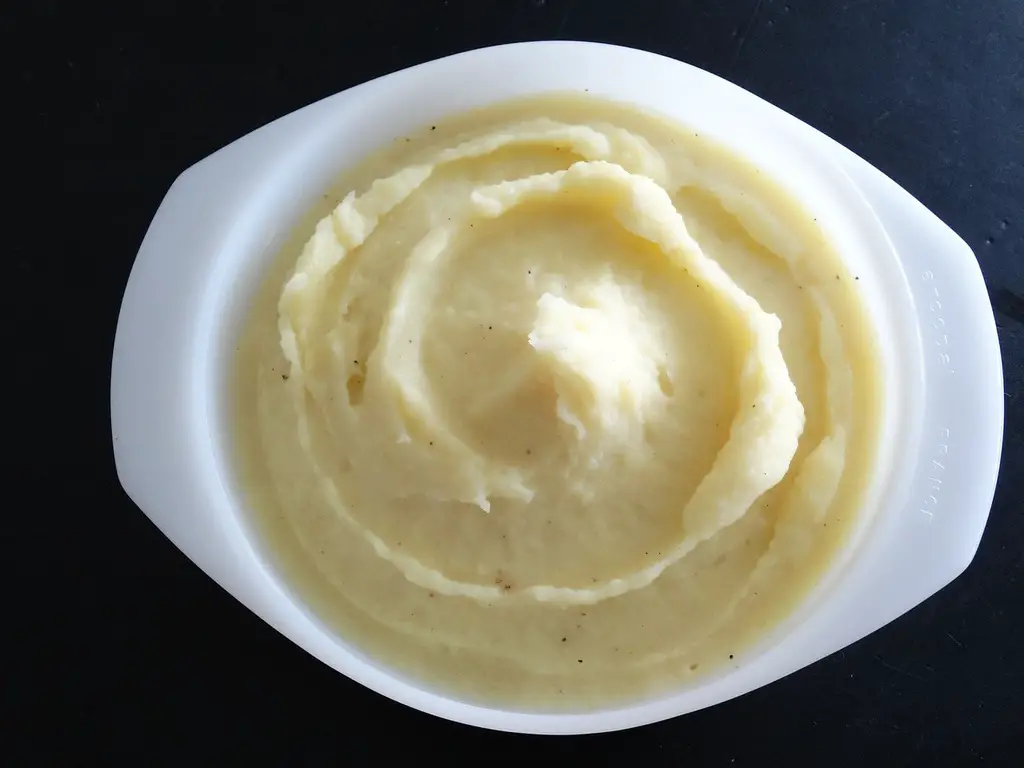
Leftover mashed potatoes had a habit of showing up again as fried patties or pancakes. Instead of tossing them, someone would add an egg or flour and crisp them up in a pan. Suddenly, yesterday’s side dish became today’s “new” item. It felt clever, like stretching value out of something already paid for. No one wanted to see a bowl of potatoes end up in the trash.
Sometimes they were delicious, crispy on the outside and soft inside. Other times, they were a little bland or greasy, but still eaten dutifully. There was pride in making leftovers pull double duty. It reinforced the idea that food always deserved a second chance. Even picky eaters learned to accept these reinventions.
9. Milk That Was Almost Turned into Pudding

Milk that was close to its expiration date suddenly became urgent business. Instead of risking waste, it was turned into pudding, custard, or pancakes as quickly as possible. The logic was simple, use it now or regret it later. Nobody wanted to be responsible for pouring milk down the drain. Turning it into dessert felt like a responsible loophole.
Sometimes the taste was perfectly fine, other times you could tell it was just barely making it. Still, it got eaten because the alternative felt worse. There was an odd satisfaction in beating the clock. It felt like a small domestic victory. Waste had been avoided, and that was the real reward.
10. Burnt Toast Scraped and Served Anyway
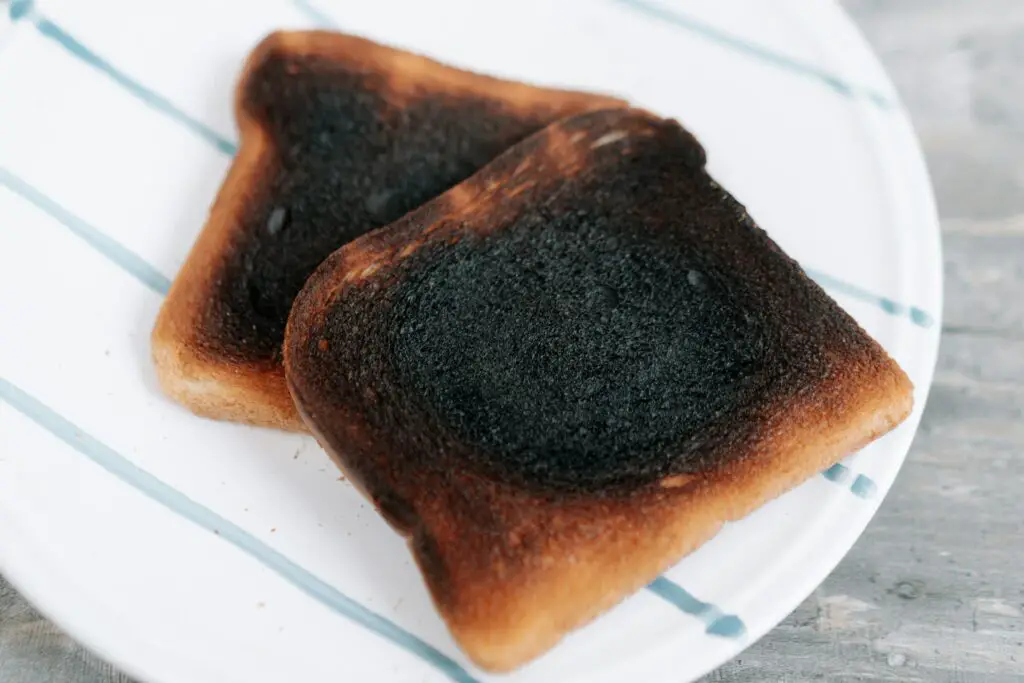
Burnt toast didn’t always get replaced, especially if bread was limited or budgets were tight. Instead, the charred parts were scraped off with a knife until it looked passable. What remained was often thin and uneven, but still technically edible. Tossing it felt unnecessary when “most of it” could still be eaten. It was a quiet lesson in not being picky.
The flavor wasn’t great, but it was tolerated. People told themselves it was better than wasting a slice entirely. It wasn’t about enjoying breakfast so much as respecting the food. Even kids learned to accept slightly flawed toast. Waste was the bigger offense than a bad bite.
11. End-of-the-Week Fridge Omelet

The fridge omelet was a legendary way to clear out odds and ends before grocery day. Bits of cheese, leftover vegetables, and random meats all ended up scrambled together. The result was unpredictable, but it solved the problem of lingering leftovers. Nobody wanted to throw away small portions that felt too good to waste. Eggs became the great unifier of forgotten food.
Sometimes the combination worked surprisingly well. Other times, it tasted like exactly what it was, a collection of leftovers. Still, it was eaten with a sense of practicality. The omelet represented efficiency more than culinary ambition. Cleaning out the fridge felt like a responsible accomplishment.
12. Slightly Stale Crackers with Everything
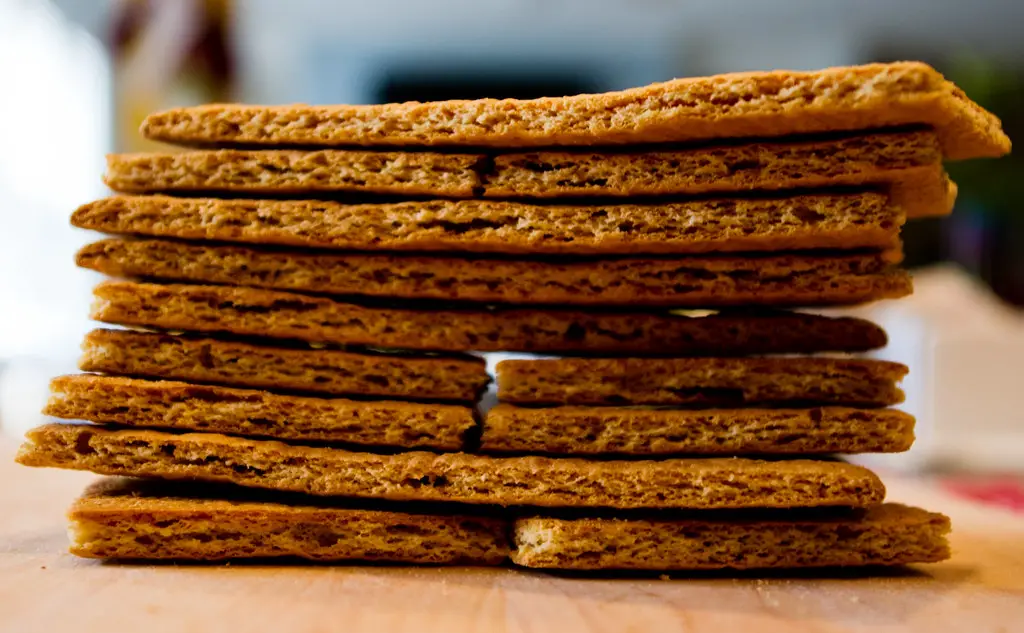
Crackers that had lost their crunch rarely got tossed immediately. Instead, they were served with soup, cheese, or spreads in hopes no one would notice the softness. They were still technically edible, just not ideal. Throwing them away felt like giving up too soon. Someone always insisted they were “fine.”
Sometimes they went soggy in soup and practically dissolved. Other times, they were just chewy enough to be mildly disappointing. Still, people ate them out of principle. It was about honoring the food, even when it wasn’t at its best. Waste felt like a bigger problem than texture.
13. Last-Night Rice Turned into Fried Rice
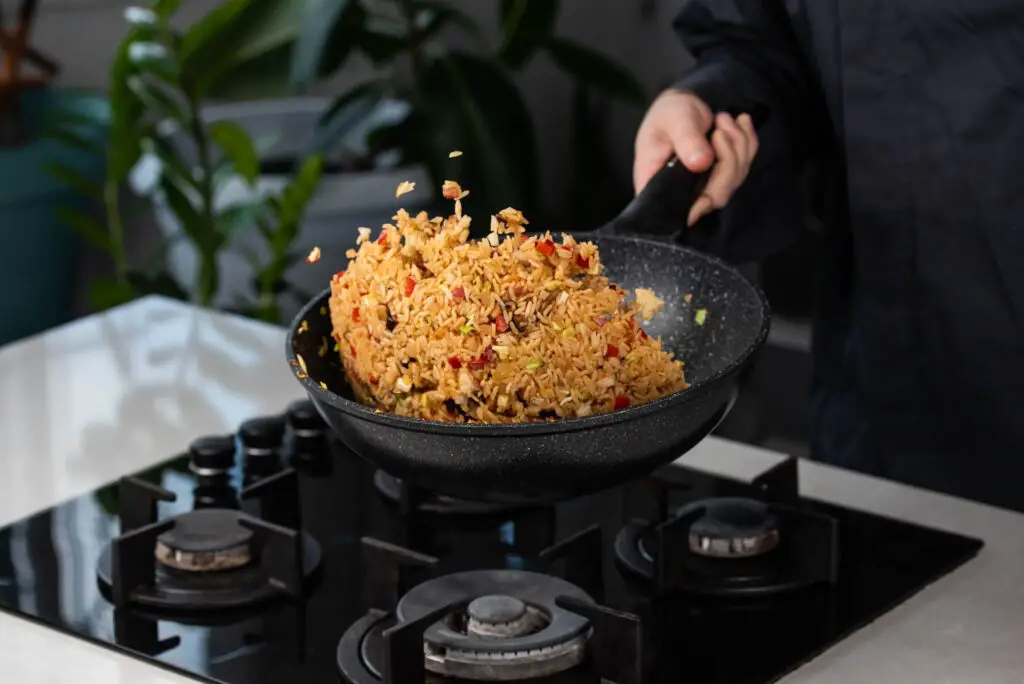
Plain leftover rice almost never survived long without being reinvented. Fried rice became the go-to solution for avoiding waste. A little oil, some leftover vegetables or meat, and suddenly it felt like a whole new meal. It was practical, fast, and satisfying enough to justify saving the rice. No one wanted to throw away something so easily reusable.
Sometimes it turned out great, especially when seasoned well. Other times, it was just okay, but still eaten without complaint. There was comfort in knowing nothing had been wasted. It felt efficient and responsible, even if it wasn’t exciting. The empty container afterward felt like proof of good habits.