
1. Red Sky at Night Meant Tomorrow Was Safe

For generations, people looked at a blazing red sunset and felt an immediate sense of relief. Sailors especially trusted the rhyme “red sky at night, sailor’s delight,” believing calm weather was practically guaranteed by morning. Families would decide whether to travel, harvest crops, or plan outdoor gatherings based on that glowing horizon. It felt like nature itself was offering a reassuring forecast long before weather apps existed.
While the saying does have some scientific grounding tied to atmospheric pressure and light scattering, most people treated it more like a promise than a probability. A red sunset could cancel worries about storms or rough seas, even if clouds were quietly building overnight. People went to bed confident the next day would cooperate. When the weather turned anyway, it felt almost like the sky had broken a personal agreement.
2. A Ring Around the Moon Warned of Incoming Rain
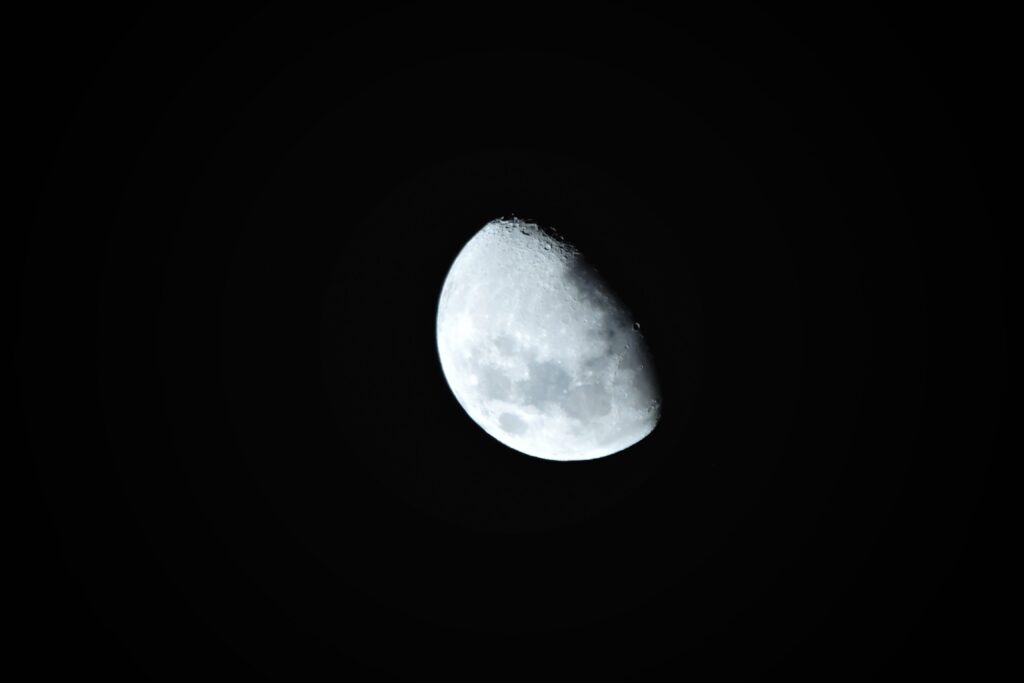
Seeing a halo glowing around the moon was once enough to make people bring in laundry, cancel picnics, or postpone long walks. Many believed that pale ring meant rain or snow was only hours away. Farmers watched the moon carefully because an unexpected storm could ruin a harvest or muddy freshly plowed fields. Even kids learned to point out the ring and announce bad weather like junior forecasters.
The halo often forms from ice crystals high in the atmosphere, which can indeed signal a coming weather system. Still, people treated it almost like a countdown clock rather than a loose indicator. Some households would rush to secure shutters or cover woodpiles the moment the ring appeared. The moon became an unspoken authority figure in nightly decision-making.
3. Thunder in Winter Was a Bad Omen
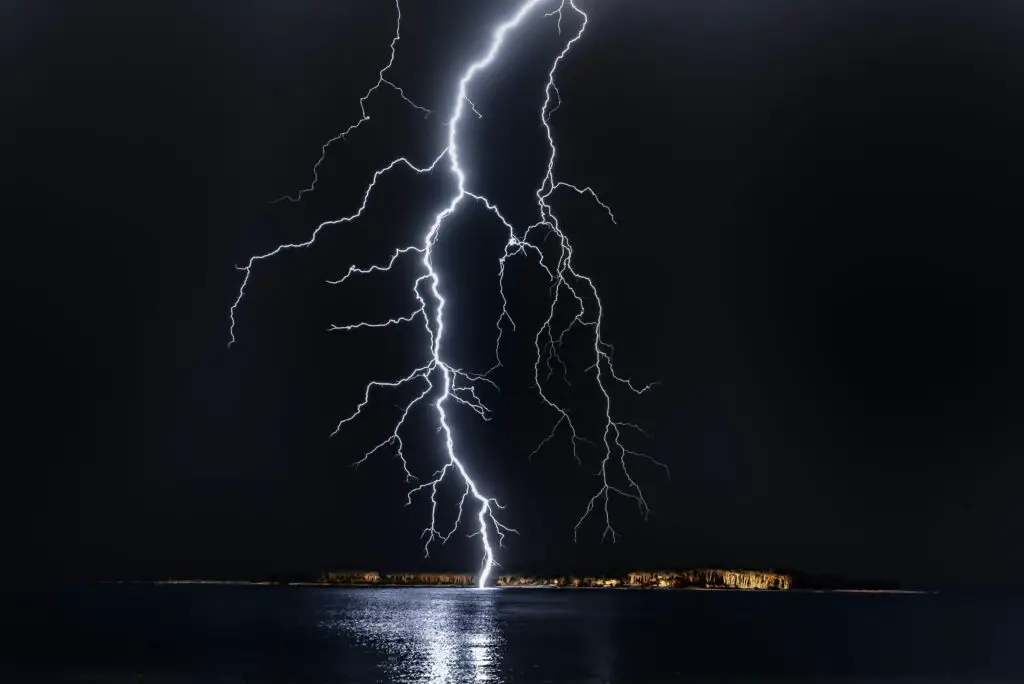
Hearing thunder during cold months unsettled many communities because it felt unnatural and threatening. Some believed winter thunder predicted illness, famine, or unusually harsh weather ahead. People might avoid travel or delay important plans after hearing a rumble in January or February. It created a sense that something was out of balance in the natural order.
In reality, winter thunderstorms are rare but possible when atmospheric conditions align. That rarity only fueled the superstition, making the sound feel more ominous than summer storms. Stories circulated about years when winter thunder supposedly preceded disasters or crop failures. Even skeptics sometimes felt a chill when thunder echoed against snow-covered ground.
4. East Winds Were Thought to Bring Sickness

An easterly wind once had a terrible reputation in many regions, especially in Europe and coastal areas. People believed it carried damp air, disease, and general misery into towns. Windows might stay closed, and children were sometimes kept indoors when the wind shifted east. The breeze itself became something to distrust, even on otherwise pleasant days.
Some of this fear likely came from how east winds can feel colder and more cutting in certain climates. Illness often seemed to follow long stretches of chilly, damp weather, reinforcing the belief. Over time, people linked the direction of the wind to their own health outcomes. The wind became a silent suspect whenever sniffles started spreading.
5. Rain on a Wedding Day Was Secretly Good Luck

While many brides dreaded rain on their wedding day, others believed it symbolized cleansing, fertility, and future prosperity. Families reassured nervous couples that rain meant their marriage would be blessed with abundance. Instead of canceling celebrations, people leaned into the idea that the sky was offering a positive sign. It softened disappointment and turned soggy ceremonies into hopeful stories.
This belief helped people emotionally reframe situations they could not control. Rather than feeling unlucky, couples could see themselves as specially favored by fate. Guests often repeated the saying to lift spirits and keep the mood joyful. Weather became part of the love story instead of a spoiler.
6. Counting Crickets Predicted the Temperature
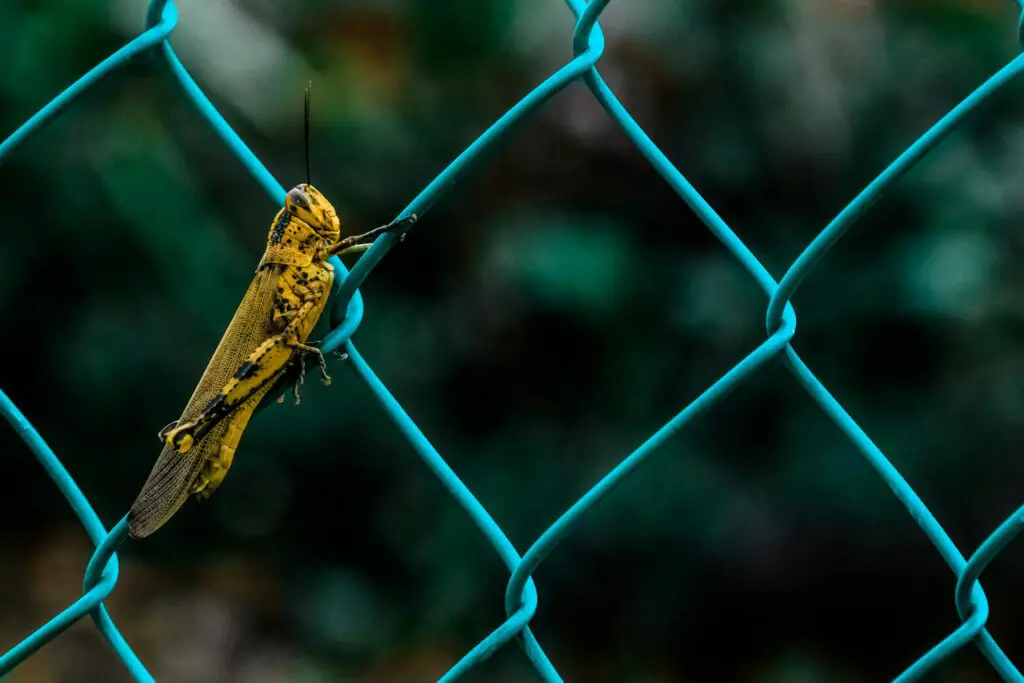
Some families taught kids to count cricket chirps to estimate how warm the evening was. A popular rule claimed that adding a certain number to the chirps could roughly match the temperature. It turned backyard listening into a playful science experiment. People sometimes used it to decide whether they needed a sweater or could stay outside longer.
Crickets do chirp more rapidly in warmer temperatures, which gives the belief a kernel of truth. Still, many treated it as a fun but trusted guide rather than a novelty. Campers and porch sitters leaned into the ritual year after year. Nature felt like it was whispering useful information if you paid close attention.
7. Fog Was Thought to Carry Spirits and Bad Energy
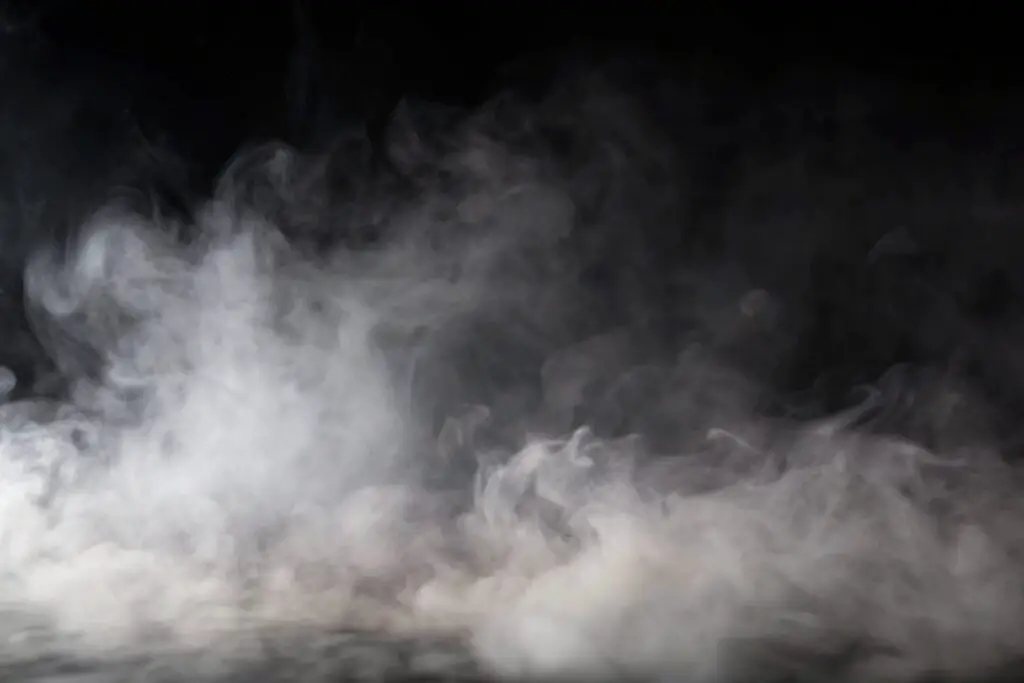
Dense fog unsettled people long before modern lighting and transportation made it manageable. Some believed fog carried wandering spirits or negative forces that could confuse or harm travelers. People avoided nighttime journeys or delayed errands when fog rolled in thick. It made familiar roads feel suddenly threatening and mysterious.
Limited visibility genuinely increased danger, which likely reinforced the fear. Stories of travelers getting lost or injured in fog became cautionary tales. Over time, the mist itself gained a supernatural reputation. Even today, fog can still trigger a quiet sense of unease in otherwise rational minds.
8. If It Rained on St. Swithin’s Day, Weeks of Rain Would Follow
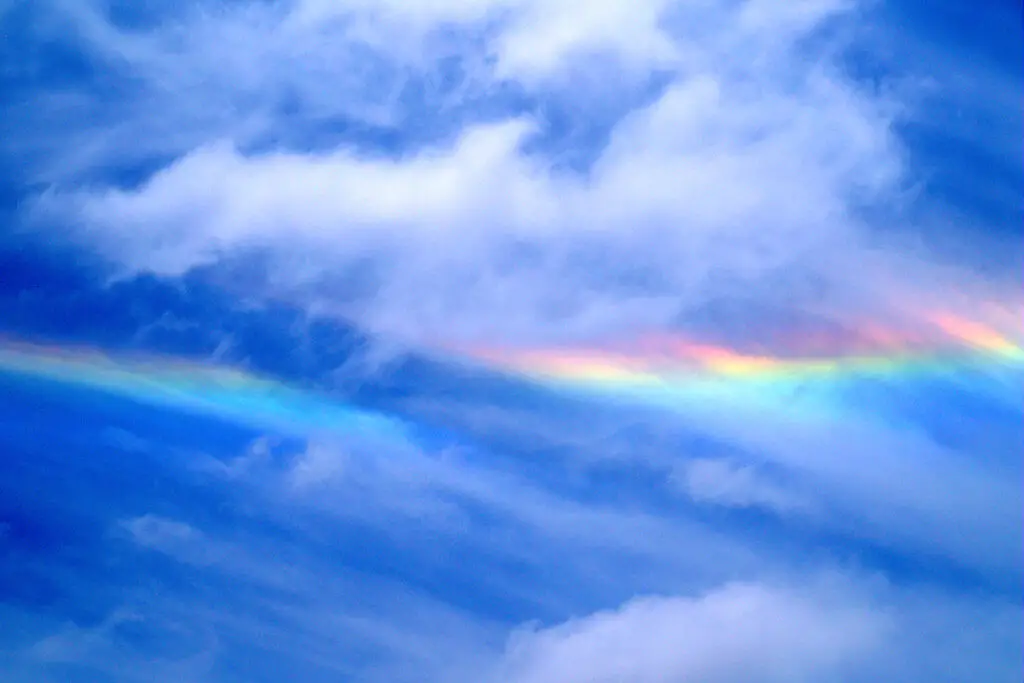
In parts of England, people believed that rain on July 15 meant forty days of wet weather ahead. Farmers paid close attention because extended rain could damage crops or delay harvests. Plans for fairs, travel, and building projects were sometimes adjusted based on that single day’s forecast. It gave one summer morning outsized importance.
While there is no reliable scientific basis for such long-term prediction, the pattern stuck through generations. A rainy St. Swithin’s Day often became a topic of anxious conversation in villages. People watched the skies with extra intensity, waiting to see if the prophecy unfolded. The calendar and the clouds became strangely intertwined.
9. Sudden Silence Before a Storm Meant Something Was Wrong
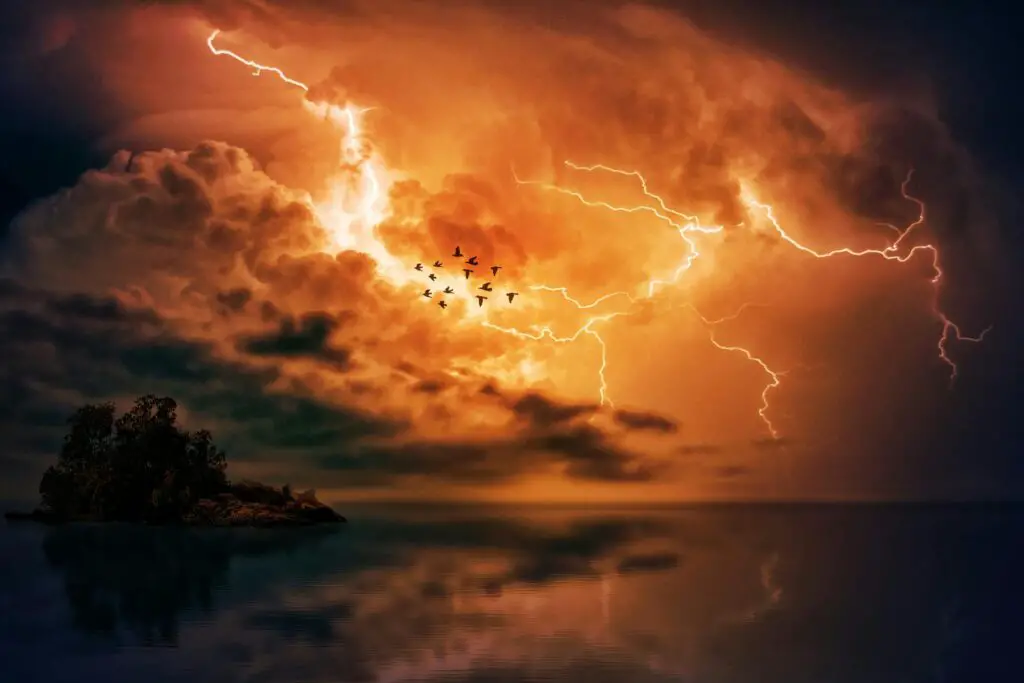
When birds went quiet and insects disappeared before a storm, people often felt uneasy rather than simply cautious. The sudden stillness was interpreted as nature holding its breath, signaling danger. Some families took it as a sign to head indoors immediately or cancel plans altogether. The silence felt heavier than the wind or rain itself.
Animals do change behavior when pressure drops, which gives this belief a biological foundation. Still, people layered emotional meaning onto the quiet. It became a warning sound even though it was technically the absence of sound. That eerie calm made storms feel more dramatic and personal.
10. A Sudden Warm Spell in Winter Was Considered Suspicious

Unexpected warmth in the middle of winter made many people uneasy rather than relieved. Some believed it predicted a harsh cold snap or severe storms soon after. Farmers worried it might confuse crops or livestock. People sometimes avoided planting or traveling during these strange temperature swings.
Weather unpredictability felt like a sign of imbalance or looming trouble. When cold weather returned sharply, it reinforced the belief that the warm spell had been a warning. Stories passed down about winters that tricked people into relaxing too soon. Comfort was treated with caution instead of gratitude.
11. Rain During Funerals Was Seen as a Sign of Heavenly Approval
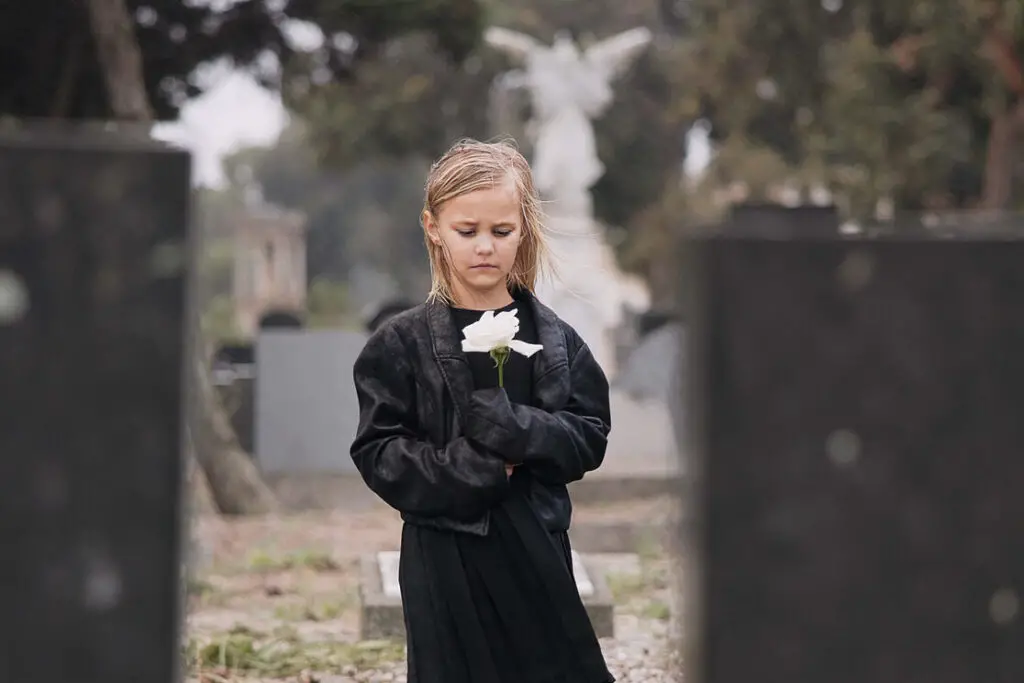
In many cultures, rain at a funeral was interpreted as a blessing or a sign that the soul had reached peace. Mourners found comfort in believing the heavens were acknowledging the life being honored. Instead of seeing it as gloomy, families reframed it as meaningful and gentle. It added emotional depth to an already powerful moment.
This belief helped people cope with grief by finding symbolism in nature. The rain became part of the farewell ritual rather than a disruption. People often remembered these funerals more vividly because of the added atmosphere. Weather helped shape how memories were emotionally stored.
12. A Sudden Drop in Barometric Pressure Was Blamed for Headaches and Mood Swings
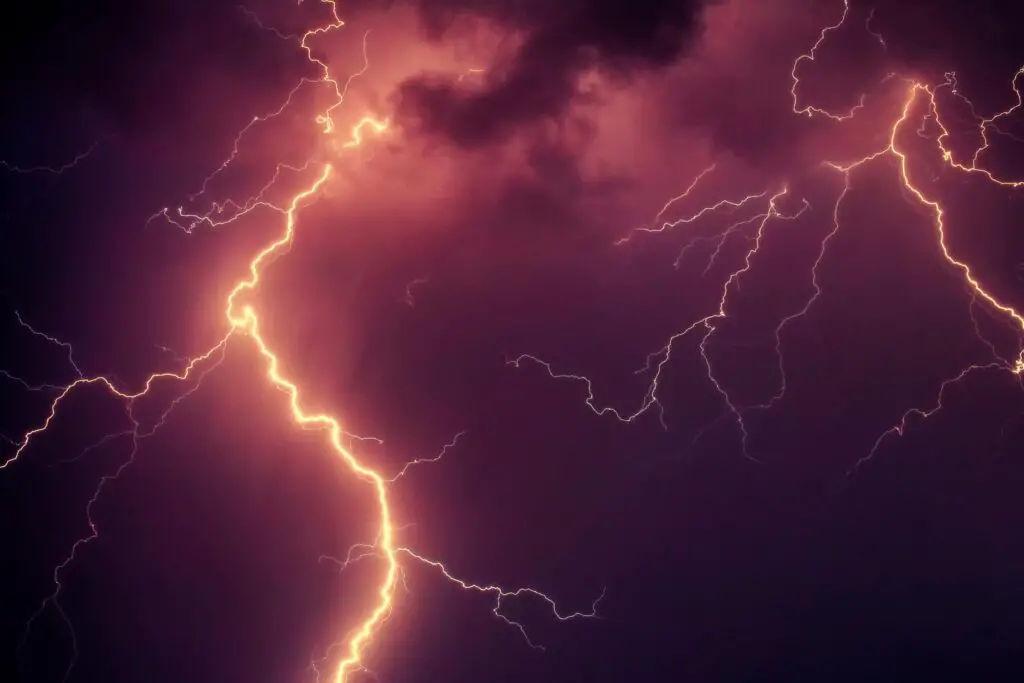
Long before medical explanations were available, people blamed shifting air pressure for headaches, irritability, and fatigue. If storms approached and someone felt off, the weather took the blame. Plans were postponed or social visits canceled because people expected to feel unwell. It became a built-in excuse that everyone understood.
There is some evidence that pressure changes can affect certain individuals, which keeps the belief alive. Still, many people generalized the effect far beyond what science confirms. Weather became a convenient explanation for bad days. It offered a sense of control over unpredictable physical discomfort.
13. Snow on Certain Holidays Was Seen as Either Blessing or Curse

Snow on holidays like Christmas or Easter carried heavy symbolic meaning in many households. Some saw it as magical and pure, while others worried it predicted hardship or travel trouble ahead. Families adjusted plans, meals, and even gift exchanges based on how much snow fell. The holiday experience became inseparable from the forecast.
Traditions grew around these snowy memories, reinforcing emotional associations. A white holiday could feel enchanted or stressful depending on personal history. Weather shaped how traditions were remembered and repeated. The sky quietly influenced family lore year after year.
14. If Animals Acted Strange, Big Weather Was Coming

Restless pets, low-flying birds, or nervous livestock often convinced people that a storm or earthquake was near. Farmers and rural families watched animals closely and trusted their instincts more than human tools. Decisions about travel, harvesting, or shelter were sometimes based entirely on animal behavior. It created a sense that animals were natural early warning systems.
Animals do respond to pressure changes, sounds, and vibrations humans may not notice. That real sensitivity strengthened the belief into something almost mystical. People shared stories of animals predicting storms with uncanny accuracy. Nature felt interconnected in ways that encouraged constant observation and respect.