
1. Chicken Soup
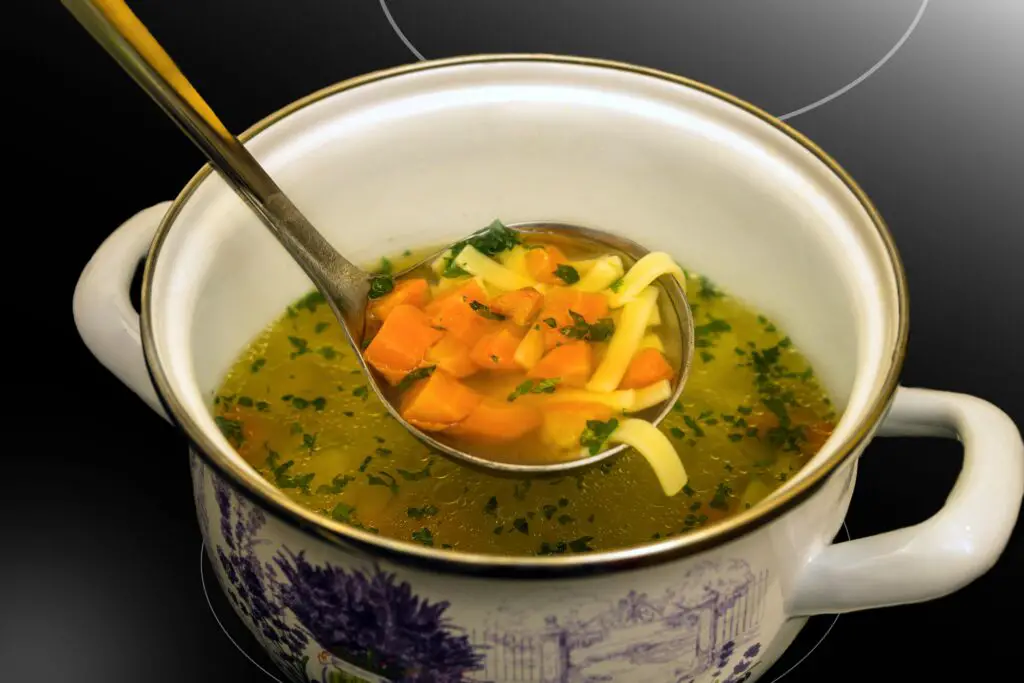
For generations, chicken soup has been treated less like dinner and more like a prescription. Parents swore it could chase away colds, soothe sore throats, and somehow restore energy faster than any pill. The warm broth helped keep people hydrated, while the steam cleared stuffy noses long before humidifiers were common. Even hospitals once served it routinely to recovering patients because it was easy to digest and comforting. In many cultures, a pot of simmering soup meant someone was officially “on the mend.” Modern research has shown it may help reduce inflammation and loosen mucus, which helps explain why it earned its healing reputation.
There’s also something deeply psychological about it. Being handed a bowl by someone who cares instantly makes you feel a little better, even before the first sip. The familiar smell signals rest, warmth, and safety, which can calm the nervous system when you feel run down. Families passed down their own “secret” recipes like treasured remedies. Whether it truly cures anything or not, chicken soup still feels like edible reassurance when you’re sick.
2. Garlic
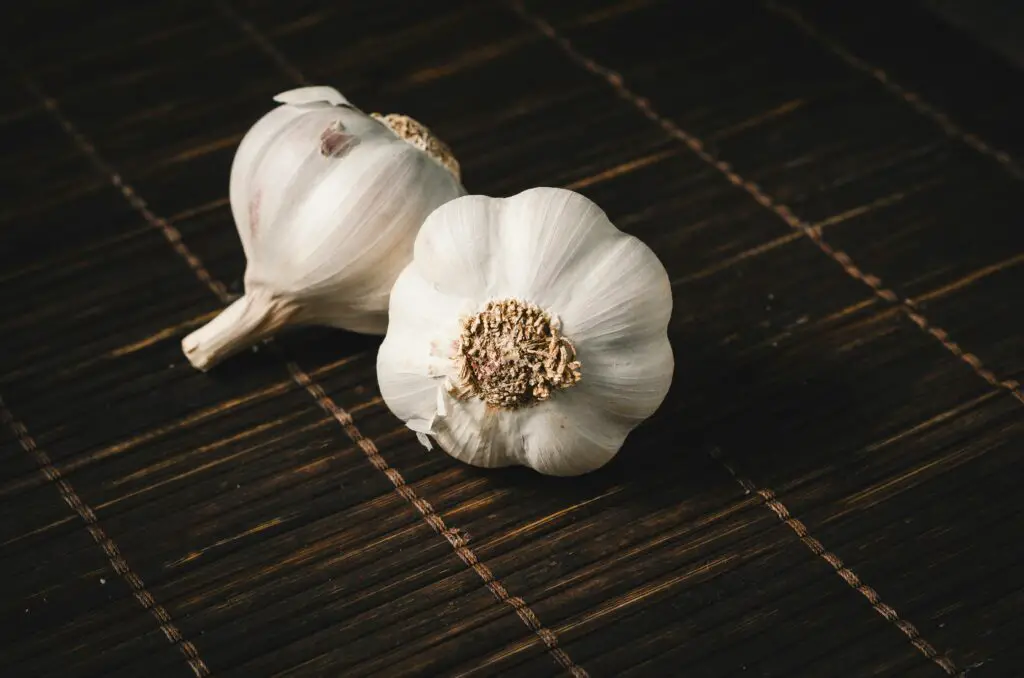
Garlic was once treated almost like a protective charm you could eat. Ancient cultures believed it could ward off infections, evil spirits, and even bad air that caused illness. During outbreaks of plague and other diseases, people carried or consumed garlic hoping it would keep sickness away. Its strong smell alone made it feel powerful and medicinal. Long before antibiotics existed, garlic was valued for its natural antibacterial properties. Even today, it’s studied for possible benefits related to heart health and immune support.
At home, garlic became the go-to fix for everything from sore throats to earaches. Some people swallowed raw cloves, while others infused it into honey or vinegar for homemade tonics. It wasn’t exactly pleasant, but people trusted the sting meant it was working. Grandparents often insisted a garlicky meal could stop a cold in its tracks. The idea that food could double as medicine felt completely natural in earlier generations.
3. Honey

Honey earned a reputation as nature’s original cough syrup. Before pharmacies lined every street, people relied on spoonfuls of honey to soothe scratchy throats and quiet nighttime coughing. Its thick texture coats irritated tissue, which brings quick relief. Honey was also used on wounds because of its antibacterial properties and ability to promote healing. Ancient medical texts mention honey as both a food and a treatment. It was sweet, shelf-stable, and easy to access, making it a practical household remedy.
Kids often didn’t even realize they were being “medicated” when honey was involved. Mixed into warm tea or lemon water, it felt like a treat rather than medicine. Families kept jars specifically for sick days, not just for toast. The comfort factor mattered as much as the chemistry. Even today, many doctors still recommend honey for mild coughs, which quietly validates generations of kitchen wisdom.
4. Vinegar

Vinegar was once viewed as a powerful cleansing agent for the body. People drank diluted vinegar to aid digestion, purify the blood, and fight infections. During certain historical periods, it was even used as a protective rinse during epidemics. Its sharp bite made it feel medicinal, not culinary. Apple cider vinegar especially gained a reputation as a cure-all long before wellness trends revived it. Folk medicine credited it with balancing the body and improving overall health.
At home, vinegar tonics were often taken first thing in the morning or after heavy meals. Some believed it could dissolve fat, control appetite, or ease joint pain. The taste wasn’t exactly pleasant, but endurance was part of the ritual. Families trusted the sting meant something good was happening internally. While modern science questions many of the bigger claims, vinegar’s long medical reputation shows how closely food and healing once overlapped.
5. Onions
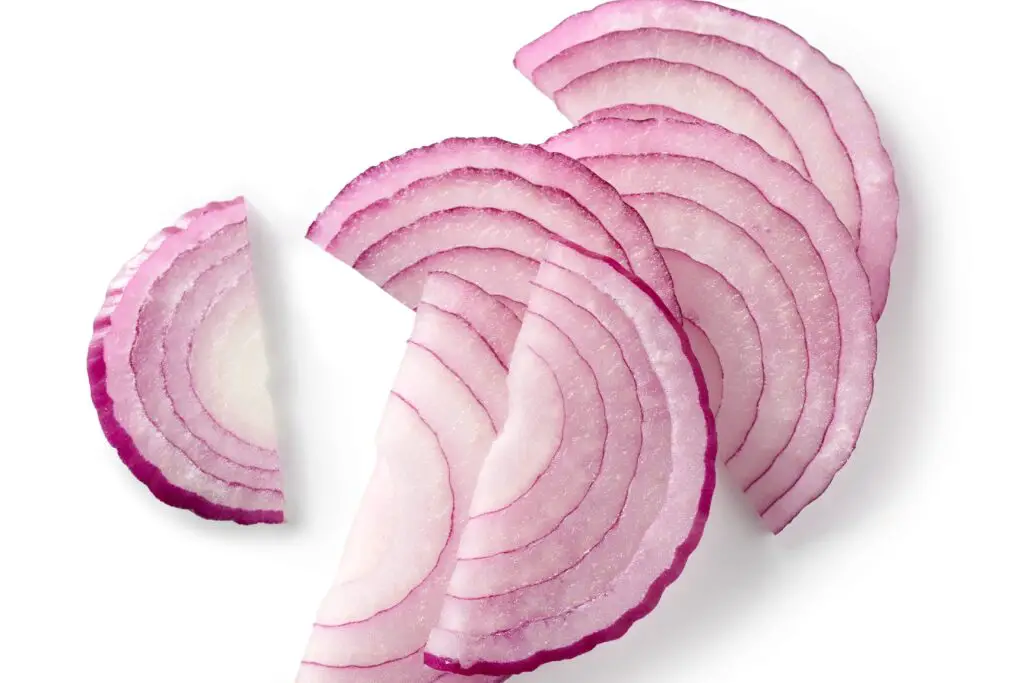
Onions were once treated as a surprisingly versatile remedy. People used them to relieve coughs, draw out infections, and even absorb illness from the air. Sliced onions were sometimes placed in rooms or inside socks overnight to “pull toxins” from the body. The strong smell and eye-watering fumes reinforced the idea that something powerful was happening. Onions also contain compounds with antibacterial and anti-inflammatory properties, which helped support their medical image. Long before cold medicines, onion syrups were common in home kitchens.
Parents often mixed onions with honey or sugar to make homemade cough treatments. It wasn’t glamorous, but families trusted what had worked for generations. Some believed onions could prevent sickness altogether during flu season. Even if some of those ideas stretched the truth, onions truly do offer nutritional benefits. Their long-standing role as medicine shows how people leaned on everyday ingredients for health.
6. Ginger
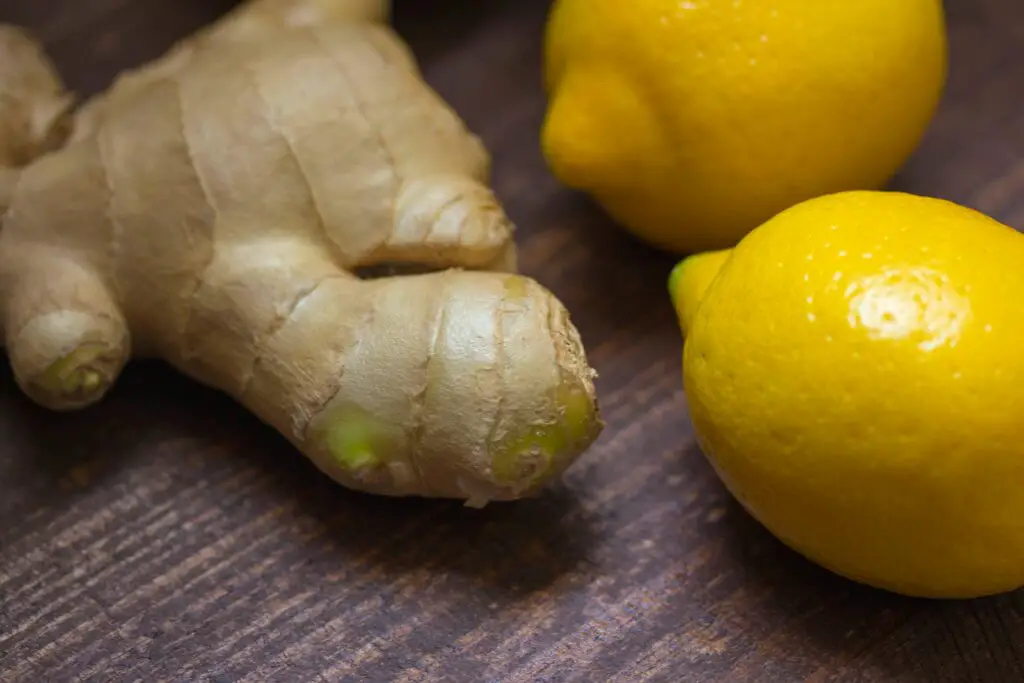
Ginger was widely used to calm upset stomachs and improve circulation. Ancient medical traditions treated it as a warming food that could balance the body and ease nausea. Travelers carried ginger to prevent motion sickness long before modern remedies existed. It was also used to relieve colds, sore throats, and joint discomfort. The spicy heat gave it an immediate, noticeable effect that felt therapeutic. Many cultures brewed ginger teas specifically for recovery and digestion.
In households, ginger was often the first thing reached for after a heavy meal or a queasy morning. Parents passed down recipes for ginger infusions and candies meant to settle nerves and stomachs. It felt like a gentle remedy compared to harsher medicines. Even today, ginger remains widely recommended for nausea and inflammation. Its long history as medicine makes it one of the most enduring food remedies around.
7. Oatmeal
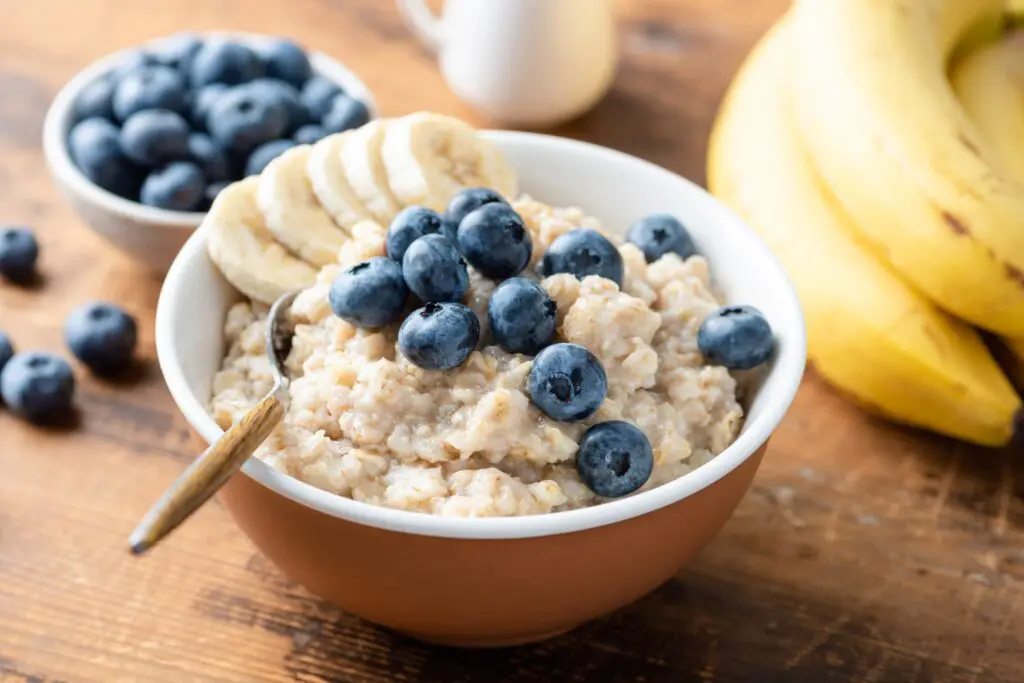
Oatmeal was once considered a strengthening food for the sick and elderly. Doctors recommended it because it was easy to digest and provided steady energy. It was often served in hospitals and convalescent homes as a recovery food. People believed it could stabilize digestion and restore strength after illness. Oats were also used externally in baths to soothe irritated skin and rashes. This gave oatmeal a dual role as both food and treatment.
At home, oatmeal became the default comfort food when someone wasn’t feeling well. It felt gentle, warm, and nourishing without overwhelming the stomach. Parents trusted it to settle digestion and keep energy levels steady. The simplicity of oats reinforced their reputation as “safe” healing food. Even now, oatmeal is associated with heart health and digestive support. Its medical roots quietly shaped its comfort-food status.
8. Bone Broth

Bone broth was once treated as a strengthening tonic rather than just soup base. People believed simmered bones released minerals that rebuilt the body after illness or injury. Doctors often recommended broths for patients who couldn’t tolerate heavy foods. The slow cooking process made nutrients easier to absorb, which reinforced its medicinal image. In many households, broth was considered essential for recovery. It symbolized nourishment, patience, and care.
Families often kept broth simmering during cold seasons or when someone was weak. A mug of broth felt like a warm hug that restored energy gradually. Some believed it could improve joint health and immunity. The ritual of slow cooking added to its sense of purpose. Modern nutrition discussions still highlight collagen and minerals found in broth. Its reputation as healing food has lasted for centuries.
9. Lemons
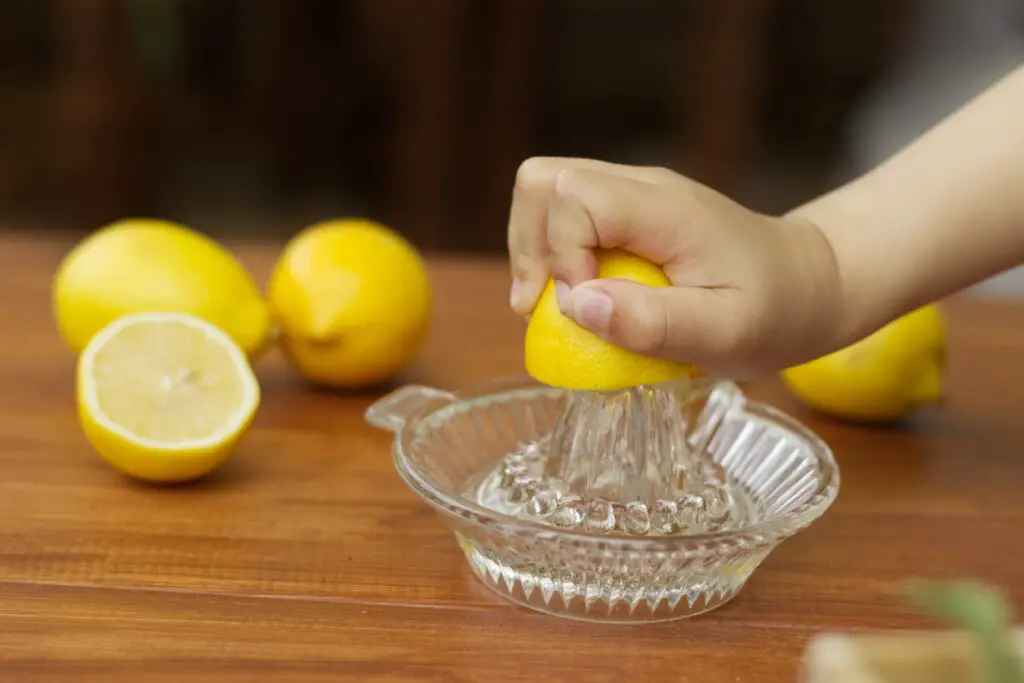
Lemons were once prized as protection against illness, especially scurvy. Sailors relied on citrus to prevent vitamin deficiencies long before vitamins were understood. Lemon juice was also used to soothe sore throats, boost energy, and cleanse the body. The sharp flavor felt invigorating and medicinal. People believed sour foods stimulated digestion and circulation. Lemons became a symbol of freshness and health.
At home, lemon water was often given to someone feeling sluggish or under the weather. Mixed with honey, it became a classic comfort drink for colds. Families trusted its ability to “wake up” the body. The bright smell alone felt cleansing. Even today, lemons remain associated with immunity and detox habits. Their medical past still shapes how people use them.
10. Yogurt
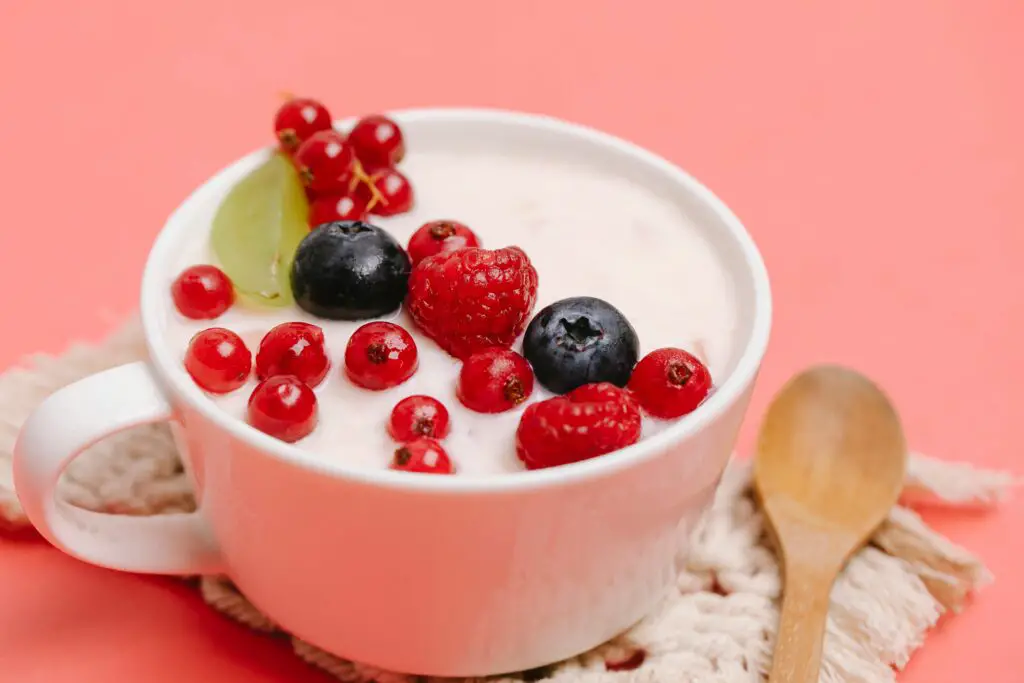
Yogurt earned medical status because of its effect on digestion. Long before probiotics became a buzzword, people noticed yogurt helped calm stomach issues. Doctors sometimes recommended it after illness to restore digestive balance. Fermented foods were believed to strengthen the body from the inside out. Yogurt was also considered gentle enough for weak appetites. Its cooling texture made it soothing during fevers or stomach trouble.
In households, yogurt often appeared when someone couldn’t tolerate heavy meals. Parents trusted it to restore strength slowly. It felt both nourishing and easy to digest. Over time, science confirmed many of the digestive benefits people observed intuitively. Yogurt’s long-standing reputation bridges folk wisdom and modern nutrition. It remains one of the clearest examples of food-as-medicine still accepted today.
11. Turmeric
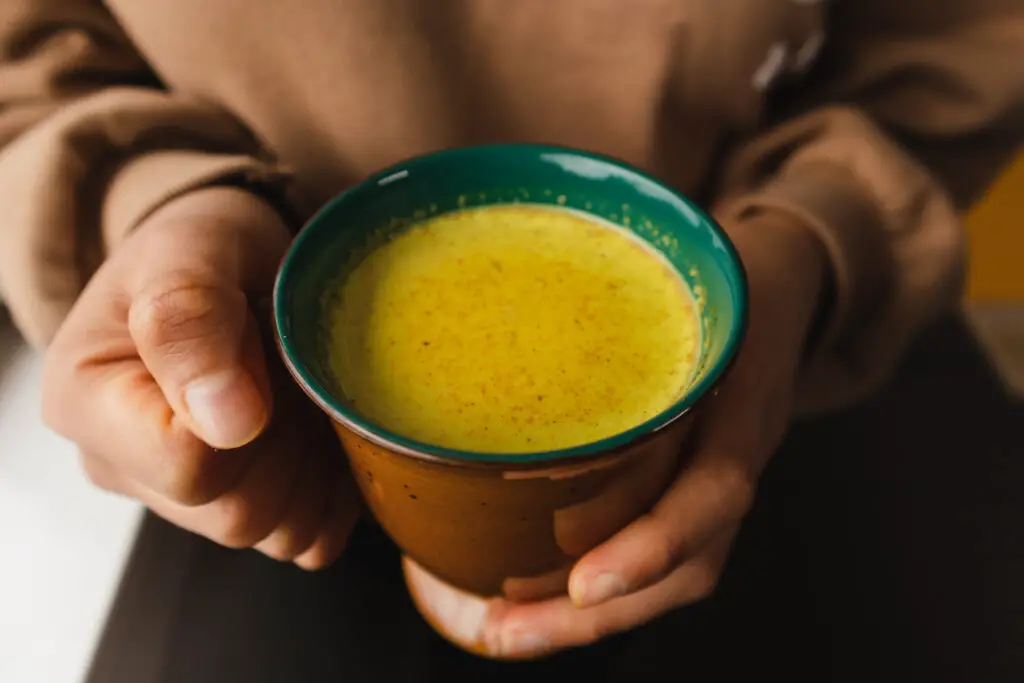
Turmeric was widely used as an anti-inflammatory remedy in traditional medicine. People applied it to wounds, mixed it into drinks, and used it to ease joint pain. Its bright yellow color made it feel potent and purposeful. Long before supplements existed, turmeric was trusted to support healing. It was often blended into warm milk or teas for recovery. Many cultures treated it as a daily preventive medicine rather than an occasional spice.
At home, turmeric drinks were common during colds or fatigue. Families believed it strengthened immunity and reduced swelling. The earthy flavor felt grounding and restorative. Modern research continues to study its active compounds for inflammation support. Turmeric’s medical legacy has carried directly into contemporary wellness culture. Its history shows how ancient food remedies remain influential.
12. Apples

Apples earned their medical reputation through the famous saying about keeping the doctor away. They were believed to support digestion, clean teeth, and improve overall health. In earlier generations, fresh fruit wasn’t always abundant, so apples felt especially valuable. Their fiber and natural sweetness made them satisfying without being heavy. Doctors often recommended apples for mild stomach issues. They became symbols of wholesome, preventive health.
At home, apples were often given to sick children who couldn’t handle richer foods. Baked apples were especially comforting and easy to digest. Parents trusted them to gently restore appetite and energy. The simplicity made them feel safe and reliable. Even today, apples are associated with gut health and heart benefits. Their long-standing medical image remains part of everyday culture.