
1. Creamed Chipped Beef on Toast
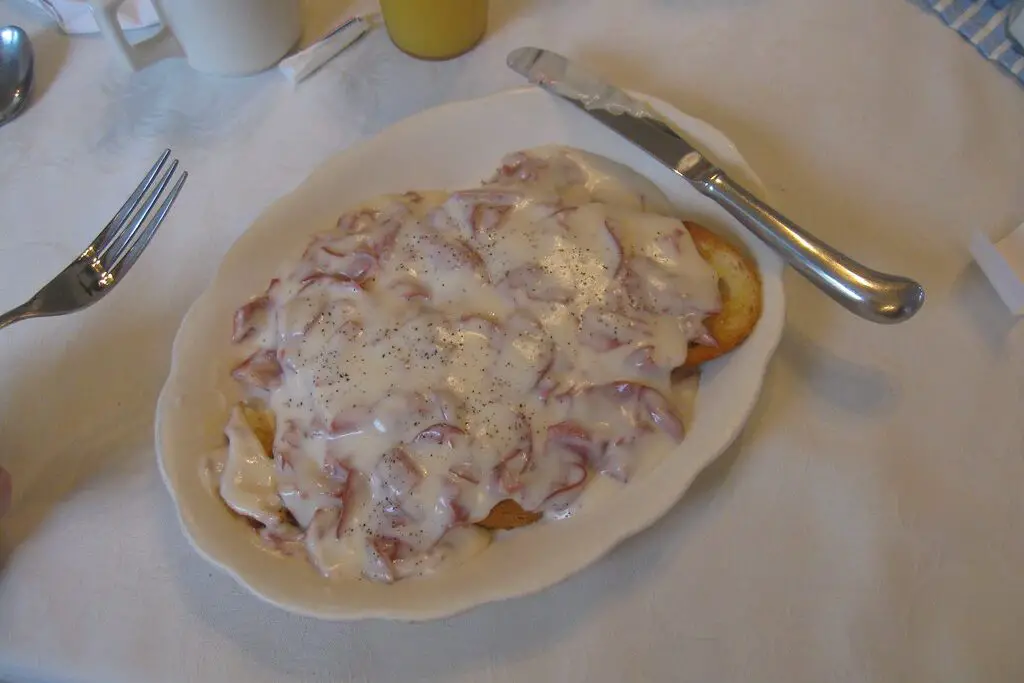
This was often called something much less polite, but the dish itself showed up when budgets were tight. It relied on dried beef, milk, and flour, all inexpensive pantry staples that stretched easily. Families could make a big pot and feed everyone with very little meat involved. Toast acted as the filler, turning a thin sauce into something that felt more substantial.
For many kids, this meal signaled that money was being watched closely. It was filling and warm, even if no one pretended it was exciting. Some households leaned on it weekly during layoffs or long winters. Once times improved, it quietly disappeared from the menu.
2. Potato Soup Made from Peels
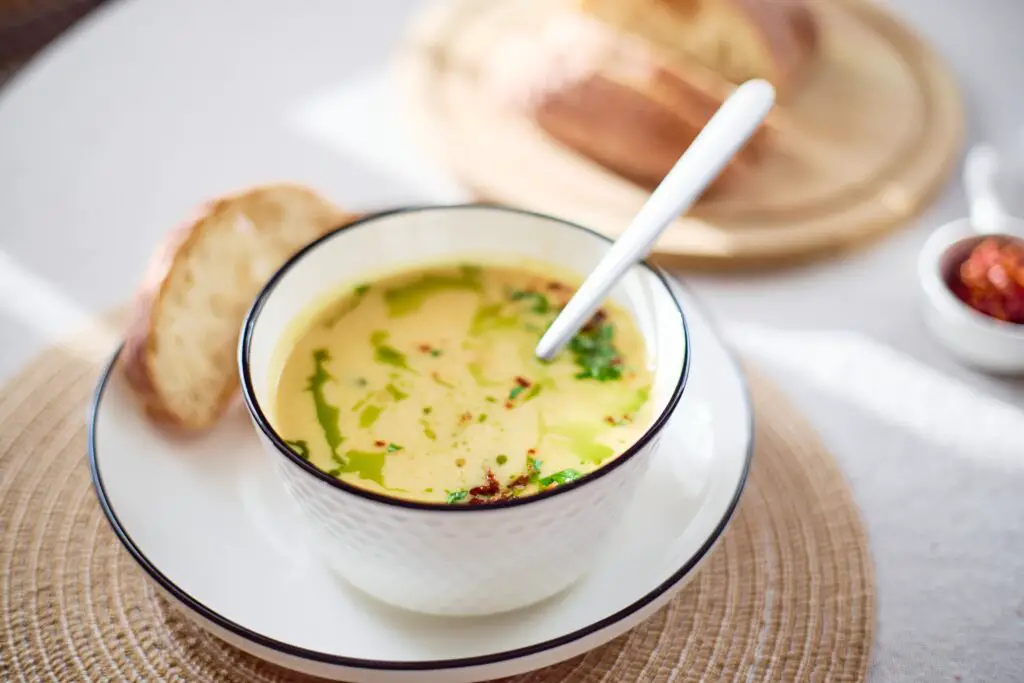
When money was scarce, nothing was wasted, especially potatoes. Peels, ends, and small leftover pieces were boiled down with water, salt, and maybe an onion if one was around. The result was thin but hot, which mattered more than flavor. Bread on the side made it feel like a real dinner.
This soup often showed up near the end of the week when groceries were running low. Parents rarely talked about why it was being served. Kids just knew it meant making do. As soon as full bags of groceries returned, the peel soup stopped appearing.
3. Fried Cornmeal Mush
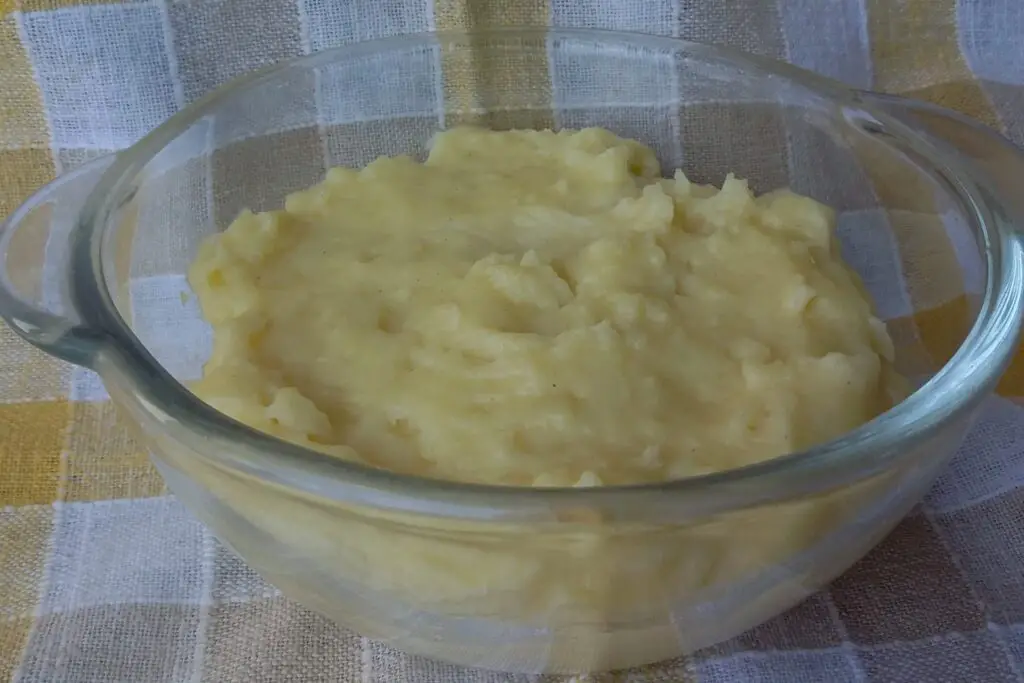
Cornmeal was cheap, shelf stable, and endlessly adaptable. Families cooked it into a thick mush, chilled it, then sliced and fried it to make it feel more substantial. Sometimes it was served with syrup, sometimes with a bit of salt or grease. It could pass for breakfast or dinner depending on the day.
This meal often appeared when flour or meat ran out. It filled stomachs even if it did not impress anyone. Kids remember it as oddly comforting but repetitive. Once finances stabilized, it was replaced by more familiar breads and pancakes.
4. Hot Dog and Potato Skillet

Hot dogs were often cheaper than fresh meat and could be stretched across a whole pan. Sliced thin and mixed with potatoes, they fed a family without much expense. A little onion or ketchup went a long way. Everything cooked in one pan, saving effort and fuel.
This was a classic end of the paycheck meal. It showed up when there was not enough money for a proper roast or chops. Parents framed it as fun, even if everyone knew the reason. When grocery carts got fuller again, this skillet meal faded out.
5. Rice with Gravy
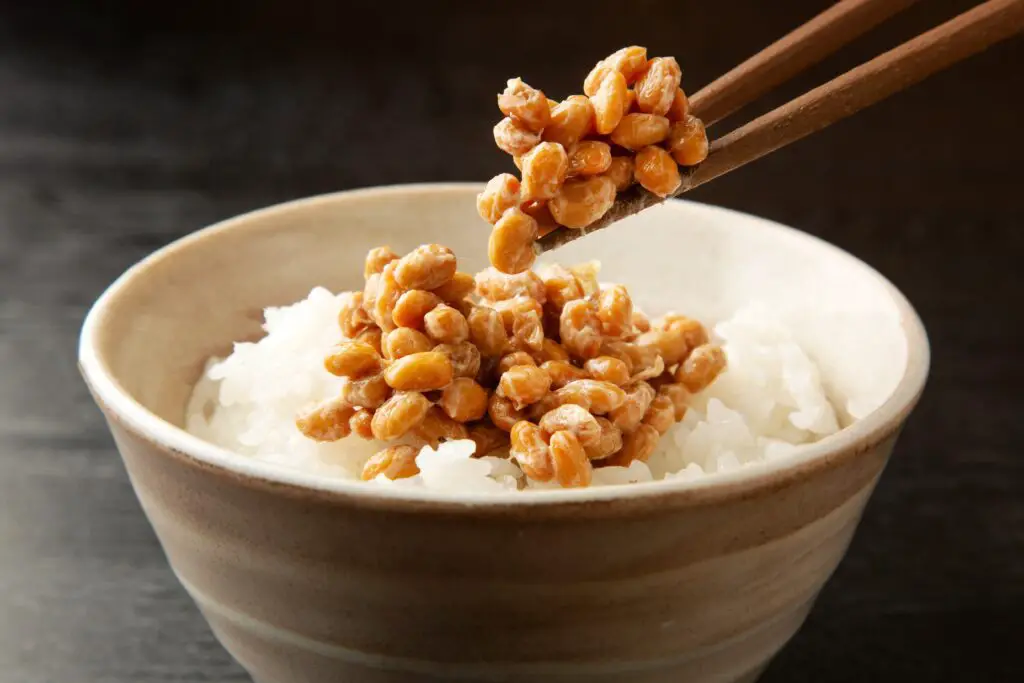
Rice was one of the cheapest ways to make people feel full. Gravy, often made from drippings or broth cubes, gave it flavor and warmth. Sometimes there was meat involved, sometimes there was not. The dish depended entirely on what was left in the kitchen.
This meal appeared during stretches of unemployment or medical bills. It looked plain but did the job. Families treated it as temporary, not tradition. When meat became affordable again, rice went back to being a side dish.
6. Cabbage and Noodles
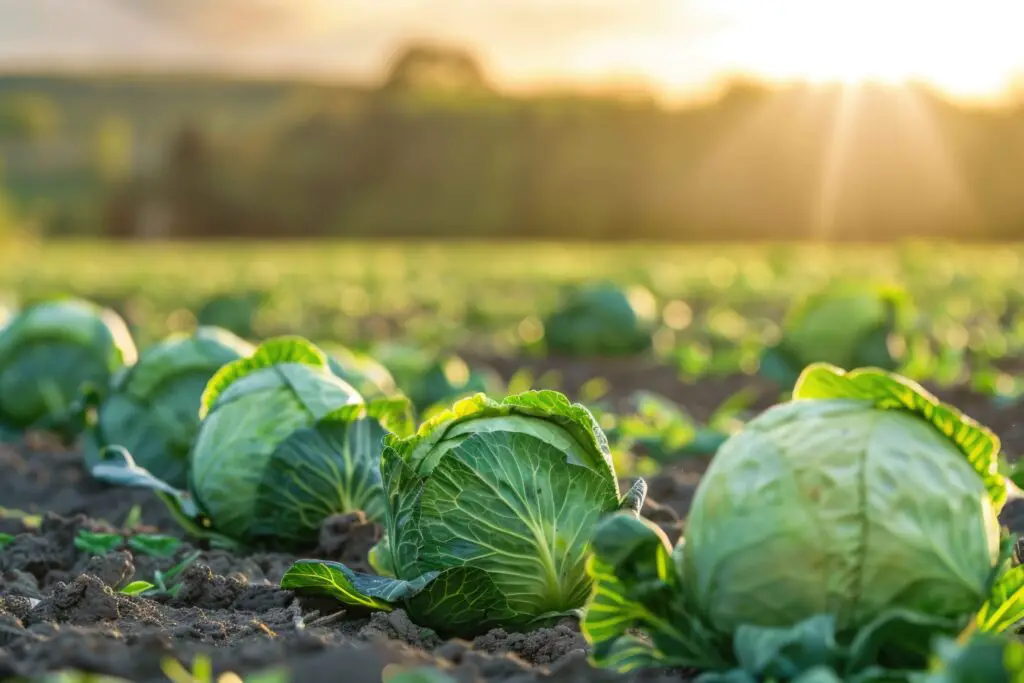
Cabbage was inexpensive, filling, and lasted a long time in the fridge. Paired with noodles and a little butter or oil, it could feed several people. The smell lingered, which made the meal hard to forget. It was hearty without being fancy.
This dish often showed up in immigrant households and working class homes alike. It stretched a dollar further than expected. Kids learned quickly that cabbage meant careful spending. When times improved, it was remembered more than repeated.
7. Beans and Biscuits

Dried beans were a survival staple for many families. Cooked slowly and served with simple biscuits, they made a full meal without much cost. Seasoning depended on what was available, sometimes just salt. The biscuits helped soak up every last bite.
This was a meal that signaled patience and necessity. It took time to cook but almost no money. Families leaned on it during prolonged financial stress. Once fresh meat and vegetables returned, beans were pushed to the background.
8. Bread and Milk Supper
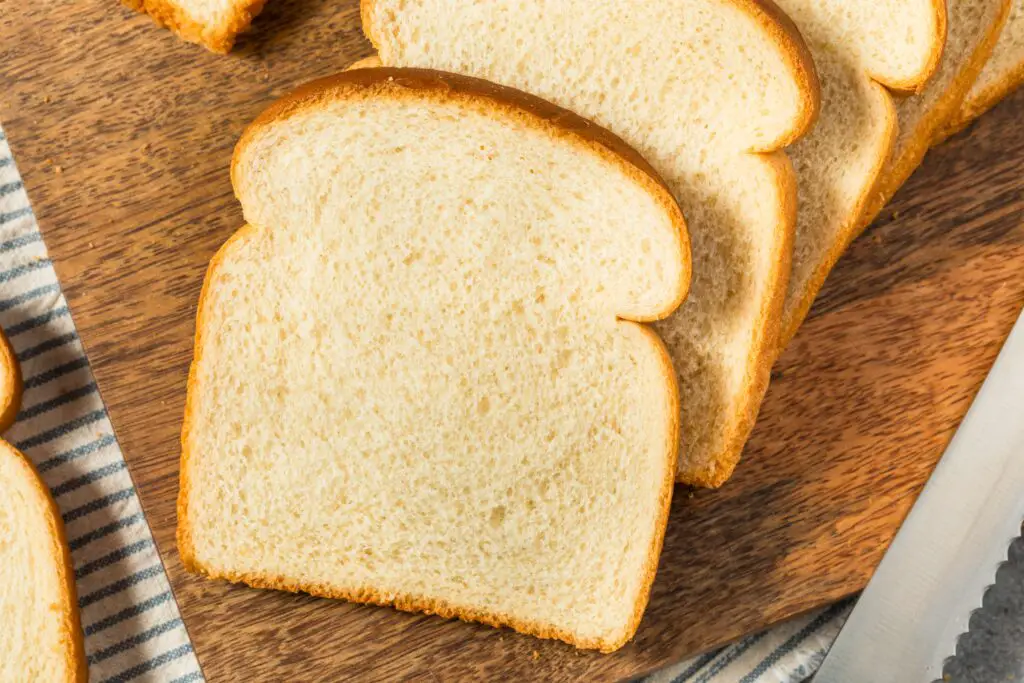
When cupboards were bare, bread and milk became dinner. Sometimes sugar or cinnamon was added to make it more appealing. It required no cooking and no explanation. Everyone understood it was temporary.
This meal often appeared late in the month or after unexpected expenses. Parents tried to make it feel comforting rather than alarming. Kids sensed the tension anyway. As soon as groceries were restocked, bread and milk went back to being breakfast.
9. Scrambled Eggs with Nothing Else
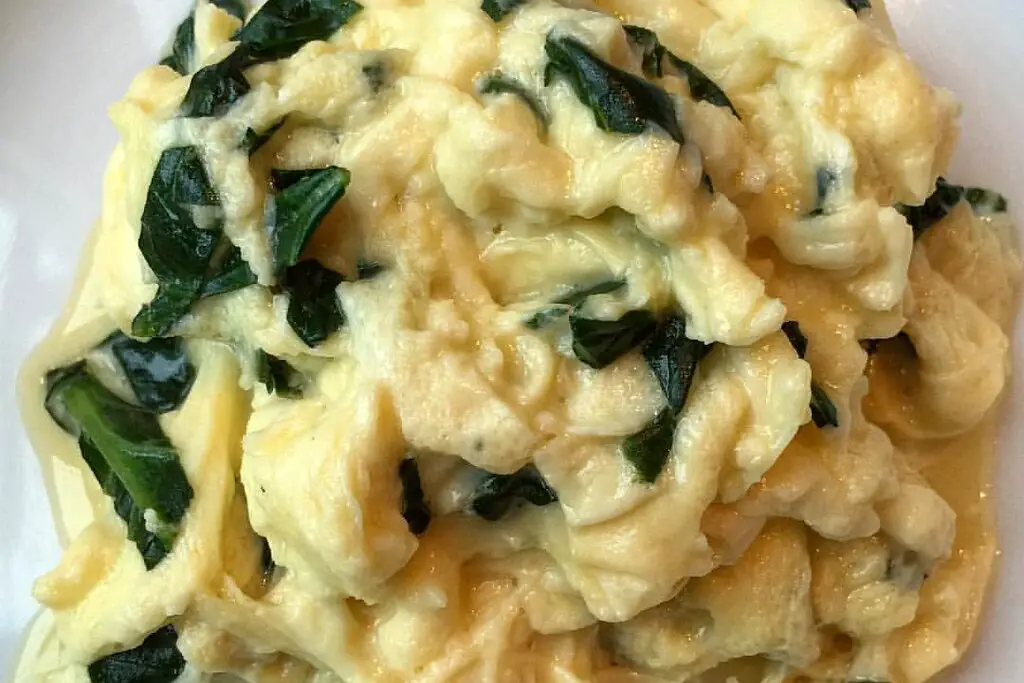
Eggs were often cheaper than meat and could be stretched easily. A few eggs scrambled and split among many plates became dinner. There were no sides, no extras. It was simple and quiet.
This meal showed up when money was tight but not gone. It felt like a pause rather than a crisis. Families ate quickly and moved on. When budgets loosened, eggs returned to the morning table.
10. Potato Pancakes from Leftovers
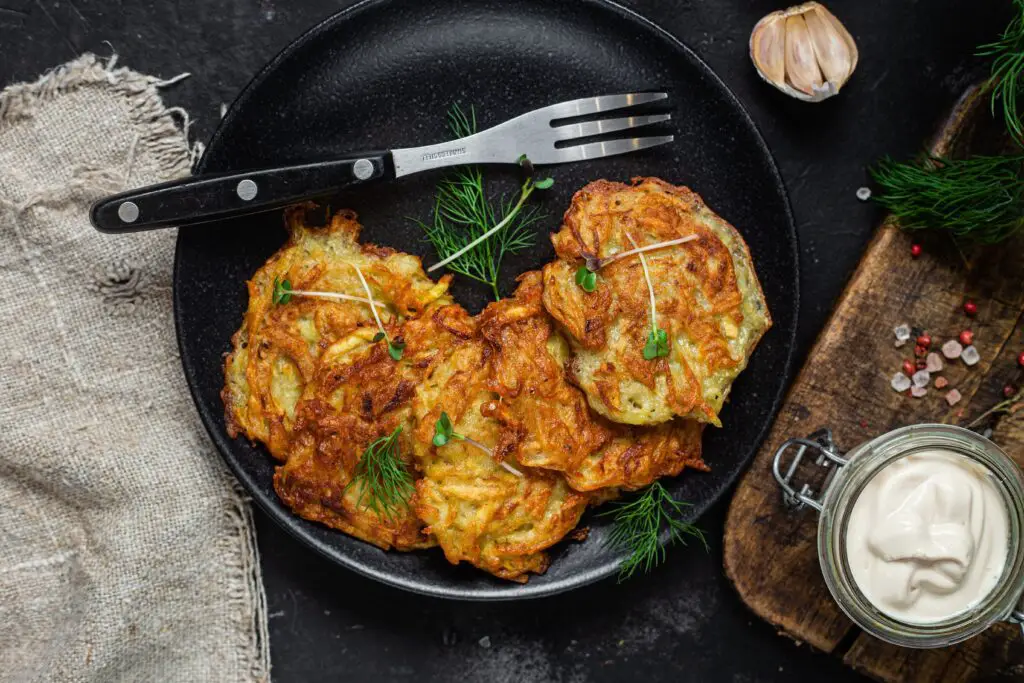
Leftover mashed potatoes were too valuable to waste. Mixed with flour and fried, they became filling pancakes. They could be savory or slightly sweet depending on what was on hand. Oil did most of the work.
This dish often followed a week of stretching one bag of potatoes. It was clever and practical. Kids enjoyed them without fully understanding the reason. Once leftovers were no longer precious, the pancakes stopped appearing.
11. Boiled Pasta with Butter
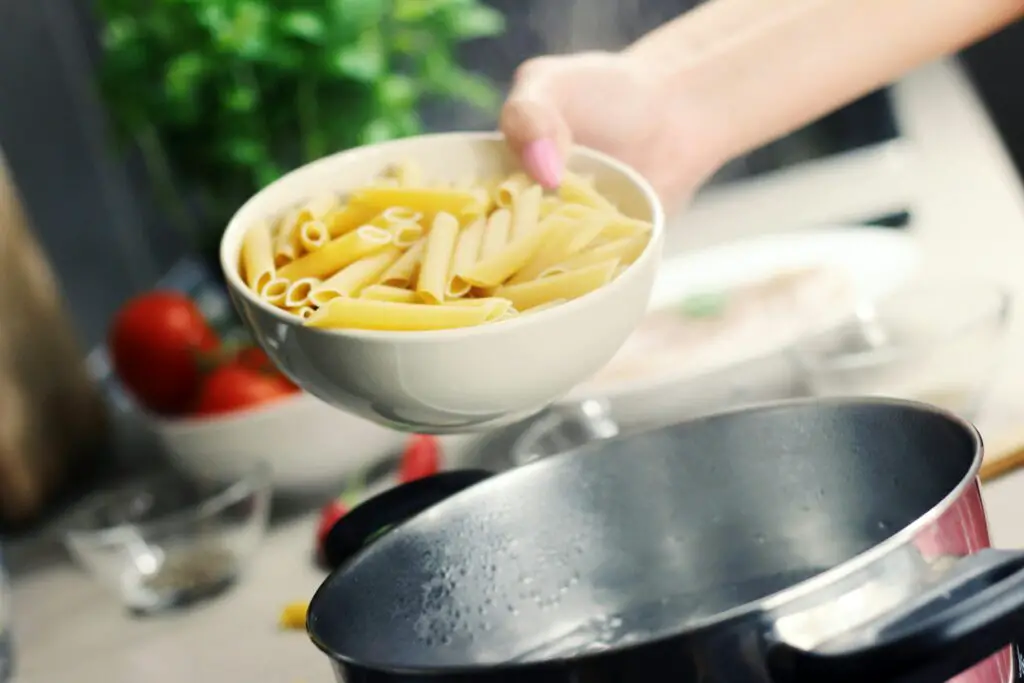
Sometimes dinner was just pasta and fat. Butter or margarine coated the noodles and made them edible. There was no sauce, no protein, and no garnish. It was better than going hungry.
This meal was common during sudden financial hits. Families leaned on it when plans fell apart. It was filling but forgettable. When money returned, sauce and meat came back with it.
12. Tomato Sandwiches
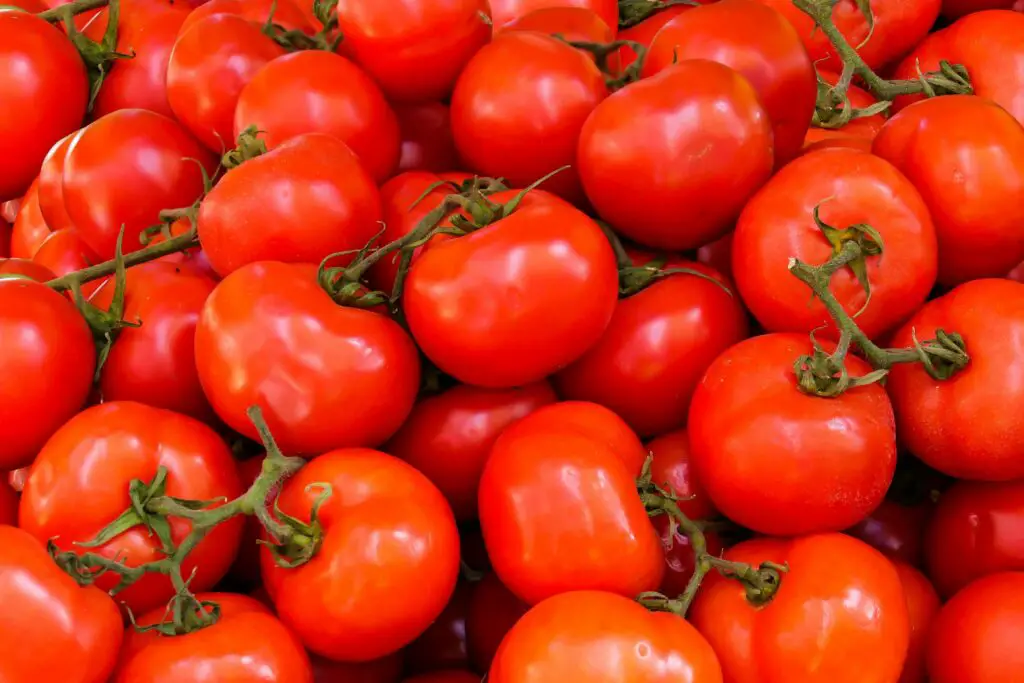
In warmer months, tomatoes replaced more expensive fillings. Sliced thick and placed between bread, they became a meal. A little salt made them feel intentional. It was cheap and surprisingly satisfying.
This meal often showed up during summer hardships. Gardens or neighbors helped make it possible. Kids remembered the juice dripping down their arms. When times improved, tomatoes went back to being a side.
13. Soup Made from Everything Left
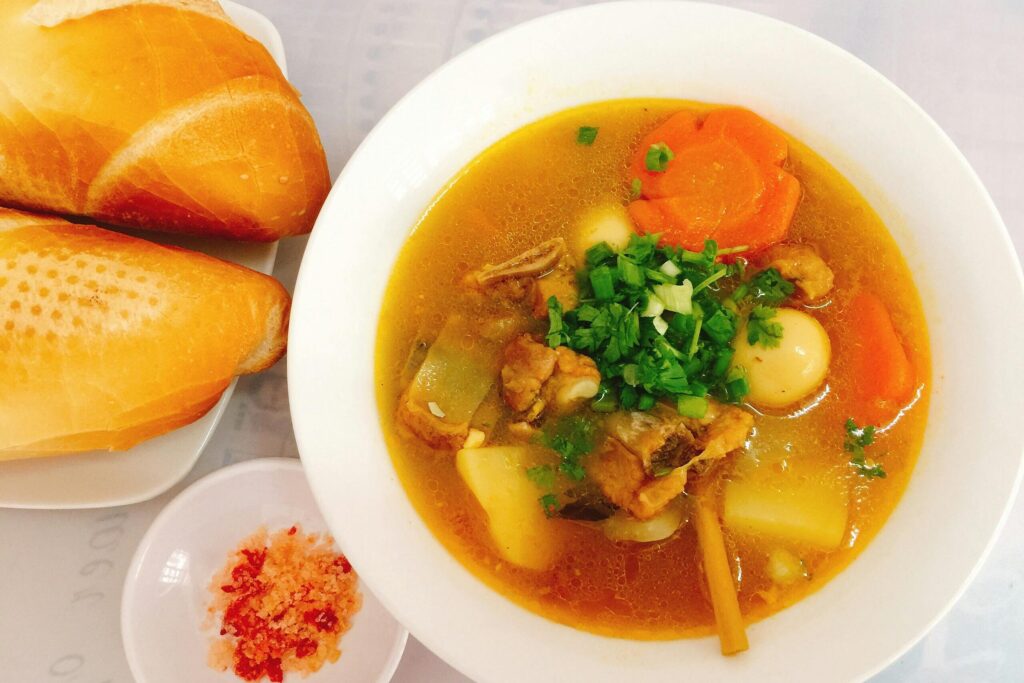
This was not a recipe so much as a strategy. Leftover vegetables, bones, and scraps went into one pot. Water and time did the rest. No two versions were ever the same.
This soup appeared when nothing else could be made. It represented resourcefulness more than flavor. Families treated it as a bridge to better days. Once cupboards were full again, the pot was retired.
14. Toast for Dinner

Sometimes there was nothing to stretch or combine. Toast alone became the meal. Butter was optional and sometimes skipped. It was hot, simple, and quiet.
This was the clearest sign that money was tight. No one complained out loud. Families trusted it would not last forever. When it did end, toast returned to its rightful place at breakfast.
15. Pancakes Made with Water Instead of Milk

When milk ran out or became too expensive, families still found a way to make pancakes happen. Water replaced dairy, and the batter came out thinner and less rich, but it still filled plates. Sometimes powdered mix was stretched with extra water just to make it last another meal. Syrup or a little sugar helped mask the difference.
This version of pancakes usually showed up near the end of the grocery cycle. Kids noticed the texture change even if no one explained why. It felt like a small compromise rather than a full sacrifice. Once milk returned to the fridge, the water pancakes quietly disappeared.
16. Grilled Cheese Without the Cheese

Bread and heat could still create something that felt like dinner, even when cheese was gone. Some families brushed the bread with a little butter or margarine and toasted it in a pan. The crunch and warmth helped trick the brain into thinking it was more than plain toast. Occasionally a thin scrape of whatever spread was left went inside.
This meal appeared when refrigerators looked especially empty. Parents framed it as “crispy sandwiches” to soften the reality. Kids learned quickly not to ask for seconds. As soon as groceries were restocked, real grilled cheese returned.
17. Oatmeal for Supper
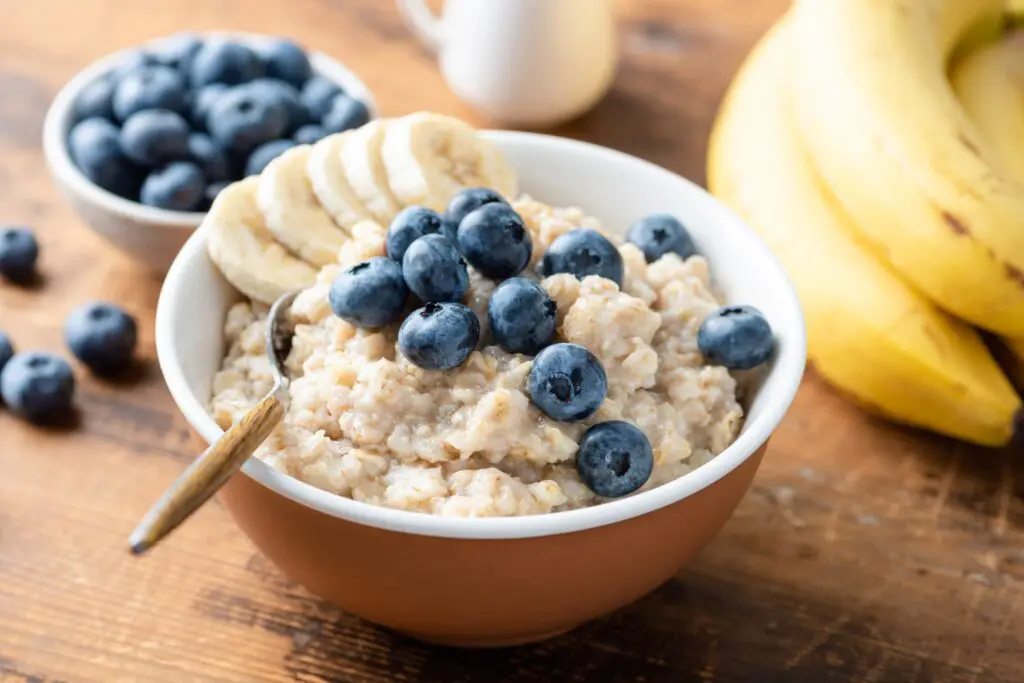
Oatmeal was cheap, filling, and easy to make in bulk. When breakfast foods became dinner foods, it was usually a sign of tight times. A little sugar, cinnamon, or canned fruit made it feel more intentional. It warmed everyone up on cold nights.
This meal showed up during weeks when meat was not an option. Families leaned on it because it kept bellies full until morning. Kids sometimes liked the novelty at first. Once finances stabilized, oatmeal went back to mornings only.
18. Rice with Canned Vegetables
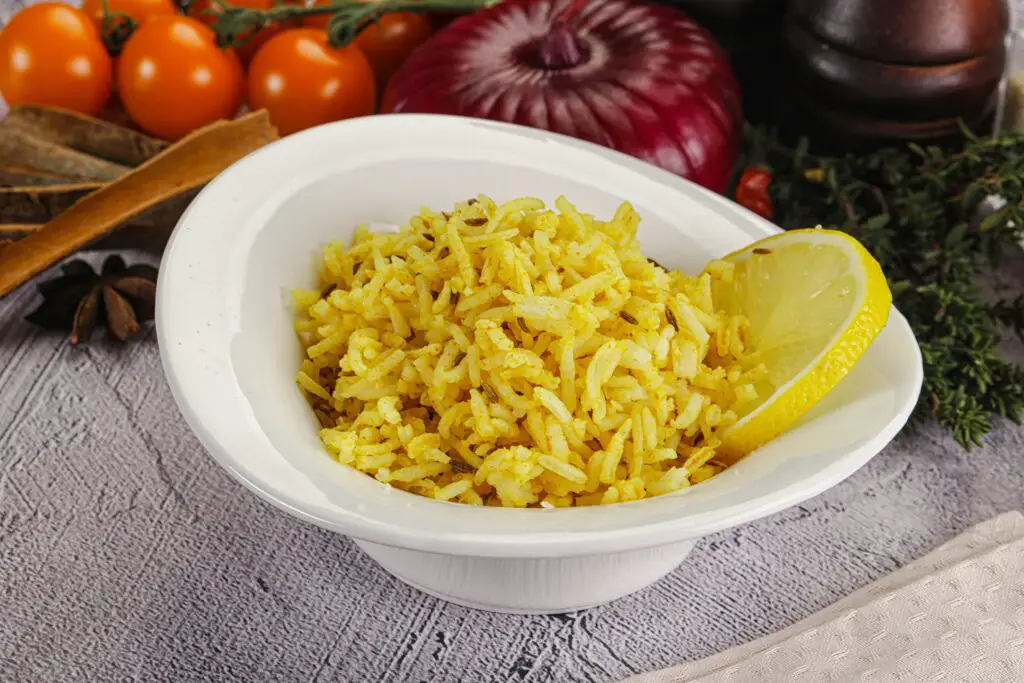
Rice could carry almost anything, including whatever canned vegetables were left in the pantry. Peas, corn, green beans, or mixed vegetables were stirred in for color and bulk. Salt and a little fat made it edible and familiar. It was filling without costing much.
This dish often appeared when fresh produce was not affordable. It felt practical rather than exciting. Families appreciated how far a small amount could stretch. When fresh groceries returned, this meal stopped being necessary.
19. Leftover Bread Turned into Savory Bread Pudding
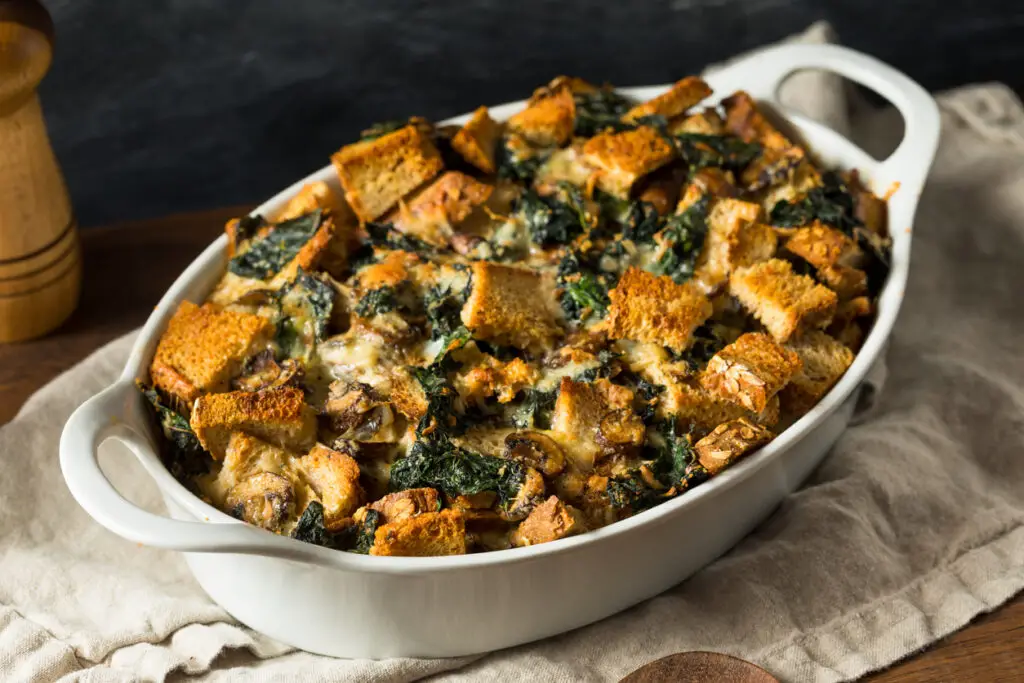
Stale bread was never thrown away during hard times. Cubes of it were mixed with water or broth and baked into a savory pudding. If an egg or bit of fat was available, it went in too. The texture was soft and surprisingly filling.
This dish required creativity and patience. It usually showed up near the end of the week when everything else had been used. Kids remembered the unusual texture more than the flavor. Once bread was plentiful again, this improvised meal faded out.