
1. Front Doors Should Never Face Directly Into a Staircase
For generations, people believed that a front door aligned straight with a staircase invited bad luck to rush right into the home. The idea was that good fortune could not settle if it immediately had a clear escape route upward. Homeowners were told wealth and happiness would simply flow out as fast as they came in. This belief made people uneasy about walking into a house and seeing stairs immediately ahead.
As a result, builders began offsetting staircases or adding small entry halls. These foyer spaces acted as buffers between the outside world and the rest of the house. Even today, many homes feature angled staircases or partial walls near the entry. What looks like a design choice is often rooted in an old superstition about luck slipping away.
2. Doors Must Never Open Directly Onto a Bed
There was a long standing belief that a door facing a bed invited illness, nightmares, or even death. People felt that sleep left the body vulnerable and that a straight path from door to bed was dangerous. This fear was especially strong in times when illness was poorly understood. Families rearranged rooms obsessively to avoid this setup.
Over time, bedroom layouts changed to keep doors off to the side rather than directly aligned with beds. Architects began placing doors closer to corners or behind partial walls. This allowed for privacy while easing lingering superstitions. Even modern bedroom designs often reflect this cautious approach.
3. Back Doors Were Seen as Escape Routes for Spirits
Many cultures believed spirits entered through the front door but left through the back. If a back door lined up perfectly with the front, it was thought spirits could pass straight through the house. This frightened homeowners who feared unwanted visitors lingering indoors. A straight line through the house felt unsettling.
To counter this, builders avoided placing doors directly opposite each other. Hallways were shifted, doors staggered, or walls added to break the path. Older homes often show subtle misalignments for this reason. What seems slightly off balance was once considered spiritual protection.
4. Doors Should Never Open Inward Toward Bad Luck
Some believed that opening a door inward allowed bad energy to enter and linger. An outward opening door was thought to push negativity away from the home. This belief was common in areas prone to illness or hardship. People wanted control over what crossed their threshold.
In response, certain regions favored outward opening doors, especially for exterior entrances. This influenced porch layouts and entry clearances. While safety codes later shaped door swing rules, the superstition helped start the trend. The direction a door opens once carried emotional weight.
5. Red Doors Were Thought to Ward Off Evil
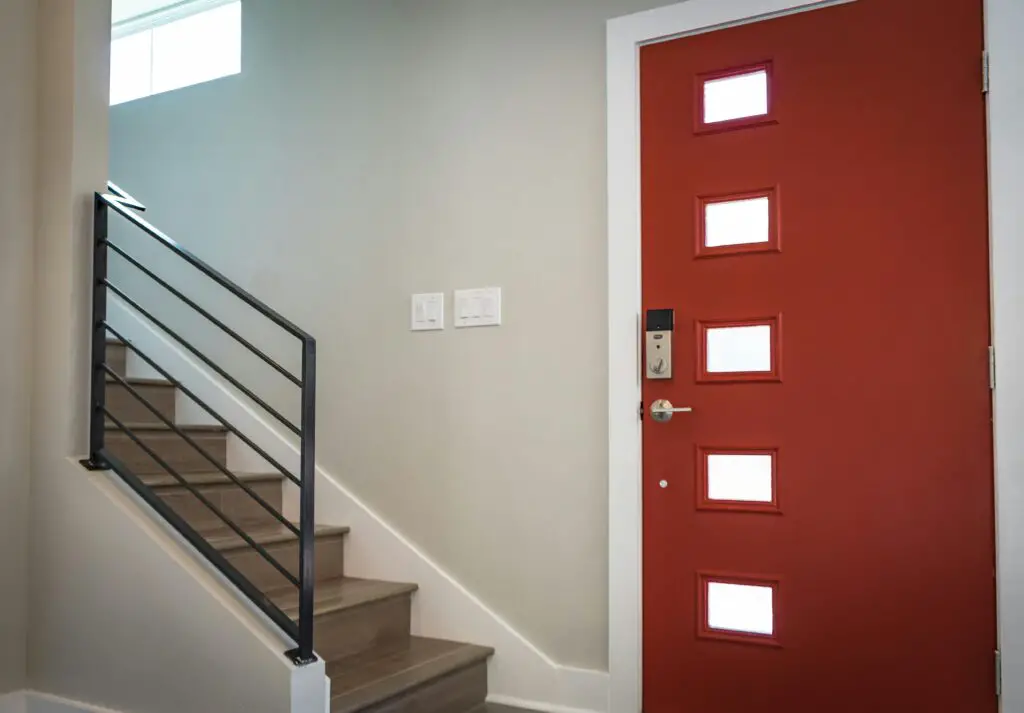
Painting a door red was believed to protect the household from evil spirits and misfortune. The color was associated with strength, blood, and protection. During epidemics or hard times, a red door signaled safety and divine favor. Neighbors often noticed and copied the practice.
This belief influenced door prominence in home design. Doors became focal points rather than blending into the facade. Builders framed doors more boldly to highlight their color. The tradition lingers today, even when people choose red simply because it feels welcoming.
6. Multiple Doors in One Room Were Considered Dangerous
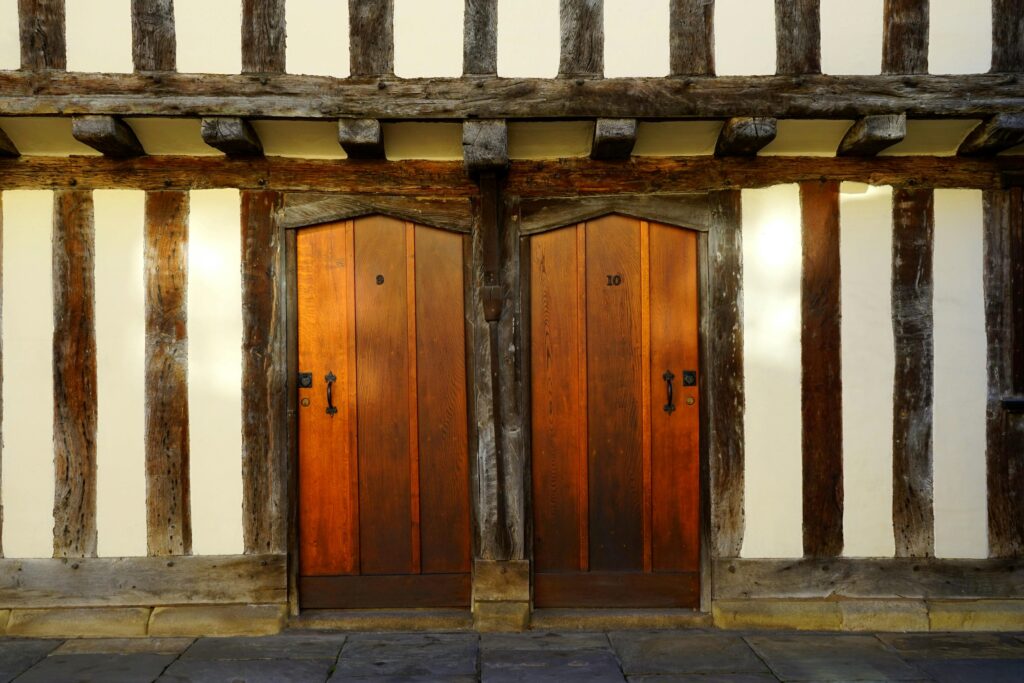
Rooms with more than one door were thought to confuse spirits and disrupt energy. People feared restless movement and unsettled sleep in such spaces. Too many exits suggested instability rather than comfort. Families avoided rooms that felt too open.
This led to simpler room layouts with single entry points. Builders reduced extra doors and favored hallways instead. Bedrooms and living rooms became more enclosed by design. What feels cozy now once served a protective purpose.
7. Doors Should Not Slam Shut on Their Own
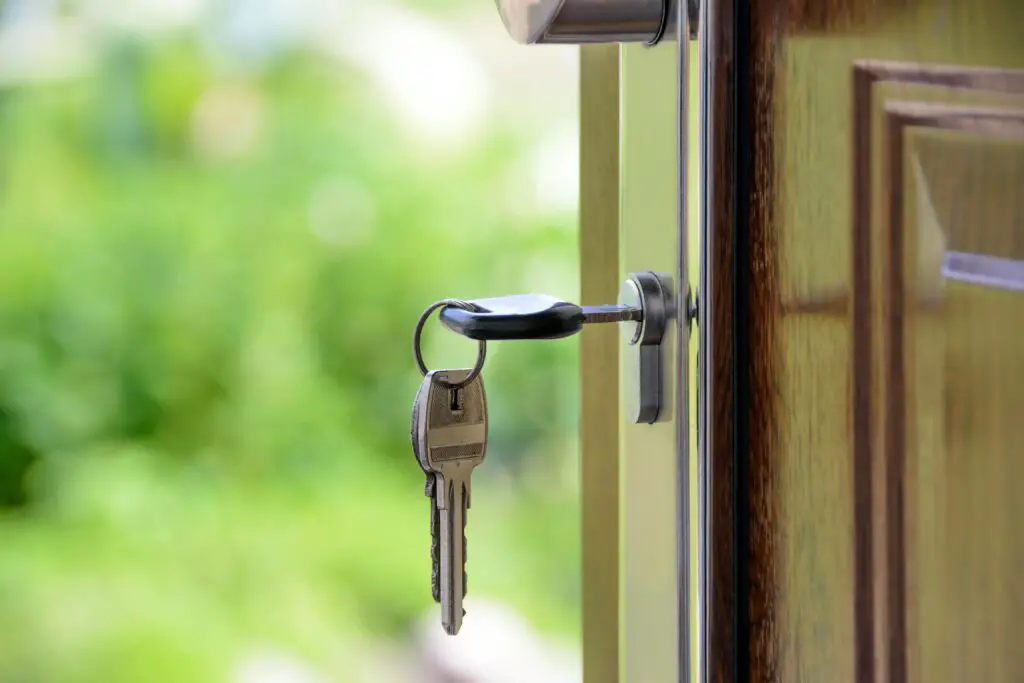
A door closing by itself was seen as a bad omen or a sign of spirits passing through. Drafts were not always understood, making the experience unsettling. Families worried something unseen was present. A constantly moving door caused real anxiety.
To prevent this, builders improved door frames and hinges. Thresholds were adjusted to reduce airflow issues. Heavy doors and tighter seals became more common. Practical fixes grew from supernatural fear.
8. Thresholds Were Treated as Sacred Boundaries
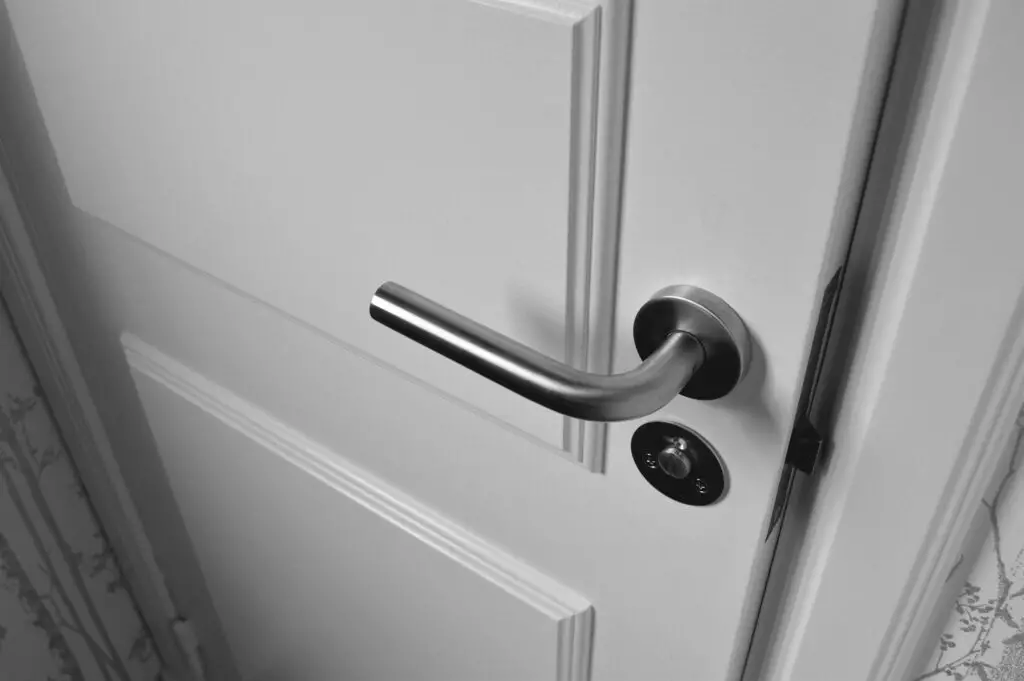
Stepping directly on a threshold was believed to invite misfortune. The threshold marked the boundary between safety and danger. People were taught to step over it carefully and respectfully. Some even buried protective charms beneath them.
This belief made thresholds more pronounced in older homes. Raised sills and distinct materials separated interior from exterior. Builders emphasized this transition point intentionally. Even today, many homes feature noticeable thresholds without knowing why.
9. Doors Should Never Be Left Unfinished
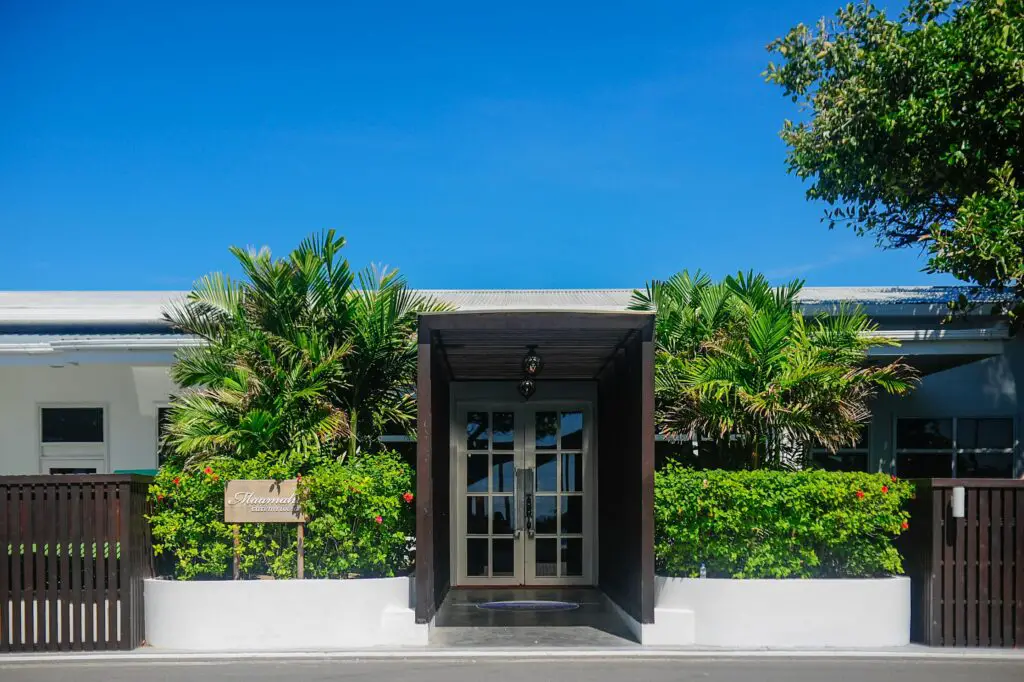
An unfinished door was thought to invite chaos or bad luck. It symbolized something incomplete in the household. People believed it could attract negative events or stalled progress. A door was not just functional, it was symbolic.
As a result, doors became some of the first elements fully completed in a home. Builders prioritized proper finishing, paint, and hardware. Decorative panels and carvings became popular. A finished door meant a protected household.
10. Glass in Doors Was Once Considered Risky
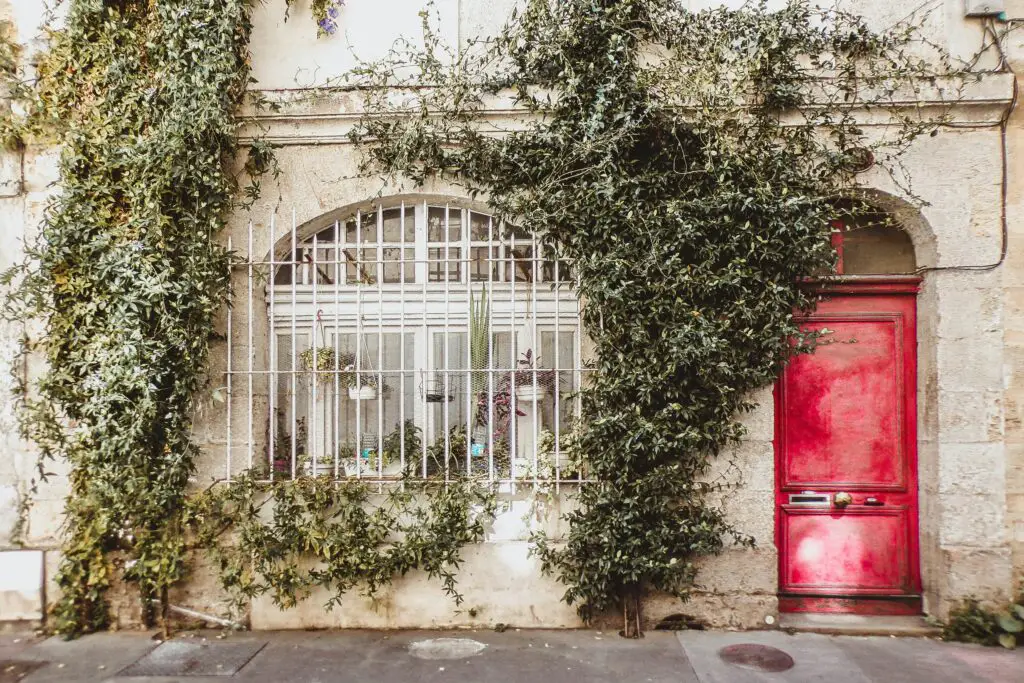
Glass was believed to make it easier for spirits to see inside. Transparent doors felt like invitations rather than barriers. Families feared being watched or targeted. Privacy felt essential to safety.
Early homes limited glass or placed it high in doors. Frosted panels and small windows became common compromises. Builders balanced light with superstition. The cautious use of glass shaped door design for decades.
11. Doors Should Not Align with Windows
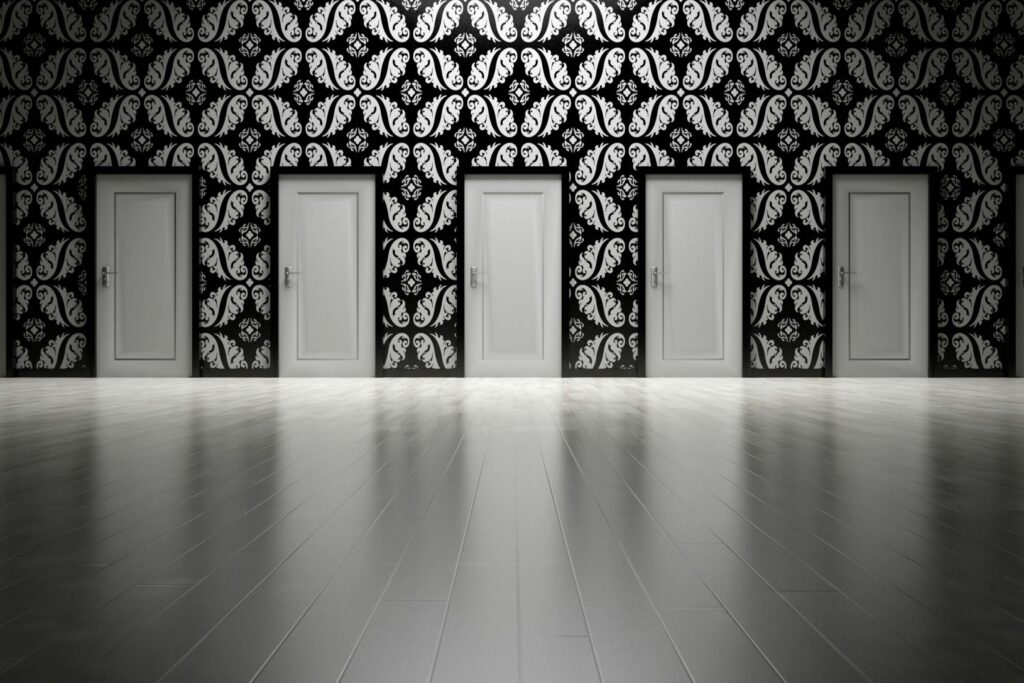
A door lined up with a window was believed to let good energy escape. Air, luck, and protection were thought to flow straight out. This alignment made people uneasy about their home’s balance. It felt like an open channel rather than shelter.
To fix this, builders staggered openings or added interior walls. Furniture placement also helped block the line of sight. Floor plans grew more complex as a result. The belief quietly influenced room orientation.
12. Doors Facing North Were Feared
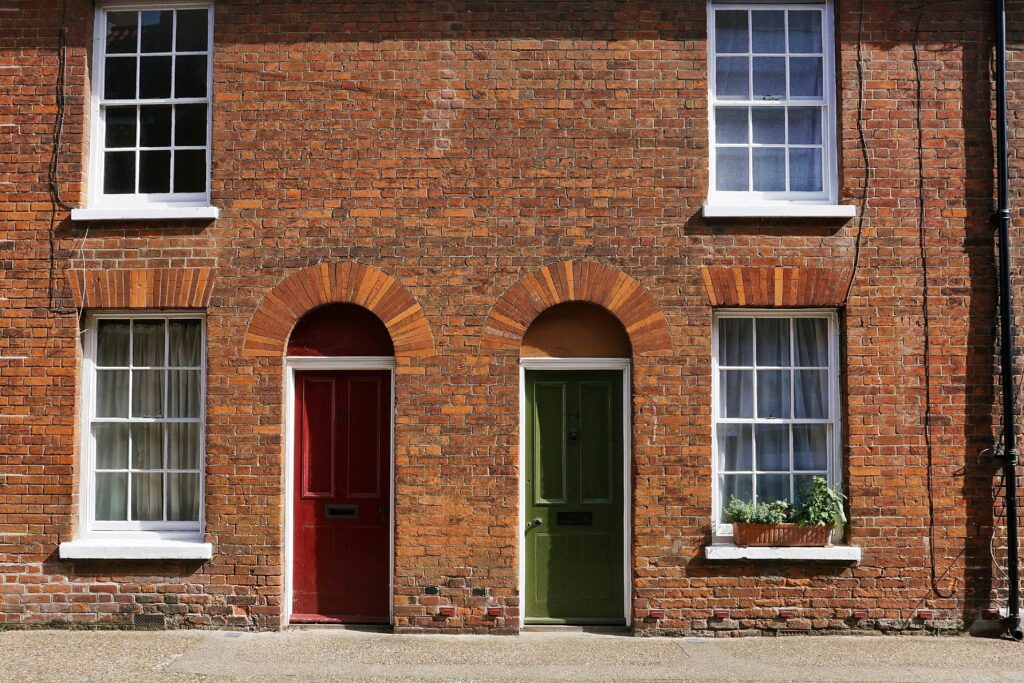
In some traditions, north facing doors were associated with cold, darkness, or death. Homes facing that direction were considered unlucky. Families worried about illness and hardship. Orientation mattered deeply.
This superstition influenced how houses were positioned on lots. Builders adjusted entrances to face east or south when possible. Even street layouts were affected in certain areas. Direction became part of design strategy.
13. A Door Should Always Be Used Regularly
A door that stayed closed too long was thought to invite stagnation. People believed unused doors attracted bad energy or spirits. Every door needed purpose and movement. A sealed off door felt ominous.
This led builders to avoid unnecessary exterior doors. Floor plans became more efficient and intentional. Each door served a clear function. What looks like thoughtful design once came from superstition.