
1. You Had to Say Please and Thank You

From a young age, manners were treated as nonnegotiable, even when adults did not explain why they mattered so much. Saying please and thank you was drilled into everyday interactions, from asking for snacks to borrowing a pencil. It often felt repetitive, especially when adults corrected you mid sentence. At the time, it just seemed like another rule designed to slow you down.
Later in life, those automatic phrases quietly became social currency. They smoothed workplace interactions, customer service exchanges, and awkward conversations with strangers. Politeness signaled respect and emotional awareness without requiring explanation. What once felt forced became second nature. Those simple words often opened doors long before qualifications did.
2. You Were Expected to Finish What You Started

Quitting halfway through a chore or activity was usually not an option. If you signed up for something, you were expected to see it through, even when enthusiasm faded. This applied to sports teams, school projects, and even board games at the kitchen table. Adults framed it as responsibility, even when boredom set in.
That rule quietly introduced follow through and accountability. In adulthood, this shows up as meeting deadlines, completing long term goals, and sticking with commitments when motivation dips. You learned that effort does not disappear just because excitement does. Finishing things became a habit rather than a struggle. That mindset carries over into careers, relationships, and personal growth.
3. You Had to Wait Your Turn
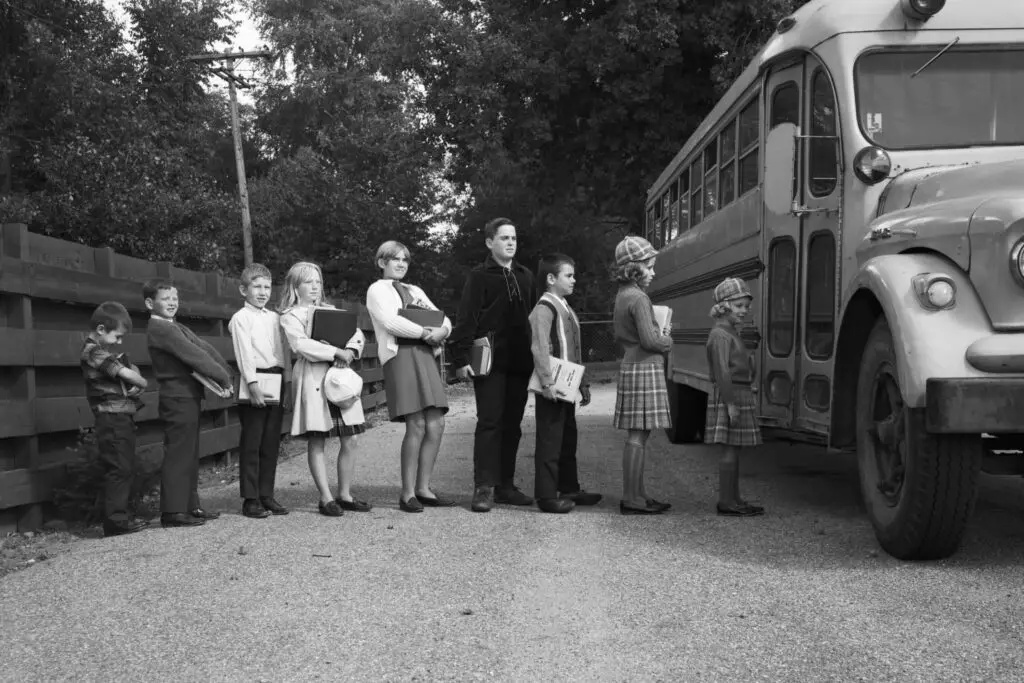
Waiting was built into childhood in ways that felt endless at the time. Waiting in line, waiting to speak, waiting for dessert, or waiting for your turn with a shared toy all required patience. Adults rarely negotiated these moments. They simply expected kids to manage their feelings quietly.
That early practice translated directly into adult self control. It prepared you for meetings, queues, conversations, and delayed gratification. Learning to wait without exploding became a foundational life skill. It also taught respect for shared spaces and other people’s time. Few adult lessons are more universally useful.
4. You Were Told to Clean Up Your Own Messes

Spills, toys, and scattered clothes were not magically handled by someone else forever. Even when adults helped, kids were usually expected to participate. Cleaning up was framed as part of play, not a punishment. The rule reinforced ownership of actions, even accidental ones.
As an adult, that lesson shows up as accountability. You fix mistakes, handle consequences, and clean up metaphorical messes at work or in relationships. It builds problem solving instead of avoidance. The habit of taking responsibility becomes internal rather than enforced. That mindset makes independence possible.
5. You Had to Follow Rules You Did Not Agree With

Many childhood rules made little sense in the moment. Bedtimes felt unfair, screen limits felt arbitrary, and dress codes felt restrictive. Adults often enforced them without lengthy explanations. Obedience was expected, even when logic was not obvious.
That experience quietly prepared kids for real world systems. Jobs, laws, and social norms often operate the same way. You learned how to function within structures while still forming personal opinions. Navigating authority without constant rebellion is an adult survival skill. Childhood rules were an early rehearsal.
6. You Were Expected to Share

Sharing was not optional, even when it involved your favorite toy. Adults stepped in quickly when someone refused to cooperate. The lesson was framed around fairness and kindness. It often felt like a loss in the moment.
Over time, sharing translated into collaboration. Adults share credit, resources, workloads, and space. The ability to cooperate makes teamwork possible. Learning to give without keeping score became essential. That early discomfort paid off in social adaptability.
7. You Had to Apologize When You Were Wrong

Saying sorry was not just encouraged, it was required. Adults insisted on apologies even when emotions were still raw. The focus was on acknowledging harm rather than winning an argument. It often felt awkward and forced.
That habit became emotional maturity later on. Apologizing without excuses is a critical adult skill. It helps repair relationships and maintain trust. Learning to own mistakes early removed fear from accountability. It made growth possible instead of defensive.
8. You Were Expected to Listen Before Speaking

Interrupting adults or peers was quickly corrected. Kids were reminded to listen fully before responding. This rule was enforced in classrooms, at dinner tables, and during family discussions. It required restraint and attention.
That practice became active listening in adulthood. It improved communication, empathy, and conflict resolution. Listening first often prevents misunderstandings. What once felt like silence became a strength. Few skills age as well as this one.
9. You Had to Do Things Even When You Did Not Feel Like It

Homework, chores, and family obligations did not disappear because of bad moods. Adults acknowledged feelings but still expected action. Motivation was not treated as a prerequisite. Effort came first.
This rule prepared kids for adult discipline. Work rarely waits for perfect emotional conditions. Learning to act anyway built consistency. That skill supports careers, health routines, and long term goals. Feelings no longer dictate follow through.
10. You Were Taught to Be On Time

Tardiness was treated as disrespect, even when the reason seemed small. Adults emphasized punctuality for school, events, and obligations. Being late had consequences. Time management became an early expectation.
In adulthood, this translates into reliability. Being on time signals respect and professionalism. It builds trust quickly. Childhood reminders turned into internal standards. That awareness benefits nearly every aspect of adult life.
11. You Had to Earn Privileges

Allowances, screen time, and outings were often tied to behavior or responsibilities. Privileges were framed as rewards, not guarantees. Kids learned that access came with expectations. Effort mattered.
This rule quietly introduced cause and effect. In adulthood, effort links directly to outcomes. Promotions, opportunities, and trust follow demonstrated responsibility. The connection between work and reward became clear early. That understanding prevents entitlement later on.
12. You Were Expected to Respect Shared Spaces
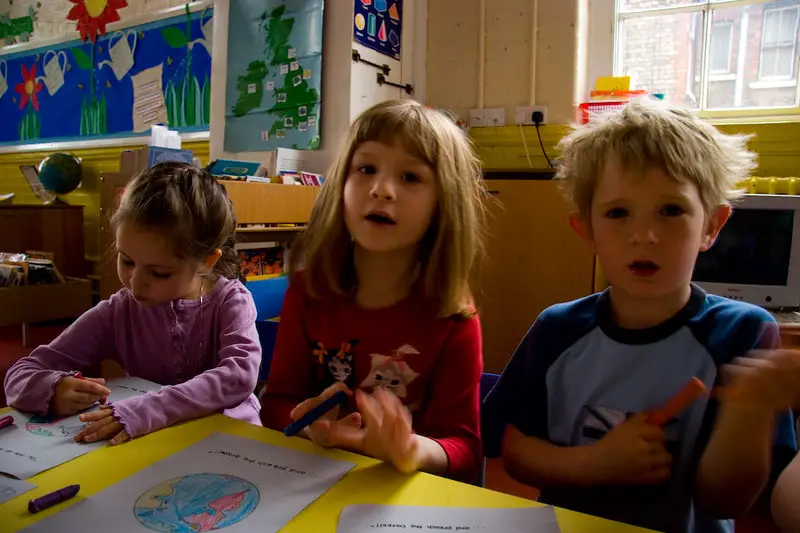
Homes, classrooms, and public places came with behavior rules. Kids were reminded to keep voices down and treat spaces carefully. Respect extended beyond personal property. It applied to environments and people.
That awareness carries into adulthood through community responsibility. Shared offices, public transportation, and neighborhoods function the same way. Respect for space supports cooperation. Childhood reminders laid the groundwork. It is a subtle but essential lesson.
13. You Were Told Not to Quit After One Failure

Adults encouraged second tries after poor grades or missed goals. Failure was acknowledged but not treated as final. Kids were pushed to try again rather than give up. Resilience was quietly reinforced.
That lesson shaped adult perseverance. Setbacks no longer signal the end. They become part of progress. Learning to recover from failure builds confidence. Childhood persistence becomes adult resilience.
14. You Were Expected to Help Without Being Asked

Helping set the table or carrying groceries was often assumed. Adults did not always explain why help mattered. It was framed as being part of a family or group. Contribution was expected.
This rule fostered initiative. Adults who anticipate needs are valued in workplaces and relationships. Helping without prompting shows awareness. That instinct often traces back to childhood expectations. It remains a quiet strength.
15. You Learned That Actions Had Consequences

Every rule ultimately connected behavior to outcomes. Good choices brought rewards, and poor ones brought consequences. Adults were consistent about this connection. It shaped decision making early.
That lesson underpins adult responsibility. Choices carry real world impact. Understanding consequences encourages thoughtful behavior. Childhood discipline became adult judgment. Few lessons are more foundational than that.