
1. Bread
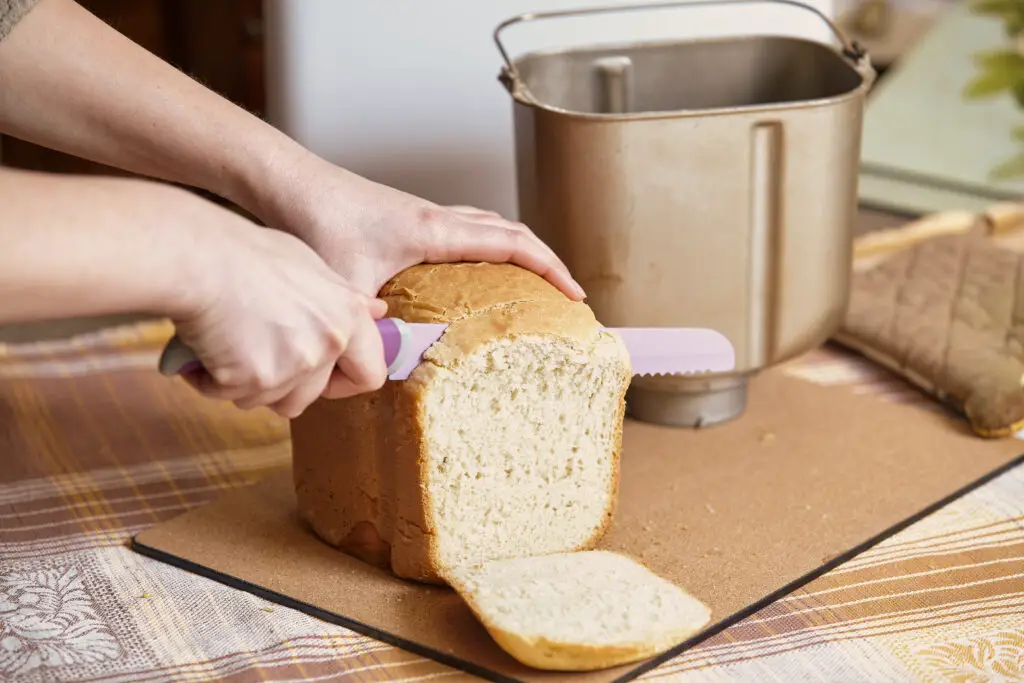
For centuries, bread was more than just food. In many European households, a loaf was believed to absorb evil or bad luck from a room. People sometimes placed bread under a pillow to ward off nightmares or bad dreams. Dropping bread on the floor was taken as a bad omen in some regions. Turning a loaf upside down was thought to invite misfortune into the home.
Bread crumbs were also used in folk rituals to protect travelers. Some believed sharing bread sealed spiritual bonds between people. In rural communities, bread was occasionally marked with symbols for protection. Even stale bread was treated carefully because wasting it was thought to anger unseen forces.
2. Salt
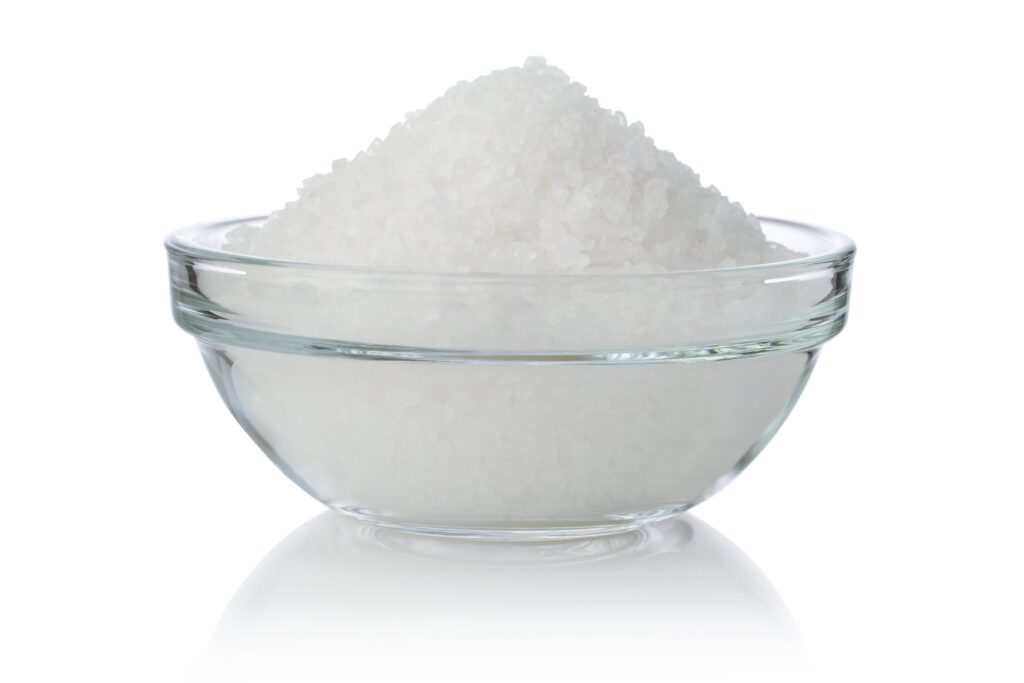
Salt has one of the longest supernatural reputations of any kitchen staple. Spilling salt was widely believed to invite bad luck unless a pinch was thrown over the left shoulder. That gesture was meant to blind lurking spirits waiting for an opening. Salt lines were sometimes placed across doorways to keep harmful forces out. It was also believed to purify spaces after illness or death.
In some cultures, salt was carried as personal protection. Sharing salt symbolized trust and spiritual safety. New homes were sometimes blessed with salt to drive away negativity. Even today, many people instinctively react when salt spills, long after the belief faded.
3. Apples
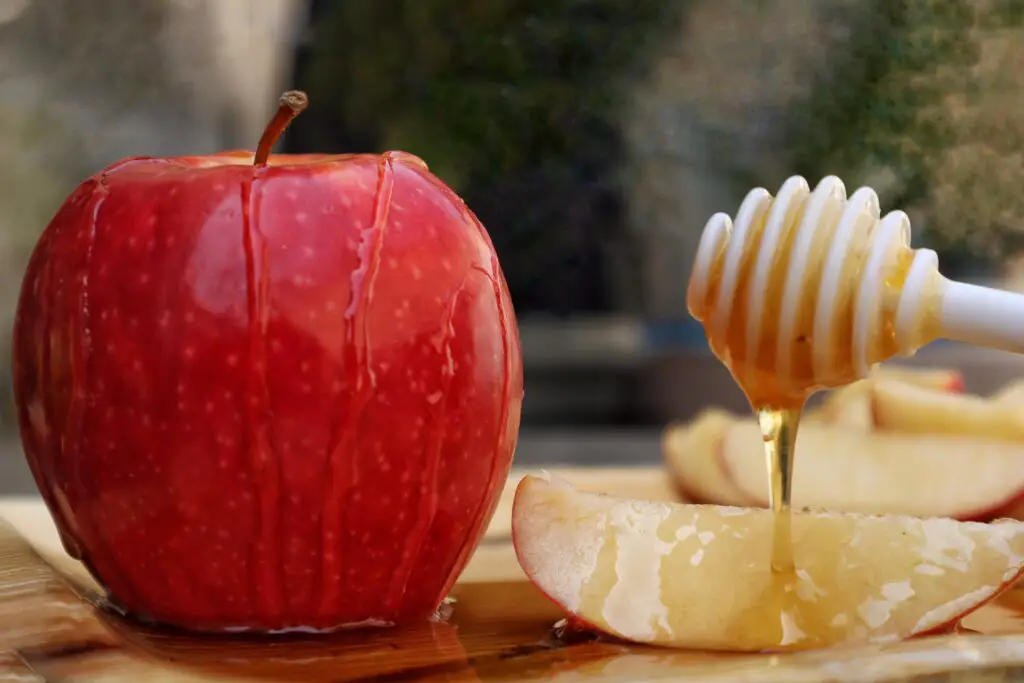
Apples were closely tied to magic and prophecy in folklore. In parts of Europe, apple peels were tossed over the shoulder to reveal a future spouse’s initial. Apples were also believed to carry healing powers beyond nutrition. Sleeping with an apple under the bed was said to promote fertility. Some thought apples could reveal truth or hidden intentions.
Apples appeared in love charms and seasonal rituals. They were often associated with knowledge and otherworldly wisdom. Certain apple trees were believed to be enchanted. Eating apples on specific holidays was meant to bring protection for the coming year.
4. Eggs
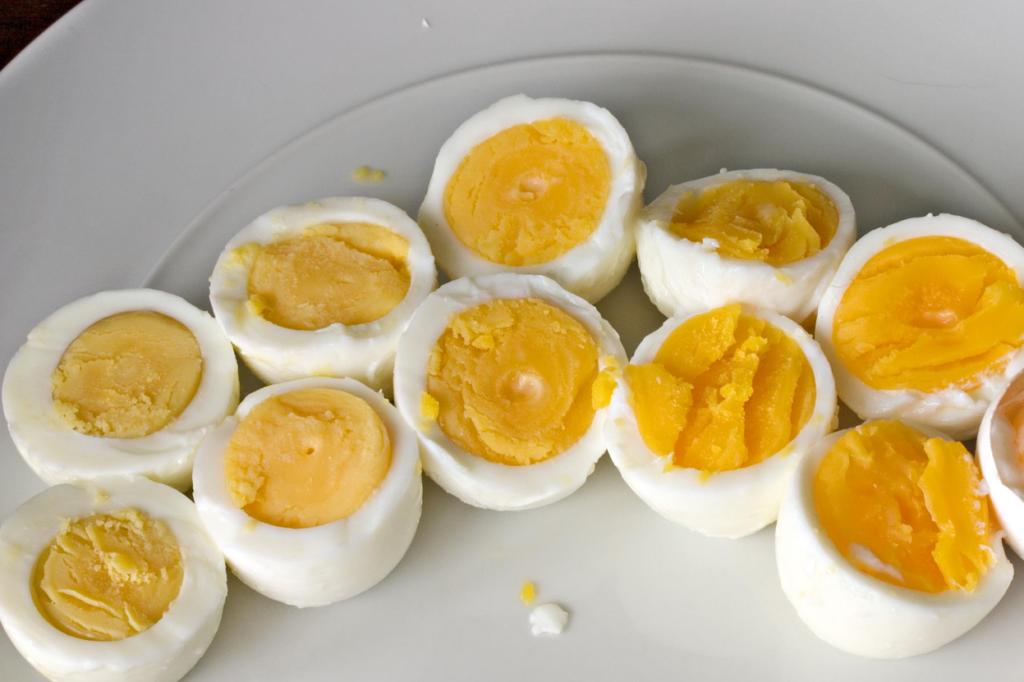
Eggs symbolized life, rebirth, and mystery. Many believed eggs could absorb negative energy or illness. Rolling an egg over the body was a folk practice meant to draw out sickness. Cracked eggs were sometimes viewed as bad omens. Double-yolk eggs were seen as signs of unexpected change.
Eggs were also used in protection rituals. Some people buried eggs near homes to keep spirits away. Eggshells were crushed to prevent witches from using them. Even today, eggs retain strong symbolic meaning in seasonal traditions.
5. Milk

Milk was often seen as a protective substance. In folklore, it was believed to calm angry spirits and soothe restless souls. Leaving milk out overnight was sometimes done to appease fairies. Spoiled milk was feared as a sign of supernatural interference. Milk spills were taken seriously in some households.
Milk was also associated with purity and safety. New mothers were often surrounded by milk-related rituals. In rural areas, milk was thought to strengthen spiritual boundaries. These beliefs blended everyday nourishment with unseen forces.
6. Garlic
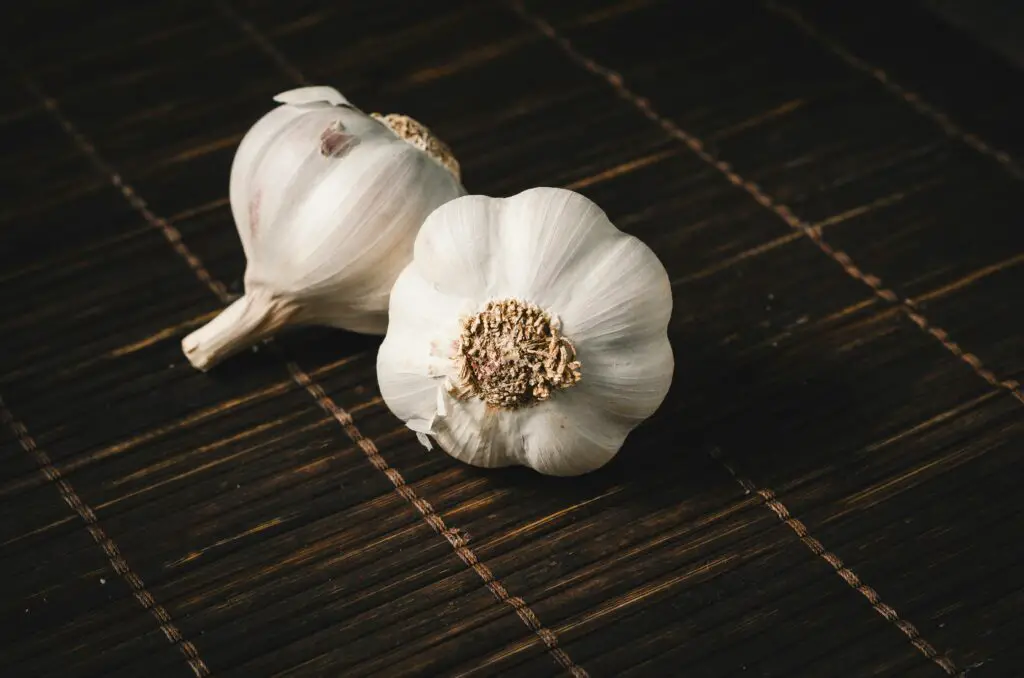
Garlic’s supernatural reputation goes far beyond vampires. It was believed to repel evil spirits, illness, and curses. Hanging garlic near doors was common in many cultures. Eating garlic was thought to strengthen spiritual defenses. Its strong smell was believed to confuse harmful entities.
Garlic was also used in healing rituals. Some believed it could break enchantments. Carrying garlic was thought to protect travelers. Its role as a protective food made it a staple of both kitchens and folklore.
7. Honey

Honey was often viewed as a sacred substance. Its sweetness symbolized harmony and divine favor. Honey was sometimes offered to spirits or ancestors. Eating honey was believed to attract good fortune. It was also thought to preserve youth or vitality.
Honey played a role in love rituals. Some believed it could sweeten relationships or calm anger. It was occasionally used in burial rites. Its long shelf life added to its mystical reputation.
8. Cheese
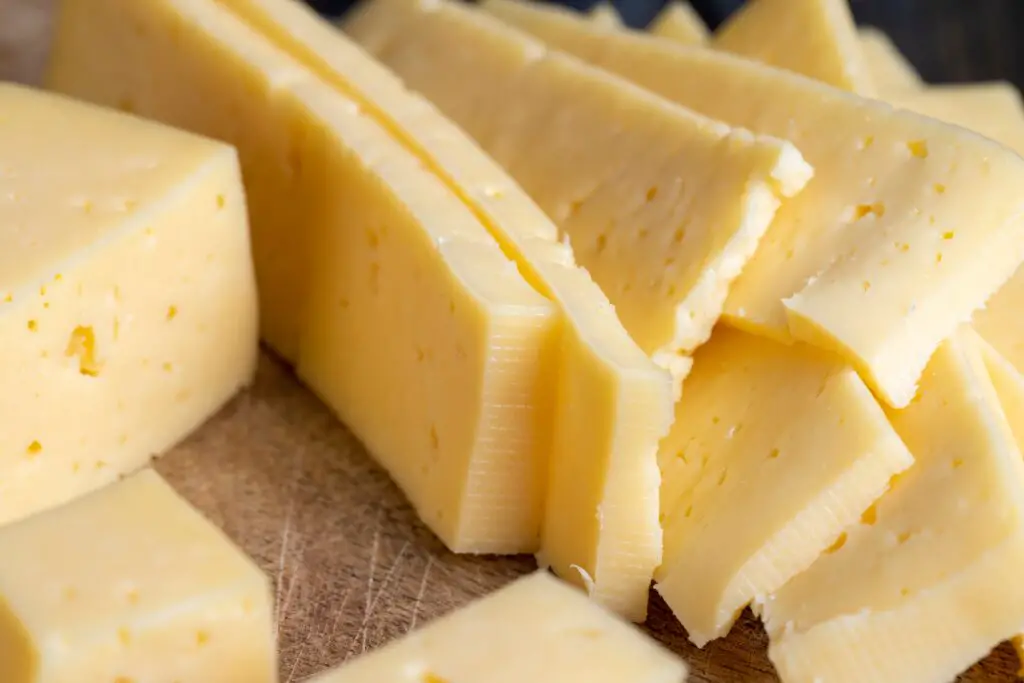
Cheese was linked to dreams and visions in folklore. Eating cheese before bed was believed to cause prophetic dreams. Certain cheeses were avoided at night for fear of nightmares. Cheese was also tied to abundance and prosperity. Spoiled cheese was sometimes seen as a bad sign.
In some traditions, cheese was offered during seasonal rituals. Sharing cheese symbolized trust and unity. Cheese-making itself was treated as a guarded craft. Its transformation from milk added to its mysterious appeal.
9. Onions
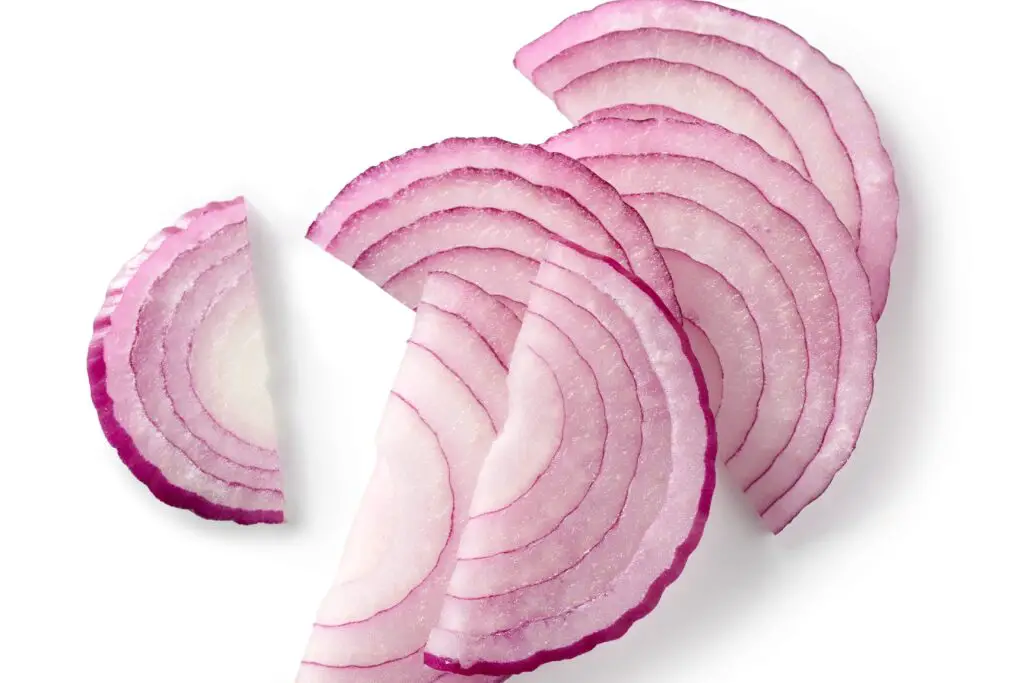
Onions were believed to absorb illness and negativity. Placing sliced onions in rooms was thought to draw sickness away. Some believed onions could reveal the future through sprouting patterns. Strong onion smells were associated with protection. Throwing onions away improperly was considered risky.
Onions were also tied to weather prediction. Hanging onions was used to forecast harsh winters. They appeared in folk medicine and rituals. Their layered structure made them symbols of hidden truths.
10. Bread and Butter
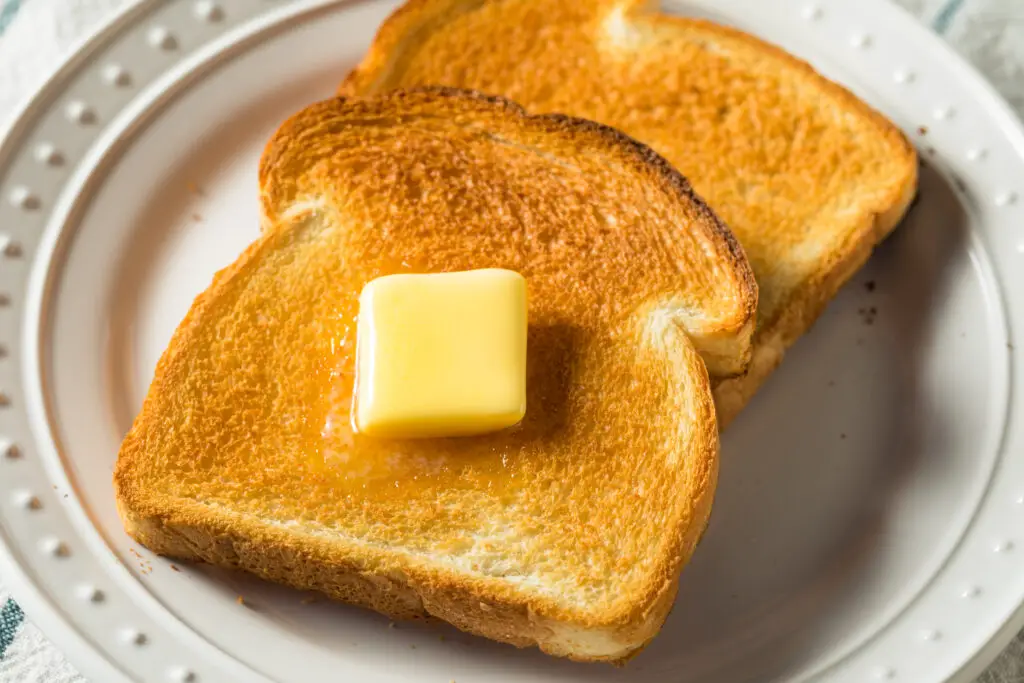
Bread and butter together carried symbolic weight. Dropping buttered bread was believed to predict upcoming trouble. Serving bread and butter to guests was thought to ensure peace. Some believed butter could attract spirits if left uncovered. Butter churns were treated with care to avoid curses.
Butter was sometimes linked to witchcraft accusations. Stolen butter was believed to bring misfortune. Fresh butter symbolized abundance. These beliefs reflected how central dairy was to daily life.
11. Rice
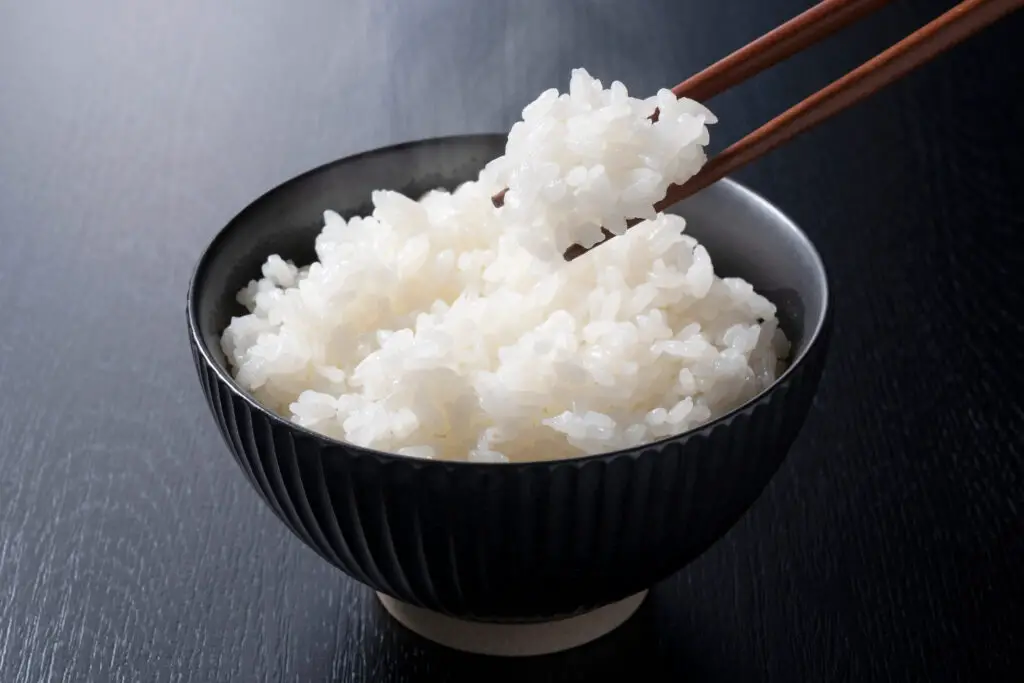
Rice was associated with fertility and protection. Throwing rice was believed to bring prosperity. Some believed rice could ward off evil when scattered. Storing rice improperly was thought to invite bad luck. Rice grains were sometimes used in divination.
Rice appeared in many ceremonial meals. It symbolized continuity and survival. Eating rice during transitions was considered grounding. Its simplicity made it spiritually powerful.
12. Fish
Fish were often linked to transformation and fate. Eating fish on certain days was believed to bring protection. Some believed fish bones could be used in charms. Spoiled fish was seen as an ominous sign. Fish dreams were thought to predict change.
Fish were associated with water spirits. Fishing rituals were common in coastal areas. Certain fish were avoided due to superstition. Their connection to water added to their mystical status.
13. Beans
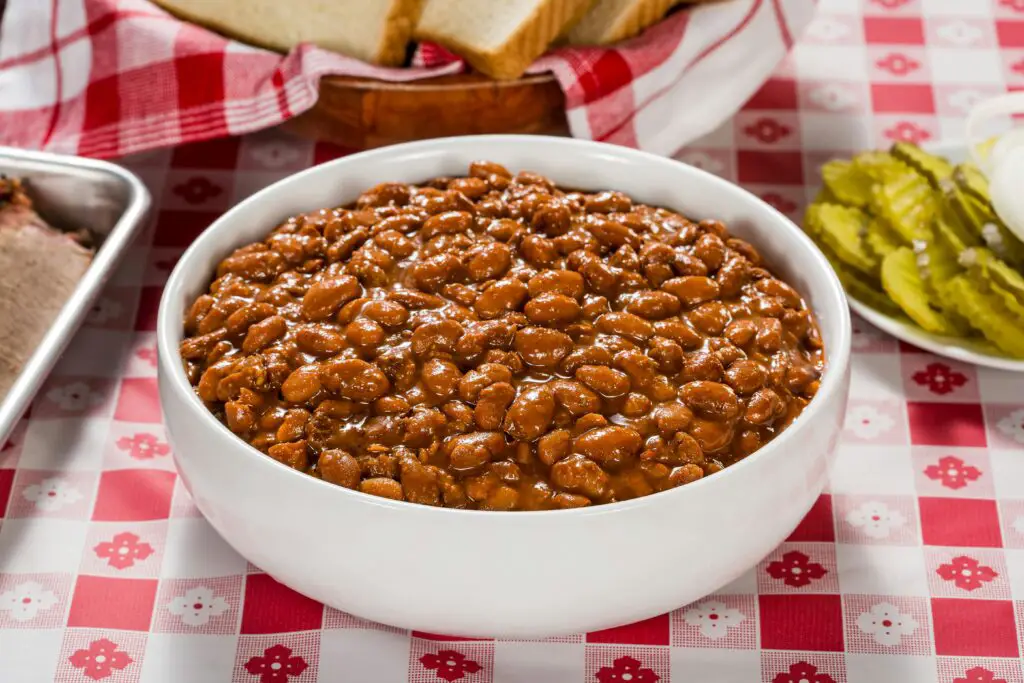
Beans were believed to have ties to the spirit world. Some cultures thought beans could attract ghosts. Eating beans during mourning periods was avoided. Bean plants were associated with ancestors. Certain beans were used in fortune telling.
Beans were also linked to dreams and messages. Counting beans was used in rituals. Sprouted beans were seen as signs of renewal. Their growth from dry seeds felt almost magical.
14. Vinegar
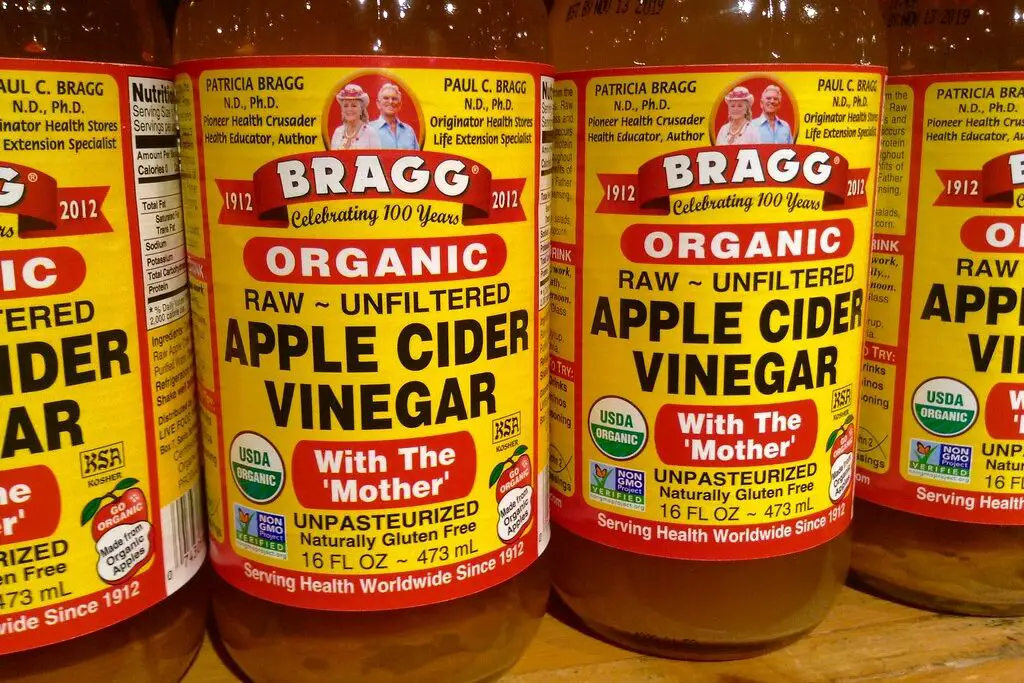
Vinegar was thought to cleanse more than surfaces. It was believed to repel evil and break curses. Vinegar was sometimes sprinkled around homes for protection. Drinking vinegar was thought to strengthen resilience. Spilled vinegar could be seen as a warning.
Vinegar appeared in folk remedies and rituals. It was used to neutralize negative energy. Its sharp taste added to its reputation. Vinegar’s everyday presence made it a quiet supernatural tool.