
1. Sitting in Total Silence Until the Lights Came Back

Some families believed talking during a power outage somehow made things worse. Once the lights went out, everyone was expected to sit quietly and wait, almost like a vigil. Kids were warned that noise would attract bad luck or cause the outage to last longer. The silence often felt heavier than the darkness itself. Every creak of the house suddenly sounded suspicious.
Parents sometimes treated the quiet as a kind of discipline disguised as tradition. It created an eerie sense that something bad might happen if anyone broke the rule. Time seemed to slow down without conversation to distract anyone. When the power finally returned, people spoke again almost sheepishly, as if they had just survived something serious.
2. Lighting Candles Only in a Specific Order
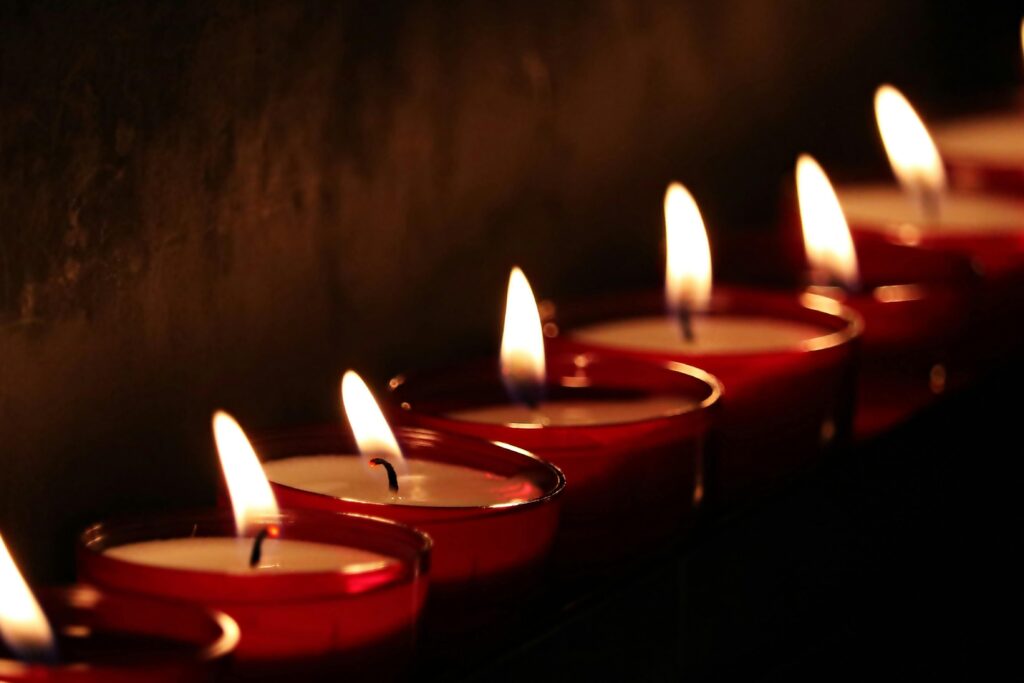
Many households followed strict rules about which candle got lit first. The order often had nothing to do with logic and everything to do with superstition. Some believed lighting the wrong candle first invited accidents or prolonged darkness. Kids were usually not allowed to help, for fear they would mess it up.
The ritual turned a simple safety step into a tense moment. Adults would focus intensely, double checking the sequence as if it truly mattered. The flickering light made the room feel ancient and ritualistic. Even after electricity returned, people remembered the rule long after forgetting why it existed.
3. Saying a Prayer Before Doing Anything Else

For some families, the first response to a blackout was prayer. It did not matter what time of day it was or what everyone had been doing. Everyone was called together before candles were lit or flashlights were found. Kids learned quickly that this part was not optional.
The prayer sometimes felt more ominous than comforting. It framed the outage as a threat rather than an inconvenience. Younger family members often assumed something terrible had caused the lights to go out. The calm tone of adults contrasted sharply with the tension in the room.
4. Covering Mirrors After Dark

Some households believed mirrors were dangerous during a power outage. Once darkness fell, mirrors were covered with towels or sheets. Adults said it prevented bad spirits or bad luck from entering the home. Kids rarely questioned it because the adults seemed genuinely serious.
Seeing familiar rooms altered by draped mirrors made the house feel unfamiliar. Reflections disappearing added to the sense that normal rules were suspended. Even brief outages felt longer when the house looked so different. The tradition lingered in memory because it made darkness feel intentional.
5. Keeping Children Away from Windows

During blackouts, windows were suddenly treated like hazards. Parents insisted kids stay far back, especially at night. Some said strangers could see inside more easily, while others offered vague warnings about accidents. The rule was enforced even if nothing unusual was happening outside.
The restriction made the outside world feel threatening. Darkness beyond the glass seemed deeper and more mysterious. Kids often imagined watching eyes or unknown figures. The rule reinforced the idea that power outages made the world less safe.
6. Eating Cold Food Without Complaining

Many families turned cold meals into a test of character. Complaining was frowned upon and sometimes outright forbidden. Parents framed it as gratitude or toughness rather than inconvenience. Kids were told people used to live this way all the time.
The meal often felt somber instead of cozy. Sitting in dim light made food taste different and less comforting. Silence sometimes replaced conversation as everyone focused on finishing quickly. The tradition taught resilience but also left an impression of unnecessary severity.
7. Sleeping in One Room No Matter the Age

When the power went out overnight, everyone was expected to sleep together. Teenagers who normally valued privacy had no choice. Parents insisted it was safer that way, though explanations were often vague. The rule applied even if the outage seemed minor.
The shared space felt tense rather than comforting for some. Every movement or sound became noticeable in the dark. Kids sensed adult anxiety even if no one said anything. The closeness reinforced the idea that something was wrong.
8. Telling Stories About Past Disasters
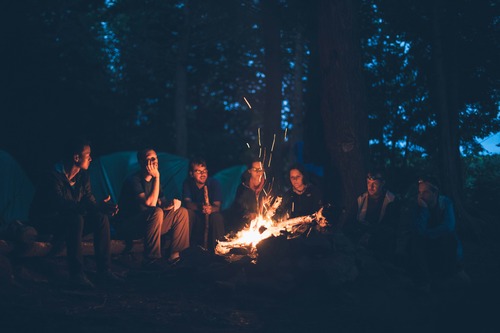
Power outages often became the time adults chose to tell unsettling stories. These stories usually involved storms, accidents, or times when things went very wrong. The tone was calm but serious, which made them feel more real. Kids listened closely because there was nothing else to do.
The stories framed outages as warnings rather than coincidences. Darkness made every detail feel heavier. Children often lay awake afterward replaying what they heard. The tradition made power outages feel like rehearsals for real emergencies.
9. Turning Off All Flashlights Unless Necessary

Some families believed using too much light was wasteful or tempting fate. Flashlights were rationed carefully, even if batteries were plentiful. Parents decided when light was allowed and when darkness was acceptable. Kids learned not to ask too often.
The rule turned darkness into something to endure. Shadows stretched longer without constant light. Even simple tasks felt harder than they needed to be. The restraint made outages feel longer and more serious than they were.
10. Waiting for the Oldest Adult to Give Instructions
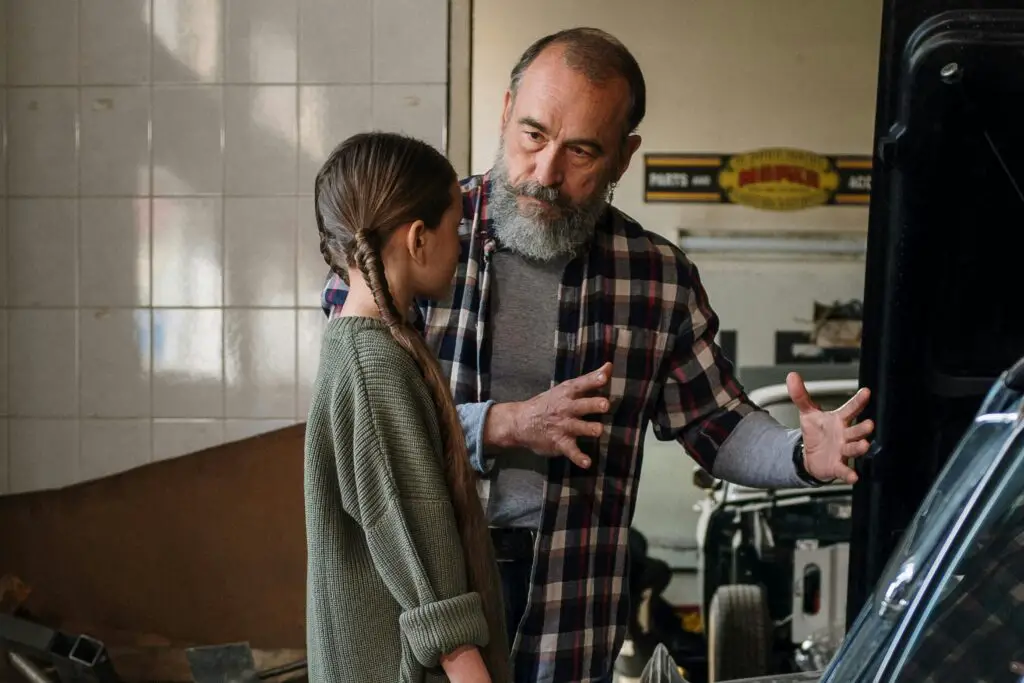
In certain homes, nothing happened until the oldest adult spoke. Children and even younger adults waited quietly for direction. This created a sense of hierarchy that felt stronger during outages. Normal routines paused completely.
The pause often felt uncomfortable and tense. Kids sensed that authority mattered more in the dark. The delay made the situation feel ceremonial. When instructions finally came, everyone followed them carefully.
11. Avoiding Phones and Radios Entirely
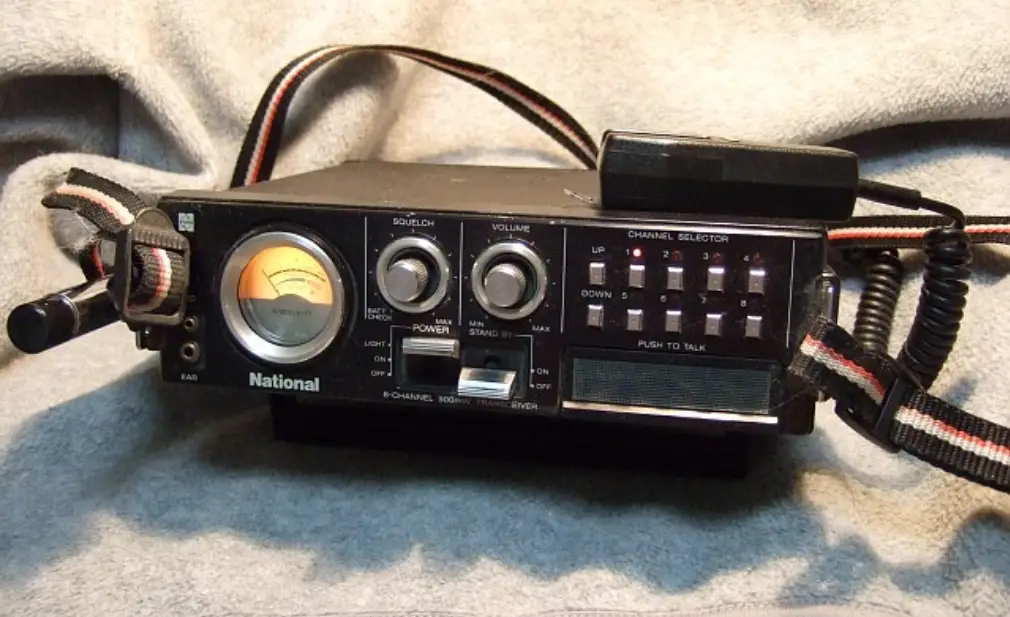
Some families avoided using phones or radios during outages. They believed outside information would increase anxiety or bring bad news. Silence from the outside world was treated as protection. Kids were discouraged from asking questions.
The lack of information made imagination fill the gap. Without updates, kids often assumed the worst. Time passed without markers or reassurance. The isolation made the outage feel more dangerous than it actually was.
12. Blaming the Outage on Bad Behavior
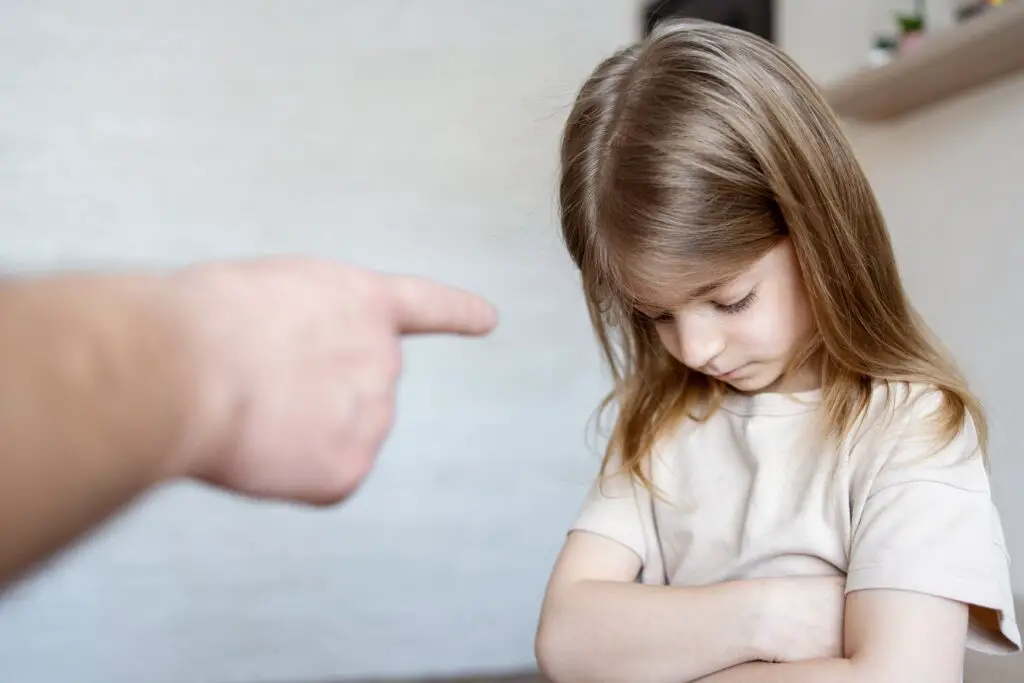
In some households, power outages were treated like consequences. Adults hinted that someone’s actions might have caused it. The suggestion was rarely direct but strongly implied. Kids often felt guilty without knowing why.
This created an emotional weight that lingered even after lights returned. Children replayed their behavior in their minds. The idea that darkness was punishment stuck with them. It made outages feel personal rather than random.
13. Closing Every Interior Door
Some families closed all doors during a blackout. Parents said it kept things contained or made the house safer. The real reason was often unclear. Kids just knew it was important.
Closed doors made the house feel smaller and more confined. Sounds traveled differently, heightening tension. Familiar spaces felt off limits. The rule reinforced the idea that normal movement was risky.
14. Staying Awake Until the Power Returned

In some homes, sleeping during an outage was discouraged. Parents said it was better to stay alert. Kids fought exhaustion while pretending they were fine. Nighttime outages felt especially long.
The forced wakefulness made fear worse. Every sound seemed louder when everyone was tired. Relief came instantly when lights flicked back on. The tradition left kids associating darkness with vigilance instead of rest.