
1. Mirrors Were Thought to Steal Your Soul at Night

For centuries, people believed mirrors in bedrooms were dangerous after dark. The idea was that while you slept, your soul wandered, and a mirror could trap it before it found its way back. This fear shows up in multiple cultures, especially in European folklore. Some families covered mirrors every night just to be safe.
Others believed mirrors acted as doorways for spirits who waited until you were asleep to cross over. Waking up disoriented or from a nightmare was blamed on the mirror watching you. Even turning your bed toward a mirror was considered risky. Plenty of people preferred darkness to the idea of being watched while they slept.
2. Sleeping with Your Feet Facing the Door Was a Death Omen
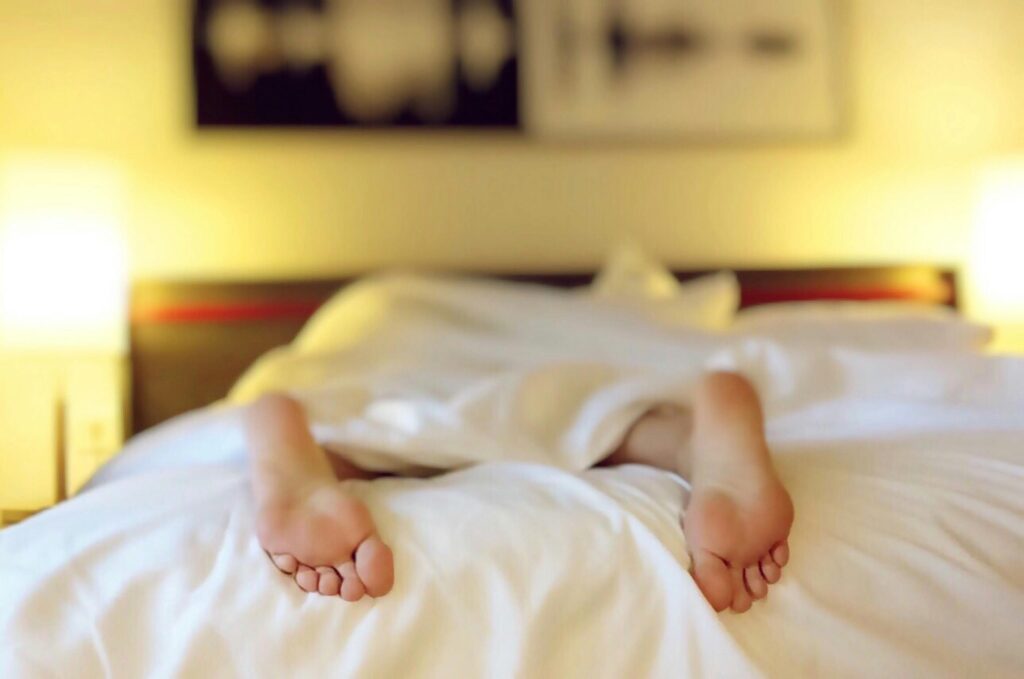
In many cultures, this position was known as the “corpse pose.” Bodies were traditionally carried out feet first, so sleeping that way was thought to invite death. Parents often rearranged entire bedrooms to avoid it. Even hospitals avoided placing beds that way when possible.
The belief made people uneasy even if they did not fully believe it. Many claimed they slept poorly if their feet pointed toward the door. A sudden illness or bad dream only reinforced the superstition. For some, sleeping sideways felt safer than tempting fate.
3. Bedrooms Were Thought to Attract Spirits After Midnight
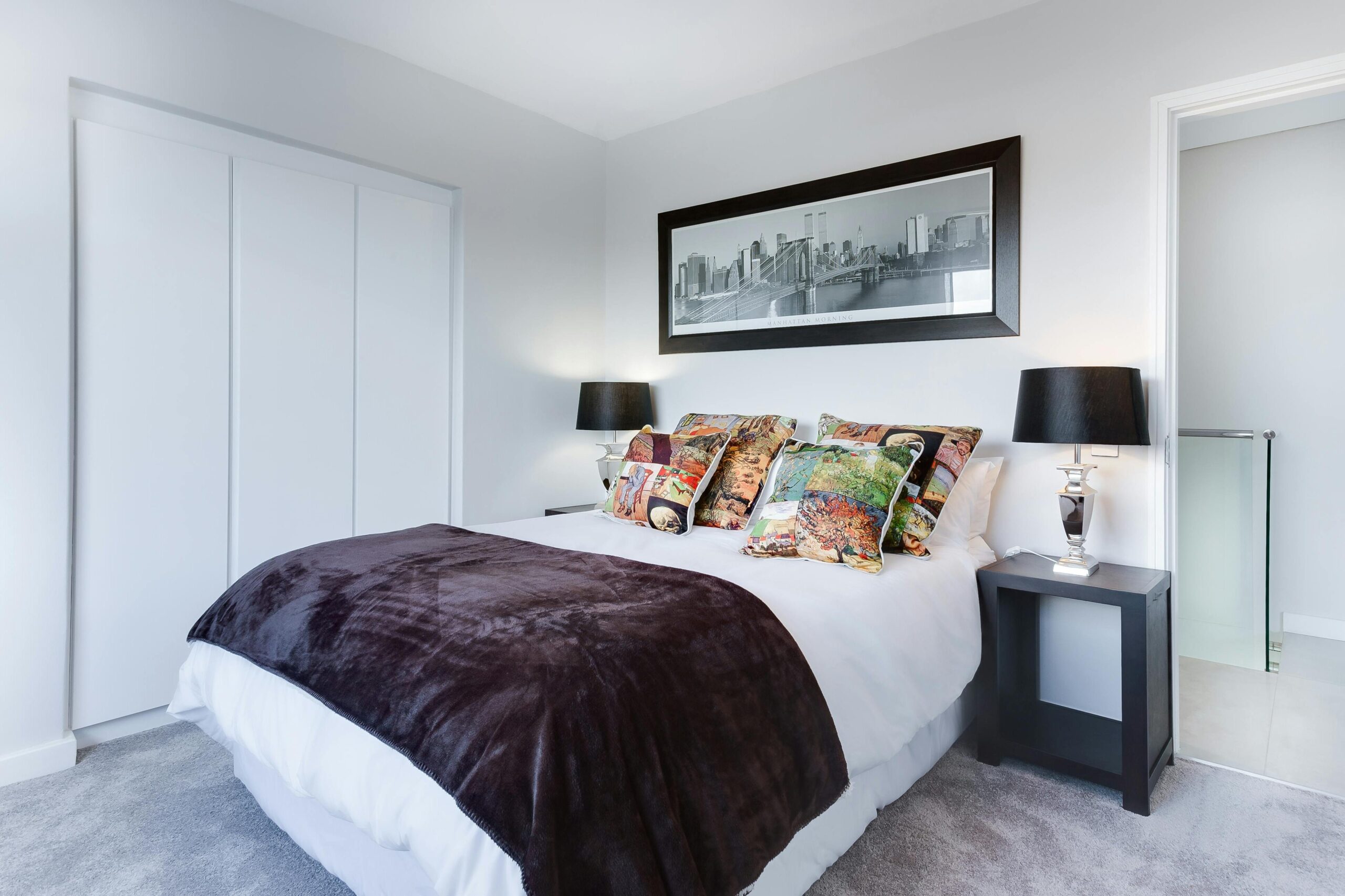
There was a widespread belief that bedrooms became spirit hotspots once the house went quiet. The stillness was said to invite wandering souls looking for warmth or attention. Nighttime creaks and settling wood fed these fears. Silence made every sound feel intentional.
People believed spirits preferred bedrooms because sleepers were vulnerable. Curtains moving or bedsheets shifting were blamed on unseen visitors. Some kept candles or night lamps burning as protection. Darkness, to them, was an open invitation.
4. Dolls in Bedrooms Were Believed to Come Alive at Night
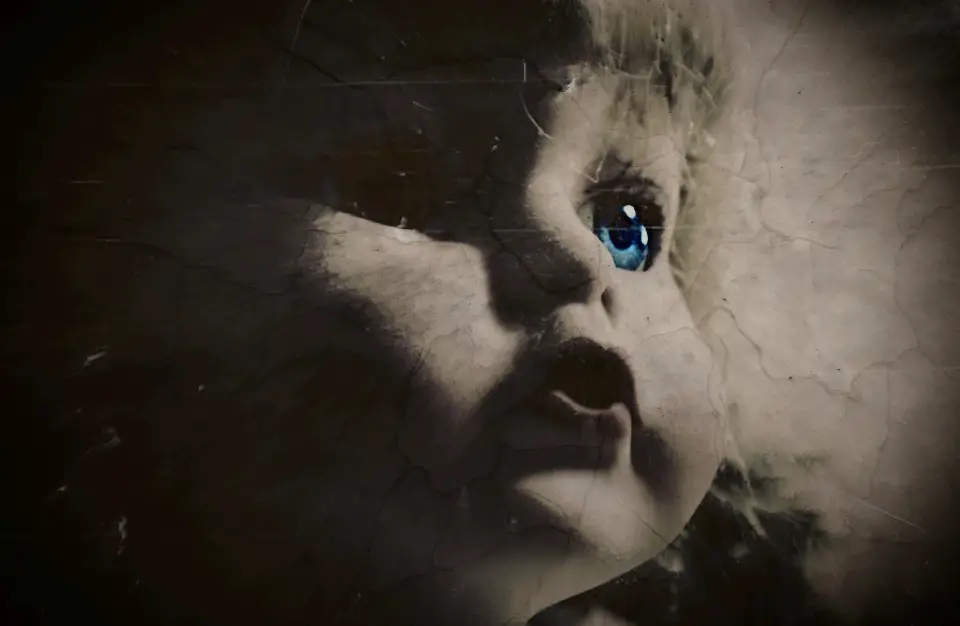
Old dolls especially were thought to move once the lights went out. Their glass eyes and stiff expressions made them feel unsettling even in daylight. Parents warned children not to face dolls toward the bed. Some insisted dolls should be locked away entirely.
Stories circulated about dolls changing positions overnight. Missing shoes or tangled hair were seen as proof. Children often begged to sleep with the lights on because of it. Even adults admitted to turning dolls toward the wall.
5. Whistling in the Bedroom Was Said to Call Spirits

Whistling after dark was believed to summon things you did not want near your bed. The sound was thought to act like a signal, especially in quiet houses. Some cultures believed spirits answered whistles instinctively. Bedrooms were considered the worst place to do it.
People claimed the room felt colder afterward. Others reported strange dreams or sudden waking. Parents quickly shut down nighttime whistling habits. Silence felt safer than testing the belief.
6. Sleeping Under a Window Invited the Supernatural
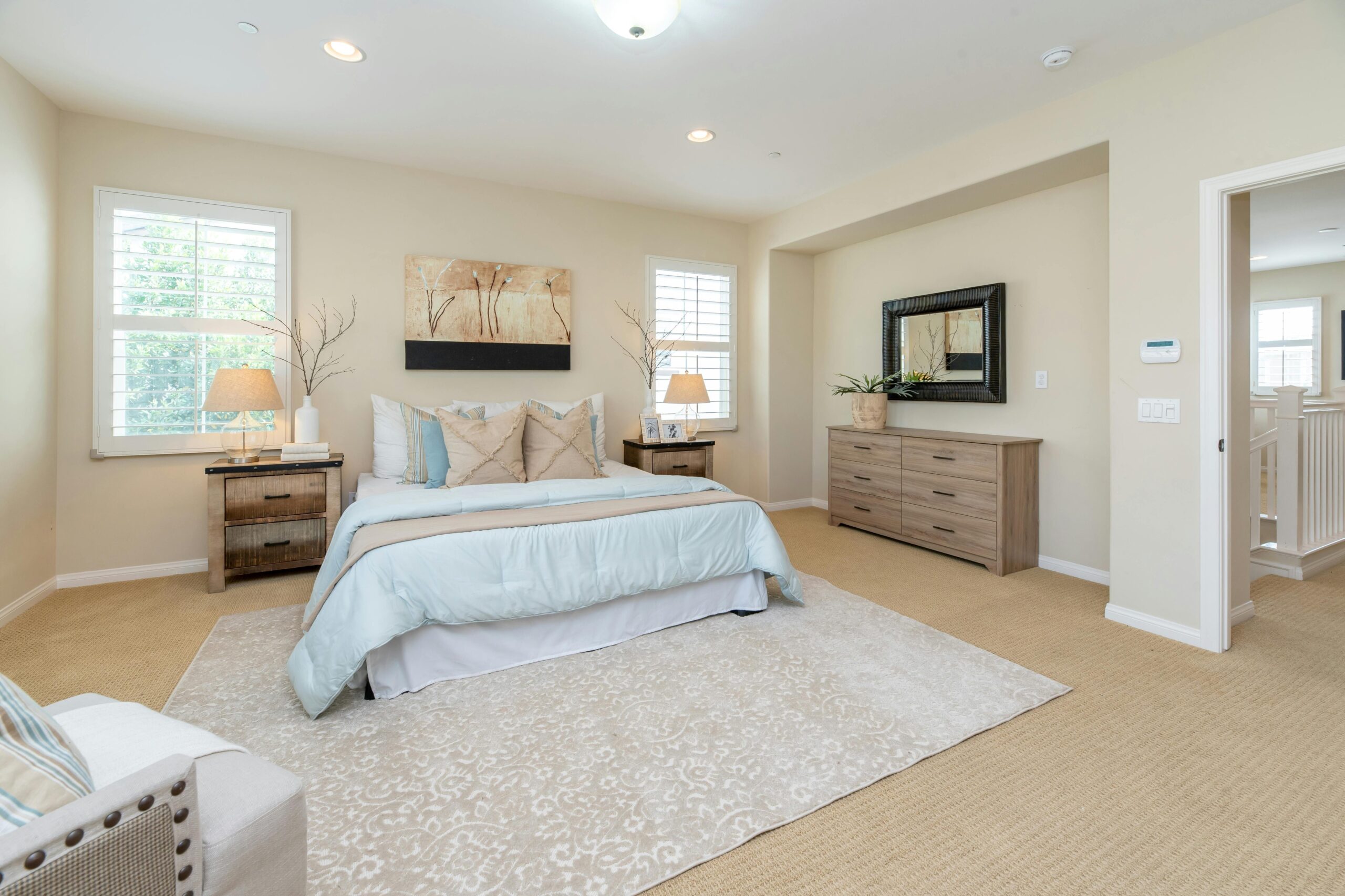
Windows were seen as weak spots between worlds. Sleeping directly beneath one was thought to leave you exposed. Moonlight itself was considered dangerous in some traditions. Shadows cast through glass made everything worse.
People worried spirits could watch or enter through windows. Sudden breezes or rattling panes were terrifying at night. Curtains stayed tightly closed as protection. Many preferred lamps to keep the darkness away from the glass.
7. Bedrooms Were Believed to Remember Trauma
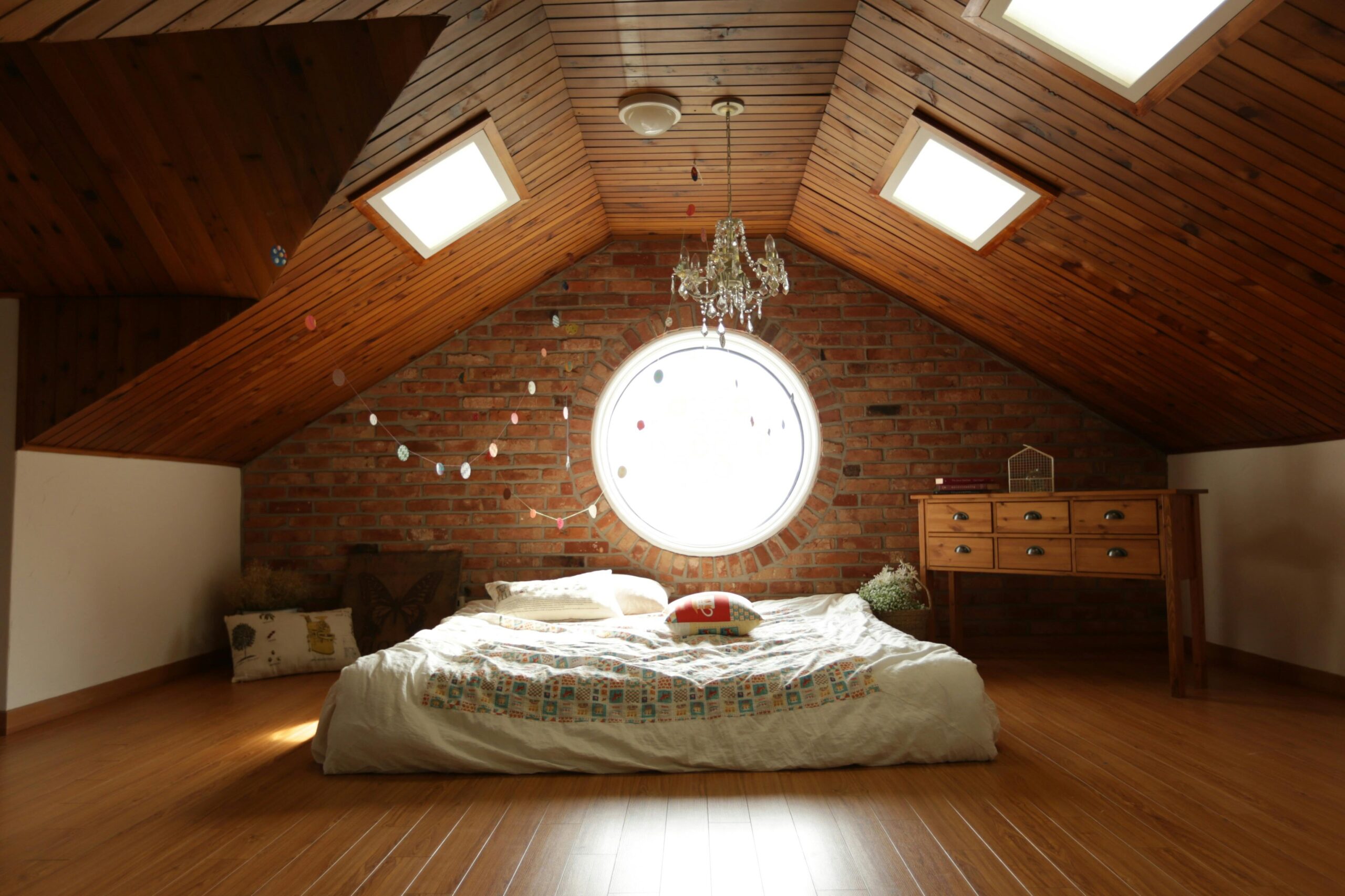
Some believed rooms absorbed emotional energy. A bedroom where someone had died or suffered was thought to retain it. Sleepers reported feeling watched or uneasy without knowing why. The room itself was blamed.
People believed bad dreams came from the walls, not the mind. Moving furniture or repainting was seen as a way to cleanse the space. Some refused to sleep in certain rooms altogether. Light was considered a shield against lingering energy.
8. Sleeping with Open Closets Was Considered Dangerous
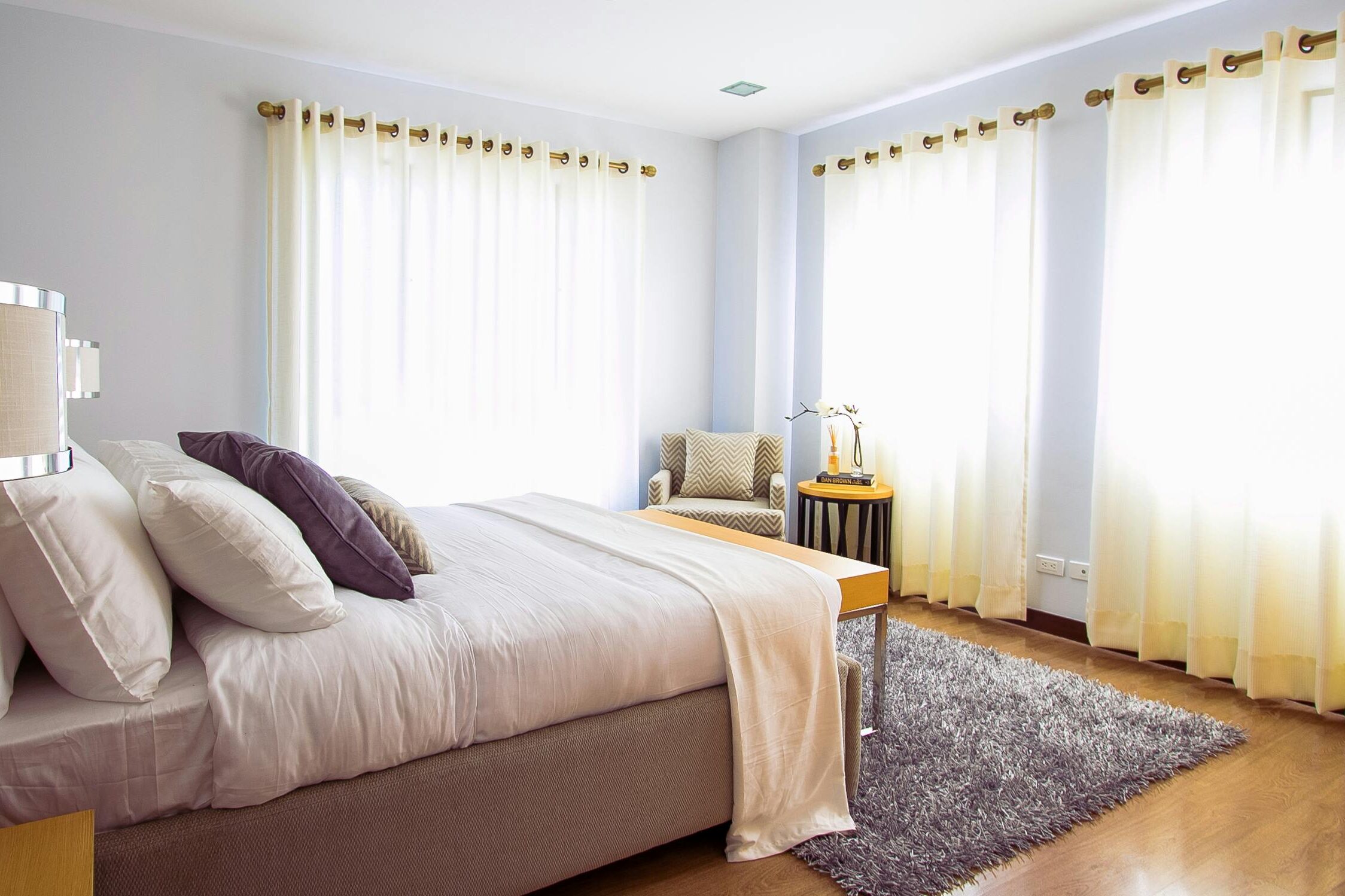
Closets were thought to hide more than clothes. Open doors created dark voids that felt endless at night. People believed something could be watching from inside. Closing the door became a nightly ritual.
Parents warned children that closets attracted creatures. Shadows inside seemed to shift once the lights went out. Even adults admitted to discomfort. A small night light often stayed on just to illuminate the doorway.
9. Nightmares Were Blamed on Bedroom Placement
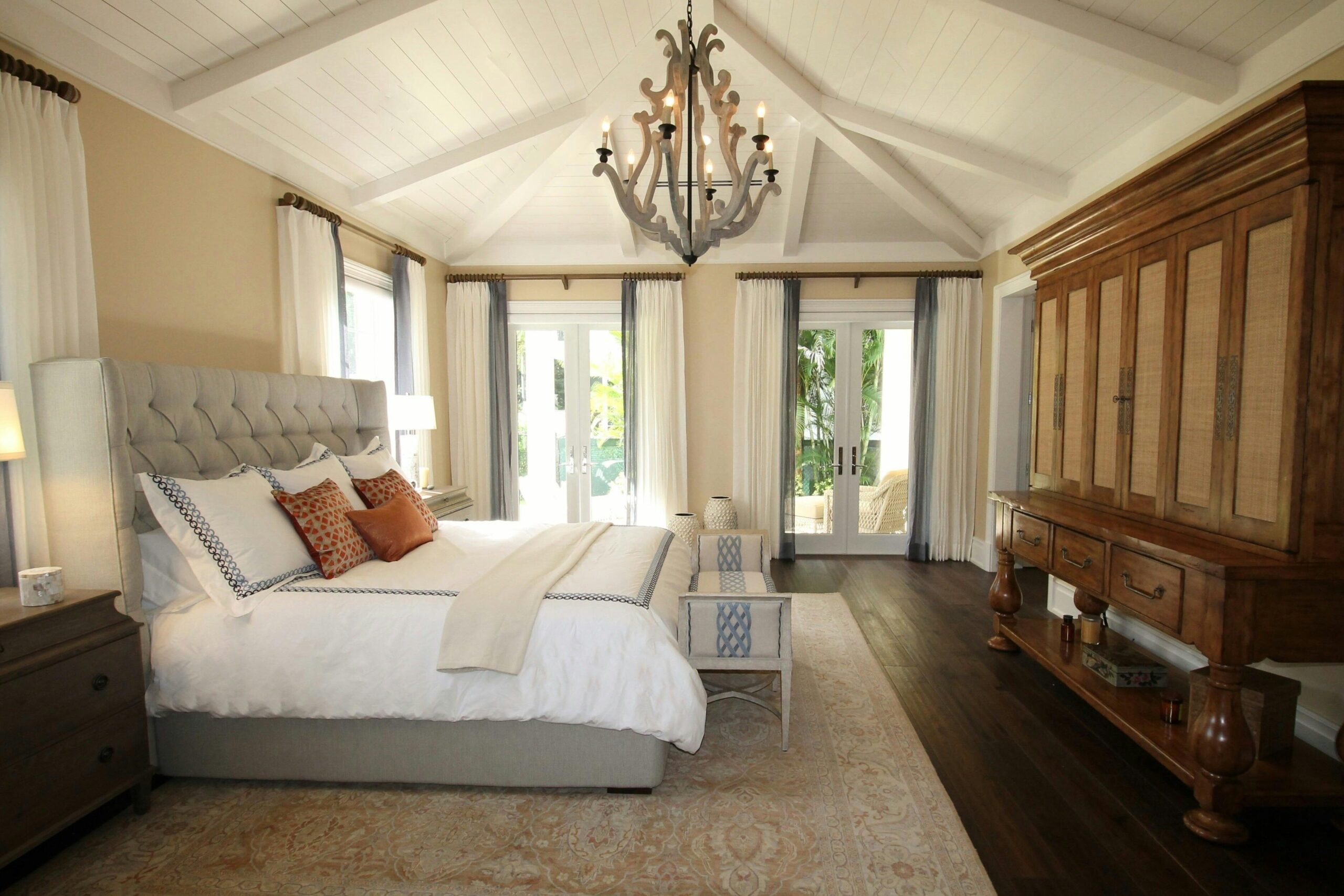
Beds positioned incorrectly were said to cause bad dreams. Facing north, facing mirrors, or sleeping beneath beams all carried warnings. Feng shui and folk beliefs overlapped here. The bed itself was considered the problem.
People rearranged rooms after a single bad night. Repeated nightmares confirmed their fears. Sleep felt unpredictable in a poorly placed bed. Keeping a light on offered a sense of control.
10. Bedrooms Were Thought to Attract Witchcraft
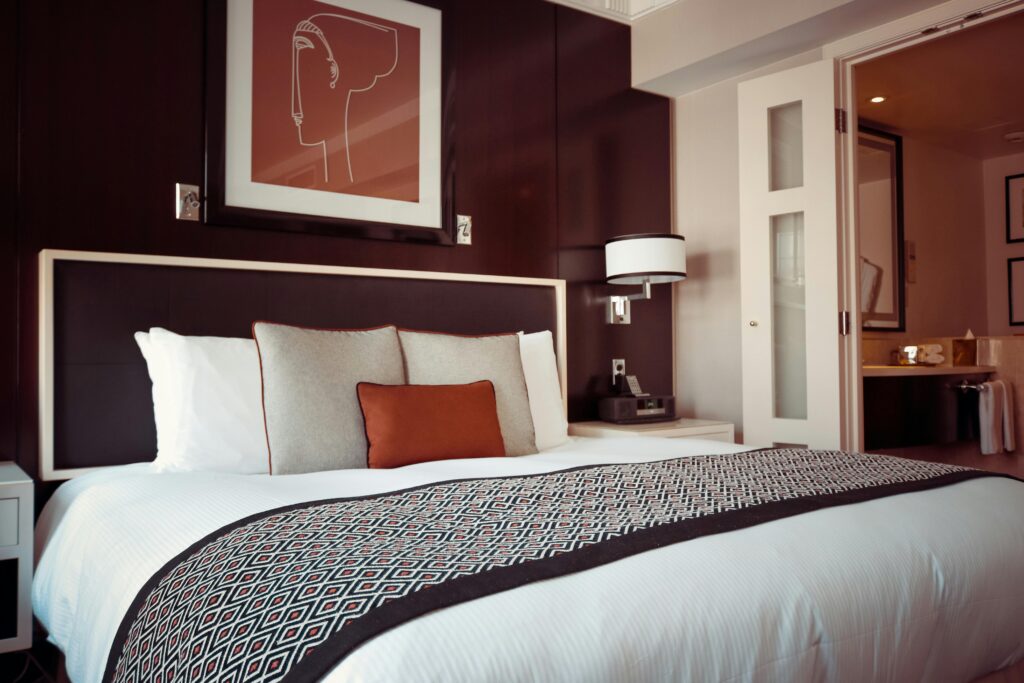
Some believed spells worked best where people slept. Personal items left in bedrooms were considered vulnerable. Hair, pillows, or blankets could be used against you. That made bedrooms feel exposed.
People kept protective charms near the bed. Others slept with lamps burning as a safeguard. Strange dreams were blamed on unseen interference. Darkness made the room feel unguarded.
11. Sharing a Bedroom with the Dead Was Feared

In older homes, bedrooms often doubled as deathbeds. People believed the spirit stayed behind afterward. Sleeping in that space felt like sharing the room. The idea was deeply unsettling.
Some families sealed off those rooms permanently. Others insisted on keeping lights on for months. Every sound felt personal. Darkness made the presence feel stronger.
12. Bedrooms Were Thought to Amplify Whispers
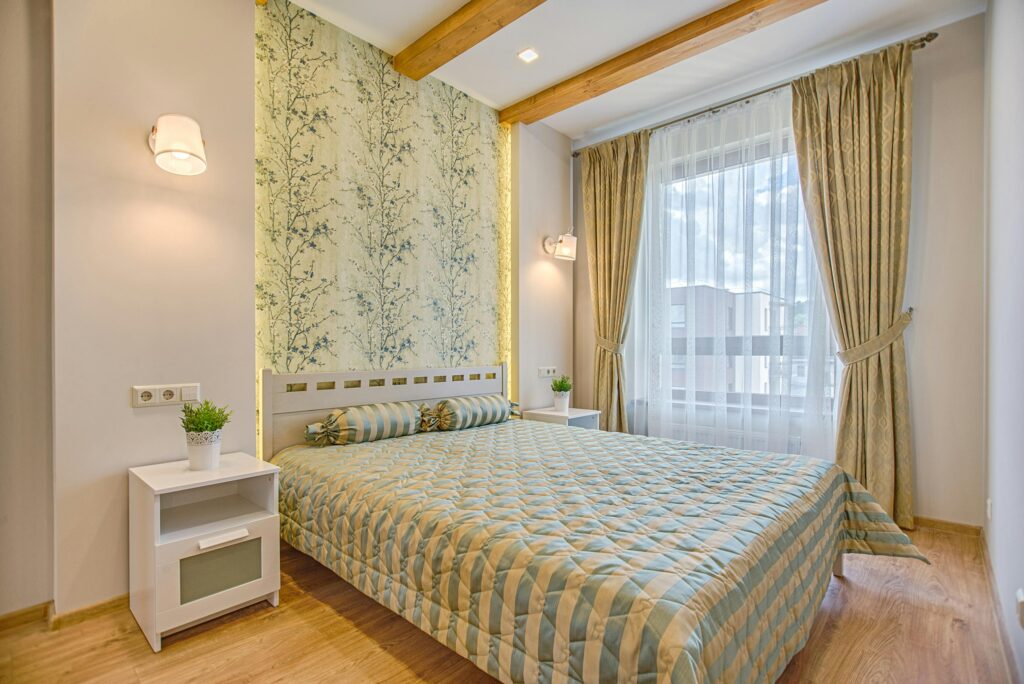
People believed bedrooms magnified quiet sounds. A faint noise could become a voice once you lay down. This made nighttime terrifying. Silence never stayed silent for long.
Whispers were blamed on spirits testing sleepers. Covering ears or turning on lights helped ground people. Even house noises felt deliberate. Light reassured them it was just a room.
13. Sleeping Alone Was Considered Risky
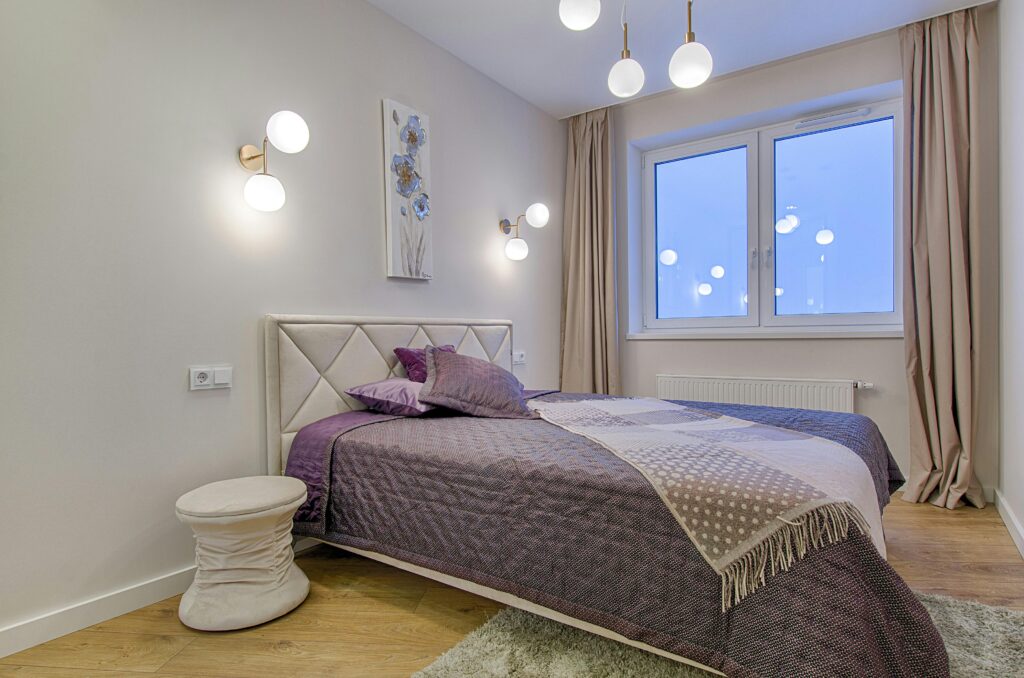
Some beliefs held that sleeping alone made you vulnerable. A second person was thought to offer protection. Spirits were less likely to approach occupied beds. Loneliness became something to fear.
People claimed they slept better with someone nearby. Nightmares felt worse when alone. Lamps stayed on as a substitute presence. Darkness emphasized isolation.
14. Bedrooms Were Believed to Shift at Night
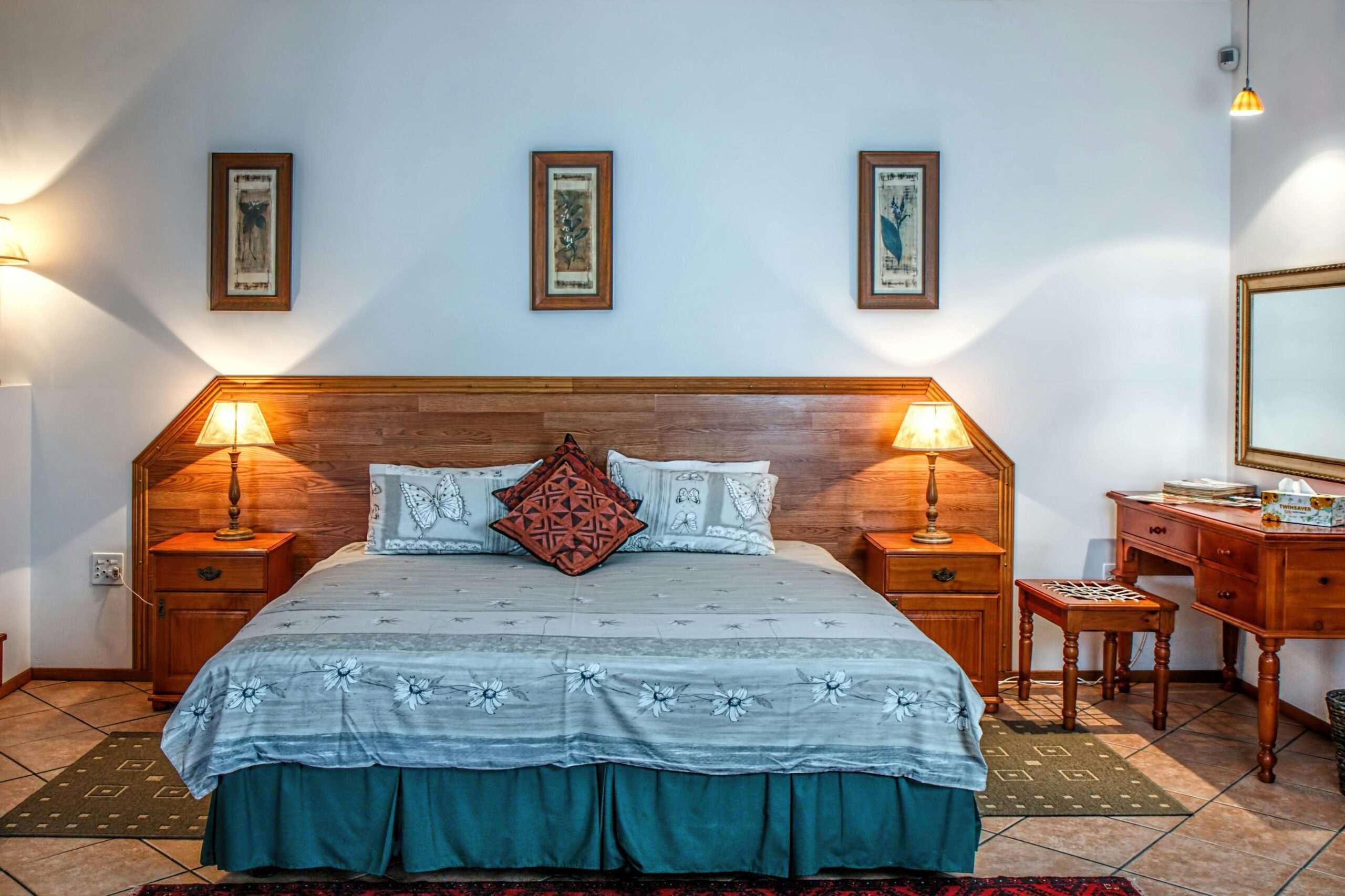
There was a belief that rooms subtly changed while you slept. Furniture felt closer, shadows longer. Waking up disoriented reinforced the idea. The room seemed unfamiliar.
People blamed this on supernatural movement. Keeping lights on helped anchor reality. Familiar shapes stayed visible. Darkness allowed imagination to take over.