
1. The Box of Old Baby Teeth
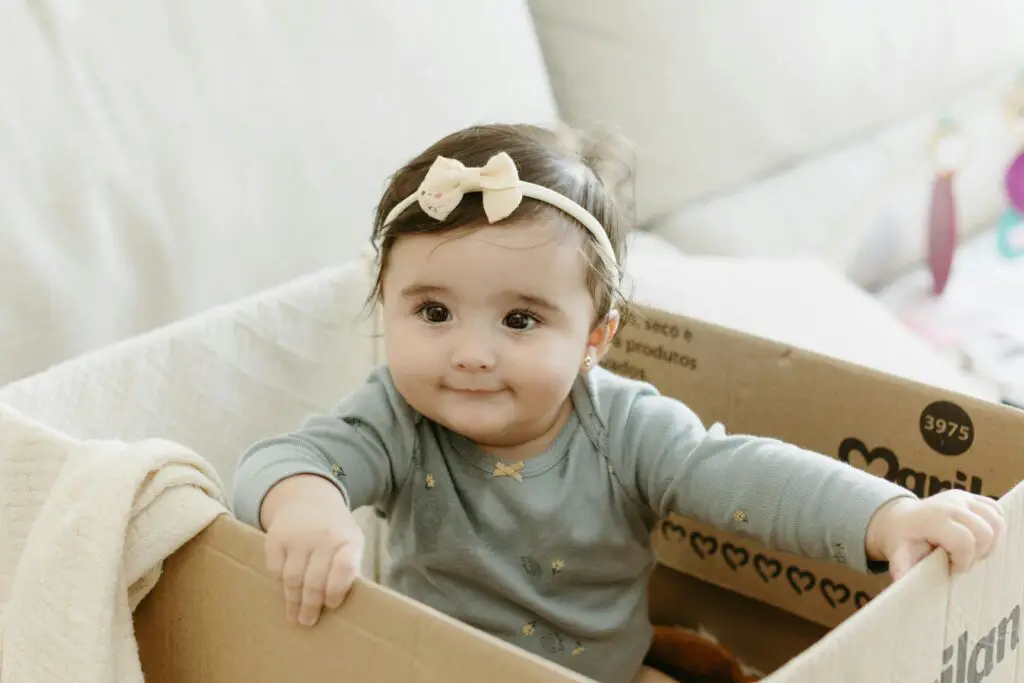
Most families had a tiny box tucked into a drawer that nobody ever opened unless absolutely necessary. Inside were baby teeth, wrapped in tissue, sometimes with a note about which child they belonged to. Even as adults, people admitted the box made them uneasy, but throwing it away felt wrong. Those teeth marked milestones, sleepless nights, and childhood stories no one wanted to lose. The idea of discarding them felt like erasing a piece of family history.
At the same time, the box had an unmistakably creepy quality. It was human remains, after all, even if they once belonged to a smiling kid. Parents often hid it far from sight, usually in a jewelry box or filing cabinet. It stayed hidden, untouched, and quietly unsettling for decades.
2. A Lock of Hair Tied With Ribbon
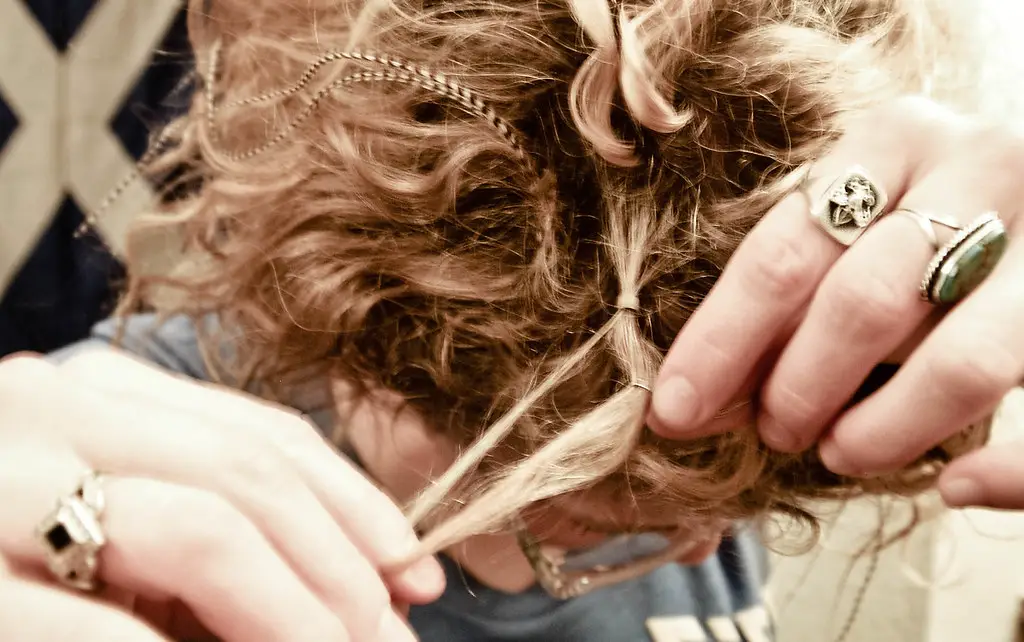
Some families saved a lock of hair from a child’s first haircut or a loved one who passed away. It was usually tied with a faded ribbon and slipped into an envelope. The sentimental meaning was strong, especially for parents or grandparents. It represented innocence, memory, and time frozen in place.
Still, there was something eerie about keeping hair long after it was cut. It felt intimate in a way that made people uncomfortable. Families rarely talked about it and almost never showed it to guests. The envelope stayed hidden, preserved out of respect and a little fear.
3. A Doll With Missing Eyes
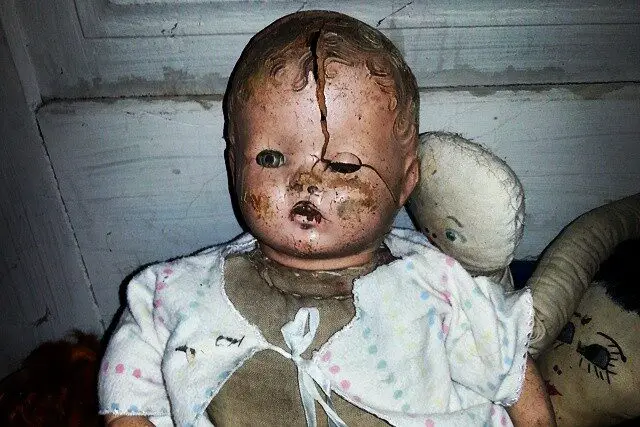
Every family seemed to have one doll that crossed the line from charming to unsettling. Maybe it lost an eye, or its face cracked over time. No one wanted it on display, but no one could throw it away either. It often belonged to a parent or grandparent as a child.
The doll ended up in a closet or attic, wrapped in a towel like it might wake up. Kids were warned not to touch it, without much explanation. Its presence was quietly acknowledged but never discussed. The doll stayed hidden, equal parts nostalgia and nightmare fuel.
4. The Old Wedding Dress
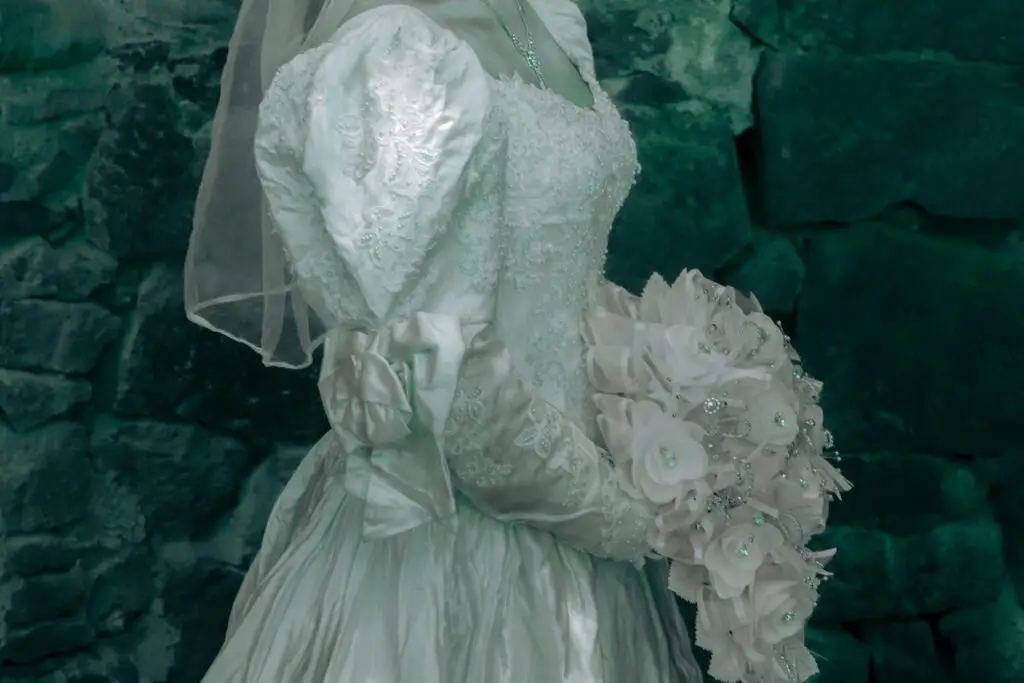
Many families kept an original wedding dress stored in a box or garment bag. It symbolized love, commitment, and family beginnings. Even if no one planned to wear it again, it felt sacred. The dress carried stories that couldn’t be replaced.
At the same time, the dress could feel ghostly. Yellowed fabric and outdated styles gave it an almost haunted quality. It was rarely opened and never casually handled. Families kept it hidden, respectful of its meaning and slightly unnerved by its presence.
5. A Box of Letters From Someone Long Gone
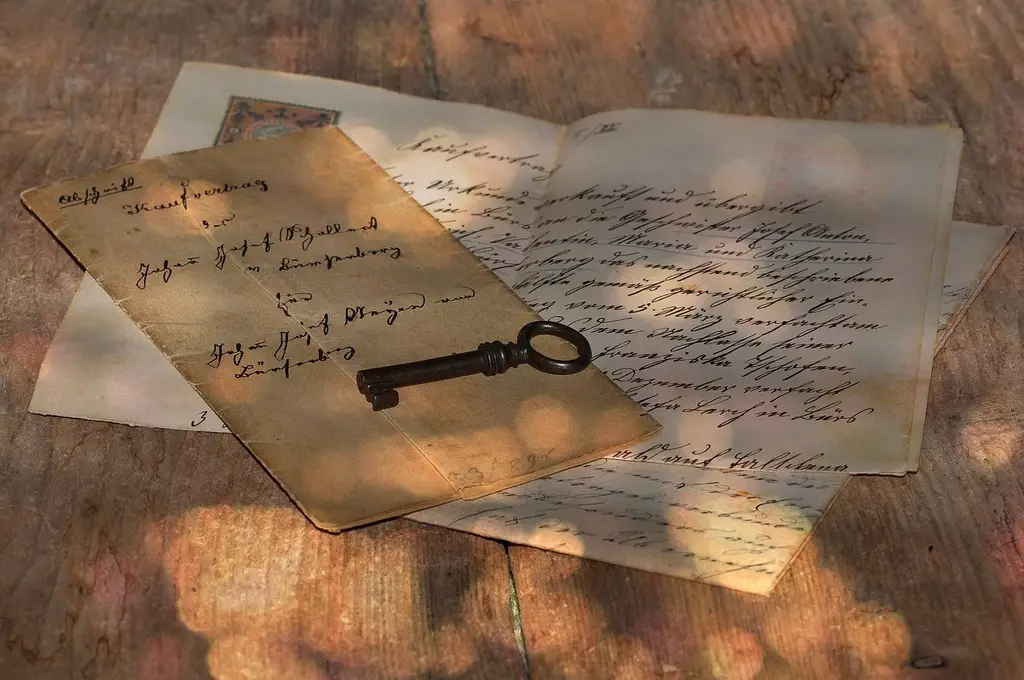
Handwritten letters were often kept long after the writer had passed away. They were deeply personal and filled with emotions frozen in ink. Families saved them as proof of love, conflict, or unfinished conversations. Reading them felt like opening a door to the past.
But those letters could also feel intrusive. They revealed private thoughts never meant for modern eyes. Many families hid them away, unsure what to do with that kind of honesty. The box stayed closed, preserved and quietly unsettling.
6. The Old Family Bible With Notes Inside
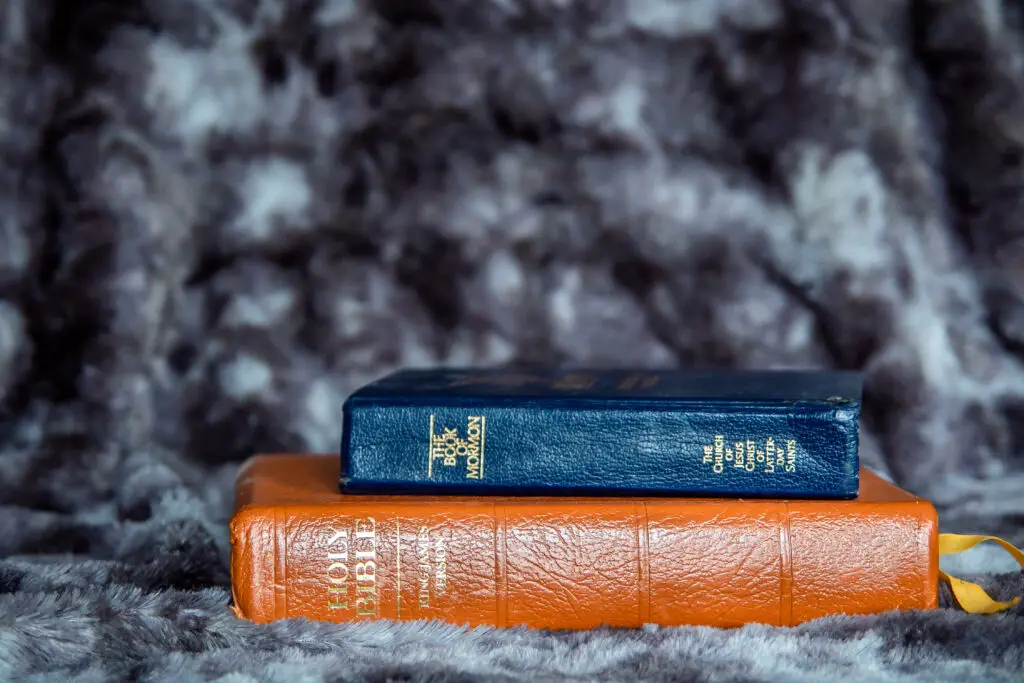
Family Bibles were often filled with handwritten notes, dates, and names. Births, deaths, and marriages were recorded in careful script. It served as a family archive long before digital records existed. No one questioned keeping it.
Yet flipping through those pages could feel eerie. Seeing generations of names, some crossed out, reminded people how quickly time passes. The Bible was usually stored safely but rarely opened. It stayed hidden, heavy with history and emotion.
7. A Mask That Was Once Decorative
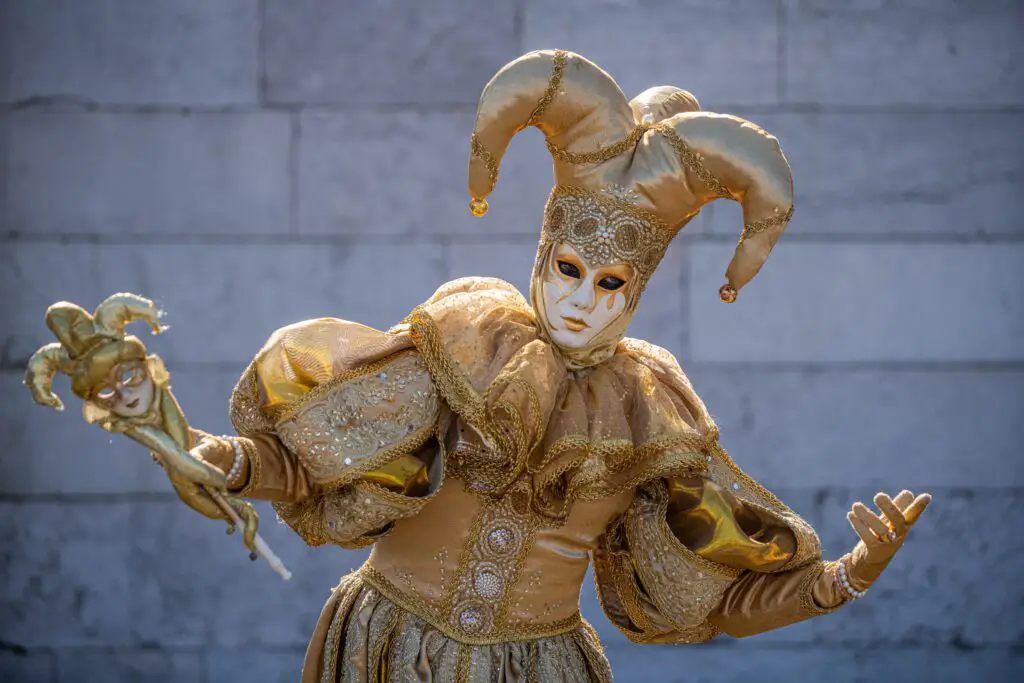
At some point, a mask entered the home as decor or a souvenir. Over time, it stopped feeling decorative and started feeling watched. Its expression never changed, but the mood around it did. Eventually, it was taken down.
Still, throwing it away felt like tempting bad luck. The mask ended up in a box or basement corner instead. Families joked about it, but no one really laughed. It stayed hidden, quietly staring from the dark.
8. A Child’s Old Stuffed Animal
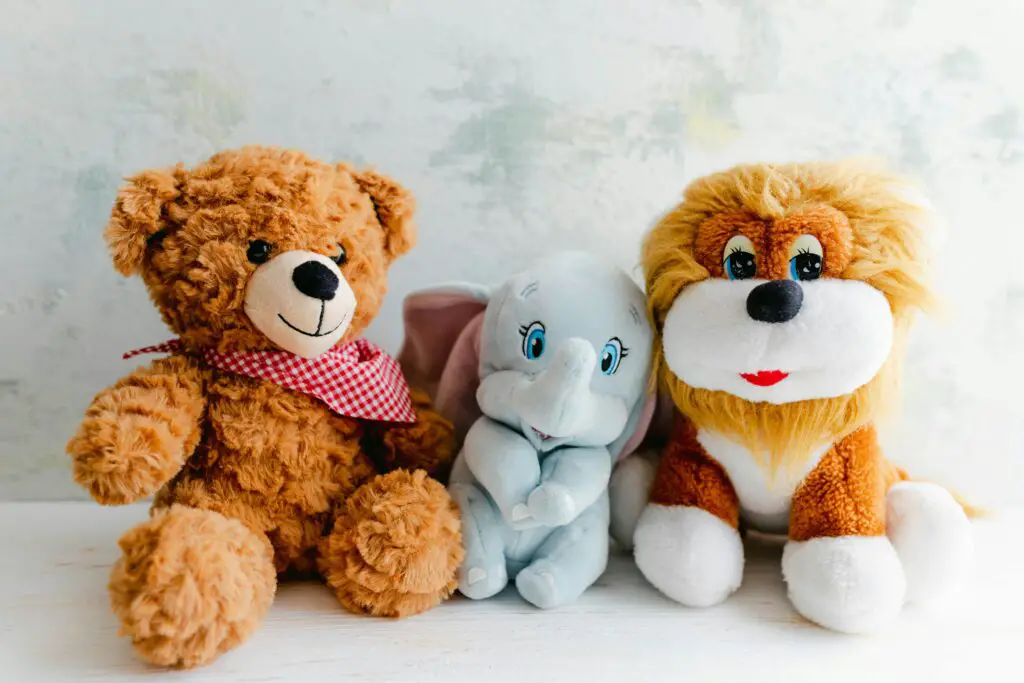
Stuffed animals carried comfort, tears, and bedtime secrets. Even when they became worn or oddly shaped, families struggled to let them go. They represented childhood safety and emotional attachment. Throwing one away felt cruel.
But age didn’t always treat them kindly. Missing eyes, flattened fur, and odd smells made them unsettling. They were often moved out of sight as kids grew older. The toy stayed hidden, loved but a little creepy.
9. An Antique Mirror No One Used

Some mirrors felt different from the moment they entered a house. Maybe it was the ornate frame or the way it reflected light. Families believed mirrors held memories, or worse. Even skeptics felt uneasy around certain ones.
Instead of tossing it, the mirror was covered or stored away. It might have been wrapped in a sheet or turned to face the wall. No one wanted to risk breaking it or disrespecting it. It stayed hidden, avoided rather than discarded.
10. Old X Rays or Medical Records
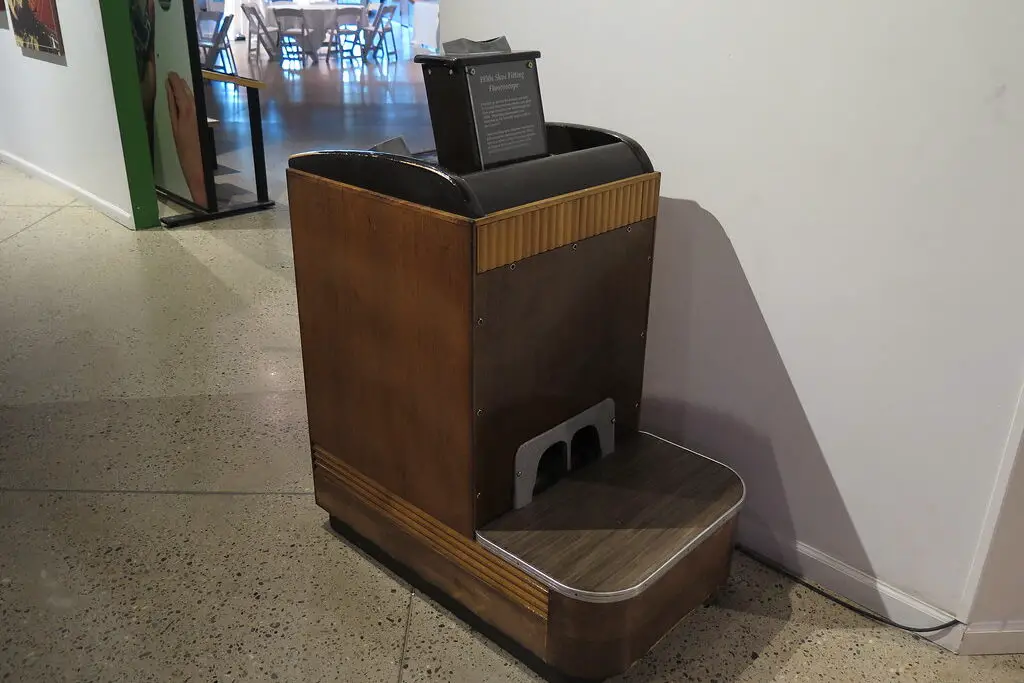
Families often kept old medical images in envelopes labeled with names and dates. They felt important, even if no one knew why. These records marked survival, illness, or loss. Discarding them felt disrespectful.
Still, there was something unsettling about seeing bones and internal images. They reminded people of vulnerability and mortality. Most families tucked them away in filing cabinets. The envelopes stayed hidden, quietly uncomfortable reminders of the past.
11. A Deceased Relative’s Glasses
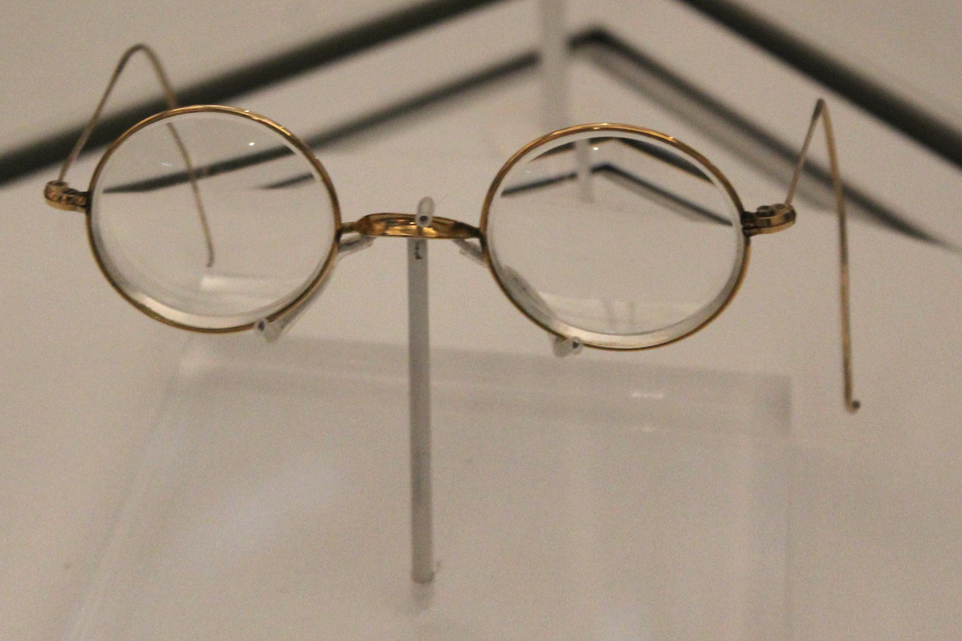
Eyeglasses were deeply personal objects, shaped to someone’s face and habits. Families kept them as a way to remember how a loved one looked. Even broken pairs were saved. Throwing them away felt like erasing someone’s presence.
But the glasses also felt strange without their owner. Seeing them empty on a shelf or in a drawer felt wrong. Most families hid them out of sight. They stayed stored away, meaningful and unsettling at the same time.
12. An Old Voicemail or Cassette Recording
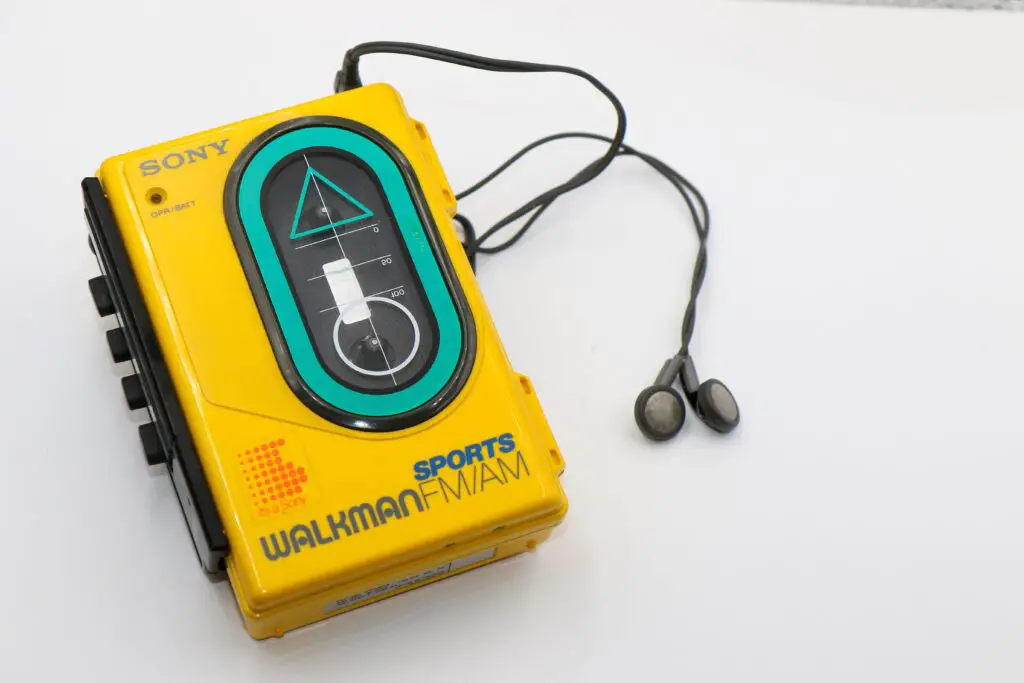
Some families kept old recordings of loved ones’ voices. These were priceless, especially after someone passed away. Hearing a familiar voice again could be comforting. It felt like preserving a piece of someone’s soul.
At the same time, listening to it could be painful or eerie. The voice existed without the person, frozen in time. Many families avoided replaying it too often. The tape or file stayed hidden, treasured but emotionally heavy.