
1. Making Your Bed Every Morning

For a long time, an unmade bed was seen as a sign of laziness or poor character. Parents and teachers believed that starting the day without straightening your sheets meant you lacked discipline. A neatly made bed suggested you were orderly, respectful, and ready to face responsibility. It became a quiet test of whether you could be trusted with bigger tasks.
On the flip side, people who skipped it were often judged more harshly than the habit deserved. The bed itself became a moral scoreboard no one agreed to use. Even guests might notice and silently draw conclusions. It was never really about the bed, it was about what it supposedly said about you.
2. Chewing With Your Mouth Open
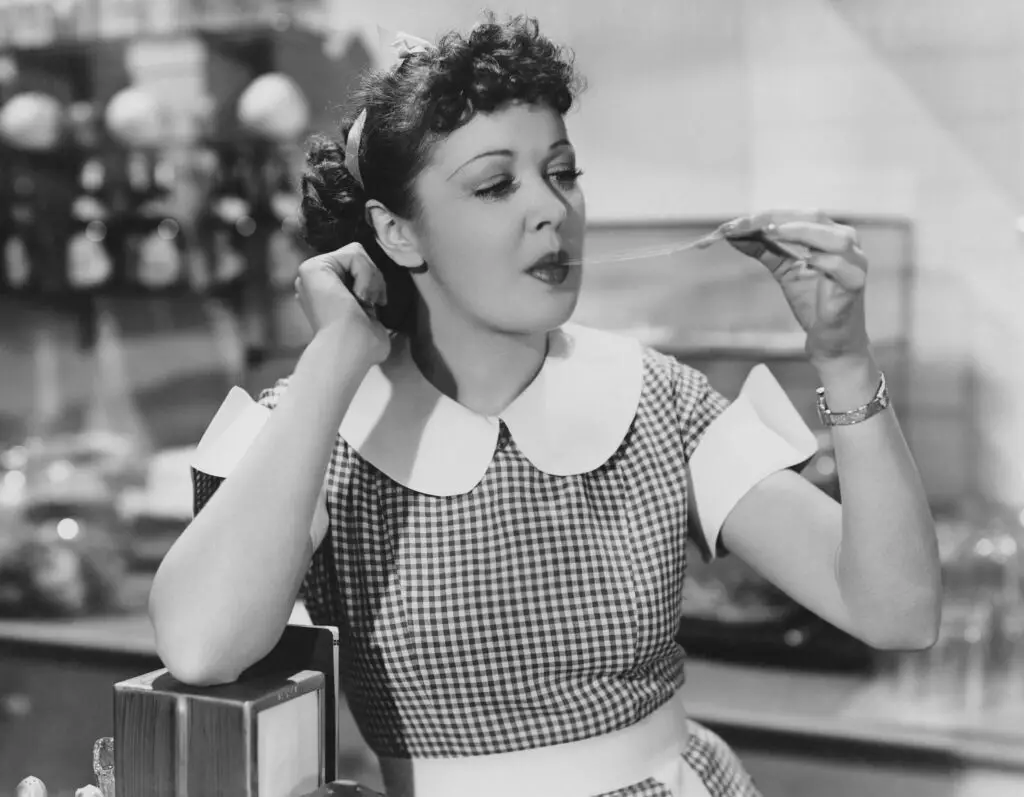
Open mouth chewing was once treated as a direct reflection of someone’s upbringing. If you did it, people assumed your parents failed at teaching manners. It wasn’t just rude, it was considered a sign of poor morals and a lack of self control. Meals doubled as character assessments.
Children were corrected sharply, sometimes publicly, to reinforce the lesson. Adults who did it were judged even more harshly. It became less about comfort and more about social worth. A small habit carried an outsized moral weight.
3. Leaving Food on Your Plate

Not finishing your meal was often interpreted as being ungrateful or spoiled. Older generations tied clean plates to respect for hard work and sacrifice. Leaving food behind suggested entitlement or a lack of appreciation. Meals came with moral expectations built right in.
This belief was especially strong in households shaped by scarcity. People who insisted they were full were sometimes pushed to eat more anyway. The habit wasn’t about hunger, it was about values. Food became a lesson in character.
4. Being Late

Tardiness was once seen as a sign of disrespect rather than poor time management. Showing up late implied you didn’t value other people or their schedules. It was often framed as a moral failing instead of a logistical one. Being on time meant being trustworthy.
Chronic lateness could quietly damage someone’s reputation. People assumed it reflected selfishness or carelessness. Even small delays were remembered. Timekeeping turned into a measure of integrity.
5. Not Writing Thank You Notes

Skipping a handwritten thank you was taken as a serious breach of etiquette. Gratitude was expected to be formally documented, not just spoken. If a note never arrived, people questioned your appreciation and upbringing. Silence felt personal.
This was especially true for gifts, favors, or invitations. A missing note lingered in people’s minds. The habit carried emotional consequences beyond its size. Manners became moral proof.
6. Slouching
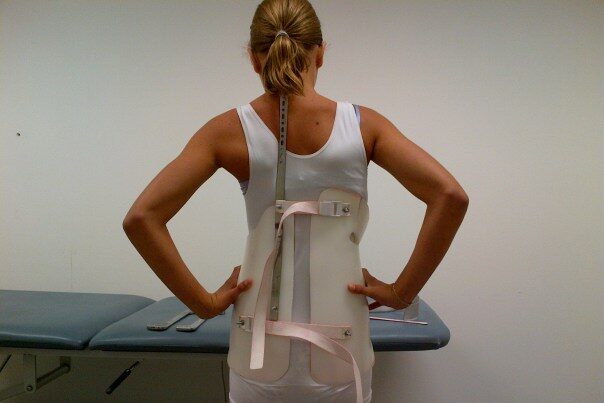
Poor posture was once linked to poor character. Slouching suggested laziness, lack of confidence, or even dishonesty. Standing up straight meant you were disciplined and respectable. Your spine was expected to tell your story.
Teachers and parents corrected posture constantly. The body became another way to show moral standing. Comfort rarely mattered. Appearance was treated as evidence of inner strength.
7. Not Greeting Adults Properly

Failing to say hello or make eye contact was often seen as a sign of disrespect. Children were taught that greetings reflected obedience and good values. A missed greeting could feel like a personal insult. Politeness was treated as moral currency.
Adults judged kids quickly based on this habit. Shyness wasn’t always given grace. The expectation was confidence and courtesy, regardless of personality. Social rituals carried heavy meaning.
8. Wearing Wrinkled Clothes
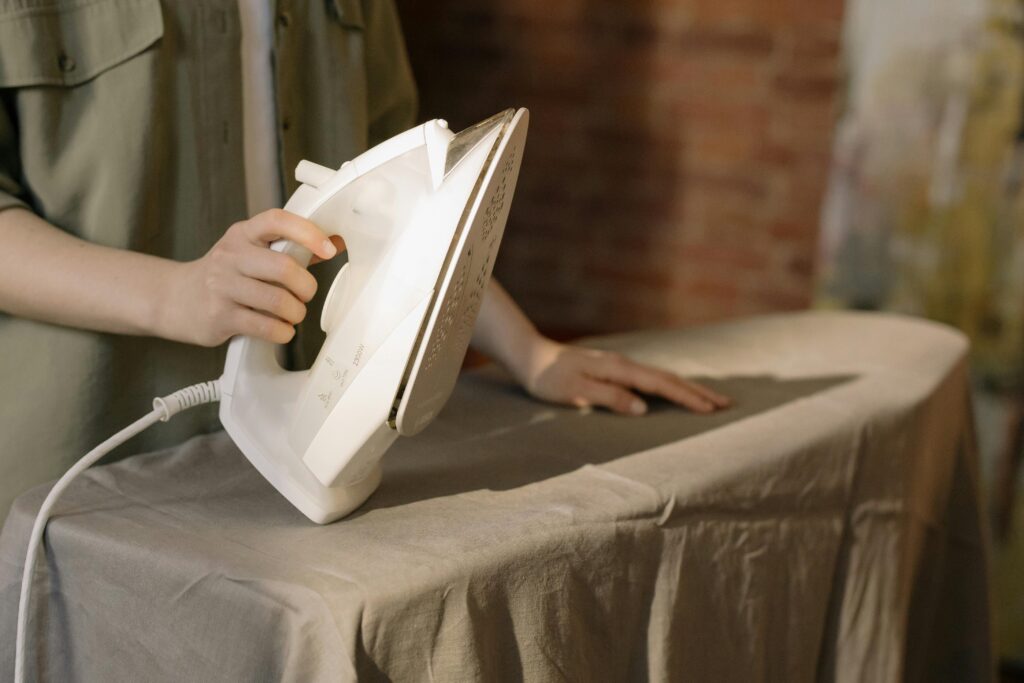
Wrinkled clothing once suggested carelessness or low standards. Looking pressed and polished meant you were responsible and self respecting. Appearance was seen as a reflection of discipline. Clothes spoke before you did.
People made assumptions about work ethic based on how you looked. A rumpled shirt could cost someone credibility. The habit was never neutral. Style and morality became tangled.
9. Interrupting Conversations

Interrupting was treated as a sign of selfishness or arrogance. Letting others finish showed patience and respect. People believed good listeners were morally superior. Conversation became a test of character.
Children were corrected immediately when they interrupted. Adults were judged more quietly but just as firmly. The habit shaped how people perceived your values. Silence often meant virtue.
10. Keeping a Messy Home

A cluttered home was often seen as a reflection of a cluttered mind. Clean spaces suggested responsibility and stability. Messiness hinted at chaos or poor self control. Homes became moral displays.
Visitors noticed everything, even when they didn’t comment. Judgment lingered in small details. The habit carried social consequences. Personal space turned into public evidence.
11. Avoiding Eye Contact

Avoiding eye contact was once seen as a sign of dishonesty or guilt. Looking someone in the eye meant you were trustworthy. Shifting your gaze raised suspicion. Eyes became moral instruments.
This belief ignored anxiety or cultural differences. People were labeled unfairly. The habit carried emotional weight it didn’t deserve. Trust was built on something fragile.
12. Talking Too Much

Being overly talkative was often viewed as a lack of restraint. Quiet people were seen as thoughtful and virtuous. Excessive chatter suggested insecurity or self importance. Silence carried moral approval.
People learned to police their own voices. Saying less felt safer socially. The habit shaped identities. Expression became a risk.
13. Forgetting Names
Forgetting someone’s name was taken as a sign you didn’t care. Remembering names meant respect and attentiveness. A lapse could feel like rejection. Memory became a moral test.
People apologized profusely for forgetting. Embarrassment followed quickly. The habit carried emotional consequences. Attention was treated as affection.
14. Not Smiling Enough

Not smiling was once interpreted as unfriendliness or bad character. A pleasant expression meant you were agreeable and kind. Serious faces made people uncomfortable. Emotions were expected to perform.
Women especially felt this pressure. Neutral expressions were judged harshly. The habit wasn’t about mood, it was about expectation. Morality got written onto faces.