
1. Barbra Streisand
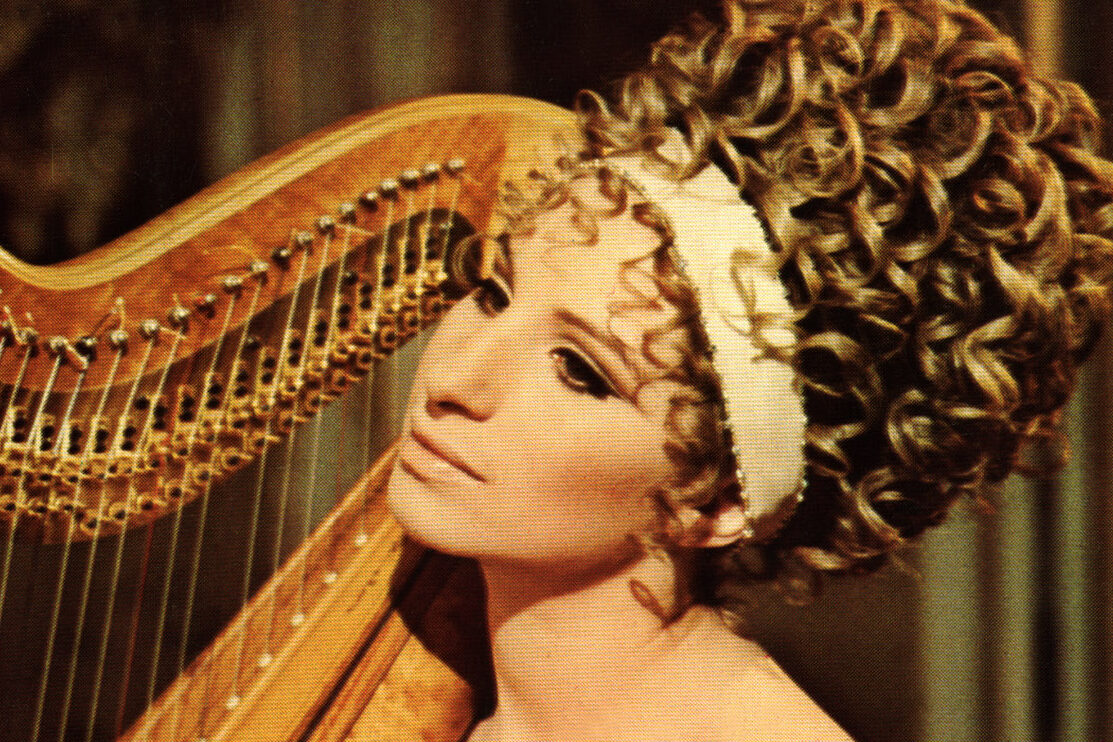
Barbra Streisand arrived in the ’60s sounding and looking like no one else, and she never tried to smooth out the edges. Her breakout in Funny Girl turned her into a Broadway and film sensation almost overnight. Audiences connected to her confidence, vulnerability, and refusal to fit the traditional Hollywood mold. She made it clear that talent could outweigh convention, especially for women.
By the end of the decade, Streisand was also shaping her own career behind the scenes. She moved fluidly between music and film, earning respect in both worlds. Her success helped open doors for performers who did not fit a narrow definition of glamour. Streisand proved that individuality could be the main event.
2. Aretha Franklin
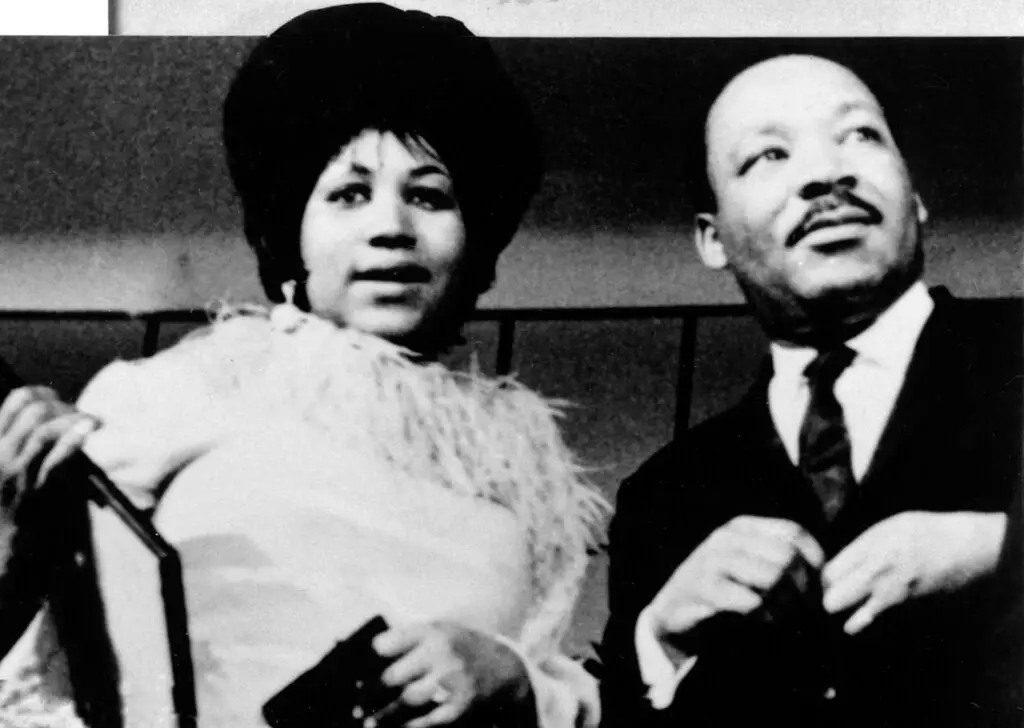
Aretha Franklin’s voice became the sound of emotional honesty in the ’60s. When she recorded songs like “Respect,” she transformed them into declarations of strength and self worth. Her music resonated far beyond the charts, connecting deeply with social change and personal empowerment. Listening to her felt like hearing truth spoken aloud.
Franklin’s influence reshaped soul, pop, and gospel music all at once. She showed that a woman could command a song completely, vocally and emotionally. Artists who followed learned that authenticity mattered more than polish. Her legacy still echoes every time a singer chooses feeling over restraint.
3. Diana Ross
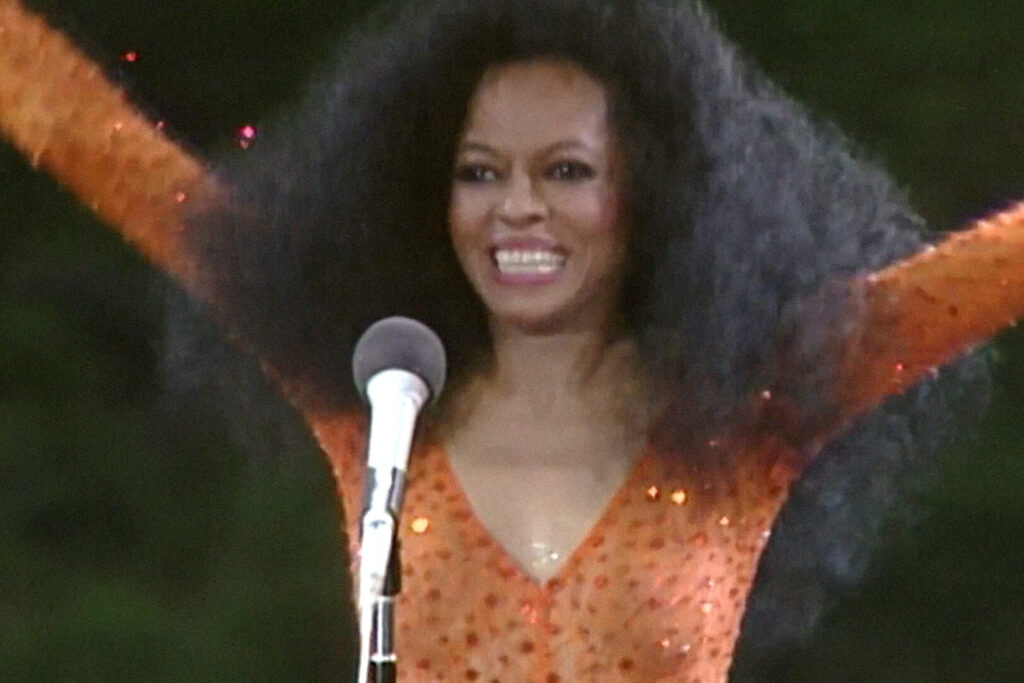
Diana Ross emerged as the face of The Supremes during one of the most transformative decades in pop music. Her poised presence and distinctive voice helped redefine what a pop star could look like. The group’s success broke barriers on radio and television, reaching audiences worldwide. Ross carried elegance and ambition into every performance.
As the decade closed, Ross was already stepping into her own as a solo artist. She showed that women could transition, evolve, and lead without losing their audience. Her influence shaped pop stardom for decades to come. Ross made it normal to dream big and then go bigger.
4. Tina Turner
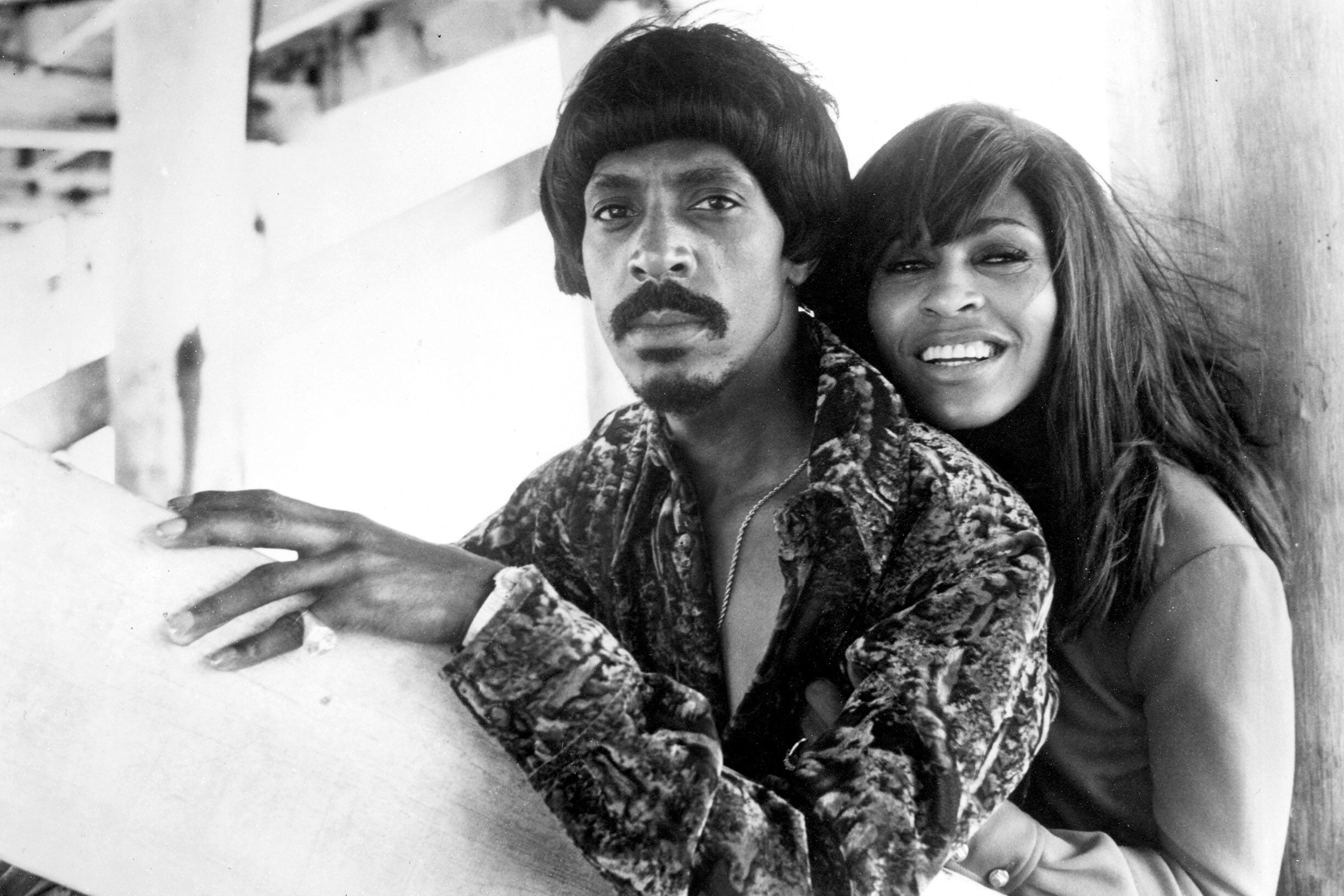
Tina Turner’s performances in the ’60s were electric, physical, and unforgettable. She brought raw energy to the stage at a time when women were rarely allowed that kind of power. Audiences could not look away from her voice, movement, or presence. She redefined what it meant to own a live performance.
Turner’s influence went beyond genre or era. She proved that strength and vulnerability could exist in the same moment. Later generations of performers borrowed her fearlessness and intensity. The blueprint for the modern powerhouse performer started with Turner.
5. Joni Mitchell
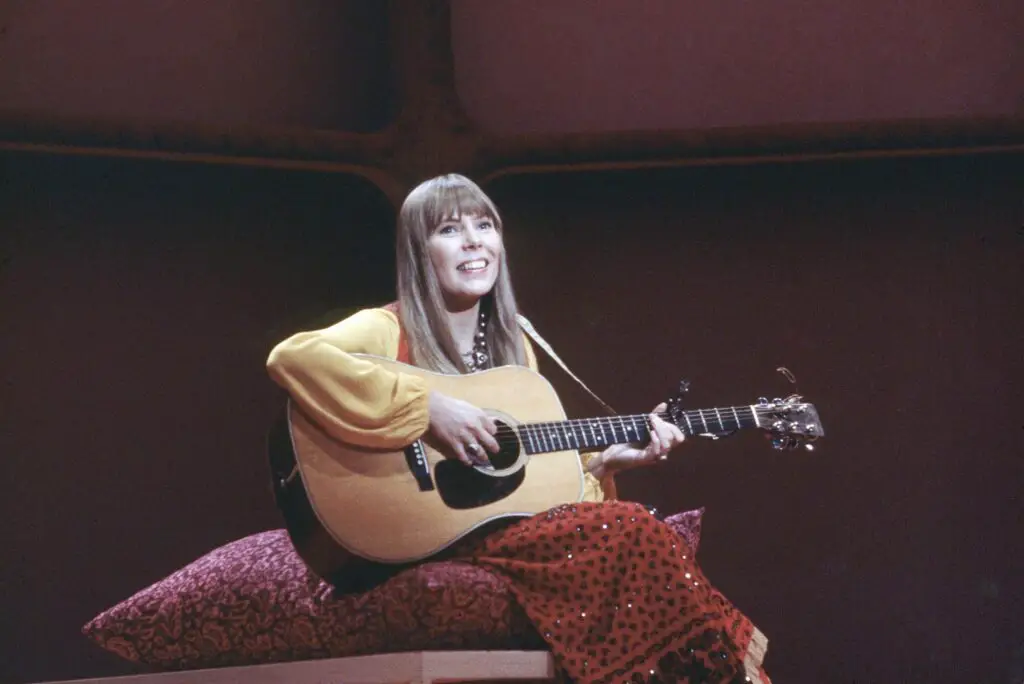
Joni Mitchell changed songwriting by turning it inward during the late ’60s. Her lyrics felt like personal letters, full of detail, reflection, and emotional clarity. She wrote from a woman’s point of view without softening or simplifying her experiences. That honesty made listeners feel seen.
Mitchell’s work influenced how artists approached storytelling in music. She showed that complexity and introspection could connect just as deeply as catchy hooks. Her songs invited thought as much as feeling. In doing so, she expanded what popular music could be.
6. Janis Joplin
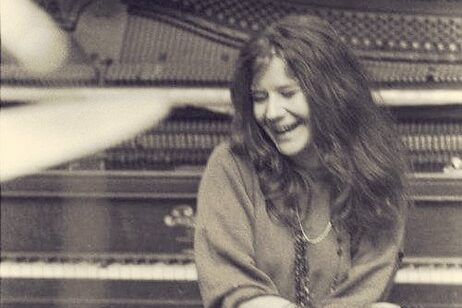
Janis Joplin burst onto the scene with a voice that sounded lived in and unfiltered. In the ’60s, her performances felt raw and emotionally exposed. She sang like nothing was being held back, and audiences felt every note. That kind of openness was rare, especially for women.
Joplin challenged the idea that female singers had to be controlled or polished. She made space for messiness, pain, and passion. Her influence can be heard in countless rock and blues artists who followed. Joplin showed that vulnerability could be powerful.
7. Joan Baez
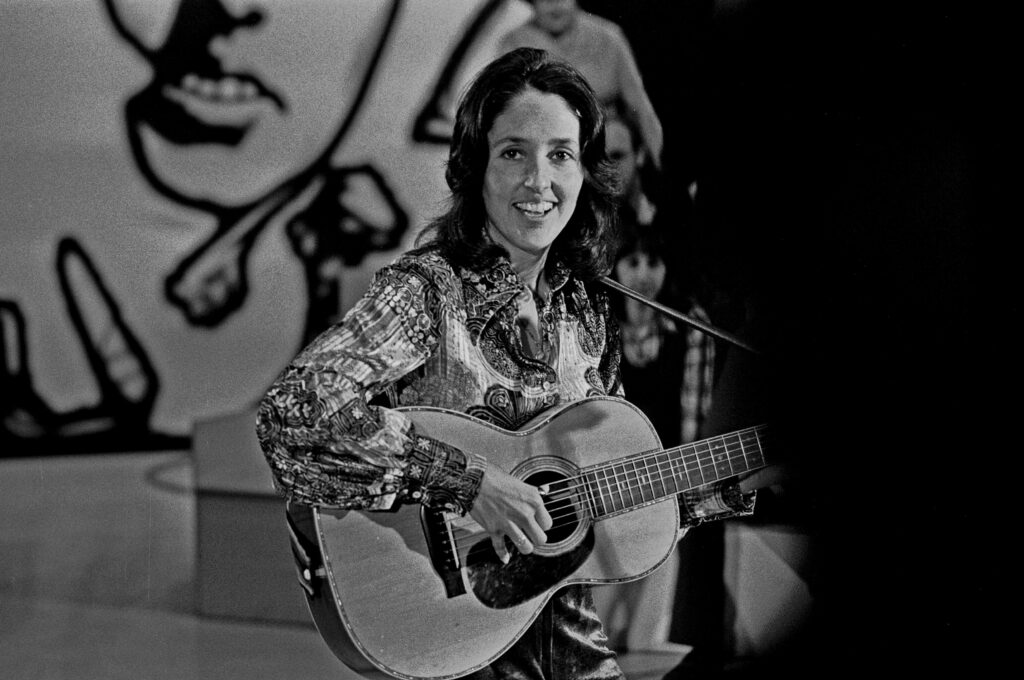
Joan Baez became a defining voice of the ’60s folk movement. Her clear vocals and thoughtful song choices aligned music with activism. She used her platform to speak openly about social justice and peace. For many, her music felt inseparable from the era itself.
Baez showed that entertainers could stand for something without losing their audience. She helped normalize the idea of artists engaging directly with political and cultural issues. Her courage inspired musicians to use their voices beyond the stage. Baez made conviction part of the performance.
8. Mary Tyler Moore
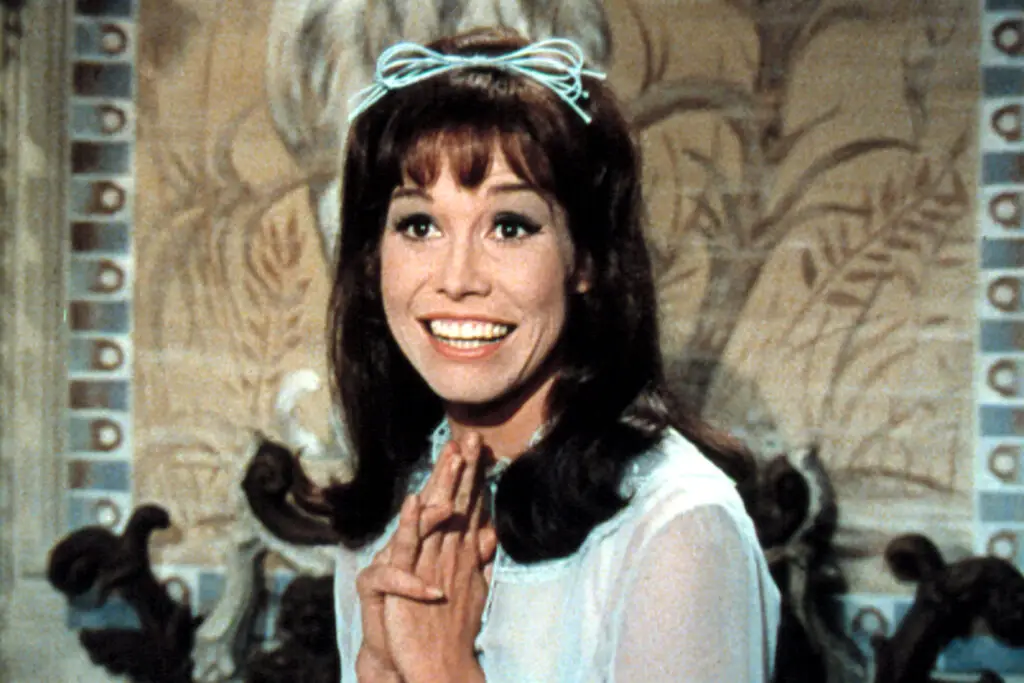
Mary Tyler Moore helped change how women were portrayed on television during the ’60s. On The Dick Van Dyke Show, she played a wife who was warm, smart, and fully human. Her character felt relatable rather than idealized. Audiences saw pieces of real life reflected back at them.
That foundation allowed Moore to later redefine female leads on television. She proved women could be funny, grounded, and emotionally complex. Her work helped move sitcoms toward more realistic storytelling. Moore quietly shifted expectations for women on TV.
9. Lucille Ball
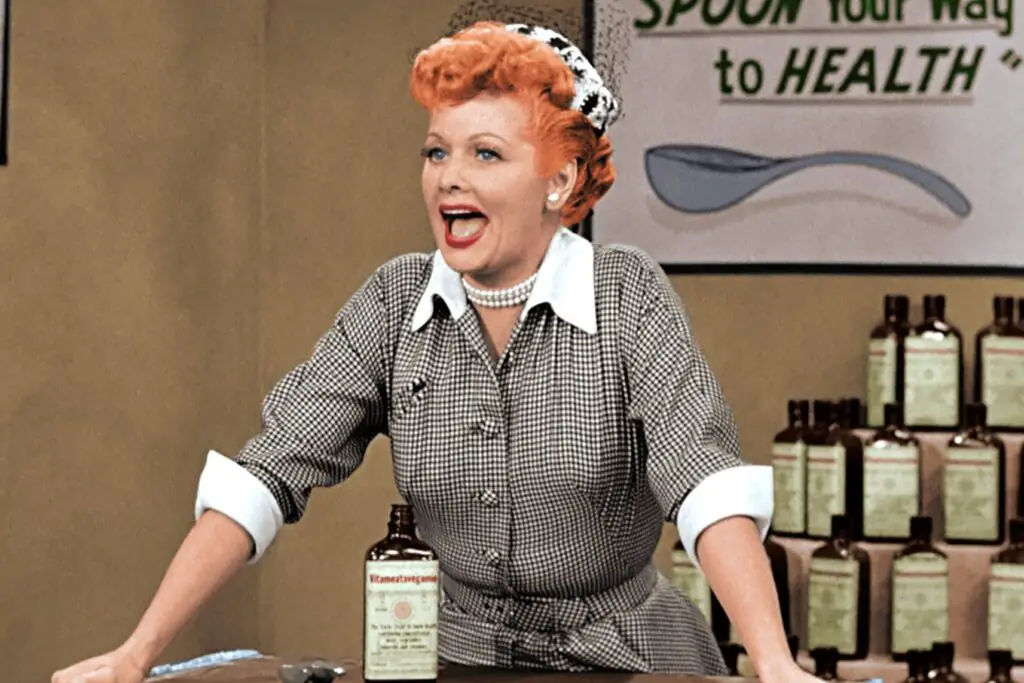
Lucille Ball was already a legend by the ’60s, but she continued shaping television throughout the decade. With The Lucy Show, she remained a dominant creative force behind the camera. She was one of the first women to run a major television production company. That alone changed the industry.
Ball’s influence reached far beyond comedy. She proved that women could lead studios, make decisions, and take creative risks. Her success paved the way for future female producers and executives. Ball made control and creativity inseparable.
10. Elizabeth Taylor
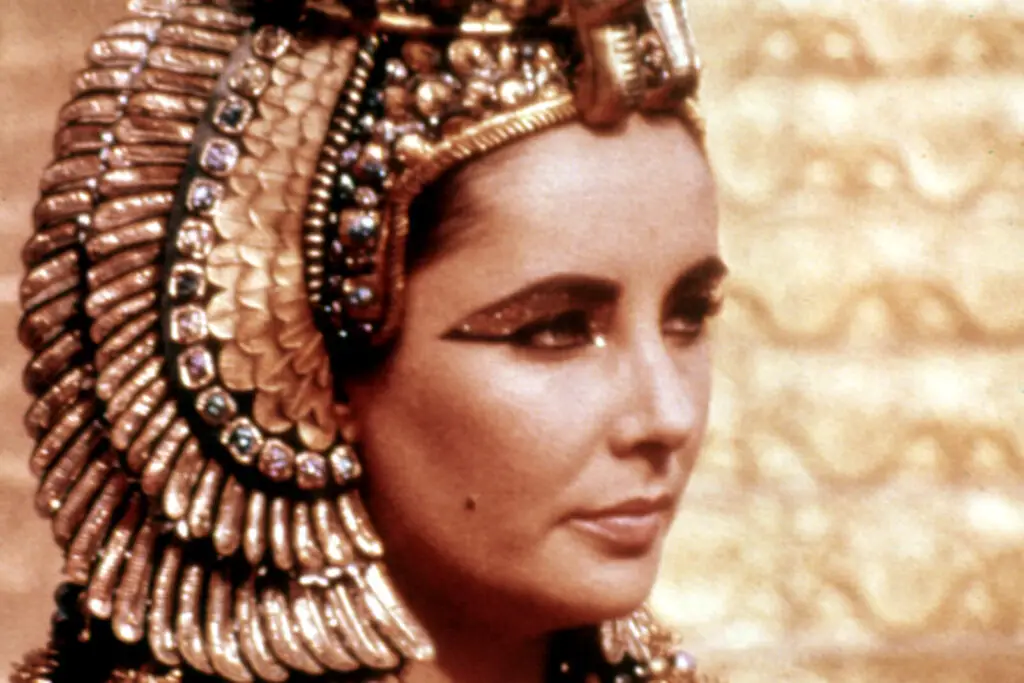
Elizabeth Taylor entered the ’60s as one of the most famous women in the world. Her performances carried emotional depth that matched her larger than life public image. Films like Cleopatra cemented her status as a global icon. She brought intensity and vulnerability to every role.
Taylor also changed how celebrity itself functioned. Her personal life, activism, and openness made her more than a movie star. She showed that women could own their narratives even under intense scrutiny. Taylor reshaped fame into something personal and powerful.
11. Carol Burnett
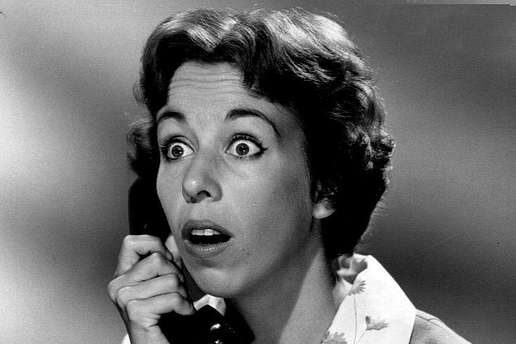
Carol Burnett redefined comedy in the late ’60s with warmth and fearlessness. When The Carol Burnett Show debuted in 1967, it centered a woman as both creator and star. Her humor felt inclusive, playful, and emotionally sharp. Audiences trusted her instantly.
Burnett proved that women could lead sketch comedy without sacrificing heart. She opened doors for generations of female comedians. Her influence is still felt in modern comedy shows. Burnett made laughter feel welcoming and smart.
12. Cher
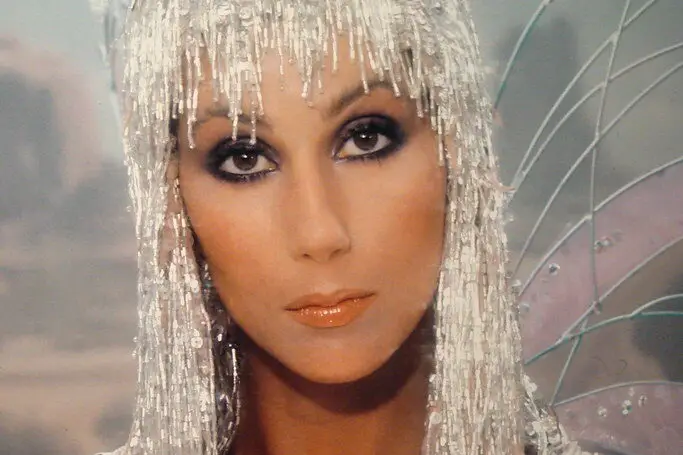
Cher emerged in the ’60s with a voice and look that stood out immediately. As part of Sonny & Cher, she became a fixture on radio and television. Her deep voice challenged expectations of what a female pop singer sounded like. She leaned into that difference rather than hiding it.
Cher’s career showed the value of reinvention. She proved that longevity was possible by embracing change. Her confidence encouraged women to experiment with image and identity. Cher made evolution part of the job.
13. Dusty Springfield
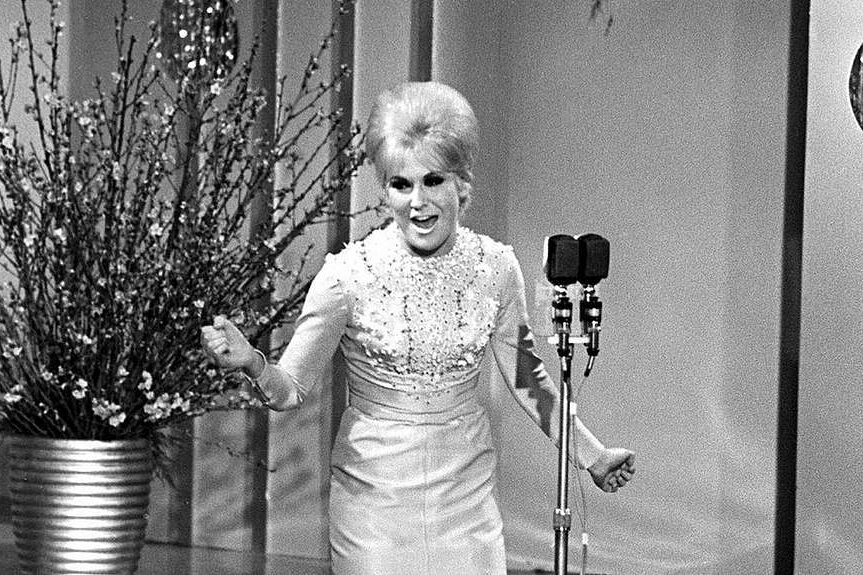
Dusty Springfield brought emotional sophistication to pop music in the ’60s. Her recordings blended soul, pop, and vulnerability in a way that felt intimate. She sang about longing and strength with equal conviction. Listeners felt understood through her voice.
Springfield’s influence helped bridge genres and audiences. She showed that pop could be deep without losing accessibility. Many modern vocalists cite her phrasing and emotional delivery. Springfield expanded the emotional range of popular music.
14. Nina Simone
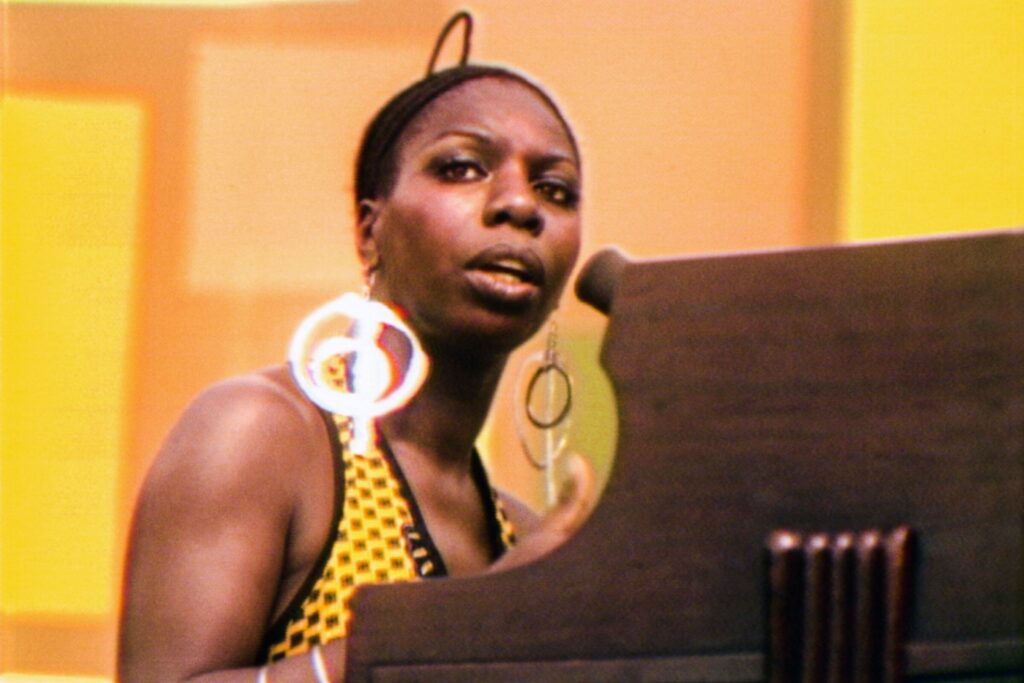
Nina Simone used music as a form of expression and resistance during the ’60s. Her songs addressed identity, injustice, and emotional truth head on. She refused to separate art from reality. That refusal made her work unforgettable.
Simone changed how audiences understood the role of an entertainer. She showed that performance could challenge, not just comfort. Her courage inspired artists to speak honestly through their work. Simone made truth part of the melody.
15. Goldie Hawn
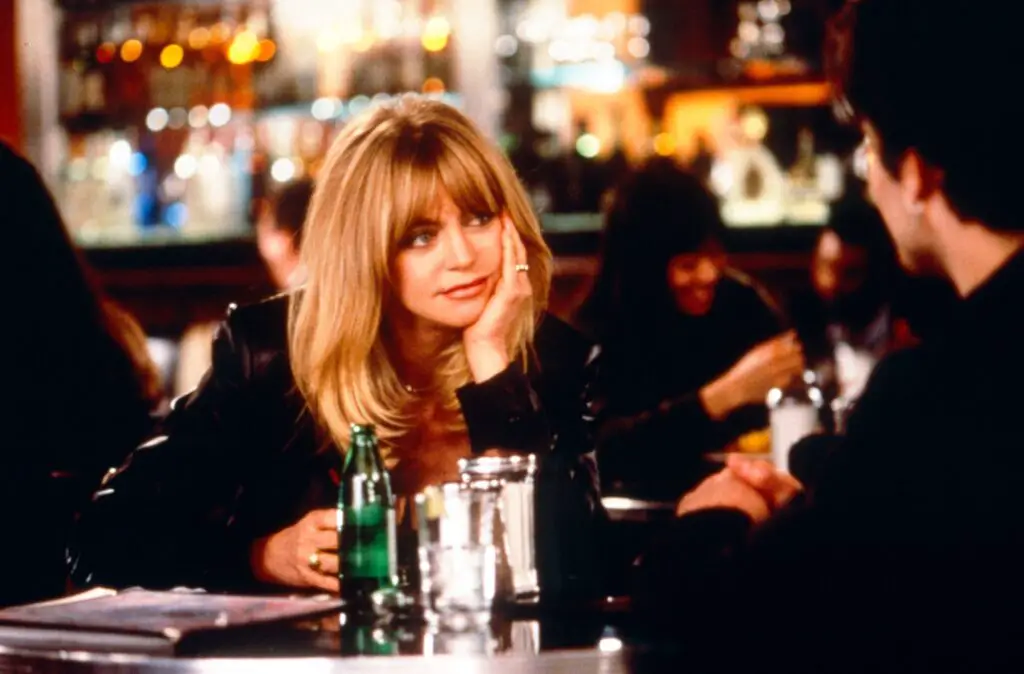
Goldie Hawn first captured attention in the late ’60s on Rowan & Martin’s Laugh-In. Her comedic timing and warmth made her instantly likable. She played with expectations of femininity in a way that felt light but meaningful. Audiences responded to her openness.
Hawn helped redefine the comedic leading lady. She proved that humor and emotional intelligence could coexist. Her success led to a long film career built on authenticity. Hawn made joy a serious skill.
16. Jane Birkin
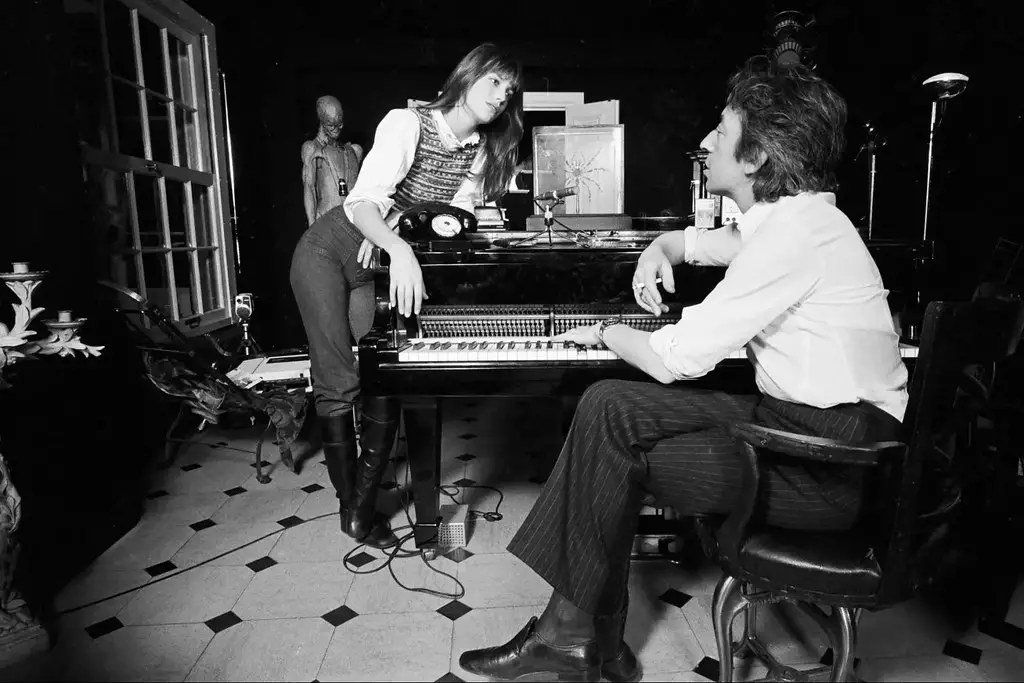
Jane Birkin became a cultural symbol in the late ’60s through film, music, and fashion. Her natural style felt effortless and modern. She rejected heavy glamour in favor of authenticity. That approach resonated across borders.
Birkin’s influence extended beyond entertainment into culture itself. She helped redefine beauty standards with ease and confidence. Her legacy remains visible in fashion and music today. Birkin showed that subtlety could be revolutionary.
17. Yoko Ono
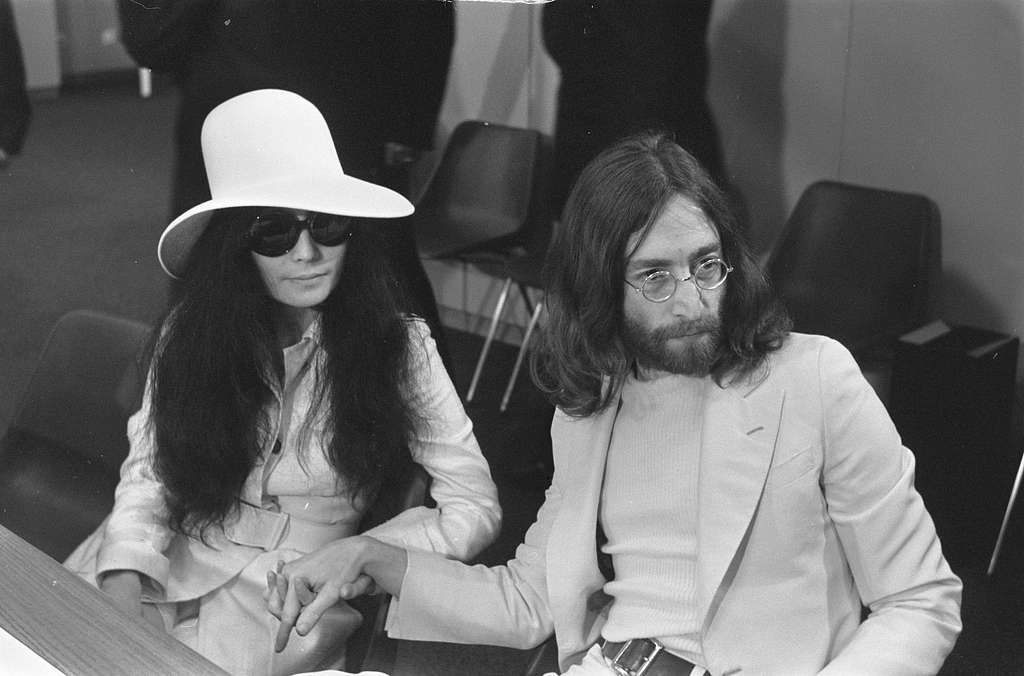
Yoko Ono challenged artistic boundaries throughout the ’60s. Her work blurred lines between music, performance art, and conceptual expression. She encouraged audiences to participate rather than simply observe. That shift changed how art was experienced.
Ono’s influence reached far beyond any single medium. She helped expand the definition of what entertainment could be. Her fearlessness inspired experimental artists across generations. Ono proved that art did not need permission to exist.