
1. Paul Newman
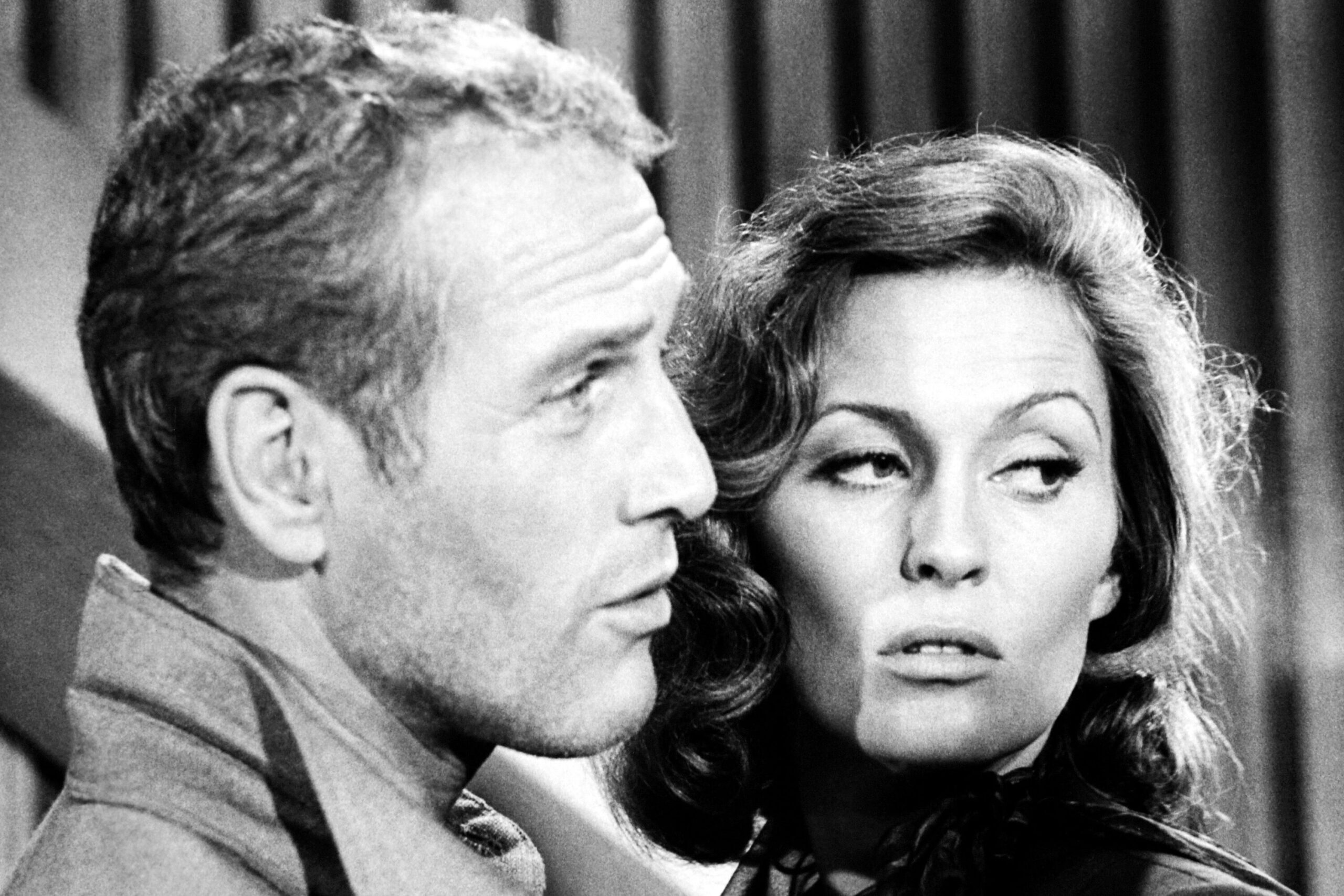
Paul Newman didn’t just look like a movie star in the ’60s, he carried himself like one who didn’t need to prove it. Films like Cool Hand Luke and The Hustler made his blue eyes famous, but it was his quiet intensity that really hooked audiences. He played rebels and outsiders with a calm confidence that felt modern for the time. Newman had a way of making silence feel just as powerful as dialogue.
What really set him apart was how little he seemed to care about being polished. He let characters be flawed, stubborn, and emotionally guarded. That restraint felt refreshing in a decade full of big personalities. Newman made vulnerability masculine without ever softening it. It’s why his performances still feel grounded decades later.
2. Steve McQueen
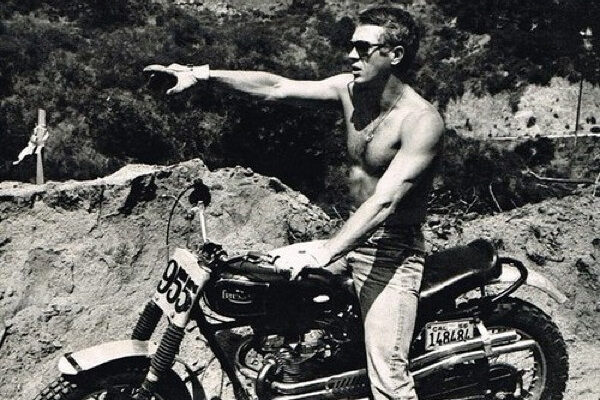
Steve McQueen redefined cool by barely trying at all. In Bullitt and The Great Escape, he moved like a man who knew exactly who he was. His performances felt stripped down, almost minimal, which made every glance and gesture matter. McQueen didn’t act for attention, he commanded it by withholding.
He also brought a physicality to stardom that felt real and unscripted. Whether riding a motorcycle or leaning against a car, he looked completely at home. McQueen represented a new kind of leading man who didn’t need speeches to dominate a scene. The camera followed him because it had no choice.
3. Sidney Poitier
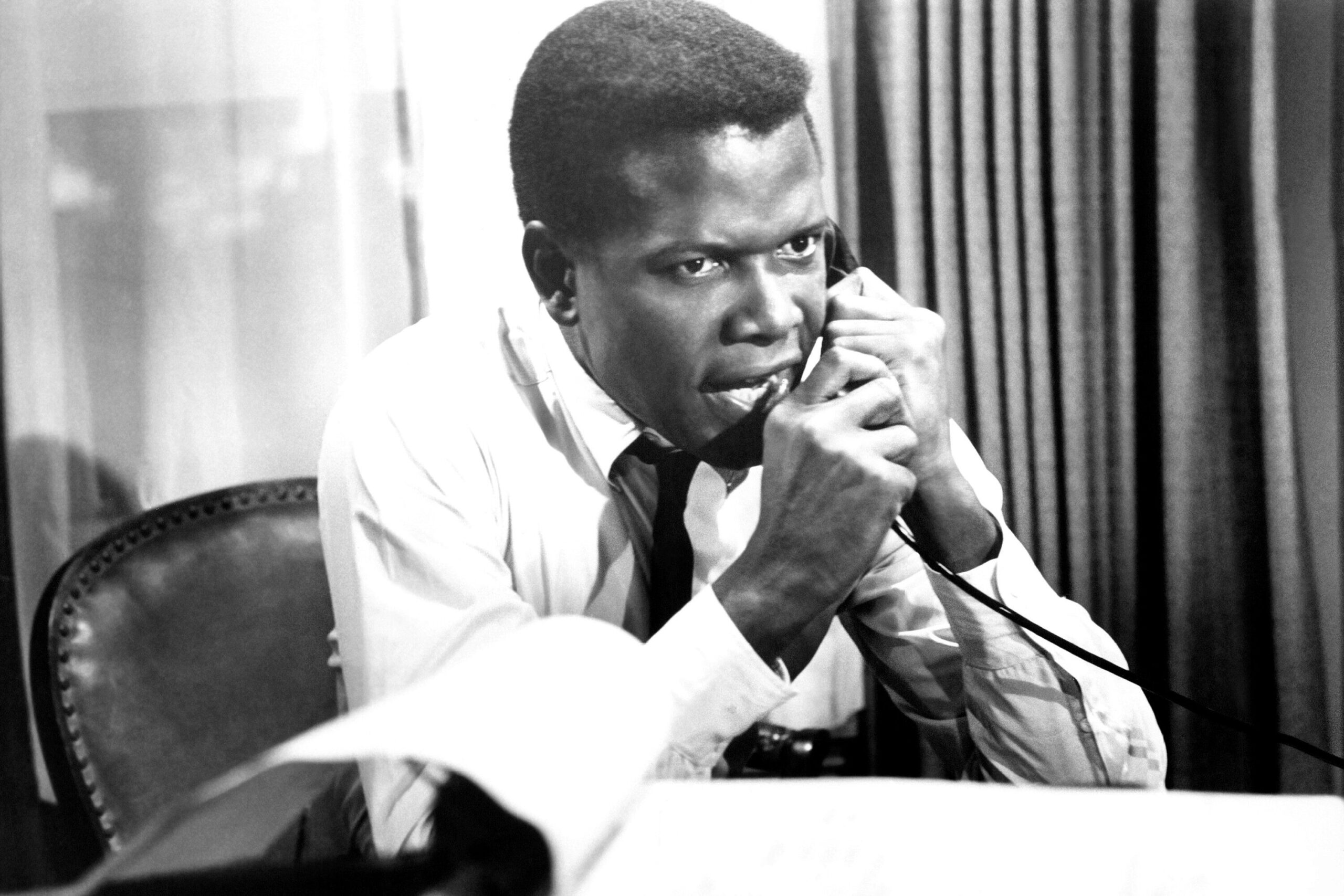
Sidney Poitier changed Hollywood simply by being undeniable. In films like In the Heat of the Night and Guess Who’s Coming to Dinner, he carried himself with intelligence, dignity, and quiet authority. He wasn’t written as a stereotype, but as a fully realized man with moral weight. Audiences were asked to listen to him, not look past him.
Poitier’s presence challenged the industry to do better. He portrayed strength without anger and confidence without arrogance. That balance made his performances powerful in ways that went far beyond the screen. He redefined what leadership and masculinity could look like in American cinema.
4. Marlon Brando
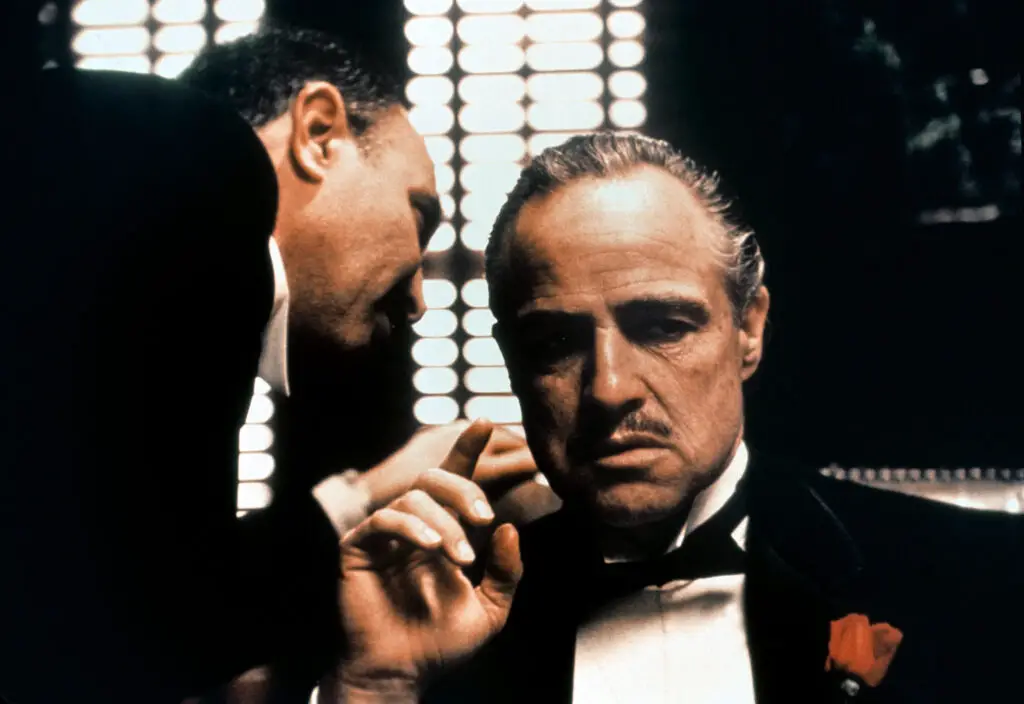
By the time the ’60s arrived, Marlon Brando was already a legend, but he kept pushing boundaries. In One-Eyed Jacks and Reflections in a Golden Eye, he leaned into emotional complexity rather than traditional heroics. Brando made inner conflict the main event. Watching him felt unpredictable and raw.
He rejected the polished movie star image almost entirely. Brando’s performances were about mood, instinct, and discomfort. That refusal to smooth things out influenced an entire generation of actors. He made it acceptable for leading men to be messy and human.
5. Sean Connery
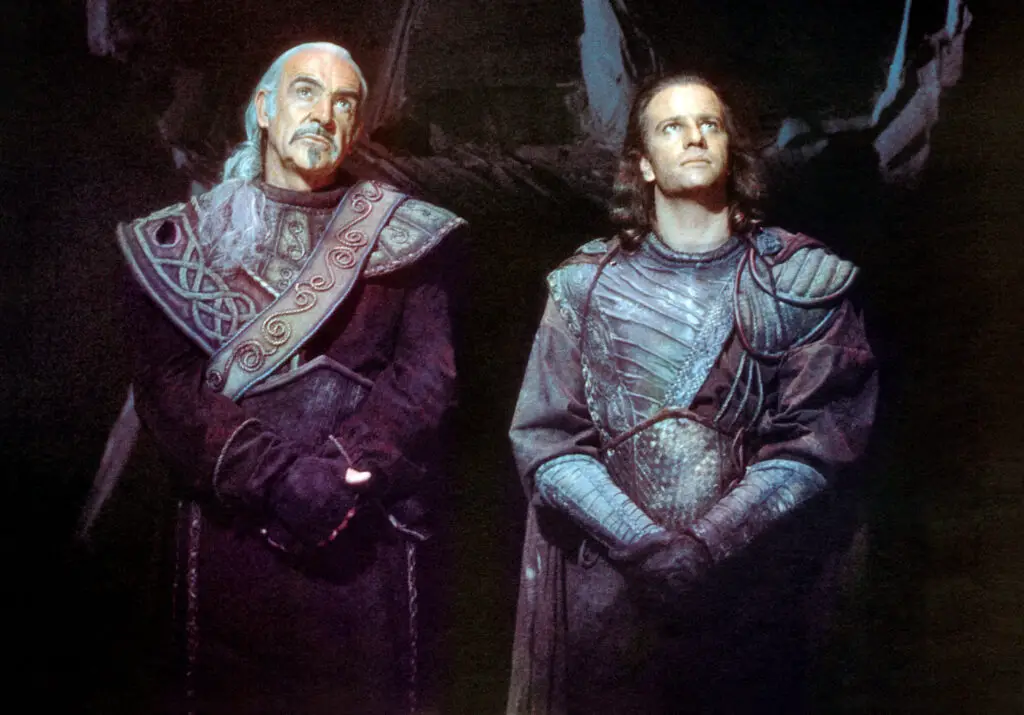
Sean Connery became a global phenomenon almost overnight as James Bond. Beginning with Dr. No, he blended charm, danger, and humor into a single, unforgettable persona. Connery’s Bond wasn’t just stylish, he felt physically imposing and emotionally unreadable. He made confidence look effortless.
What mattered most was how he owned the screen. Connery brought authority to every role, even outside the Bond franchise. His voice, posture, and calm intensity redefined what audiences expected from an action star. He made sophistication feel masculine and bold at the same time.
6. Clint Eastwood
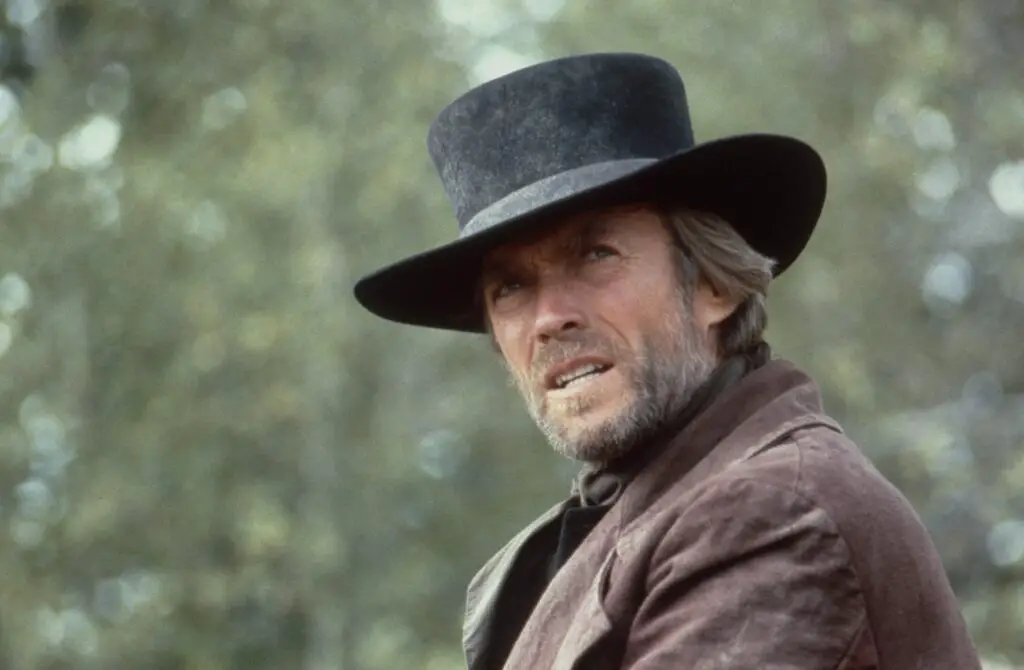
Clint Eastwood’s rise in the ’60s came with a squint and very few words. His work in A Fistful of Dollars and its sequels introduced a new kind of antihero. Eastwood didn’t explain himself, and he didn’t apologize. That silence became his signature.
He represented a shift away from traditional moral certainty. Eastwood’s characters lived in gray areas and seemed comfortable there. His physical stillness made violence feel more shocking when it arrived. The result was a leading man who felt dangerous simply by standing still.
7. Dustin Hoffman
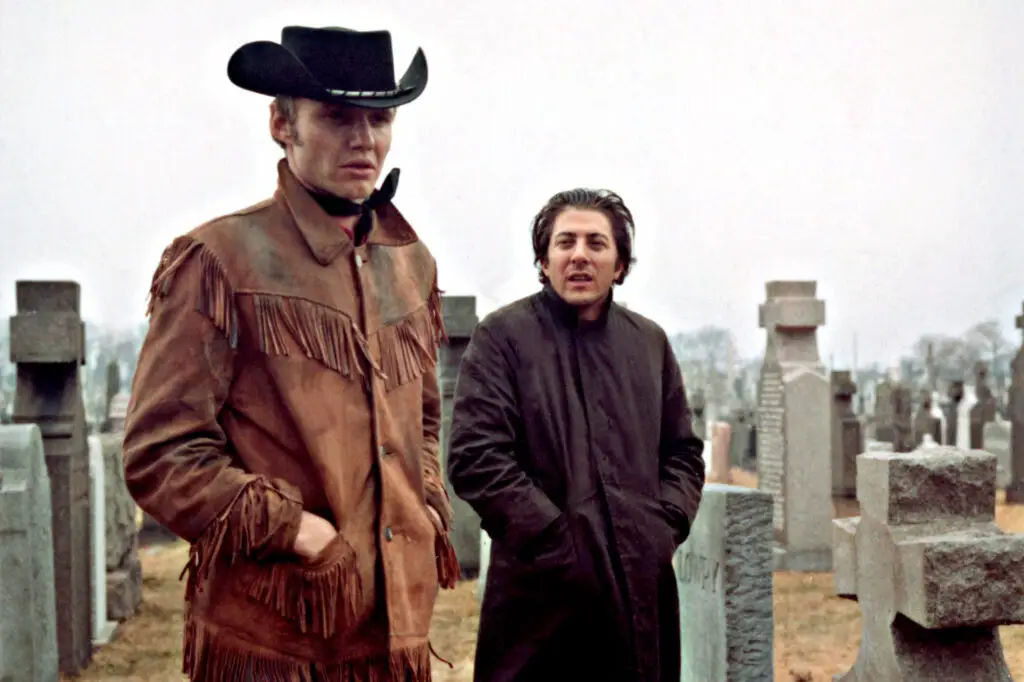
Dustin Hoffman didn’t look like a classic leading man, and that was the point. When The Graduate hit theaters, audiences saw a nervous, uncertain protagonist they hadn’t seen before. Hoffman made awkwardness compelling and emotionally honest. He felt like a real person dropped into a movie star role.
That relatability changed everything. Hoffman showed that charisma didn’t require perfection. His performances leaned into insecurity and confusion. In doing so, he opened the door for a new generation of unconventional stars.
8. Warren Beatty
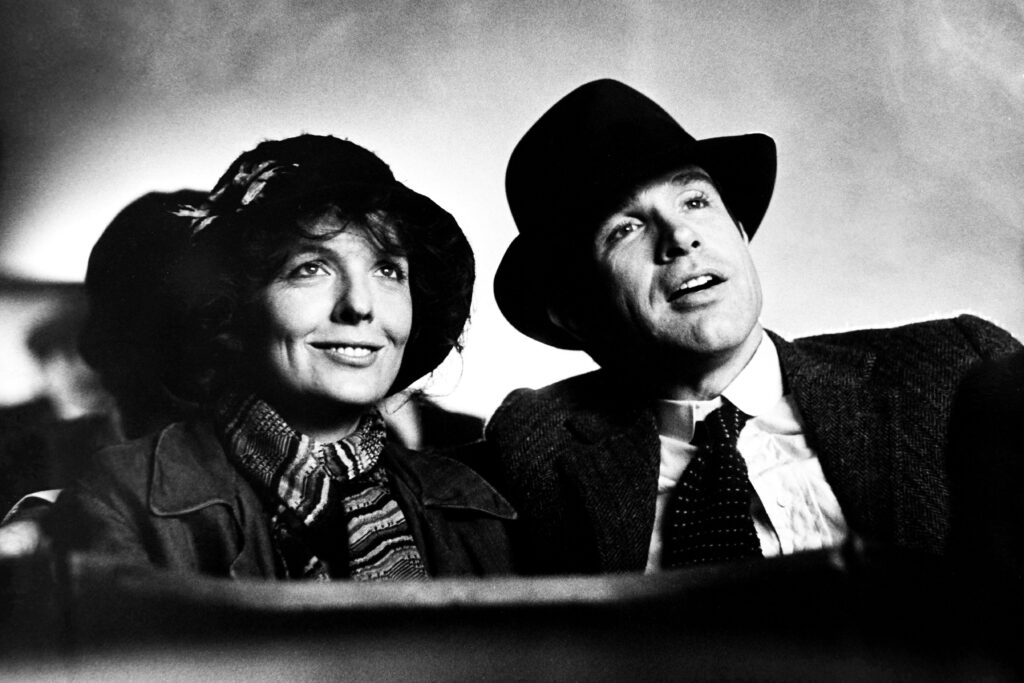
Warren Beatty embodied restless ambition throughout the ’60s. In Bonnie and Clyde, he helped redefine what a leading man could be by embracing risk and rebellion. Beatty’s charm was dangerous, not comforting. He played men who questioned authority rather than upheld it.
Off screen, he was just as influential. Beatty pushed for creative control and personal expression. That independence reshaped how stars interacted with studios. He wasn’t just acting in change, he was part of it.
9. Robert Redford
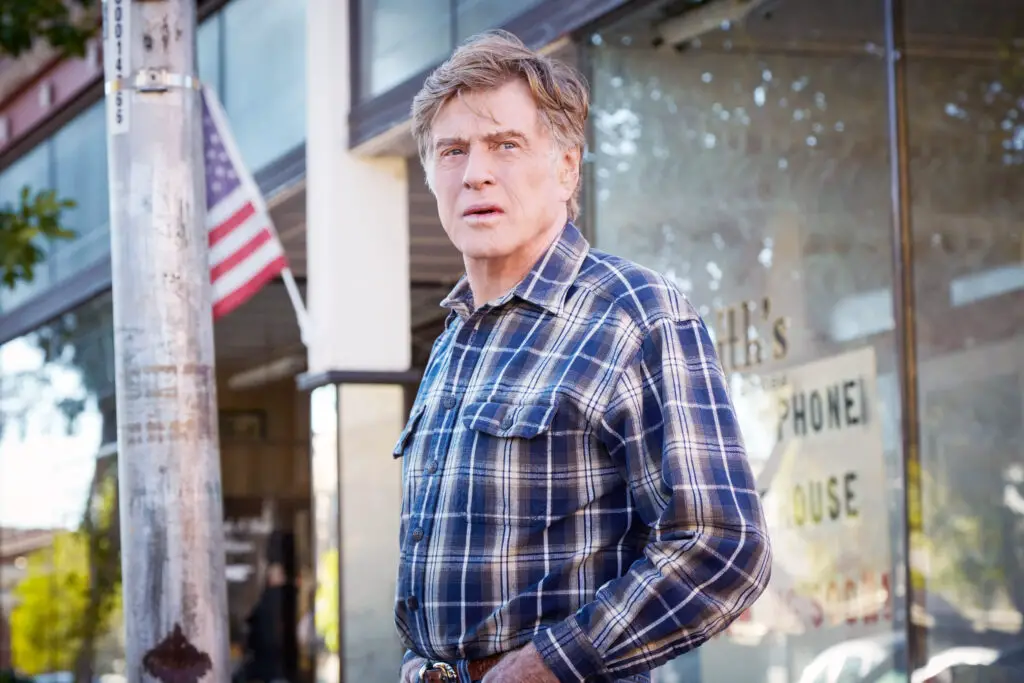
Robert Redford’s stardom built slowly, which made it feel earned. By the end of the ’60s, Butch Cassidy and the Sundance Kid turned him into a symbol of effortless charm. Redford brought warmth and humor to masculinity. He felt approachable without losing authority.
His performances suggested thoughtfulness rather than bravado. Redford’s appeal came from listening as much as speaking. That balance made him believable in both romantic and dramatic roles. He represented a gentler evolution of leading man energy.
10. Charlton Heston
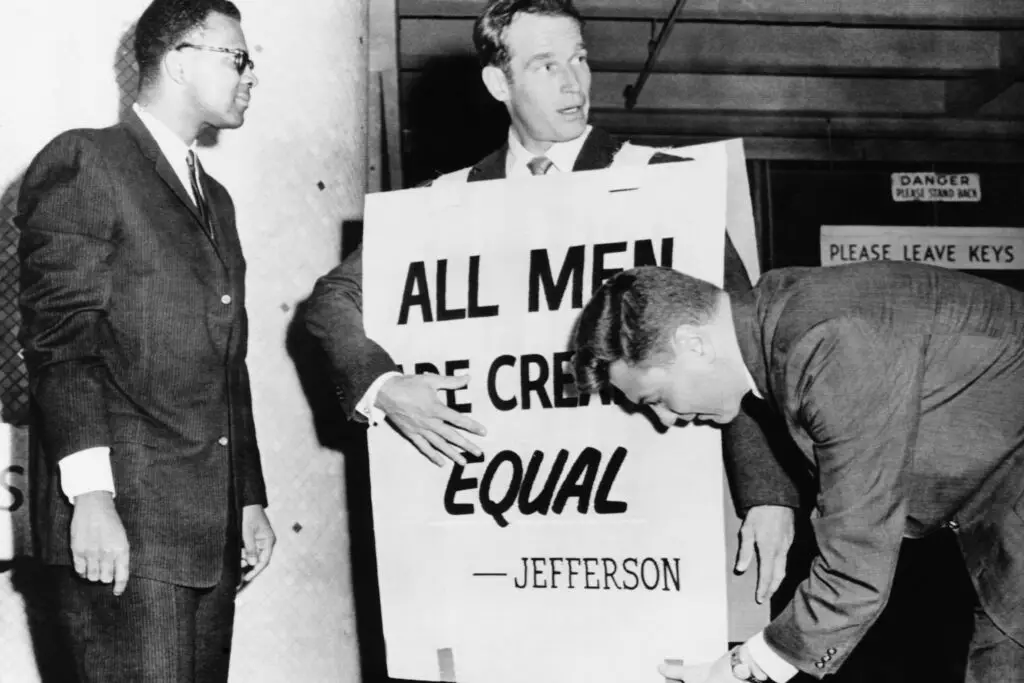
Charlton Heston carried himself like a monument. In films like Planet of the Apes and Ben-Hur, his commanding presence filled every frame. Heston projected certainty, strength, and conviction. He looked like someone meant to lead armies or defy worlds.
What made him stand out was his seriousness. Heston treated genre films with gravity and purpose. That commitment made even fantastical stories feel grounded. He reminded audiences that spectacle still needed emotional weight.
11. Gregory Peck
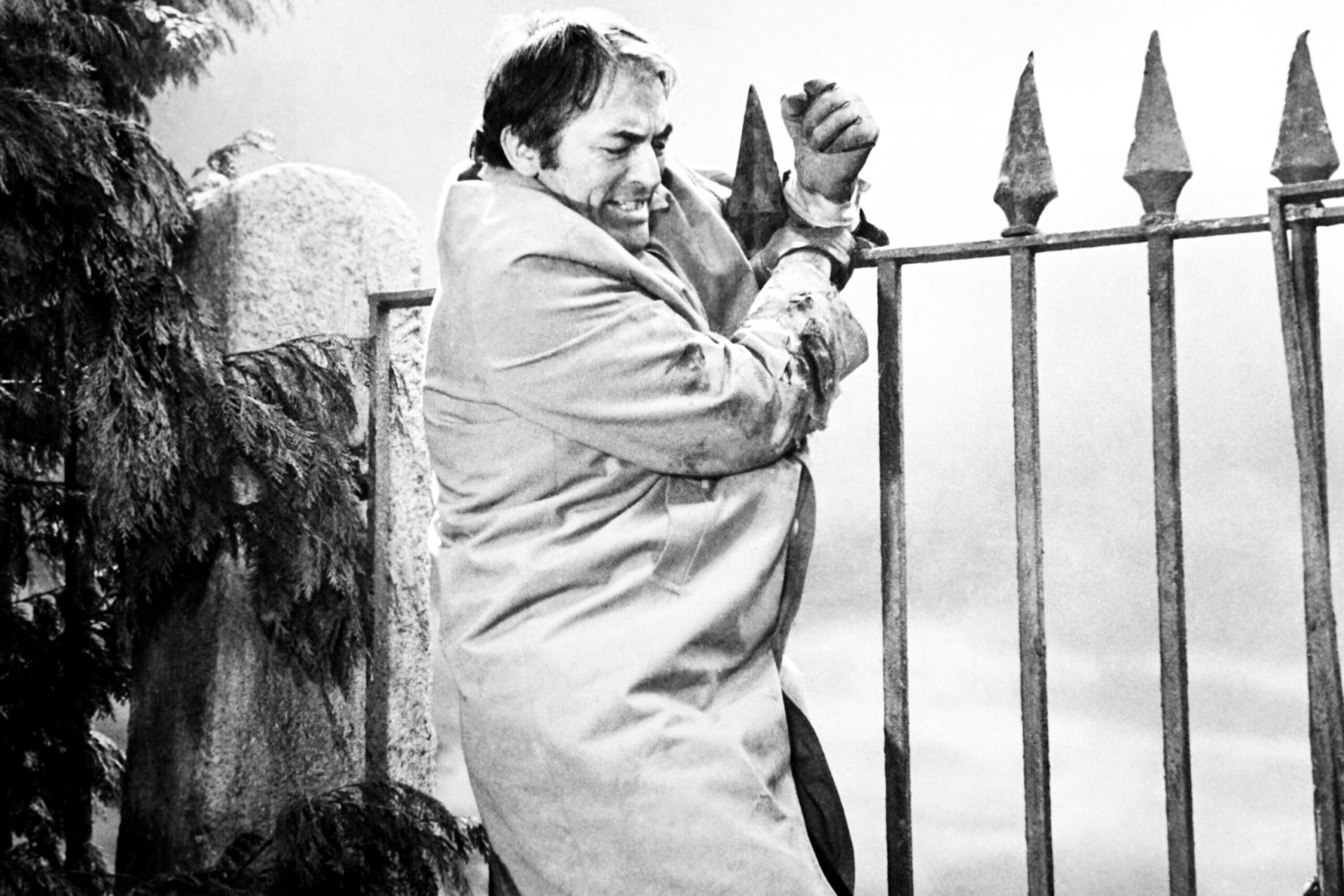
Gregory Peck brought moral clarity into the ’60s at a time when it was increasingly rare. His role in To Kill a Mockingbird defined integrity on screen. Peck didn’t play heroes loudly, he played them steadily. His calm authority felt reassuring.
That steadiness became his signature. Peck’s characters often served as anchors in turbulent stories. He showed that quiet decency could be just as compelling as rebellion. In a decade of change, he represented conscience.
12. Peter O’Toole

Peter O’Toole burst onto the screen with intelligence and intensity. In Lawrence of Arabia, he delivered a performance that felt both grand and deeply personal. O’Toole played brilliance and madness as two sides of the same coin. His presence was electric and unpredictable.
He brought theatricality without stiffness. O’Toole allowed emotion to spill over rather than be contained. That openness made his characters feel alive and volatile. He proved that intellect could be as cinematic as action.
13. Omar Sharif
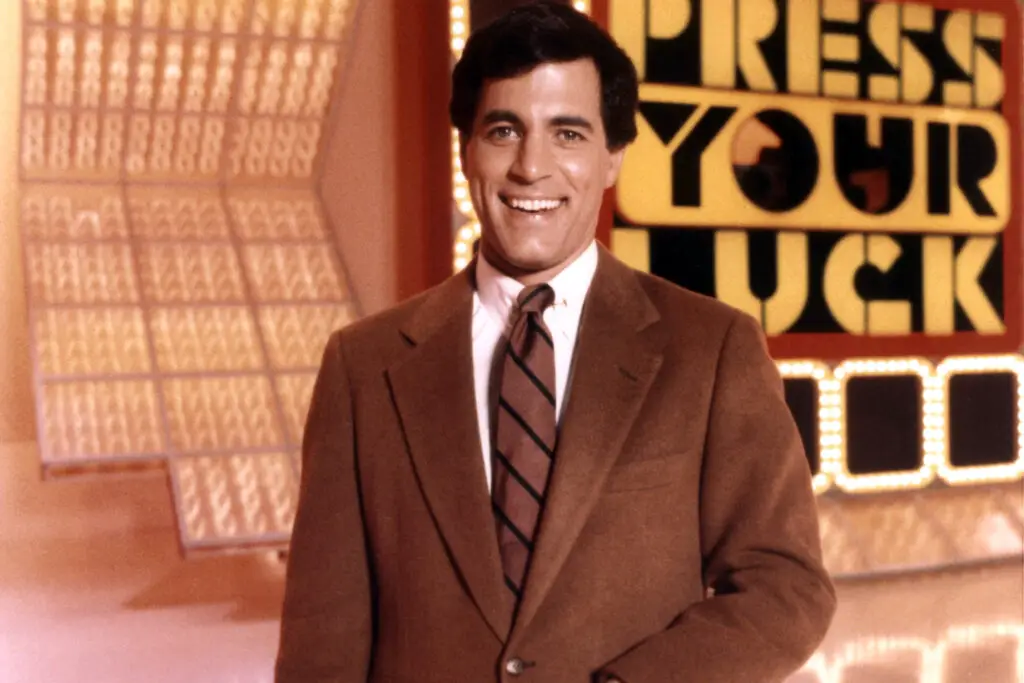
Omar Sharif redefined romantic leading men in the ’60s. His work in Doctor Zhivago blended sensitivity with strength. Sharif’s expressions often said more than his dialogue. He conveyed longing with remarkable restraint.
His international appeal also mattered. Sharif made global stardom feel natural rather than forced. He bridged cultures at a time when Hollywood was still insular. That elegance expanded the idea of who could be a leading man.
14. Jack Lemmon
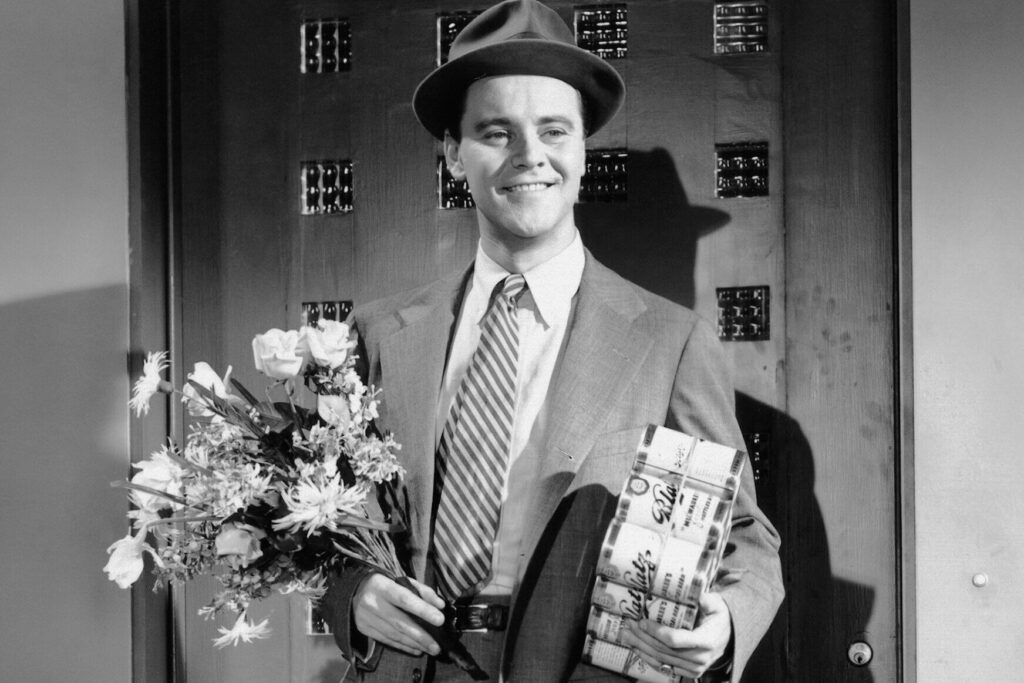
Jack Lemmon proved that leading men didn’t have to be stoic. In The Apartment and Some Like It Hot, he balanced humor with genuine emotional depth. Lemmon made vulnerability relatable and often heartbreaking. He let audiences see insecurity without embarrassment.
That honesty redefined screen masculinity. Lemmon’s characters felt like people you might actually know. His warmth made dramatic moments land harder. He showed that empathy could be a form of strength.