
1. Mirrors Facing the Bed
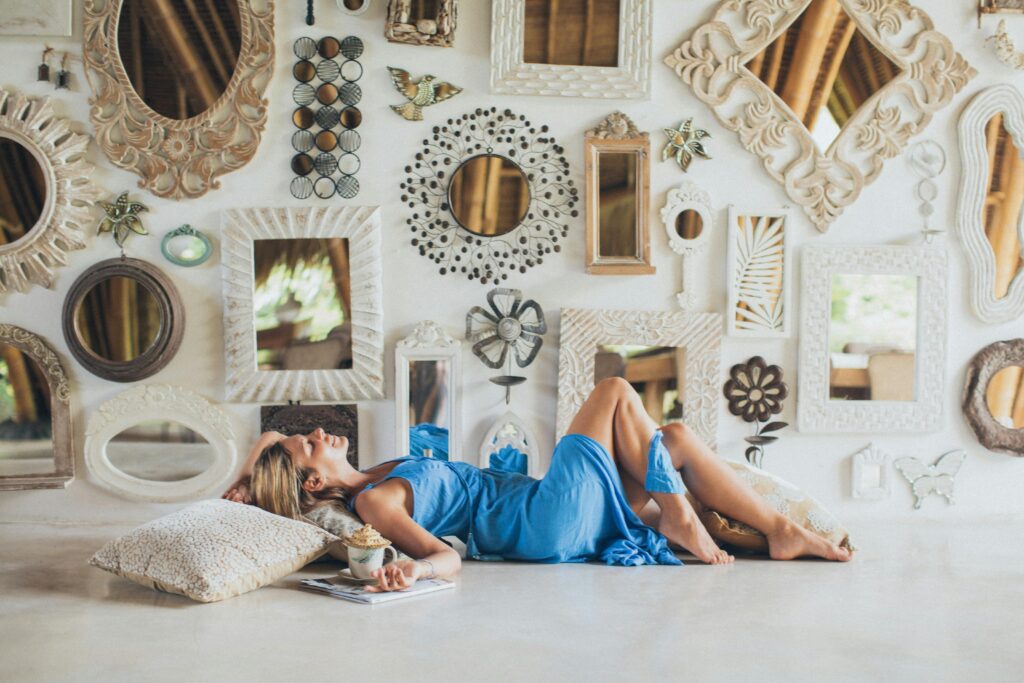
Families were warned that mirrors facing a bed could steal your energy while you slept, or worse, invite something unwanted to watch you. Bedrooms were rearranged so dressers were shoved into corners or mirrors were draped with scarves at night. Kids learned early not to look into them after dark, just in case something looked back. Even accidental reflections were treated like bad luck waiting to happen.
This belief could quietly dictate where beds went for decades. Some people slept with awkward furniture layouts just to avoid the risk. Others insisted on removing mirrors entirely from bedrooms. Comfort mattered less than peace of mind.
2. The Front Door Lining Up with the Back Door
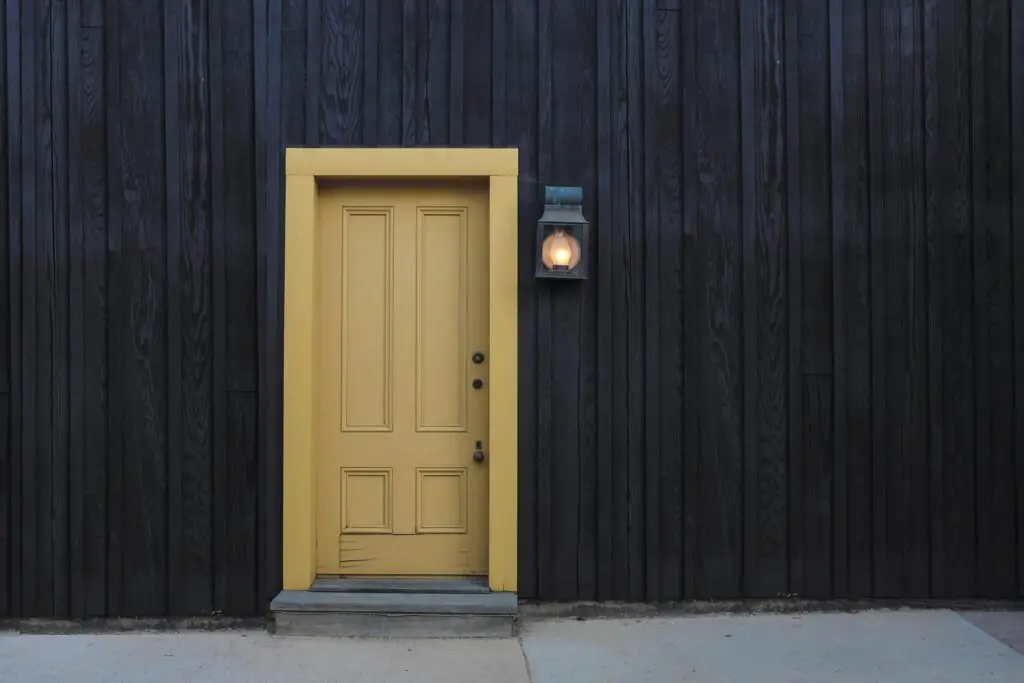
There was a strong belief that a straight line from front door to back door let good luck run right out of the house. Families rearranged furniture so nothing lined up perfectly, even if it blocked walkways. Rugs, screens, or bookcases were used as barriers against escaping fortune. It often made homes feel oddly cluttered.
Guests might never notice, but the homeowners always did. Walking through the house felt like navigating superstition more than design. The idea that luck could simply exit kept people vigilant. Flow was sacrificed for protection.
3. Beds Under Windows
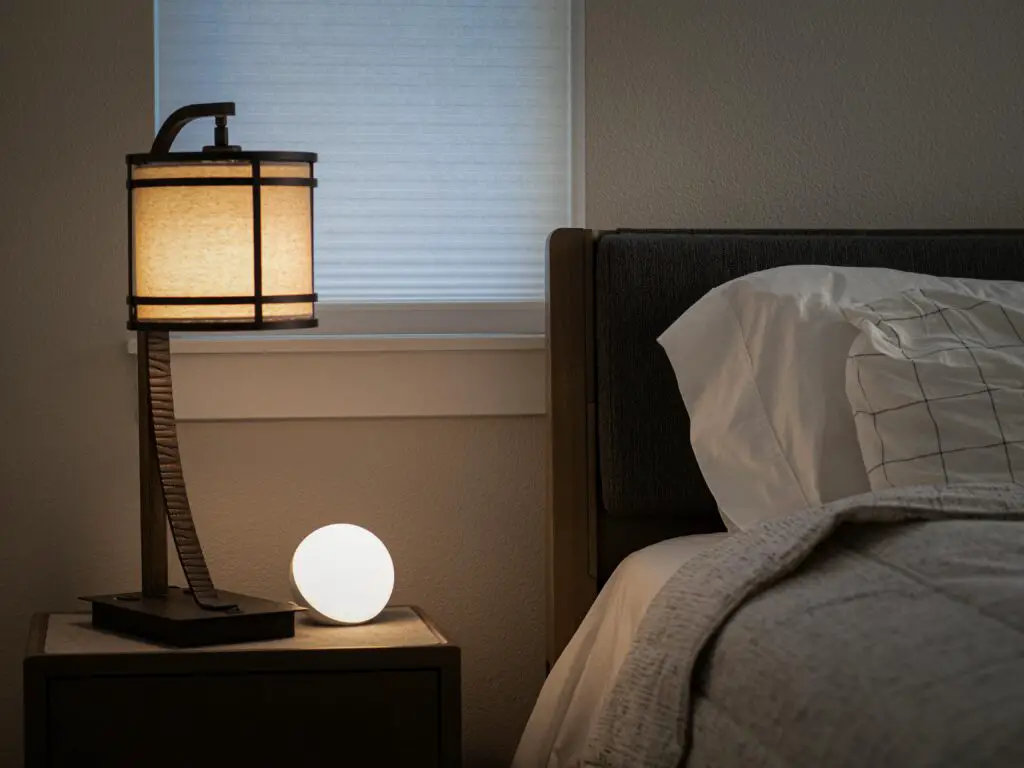
Sleeping under a window was thought to leave you vulnerable to illness, spirits, or bad dreams. Parents moved beds against solid walls, even if it meant less space or awkward layouts. Kids were told the window was a weak spot in the house. Fresh air did not outweigh fear.
Some families avoided opening windows at night altogether. Rearranging bedrooms became a ritual during moves. The rule stuck even in tiny rooms. Safety was defined by walls, not comfort.
4. Cracks in Walls Letting Things In
Cracks were not just cosmetic problems, they were seen as openings for bad luck or wandering spirits. Families covered them quickly with paint, wallpaper, or furniture. Even hairline cracks caused anxiety. Ignoring them felt reckless.
This belief made people obsessive about maintenance. Walls were inspected like living things. A crack meant something was trying to get inside. Repairs were done with urgency and fear.
5. Staircases That Faced the Front Door
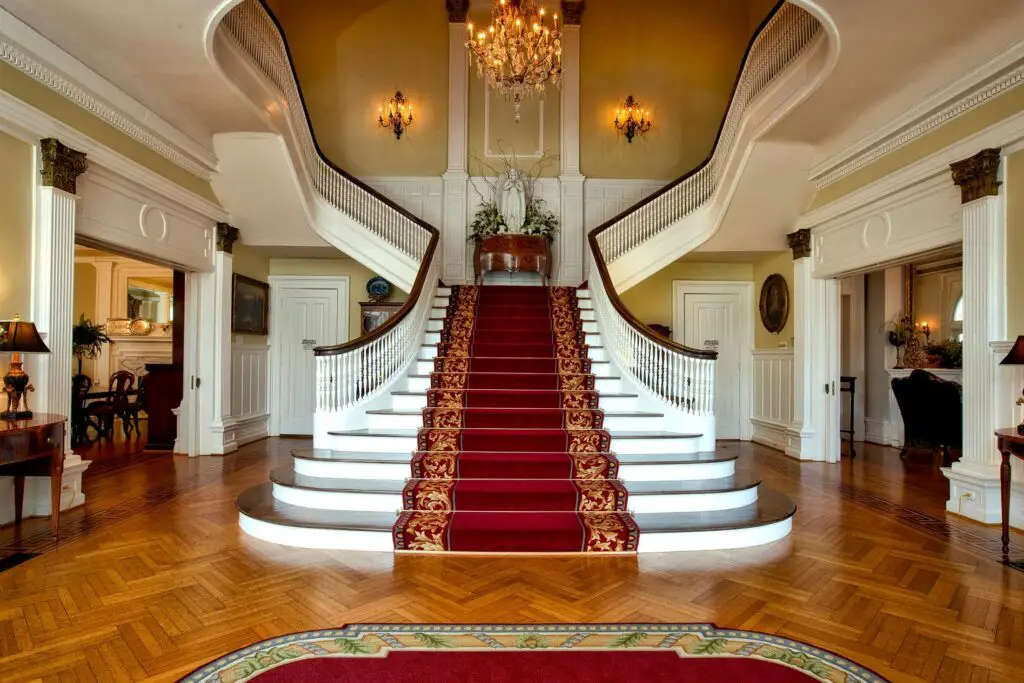
A staircase visible from the front door was believed to carry energy straight out of the house. Families added curtains, partitions, or tall furniture to block the view. Some even avoided homes with that layout entirely. It was considered a design flaw with consequences.
Living with it meant constant awareness. Visitors never knew why a random screen stood in the entryway. But for the family, it felt necessary. Architecture was blamed for fate.
6. Empty Rocking Chairs
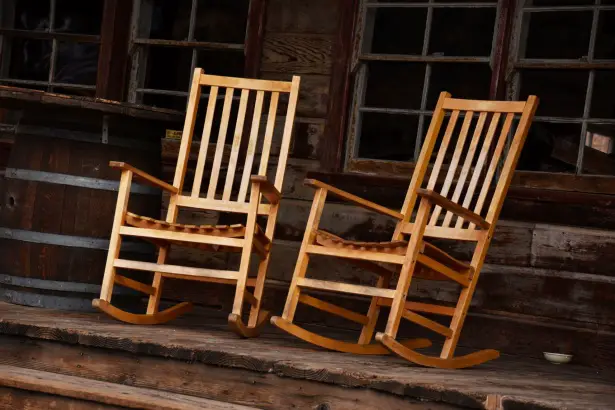
An empty rocking chair moving on its own was considered an invitation to something unseen. Families stopped rocking chairs with objects or turned them against the wall. Some removed them from living rooms altogether. No one wanted to explain why it was moving.
Even still chairs made people uneasy. Children were warned never to touch them after dark. The sound alone could silence a room. Comfort furniture became a source of fear.
7. Bedrooms Over the Kitchen

Sleeping above the kitchen was thought to disrupt rest or attract bad energy from the stove. Families reassigned rooms so no one slept directly over cooking spaces. If that was not possible, they tried to move beds as far away as possible. Fire and rest were not meant to mix.
This belief shaped who slept where. Kids often ended up in smaller rooms to avoid the risk. Practical layouts were ignored. Sleep was considered too fragile to gamble with.
8. Doors Opening the Wrong Way
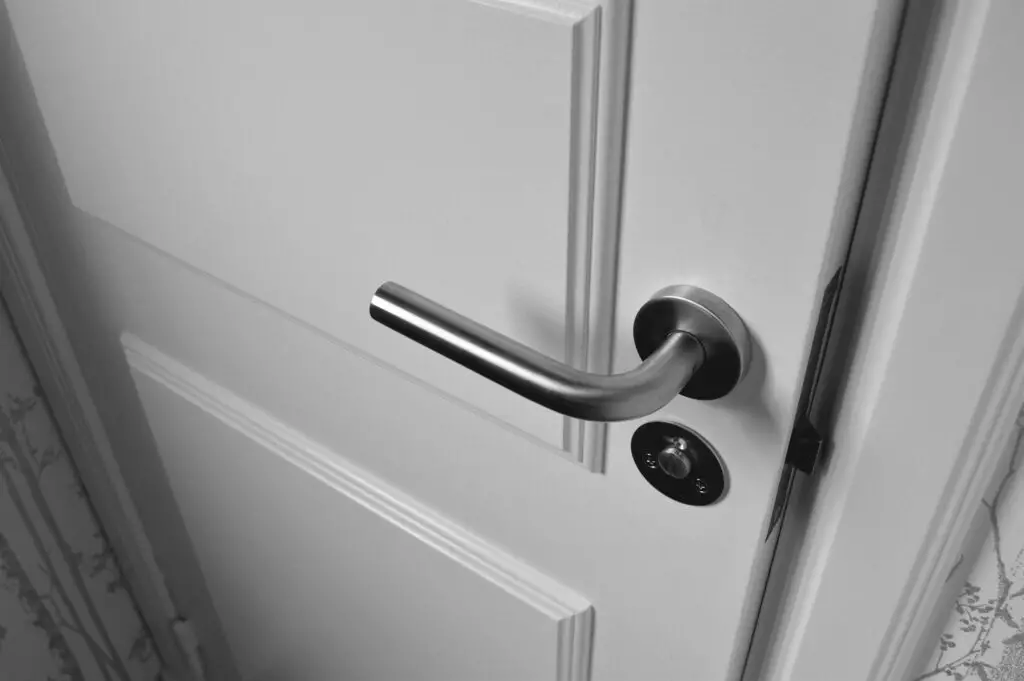
A door that opened inward instead of outward, or vice versa, was sometimes seen as a bad omen. Families rehung doors or changed how rooms were used. A poorly opening door felt like an invitation for trouble. Hinges mattered more than aesthetics.
People grew up believing doors controlled safety. Slamming or sticking doors caused real anxiety. Fixing them felt urgent and emotional. The house was only as safe as its thresholds.
9. Attics Left Unused
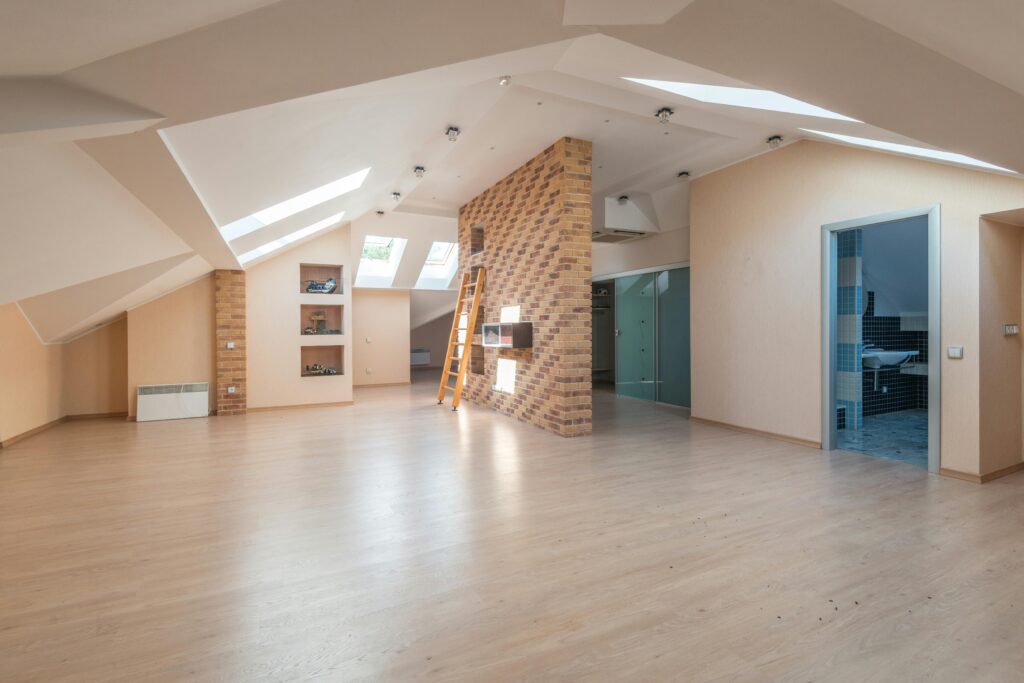
Unused attics were believed to collect bad energy or unwanted presences. Families avoided storing personal items up there. Some kept attic lights on or doors locked tightly. Going up alone was discouraged.
Attics became forbidden zones. Even practical storage felt risky. The space existed, but no one trusted it. Empty rooms were never truly empty.
10. Windows Facing Cemeteries or Alleys

Windows facing cemeteries, alleys, or empty lots were seen as dangerous. Families rearranged rooms so beds and couches did not face them. Curtains stayed closed no matter the time of day. Looking out too long was discouraged.
Light was sacrificed for peace. Views were treated as threats. Furniture placement became defensive. What you could see from the house mattered deeply.
11. Odd Numbers of Windows in a Room
An odd number of windows was believed to disrupt balance. Families covered one window or changed the room’s purpose entirely. Balance mattered more than symmetry. Uneven numbers felt unsettling.
Rooms were reassigned based on superstition. A bedroom might become storage instead. The house adapted to numbers. Design followed belief.
12. Sleeping Near the Front Door

Sleeping too close to the front door was thought to invite danger or restless sleep. Families moved bedrooms deeper into the house when possible. Front rooms became sitting areas instead. The entrance was seen as exposed.
This belief shaped entire floor plans. Safety was measured by distance from the door. People felt calmer farther inside. The house became a protective shell.