
1. Chicken Soup
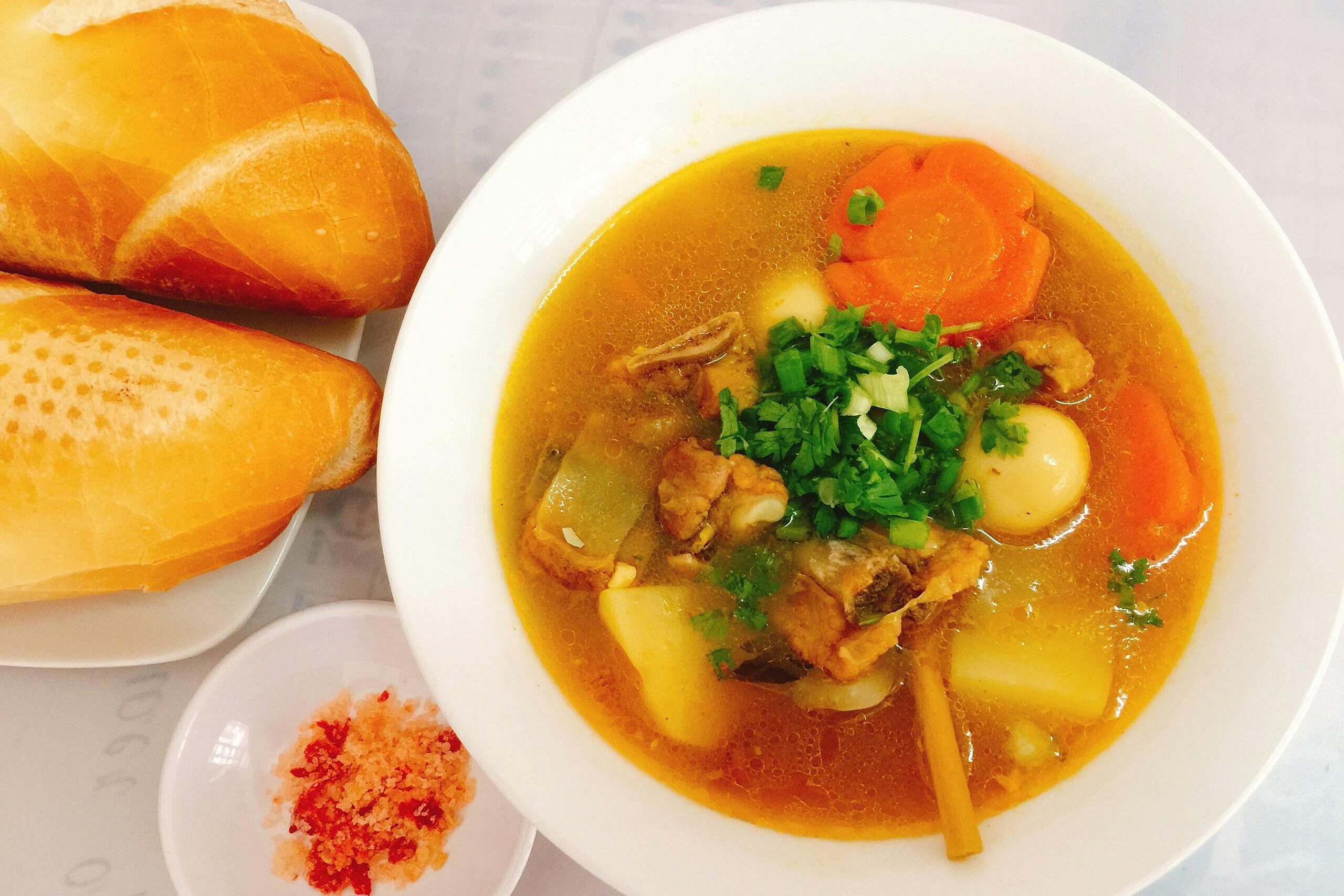
For generations, chicken soup was prescribed the moment someone sniffled, long before urgent care clinics were a thing. Doctors and grandparents alike treated it as a warm, salty cure that somehow knew exactly what your body needed. The steam was supposed to clear your sinuses, the broth to hydrate you, and the chicken to give you strength. Even people who claimed they were not hungry would suddenly accept a bowl without argument. It felt less like a meal and more like a ritual. You were not just eating, you were being taken care of.
Modern science has poked around and found some mild anti inflammatory benefits, but the belief came first. Chicken soup was trusted because it worked emotionally as much as physically. Sitting with a bowl felt like permission to rest. The fact that everyone believed in it made it feel effective. Even now, it is hard not to crave it when you feel under the weather.
2. Milk

Milk was once treated as a daily dose of health rather than a simple beverage. Doctors encouraged it for strong bones, calm nerves, and overall vitality. Parents pushed full glasses across the table like they were handing out vitamins. If you felt tired or run down, the solution was often more milk. It was marketed as something close to essential medicine.
The advice stuck because milk symbolized nourishment and stability. It was easy to digest, widely available, and felt wholesome. Over time, nutritional views became more nuanced, but the old belief lingers. Many people still associate milk with being healthy, even if they do not drink it regularly anymore.
3. Garlic
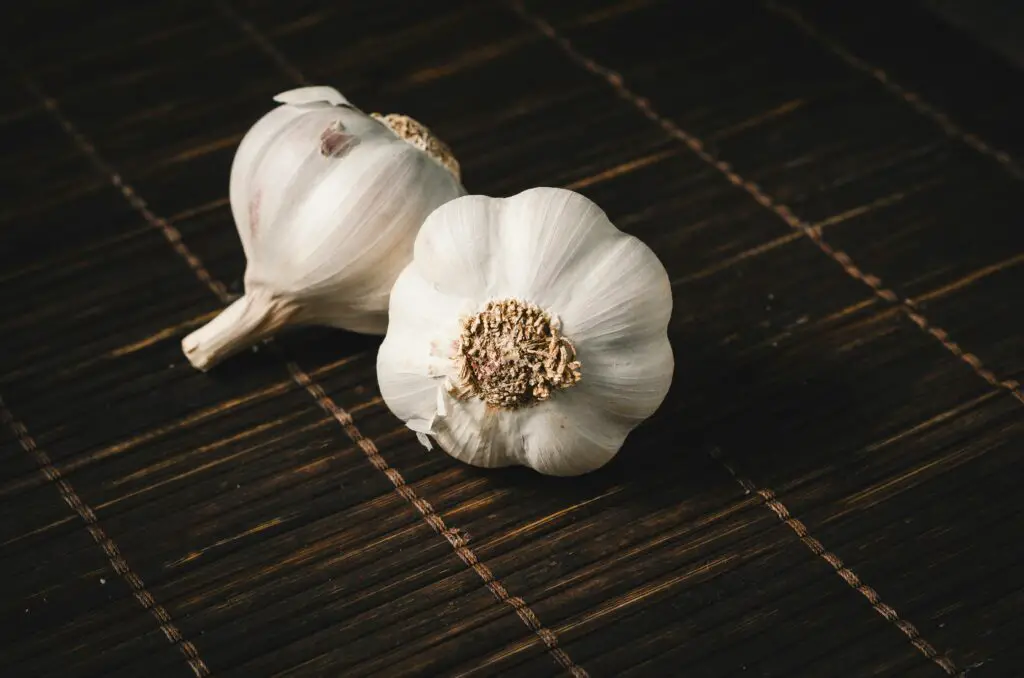
Garlic earned a reputation as a cure all long before modern antibiotics. It was believed to fight infections, ward off illness, and purify the body from the inside out. People ate it raw, cooked it into everything, or even wore it for protection. The smell was tolerated because the benefits were assumed to be worth it. Garlic felt powerful in a way few foods did.
That reputation was not entirely imagined. Garlic does have antibacterial properties, which helped cement its medical status. Still, the faith placed in it went far beyond science. It became a food people turned to when they wanted to feel proactive about their health. The belief itself was part of the remedy.
4. Oatmeal
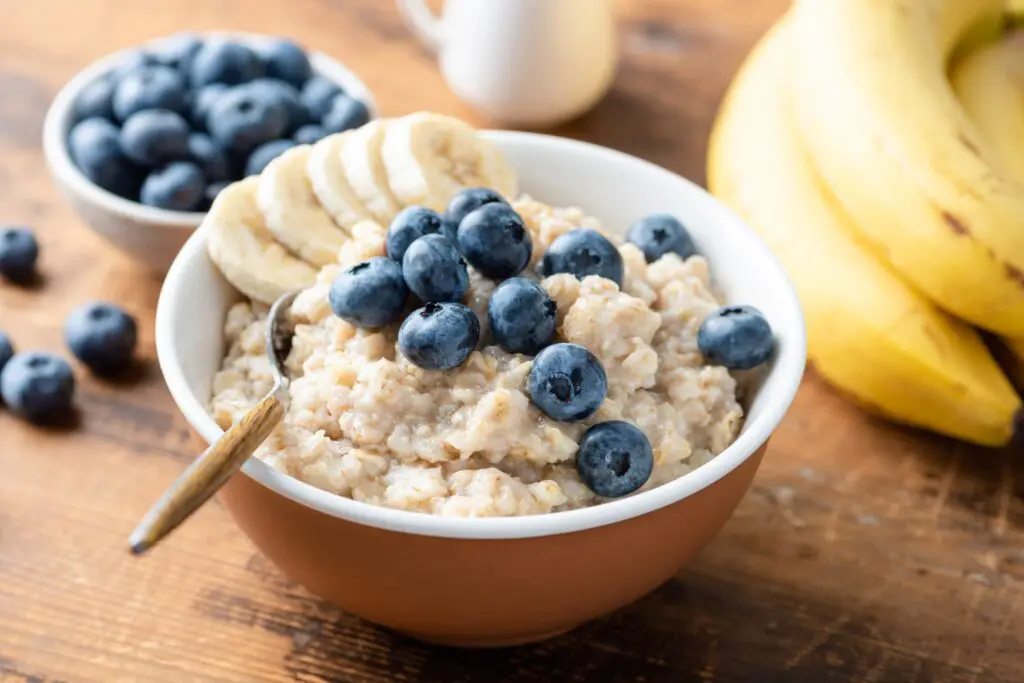
Oatmeal was long recommended as the food you ate when your body needed gentleness. Doctors suggested it for digestion issues, heart health, and steady energy. It was considered safe, reliable, and sensible. A bowl of oatmeal felt like following medical advice without stepping into a clinic. It was never exciting, but that was part of the appeal.
The simplicity made it trustworthy. Oatmeal did not promise miracles, just balance and calm. People associated it with routine and discipline. Even now, it carries a quiet authority, as if choosing it means you are taking care of yourself in a responsible way.
5. Cod Liver Oil

Cod liver oil was not enjoyable, but it was taken seriously. Parents handed out spoonfuls like prescriptions, insisting it would prevent illness and strengthen the body. It was especially common during colder months, when sickness felt unavoidable. The unpleasant taste actually reinforced its medical credibility. If it was awful, it must be working.
People trusted it because it came from doctors and health authorities. The ritual of taking it made children feel like patients rather than picky eaters. Over time, supplements replaced the spoon, but the memory of cod liver oil remains vivid. It represents a time when health advice was taken very literally.
6. Honey

Honey was treated as both food and medicine, often used to soothe sore throats and calm coughs. It was believed to coat and heal in a way that felt almost magical. Mixed into tea or taken by the spoonful, it became a gentle alternative to harsher remedies. Honey felt safe, natural, and comforting. It was often the first thing people reached for before calling a doctor.
That trust came from experience as much as tradition. Honey actually does help with throat irritation, which kept the belief alive. The sweetness made it easy to accept, especially for kids. Even today, many people still reach for honey instinctively when they feel sick.
7. Yogurt
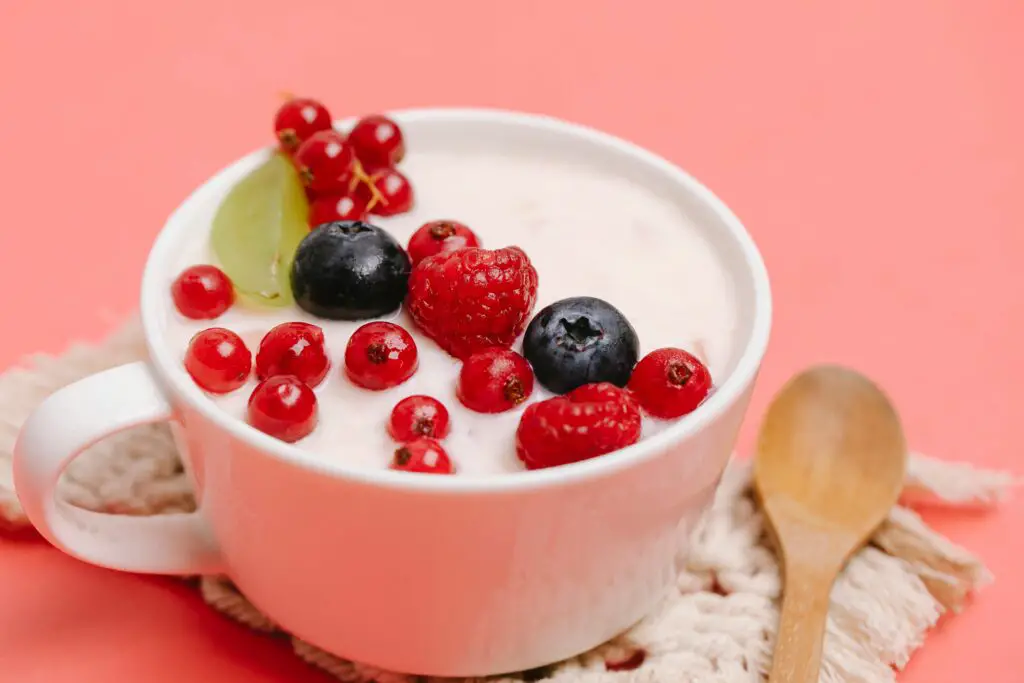
Yogurt was once promoted as a digestive miracle, long before probiotics became a buzzword. Doctors recommended it to restore balance, especially after illness. It was seen as calming and corrective, something that could fix what felt off inside. Eating yogurt felt like making a responsible health choice. It carried an almost clinical reputation.
The idea of live cultures made yogurt seem advanced and scientific. People trusted it because it sounded technical and beneficial. Over time, marketing amplified those claims, but the original belief came from medical advice. Yogurt became a food that promised internal order.
8. Bananas
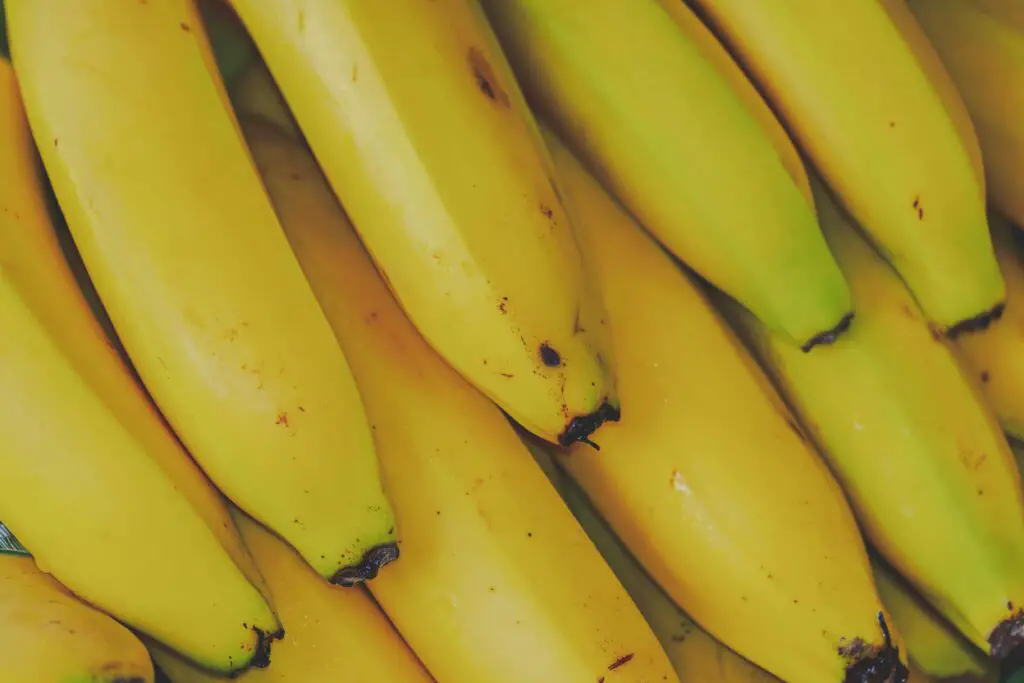
Bananas were often suggested as a remedy for stomach troubles and low energy. They were easy to digest and gentle, making them a go to recommendation. If you were sick, tired, or upset, someone would suggest a banana. It felt like food with instructions attached. Simple and specific, it carried authority.
The belief stuck because bananas rarely made things worse. They were predictable and soothing. Doctors and caregivers alike trusted them because they worked often enough. Even now, bananas feel like the safe choice when your body needs a reset.
9. Spinach
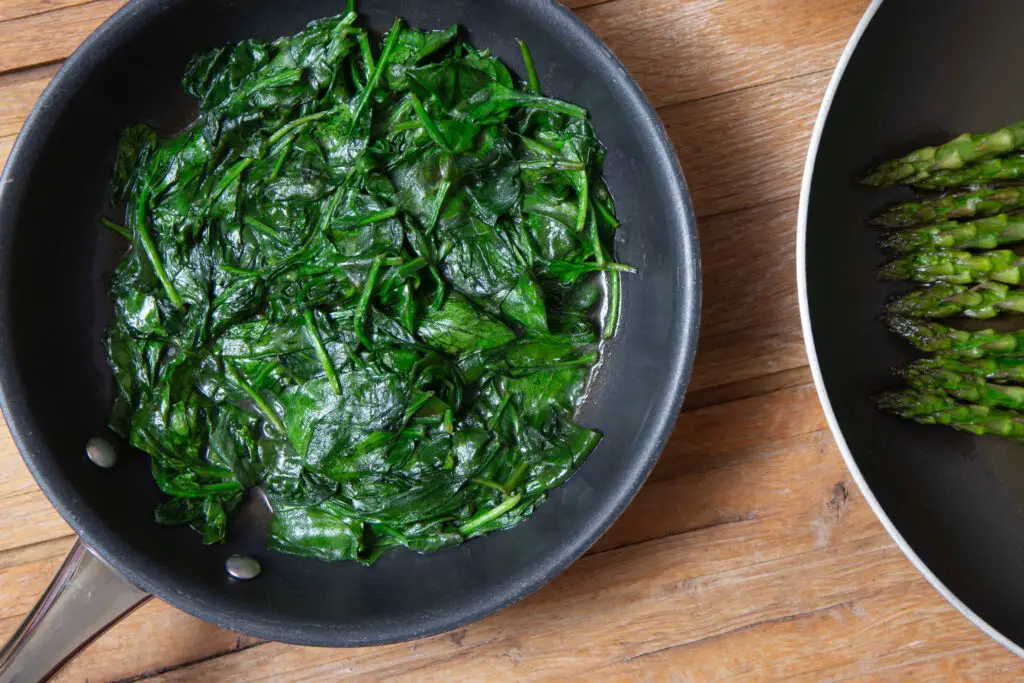
Spinach gained medical status through both advice and pop culture. It was praised for iron, strength, and overall vitality. Eating it was framed as doing something good for your body, whether you liked it or not. Spinach felt serious and purposeful. It was not just a vegetable, it was an obligation.
That reputation made it symbolic of health itself. People believed in its power even if they did not enjoy it. Over time, nutritional science adjusted the details, but the image remained. Spinach still carries a sense of moral healthiness.
10. Apples

The phrase about apples and doctors turned the fruit into a daily prescription. Apples were believed to keep illness at bay simply by being eaten regularly. They were portable, affordable, and easy to recommend. Eating an apple felt like preventative care. It was health advice wrapped in a snack.
The belief endured because apples were accessible and harmless. They became a symbol of sensible eating. Even without evidence of doctor repelling powers, the habit felt protective. The idea itself was comforting and easy to follow.
11. Tea

Tea was often suggested as a cure for everything from nerves to nausea. Doctors and elders alike recommended it for rest and recovery. The warmth, the ritual, and the pause it required all felt medicinal. Drinking tea was less about nutrition and more about calming the system. It was treatment through comfort.
Different teas carried different reputations, from chamomile for sleep to peppermint for digestion. The belief in tea as medicine grew from repeated use. Even today, tea feels like something you drink when you are tending to yourself. The act itself signals healing.
12. Broth
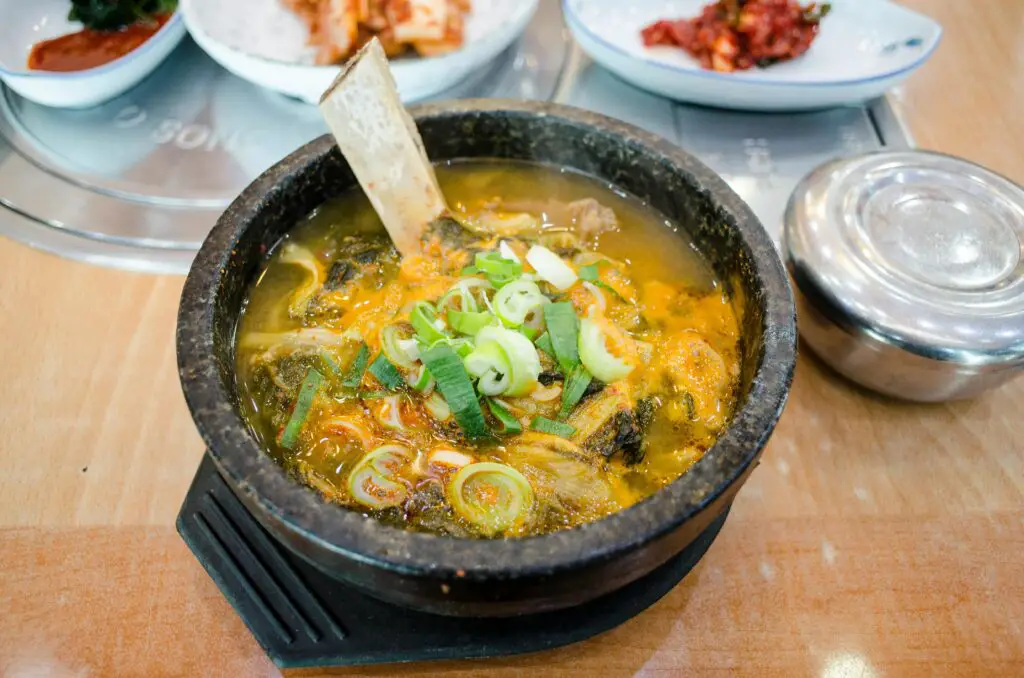
Clear broth was once considered the safest food during illness. Doctors advised it when solid food felt risky. It was seen as nourishing without being demanding. Drinking broth felt like following strict medical guidance. It was the food equivalent of bed rest.
The simplicity made it trustworthy. Broth was easy to prepare and easy to accept. People believed it carried strength in liquid form. That belief persists whenever someone is told to stick to clear liquids.
13. Carrots

Carrots were famously linked to vision and overall health. They were recommended as a way to protect your eyes and boost wellness. Eating carrots felt like investing in your future health. The advice was clear and memorable. Carrots became a food with a purpose.
The belief was so strong that it shaped habits. People ate carrots because they were told to, not just because they liked them. Over time, the medical claim softened, but the association stayed. Carrots still feel like the responsible choice.
14. Liver
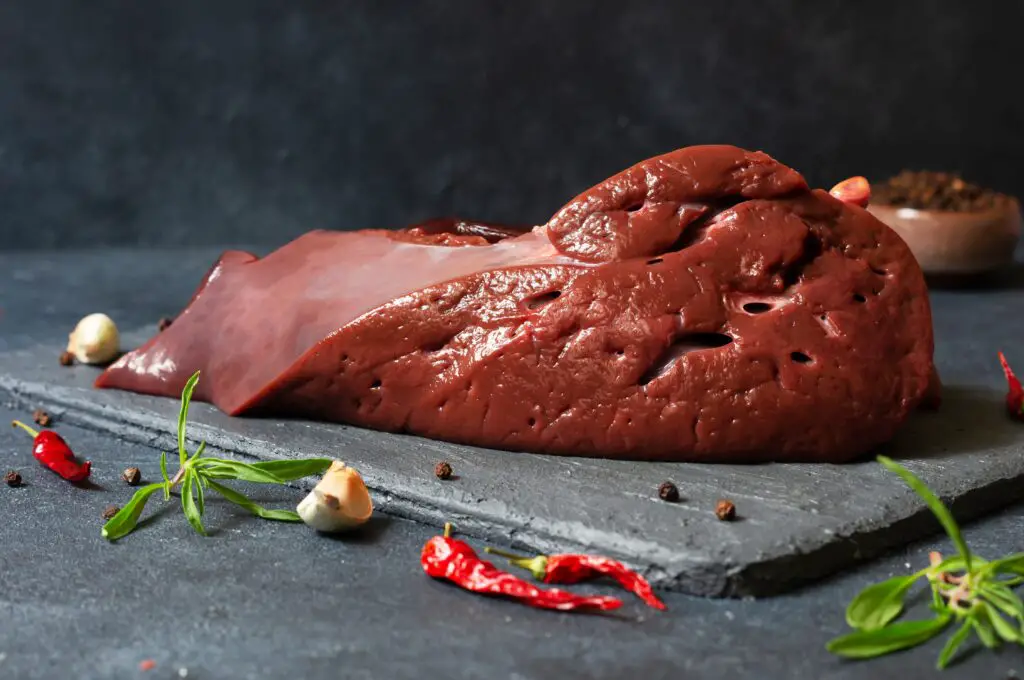
Liver was once treated like a nutritional prescription. Doctors recommended it for strength, energy, and recovery. It was packed with nutrients, which made it feel medicinal. Eating liver was not about enjoyment, it was about doing what was good for you. The seriousness around it was unmistakable.
That reputation made liver intimidating but respected. People trusted it because it was dense and powerful. Even if it fell out of favor, the memory of its medical status remains. Liver represents a time when food advice was blunt and unquestioned.