
1. Never Move Into a House Where Someone Died Inside

For generations, families believed a home permanently absorbed the energy of death, especially if it happened suddenly or violently. People worried that lingering spirits could bring bad luck, illness, or endless misfortune to the next residents. Some buyers would quietly ask neighbors about a house’s past before even considering a showing. If a death was confirmed, the house was often avoided no matter how charming or affordable it was.
This belief shaped where families were willing to live and even how long houses sat on the market. In some cases, sellers repainted, replaced floors, or changed addresses to distance the home from its history. Families felt safer believing they were starting fresh rather than inheriting something unseen. The fear wasn’t always about ghosts, but about carrying emotional baggage through the front door. Even today, that unease hasn’t entirely faded.
2. Mirrors Facing the Bed Invite Spirits

Many households believed mirrors could act as portals, especially at night when the house was quiet. A mirror reflecting a sleeping person was thought to weaken the soul or invite spirits to watch. Bedrooms were arranged carefully, with mirrors turned toward walls or hidden behind closet doors. Some families went as far as removing mirrors entirely from sleeping spaces.
This belief influenced furniture placement in subtle but serious ways. Bedrooms were designed for protection, not style, and a poorly placed mirror could spark real anxiety. Parents warned children never to stare into mirrors after dark. The house itself became something that needed managing, not just decorating. Safety wasn’t always physical, sometimes it was spiritual.
3. Whistling Indoors Called Trouble

Whistling inside the house was believed to summon bad luck or unwanted spirits. Some families said it attracted wandering souls, while others believed it invited financial hardship. Children were often scolded immediately if they whistled indoors, no explanation needed. The sound alone was considered enough to disturb the balance of the home.
This belief shaped everyday behavior in subtle ways. Homes were meant to stay calm and quiet, especially at night. Even playful habits became something to monitor once you stepped inside. The house wasn’t just shelter, it was something that needed respect. Noise, even cheerful noise, could be risky.
4. A Front Door That Opened Directly to Stairs Was Bad Luck

A straight shot from the front door to a staircase was thought to let good fortune rush right back out. Families believed money, health, and happiness couldn’t settle if energy moved too fast through the house. Homes with this layout were sometimes passed over entirely. If moving wasn’t an option, rugs or furniture were added to slow things down.
This belief influenced home design long before open floor plans became trendy. Entryways were treated as buffer zones between the outside world and the family’s private life. Even older homes were modified to break that direct line of sight. It was about control, making sure nothing important slipped away. The house was expected to hold onto good things.
5. Never Sweep Dirt Out the Front Door at Night
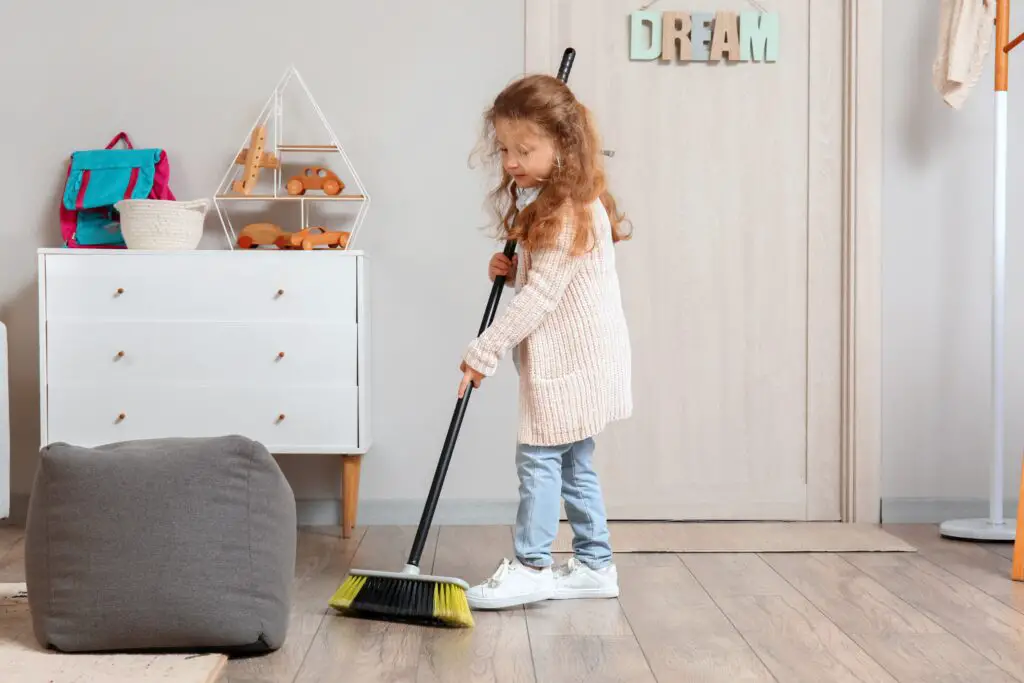
Sweeping after dark was believed to sweep away luck, especially if debris went straight out the front door. Families waited until morning or pushed dirt toward the back instead. The front door represented opportunity, and pushing anything out of it felt dangerous. Cleaning became a carefully timed activity rather than a simple chore.
This belief influenced daily routines in quiet ways. Nighttime cleaning was limited, even if guests were coming the next day. Parents passed down these rules without much explanation. The house had rhythms, and breaking them felt risky. Cleanliness mattered, but timing mattered more.
6. Empty Rocking Chairs Meant Someone Was Watching
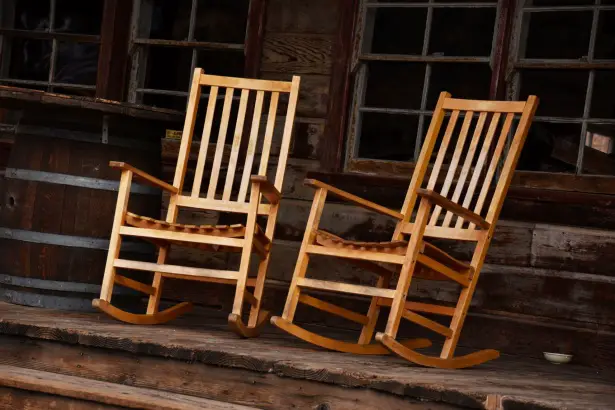
An empty rocking chair that moved on its own was deeply unsettling in many households. Families believed it signaled a spirit sitting unseen or a message from someone who had passed. Rocking chairs were often pushed against walls when not in use. Some homes avoided them altogether to prevent nervous thoughts.
This belief affected how living rooms were arranged and even furnished. A harmless creak could turn into a moment of real fear. Children were warned not to play with chairs unless someone was sitting in them. The house felt alive in a way that couldn’t be controlled. Silence became comforting, movement suspicious.
7. Building on Certain Land Invited Misfortune
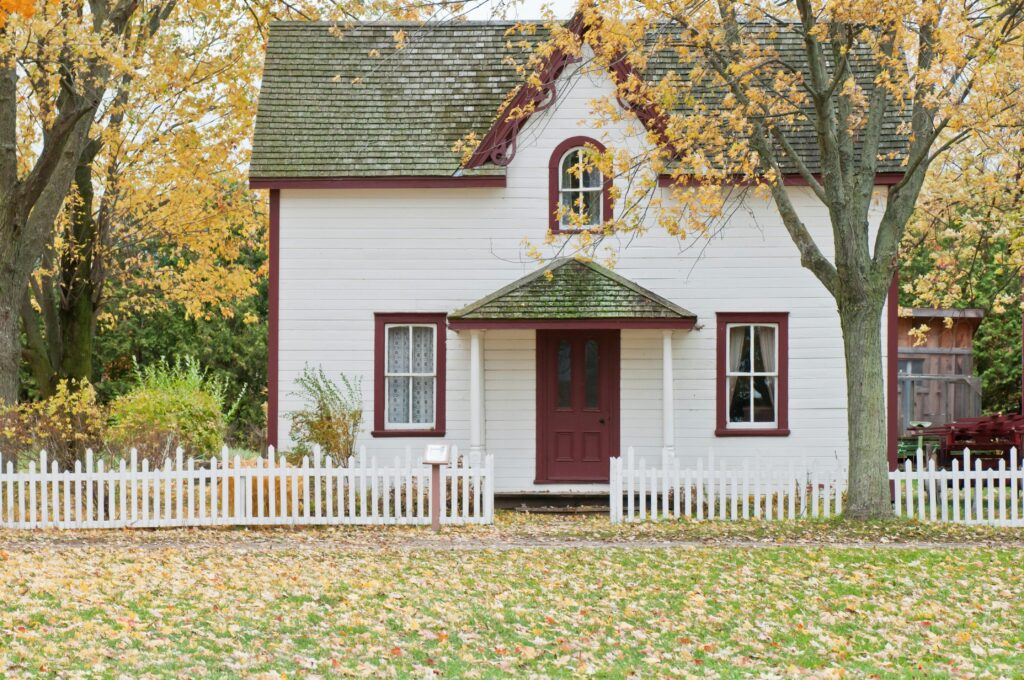
Families were warned against building homes on former cemeteries, battlefields, or even old farmland tied to tragedy. The land itself was believed to remember what happened on it. A house built there could never fully escape that history. Even unexplained creaks or cold spots were blamed on the ground beneath the foundation.
This belief shaped where entire neighborhoods were built or avoided. Some families preferred cramped spaces over land with a questionable past. Local rumors carried real weight in housing decisions. The house wasn’t just walls and a roof, it was tied to everything beneath it. History mattered, even when it couldn’t be seen.
8. Sleeping With Your Feet Toward the Door Was Dangerous

Positioning the bed with feet facing the door was believed to invite death or spirits. This position resembled how bodies were carried out of the house. Families rearranged bedrooms to avoid it, even if it meant awkward layouts. Comfort took a back seat to safety.
This belief influenced bedroom design and nightly rituals. Parents corrected bed placement as carefully as they corrected manners. Children learned early which direction was safe. The house became something that required constant awareness. Even sleep had rules.
9. Leaving a House Unfinished Attracted Bad Energy

Unfinished rooms, exposed beams, or constant renovations were thought to invite instability. Families believed a house needed to feel complete to protect its occupants. Long-term projects made people uneasy, as if the home was unsettled. Some rushed to finish work simply to restore peace.
This belief shaped how renovations were planned and prioritized. Even cosmetic issues felt urgent once tied to luck or safety. A finished house meant a settled life. Incomplete spaces felt like open doors to trouble. The house was expected to feel whole.
10. Cracks in Walls Meant the House Was Angry

Cracks weren’t just structural concerns, they were emotional ones. Families believed cracks meant the house was unhappy or strained. Some said it was absorbing too much conflict or stress. Repairs were made quickly, sometimes before they were truly needed.
This belief made people more attentive to their surroundings. Homes were treated almost like living things that responded to family behavior. Arguments felt heavier when paired with visible damage. Fixing the house felt like fixing the family. Walls weren’t just walls, they were warnings.
11. Bringing Certain Items Inside Invited Spirits

Items like antique mirrors, old dolls, or secondhand furniture were believed to carry energy from previous owners. Families were cautious about what crossed the threshold. Some items were cleansed or blessed before being brought inside. Others were simply left behind.
This belief influenced decorating and shopping habits. Thrifted items came with emotional risks, not just bargains. Parents warned children not to accept objects without knowing their history. The house was protected by what it allowed in. Ownership mattered.
12. Houses Needed to Be “Awakened” After Long Vacancies

A house left empty for too long was believed to fall asleep or attract unwanted energy. Families opened windows, lit fires, and made noise when moving in. Silence was avoided at first. The house needed to know people were back.
This belief shaped moving rituals and first nights in a new home. People cooked, talked, and stayed up late to fill the space. It wasn’t just about settling in, it was about reclaiming the house. A lived-in home felt safer than a quiet one. Presence mattered.
13. Every House Had a Mood That Needed Respect
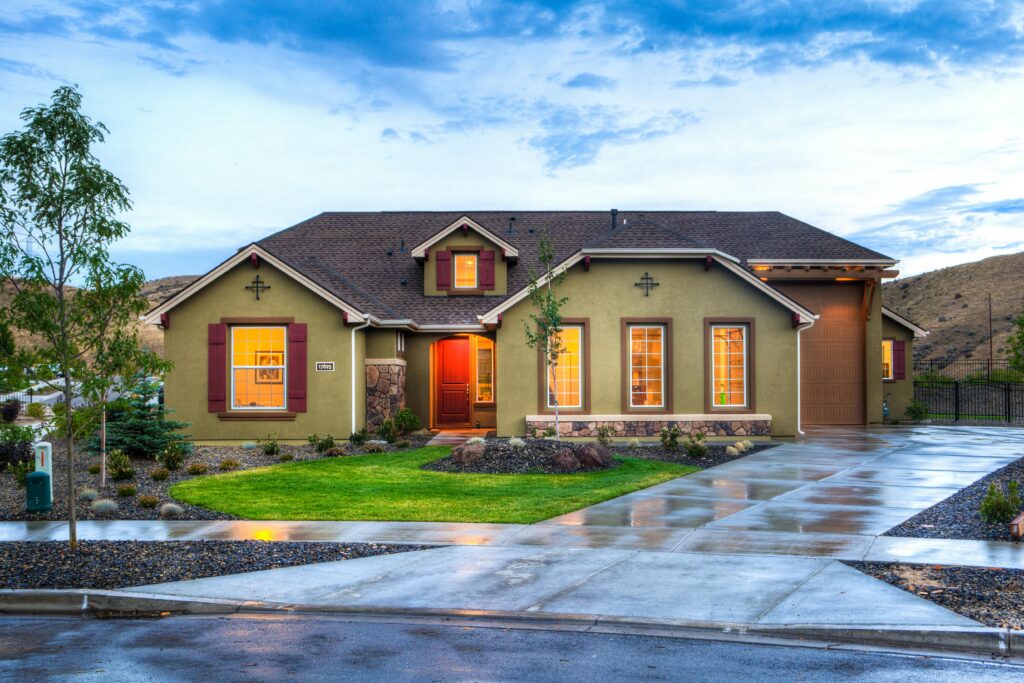
Many families believed houses absorbed emotions over time. Laughter strengthened them, while anger weakened them. People tried to keep harmony indoors to protect the space itself. A tense household felt dangerous beyond just emotional strain.
This belief influenced how families behaved at home versus outside. The house became a place to maintain balance, not just live. Apologies mattered more indoors. Calm was a form of protection. The house wasn’t neutral, it was listening.