
1. Microwave Popcorn
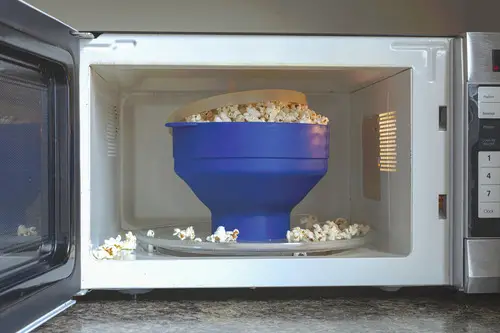
When microwave popcorn showed up, it felt like something from a sci-fi movie rather than a snack. People were used to shaking kernels on the stove, not pressing a button and waiting. The crinkly bag alone made it seem suspicious, like it was hiding something. Some parents genuinely worried it would taste fake or come out rubbery. There was also the fear that microwaves themselves were doing something strange to food.
Once it caught on, the convenience won people over fast. Suddenly movie night didn’t require oil splatters or burnt kernels. The smell filling the kitchen felt almost magical. Even skeptics eventually admitted it tasted just fine. What once felt futuristic became completely ordinary.
2. Spray Cheese
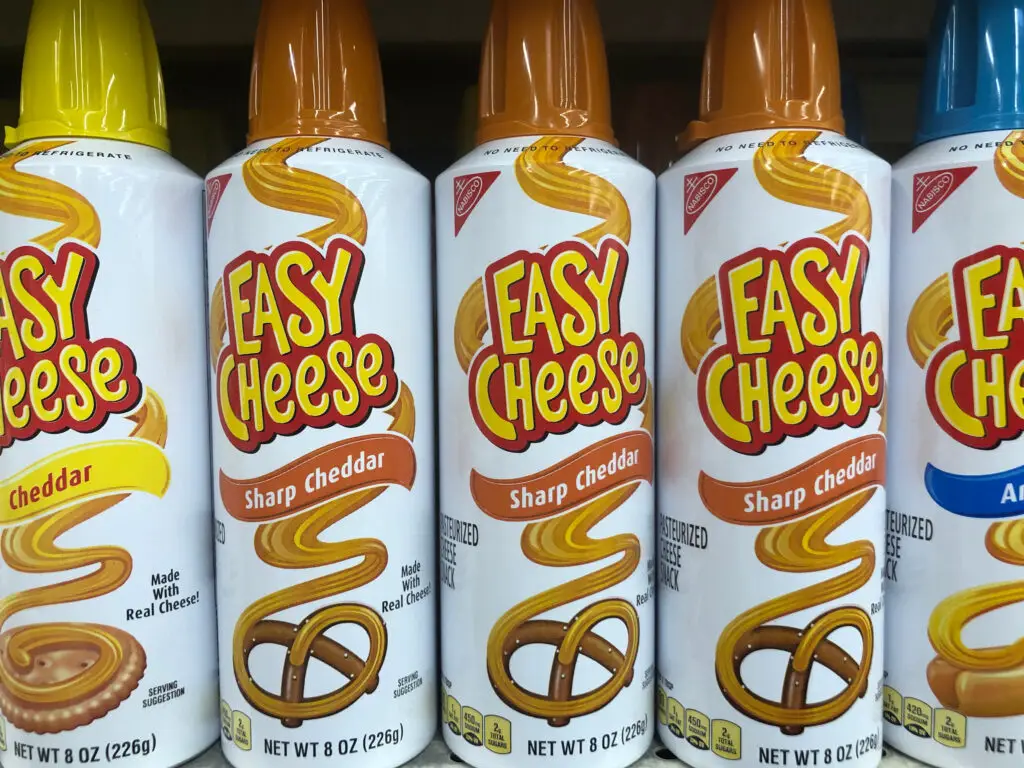
Spray cheese didn’t just look modern, it looked unnatural. Cheese was supposed to be sliced or grated, not sprayed out of a can. The idea that dairy could come pressurized made people uneasy. Some wondered how it could possibly stay fresh. Others assumed it must be packed with mysterious ingredients.
Despite the side-eye, it quickly became a party staple. It felt playful, especially paired with crackers. Kids loved the novelty and adults pretended not to. Over time, the shock wore off and it became a guilty pleasure. What once felt suspicious slowly became familiar.
3. Instant Pudding
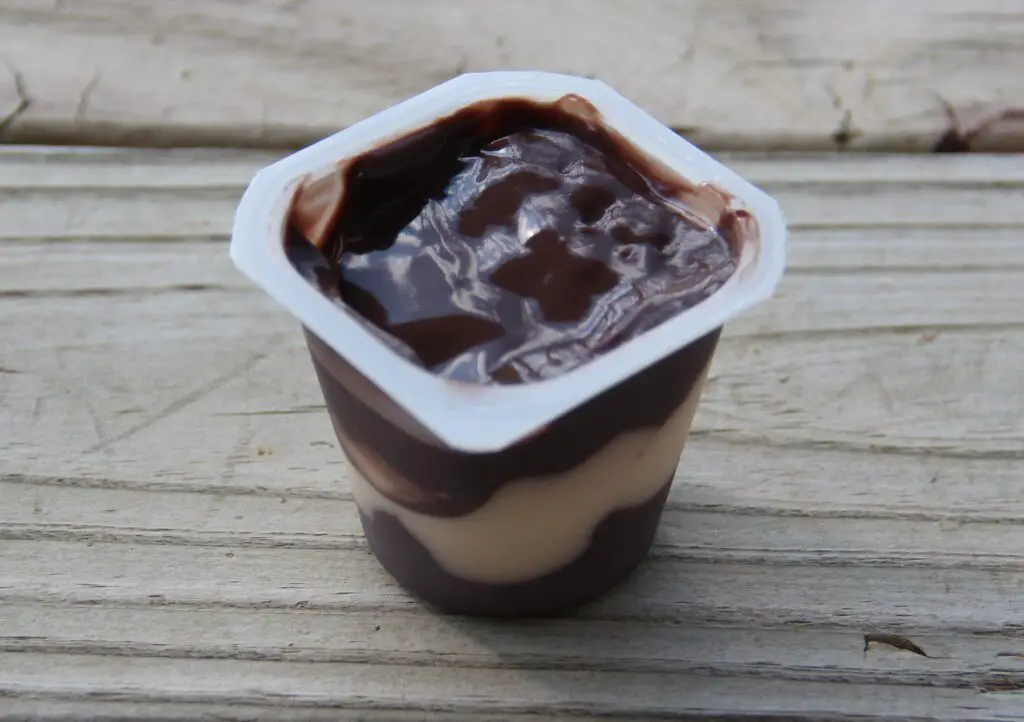
Instant pudding challenged the idea that desserts needed patience. No stove, no eggs, just mix and wait. That shortcut made some cooks distrust it immediately. It seemed too easy to be real pudding. People worried it wouldn’t set or would taste flat.
Then came the first spoonful, and doubts started to fade. It was creamy, smooth, and surprisingly good. Busy households embraced it without looking back. It also became a staple in retro desserts and pie fillings. Convenience eventually won the argument.
4. Frozen TV Dinners

Frozen dinners felt like the future moving into the freezer. A full meal on one tray seemed oddly impersonal. Families worried it would replace home cooking altogether. The compartments alone looked suspiciously industrial. Some people questioned whether frozen food could taste fresh at all.
Still, the appeal was undeniable. Dinner without prep felt revolutionary. Kids loved having their own tray with dessert included. Over time, TV dinners became part of everyday life. What once felt cold and modern became oddly comforting.
5. Artificial Sweeteners
Artificial sweeteners made people nervous from the start. Sweetness without sugar sounded like a trick. Many assumed it would taste metallic or wrong. Others worried it was too “lab made” to trust. The idea of diet soda especially raised eyebrows.
Yet curiosity kept people trying it. For some, it was a game changer. It allowed sweetness without the guilt, at least in theory. Over time, it became part of daily routines. The suspicion never fully vanished, but acceptance grew.
6. Packaged Sliced Bread
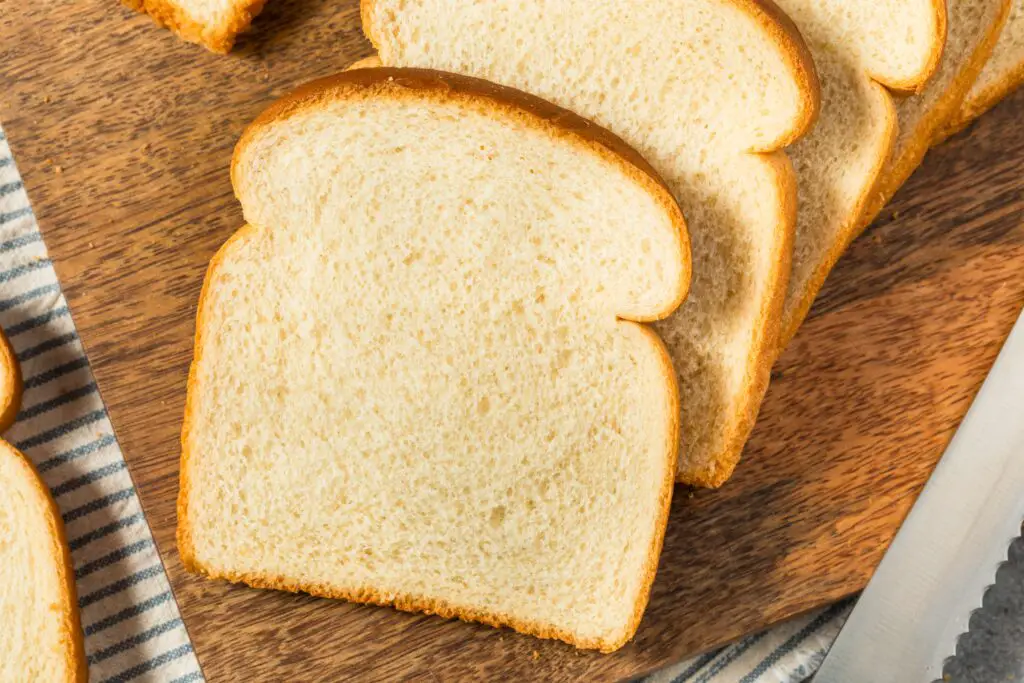
Sliced bread didn’t just change sandwiches, it changed habits. At first, people thought it would dry out too fast. There was also concern it took skill out of baking. Some saw it as lazy or unnecessary. Bread had always been cut at home, after all.
Once people tried it, there was no going back. Even slices made sandwiches neater and faster. Toast became more predictable. It fit perfectly into busy mornings. What felt oddly modern became a daily staple.
7. Canned Meat
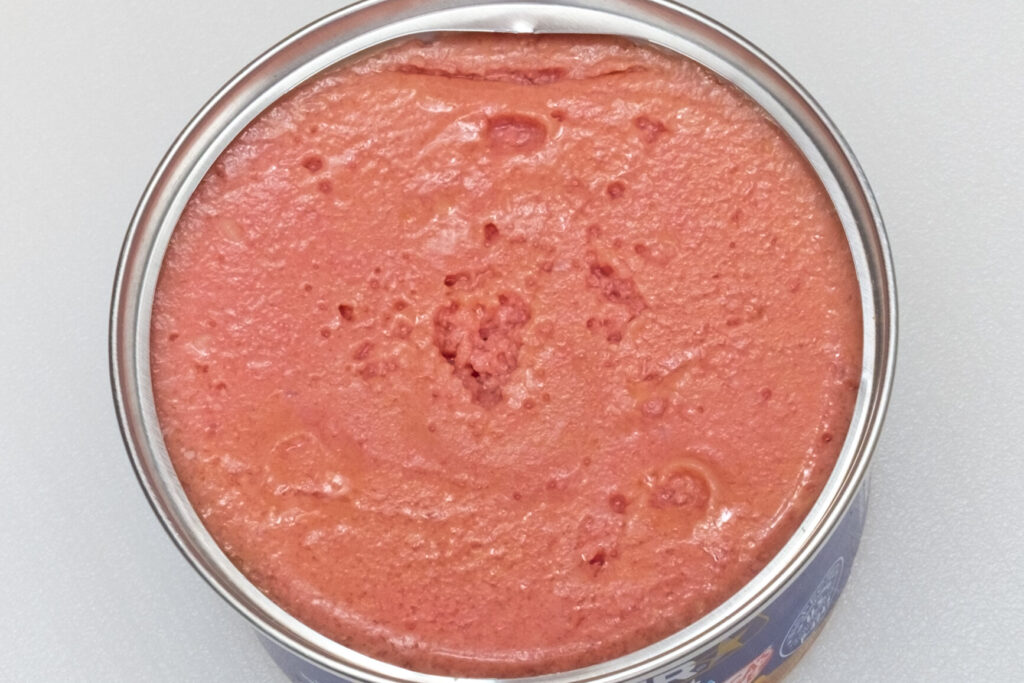
Canned meat raised a lot of questions. Meat was supposed to come fresh from the butcher. Seeing it shelf stable felt wrong to many shoppers. The texture and shape didn’t help its reputation. People wondered how long it had really been sitting there.
Over time, it found its place in kitchens. It was convenient, filling, and dependable. During busy weeks, it made meals easier. Some grew nostalgic for it. The suspicion faded into familiarity.
8. Powdered Drink Mixes
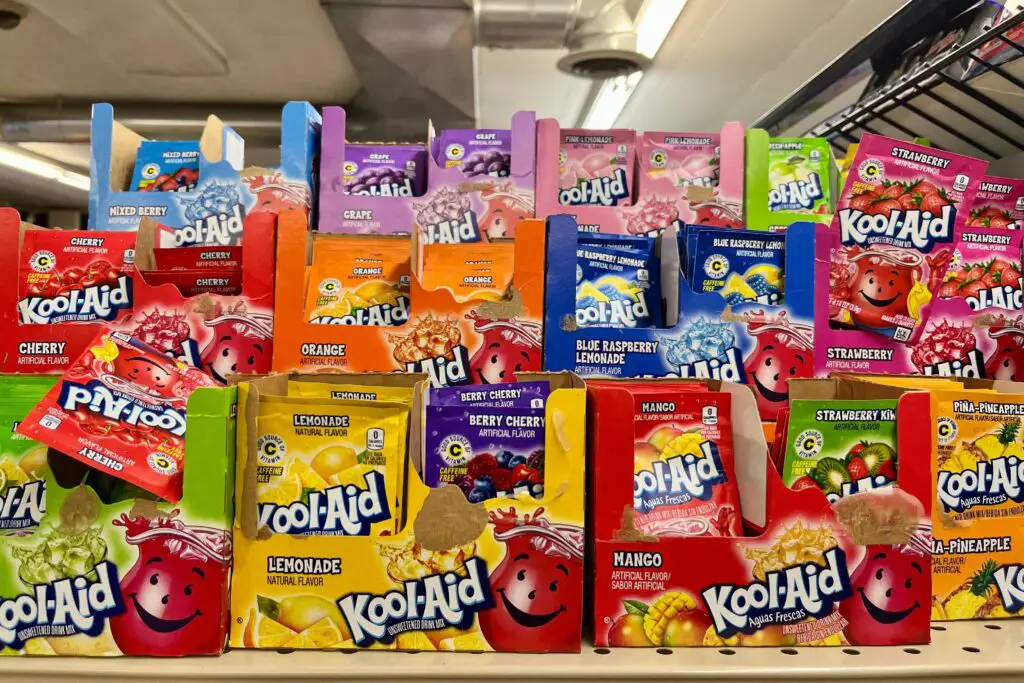
Powdered drink mixes looked like chemistry experiments. Bright colors and fruity smells seemed artificial. Parents worried about sugar and dyes. It felt strange that a drink could start as powder. Water alone suddenly seemed old fashioned.
Still, kids loved the transformation. Stirring powder into water felt fun and modern. It became a staple at parties and picnics. The taste became instantly recognizable. What once seemed odd became expected.
9. Margarine
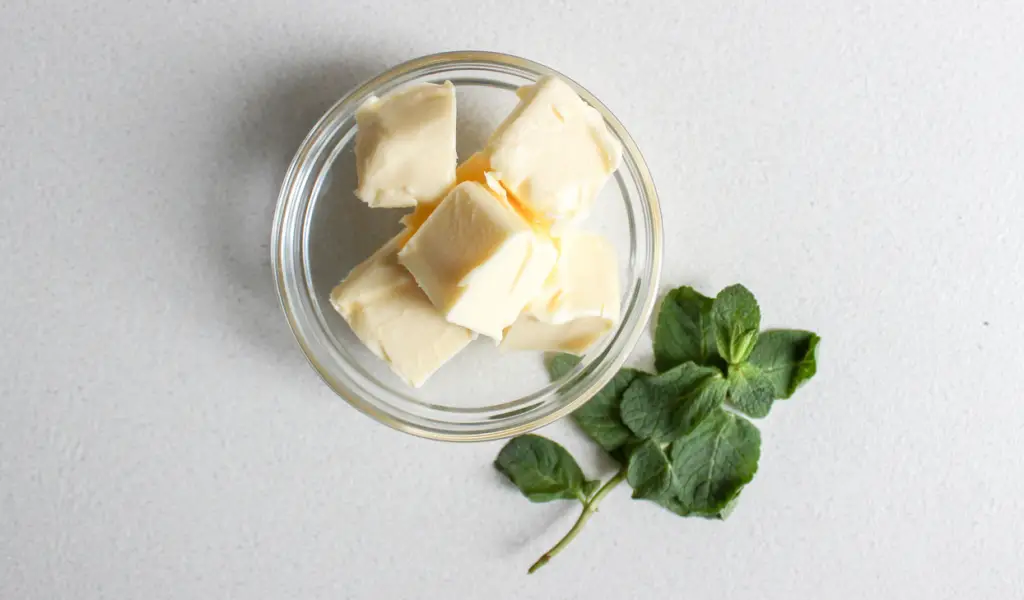
Margarine arrived with promises of progress. It was marketed as modern and healthier than butter. That alone made people suspicious. Butter had centuries of trust behind it. Margarine felt like a replacement no one asked for.
Yet it spread easily and stored well. It worked for cooking and baking alike. Some families switched completely. Over time, it earned a permanent place in the fridge. Even skeptics eventually stopped questioning it.
10. Canned Soup
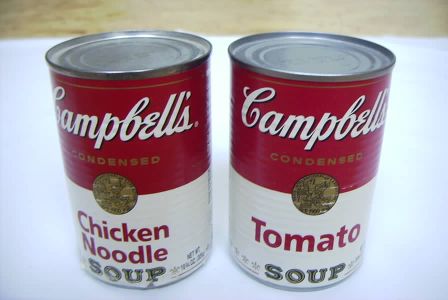
Canned soup felt like cheating to some cooks. Soup was supposed to simmer all day. Opening a can felt too quick to be real. The uniform texture made people cautious. It seemed overly processed at first glance.
Then came the convenience factor. A hot meal in minutes was hard to resist. It became a lunch staple everywhere. Certain flavors turned iconic. What once felt modern became timeless.
11. Gelatin Desserts
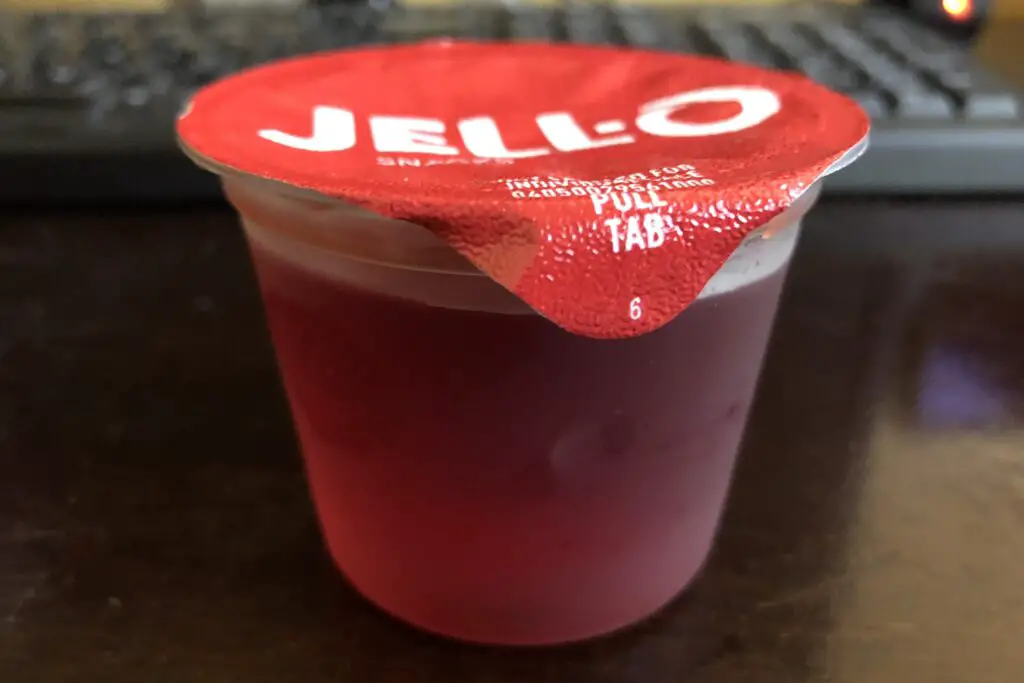
Gelatin desserts looked futuristic on the table. Their wobble didn’t resemble traditional food. People weren’t sure whether to trust the texture. Clear molds and bright colors added to the confusion. It felt more like decoration than dessert.
Once served, curiosity took over. The sweetness was familiar enough. It became popular for gatherings and holidays. Over time, it turned nostalgic. The strangeness slowly turned into charm.
12. Frozen Pizza
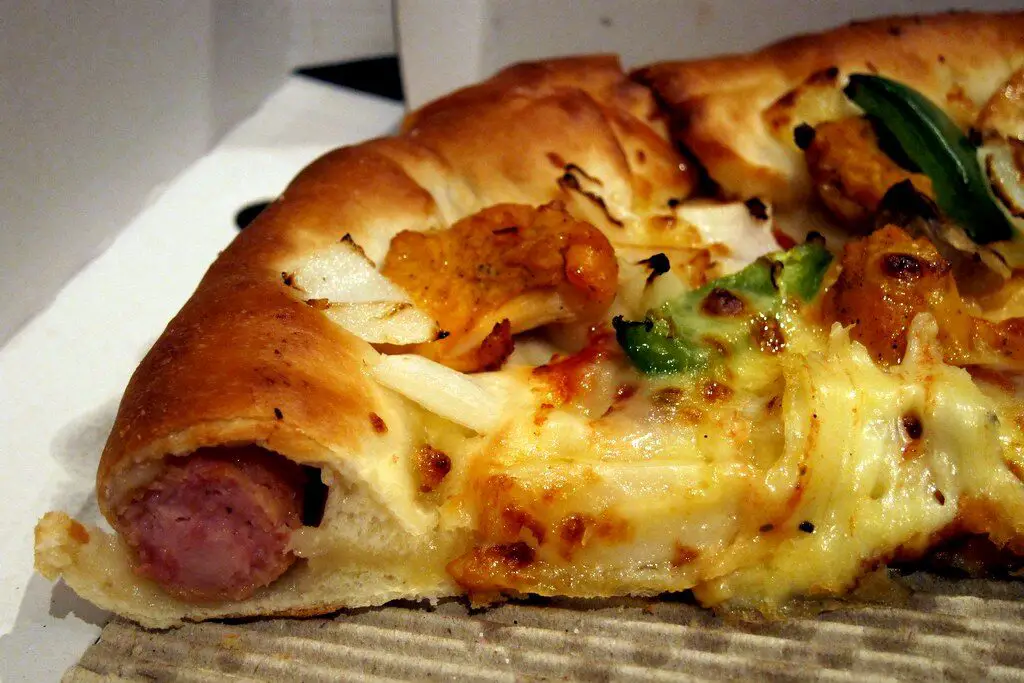
Frozen pizza challenged expectations immediately. Pizza was supposed to be fresh and hot from an oven. Pulling it from a freezer felt wrong. People doubted the crust would ever be right. The toppings looked suspiciously neat.
Then came the taste test. It wasn’t perfect, but it worked. Busy families embraced it quickly. It became a go-to meal. What once felt modern became a freezer staple.
13. Whipped Topping
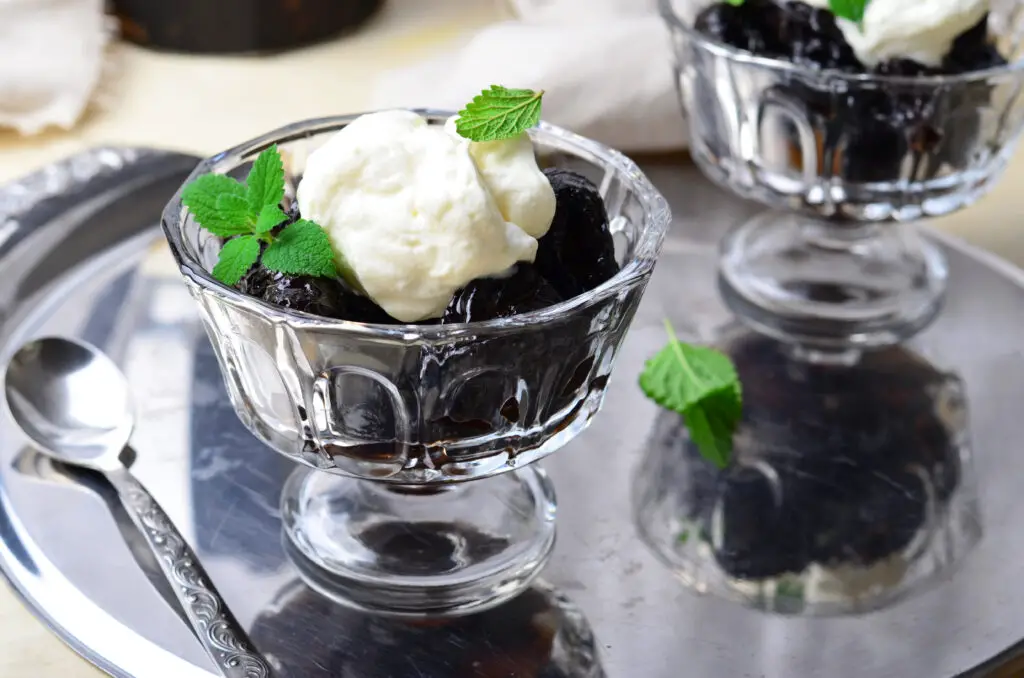
Whipped topping in a tub raised eyebrows. Whipped cream was supposed to be fresh and fleeting. Something that lasted weeks felt unnatural. The texture seemed too stable. Many wondered what made it hold its shape.
Despite the doubts, it won people over. It was easy, reliable, and sweet. Desserts suddenly felt effortless. It became a holiday staple. The suspicion faded with every slice of pie.
14. Energy Bars
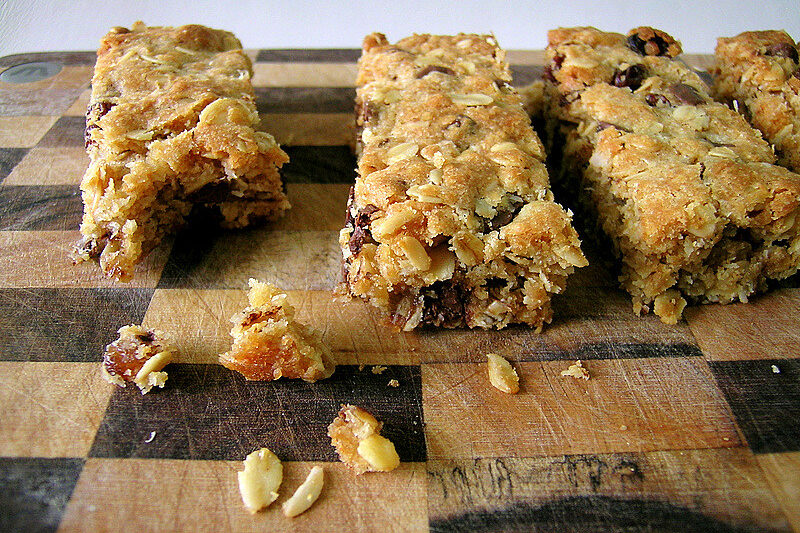
Energy bars arrived sounding futuristic. Food designed for performance felt strange. People questioned whether they were meals or snacks. The packaging alone felt very modern. Some assumed they were only for athletes.
Then people tried them out of convenience. They were filling and portable. Busy days made them appealing. Over time, they blended into everyday life. What once seemed experimental became normal.