
1. The Kitchen Chair with the Wobble
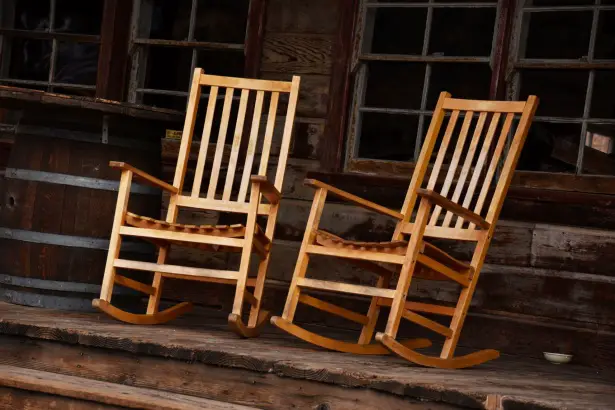
Everyone knew which chair it was, the one nobody picked unless there were no other options. One leg was shorter than the rest, and it rocked just enough to keep you alert. People would shove folded napkins or old magazines under it instead of fixing the actual problem. There was always a story attached to that chair, who bought it, who broke it, or who always insisted it was “fine.”
Replacing it felt unnecessary when it technically still worked. The wobble became part of the kitchen’s personality. Guests were warned about it like it was a family member with quirks. Eventually, everyone learned how to sit just right to avoid tipping.
2. The Lamp That Only Worked at a Certain Angle

This lamp required a gentle twist, a nudge, or sometimes a whispered threat to turn on. People memorized the exact position the cord needed to be in for the light to stay lit. When it worked, it felt like a small personal victory. Nobody wanted to admit defeat by buying a new one.
It stayed because it still technically did its job. The ritual of fiddling with it became routine. Turning it on felt familiar, almost comforting. Replacing it would have erased that oddly satisfying moment.
3. The Couch with the Sagging Cushion

Everyone knew where the dip was, and regulars instinctively avoided that spot. The cushion sank like quicksand the second you sat down. Pillows were stacked strategically to disguise the problem. It was still considered “good enough” for everyday use.
That couch had seen naps, movie marathons, and sick days. It held memories, not just people. Buying a new one felt like admitting an era was over. So the sag stayed, and everyone adjusted.
4. The Drawer That Wouldn’t Close All the Way
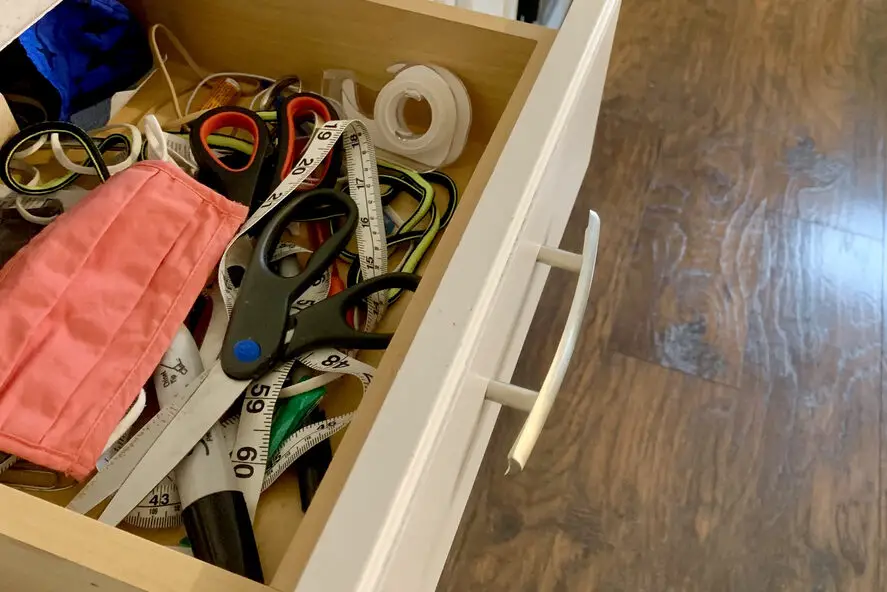
This drawer lived permanently an inch open, no matter how hard you shoved it. People learned to walk around it to avoid bruised hips. Fixing it meant dealing with warped wood or stubborn tracks. That sounded like work.
Instead, it became part of the room’s layout. Everyone knew which drawer it was and accepted its independence. Closing it fully felt unnatural at that point. Leaving it broken was simply easier.
5. The Coffee Maker with a Temper

This coffee maker worked when it felt like it. Sometimes it brewed perfectly, other times it refused without explanation. People tapped it, unplugged it, and tried again like it was a moody coworker. When it worked, nobody questioned it.
Replacing it felt risky. What if the new one didn’t make coffee the same way? Familiar flaws felt safer than unknown ones. As long as caffeine eventually appeared, it stayed.
6. The Vacuum Cleaner That Screamed
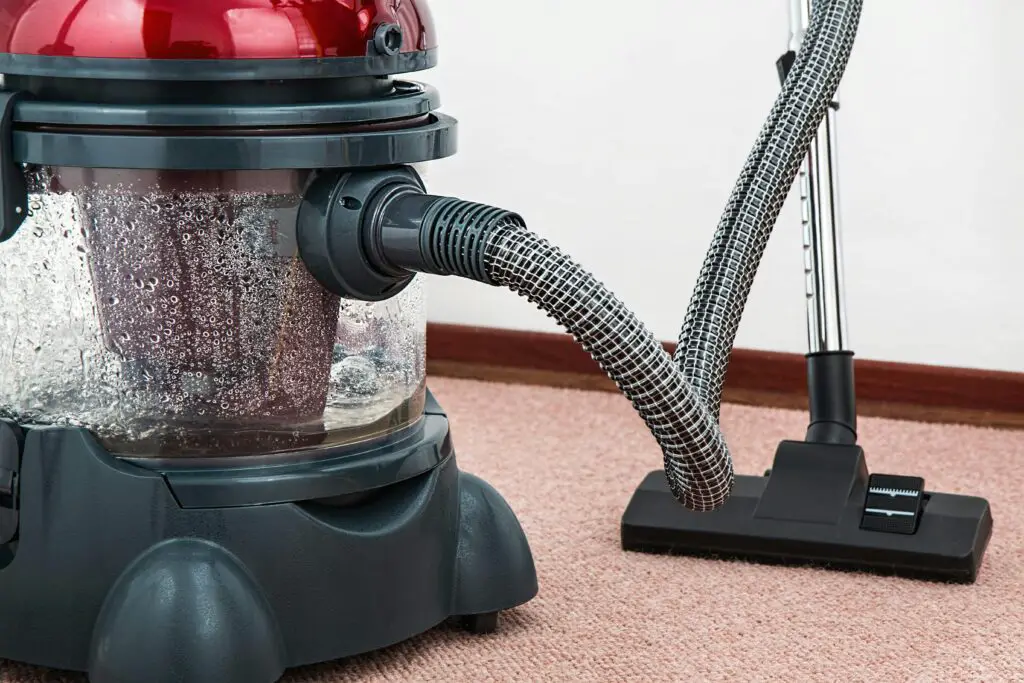
This vacuum sounded like it was fighting for its life every time it turned on. It rattled, whined, and occasionally smelled faintly burnt. Still, it picked up dirt, mostly. That was enough.
Buying a new vacuum felt indulgent when this one technically worked. People lowered their expectations instead. Earplugs and quick cleanups became the solution. Silence wasn’t worth the expense.
7. The Microwave with the Broken Handle
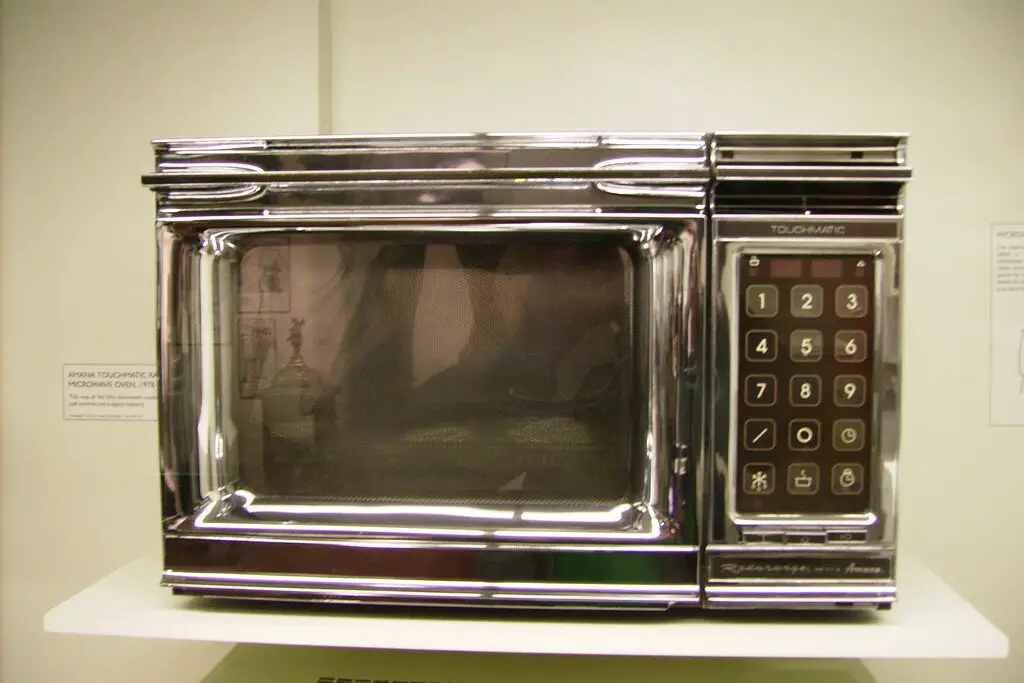
The handle snapped off, leaving a sharp reminder of better days. People learned to open the door by pressing a finger into the crack. It wasn’t elegant, but it worked. Replacing it seemed wasteful.
That microwave still heated leftovers just fine. The missing handle became an inside joke. Visitors were shown how to open it like it was a secret trick. No one missed the handle enough to shop for a new one.
8. The Clock That Ran Five Minutes Fast
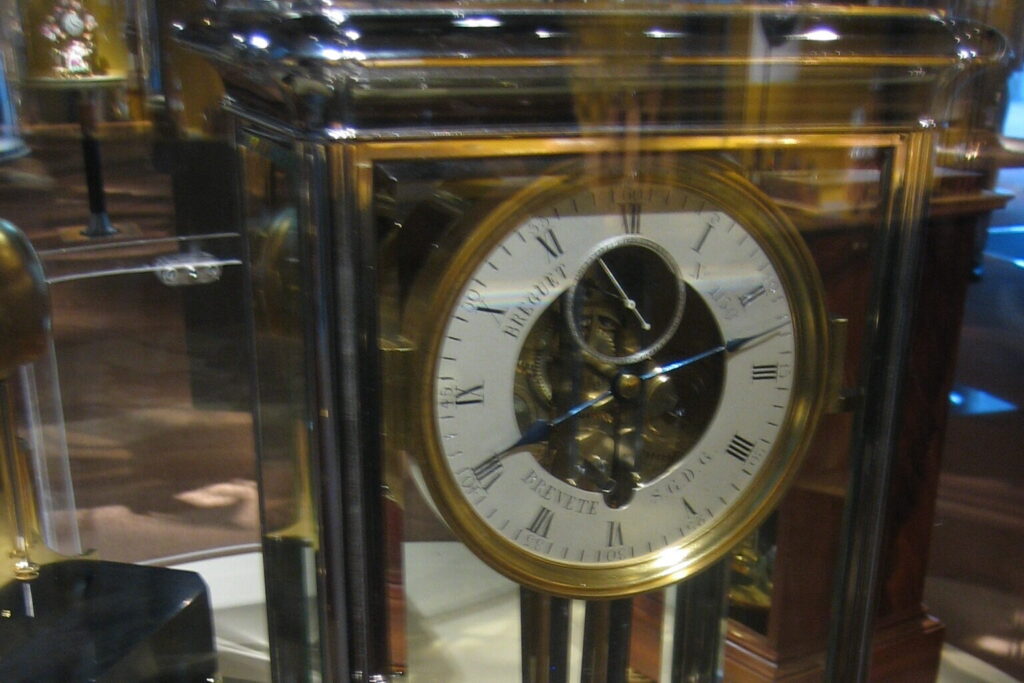
Everyone knew to mentally subtract five minutes when checking the time. It was never fixed, just accepted. The clock kept people moving a little quicker, which wasn’t always a bad thing. Changing it felt unnecessary.
It became a built-in buffer against being late. People trusted their own adjustment skills. Fixing it would have removed that quiet advantage. So it stayed wrong, on purpose.
9. The Toaster That Only Worked on One Side
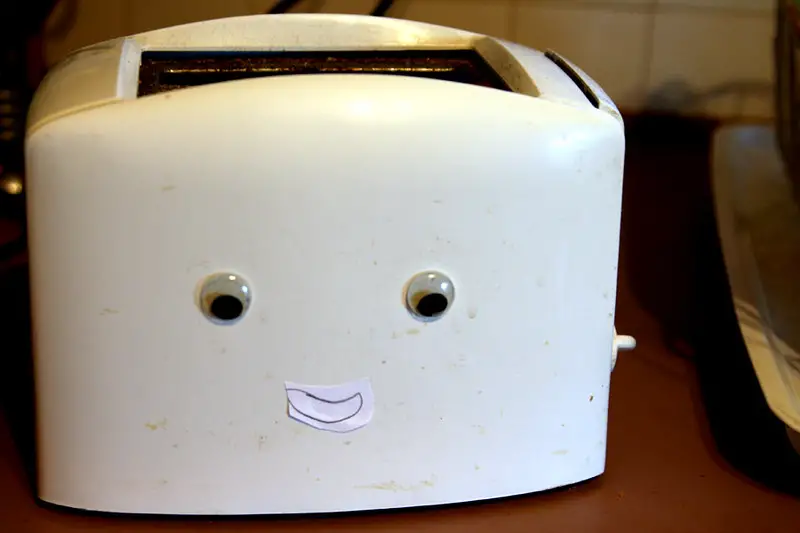
One slot toasted perfectly while the other barely warmed bread. People rotated slices halfway through or only used one side. Burnt edges and pale centers were common. Breakfast still happened.
Replacing it felt dramatic for such a small inconvenience. The routine was already figured out. Everyone knew how to work around it. A new toaster would have required learning again.
10. The Fan That Needed a Push Start
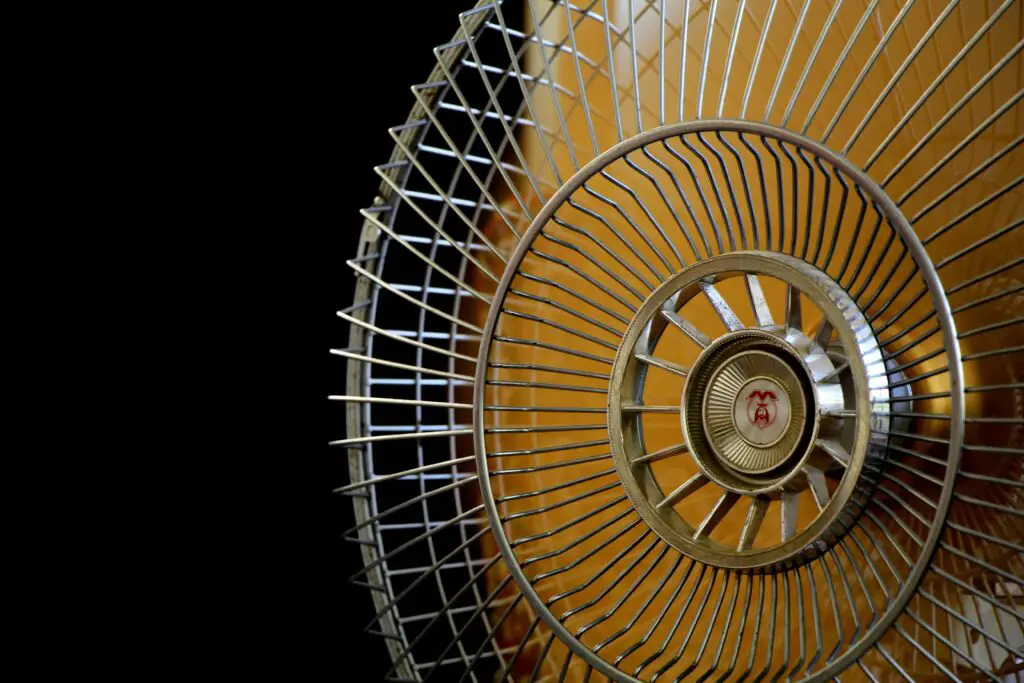
This fan didn’t start on its own anymore. Someone had to flick the blades manually to get it going. Once it started, it worked just fine. That was apparently acceptable.
The extra step became habit. People felt oddly accomplished getting it going. Buying a new fan felt boring compared to the ritual. So the push-start fan lived on.
11. The Table with the Permanent Scratch

No one remembered how the scratch happened, only that it was always there. It ran right through the center like a scar. Tablecloths sometimes covered it, sometimes not. Replacing the table felt excessive.
The scratch became part of the table’s story. Meals, homework, and conversations continued around it. Fixing it would have erased years of use. Keeping it felt more honest.
12. The Washing Machine That Walked
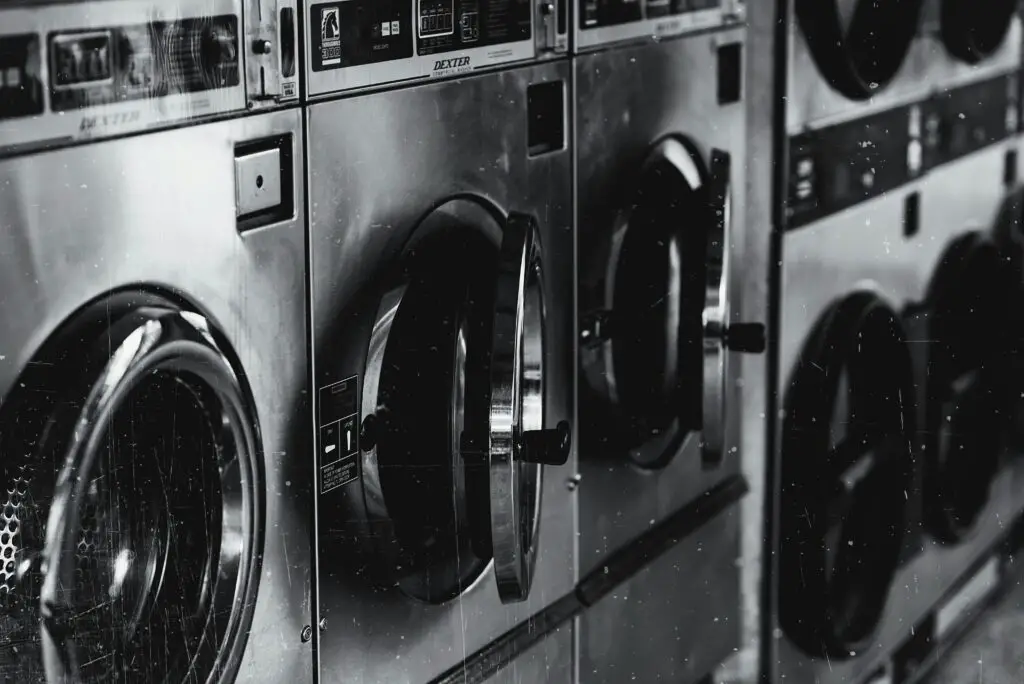
This washer shook violently during spin cycles. It rattled across the floor like it was trying to escape. People shoved it back into place afterward instead of calling for repairs. Laundry still got done.
The noise became background sound. Everyone learned not to run it late at night. A new machine felt like a big commitment. The wandering washer stayed.
13. The Door That Never Fully Latched
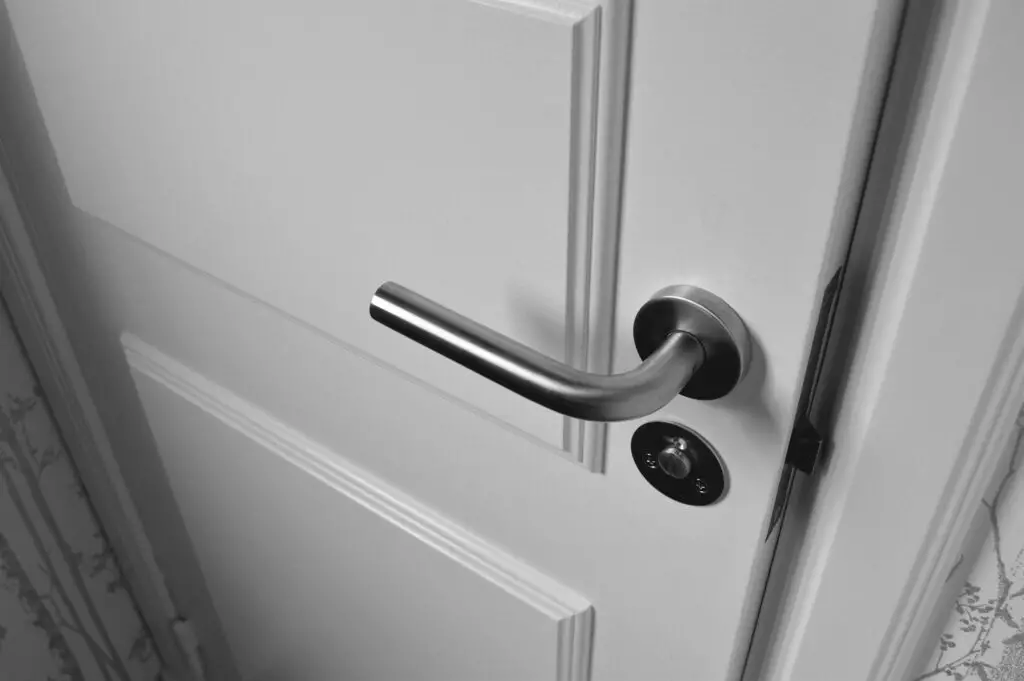
This door needed a specific pull to close properly. If you didn’t do it just right, it popped back open. Everyone in the house learned the technique. Fixing the latch always got postponed.
The habit stuck. Closing the door became muscle memory. Replacing the hardware felt unnecessary when everyone already knew how to handle it. The door remained stubborn and familiar.