
1. A Sewing Kit Hidden in an Old Tin
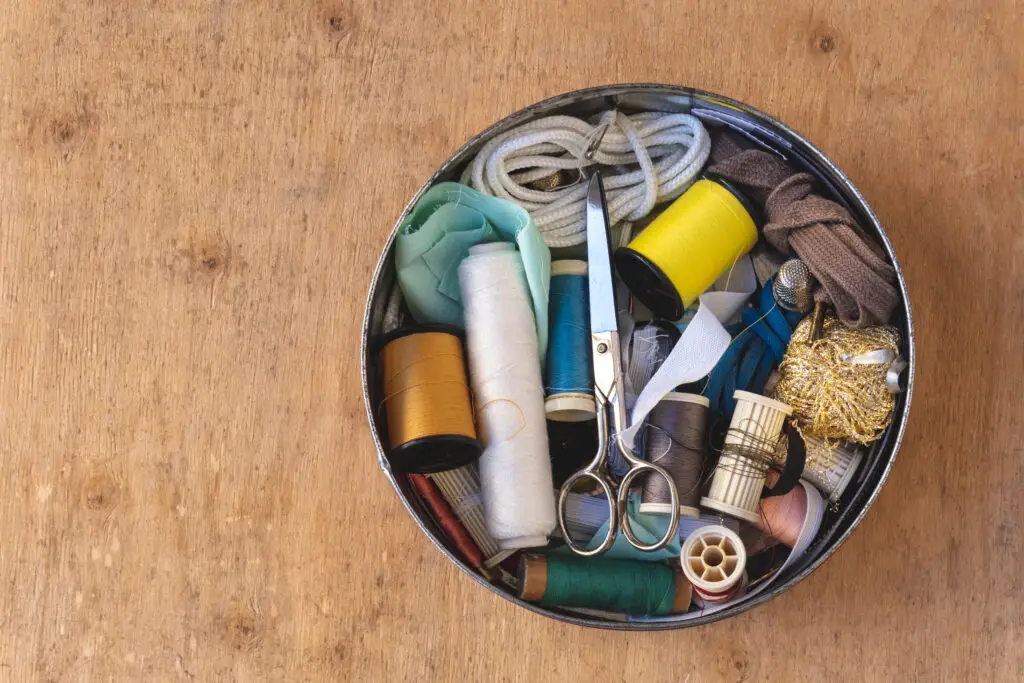
You open a random drawer and find a small tin that once held cookies or candy. Inside are mismatched buttons, dull needles, spools of thread in colors nobody wears anymore. It feels oddly personal, like you have stumbled into someone’s routine frozen in time. The kit looks too important to toss but too outdated to use. You can almost picture it being reached for in a hurry.
Before sewing machines were common in every home, these kits were essential. Clothes were mended instead of replaced, often at the kitchen table. The tin was portable and easy to stash away. Today it reads as a symbol of thrift and self sufficiency. Its purpose is clear historically, but confusing in a world of fast fashion.
2. A Hidden Room Behind a Wall or Closet
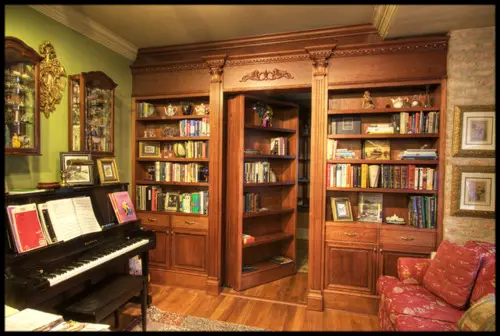
Few things are more unsettling than realizing a wall does not end where it should. Maybe a closet feels too deep or a doorway leads to a cramped, windowless space. The room might be unfinished or oddly shaped. It feels secretive, even if it is harmless.
Hidden rooms were often used for storage, servants’ quarters, or even temporary sleeping spaces. In some cases, they were built to hide valuables or offer privacy. Over the years, renovations made them unnecessary. What remains is a space that feels more like a story than a room.
3. A Built In Safe With No Combination
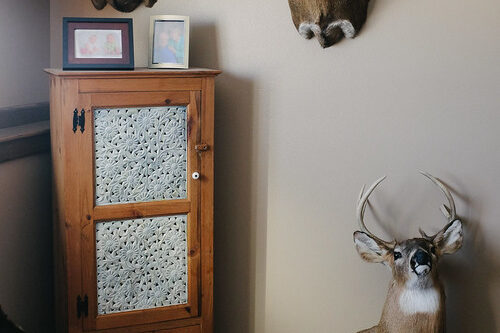
Finding a heavy metal safe tucked into a wall sparks instant curiosity. The door is locked and the combination is long gone. You imagine documents, money, or something far more dramatic inside. It feels like a challenge left behind on purpose.
Many older homes included safes for cash, deeds, or jewelry. Banks were not always convenient or trusted. When owners moved or passed away, the combination often disappeared. The safe stays sealed, holding nothing or everything, depending on your imagination.
4. A Dumbwaiter That No Longer Moves
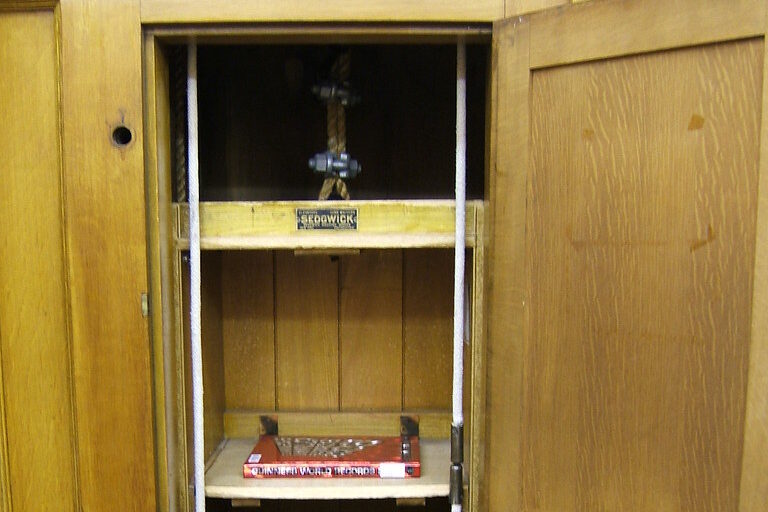
A narrow shaft with a tiny door might look like a cabinet at first. Opening it reveals a small platform and a dark vertical tunnel. It feels like something out of an old movie. You immediately wonder what used to travel through it.
Dumbwaiters were used to move food, laundry, or firewood between floors. They made large homes run more smoothly. As lifestyles changed, they became unnecessary and sometimes unsafe. Now they exist as silent reminders of a more formal household rhythm.
5. A Box of Old Keys That Open Nothing
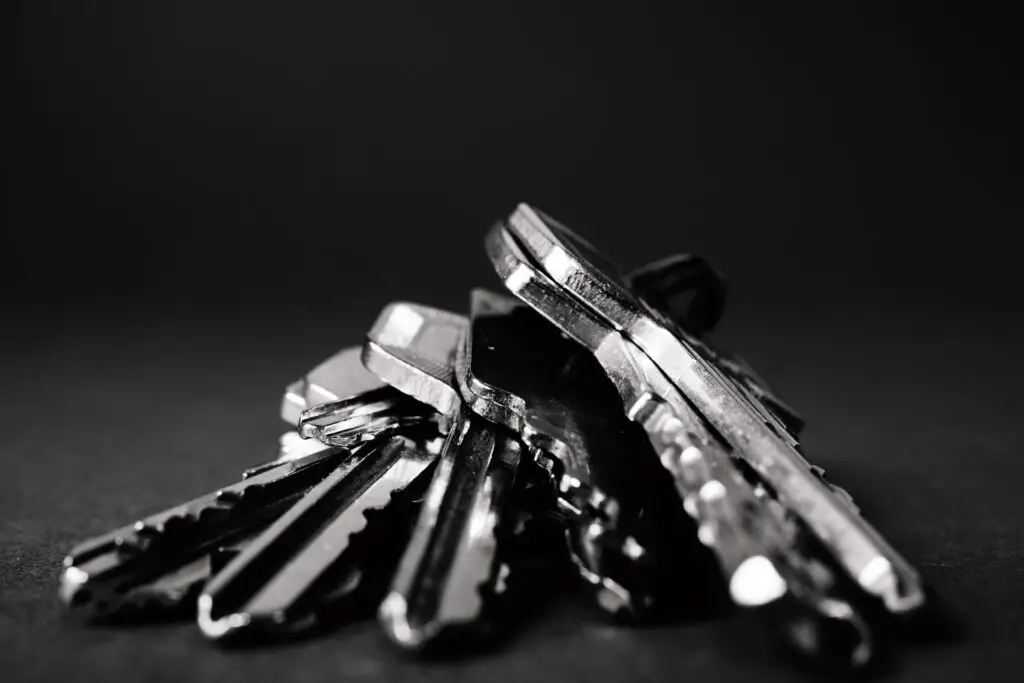
Somewhere in the house is a box filled with heavy, ornate keys. None of them fit any current lock. They feel important, yet completely useless. Holding them makes you wonder how many doors once existed.
Older homes had more locks for storage rooms, trunks, and outdoor buildings. Over time, doors were removed or replaced. The keys stayed behind because no one wanted to throw them away. Now they serve no function except curiosity.
6. A Priest Hole or Concealed Nook
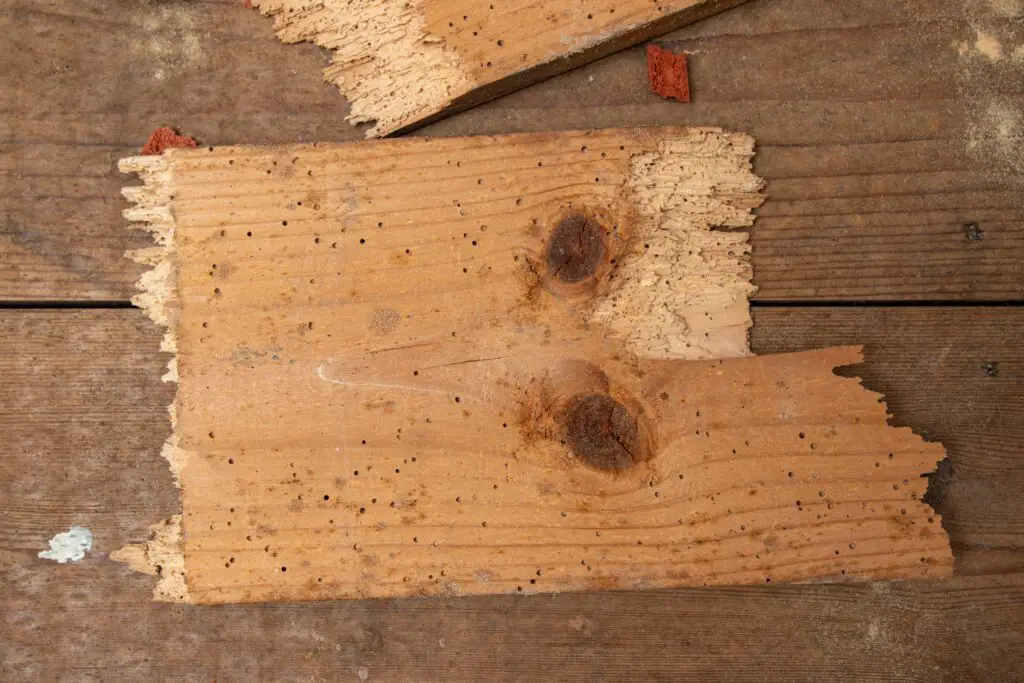
A small, hidden recess tucked behind paneling or stairs can feel eerie. It is often barely big enough for a person to stand or crouch. The space feels intentionally concealed. You cannot help but imagine someone hiding there.
These spaces, additionally known as priest holes, date back to times of religious persecution. They were designed to hide clergy or valuables during raids. Long after the danger passed, the spaces remained. Their original purpose is forgotten, but their presence still feels charged.
7. An Antique Trunk With No Clear Owner
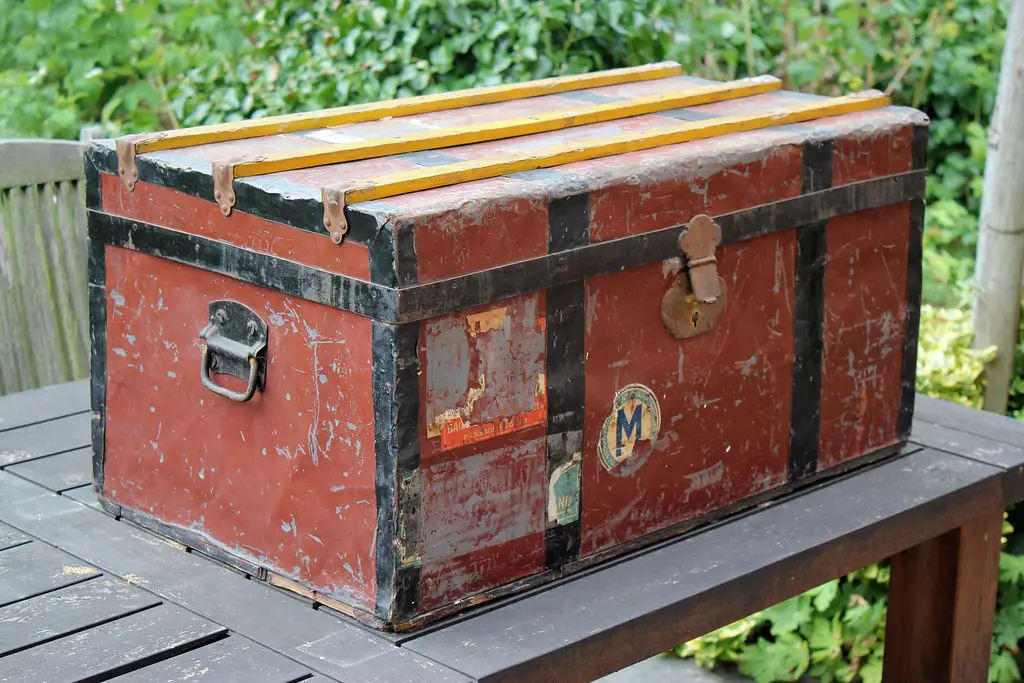
An old trunk in the attic or basement feels like it belongs to someone else’s life. It may contain letters, fabric scraps, or nothing at all. The wear suggests travel or long storage. It feels wrong to throw it away.
Trunks were once primary luggage and storage. Families used them for clothing, documents, and keepsakes. Over generations, ownership blurred. The trunk remains as an object without a story, yet full of implied history.
8. A Coal Chute That Goes Nowhere

A small exterior door or interior hatch may lead to a slanted passage. It feels oddly specific and completely outdated. The opening is too awkward for storage. It clearly once had a job.
Coal chutes were used to deliver fuel directly to basements. As heating systems modernized, coal became obsolete. The chute was sealed or ignored rather than removed. Now it exists as an architectural fossil.
9. A Bell System With No Bells
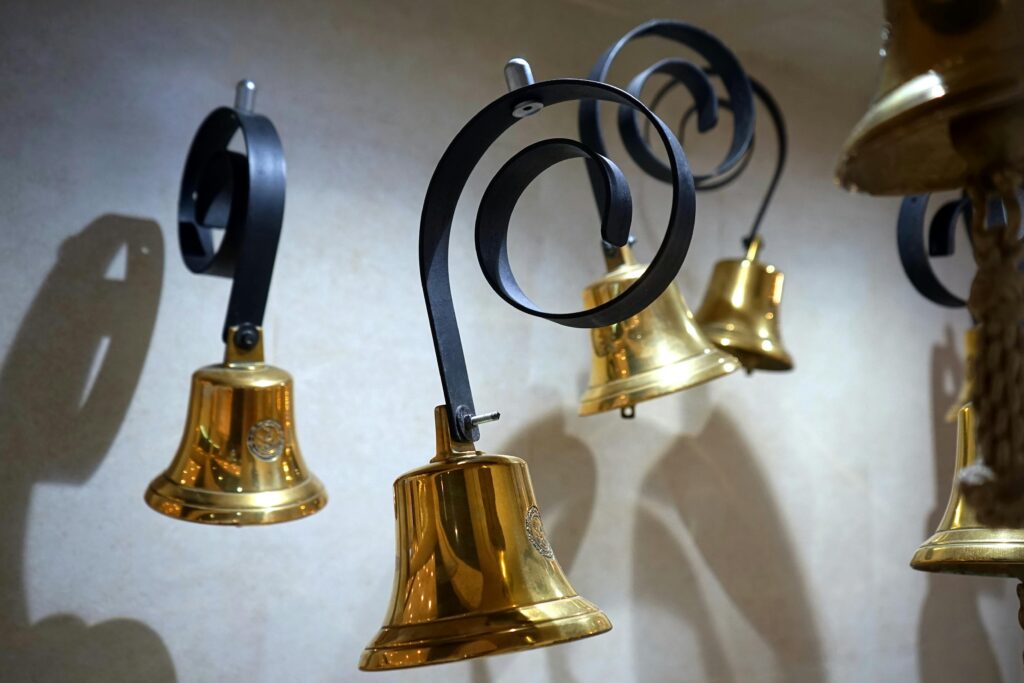
You might find labeled buttons or cords that once rang bells in other rooms. Pressing them now does nothing. The labels may still be faintly readable. It feels like a communication system from another world.
Before intercoms and phones, bell systems helped run large households. They summoned help or alerted family members. Once the system broke, repairs were rarely made. What remains is a network that no longer speaks.
10. A Cabinet Designed for Something Specific

A tall, narrow cabinet that fits nothing modern feels oddly stubborn. It might be too deep for brooms and too shallow for shelves. You keep trying to use it anyway. It never quite works.
These cabinets were often designed for ironing boards, bread boxes, or cleaning tools. Homes were built around daily tasks that no longer exist. When habits changed, the cabinet lost its purpose. It remains as a reminder of how routines shape design.
11. A Roll of Old Wallpaper Saved Carefully
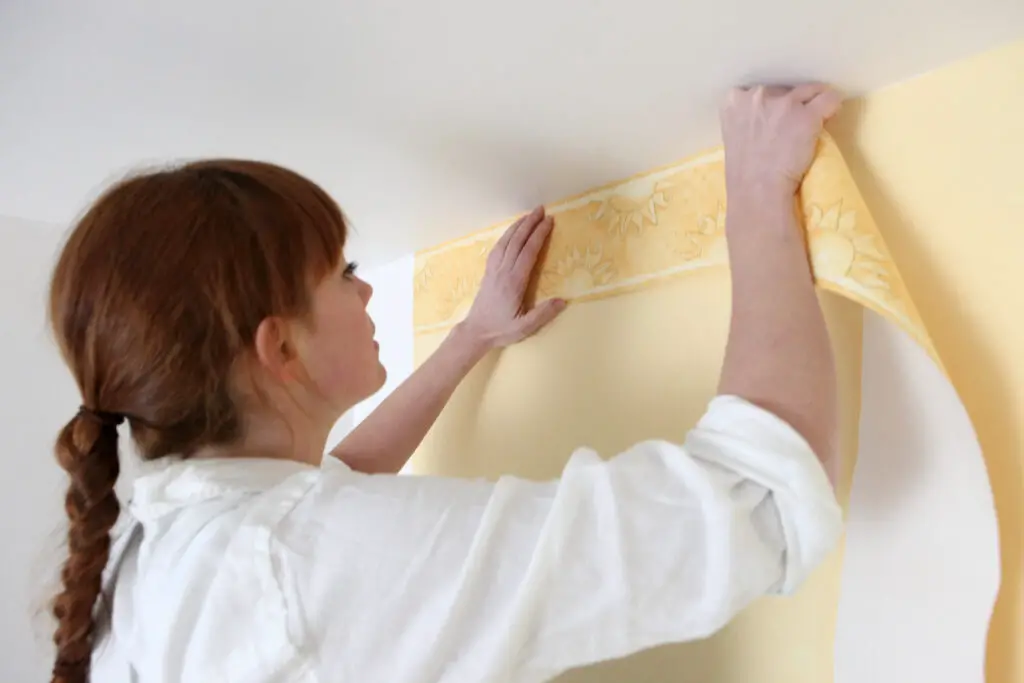
Tucked away in a corner, you find a single roll of wallpaper. The pattern is bold and unmistakably from another era. It feels intentionally saved. You wonder why it was kept.
Homeowners often saved wallpaper for repairs or future projects. Replacing a damaged section required an exact match. Once tastes changed, the roll became obsolete. It stayed because it felt wrong to throw away.
12. A Child’s Growth Chart Marked on Wood

A door frame or loose board might show pencil marks and dates. Names and ages are written carefully. It feels deeply personal and oddly intrusive. You are looking at someone else’s memories.
Growth charts tracked children in a time before digital photos. They were part of the house itself. When families moved, the markings often stayed behind. The object remains meaningful, but only to ghosts of the past.
13. A Box of Photographs With No Faces You Know
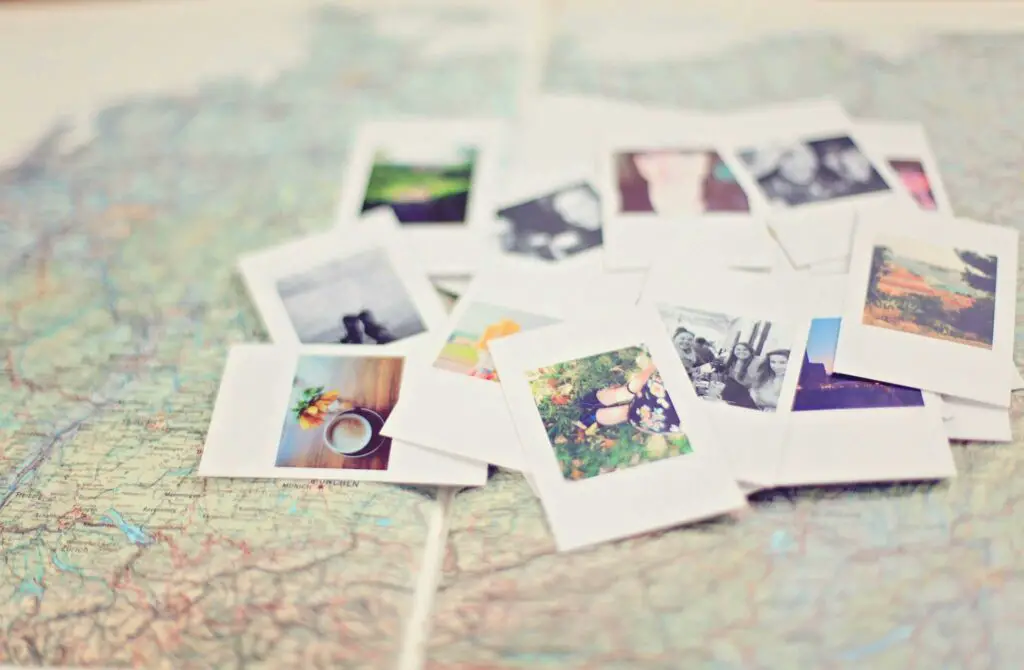
You open a small box and find stacks of old photos. The people are strangers, dressed in unfamiliar styles. The moments feel intimate and uninvited. You do not know what to do with them.
Photographs were once precious and limited. Families kept them close, even across moves. When ownership changed, the images lost their context. They remain objects without a clear purpose, except to remind us that someone else once lived here.