
1. Sunday Dinner at the Same Time Every Week
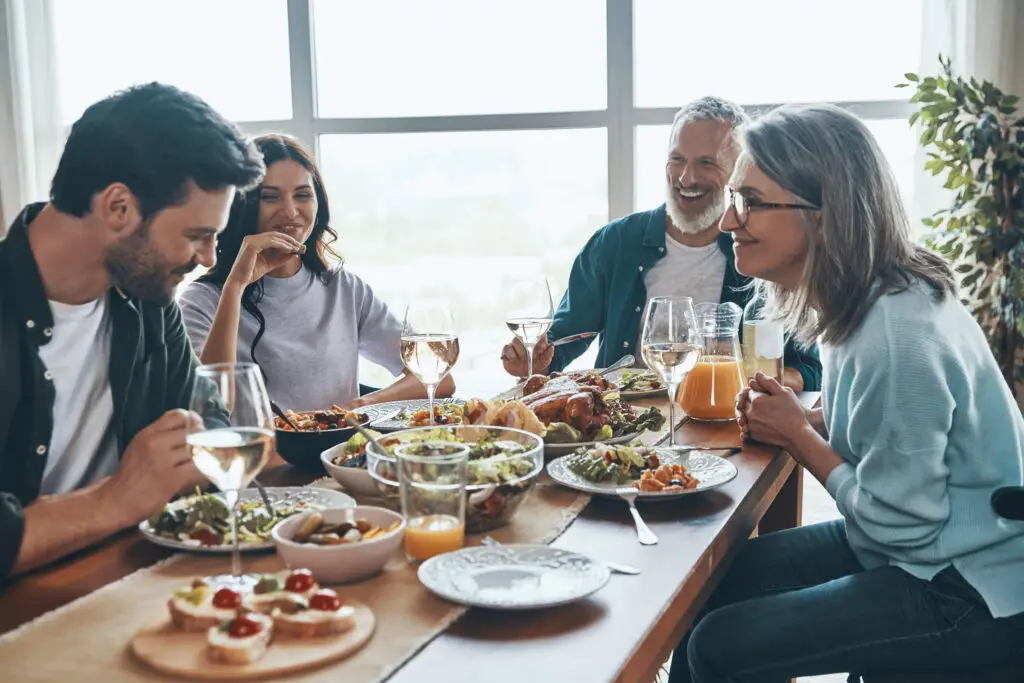
Families planned their entire day around Sunday dinner because that is just what you did. It did not matter if you were hungry at three or busy at five, dinner happened when the clock said so. The menu was often predictable, usually roast chicken, meatloaf, or something that had been simmering all afternoon. No one questioned it because everyone else seemed to be doing the exact same thing.
Skipping Sunday dinner felt almost rebellious, even if nothing special was actually happening. Kids learned early that saying “we already ate” was not an acceptable excuse. Guests were sometimes invited out of obligation, not excitement. The routine mattered more than the meal itself. It was tradition by pure momentum.
2. Sending Thank You Notes for Everything
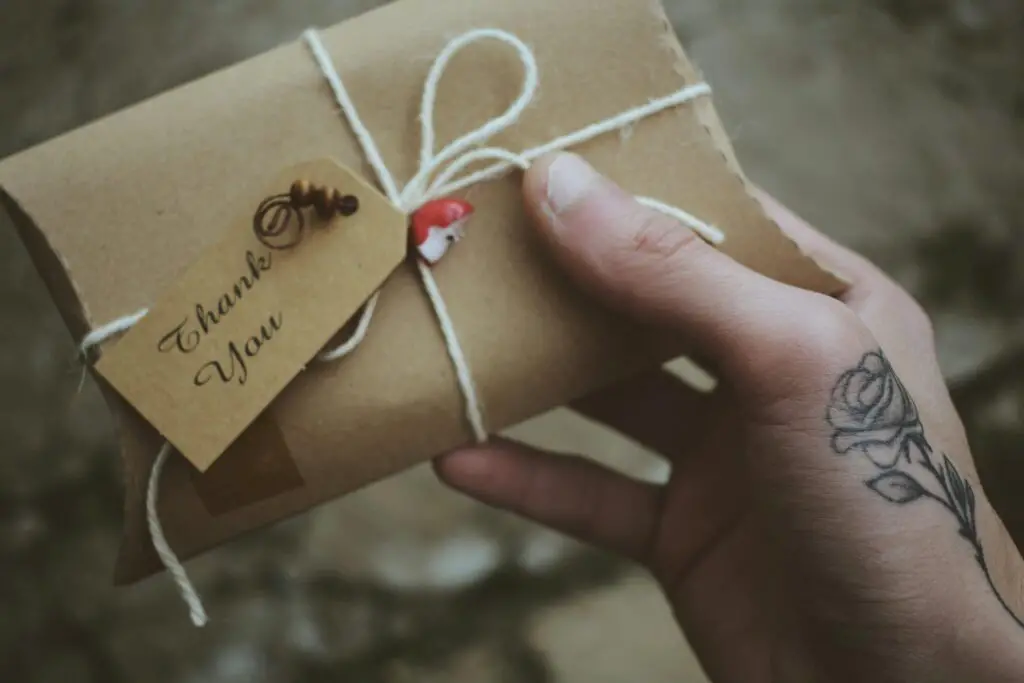
If someone gave you a gift, a handwritten thank you note was expected, no exceptions. Even kids had to sit at the table and scribble something polite before they were allowed to play. It did not matter if the gift was socks or a toy you did not like. Everyone else was sending notes, so you did too.
The notes often sounded stiff and overly formal, especially coming from children. Parents checked them for spelling and tone like they were grading homework. Mailing them felt urgent, as if a delay would be remembered forever. Nobody really knew who was keeping score. But the fear of being thought rude was enough to keep the tradition alive.
3. Dressing Up for Airplane Travel
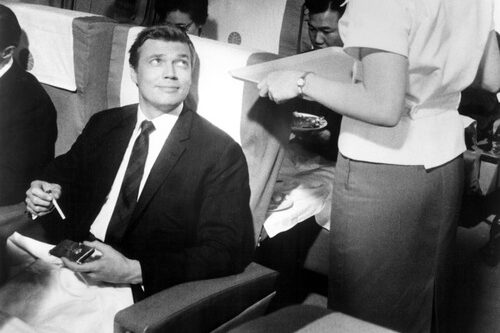
Flying used to mean dressing like you were attending an event, not sitting in a cramped seat for hours. Families put on their best outfits because everyone else at the airport looked polished. Even kids were told to wear nice shoes and clean shirts. The idea of flying casually just did not exist.
Parents believed appearances mattered more in the air than almost anywhere else. There was an unspoken rule that sloppy clothes reflected badly on the whole family. No one could explain why, but the expectation was clear. Airports felt like formal spaces simply because people treated them that way. Once casual travel became normal, the tradition vanished almost overnight.
4. Eating the Same Holiday Foods Every Year
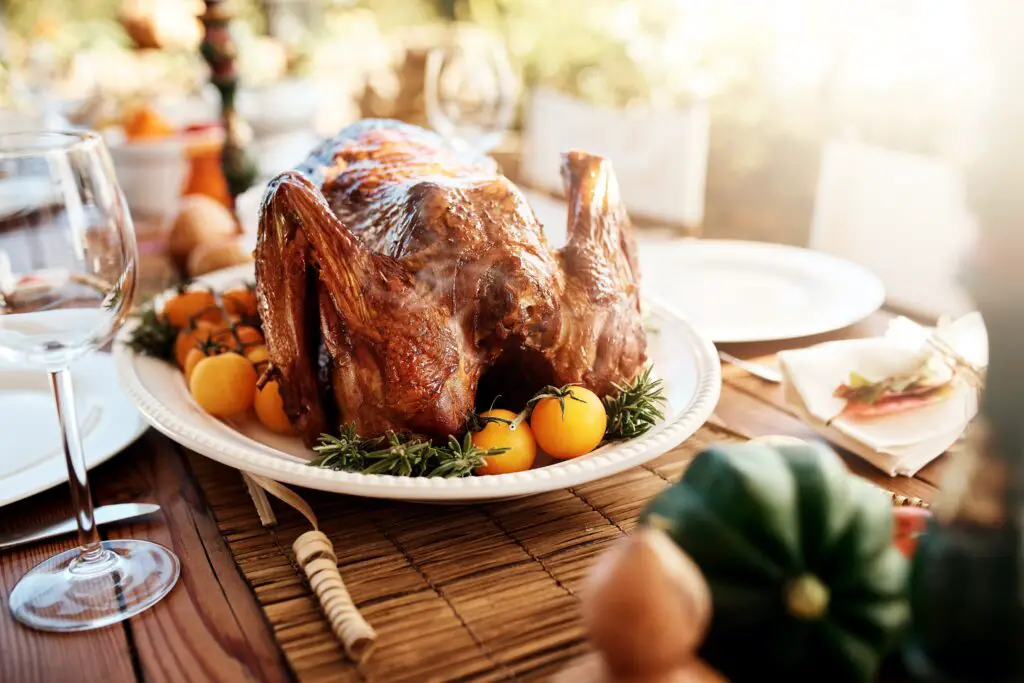
Certain foods appeared on the table once a year and nowhere else. Families made them even if no one particularly loved them. It was not about taste, it was about tradition and familiarity. Everyone else had the same dishes, so you did too.
Changing the menu felt wrong, almost disrespectful to the past. Kids learned to politely eat foods they never requested. Adults passed down recipes they barely remembered liking themselves. The repetition created comfort, even when enthusiasm was low. It was tradition fueled by repetition, not preference.
5. Sitting in Assigned Seats at the Table
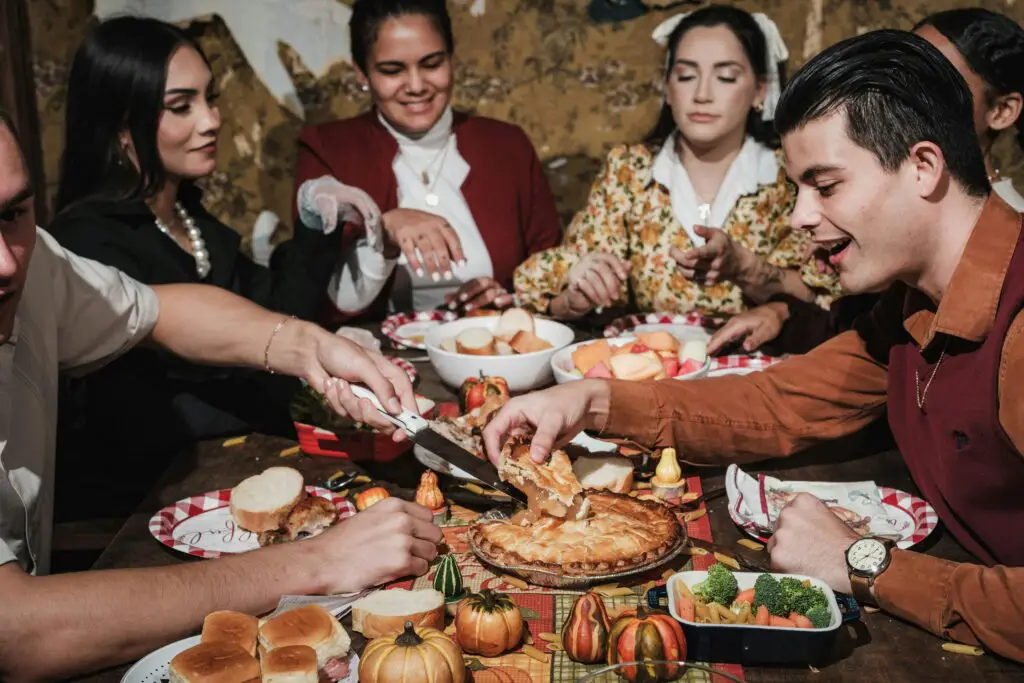
Every family seemed to have unspoken seating rules that no one dared break. Dad had his chair, mom had hers, and everyone else followed suit. Guests might accidentally sit in the wrong place and feel awkward instantly. No one explained the rules, but everyone knew them.
These seats became part of daily life, like a map you memorized without thinking. Sitting elsewhere felt strange, even unnecessary. The habit stuck because it worked and because no one questioned it. Other families did the same, which made it feel normal. It was order without discussion.
6. Watching the Same TV Shows as Everyone Else
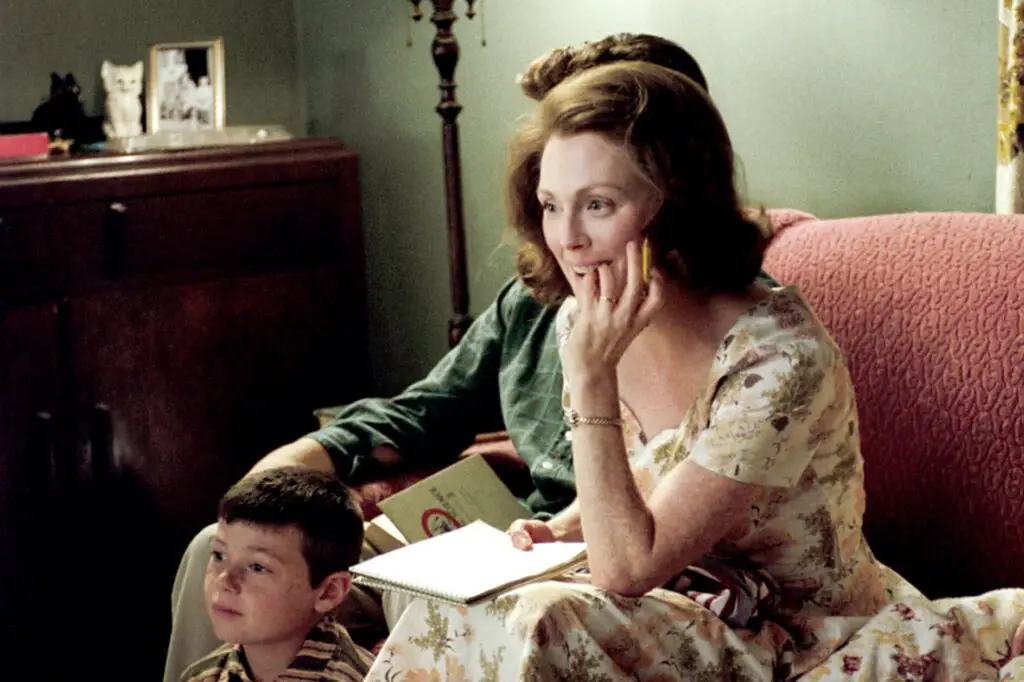
Families gathered around the television at the same time every week because everyone else was watching too. Missing an episode meant being left out of conversations at school or work. You watched shows you did not even love just to stay current. It was social pressure disguised as entertainment.
Television schedules controlled evenings without much resistance. Parents planned dinners around broadcast times. Kids rushed homework to avoid missing opening credits. Nobody wanted to be the only one who had not seen what everyone was talking about. Shared viewing became a family ritual by default.
7. Sending Holiday Cards to Everyone You Knew
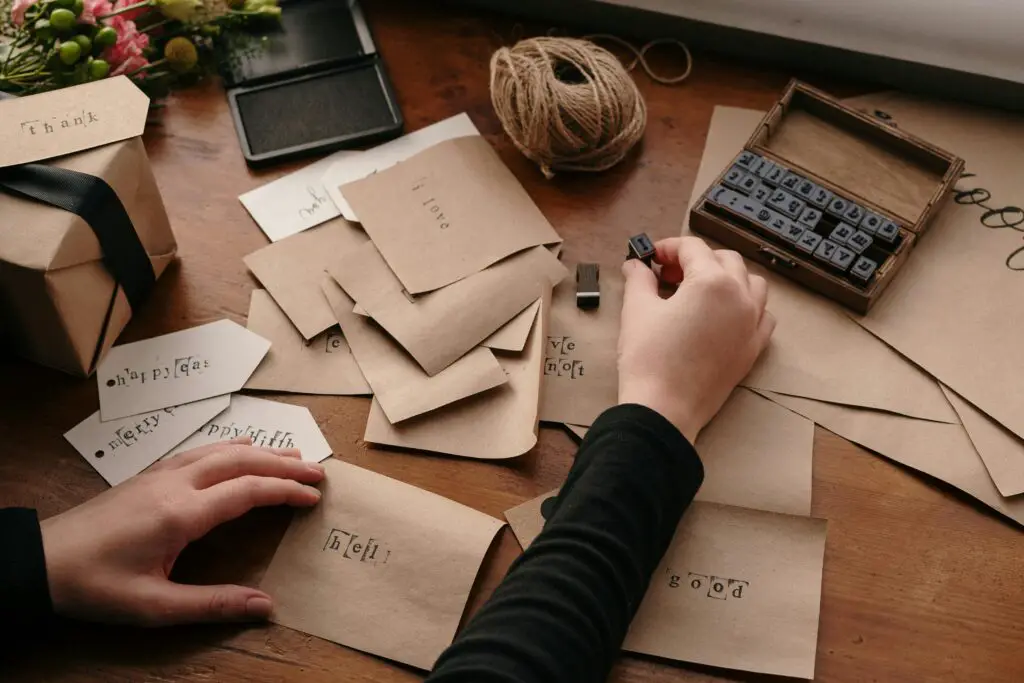
Holiday cards were sent in bulk, even to people you barely spoke to anymore. Families spent afternoons signing names and licking envelopes because it was expected. It did not matter if you had nothing new to say. Everyone else was mailing cards, so you followed along.
Skipping cards felt risky, like breaking an unspoken contract. Parents kept address lists that never seemed to shrink. Kids were tasked with sealing envelopes or adding stickers. The process mattered more than the message. It was tradition driven by habit and obligation.
8. Eating Dinner at the Table Every Night
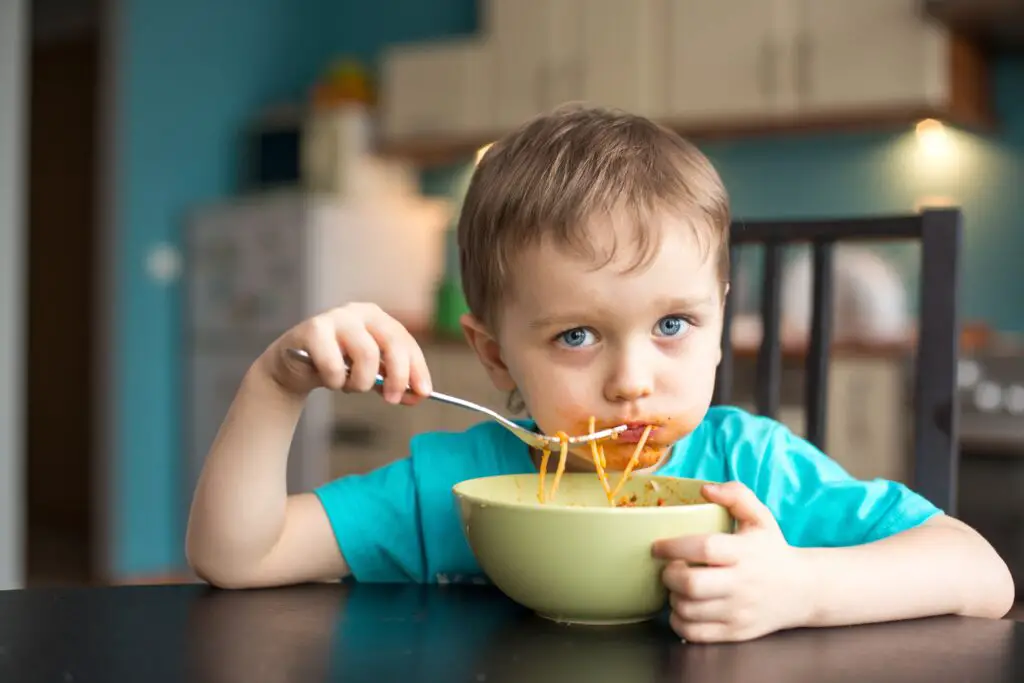
Dinner happened at the table, not on the couch or in front of the TV. Families believed this mattered because everyone else believed it mattered. Even quick meals were served on plates and eaten sitting upright. The rule existed long before anyone questioned why.
Conversation was expected, even if it was forced. Parents insisted it built character or togetherness. Kids just knew it was non negotiable. Eating elsewhere felt like breaking a rule you could not quite define. The table symbolized family simply because tradition said it did.
9. Keeping Quiet When Adults Were Talking
Children were taught to stay silent when adults were speaking, no matter how long it lasted. Interrupting was seen as rude, even if the child had something important to say. Other families enforced the same rule, which made it feel universal. Kids learned patience whether they wanted to or not.
The expectation was rarely explained, just enforced. Children watched and waited until they were invited to speak. This rule carried over into public spaces and gatherings. It shaped how kids learned to interact socially. Silence became a sign of good manners by default.
10. Celebrating Birthdays the Same Exact Way
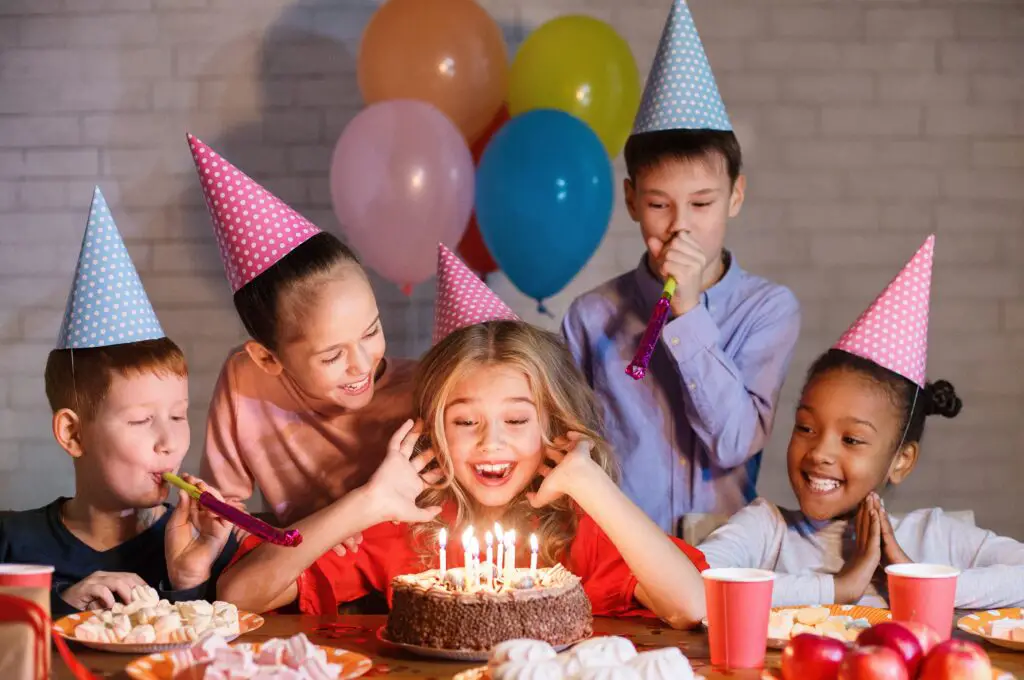
Birthday celebrations followed a familiar script year after year. Cake, candles, singing, and presents happened in the same order every time. Even if someone wanted something different, tradition usually won. Everyone else celebrated that way, so changing it felt unnecessary.
Families reused decorations and routines without thinking. Kids learned what to expect before the day even arrived. The comfort came from predictability, not surprise. Deviating from the plan felt odd, almost risky. Tradition made birthdays feel safe and familiar.
11. Making Kids Finish Everything on Their Plate
Children were told to clean their plates because that was how it had always been done. Leaving food behind was seen as wasteful or ungrateful. Other families followed the same rule, reinforcing it. No one questioned portion sizes or preferences much.
Parents repeated phrases they had heard growing up. Kids ate past fullness to avoid consequences. The rule stuck because it felt responsible and disciplined. It was passed down without much thought. Tradition made it feel necessary.
12. Visiting Relatives on a Fixed Schedule
Families visited relatives on specific days, often holidays or weekends, because that was the pattern. It did not matter how tired or busy everyone was. Other families did the same, which made it feel expected. The visits became obligations rather than choices.
Kids learned which weekends belonged to which relatives. Parents rarely questioned the routine. Breaking it felt like disappointing someone. Tradition kept relationships predictable, if not always exciting. The schedule mattered more than flexibility.
13. Wearing Certain Clothes for Certain Occasions
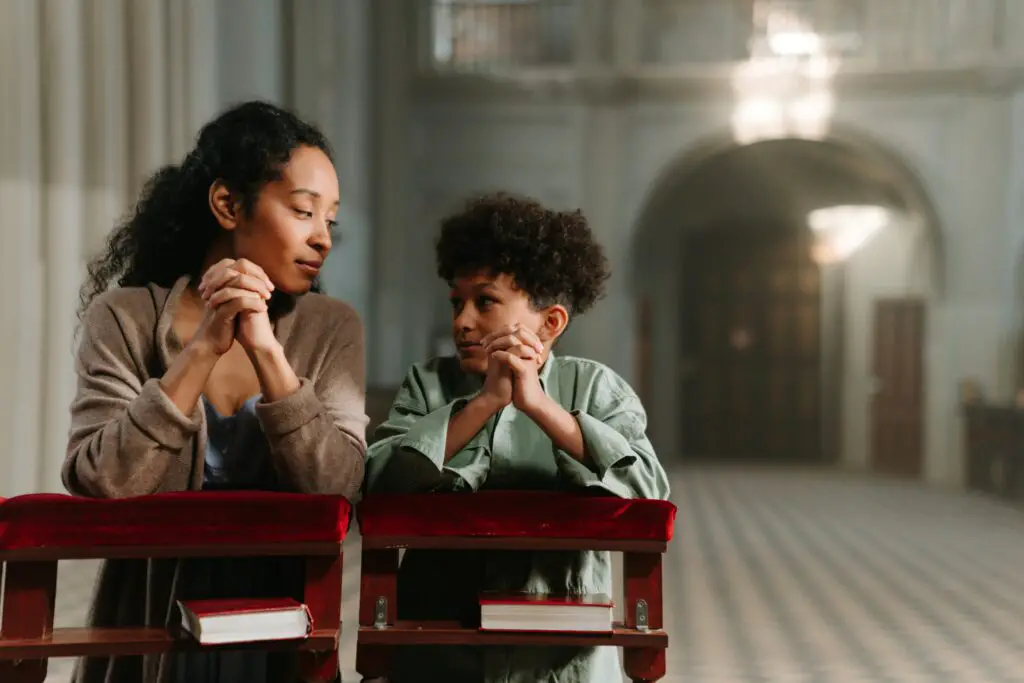
Specific events required specific outfits, no discussion needed. Church, school photos, and special dinners all had dress codes. Families followed these rules because everyone else did. Dressing differently felt like standing out in the wrong way.
Parents enforced these expectations early. Kids learned what was appropriate without being told why. Clothing became a signal of respect and belonging. The rules stuck because they were widely shared. Tradition made them feel unquestionable.
14. Saying Grace Before Meals
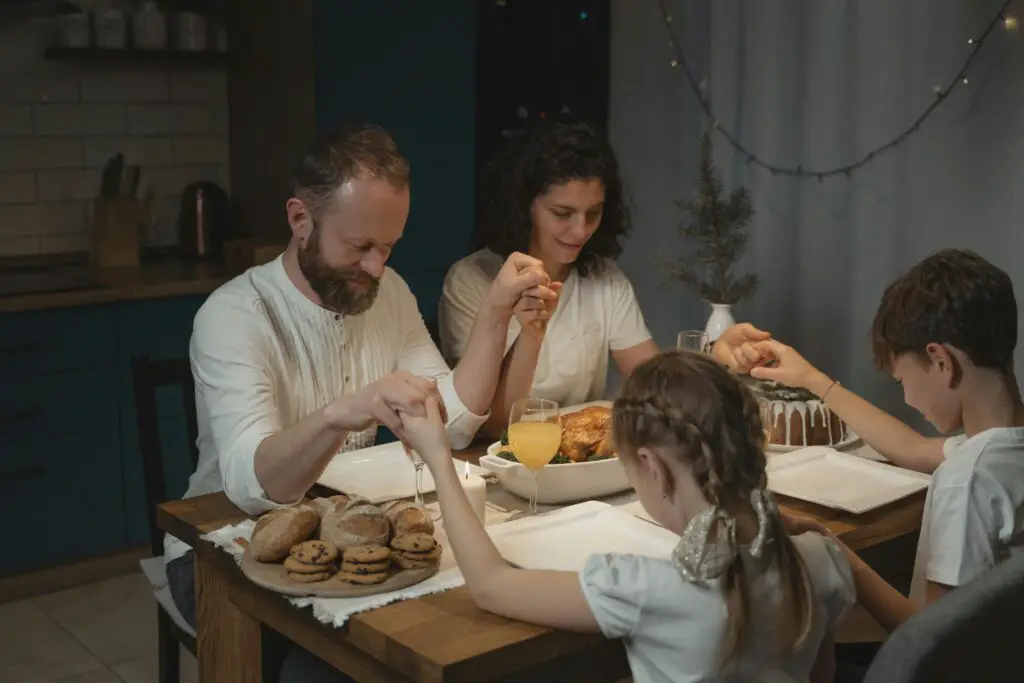
Saying grace before meals happened automatically in many households. Even guests were expected to pause respectfully. Families followed the ritual because it was common, not always because they thought deeply about it. Everyone else was doing it, so it stayed.
Kids learned the words by heart before understanding their meaning. The pause before eating became second nature. Skipping it felt awkward, even uncomfortable. The habit endured through repetition. Tradition gave it weight.
15. Keeping Certain Topics Off the Table

Some subjects were simply not discussed, especially at family gatherings. Politics, money, or personal issues stayed unspoken. Families followed this rule because everyone else seemed to. Silence felt safer than disagreement.
Kids picked up on the boundaries without explanation. Conversations stayed surface level by design. The rule helped keep peace, even if it limited honesty. It was tradition built on avoidance. And it lasted because no one challenged it.