
1. Pompeii
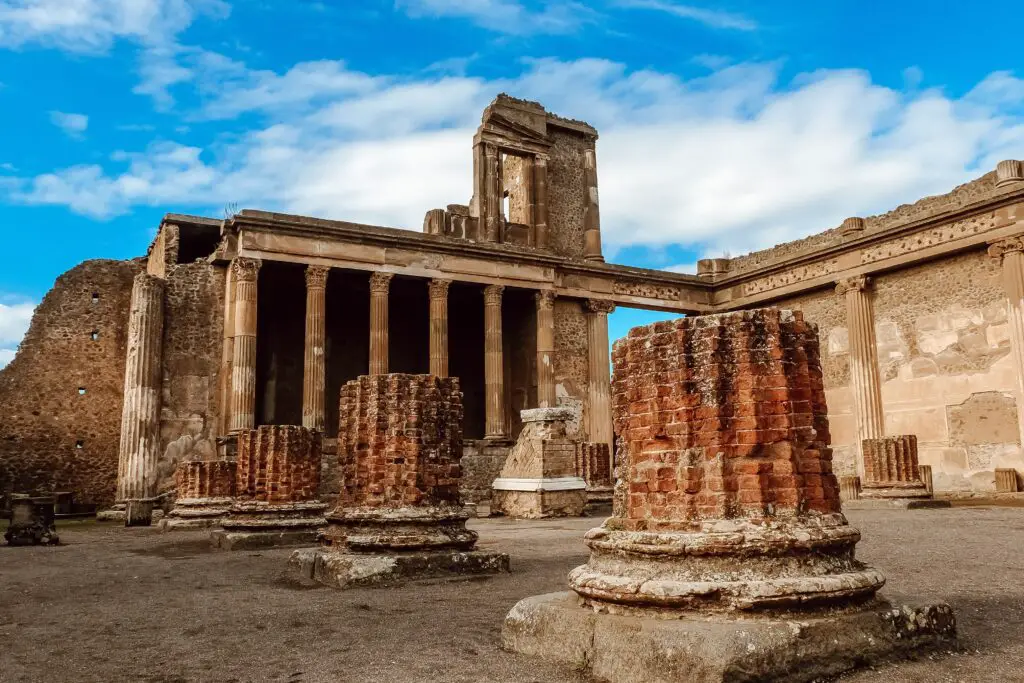
Pompeii was a lively Roman resort town where wealthy travelers vacationed near the Bay of Naples. Inns, bathhouses, and villas catered to visitors who came for leisure and culture. In 79 AD, Mount Vesuvius erupted and buried the city under ash and pumice in a single day. Life stopped instantly, and no evacuation plan or rebuilding effort followed.
That one catastrophic year ended Pompeii forever. Unlike cities that rebuild after disaster, this one was sealed in place. Tourism returned centuries later, but only as archaeology, not vacationing. Pompeii never recovered because it could not exist again as a living destination.
2. Pripyat
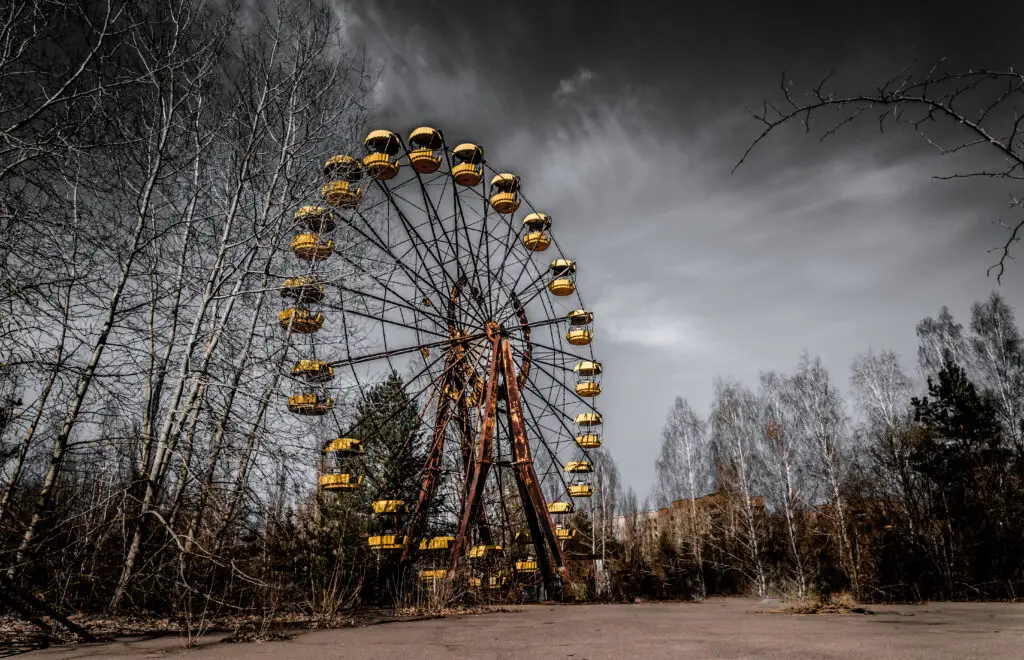
Pripyat was built to showcase modern Soviet life, complete with hotels, parks, and entertainment for visiting workers and families. It was young, clean, and designed to impress. In 1986, the Chernobyl nuclear disaster forced a sudden evacuation. Residents were told they would return in days.
That year ended everything. The city was never resettled, and tourism vanished overnight. Decades later, visitors come only on tightly controlled tours. Pripyat is frozen in time, remembered for what happened rather than what it offered.
3. St. Pierre
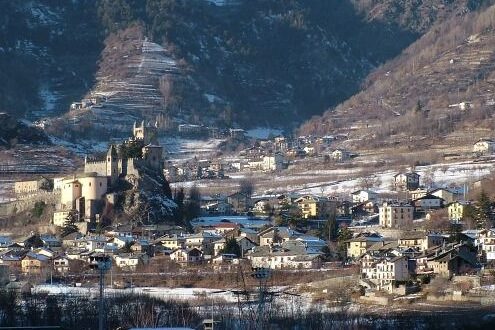
St. Pierre was once called the Paris of the Caribbean, famous for culture, nightlife, and seaside hotels. Cruise ships stopped there, and visitors filled cafés and theaters. In 1902, Mount Pelée erupted and destroyed the city in minutes. Nearly the entire population was lost in a single morning.
Tourism did not just slow, it disappeared completely. Although a smaller town was later rebuilt nearby, the destination never regained its former prominence. One devastating year erased St. Pierre’s place on the vacation map. Its legacy now exists mainly in history books.
4. Varosha
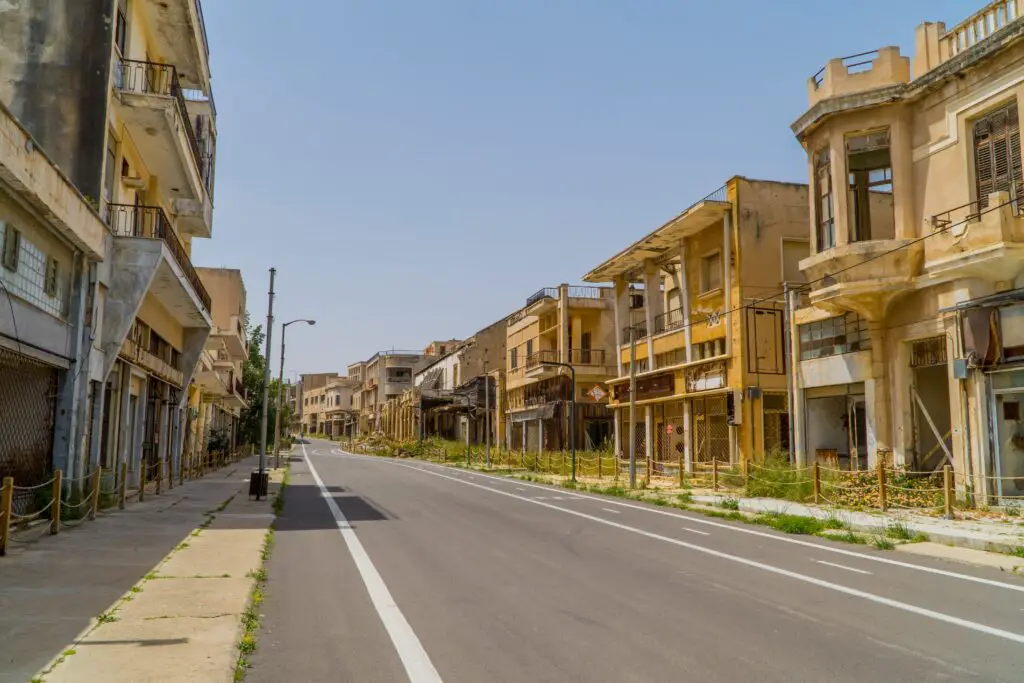
Varosha was a glamorous Mediterranean resort lined with luxury hotels and famous beach clubs. Celebrities vacationed there, and tourism was booming in the early 1970s. In 1974, political conflict led to a sudden military occupation. The entire district was fenced off almost overnight.
That single year shut Varosha down permanently. Hotels were abandoned mid season, and guests fled with belongings left behind. Despite occasional discussions of reopening, the area remains largely empty. It never recovered its status as a living vacation destination.
5. Plymouth

Plymouth was Montserrat’s capital and its main hub for tourism, shopping, and nightlife. Cruise ships docked there, and visitors explored nearby beaches and hills. In 1995, volcanic eruptions began after centuries of dormancy. Ash and lava slowly overwhelmed the city.
Within a year, Plymouth was abandoned. Tourism shifted elsewhere on the island, and the city became an exclusion zone. Buildings still stand buried and silent. One destructive year ended Plymouth’s future entirely.
6. Herculaneum
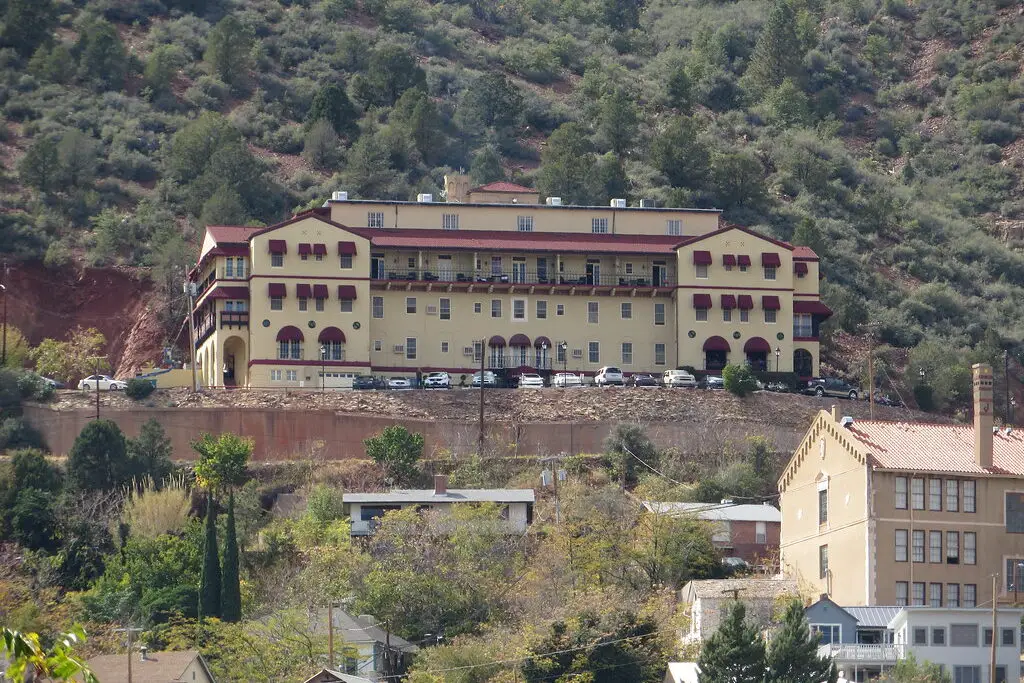
Herculaneum was a fashionable seaside town favored by wealthy Romans looking for relaxation. Its villas and bathhouses were considered more refined than those in nearby Pompeii. In 79 AD, the same eruption of Mount Vesuvius destroyed it. Superheated gases buried the town instantly.
That single event erased Herculaneum as a vacation destination. Like Pompeii, it survived only as ruins. Modern visitors come for history, not leisure. Its life as a resort ended in one unforgettable year.
7. Port Royal
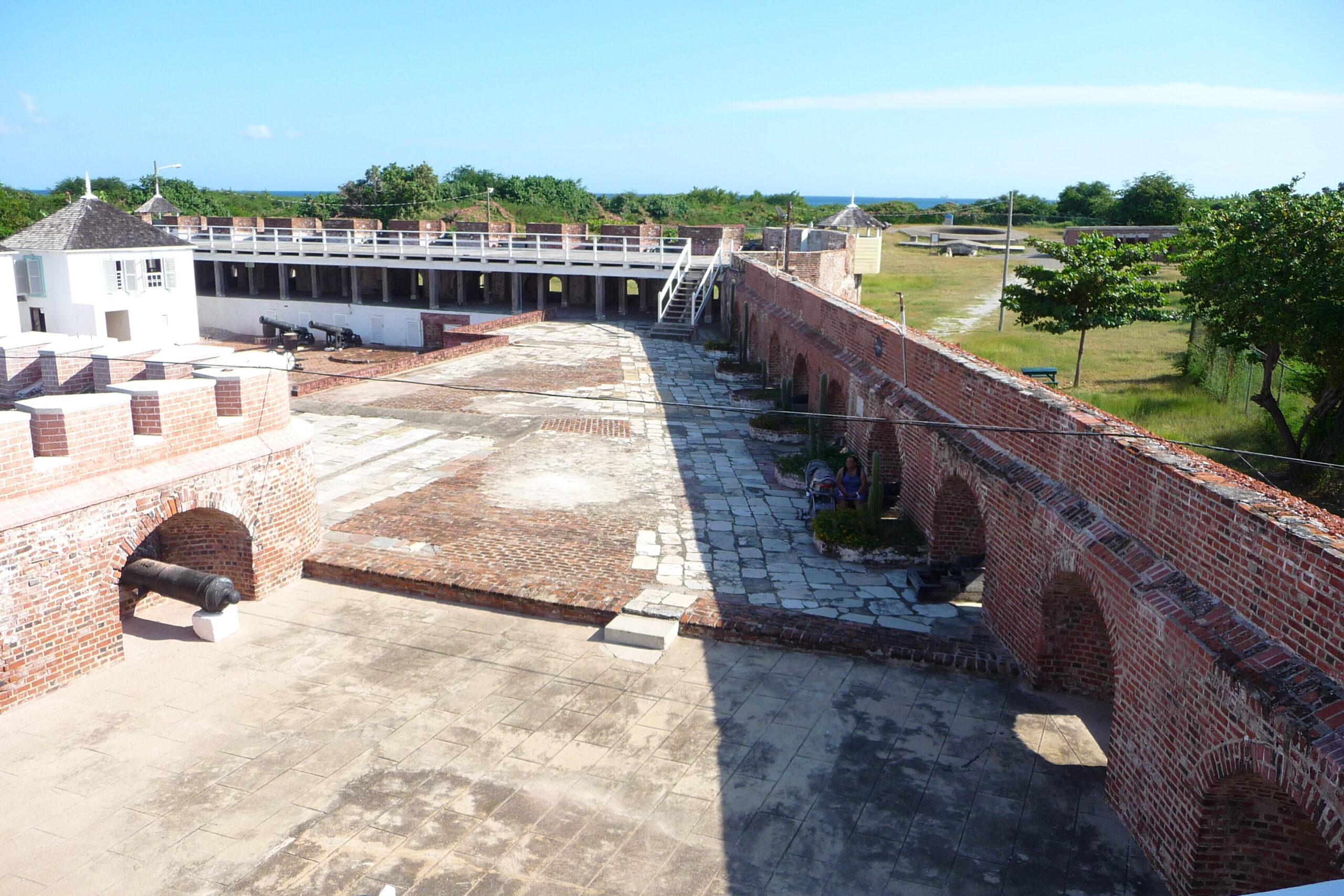
Port Royal was a busy Caribbean port that welcomed travelers, sailors, and merchants from around the world. Taverns, inns, and shops lined its streets. In 1692, a massive earthquake caused much of the city to sink into the sea. Buildings collapsed and neighborhoods vanished.
The disaster ended Port Royal’s importance immediately. Trade and tourism moved to safer ports nearby. Although a small settlement remains, the city never recovered its former status. One bad year changed its fate forever.
8. Centralia
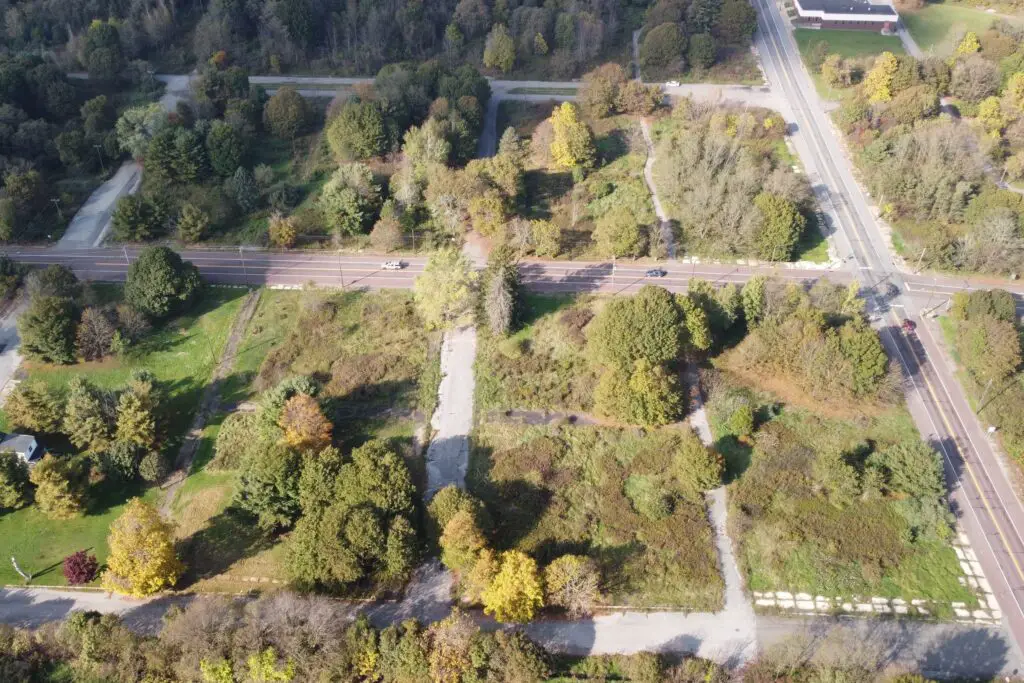
Centralia was a small town that drew visitors for festivals, family visits, and regional travel. In 1962, a coal mine fire ignited beneath the town. It was initially thought to be manageable. Instead, it spread underground and never stopped burning.
That year began a slow but permanent evacuation. Tourism vanished as roads buckled and buildings were demolished. Centralia became known for abandonment rather than hospitality. It never recovered from the moment the fire started.
9. St. Thomas
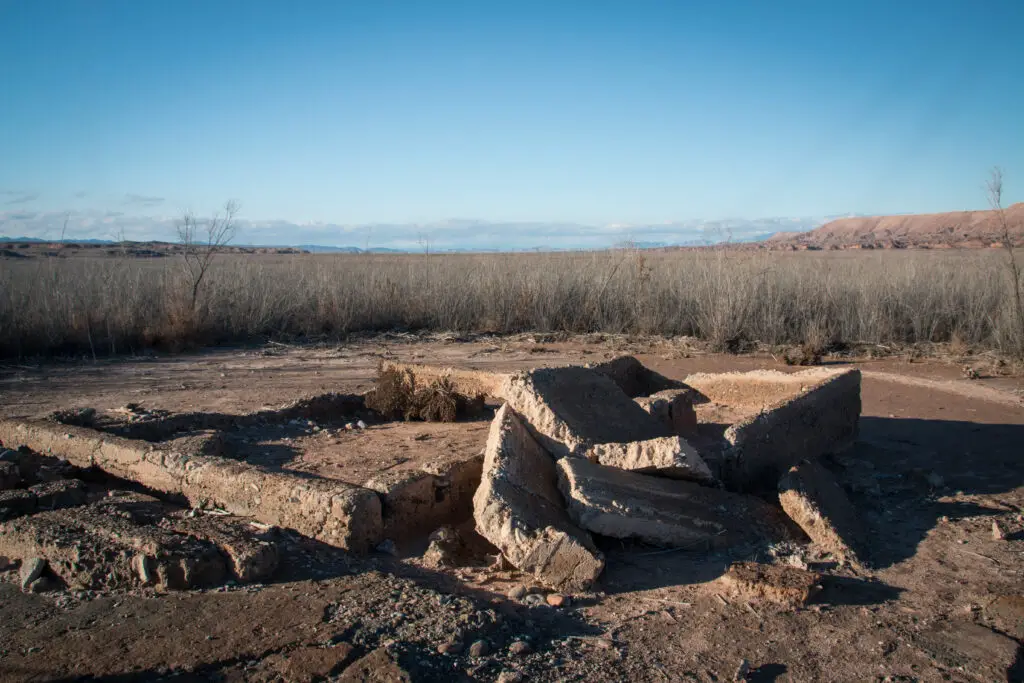
St. Thomas was a desert town that welcomed travelers and river tourists in the early twentieth century. It served as a stopover for visitors exploring the Southwest. In 1938, the construction of Hoover Dam caused Lake Mead to rise rapidly. The town was flooded within a year.
Residents were forced to leave, and tourism ended immediately. St. Thomas disappeared beneath the water. When lake levels drop, its ruins briefly reappear. One engineering project ended the destination completely.
10. Hashima Island
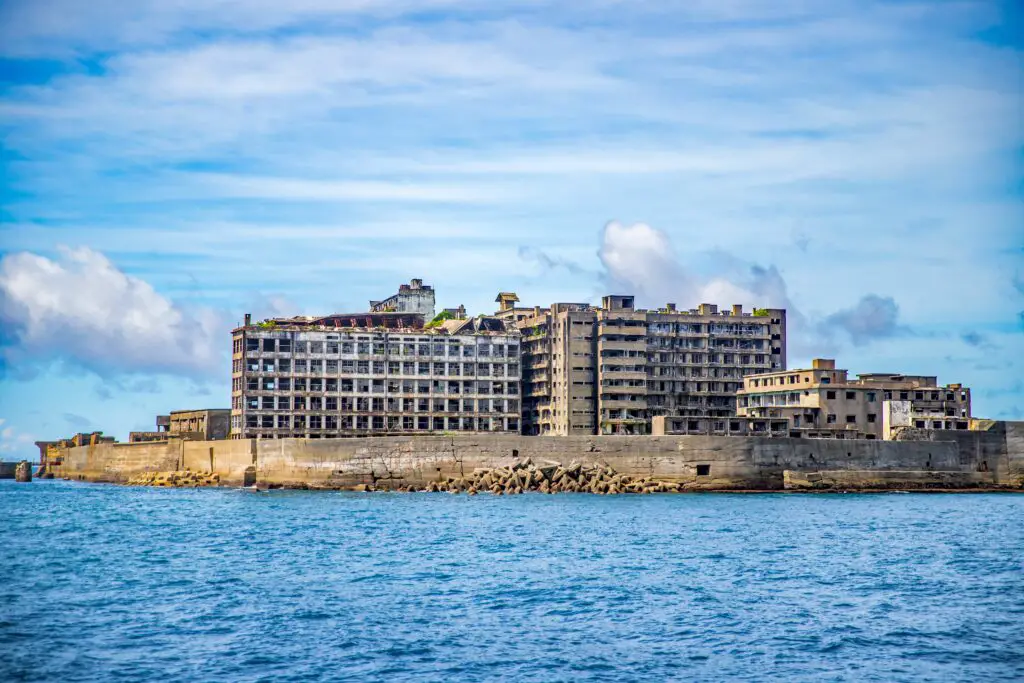
Hashima Island was once densely populated and drew visitors curious about its futuristic concrete skyline. Though primarily industrial, it had a strange appeal even in its working years. In 1974, the coal mine that supported the island shut down. Residents left almost overnight.
That single year emptied the island. Without workers, there was no reason for tourism or maintenance. Buildings deteriorated rapidly in the harsh sea air. Hashima never recovered as a place people actually lived or vacationed.
11. Agua Caliente

Agua Caliente was a glamorous desert resort that attracted Hollywood stars and wealthy travelers. Its casino, hotel, and hot springs made it a major destination in the early 1930s. In 1938, California banned casino gambling. The resort shut down almost immediately.
That one legal change ended the destination’s appeal. Visitors stopped coming, and the resort faded into history. While Palm Springs later flourished nearby, Agua Caliente never returned. One bad year erased its future.
12. Salton City
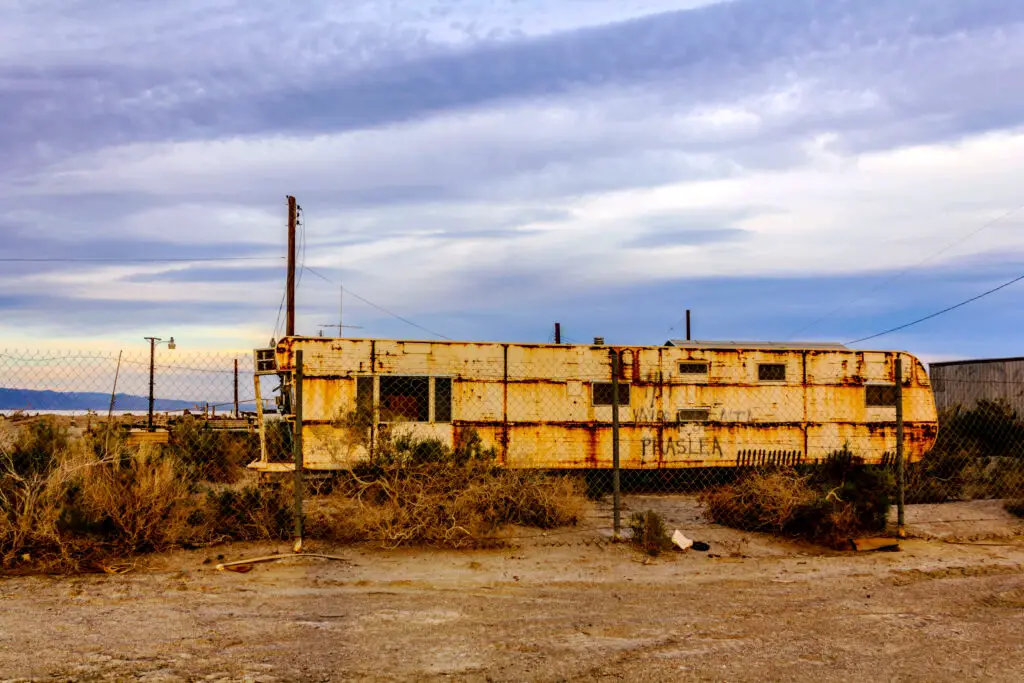
Salton City was promoted as the next big California resort destination, with boating, fishing, and waterfront homes. Celebrities and investors were drawn to the Salton Sea’s potential. In the mid twentieth century, environmental collapse set in quickly. Fish die offs and pollution drove visitors away.
That short period permanently damaged the area’s reputation. Tourism never rebounded, and development stalled. Abandoned marinas and homes remain scattered along the shoreline. One disastrous stretch changed everything for good.