
1. Sleeping Was a Practice You Had to Learn
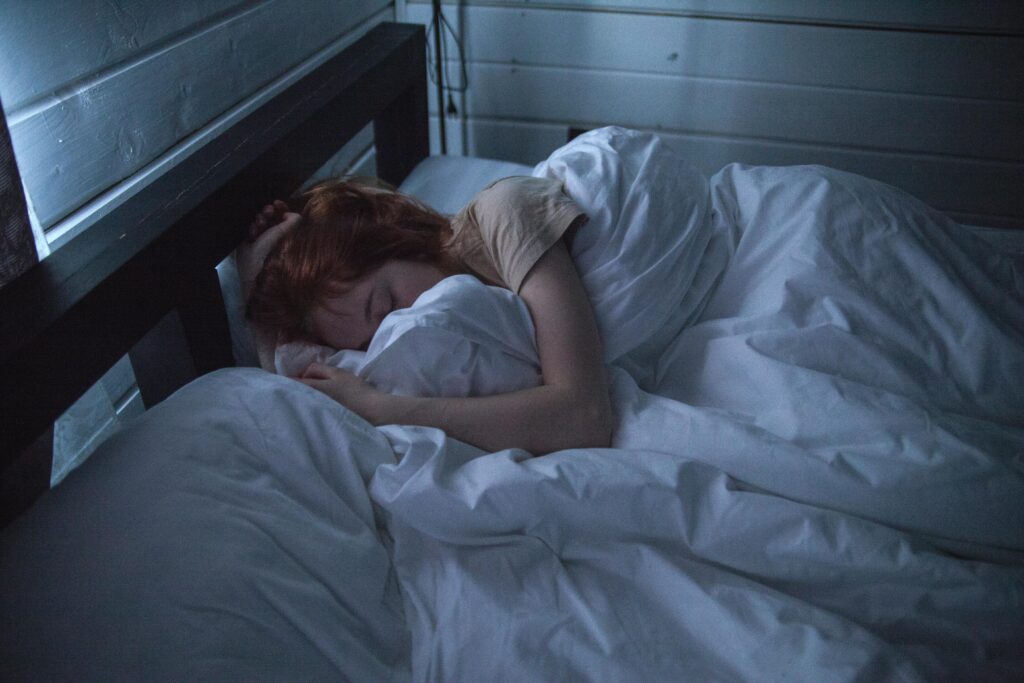
For much of ancient history, sleep was not considered automatic or instinctive. People believed it was a skill that needed to be trained, monitored, and corrected over time. Parents watched children closely at night, assuming bad habits could permanently damage the ability to rest. Restlessness was treated as a moral or behavioral failure rather than a biological one.
Because of this belief, strict bedtime rituals became part of daily life. Special prayers, chants, or routines were meant to “teach” the body how to sleep properly. If someone struggled to rest, the solution was discipline rather than comfort. Sleep was something you earned through obedience and practice.
2. Night Air Was Dangerous to the Body

Many ancient cultures believed that nighttime air carried harmful vapors that could enter the body during sleep. These invisible forces were thought to cause illness, madness, or sudden death. Sleeping near open windows was considered risky, especially during certain seasons. Even moonlight itself was sometimes viewed as corrupting.
As a result, people structured homes to block night air as much as possible. Bedrooms were sealed tightly, sometimes at the expense of ventilation. Families planned sleep locations carefully based on wind direction and temperature. The idea that fresh night air could be healthy would have sounded reckless.
3. Sleeping Too Much Was a Sign of Weakness

Long sleep was often associated with laziness, illness, or spiritual decay. Ancient thinkers believed the body needed limited rest to stay sharp and virtuous. Oversleeping was thought to dull the mind and weaken moral character. A disciplined person was expected to rise early, regardless of fatigue.
This belief shaped daily schedules across entire communities. Early rising became a social expectation tied to honor and productivity. People judged one another based on sleep habits as much as work ethic. Rest was necessary, but only in strict moderation.
4. Dreams Were Messages That Had to Be Acted On

Dreams were not seen as random or meaningless. Many ancient societies believed dreams were direct communications from gods, spirits, or ancestors. Ignoring a dream could bring misfortune or punishment. People often felt pressure to interpret every detail correctly.
Daily life sometimes revolved around these nighttime messages. Important decisions were delayed until a dream confirmed the right path. Leaders consulted dream interpreters before battles or political moves. Sleep became a source of instruction, not escape.
5. Sleeping Alone Was Unnatural and Unsafe

For centuries, sleeping alone was considered dangerous both physically and spiritually. People believed solitude during sleep made one vulnerable to spirits or illness. Shared sleeping spaces were thought to provide protection and balance. Even strangers might sleep together while traveling.
This belief influenced household design and social norms. Entire families often slept in the same room or bed. Privacy was less important than perceived safety. The modern idea of a personal bedroom would have seemed lonely and risky.
6. The Body Needed to Wake at Night

Many ancient cultures believed uninterrupted sleep was unhealthy. Waking during the night was considered natural and even necessary. People expected a period of quiet activity between sleep phases. This time was used for prayer, reflection, or conversation.
Life was structured around this segmented sleep pattern. Nighttime waking was not viewed as insomnia but as balance. Households planned tasks that fit into this middle period of wakefulness. Sleeping straight through the night was seen as excessive.
7. Certain Foods Could Steal Your Sleep

Food was believed to directly control the quality of sleep. Heavy or “hot” foods were thought to disturb rest and invite nightmares. Some meals were banned entirely in the evening. What you ate was believed to linger in the body overnight.
This myth shaped dinner traditions and timing. Families avoided certain ingredients late in the day. Evening meals were lighter and more ritualized. Sleep health was managed at the table as much as in the bedroom.
8. Sleeping Facing the Wrong Direction Was Harmful

The direction of the body during sleep mattered deeply in many ancient beliefs. Facing certain directions was thought to disrupt energy or invite misfortune. Some orientations were associated with death or illness. People adjusted beds carefully to align with favorable forces.
Entire homes were sometimes designed around these rules. Beds were moved seasonally or after major life events. Travel sleeping arrangements required extra care. Rest depended not just on comfort, but on alignment.
9. Sleep Was a Temporary Death

Sleep was often viewed as a state dangerously close to death. The stillness and unconsciousness frightened people. Some believed the soul left the body during sleep and might not return. Waking up was never guaranteed.
This belief made bedtime a serious and solemn moment. Protective rituals were performed before sleeping. Families checked on sleepers frequently through the night. Sleep was restful, but also deeply unsettling.
10. The Gods Watched You While You Slept

Many ancient cultures believed divine beings observed humans during sleep. Your behavior before bed mattered because gods judged your worthiness. Sleeping without proper respect could invite punishment. Dreams were proof you were being watched.
This idea influenced nighttime behavior and morality. People cleansed themselves before bed as an act of reverence. Sleeping was treated almost like a sacred performance. Rest became another space where humans felt accountable.
11. Certain Nights Were Too Dangerous for Sleep

Some nights were believed to be spiritually unstable. Sleeping during eclipses, full moons, or specific calendar dates was considered risky. People feared possession, illness, or bad luck. Staying awake was seen as the safer option.
Communities adjusted routines around these nights. Fires were kept burning and people gathered together. Sleep was postponed until danger passed. Rest followed the calendar, not the body.
12. Children’s Sleep Determined Their Future

A child’s sleep habits were believed to shape their destiny. Restless sleepers were thought to grow into troubled adults. Calm sleepers were seen as blessed or favored. Sleep was treated as an early sign of character.
Parents closely monitored every movement at night. Cries or wakefulness caused anxiety about long-term outcomes. Bedtime rituals became investments in a child’s future. Sleep was not just rest, it was prophecy.