
1. Holy Land USA
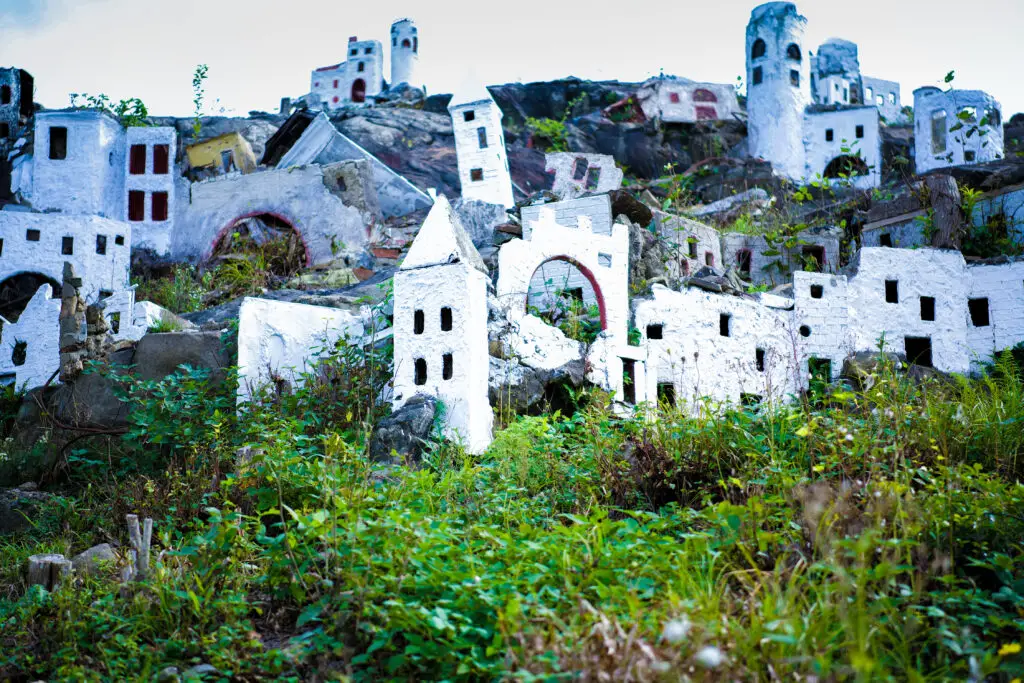
At its peak, Holy Land USA was one of those roadside attractions families felt obligated to stop at, especially if they were already driving through New England. Built on a hillside, it featured religious statues, shrines, and large illuminated signs that could be seen for miles. For decades, bus tours rolled in and visitors wandered the paths, treating it as both a spiritual stop and a curiosity. It felt earnest, homemade, and very much of its time. People didn’t question the simplicity because the point was the experience, not polish.
Over time, maintenance slipped and crowds thinned as travel habits changed. The site eventually closed, leaving statues exposed to weather and vandalism. Photos of its crumbling displays became more famous than the attraction itself. Locals still talk about going there as kids, often at night just to see the glowing hillside. Today, it stands as a reminder of an era when even deeply niche attractions could draw massive crowds.
2. Six Flags New Orleans
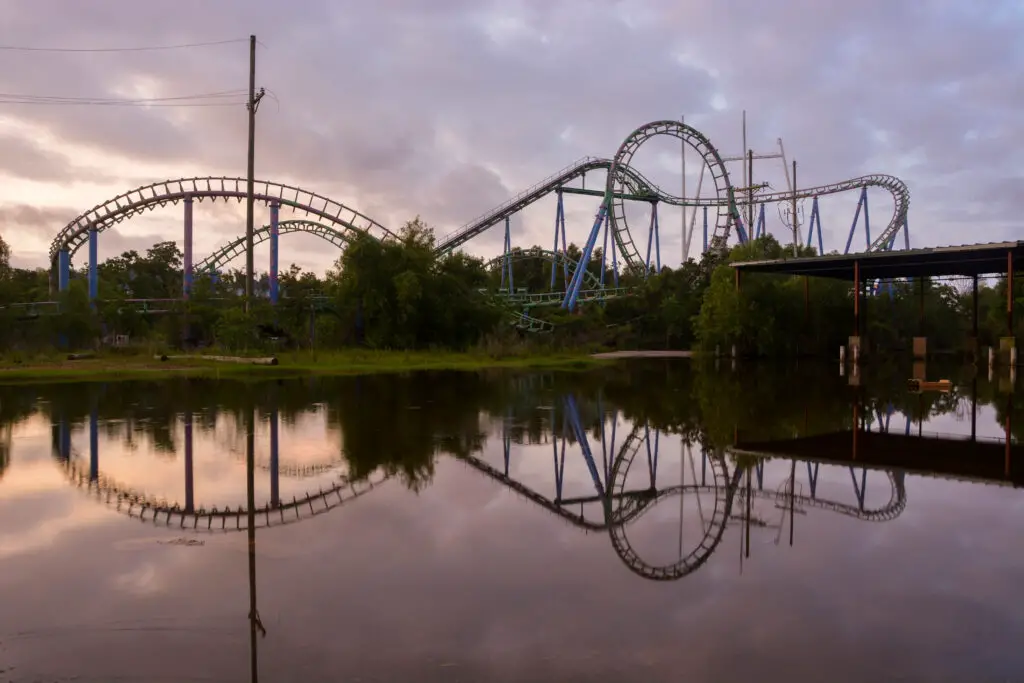
When it opened, Six Flags New Orleans was meant to be a major regional destination, pulling in families from across the Gulf Coast. The park had towering coasters, themed areas, and all the familiar sounds of a modern amusement park. On busy weekends, parking lots filled and lines stretched far beyond the gates. It promised a full day escape wrapped in flashing lights and cotton candy.
Hurricane Katrina changed everything almost overnight. Flooding left rides rusting in place, frozen mid-loop and slowly overtaken by vegetation. Attempts to redevelop the property never fully took off. The abandoned park became eerie, a symbol of plans interrupted rather than failed. Today, it’s remembered as much for what it could have been as for the crowds it once drew.
3. Dogpatch USA
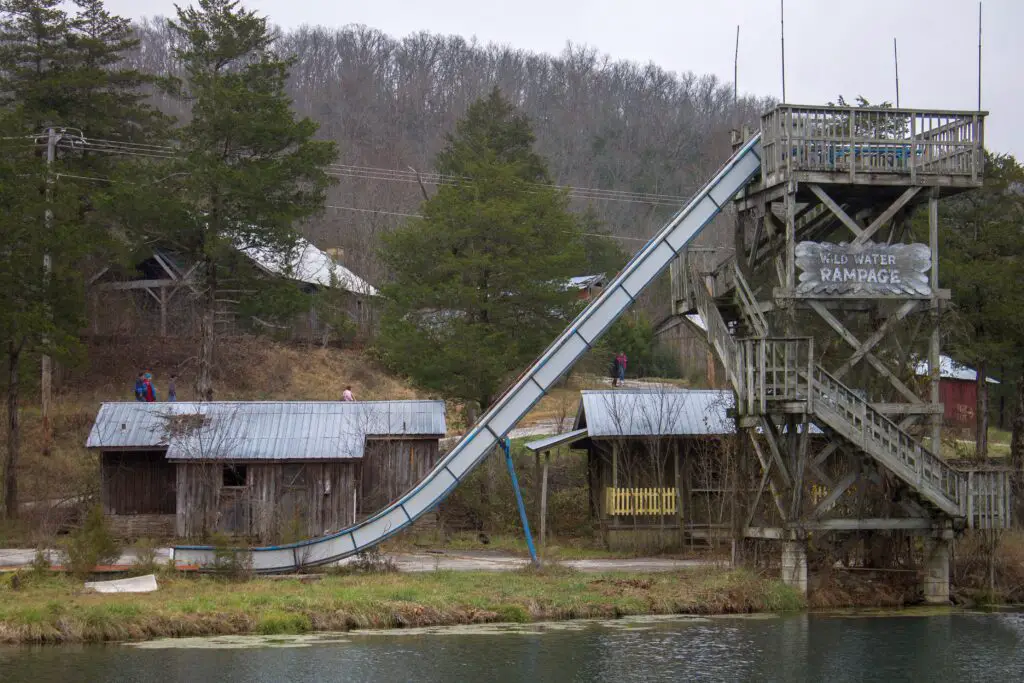
Dogpatch USA was built around the idea that everyone loved old-fashioned Americana with a cartoon twist. Based loosely on the comic strip Li’l Abner, it offered hillbilly-themed rides, shows, and characters wandering the grounds. Families packed the park during summer vacations, leaning into the novelty without much irony. It felt wholesome in that very specific mid-century way. For many visitors, it was their first big theme park experience.
As tastes changed, the theme started to feel dated rather than charming. Attendance dropped and ownership changes couldn’t reverse the slide. The park eventually closed, leaving buildings scattered across the Ozarks. Photos of the abandoned site show nature reclaiming stages and walkways. For locals, it’s still a strange point of pride and nostalgia.
4. The Big Banana
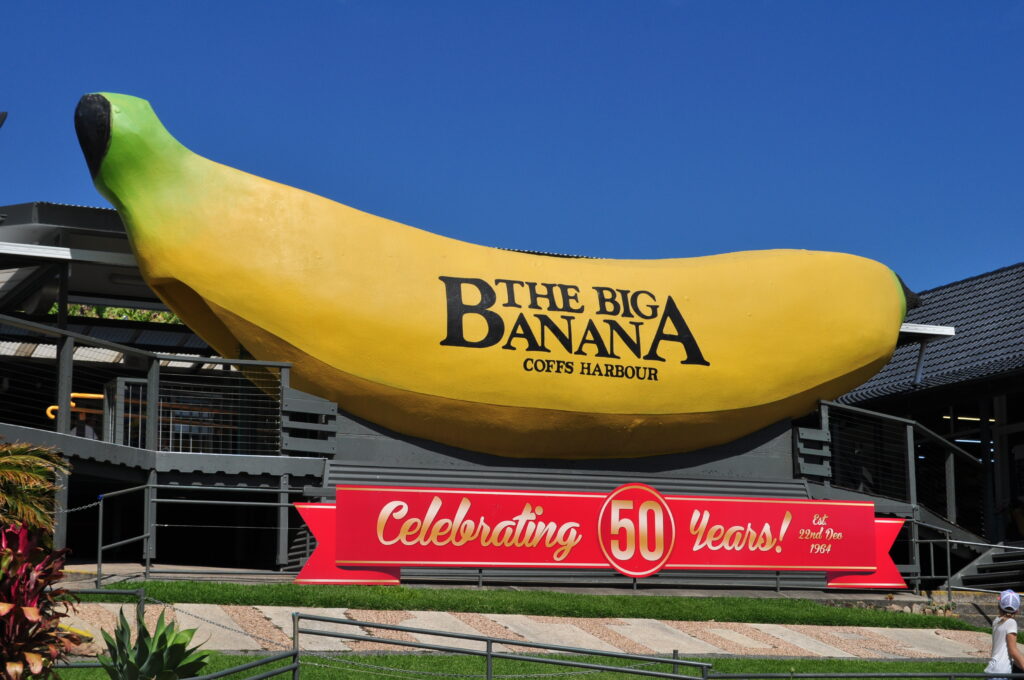
The Big Banana was exactly what it sounded like, a massive banana sculpture that became a must-stop photo opportunity. Road trippers pulled over in droves, kids begging parents for a picture and a souvenir. It represented the golden age of oversized roadside icons. The stop was quick, silly, and memorable. That was the whole point.
While parts of it have been redeveloped over the years, the original tourist-trap magic faded. Travelers became less interested in novelty stops and more focused on experiences. What was once crowded became something you drove past without slowing down. Older visitors still remember it as a highlight of long family drives. It remains a symbol of how roadside tourism used to work.
5. Wonderland Amusement Park
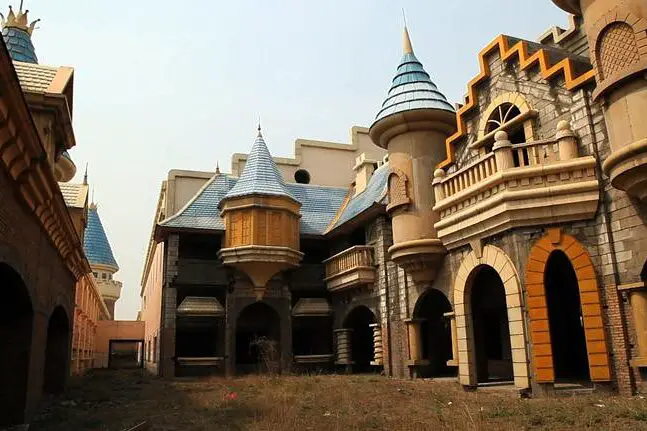
Wonderland was supposed to be Asia’s answer to Disneyland, complete with castles and grand boulevards. Promotional images promised a fantasy destination that would draw millions of visitors. Construction began with huge expectations and international attention. Locals watched the project rise, assuming crowds would follow. It felt inevitable that it would succeed.
Then funding stalled and development stopped entirely. What remained was a half-built fantasy world slowly overtaken by weeds and farmland. The unfinished castle became famous online as a surreal ruin. Tourists now visit it for photos rather than rides. It’s a striking example of ambition without follow-through.
6. Rock-a-Hoola Waterpark
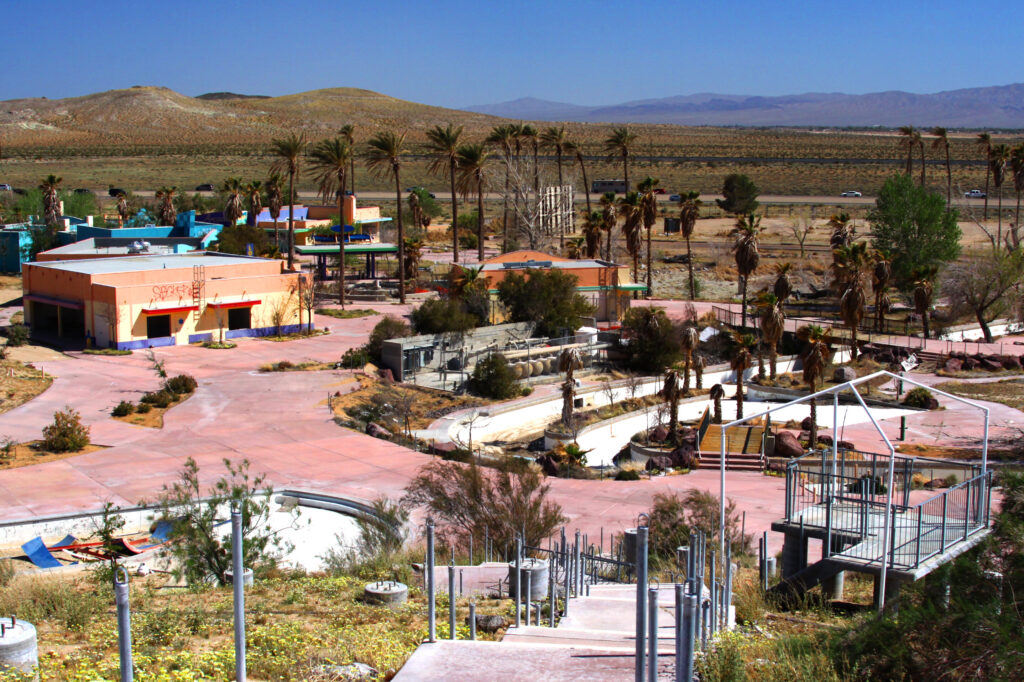
Rock-a-Hoola Waterpark opened with a retro theme and big dreams of desert crowds. Located along Route 66, it aimed to capture road trippers looking for relief from the heat. At first, visitors came in waves, drawn by slides and splash pools in the middle of nowhere. The novelty alone was enough to sell tickets. It felt like a throwback done on purpose.
Financial troubles quickly surfaced, and the park struggled to stay open. After closing, its colorful slides faded under the desert sun. Photos of empty pools spread online, turning it into a visual curiosity. Locals remember brief summers when it actually worked. Now it’s better known as a ghost park than a water park.
7. Gulliver’s Kingdom
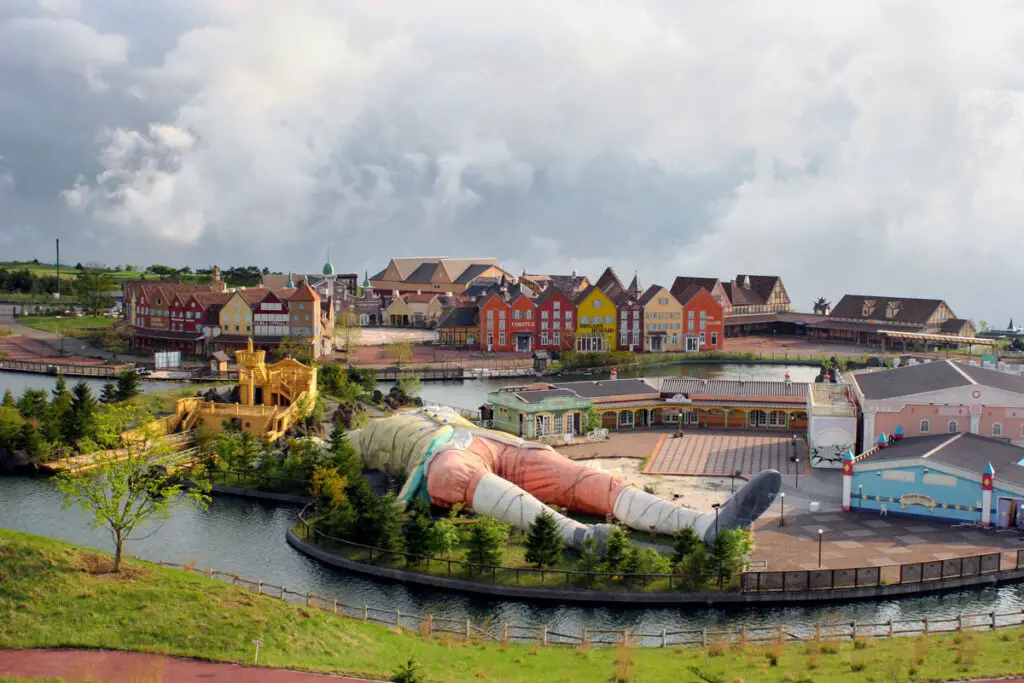
Gulliver’s Kingdom was an amusement park themed around Gulliver’s Travels, complete with a massive Gulliver statue. It opened near Mount Fuji, drawing curious visitors intrigued by its strange concept. For a short time, families lined up for rides and photo ops. The scale alone made it memorable. It was weird, but that was part of the appeal.
The park struggled almost immediately and closed within a few years. Its location near sites associated with tragedy added to its uneasy reputation. After closure, the giant Gulliver statue was dismantled. Today, it’s remembered mostly through photos and stories. It stands as one of the strangest tourist traps ever attempted.
8. Heritage USA
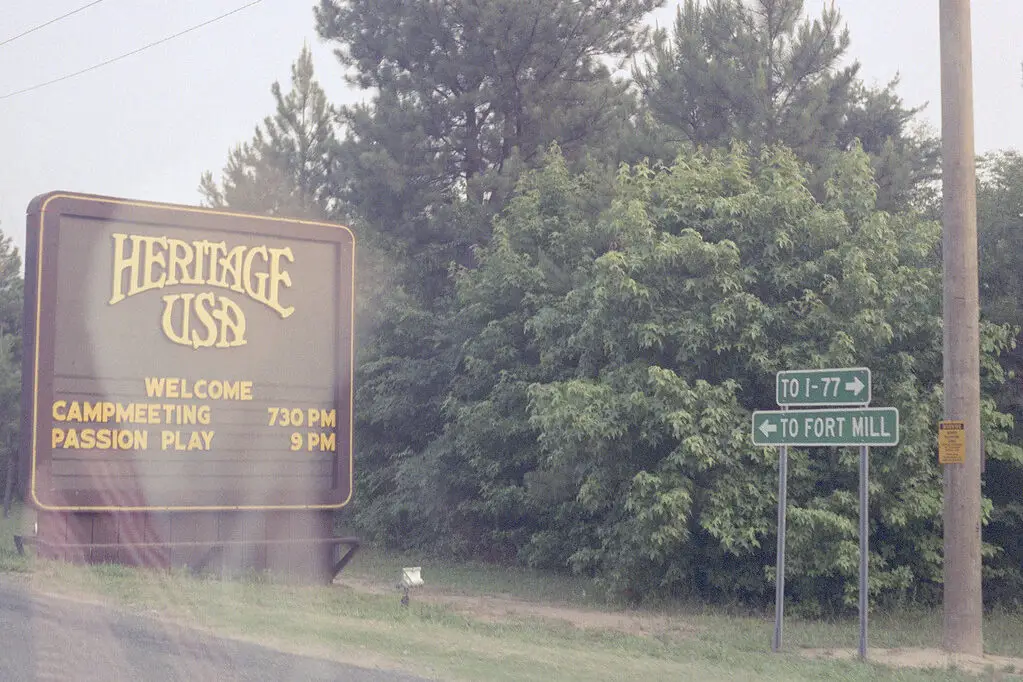
Heritage USA was once one of the most visited attractions in the United States, drawing millions annually. Part theme park, part religious retreat, it promised wholesome entertainment for families. Hotels, shops, and rides filled the massive complex. Visitors treated it like a vacation destination. For a while, it worked incredibly well.
Scandals and financial collapse brought everything down fast. The site closed, leaving behind empty buildings and unfinished developments. Locals watched the crowds disappear almost overnight. What remains feels frozen in time. It’s a powerful reminder of how quickly popularity can vanish.
9. Spreepark
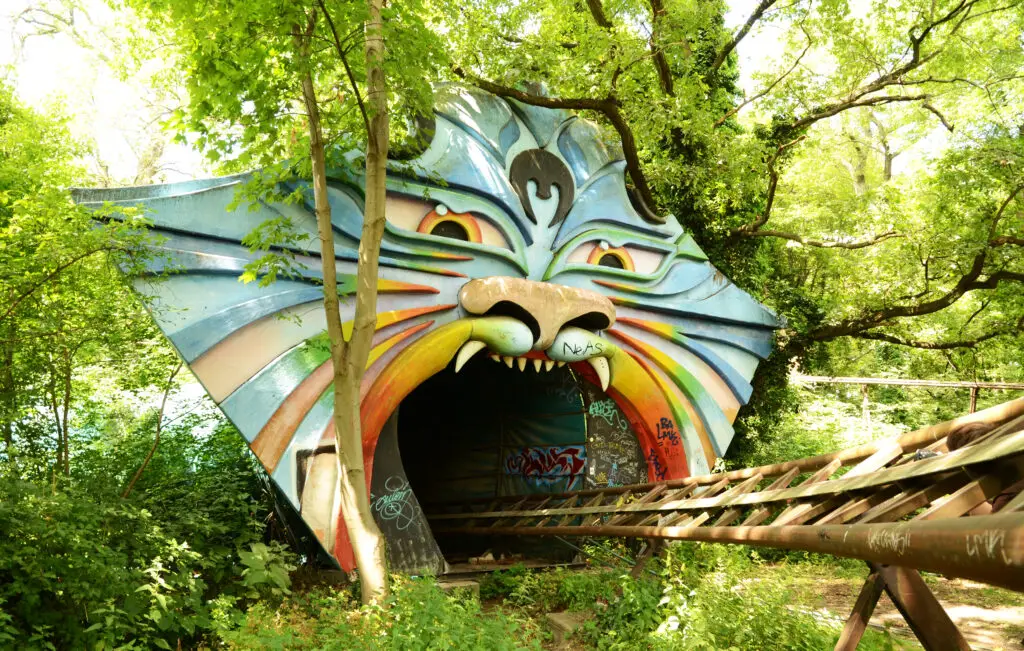
Spreepark was once East Germany’s only permanent amusement park, making it a huge draw for families. After reunification, it briefly thrived as a symbol of change and fun. The Ferris wheel became an instantly recognizable landmark. Crowds came for rides and a sense of novelty. It felt hopeful and lively.
Financial issues eventually forced it to close. Rides were left standing, slowly rusting in place. The park gained a second life as an urban exploration site. Photos of the abandoned Ferris wheel became iconic. It now represents the complicated afterlife of post-Cold War attractions.
10. Old Chicago Amusement Park
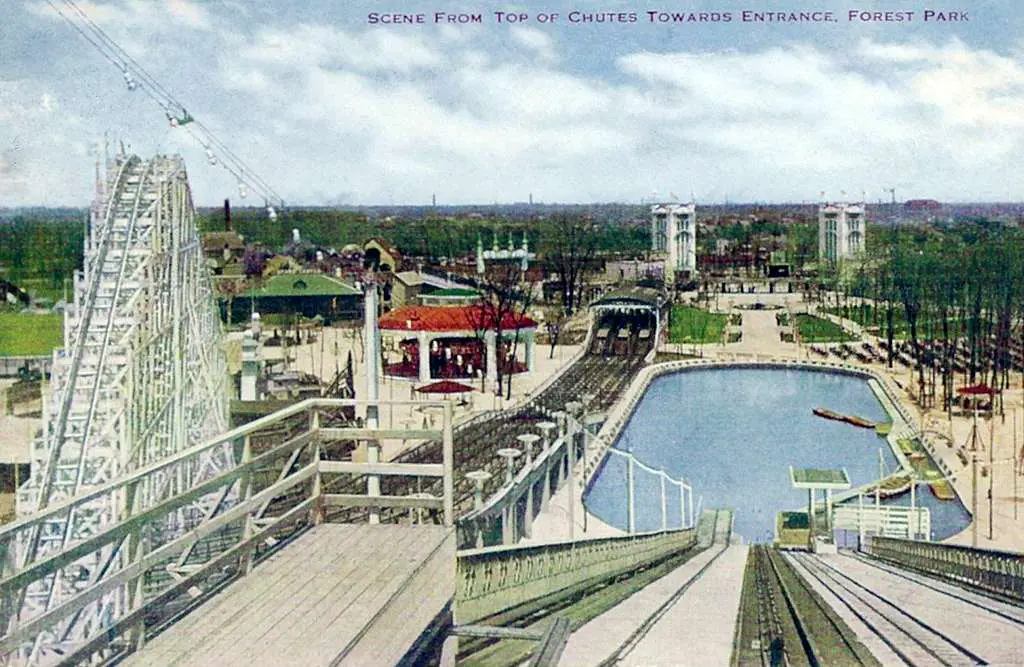
Old Chicago tried to capture the spirit of a historic city with themed rides and architecture. Families flocked there in the ’70s, drawn by roller coasters and old-time charm. It was marketed as both educational and thrilling. The concept worked for a while. Weekend crowds were common.
As newer, flashier parks opened, Old Chicago couldn’t keep up. Attendance dropped and the park eventually closed. The land was redeveloped, erasing most physical traces. What remains lives on in family stories and faded photos. It’s remembered as a beloved regional park that ran out of time.
11. Nara Dreamland
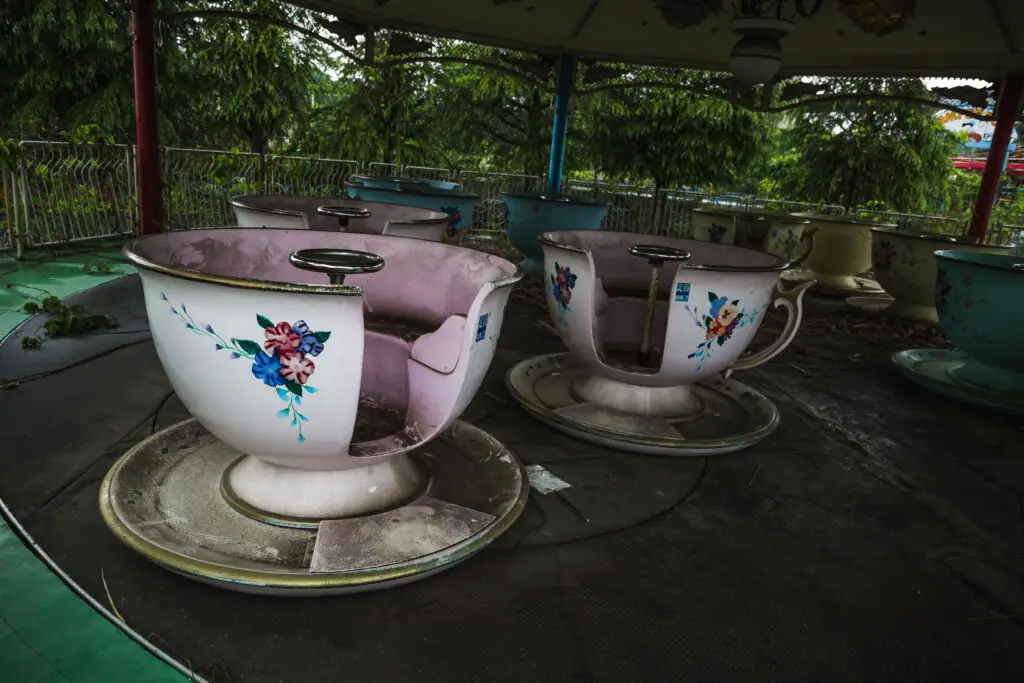
Nara Dreamland was heavily inspired by Disneyland, right down to its castle. When it opened, it became an instant hit with Japanese families. Crowds lined up for rides that felt familiar but closer to home. It captured the magic people were craving. For decades, it thrived.
Eventually, competition and aging infrastructure took their toll. The park closed quietly, leaving everything behind. Photos of the abandoned castle and rides spread worldwide. Urban explorers turned it into an online legend. It’s now one of the most famous abandoned parks in the world.
12. Dinosaur World
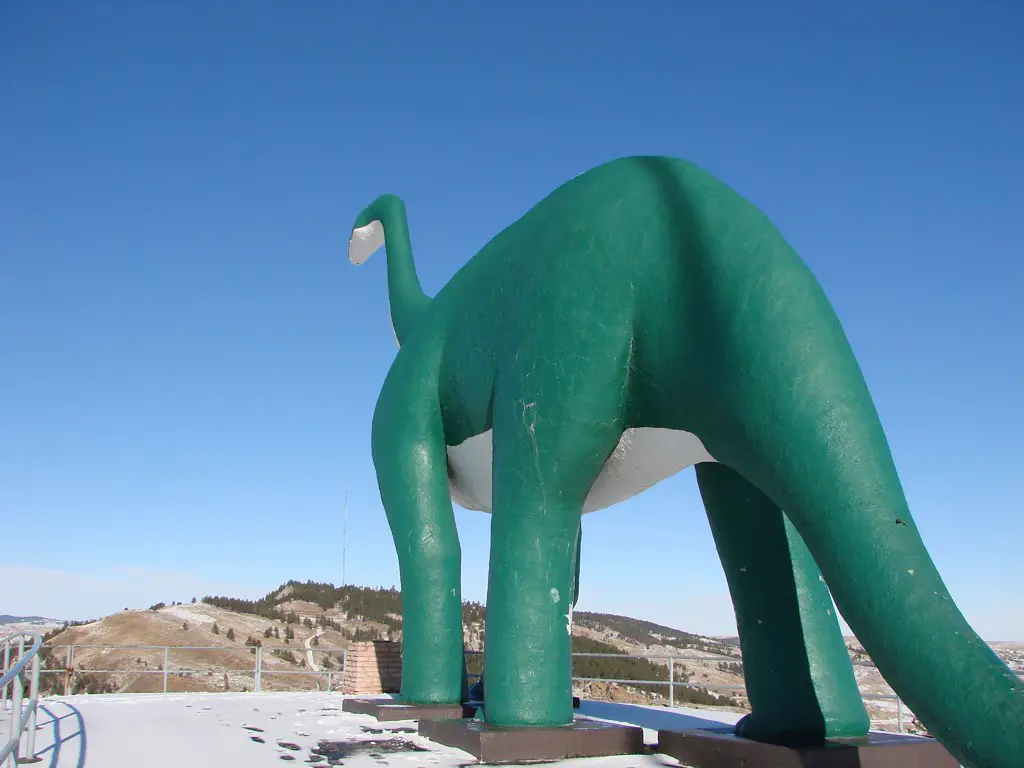
Dinosaur World leaned into giant concrete dinosaurs as its main draw. Families stopped in for photos, souvenirs, and a quick walk through prehistoric scenes. It wasn’t subtle, but it didn’t need to be. The dinosaurs did the talking. Kids loved it instantly.
As larger attractions dominated Florida tourism, interest faded. The site eventually closed, leaving the dinosaurs behind. Over time, they became eerie rather than playful. Photos of cracked, moss-covered statues circulated online. It’s a classic example of roadside kitsch aging into something surreal.
13. Santa’s Village
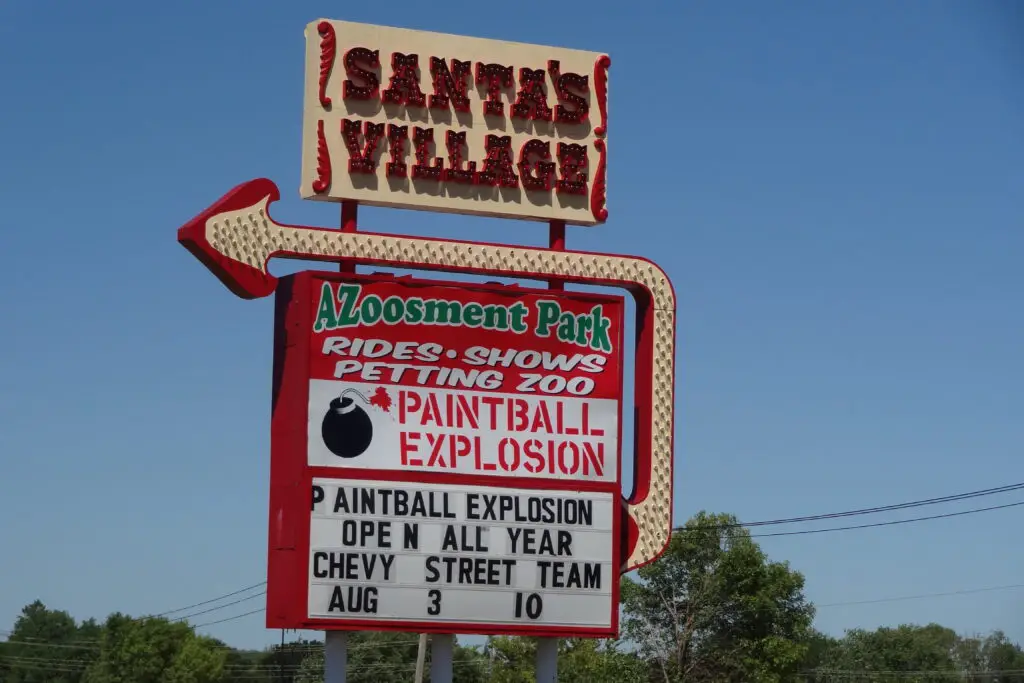
Santa’s Village once promised Christmas magic year-round in the mountains of Southern California. Families made special trips just to walk through the themed shops and rides. Kids met Santa in the summer, which felt thrilling and strange. The setting made it feel cozy and special. Crowds showed up consistently for years.
Eventually, operating costs and changing tastes led to its closure. The site sat abandoned for a long time, slowly decaying in the forest. Later redevelopment gave the location new life, but the original park was gone. Many adults still remember visiting as kids. It remains a powerful nostalgia trigger for a very specific kind of childhood trip.