
1. Chuck Cunningham, Happy Days
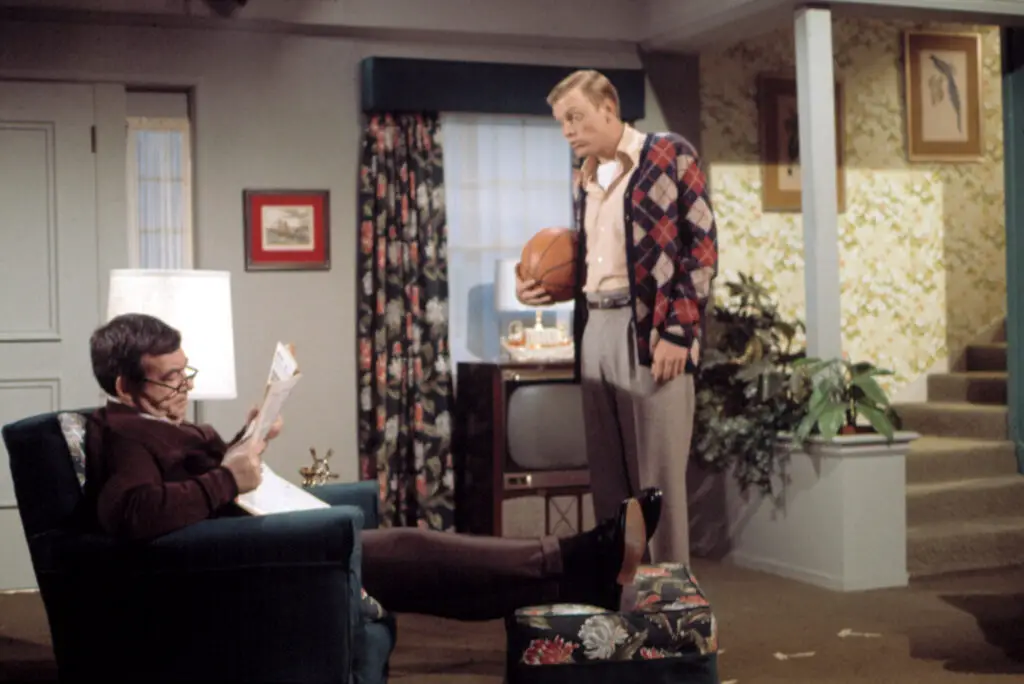
Chuck Cunningham is probably the gold standard for forgotten sitcom characters. He was Richie’s older brother in the early seasons, fully part of the family, and then he just vanished without explanation. One season he was there, the next he might as well have never existed. The show never addressed his absence, which only made it more noticeable as Happy Days grew more popular.
Viewers eventually joked that Chuck went upstairs and never came back, turning him into a pop culture cautionary tale. His disappearance highlighted how little thought had gone into his long term role. Once the writers realized he wasn’t adding much to the central dynamic, they quietly erased him. It’s hard to imagine a clearer case of a character who felt tacked on and later regretted.
2. Seven, Married… with Children
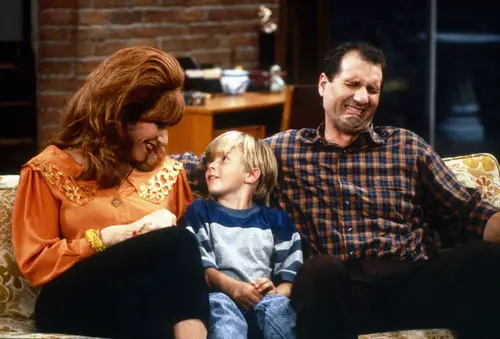
Seven was introduced late in the series as a desperate attempt to shake things up. He was a young relative suddenly dropped into the Bundy household with little explanation. Almost immediately, it was clear he didn’t fit the show’s cynical, adult driven humor. His presence felt forced rather than organic.
After a short run, Seven disappeared just as abruptly as he arrived. The show barely acknowledged him afterward, aside from the occasional visual gag. Fans quickly realized the writers had no real plan for him. He remains a textbook example of a character added out of panic rather than inspiration.
3. Oliver Tyler, The Brady Bunch
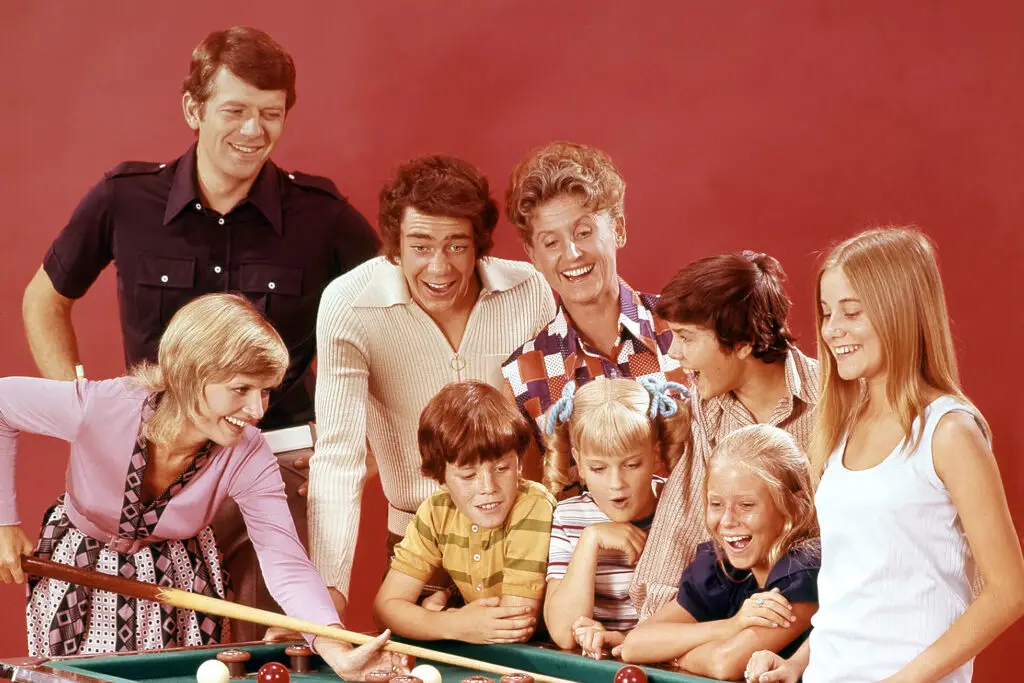
Oliver Tyler arrived when The Brady Bunch was clearly running out of ideas. He was brought in as a cute younger cousin to inject fresh energy into the show. Unfortunately, audiences immediately sensed the move was calculated. His storylines rarely felt natural or necessary.
Viewers were already attached to the original Brady kids, making Oliver feel like an intrusion. His presence is now synonymous with the “add a kid” trope. Even decades later, his name is shorthand for a sitcom scrambling to stay relevant. That kind of legacy says everything about how last minute his creation felt.
4. Ted McGinley’s Jefferson D’Arcy, Married… with Children
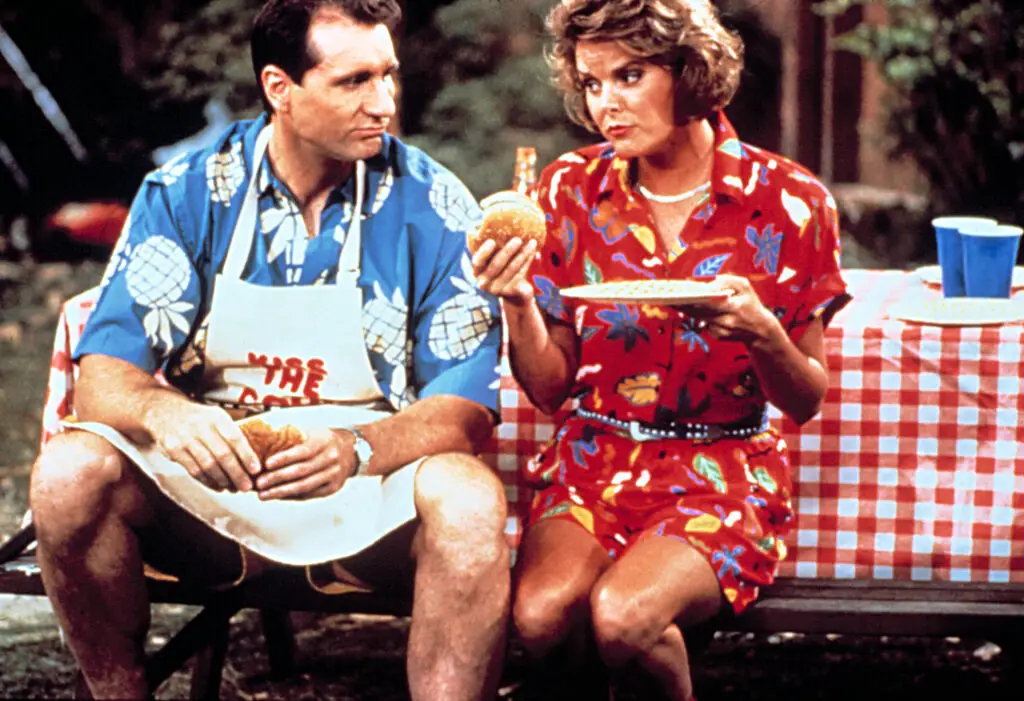
Jefferson D’Arcy replaced Steve Rhoades after the original neighbor left the show. While Ted McGinley did his best, Jefferson always felt like a plug and play solution. His personality shifted depending on what the episode needed. That inconsistency made him feel less like a character and more like a utility.
Unlike Steve, Jefferson rarely drove stories on his own. He existed mainly to serve jokes or fill scenes. Over time, he blended into the background rather than standing out. His creation clearly solved a casting problem but not a storytelling one.
5. Donna Tubbs, The Cosby Show
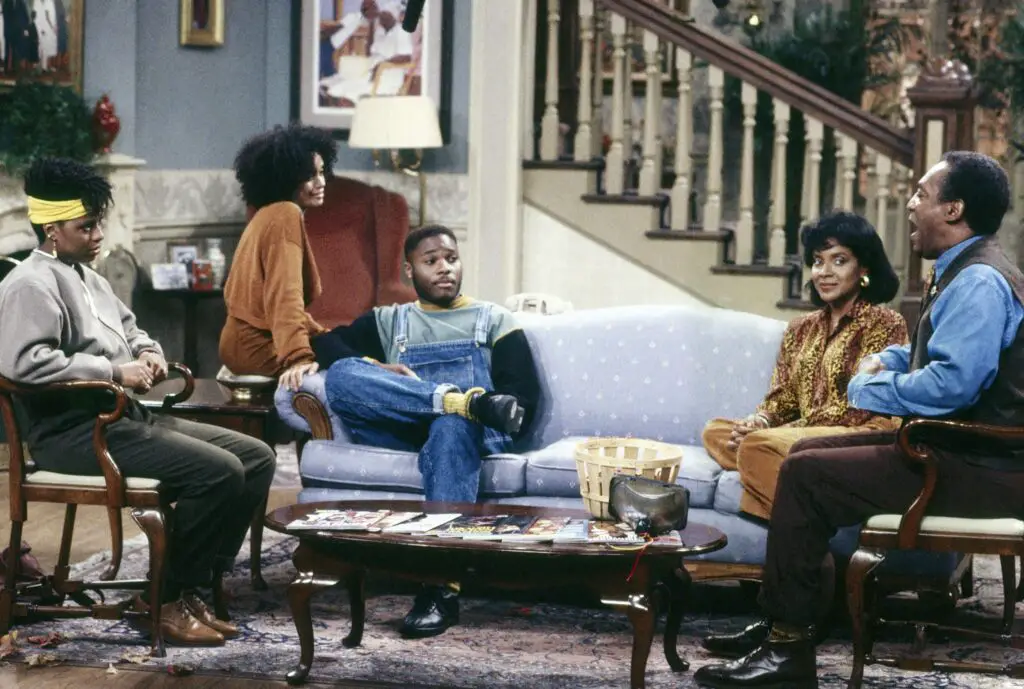
Donna Tubbs appeared briefly as a love interest for Theo Huxtable. She was smart, confident, and instantly likable. Yet she never felt fully integrated into the Huxtable world. Her presence seemed designed to support Theo’s arc rather than stand on her own.
Once her purpose was fulfilled, Donna vanished from the show. There was no sense of loss or transition when she left. It felt like the writers checked off a box and moved on. That fleeting impact made her feel like an afterthought from the start.
6. Katie, Family Matters
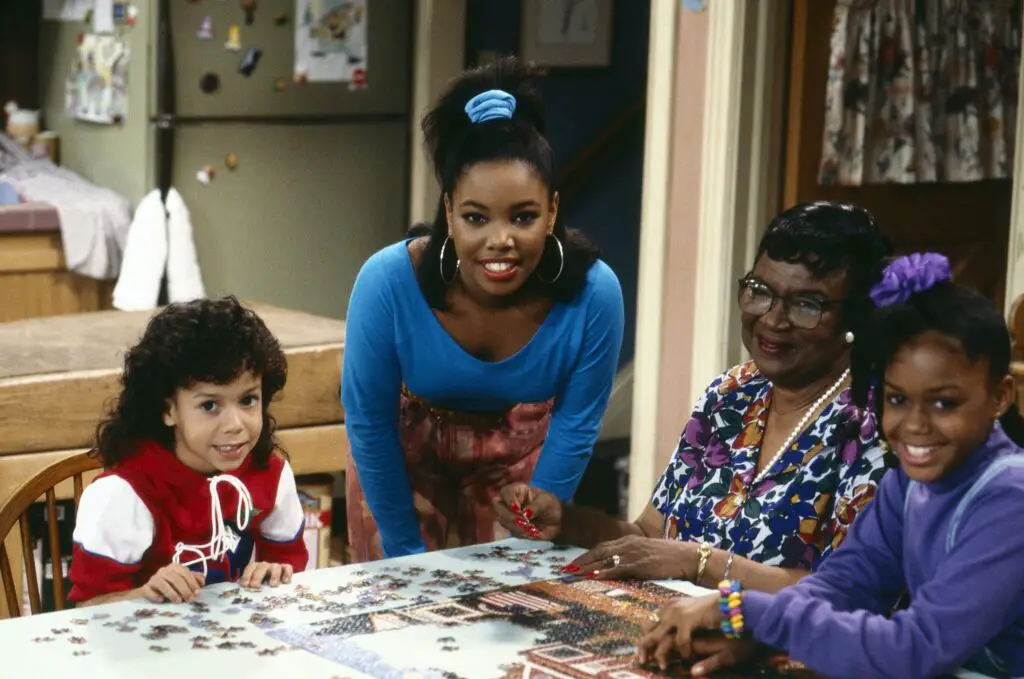
Katie was Rachel’s son, introduced during a transitional period for Family Matters. At the time, the show was shifting focus heavily toward Steve Urkel. As a result, Katie never found a strong narrative footing. He was there, but rarely essential.
Eventually, Katie quietly disappeared without explanation. His absence barely affected the ongoing stories. Fans noticed, but the show clearly didn’t miss him. That kind of fade out signals a character who was never fully planned.
7. Tina Pinciotti, That ’70s Show
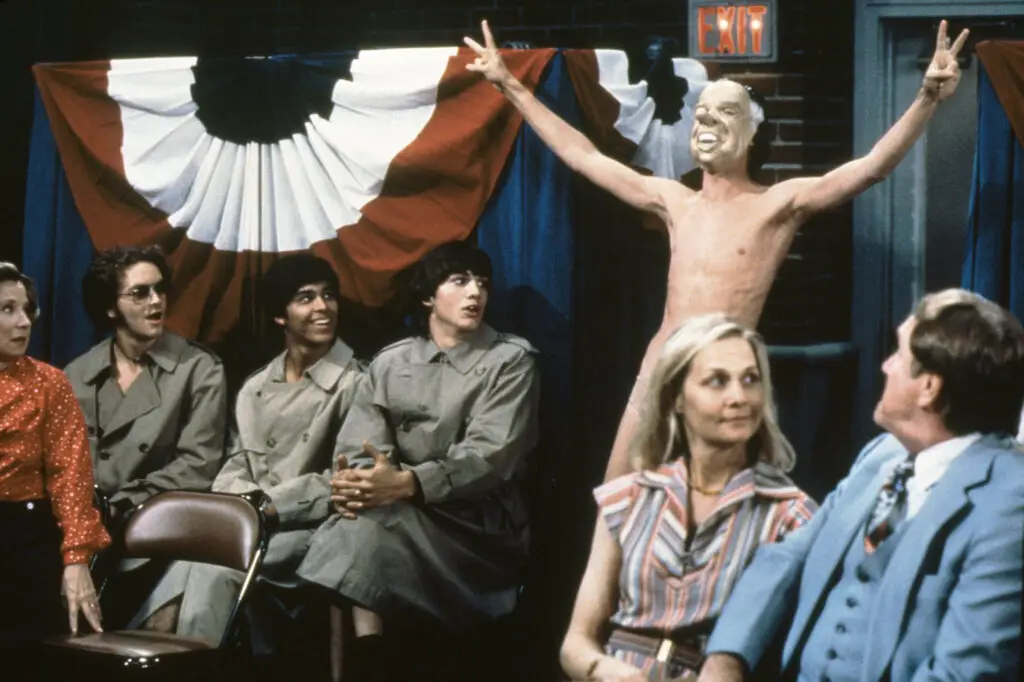
Tina Pinciotti was introduced early on as Donna’s younger sister, and for a brief moment, she seemed like she might matter. She appeared in a handful of episodes with a defined personality and even had a memorable crush storyline. The show treated her as part of the Pinciotti family structure, not just a background extra. Then, without warning, she stopped existing.
After those early appearances, Tina was never mentioned again. Donna was suddenly written as an only child, and the show never offered an explanation. Given how central family dynamics were to the series, her disappearance stood out. It’s a clear case of the writers realizing they didn’t need her and quietly erasing her from canon.
8. Cousin Geri, The Facts of Life
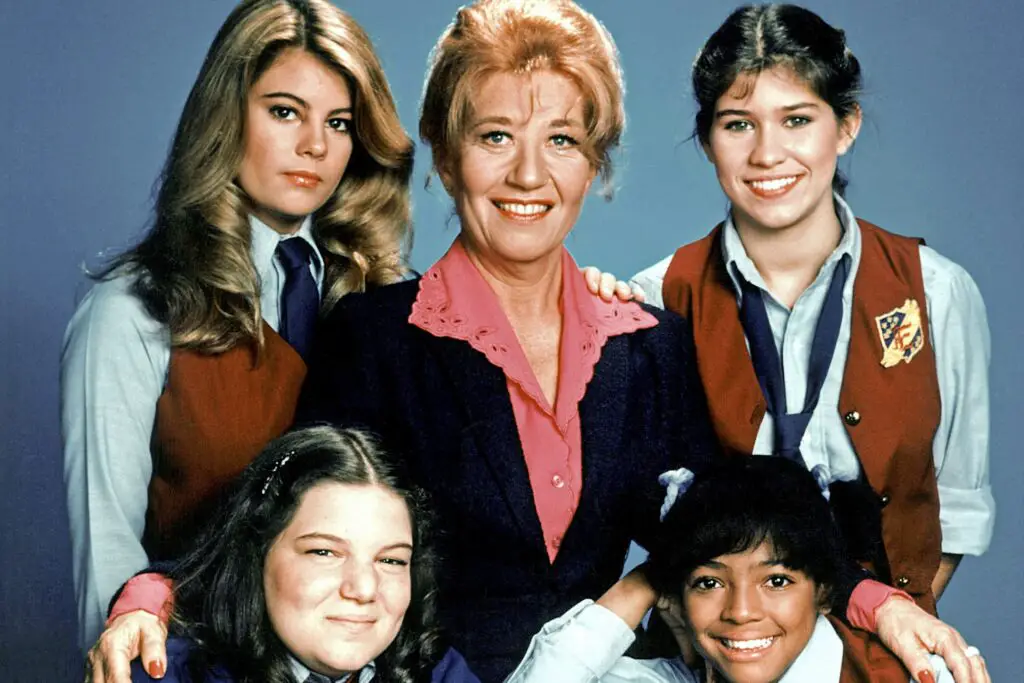
Cousin Geri was introduced as Jo’s relative, seemingly to expand the show’s cast. Despite a few spotlight moments, she never truly clicked with the core group. Her storylines felt isolated rather than connected. She was often on the sidelines.
After a short time, Geri was written out without much explanation. The show didn’t slow down to mourn her absence. Viewers barely noticed she was gone. That kind of quiet exit suggests she was never meant to last.
9. Pete, Roseanne

Pete was introduced as Jackie’s boyfriend during one of the show’s many tonal shifts. His character lacked the sharp edges that defined the rest of the cast. As a result, he often faded into scenes rather than shaping them. He felt underwritten from the start.
Before long, Pete disappeared without a meaningful resolution. Jackie’s life moved on as if he had never existed. Fans rarely bring him up when discussing the show. That forgettability speaks volumes about how little investment went into him.
10. Judy Winslow, Family Matters
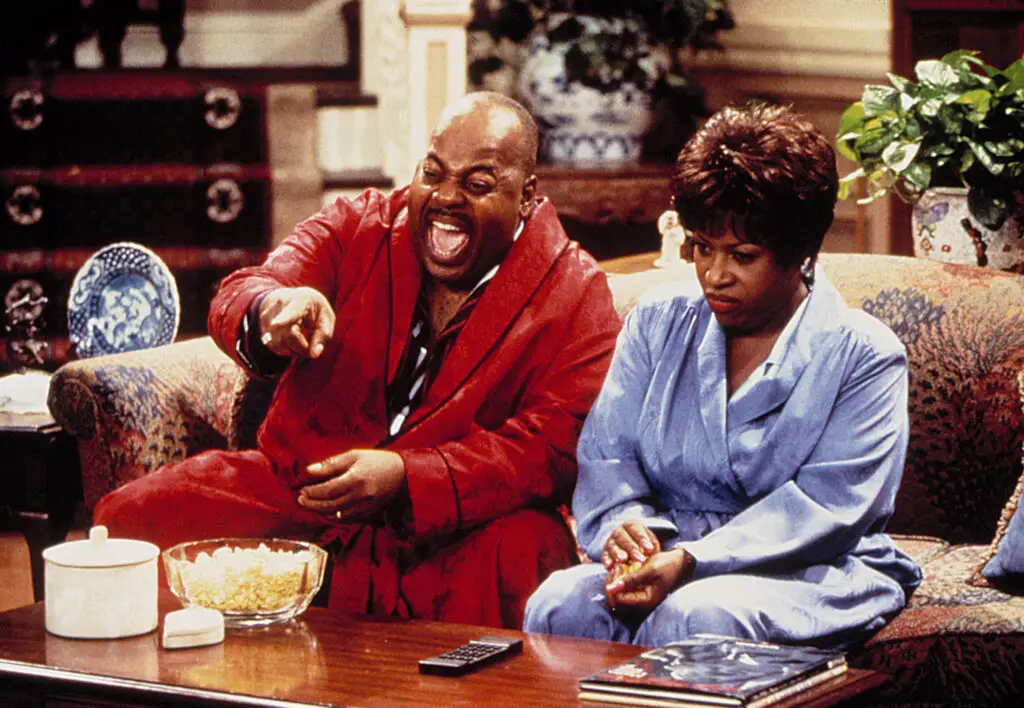
Judy Winslow was a full on member of the Winslow family early on, and then the show slowly acted like she was never there. She had lines, story moments, and that classic big family sitcom role where a younger kid is around to keep the house feeling busy. Then, as the series leaned harder and harder into Steve Urkel centered plots, Judy started fading into the background. Eventually she simply stopped appearing.
What makes Judy feel like an afterthought in hindsight is how little the show acknowledged losing a whole Winslow child. There was no goodbye, no “she’s away at camp,” nothing that helped the audience make sense of it. She’s now one of the most famous examples of a character being quietly dropped once the writers decided they didn’t need her. The family dynamic didn’t shift on screen, which tells you the show had already stopped writing with her in mind. It’s not that she was a bad character, it’s that the show treated her like an optional extra.
11. Freddie Prinze Jr.’s character, Friends
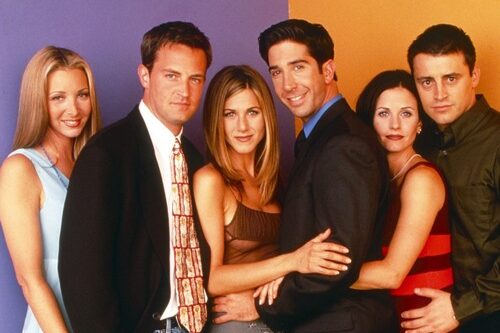
Freddie Prinze Jr. guest starred as a temporary love interest for Monica. His character was cheerful and charming but clearly short term. There was never any real sense that he’d stick around. The role felt designed for a brief ratings bump.
Once his arc ended, he was gone without a second thought. The group dynamic returned to normal immediately. Fans remember the appearance more for the actor than the character. That’s often a sign of an underdeveloped role.
12. Cousin Penny, The Golden Girls
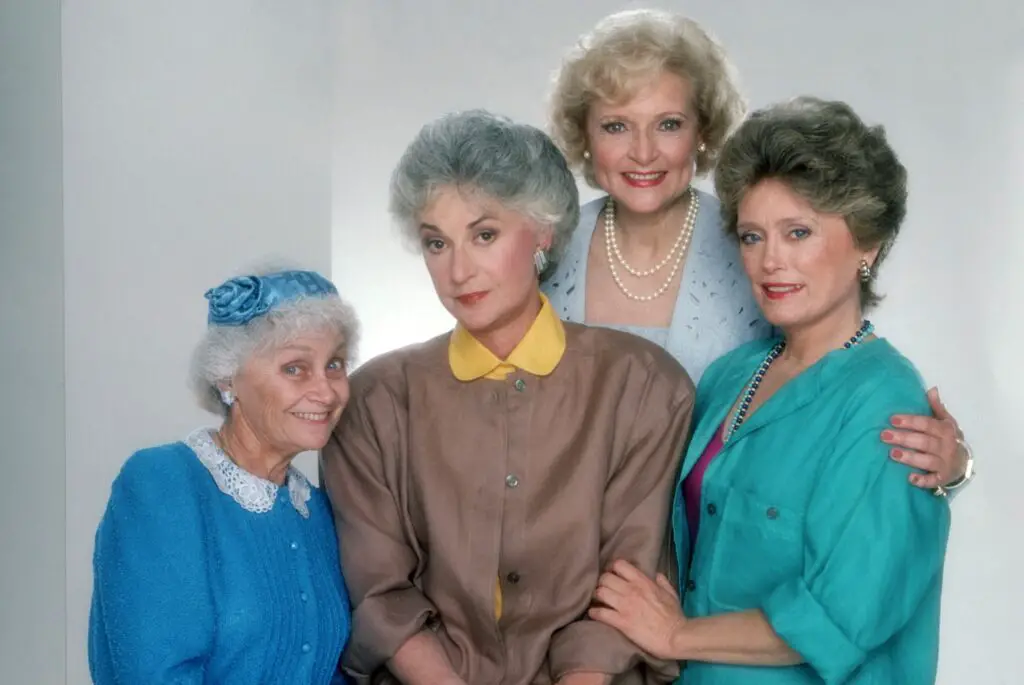
Cousin Penny was introduced as a potential foil for the main cast. While she had a few humorous scenes, she didn’t add much depth. Her personality overlapped with existing characters. That redundancy made her feel unnecessary.
She appeared briefly and then disappeared just as quickly. The show never revisited her or referenced her again. Given how strong the core cast was, Penny felt expendable. Her short life on the show reflects that.
13. Tori Scott, Saved by the Bell
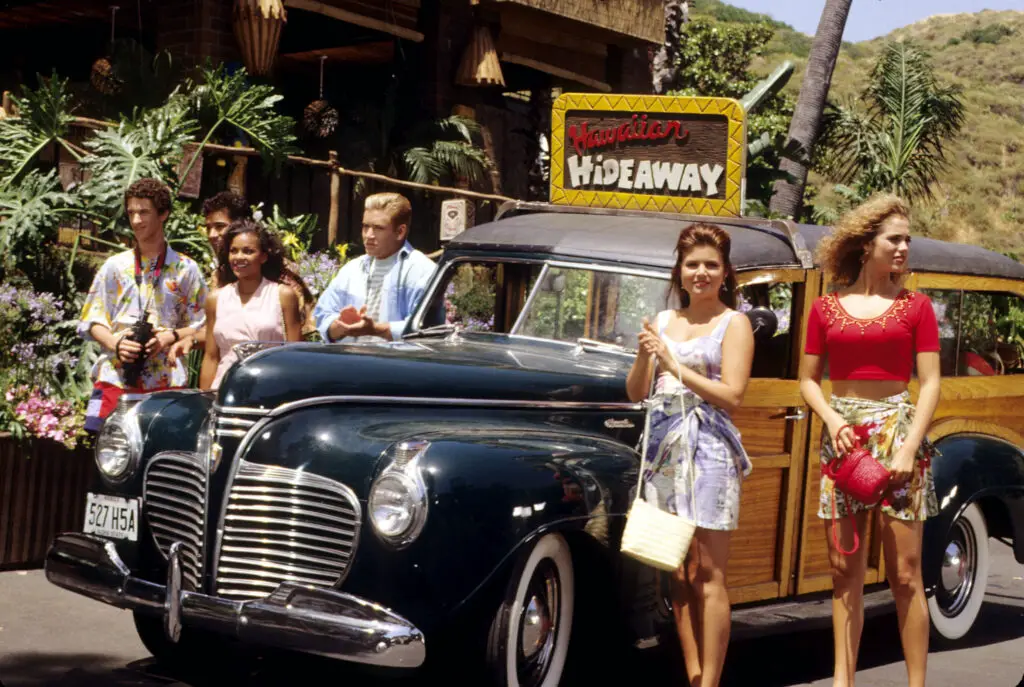
Tori Scott showed up in the final season of Saved by the Bell and immediately felt like a replacement part. She was introduced as a new girl who could bounce off Zack and Slater, right when the show’s cast situation was shifting. The timing made it obvious she was there to fill a gap rather than to expand the world naturally. Her episodes have a different vibe because the show is clearly rebalancing the friend group around her.
Even if you like Tori, it’s hard not to notice how temporary the whole thing feels. She’s central for a stretch, then she’s gone, and the show slides right back into its usual dynamic. There’s not much lasting impact, because she was never built into the long term plan. She’s the kind of character viewers remember as “Oh right, that season.” That’s afterthought energy in the most sitcom way possible.
14. Jonathan Turner, Boy Meets World
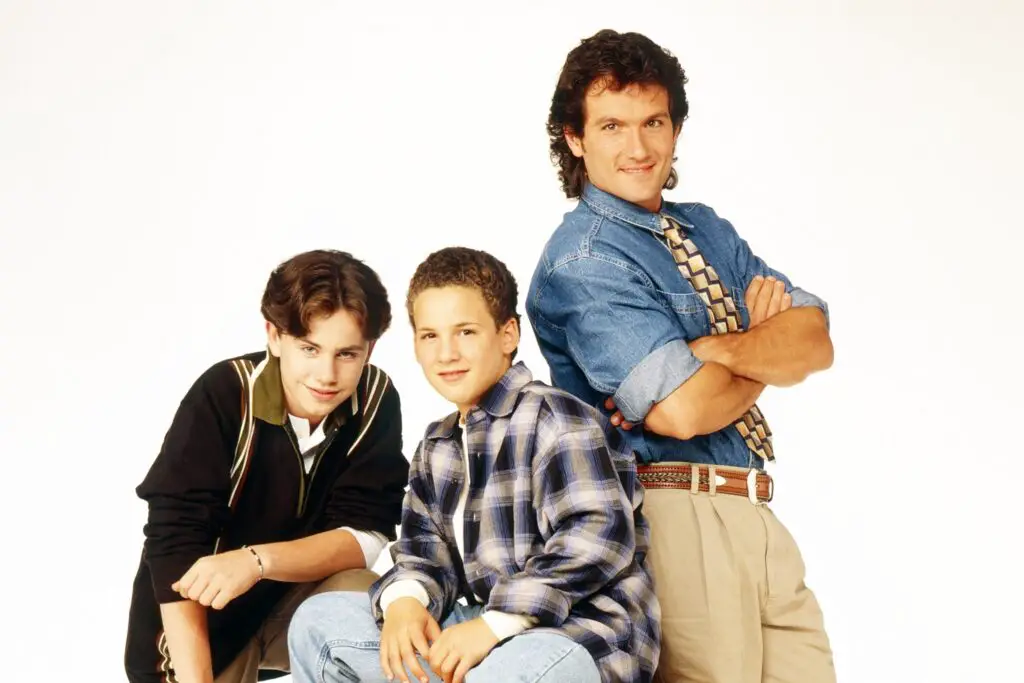
Mr. Turner was introduced as the cool teacher who actually got through to Shawn, and for a while he felt important. He wasn’t just a classroom prop, he was part of Shawn’s emotional storyline and the show leaned on him as a steady adult presence. Then the series shifted gears, and his role started shrinking fast. After a major storyline involving an accident, he effectively disappears from the show’s world.
What makes this one sting is that he wasn’t a random one off, he had real narrative weight, and then the writing treated him like a loose thread. He’s barely referenced afterward, even though his bond with Shawn was a big deal. The show simply moved on as if it never promised the audience any follow through. That abrupt drop is exactly what “written as an afterthought” looks like, even when the character started out strong. You can feel the writers choosing convenience over continuity.
15. Lily’s dad, How I Met Your Mother
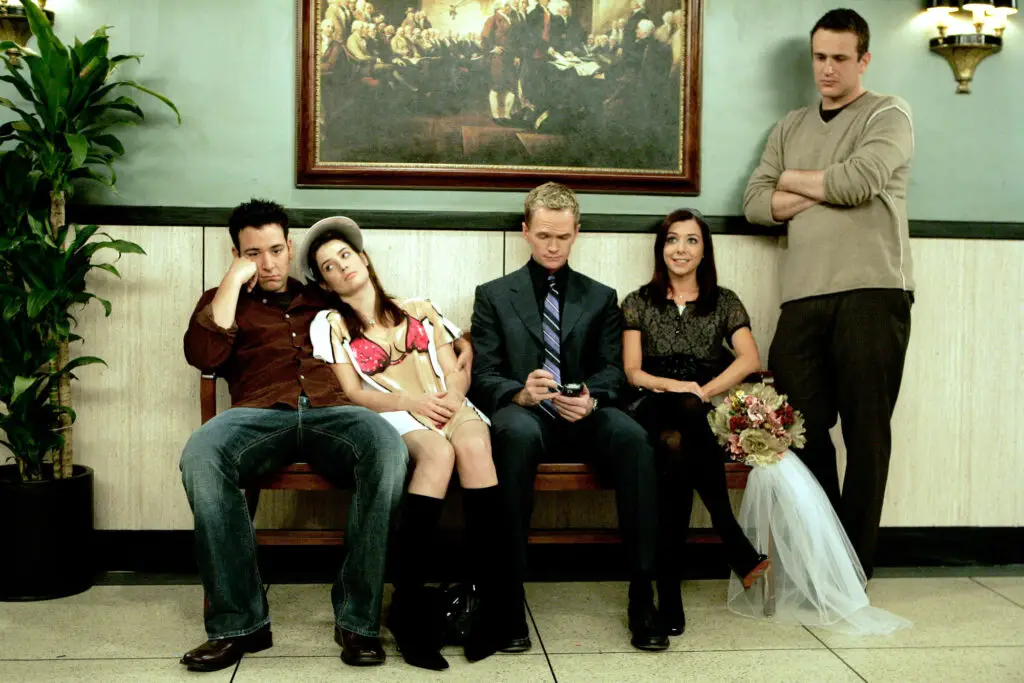
Lily’s father appeared sporadically throughout the series. While his presence added some backstory, it was inconsistent. His role changed depending on the emotional needs of the episode. That inconsistency made him feel loosely planned.
He would pop up, disappear, and reappear with little continuity. Viewers never quite knew where he stood in Lily’s life. The lack of a clear arc hurt his impact. In the end, he felt more like a narrative tool than a fully realized character.