
1. Pop Rocks

Pop Rocks felt less like candy and more like a dare. You poured the entire packet into your mouth and waited for the crackling to start, half convinced something might actually explode. The popping sensation made it feel like there was real chemistry happening on your tongue. Kids loved explaining the “science” of it to each other, even when no one fully understood it.
There were playground rumors that mixing Pop Rocks with soda could be dangerous, which somehow made them even more appealing. You could hear them popping across the room, which felt wildly inappropriate for food. Eating them slowly was pointless, the whole thrill was dumping them in at once. It was chaotic, loud, and absolutely unforgettable.
2. Fun Dip
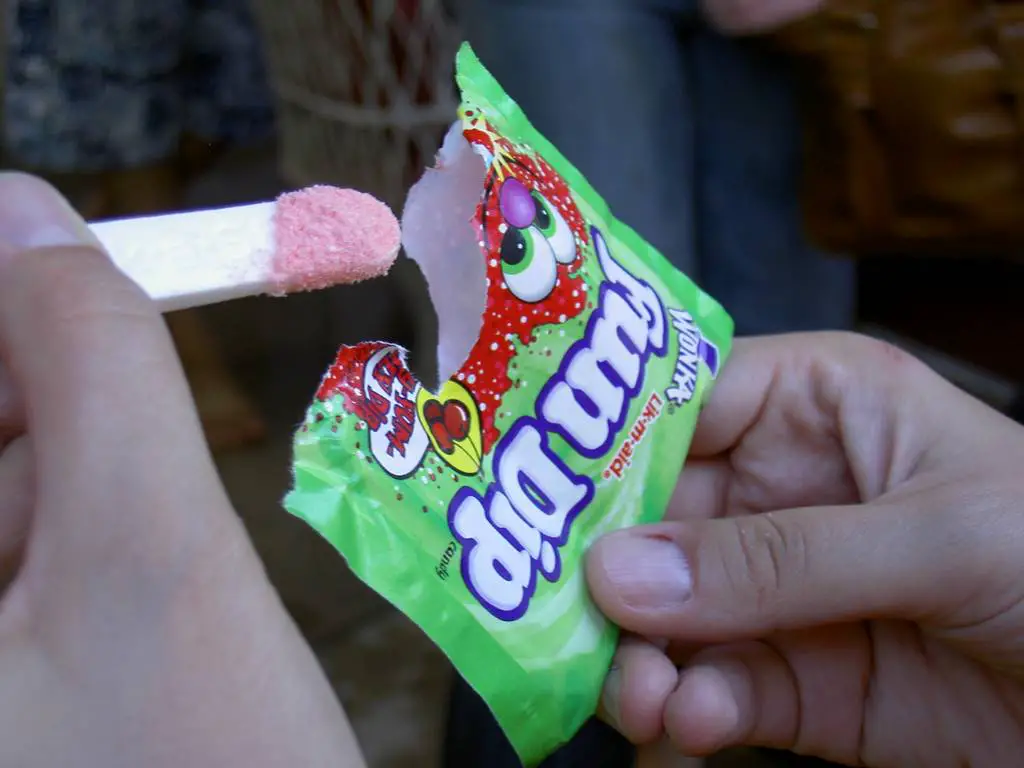
Fun Dip didn’t even try to pretend it was normal candy. You licked a chalky stick and dipped it into flavored sugar like you were running a lab experiment. It felt more like a process than a snack, with very specific steps that had to be followed. The stick itself barely tasted like anything, which made the whole thing even stranger.
By the end, your fingers were sticky and your tongue felt slightly raw. No one ever finished the stick and the powder at the same time, which felt like a design flaw. It was less about eating and more about participating. Fun Dip was proof that kids would happily eat anything if it came with instructions.
3. Pixy Stix
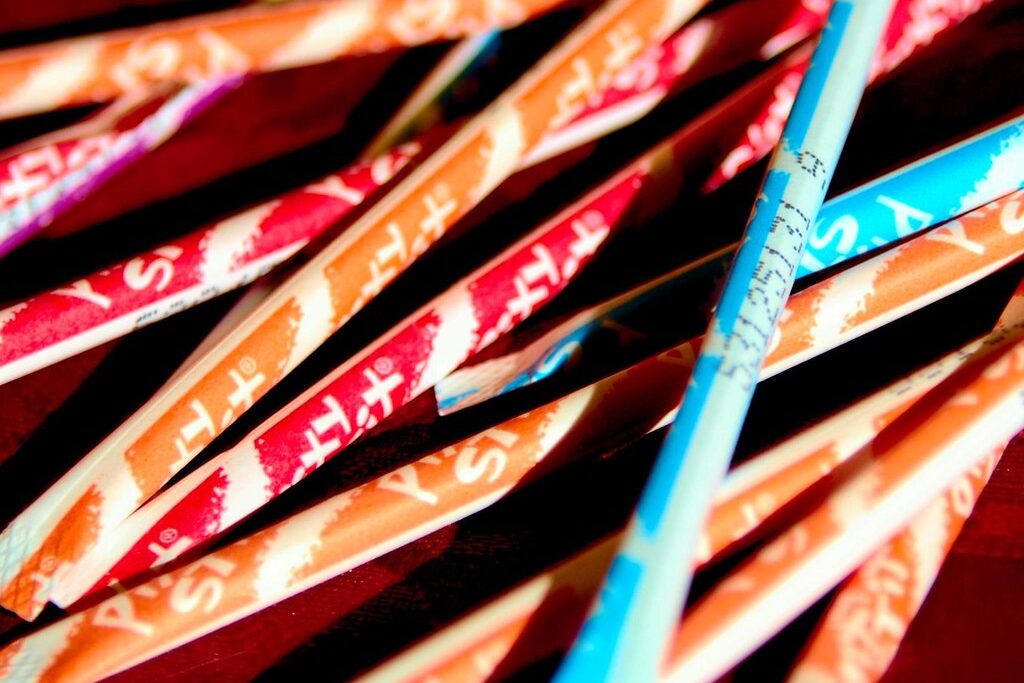
Pixy Stix were essentially sugar delivery systems disguised as candy. You tore open the top and poured a straight line of powder directly into your mouth. There was no chewing, no pacing, just an instant sugar rush. It felt like you were consuming something that should have come with warning labels.
Kids often stacked multiple Pixy Stix together for maximum effect. The flavor barely mattered compared to the intensity of the experience. Your lips would end up coated in colored sugar, evidence of what you’d just done. It was less a snack and more a test of endurance.
4. Gushers
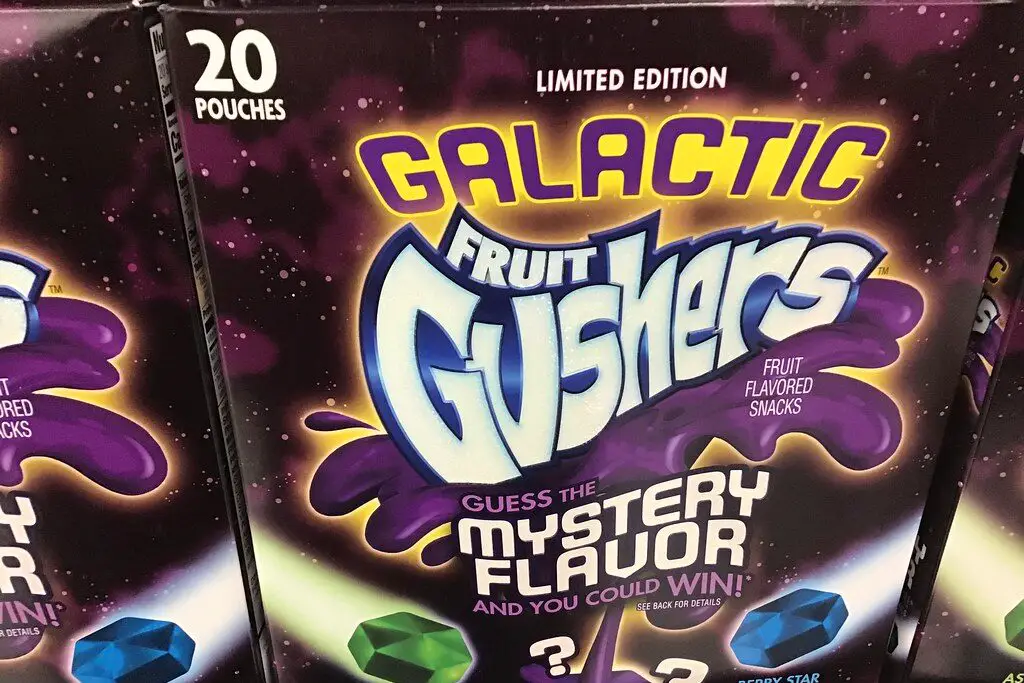
Gushers looked harmless until you bit into one and everything changed. The liquid center bursting out felt like a surprise experiment gone right. Kids loved squeezing them to watch the filling ooze out before eating them. It was oddly fascinating and slightly unsettling.
No one could ever quite explain what the inside was made of. The texture difference between the shell and the center was the whole appeal. They felt futuristic in a lunchbox full of basic snacks. Gushers made eating feel interactive in a way most candy didn’t.
5. Dunkaroos
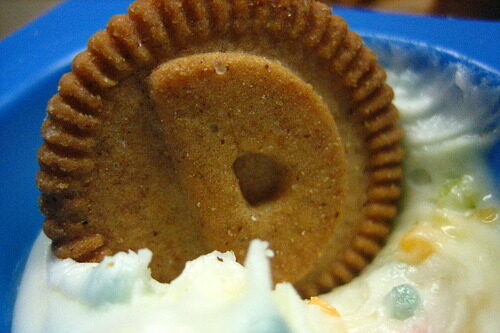
Dunkaroos turned snack time into a controlled experiment. You had a limited number of cookies and a carefully portioned container of frosting. Every kid developed their own strategy for maximizing frosting coverage. Some dipped carefully, others scooped recklessly.
The real challenge was making the frosting last until the final cookie. Sometimes it didn’t, and then you were left dry dunking plain crackers. It felt like a lesson in resource management disguised as fun. The whole thing was messy, sweet, and oddly satisfying.
6. Push Pops
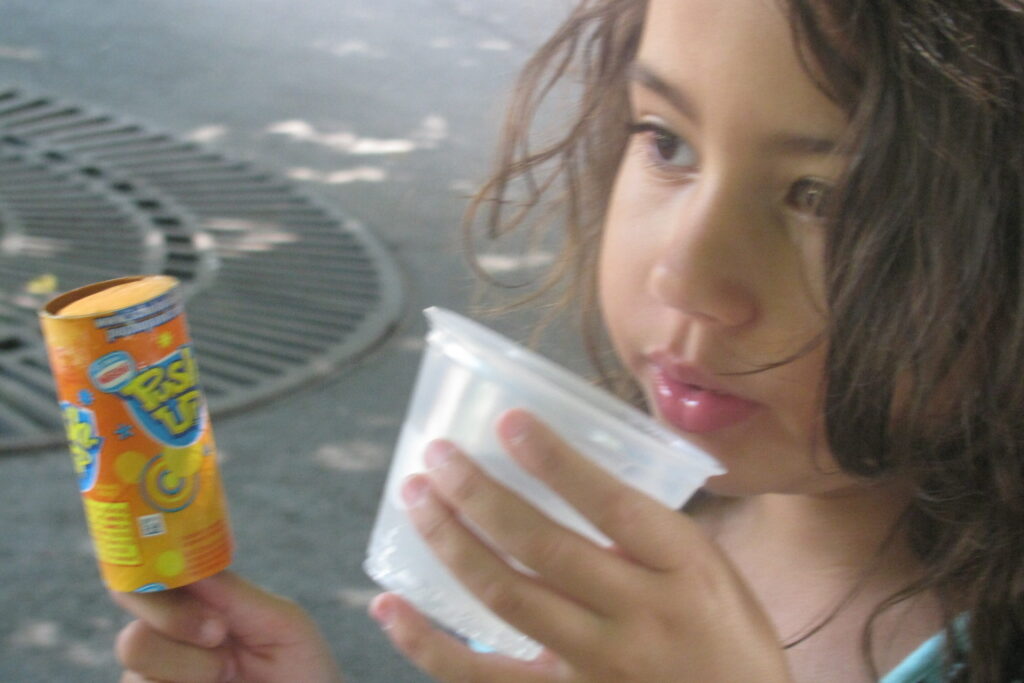
Push Pops felt like candy engineered by someone who loved gadgets. You pushed the bottom up, took a few licks, then shoved it back down for later. It made candy portable in a way that felt very advanced at the time. The plastic tube made it feel more like equipment than food.
They were great in theory and sticky disasters in practice. Dirt and lint inevitably found their way onto the exposed candy. Still, kids loved the control factor. It was candy with settings.
7. Ring Pops
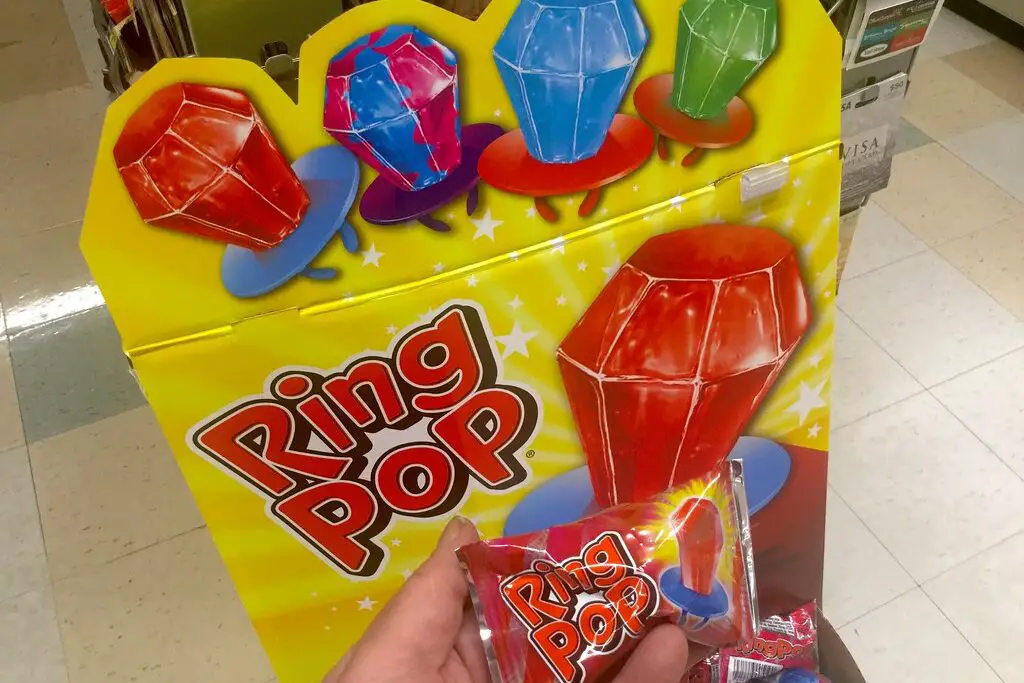
Ring Pops made candy wearable, which already felt questionable. You walked around with a giant jewel of sugar on your finger like it was normal. Licking it felt performative, almost like showing off. The size alone made it feel excessive.
They lasted forever, which was both good and bad. By the end, your finger was sticky and slightly sore. Kids debated the best flavor like it mattered deeply. It was candy meets costume jewelry.
8. Warheads
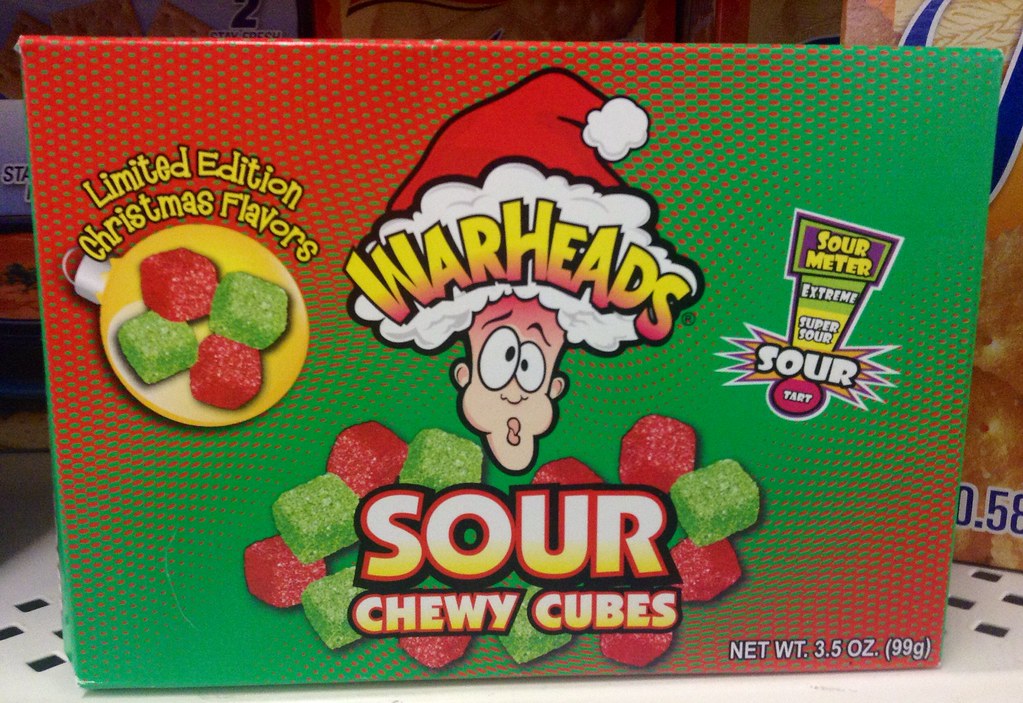
Warheads were less about eating and more about surviving. The sour coating hit immediately and intensely. Faces puckered, eyes watered, and everyone tried to act tougher than they felt. It was basically a group experiment in pain tolerance.
Once the sour layer faded, the candy itself was almost boring. But making it past that first stage was the whole point. Kids compared notes on who lasted longest. Warheads turned snack time into a competition.
9. Fruit Roll-Ups Tongue Tattoos
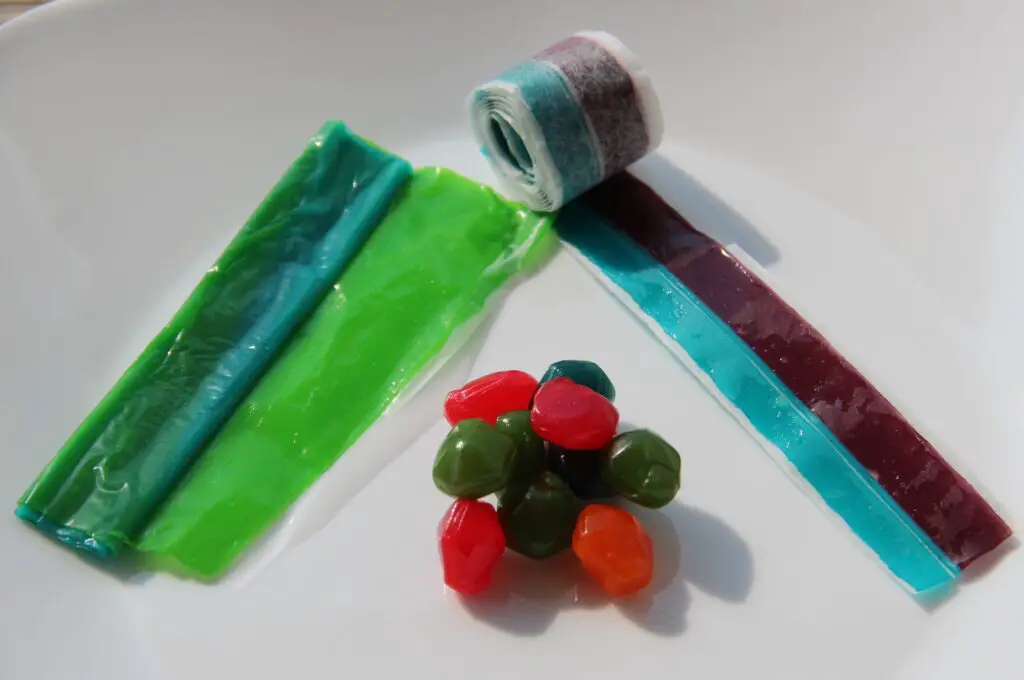
Fruit Roll-Ups were already strange, but the tongue tattoo version raised the stakes. You pressed it to your tongue and waited like you were following lab instructions. Pulling it away to reveal a design felt oddly thrilling. It was candy that left evidence.
The flavor almost became secondary to the process. Kids showed off their tongues like it was a badge of honor. It blurred the line between food and activity. No one questioned why this existed, they just accepted it.
10. Slush Puppies
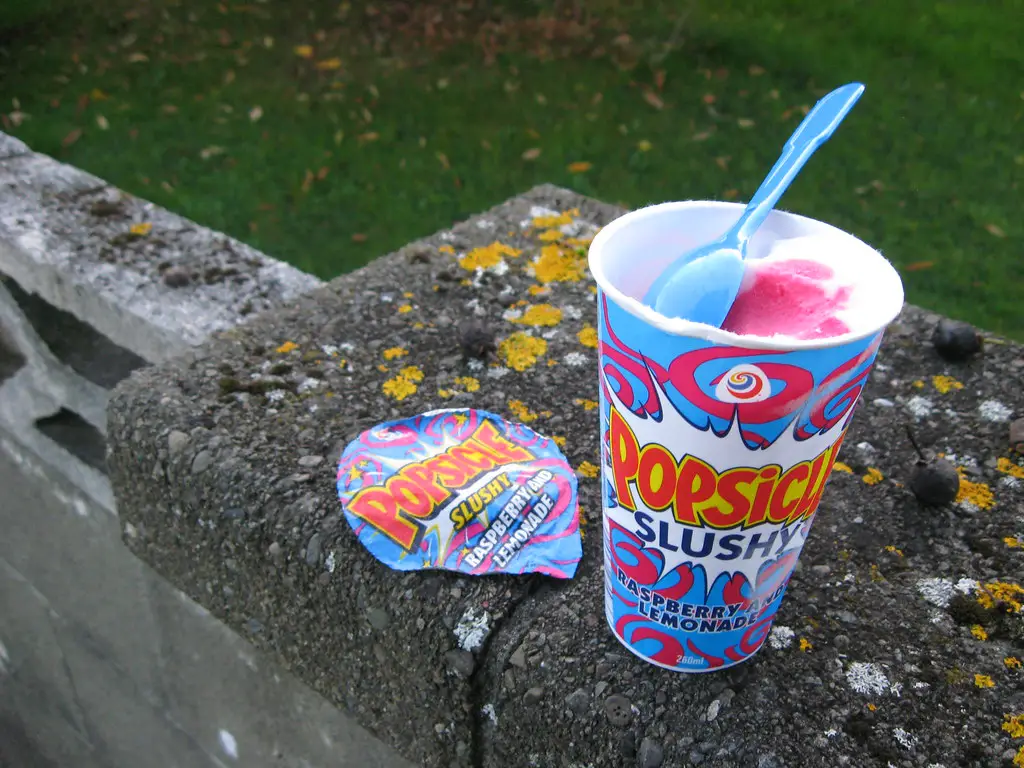
Slush Puppies felt like frozen science in a cup. You stirred the ice and syrup together, adjusting the balance as you went. Getting the texture just right was half the fun. Too much syrup and it melted, too little and it was flavorless.
Drinking it too fast guaranteed a brain freeze. The colors alone felt suspiciously bright. It was messy, cold, and completely worth it. Slush Puppies made you feel like you were in control of the experiment.
11. Jawbreakers
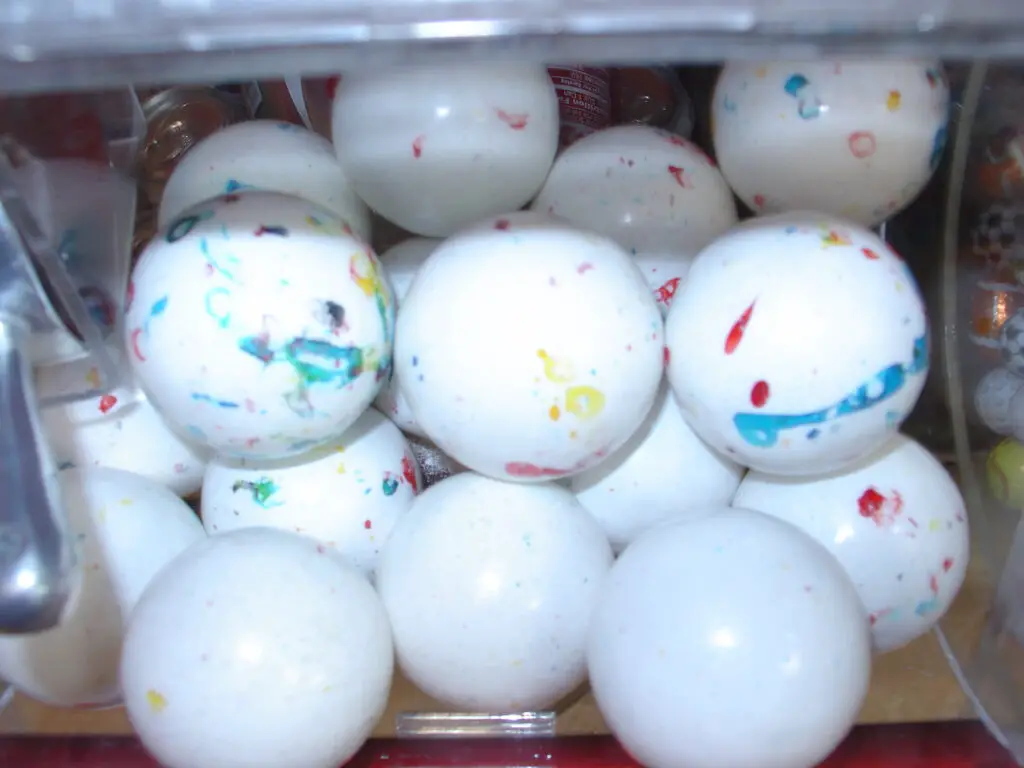
Jawbreakers were intimidating from the start. You committed to them knowing it would take days to finish. Each layer revealed a new color, like geological candy. It felt like uncovering history one lick at a time.
They were impossible to bite and dangerous to drop. Kids compared progress like it was a long term project. Sometimes they broke unexpectedly, which felt catastrophic. Jawbreakers rewarded patience and bravery.
12. Candy Cigarettes

Candy cigarettes were strange even back then. You held them like the real thing and pretended to blow smoke. The chalky texture didn’t help convince anyone they were food. They felt more like props than snacks.
Kids liked the role playing aspect more than the taste. They dissolved quickly and left powder everywhere. It was a snack built entirely around imitation. Looking back, it feels like a very odd experiment that somehow passed approval.
13. Soda Floats
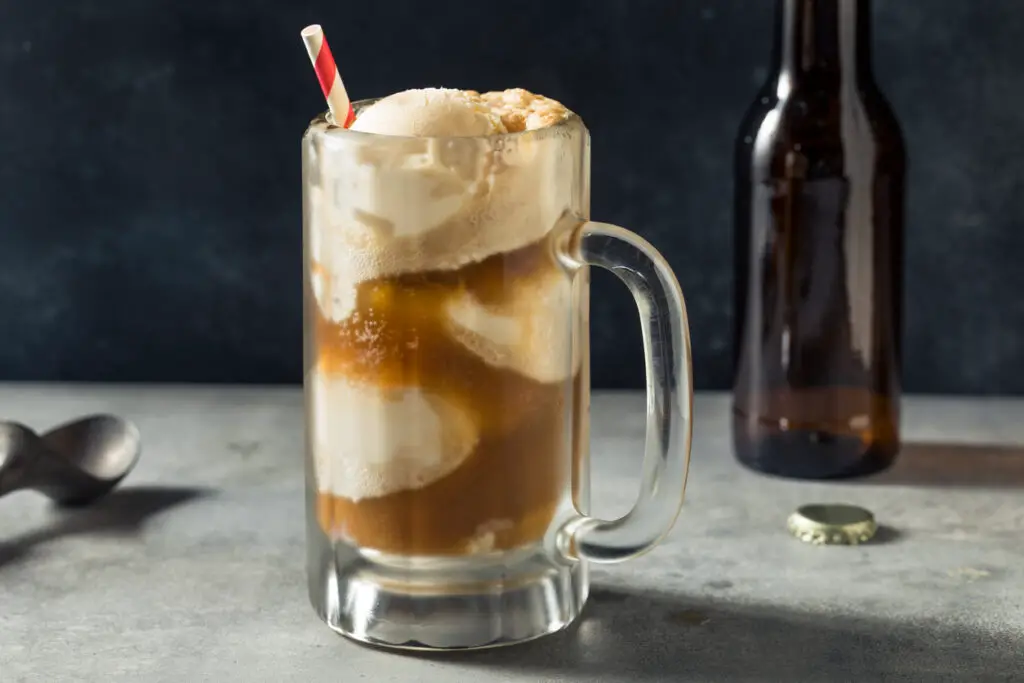
Soda floats were simple but felt scientific. You dropped ice cream into soda and watched it fizz and foam. The reaction was half the excitement. It felt like chemistry you were allowed to drink.
Timing mattered if you wanted the perfect balance. Too slow and it melted, too fast and it overflowed. Kids loved watching the bubbles form around the ice cream. It was a delicious experiment with a very sweet result.