
1. Maude, “Maude’s Dilemma” (1972)

This two part episode tackled Maude’s unexpected pregnancy later in life, a storyline almost unheard of at the time. The show did not tiptoe around the subject or soften it into euphemisms. Instead, it focused on Maude’s thoughts, fears, and sense of autonomy. The decision she faces is framed as deeply personal, not political. That framing alone felt radical.
What stands out now is how calmly the episode unfolds. Characters talk through the situation rather than shouting about it. There is room for doubt, reflection, and disagreement. In an era when abortion was rarely discussed on television, the show trusted viewers to handle complexity. That quiet confidence is what made it so groundbreaking.
2. The Mary Tyler Moore Show, “A Woman’s Place” (1970)
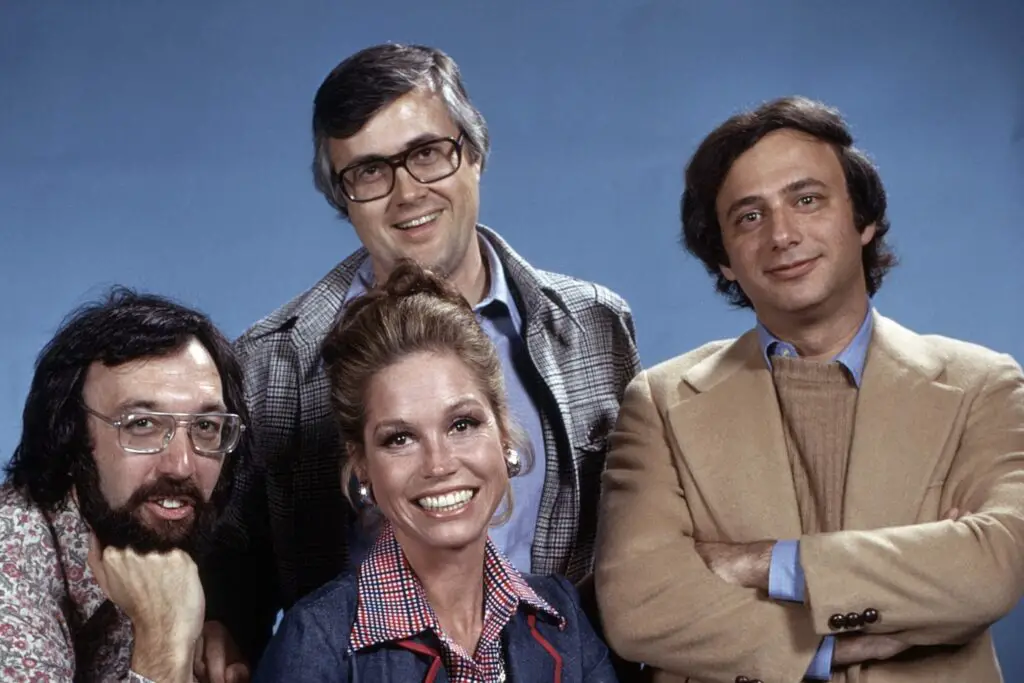
At first, this episode looks like a fairly standard workplace storyline about hiring decisions. But it quietly exposes how sexism often hides behind phrases like “that’s just how things are done.” Mary’s frustration builds through small moments rather than big confrontations, which makes it feel painfully realistic. No one is overtly cruel, which is exactly the point.
What made this episode push boundaries was its restraint. Instead of turning Mary into a crusader, the show lets her process the injustice in her own measured way. Viewers were trusted to notice what was wrong without being told. That subtle approach mirrored real office dynamics for many women watching at home.
3. Good Times, “The Gang” (1974)
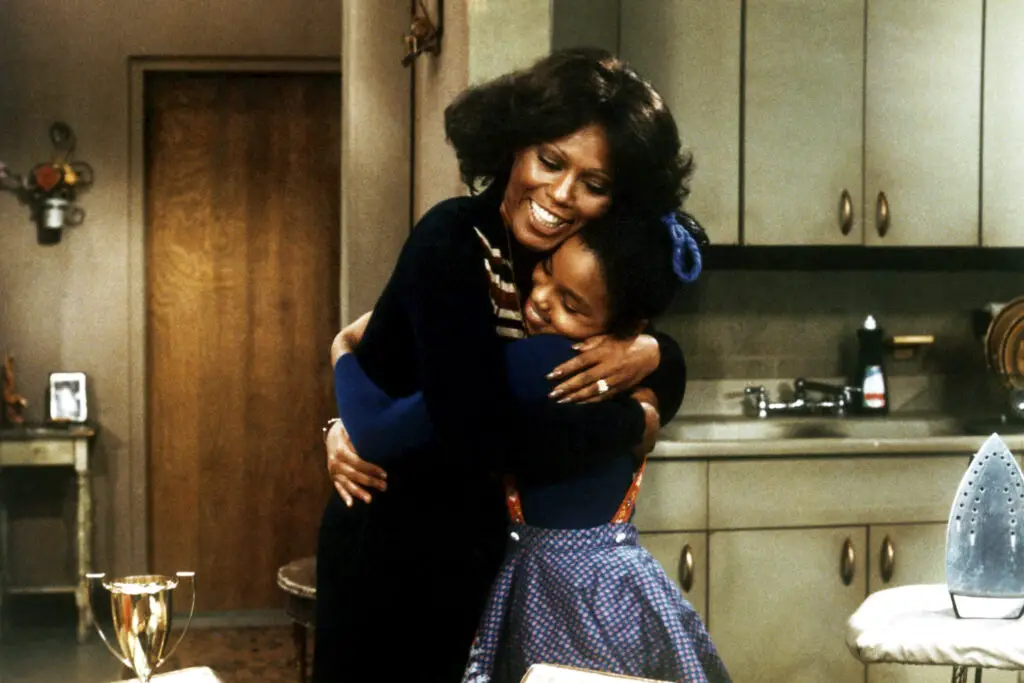
This episode addressed the pull of gang life for young men growing up with limited options. Instead of sensationalizing violence, it focused on why the idea of belonging could be so tempting. The Evans family’s fear feels grounded and real. There are no easy villains, just hard circumstances.
What made this episode culturally important was its empathy. The show did not pretend that good intentions alone could solve systemic problems. It showed how love and concern sometimes collide with harsh realities. By presenting the issue honestly, the episode invited understanding rather than judgment.
4. Soap, “Jessica Discovers Jodie’s Secret” (1977)
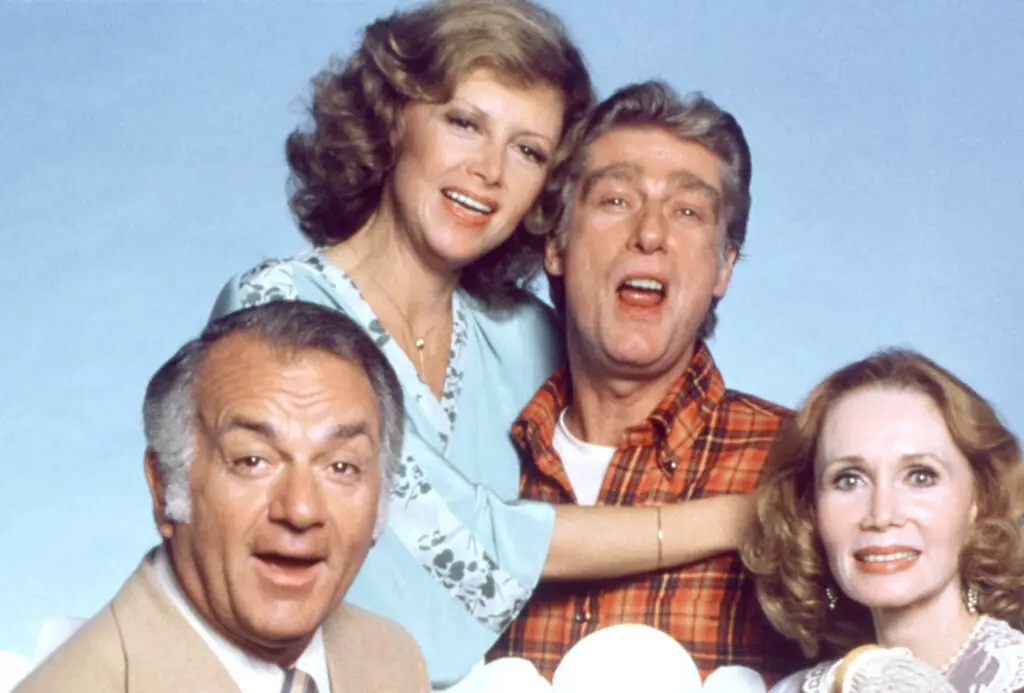
When Jodie Dallas is revealed to be gay, the moment is treated as emotional rather than shocking. His mother’s reaction is complicated but rooted in love. The episode focuses on family dynamics instead of turning Jodie into a punchline. That choice was rare for the time.
While the series was known for its absurd humor, this storyline played things surprisingly straight. The show allowed space for vulnerability and conversation. Jodie’s identity was presented as part of who he was, not a gimmick. In the late ’70s, that alone pushed cultural boundaries.
5. M*A*S*H, “Sometimes You Hear the Bullet” (1972)

This episode shattered sitcom expectations by killing off a character without warning. The loss is sudden and unresolved, mirroring the randomness of war. Hawkeye’s anger lingers instead of being wrapped up neatly. There is no comforting lesson at the end.
What made this episode daring was its refusal to reset to normal. In a comedy, viewers expected relief or closure. Instead, they were left sitting with grief. That emotional honesty expanded what television comedy could do.
6. One Day at a Time, “Barbara’s Abortion” (1977)

Barbara’s storyline centers on her considering abortion and how she processes that choice. The episode keeps the focus on her emotional state rather than outside pressures. Her mother’s support is present but not controlling. The decision feels deeply personal.
What makes the episode striking is its calm tone. There are no dramatic speeches or shocking twists. The show trusted viewers to understand the gravity without being pushed. At a time when the topic was rarely addressed, that quiet approach spoke volumes.
7. Diff’rent Strokes, “The Bicycle Man” (1983)

This episode addressed child abuse in a way that was clear but restrained. The danger unfolds slowly, emphasizing manipulation and misplaced trust. The subject matter is never treated lightly or turned into a joke. That seriousness made it unsettling.
What made it boundary pushing was its directness. The episode gave language to something many children did not know how to describe. It trusted young viewers to understand that something was wrong. By airing this story, the show helped open conversations in real families.
8. Cheers, “The Boys in the Bar” (1983)

When a group of gay men becomes regulars at the bar, the episode focuses on the staff’s discomfort. The humor often lands on the straight characters’ ignorance rather than on the guests. Sam’s reactions reflect confusion, not cruelty. That distinction mattered.
Instead of delivering a tidy moral, the episode shows gradual change. Acceptance grows through familiarity rather than lectures. The bar remains the same welcoming space, just expanded. By normalizing gay patrons in a familiar setting, the episode gently challenged assumptions.
9. The Golden Girls, “72 Hours” (1990)
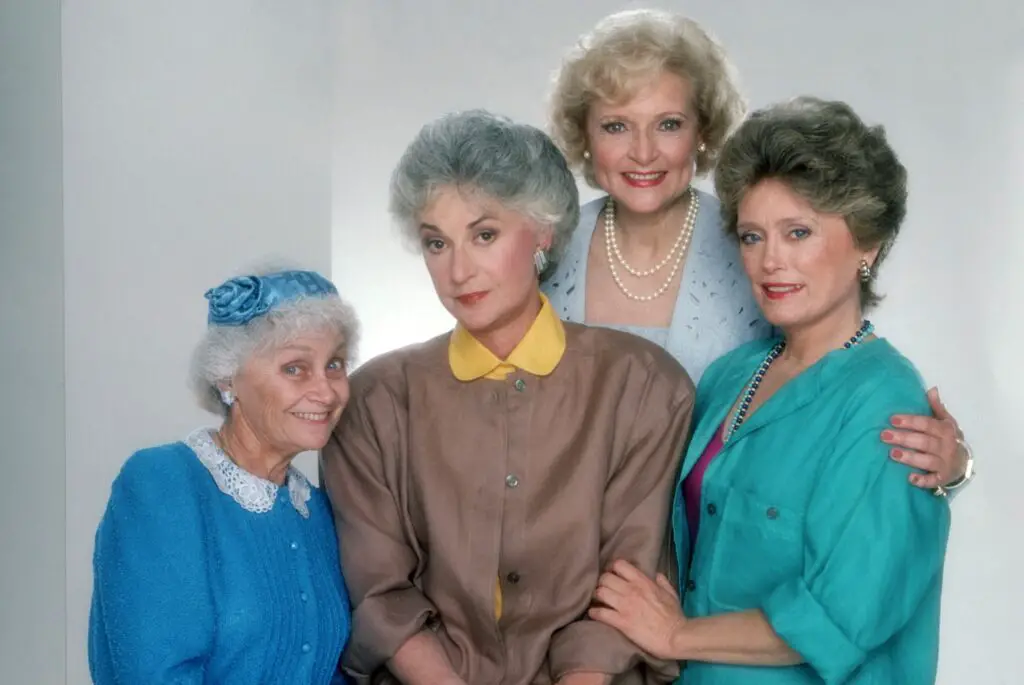
Blanche believes she may have been exposed to HIV, and the episode handles her fear with care. Rather than focusing on shock value, it centers on her vulnerability. The stigma she fears feels as real as the illness itself. Her friends respond with compassion rather than judgment.
What made this episode powerful was its humanity. HIV was often sensationalized at the time, but this story felt personal and grounded. The familiar sitcom setting made the topic less frightening. By emphasizing empathy, the show quietly helped change perceptions.
10. Roseanne, “We Gather Together” (1994)

This Thanksgiving episode revealed that Roseanne’s mother was in a same sex relationship. The news is woven into the usual family chaos rather than treated as a shocking reveal. Reactions vary, reflecting generational differences. No one gives a grand speech about acceptance.
What pushed boundaries was how ordinary it all felt. The show treated queerness as part of family life, not a special lesson. That normalization mattered. By letting the conversation unfold naturally, the episode mirrored real family dynamics.
11. Family Ties, “A, My Name Is Alex” (1985)

After a friend’s sudden death, Alex struggles with grief and guilt. The episode abandons typical sitcom pacing and allows emotions to linger. Michael J. Fox’s performance feels raw and unguarded. The pain does not resolve neatly.
What made this episode boundary pushing was its emotional realism. Grief is shown as messy and consuming. Silence and discomfort are allowed to exist. For a network sitcom, that was a bold choice.
12. The Cosby Show, “Theo’s Economic Lesson” (1984)
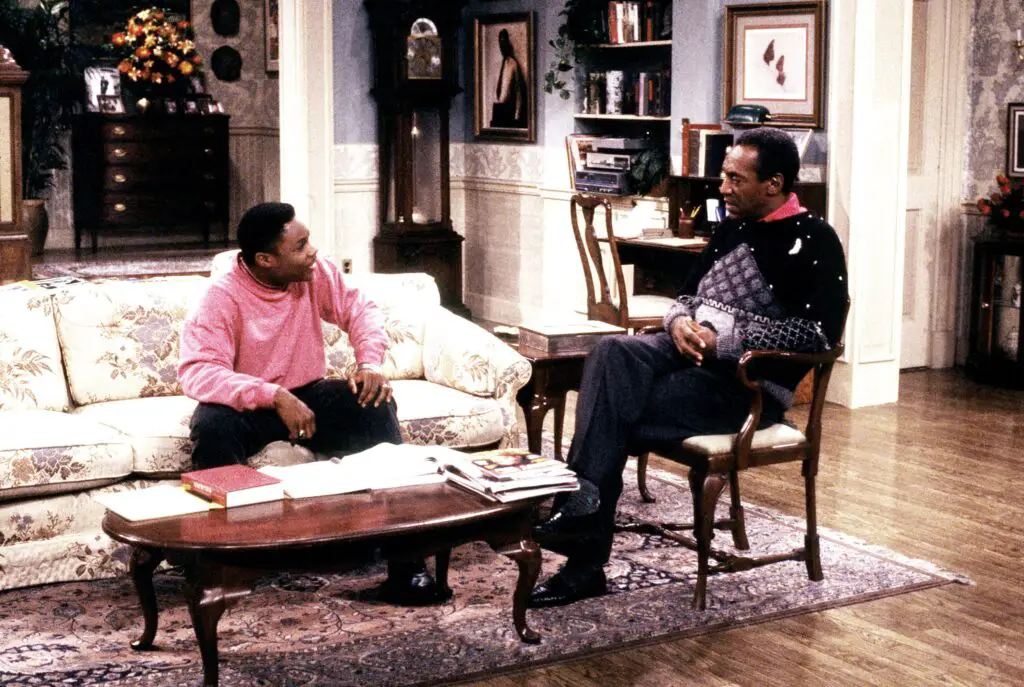
This episode uses a simple conversation to explain income, budgeting, and privilege. Theo’s frustration opens the door to an honest discussion about money. The lesson is clear without being condescending. It respects the intelligence of young viewers.
What made it quietly radical was its focus on class. Few sitcoms addressed financial realities so directly. By grounding the lesson in family dialogue, it felt accessible. The show normalized conversations many households avoided.
13. Designing Women, “Killing All the Right People” (1987)

This episode addressed the AIDS crisis through sharp dialogue and emotional honesty. Julia’s passionate defense challenges misinformation head on. Beneath the rhetoric is a plea for compassion. Humor remains present without undercutting the seriousness.
What pushed boundaries was its clarity. At a time when fear dominated public conversation, the episode demanded empathy. It trusted viewers to confront uncomfortable truths. Familiar characters gave the message added weight.
14. Taxi, “Latka’s Revolting Development” (1979)

Latka begins to question his identity and struggles with feeling different from everyone around him. The storyline explores alienation through humor and tenderness. His confusion is treated with sincerity rather than mockery. The laughs come from warmth, not cruelty.
What made the episode boundary pushing was its empathy for outsiders. It acknowledged how painful it can be to feel out of place. In a comedy, that vulnerability felt unexpected. By letting Latka be sincere, the show expanded emotional depth.
15. All in the Family, “Sammy’s Visit” (1972)
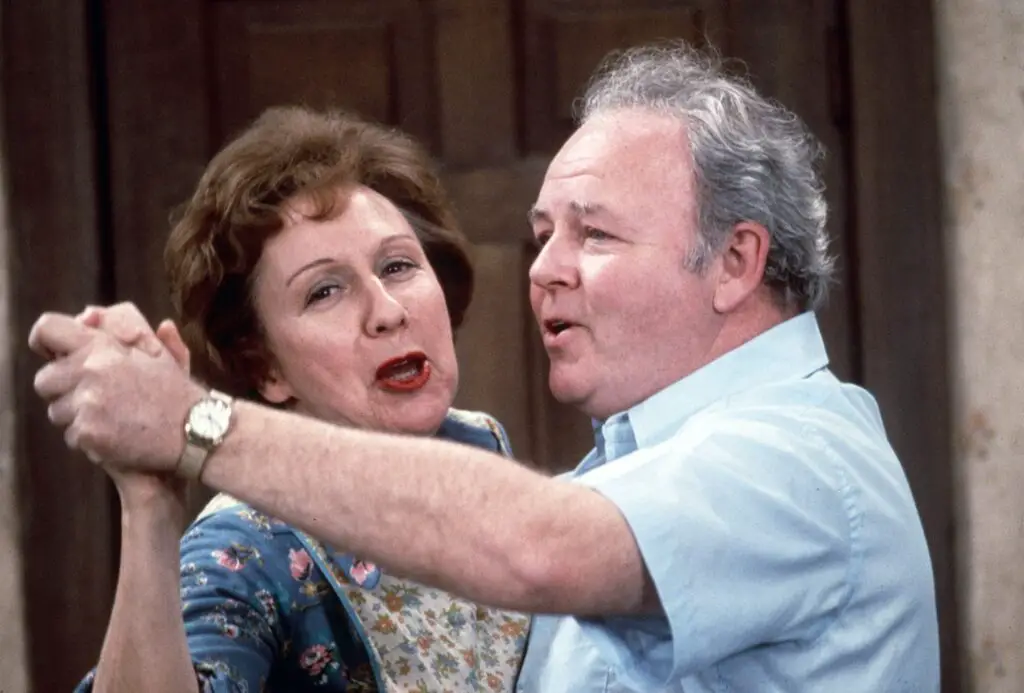
When Sammy Davis Jr. visits the Bunker household, it begins like a celebrity cameo. Instead, it becomes a sharp examination of Archie Bunker’s racism. Sammy’s calm humor exposes Archie’s contradictions without lecturing. The discomfort comes from watching Archie unravel himself.
What made this episode quietly revolutionary was its tone. The show never pauses to explain the lesson. It simply lets the interaction play out. Viewers expecting laughs found themselves confronting prejudice instead. That subtle strategy made the message impossible to ignore.