
1. Swanson Boil-in-Bag Dinners

Back in the ’60s and ’70s, Swanson promised that dinner could be as easy as dropping a sealed pouch into boiling water. There was no oven to preheat and no pan to scrub afterward, which felt revolutionary at the time. The meals were marketed as nearly foolproof, even for people who claimed they could not cook at all. It was convenience wrapped in plastic, literally floating toward the future.
The novelty wore off once people realized the textures could be a little questionable. Chicken often came out spongy and vegetables leaned toward mushy. Still, the idea that dinner could cook itself while you set the table felt magical. For a brief moment, boiling water felt like the peak of kitchen innovation.
2. Libbyland Dinner Kits
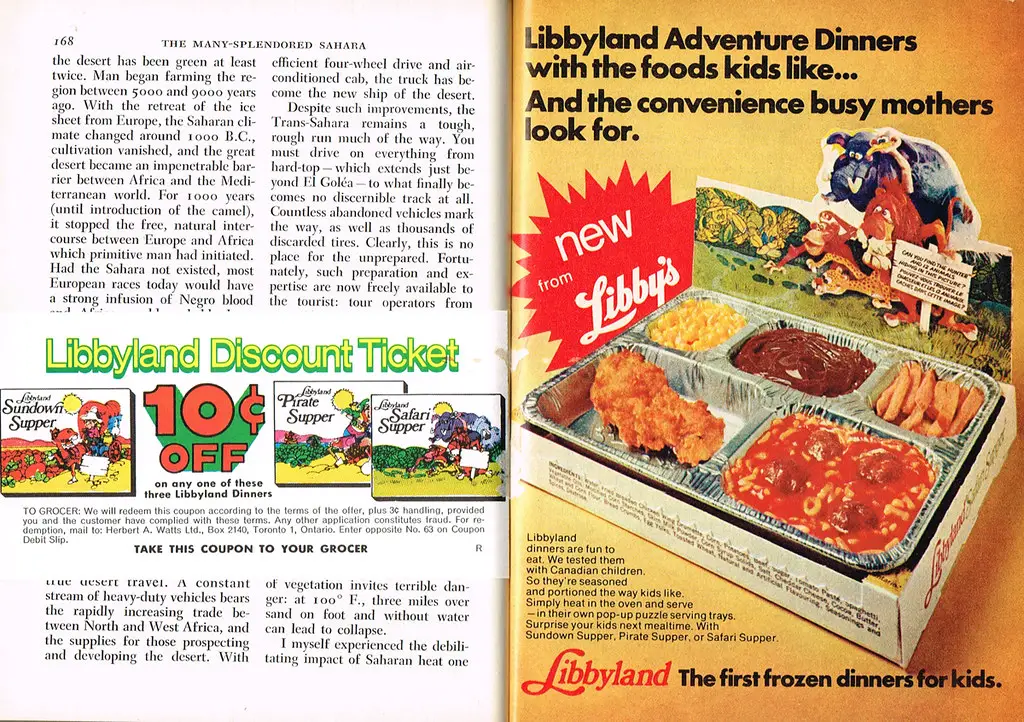
Libby tried to turn dinner into entertainment with cartoon themed frozen meals aimed squarely at kids. Each tray featured characters and sections designed to make eating feel like playtime. Parents were told this was the secret to peaceful family dinners. The packaging promised smiles along with nutrition.
Kids loved the characters more than the food itself. The novelty faded once the cartoons lost their charm and the meals tasted pretty ordinary. Still, Libbyland captured a moment when food companies believed fun could solve dinnertime battles. It was dinner as a distraction, long before screens took over the job.
3. Campbell’s Dinner Sauces
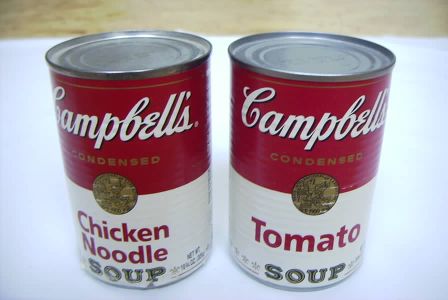
When Campbell’s rolled out canned dinner sauces, they promised home cooked meals without the guesswork. You browned some meat, poured in the sauce, and suddenly you were serving something that sounded fancy. Labels made bold claims about French or Italian flavors. It felt like a shortcut to culinary confidence.
The problem was that many dishes tasted pretty similar. Creamy sauces blurred together after a while. Still, these cans made people feel like real cooks on busy weeknights. For a generation, opening a can felt like opening a recipe book.
4. Banquet Cook-In-Bag Roasts
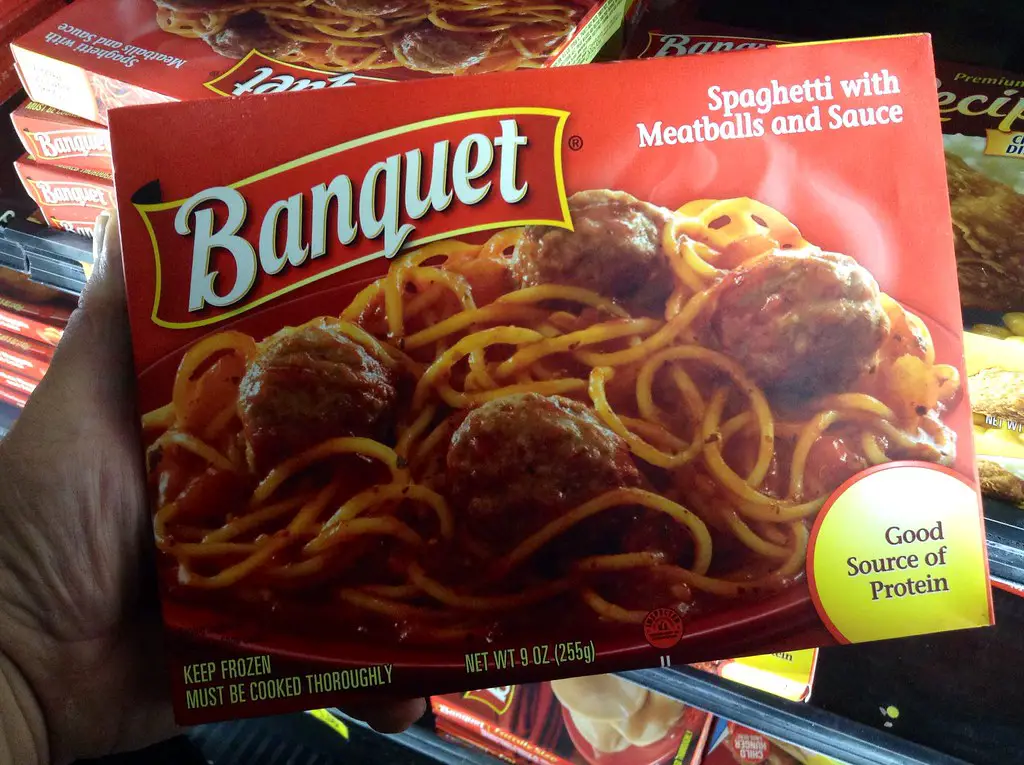
Banquet pushed the idea that even a roast dinner could be hands off. You slid the bag into the oven and waited for a complete meal to emerge. The promise was Sunday dinner on a Tuesday night. That felt bold and exciting.
The results were mixed, especially when it came to texture. Meat sometimes cooked unevenly and vegetables steamed more than roasted. Even so, the concept planted a seed for future slow cooker and bagged meal trends. It was convenience food thinking big.
5. Shake ’n Bake Plus Sauce
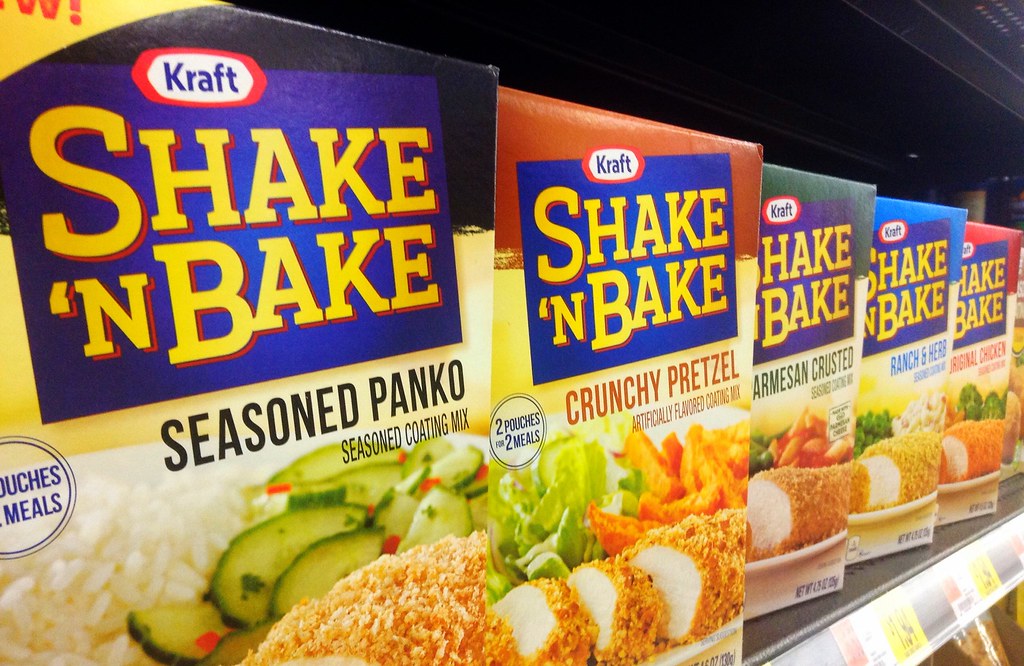
When Kraft expanded Shake ’n Bake with added sauce packets, it felt like a major upgrade. Dinner suddenly had both crunch and gravy built in. Ads suggested you were one step away from restaurant style meals. The idea was speed without sacrificing flavor.
In reality, it was a little messy and easy to overdo. Too much sauce could drown the crispy coating. But for busy families, it was exciting to feel like dinner had layers. It was convenience with ambition.
6. Hormel Complete Skillet Meals

Hormel introduced skillet meals that promised everything in one pan. Meat, sauce, and sides all came together at once. Cleanup was minimal, which felt like a gift. The meals were pitched as fresh tasting, even from a box.
While practical, they struggled to stand out in flavor. Many meals blended into the same savory profile. Still, the one pan promise stuck with people. It helped pave the way for today’s meal kits and boxed dinners.
7. Stouffer’s Family-Size Frozen Entrees
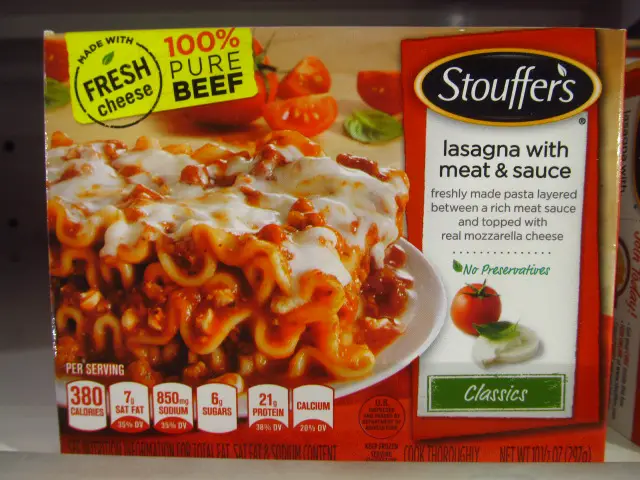
Stouffer’s aimed to replace home cooking entirely with large frozen casseroles. Lasagna and baked chicken promised comfort without the effort. Ads made it feel like a warm homemade meal, minus the work. The freezer became the new pantry.
Families appreciated the simplicity, even if the meals were heavier than expected. Portions felt generous, which mattered at the time. While still around in some form, the early hype has faded. For a while, frozen food felt like the future of family dinners.
8. Minute Rice Dinner Combos
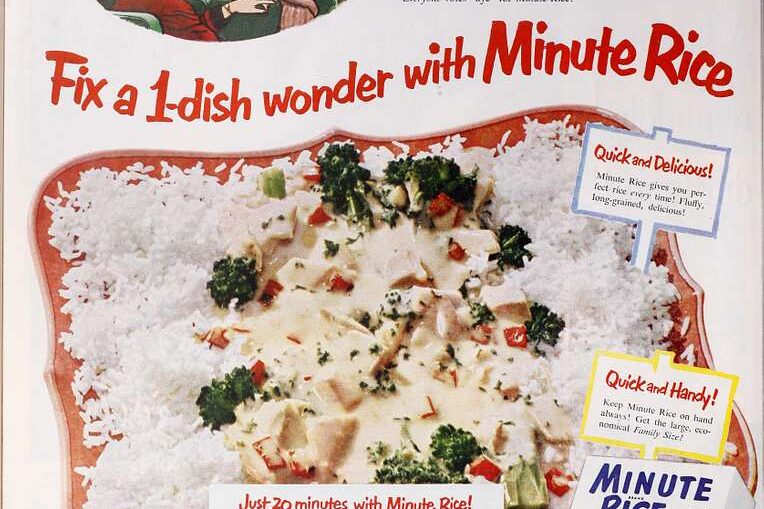
Minute Rice tried to turn rice into the star of fast dinners. Boxed mixes combined rice, seasoning, and protein suggestions. You only needed a few extra ingredients to feel accomplished. It was fast, filling, and comforting.
The flavors leaned mild, designed to please everyone. Over time, the meals felt repetitive. Still, they taught a generation that rice could anchor a meal quickly. Convenience often starts with something simple.
9. Franco-American Canned Pasta Dinners
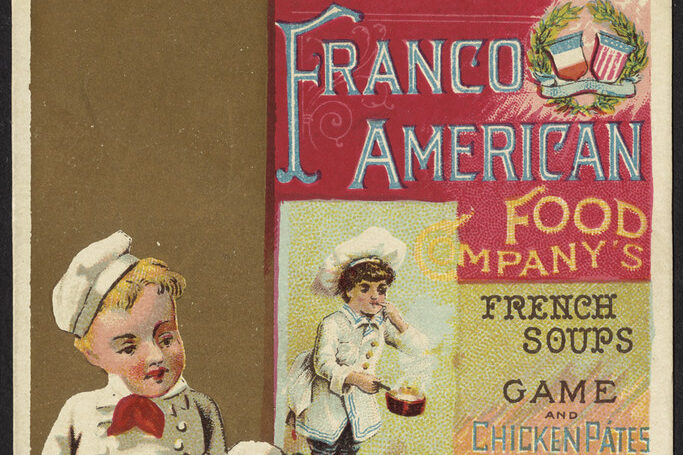
Before microwave cups took over, Franco-American offered full pasta meals in cans. Beef ravioli and spaghetti promised Italian style dinners with no prep. You just heated and served. It felt almost too easy.
The sauces were sweet and the pasta soft. Adults sometimes turned up their noses, but kids were usually thrilled. These meals made pasta feel everyday and effortless. They were stepping stones toward today’s grab and go meals.
10. Birds Eye Complete Skillet Meals

Birds Eye leaned into the idea that vegetables could headline convenience dinners. Frozen blends came with sauce and seasoning for quick skillet cooking. It was marketed as a healthier shortcut. Dinner felt slightly more virtuous.
The balance was tricky, with vegetables sometimes overpowering the protein. Still, it shifted the conversation toward balanced frozen meals. Convenience did not have to mean empty calories. That idea stuck.
11. Betty Crocker Dinner Kits
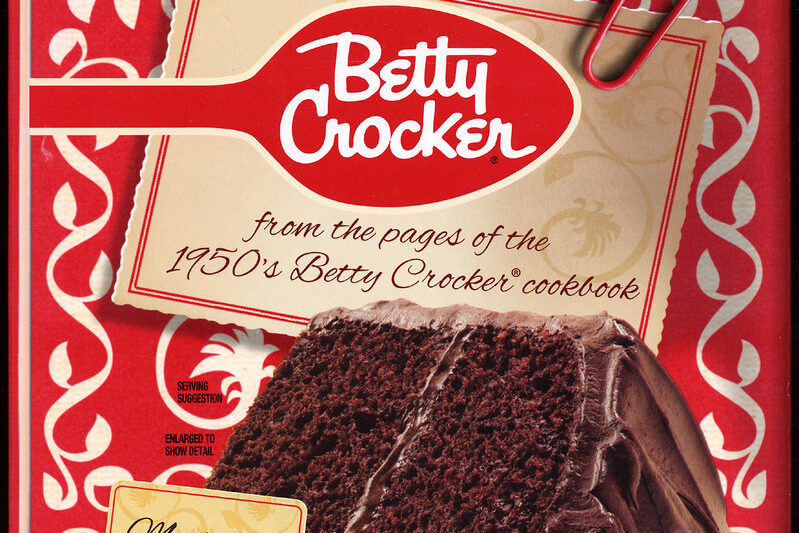
Betty Crocker extended beyond desserts into full dinner kits. Boxes promised meals that felt homemade with minimal effort. Instructions were friendly and reassuring. It felt like having help from an old friend.
The meals often needed extra ingredients, which surprised some cooks. Still, the brand trust carried a lot of weight. People believed if Betty said it would work, it probably would. That confidence was part of the appeal.
12. Armour Heat-and-Serve Meat Trays
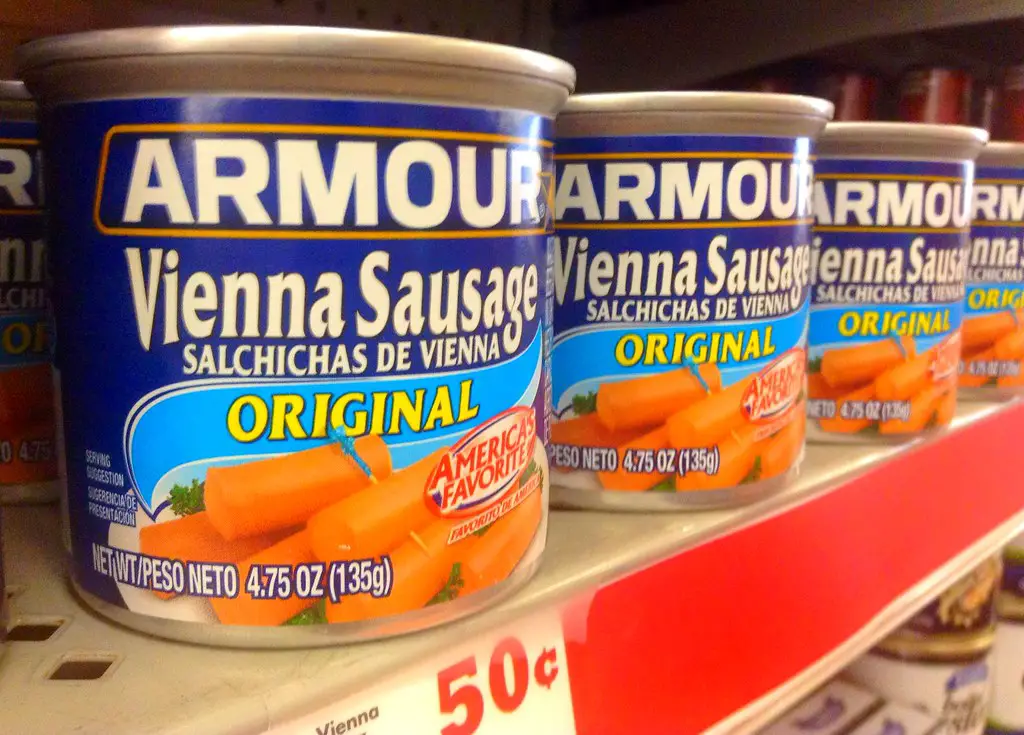
Armour offered pre cooked meat trays meant to simplify dinner planning. Turkey slices and gravy came ready to warm. The promise was protein without the hassle. Weeknight meals felt manageable.
Texture issues sometimes held them back. Meat could feel overly processed. Even so, the idea of ready meat was powerful. It foreshadowed today’s rotisserie chicken obsession.
13. Lean Cuisine One-Dish Dinners
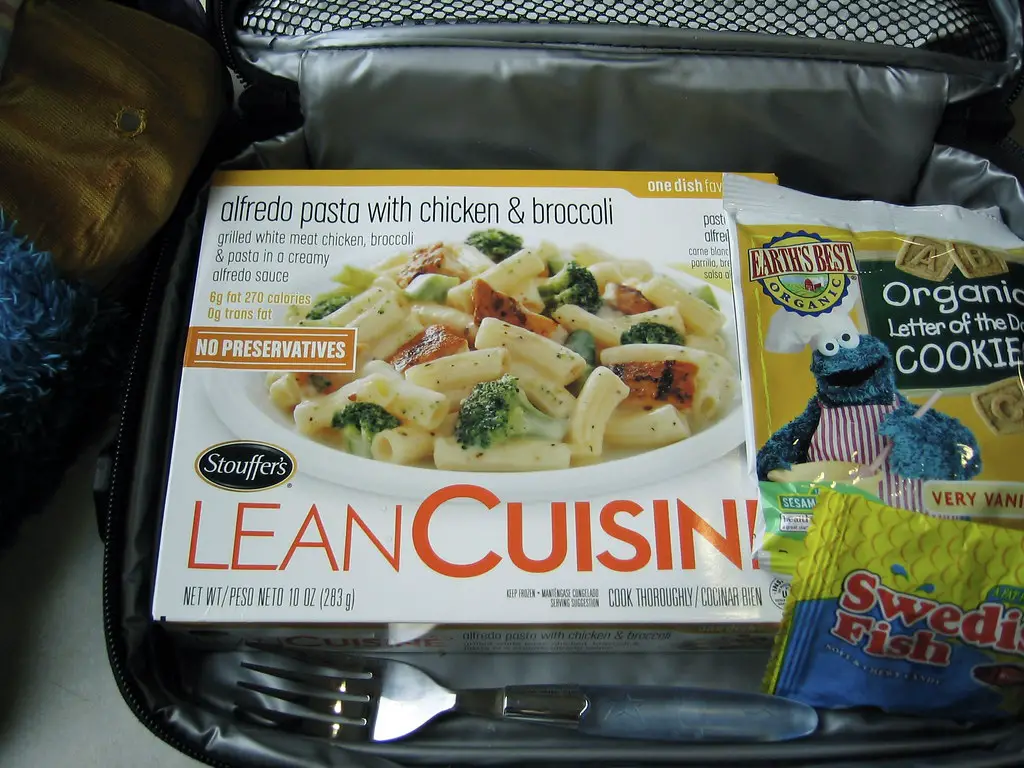
Lean Cuisine marketed full dinners that balanced convenience and portion control. Everything came in one tray, neatly separated. The promise was guilt free ease. It felt modern and responsible.
Flavor variety was limited at first. Meals could feel repetitive over time. Still, they changed expectations for frozen food. Dinner could be fast and intentional at the same time.
14. Pepperidge Farm Frozen Skillet Classics

Pepperidge Farm experimented with frozen meals meant to be finished on the stove. The idea was better texture and fresher flavor. It sounded like the best of both worlds. Ads leaned hard into quality.
Results varied depending on how carefully you cooked them. Some meals impressed, others fell flat. Even so, they pushed convenience food beyond the microwave. For a while, the skillet felt like the future of fast dinners.
15. Pillsbury Skillet Dinner Helpers

Pillsbury created skillet helpers that promised guided cooking. Sauces and seasoning mixes walked cooks through dinner. Instructions were clear and friendly. Confidence mattered.
Meals depended heavily on added ingredients. Results varied. But the guidance helped hesitant cooks. Dinner felt manageable.
16. McCormick Bag ’n Season Complete Dinner Kits

McCormick leaned into oven bag cooking with seasoning blends designed to handle the entire meal. You tossed meat and vegetables into the bag, added the seasoning, and let the oven do the rest. The promise was bold flavor without measuring. It felt foolproof.
Everything cooked at the same pace, which did not always work in its favor. Vegetables softened quickly and meat rarely browned. Still, the flavors were reliable. For many cooks, seasoning confidence mattered more than texture.
17. Ortega Skillet Dinner Kits
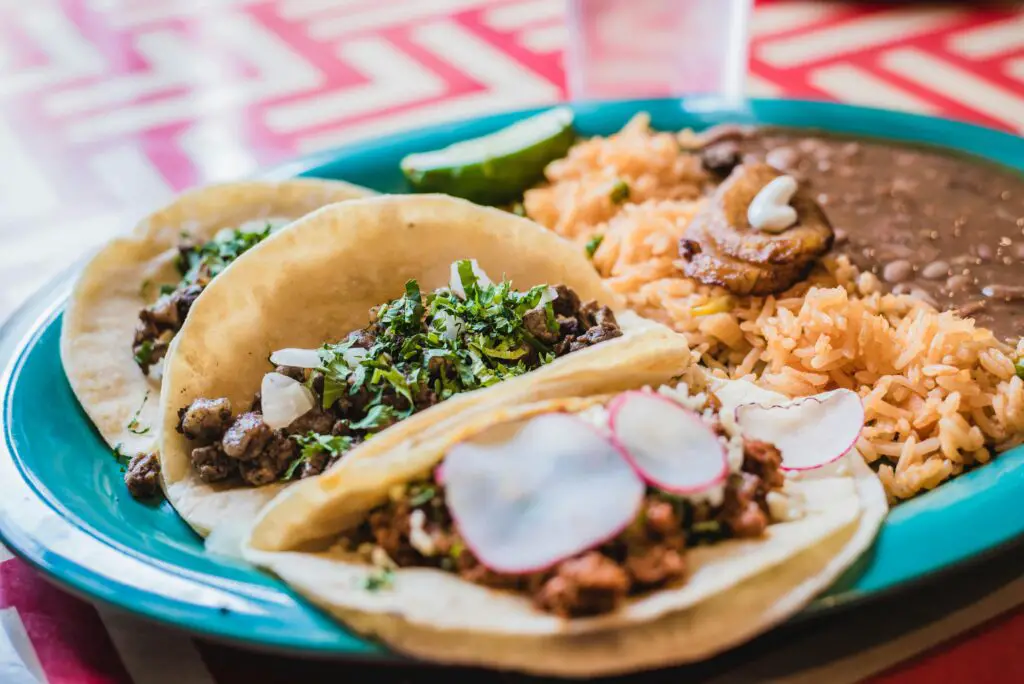
Ortega tried to expand taco night into full skillet dinners. Kits included seasoning and sauce meant to turn meat and starch into a complete meal. It felt familiar but slightly new. Weeknight dinners leaned Tex-Mex.
The flavors stayed mild and predictable. Meals blurred together if you made them often. Still, these kits made skillet cooking feel exciting. Dinner gained a little personality.
18. Swanson Heat-and-Serve Poultry Dinners
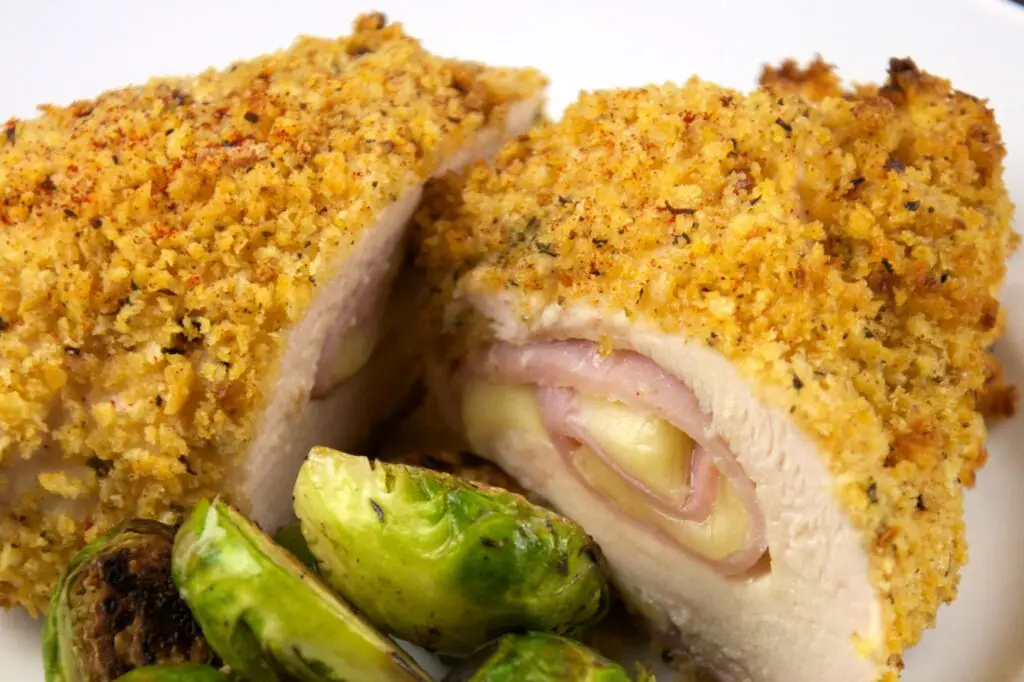
Swanson experimented with poultry based meals that skipped most prep. Turkey and chicken dinners came fully cooked with gravy and sides. You heated and served. Dinner planning disappeared.
Texture sometimes held them back. Meat could feel overly soft. Even so, the idea of instant poultry was powerful. It paved the way for modern ready-to-eat proteins.