
1. Black Cats Bring Bad Luck or Good Luck
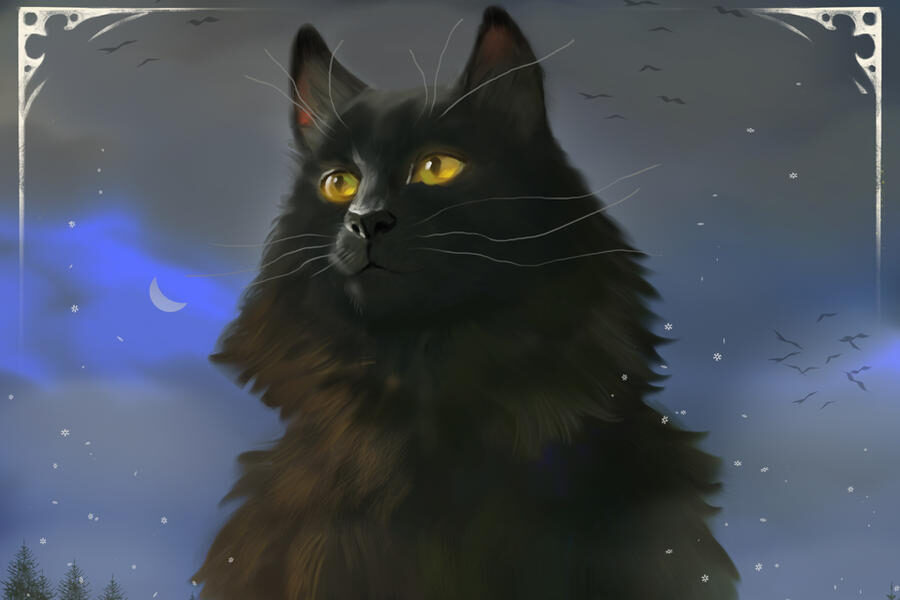
In much of Western Europe and the United States, black cats have long been treated as walking bad omens. People believed crossing paths with one could ruin a day, a journey, or even a marriage proposal. That fear often traced back to medieval Europe, where black cats were associated with witches and dark magic. Some households genuinely avoided adopting them because of those lingering stories.
In parts of the United Kingdom, Japan, and Scotland, the belief flips entirely. Black cats are seen as lucky, especially for sailors, brides, and shop owners. A black cat showing up at your door was thought to mean prosperity was on the way. Even today, those regional differences quietly shape how people feel when a black cat appears.
2. Cats Can Steal a Baby’s Breath

This superstition spread through parts of Europe and early America and terrified parents for generations. People believed cats were drawn to the scent of milk on a baby’s breath and could accidentally suffocate them. The idea was reinforced by tragic infant deaths that had other causes but no clear explanation at the time. Cats quickly became an easy target for fear and grief.
While completely untrue, the belief stuck and led many families to keep cats out of nurseries. Old newspapers even warned parents about the danger. The myth still pops up today, passed down as a half remembered warning from grandparents. It is one of the most persistent and unsettling cat superstitions.
3. Cats Can Predict the Weather
Across rural Europe and parts of North America, cats were believed to act as tiny weather forecasters. A cat washing behind its ears supposedly meant rain was coming. Sudden bursts of wild behavior were blamed on approaching storms. Farmers often watched their cats closely before deciding when to plant or harvest.
These beliefs likely came from cats reacting to changes in air pressure and humidity. Over time, those observations turned into folklore. Even now, people joke about their cat “calling the weather” when it acts strange. It is one superstition that feels oddly believable, even if science explains it differently.
4. Cats Can See Spirits and the Supernatural
In many cultures, cats were believed to move easily between the physical and spiritual worlds. Their habit of staring at empty corners or reacting to things humans cannot see fueled those ideas. In parts of Asia and Eastern Europe, this made cats both respected and feared. A cat hissing at nothing was thought to mean something unseen had entered the room.
Some households welcomed this ability and treated cats as protectors. Others worried the cat might be communicating with spirits instead. The belief still shows up today when someone jokes that their cat sees ghosts. Cats’ mysterious behavior keeps this superstition alive.
5. A Cat Crossing Your Path Is a Sign
In many European regions, the direction a cat crossed your path mattered. A black cat crossing left to right could mean disaster, while right to left might cancel the bad luck. Travelers sometimes stopped walking entirely to avoid tempting fate. The superstition blended fear, chance, and anxiety about the unknown.
Different regions adjusted the meaning over time. In some places, any cat crossing your path was bad news. In others, only black cats counted. Even now, people hesitate for a split second when it happens, half laughing at themselves. Old habits die hard.
6. Cats Are Familiars for Witches
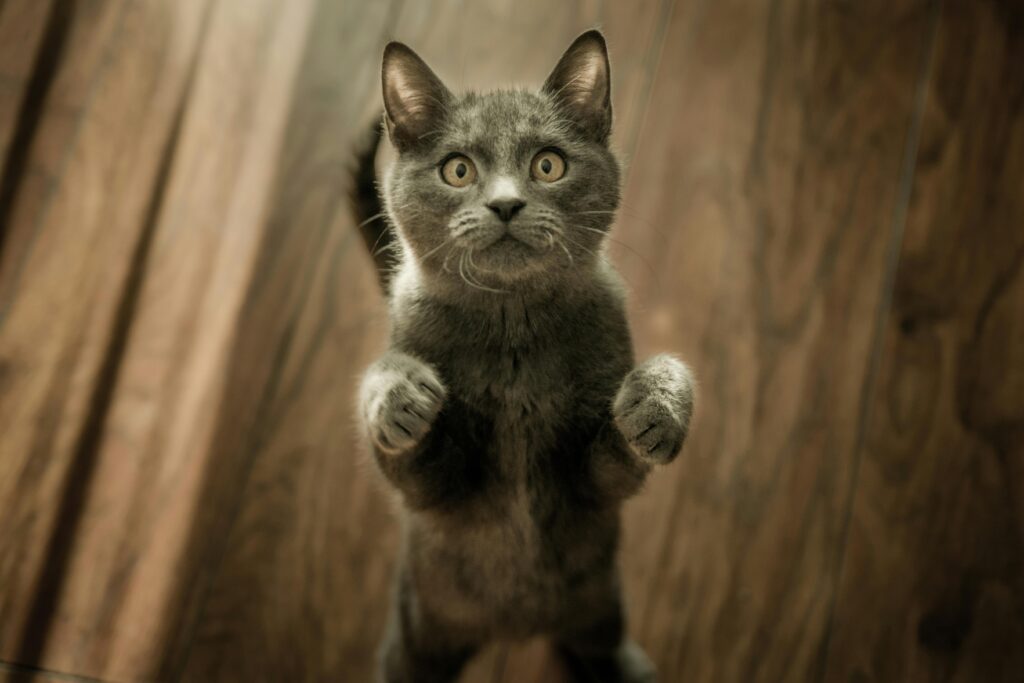
This belief spread widely during the witch trials across Europe. Cats, especially black ones, were thought to assist witches or even be witches in disguise. A woman with several cats could draw suspicion simply for that reason. Entire communities learned to fear the animals alongside the people accused.
The superstition caused enormous harm to both cats and humans. Many cats were killed because of these beliefs. Even after the witch trials ended, the association lingered. That history still shapes modern Halloween imagery and pop culture.
7. Cats Bring Good Luck to Sailors
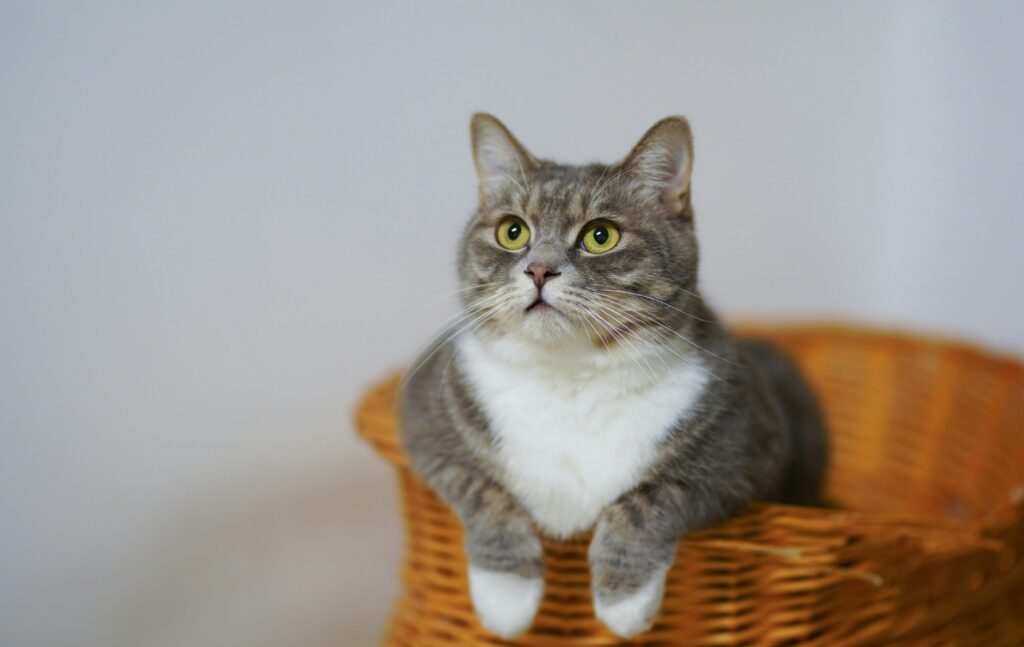
Along coastal regions of Europe, cats were considered lucky aboard ships. Sailors believed cats protected against storms and shipwrecks. They were also valued for keeping rats away, which likely strengthened the superstition. A cat falling overboard was considered a terrible omen.
Some families kept cats at home to ensure their sailor returned safely. The belief mixed practical benefits with emotional comfort. Over time, cats became symbols of safe passage and protection at sea. It is one of the more positive cat superstitions.
8. A Sneezing Cat Means Good Fortune
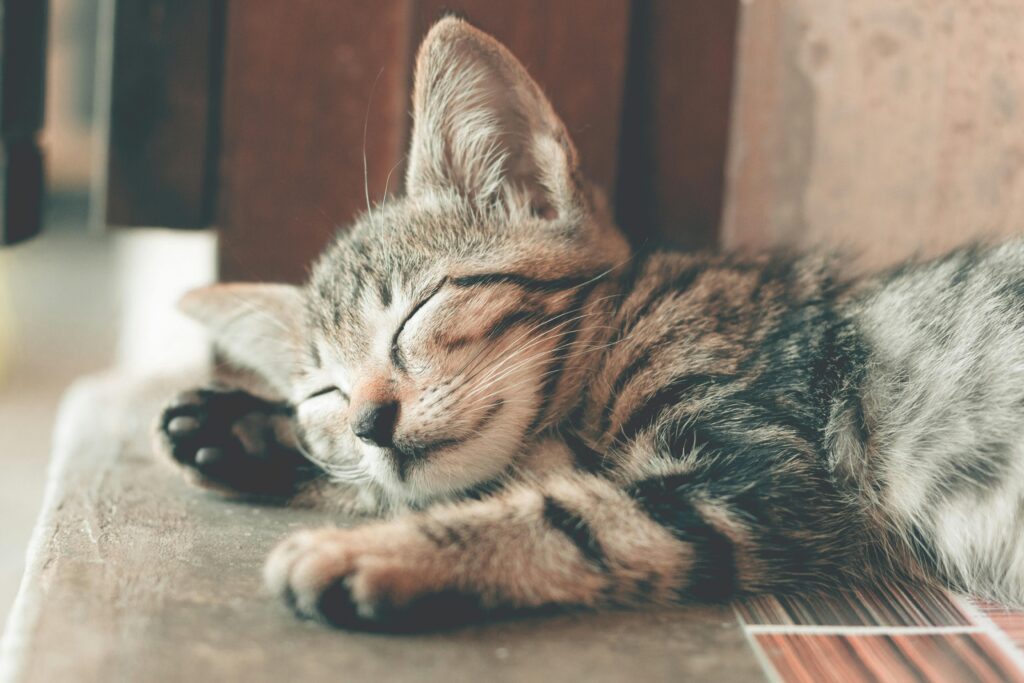
In Japan, a sneezing cat is often seen as a sign of good luck. Some traditions say it means someone is speaking kindly about you. Others believe it signals incoming wealth or happiness. The sound itself became a small moment of celebration.
This superstition spread regionally and still pops up in modern conversation. People smile instead of worry when it happens. Compared to darker beliefs, this one feels gentle and hopeful. It shows how cats can symbolize good things just as easily as fear.
9. Cats Must Not Jump Over a Corpse
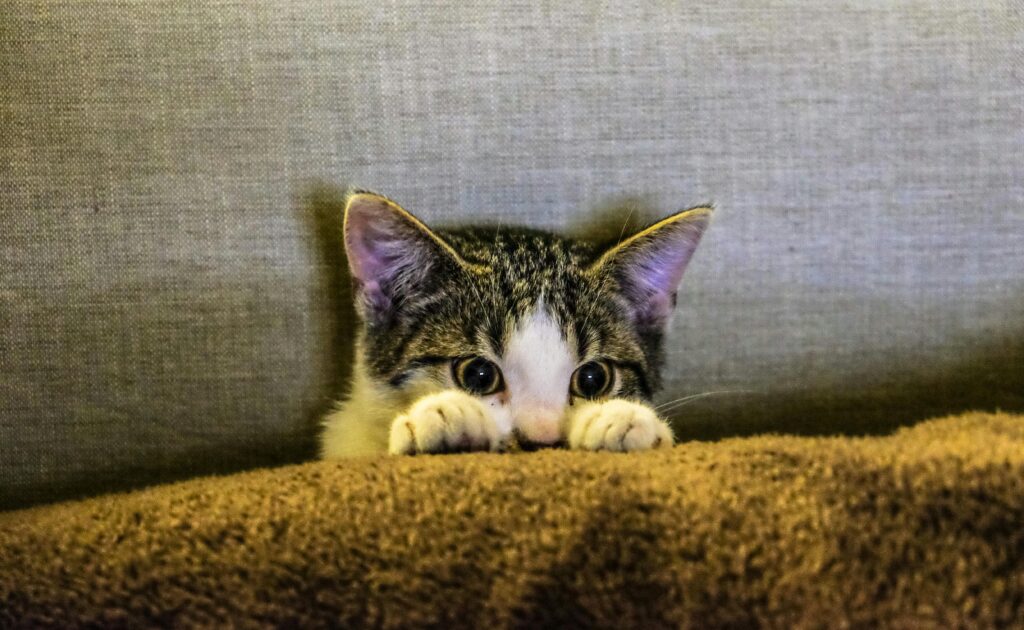
In parts of Eastern Europe, there was a strong belief that a cat jumping over a dead body would prevent the soul from resting. Families kept cats locked away during wakes and funerals. The fear was that the deceased might rise or suffer spiritually. Cats were blamed simply for being curious.
This superstition reflects deep anxiety about death and the afterlife. Cats’ unpredictable movements made them seem dangerous in solemn moments. Even today, some older traditions still quietly follow this rule. It is a reminder of how folklore shapes ritual.
10. A Cat Washing Its Face Means Visitors Are Coming
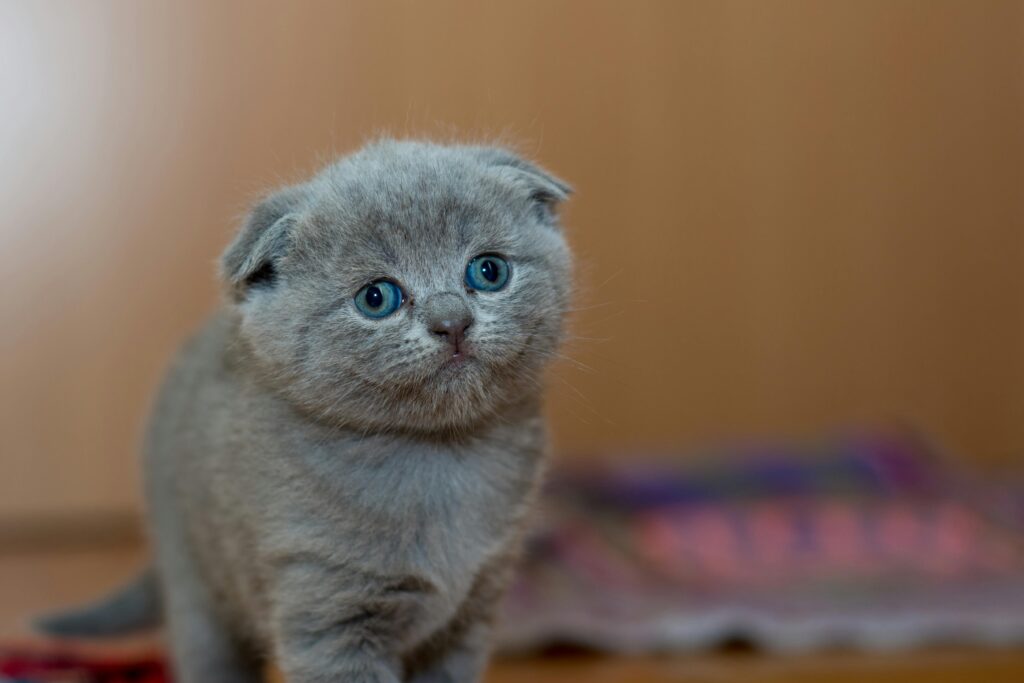
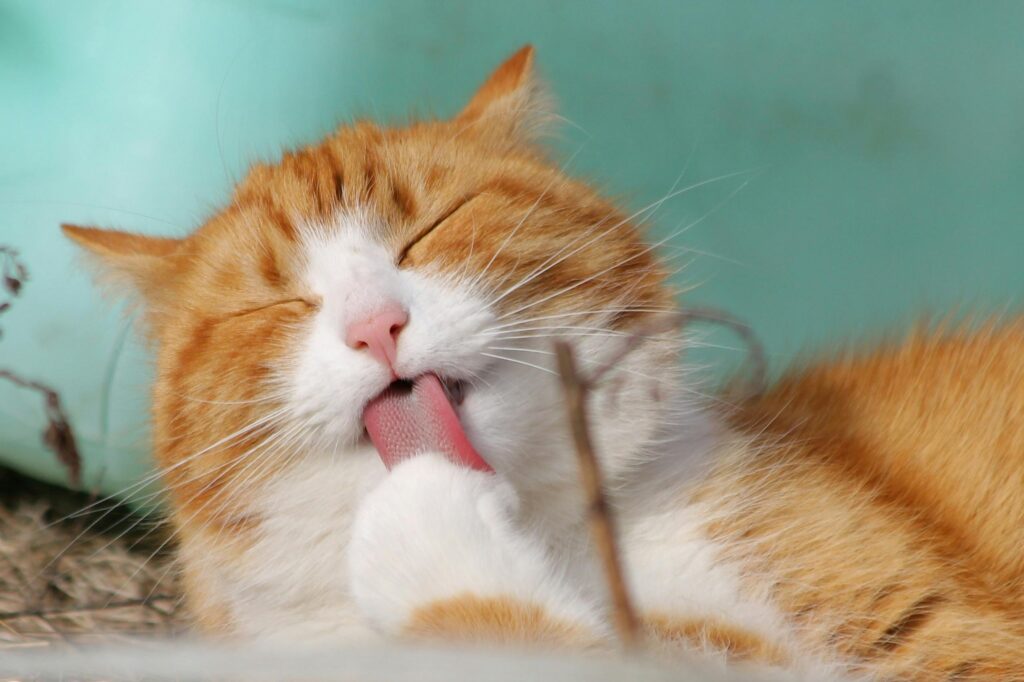
This superstition spread across Europe and later America. People believed the direction a cat washed its face predicted who would arrive. Washing toward the ears meant guests, while certain motions meant strangers. It turned ordinary grooming into a sign from fate.
Families often joked about it while secretly watching for visitors. The belief made cats feel like part of household rhythms. Even now, people mention it casually when someone knocks soon after. It is a charming superstition that adds meaning to everyday behavior.
11. Tortoiseshell Cats Bring Special Luck
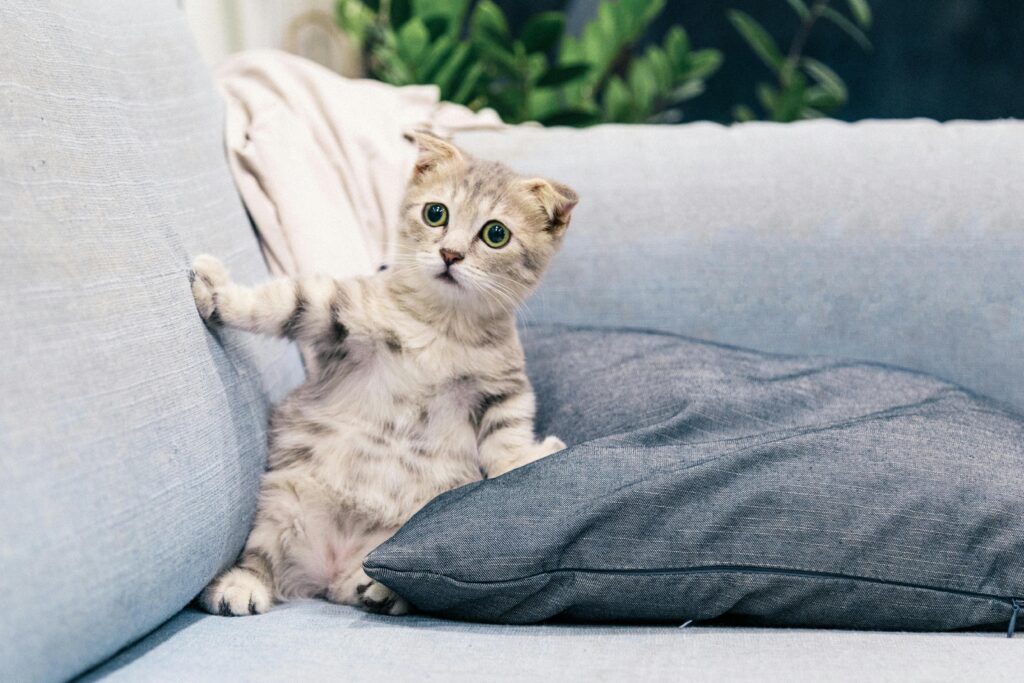
In parts of Britain and the United States, tortoiseshell cats were thought to bring prosperity. Their unusual coloring made them seem magical. Some believed they protected homes from fire or illness. Sailors sometimes considered them especially lucky companions.
The superstition likely came from their rarity and striking appearance. Over time, it became another example of cats tied to fortune. Many owners still proudly call their torties lucky charms. It is one of the more affectionate beliefs.
12. Cats Choose Their Owners for a Reason
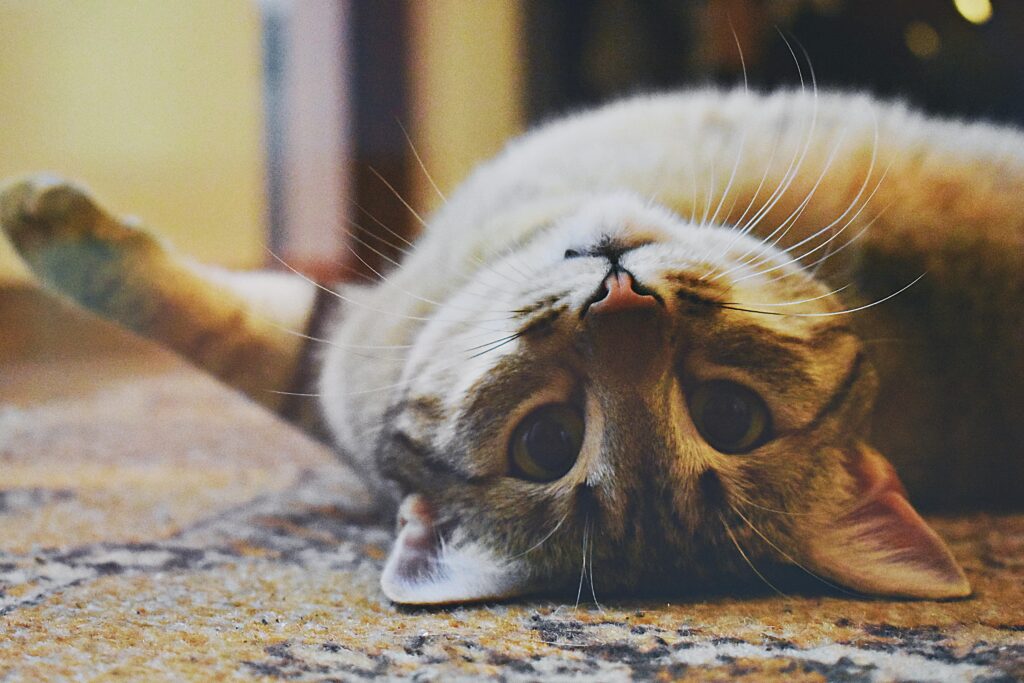
Across many cultures, people believe cats do not end up with someone by accident. If a cat chooses you, it is said to mean protection or destiny. Stray cats showing up at doors were often treated as meaningful signs. Turning one away felt risky to some families.
This belief turns independence into symbolism. Cats’ selective affection reinforces the idea. Even today, people say they were “chosen” by their cat. It is a superstition that feels comforting rather than frightening.