
1. Roman Urine Collector

In ancient Rome, urine was not considered waste, it was a valuable commodity. Public urinals were placed around cities so people could contribute without even realizing they were part of a supply chain. Urine contains ammonia, which made it useful for cleaning and dyeing fabrics. The job of collecting it was officially recognized and taxed.
Fullers, who cleaned and processed cloth, relied heavily on these collectors to keep their workshops running. Emperor Vespasian famously imposed a tax on urine collection, proving how normalized the practice was. To modern ears it sounds absurd, but to Romans it was simply smart resource use. Someone really did wake up every day knowing their job was urine.
2. Egyptian Mummy Unwrapper
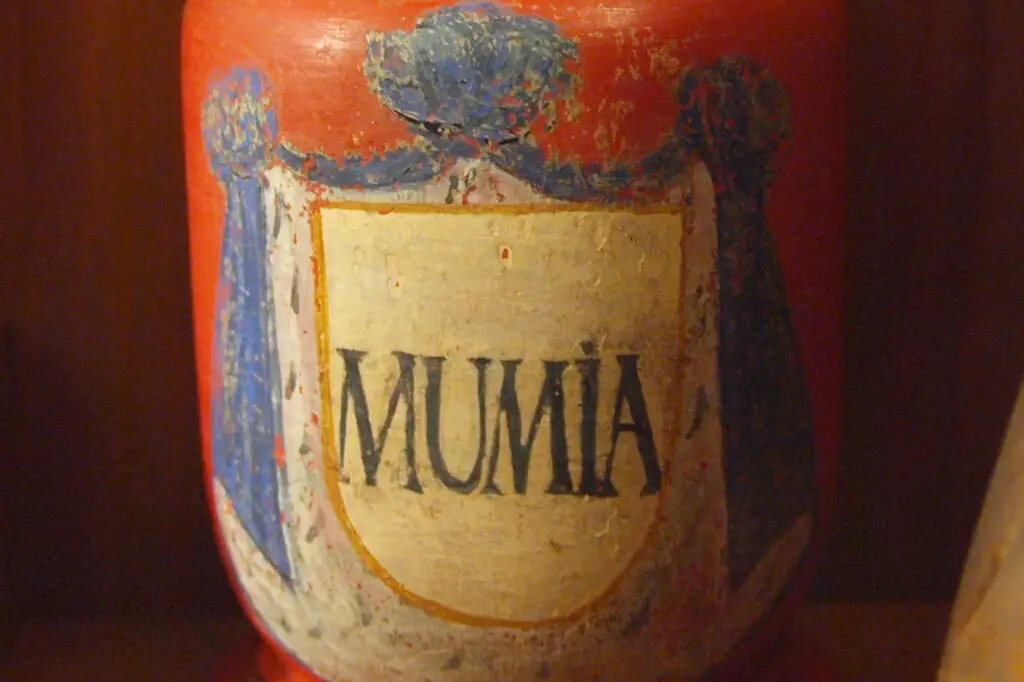
In ancient Egypt, embalming was sacred work carried out by trained specialists. Part of the process involved carefully removing organs and wrapping the body in linen. These workers had to follow strict religious rules to ensure the deceased’s safe journey to the afterlife. One mistake could be seen as a spiritual disaster.
The job required both anatomical knowledge and ritual precision. Mummification could take weeks, making it a full time profession rather than a side task. It was respected work, even if the daily duties were intense. Handling the dead was not taboo, it was holy.
3. Royal Food Taster

Many ancient rulers feared poisoning more than rebellion. To protect themselves, they employed official food tasters who sampled every dish before it reached the ruler. If the food was poisoned, the taster would show symptoms first. It was a job that came with prestige and constant danger.
In some courts, tasters were trusted advisors, not just expendable servants. Their survival was seen as proof of loyalty and skill. It required a strong stomach and a calm attitude toward risk. Few jobs carried such an obvious life or death clause.
4. Roman Gladiator Sweat Collector
Gladiators were celebrities in ancient Rome, and people wanted everything connected to them. After fights, attendants collected sweat and grime scraped from gladiators’ bodies. This mixture was sold as a cosmetic believed to improve skin. It was especially popular among wealthy women.
The collectors worked in bathhouses and arenas, carefully preserving the substance. It was packaged and sold like a luxury product. Today it sounds deeply strange, but Romans saw it as glamorous. Fame extended far beyond the arena.
5. Medieval Executioner
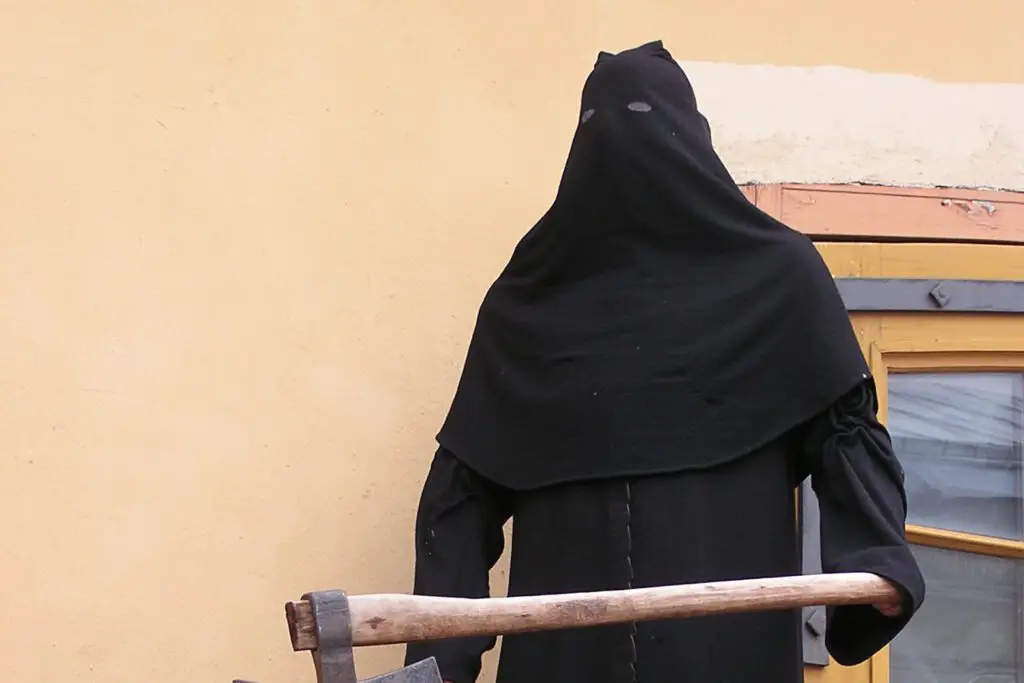
Executioners were necessary but deeply stigmatized figures in medieval society. They carried out official punishments, from beheadings to hangings. Despite working for the law, they were often socially isolated. Many lived on the outskirts of town.
The job was usually passed down through families because few outsiders wanted it. Executioners also handled torture and sometimes corpse disposal. They were feared, avoided, and yet relied upon. It was a lonely profession with enormous responsibility.
6. Ancient Roman Sewer Cleaner
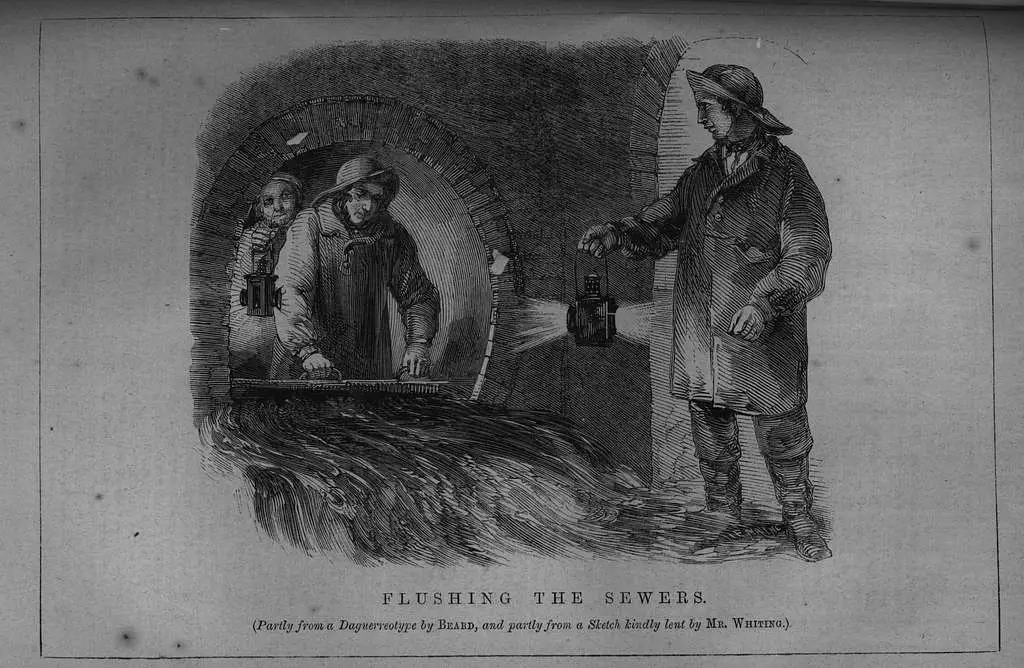
Rome’s advanced plumbing required constant maintenance. Sewer cleaners worked inside the Cloaca Maxima, one of the world’s earliest sewer systems. The conditions were dark, filthy, and dangerous. Flooding and toxic gases were constant risks.
Despite the hazards, the job was essential for public health. These workers prevented waste from backing up into streets and homes. They rarely received praise for their efforts. It was a job people noticed only when it went wrong.
7. Greek Human Alarm Clock
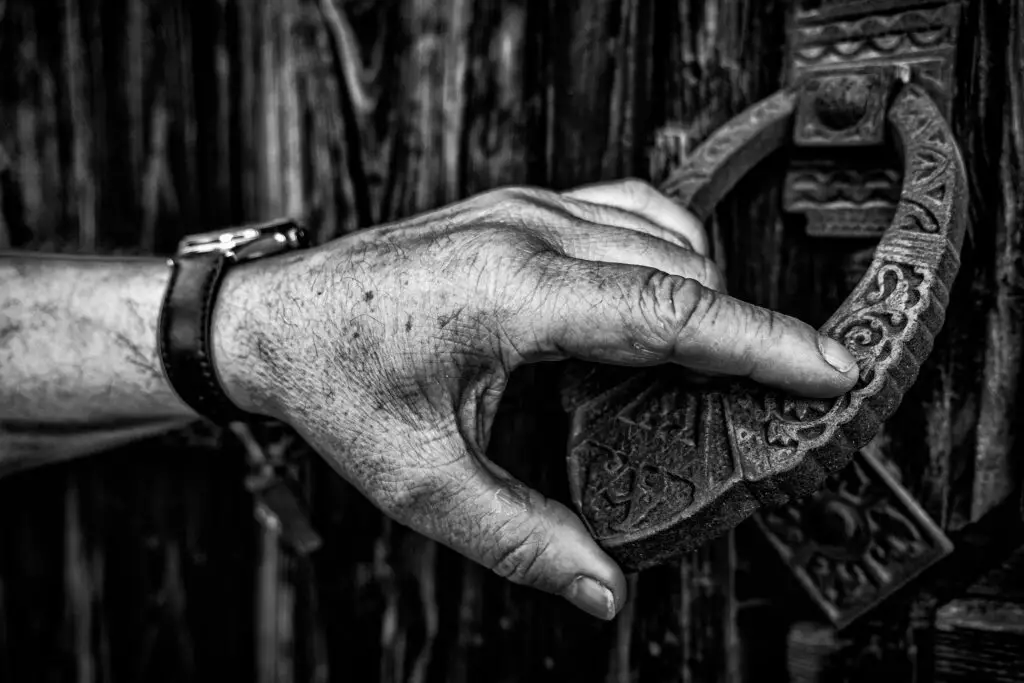
Before mechanical clocks, some wealthy Greeks hired people to wake them at specific times. These human alarm clocks used knocking, shouting, or small stones thrown at windows. Accuracy mattered, especially for officials and philosophers with strict schedules. Oversleeping was not an option.
The job required careful time tracking using sundials or water clocks. Reliability was everything, and mistakes could cost employment. It sounds simple, but it demanded consistency and trust. Someone’s entire job was making sure others woke up.
8. Ancient Chinese Court Eunuch

Eunuchs served in imperial courts for thousands of years. Because they could not produce heirs, they were seen as safer servants around royalty. Many held significant administrative and political power. Some even became kingmakers.
The position came at a severe personal cost. It involved permanent physical alteration and lifelong service. Despite that, families sometimes offered sons in hopes of influence. Power and sacrifice were tightly intertwined.
9. Viking Skald
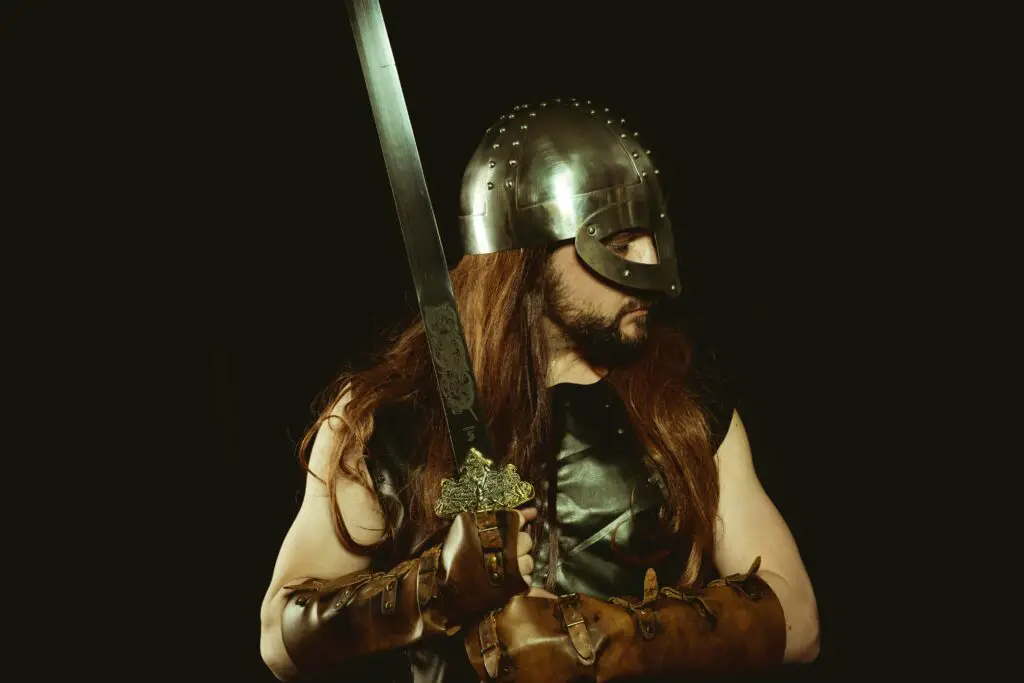
Skalds were professional poets in Viking society. They memorized long verses celebrating leaders, battles, and family lines. Their words preserved history in a largely oral culture. A skilled skald could enhance a warrior’s reputation for generations.
The job required creativity, memory, and diplomacy. Insulting the wrong person with a poorly chosen verse could be dangerous. Skalds often traveled with leaders, acting as both artists and historians. Poetry carried real power.
10. Roman Augur
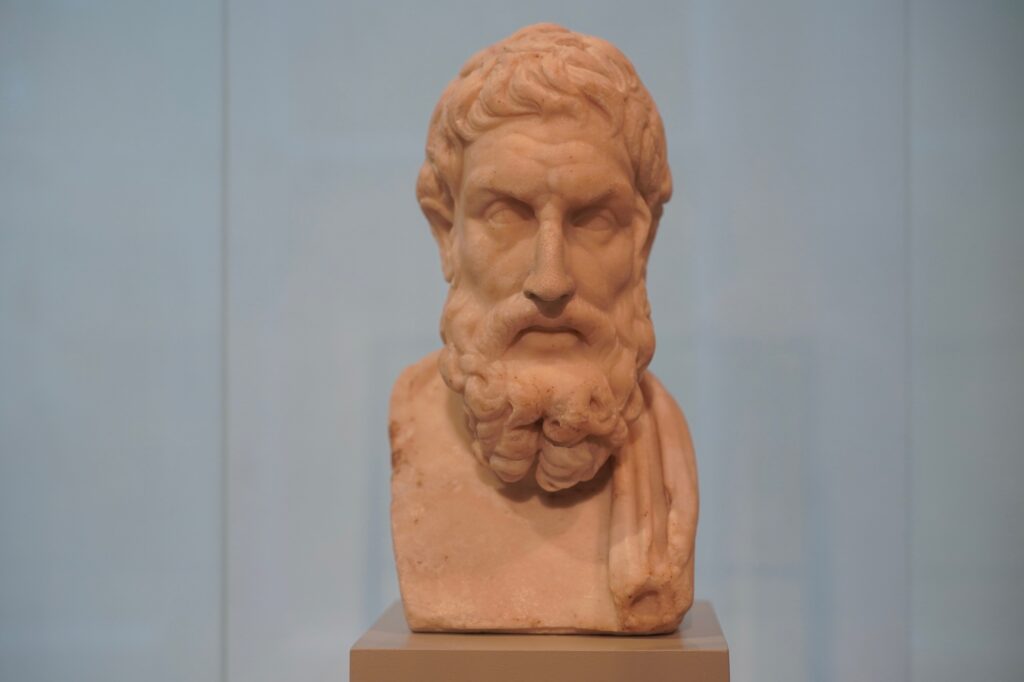
Augurs were priests who interpreted the will of the gods by observing birds. Flight patterns, calls, and behavior were believed to reveal divine messages. Important decisions were often delayed until an augur gave approval. Politics and religion were closely linked.
This was not casual bird watching. Augurs underwent training and held official status. Their interpretations could influence wars and laws. Reading the sky was serious business.
11. Medieval Leech Collector

Medical practices once relied heavily on leeches for bloodletting. Collectors gathered them from ponds and marshes. It was uncomfortable and sometimes painful work. Leeches often attached themselves during collection.
The job supported doctors and barber surgeons. Healthy leeches were valuable and carefully stored. Today it sounds unpleasant, but it was part of mainstream medicine. Healing once involved a lot more biting.
12. Ancient Roman Sandman

In Roman arenas, attendants raked and replaced sand during games. The sand absorbed blood from fights and executions. Keeping the surface clean was essential for visibility and safety. It was constant work during events.
These workers stayed just out of the spotlight. Without them, spectacles would quickly descend into chaos. Their role made violence presentable to crowds. It was maintenance with a dark edge.
13. Egyptian Sacred Animal Caretaker
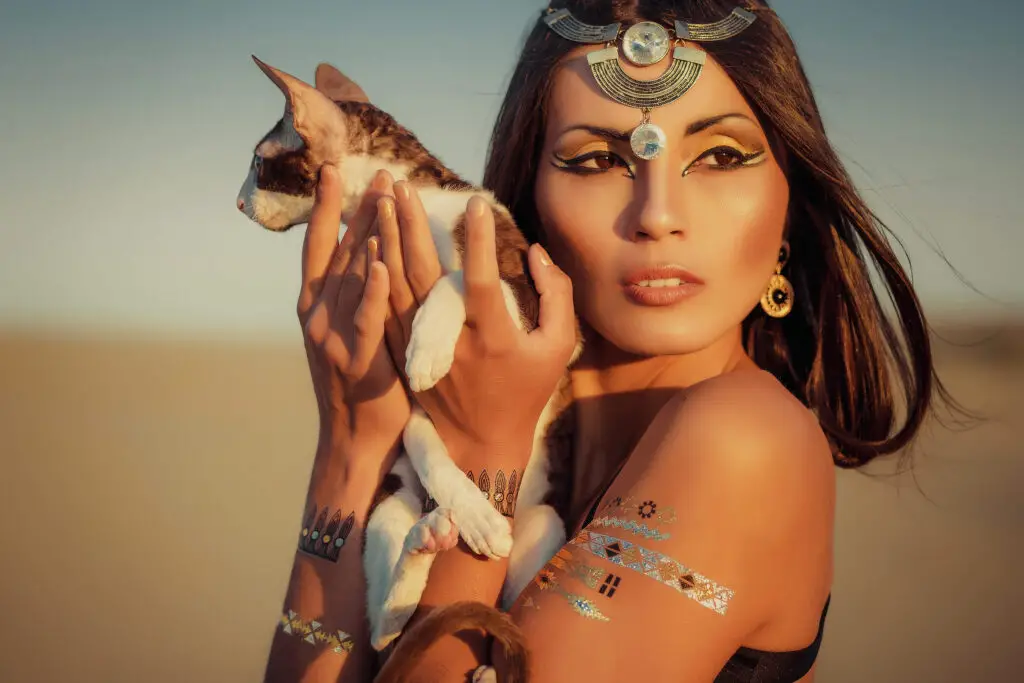
Ancient Egyptians believed certain animals were manifestations of gods. Sacred cats, crocodiles, and ibises were housed in temples. Caretakers fed, cleaned, and protected them. The animals were treated with deep reverence.
This job blended religion and animal care. Mistreating a sacred animal could bring severe punishment. Some animals were even mummified after death. Caring for gods sometimes meant cleaning cages.