
1. Jell-O Vegetable Salads
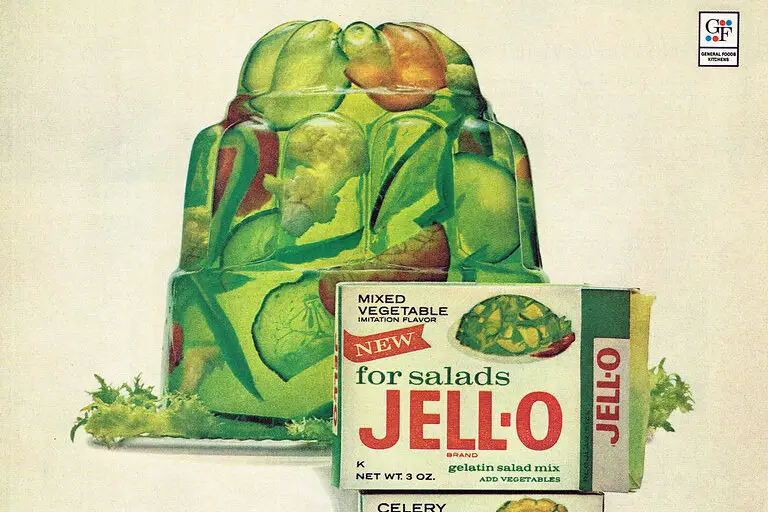
For a brief moment, it felt like every party table featured a shimmering mold filled with lime gelatin, shredded carrots, and olives. These salads were marketed as modern, efficient, and even glamorous, which now feels a little unbelievable. Cookbooks promised they were the future of entertaining, especially for busy homemakers. The problem was that most people took one polite bite and never wanted another.
Once tastes shifted back toward fresher flavors, these wobbly creations disappeared almost overnight. Even in their heyday, they were more admired than actually eaten. By the time the trend faded, people were quietly relieved. Today, they mostly survive as punchlines and retro recipe curiosities.
2. Colored Ketchup

When ketchup suddenly turned purple, green, and blue, it felt like a prank that somehow made it to grocery shelves. These bottles were aimed squarely at kids, promising fun without changing the flavor. Parents bought them once, mostly out of curiosity or desperation at dinner time. The novelty wore off fast when everyone realized it was still just ketchup, only stranger.
Sales dropped quickly once the shock value disappeared. The colors didn’t improve meals and often made food look less appetizing. Within months, most stores stopped carrying them. Regular red ketchup reclaimed its throne without much resistance.
3. Fat-Free Everything
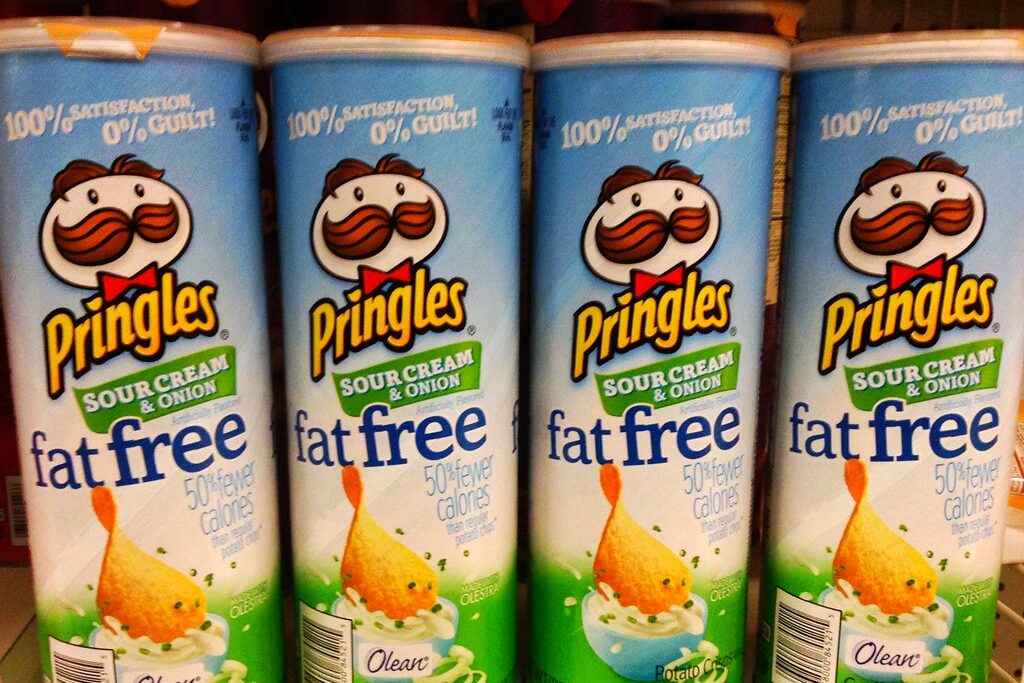
There was a moment when removing fat was treated like a miracle solution to healthy eating. Cookies, chips, and even cheese were stripped of fat and loaded with sugar or additives instead. People were excited at first, believing they could eat unlimited amounts without consequences. The taste, however, was often disappointing and oddly artificial.
Nutrition science eventually caught up with the trend. Once people realized fat wasn’t the real villain, enthusiasm collapsed quickly. Products vanished from shelves almost as fast as they appeared. Today, those labels feel like a relic of confused diet advice.
4. Blackened Foods Craze
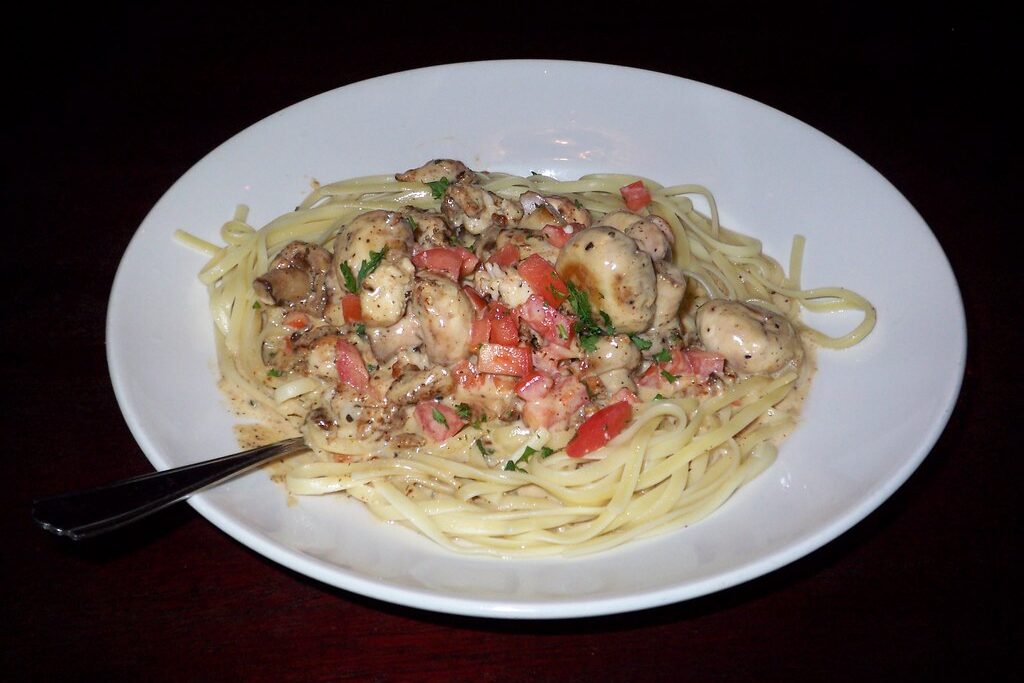
Suddenly, everything was blackened, from chicken to fish to vegetables. Restaurants leaned hard into the bold seasoning and dramatic presentation. It felt edgy and exciting, especially for diners craving something new. Unfortunately, many dishes ended up tasting more burnt than flavorful.
The line between spicy and charred proved hard to balance. Customers tired of the harsh flavors and smoky aftertaste. Within a short time, menus quietly removed the word “blackened.” The trend faded back into a niche cooking style instead of a full-blown movement.
5. Squeezable Yogurt for Adults
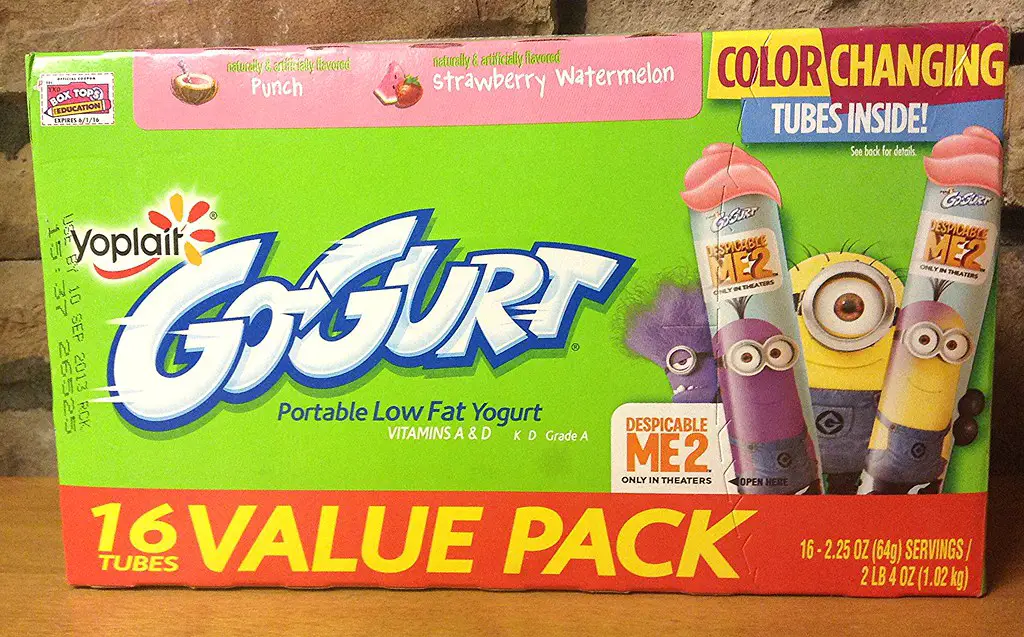
Squeezable yogurt was meant to make breakfast portable and modern. Adults were encouraged to sip it straight from a tube like it was perfectly normal. At first, it seemed convenient for busy mornings. But many people quickly realized they missed spoons and real texture.
The packaging felt more childish than practical. Yogurt also tended to spill or taste overly sweet. Within months, the novelty wore thin. Traditional cups returned as the preferred option for most shoppers.
6. Sun-Dried Tomato Everything
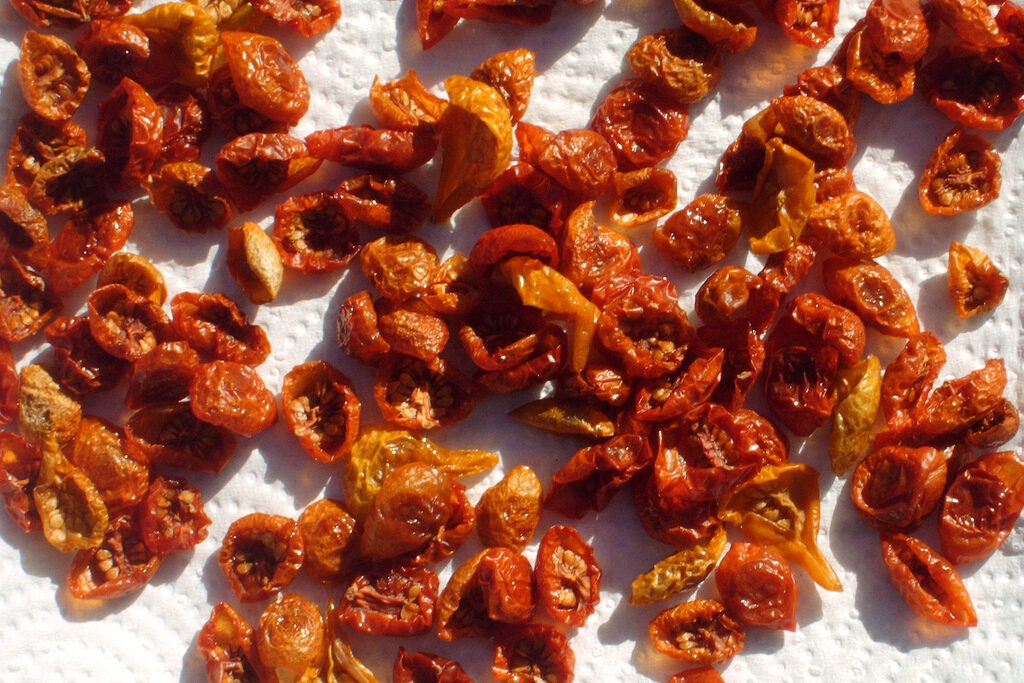
For a while, sun-dried tomatoes showed up in every dish imaginable. Pastas, sandwiches, and even breads were overloaded with their intense flavor. Chefs loved them because they felt Mediterranean and upscale. Diners initially agreed, until every meal started tasting the same.
The flavor fatigue hit quickly. What once felt sophisticated began to feel overpowering. Restaurants scaled back just as fast as they had embraced it. Today, sun-dried tomatoes appear sparingly, exactly where they belong.
7. Crystal Pepsi
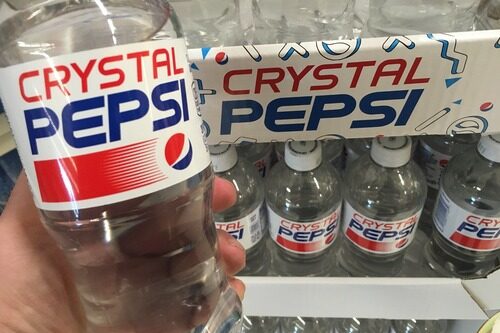
Clear cola was introduced as the future of soda. The idea was that transparency meant purity and freshness. People bought it out of sheer curiosity, unsure what to expect. What they got was cola that looked like water and confused the senses.
The novelty couldn’t overcome the disconnect between appearance and taste. Consumers lost interest quickly. Sales dropped within months of launch. Crystal Pepsi became a famous lesson in marketing misfires.
8. Frozen Yogurt Toppings Bars
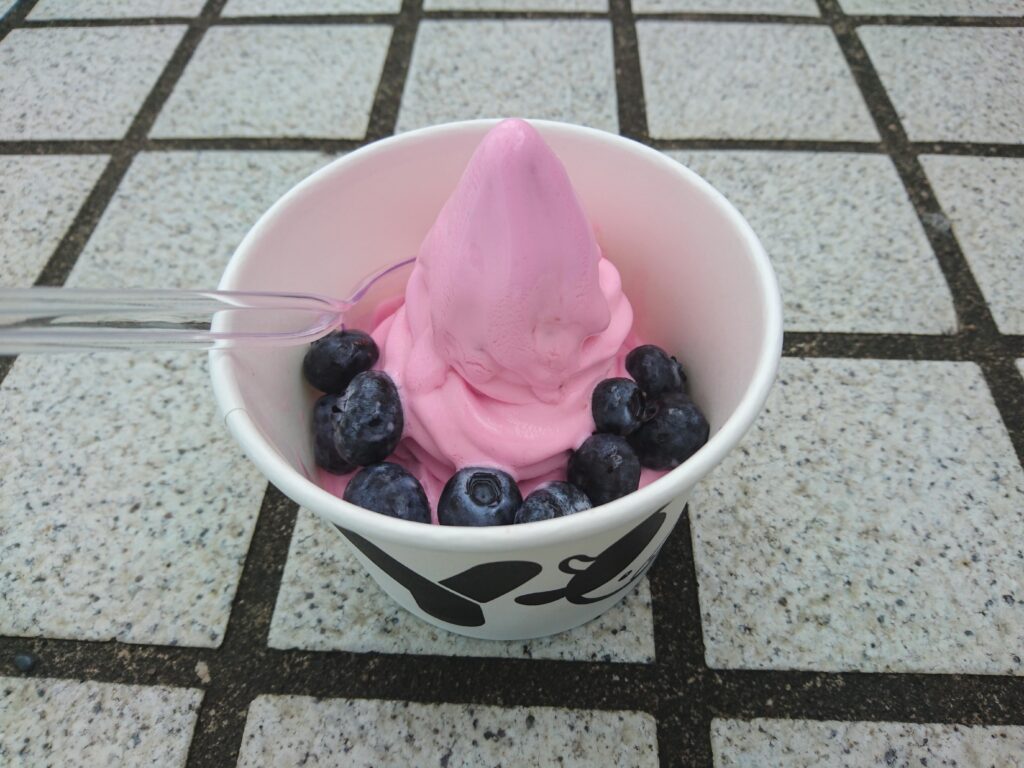
Frozen yogurt shops exploded with self-serve topping stations that felt endless. Candy, syrups, cereal, and cookies piled high on cups meant to be “healthier.” At first, it felt empowering to customize everything. Soon, the portions became overwhelming and expensive.
The illusion of health faded fast. People realized they were eating dessert disguised as virtue. Many shops closed just as quickly as they opened. The trend burned bright and vanished just as fast.
9. Savory Gelato

For a brief period, gelato shops experimented with flavors like basil, olive oil, and tomato. These were pitched as daring and sophisticated. Curious customers tried a scoop, often out of politeness. Few came back for a second helping.
Dessert expectations proved hard to rewrite. Most people wanted sweet, not confusing. The novelty wore off within months. Savory gelato retreated to experimental menus and food festivals.
10. Activated Charcoal Foods

Charcoal suddenly appeared in ice cream, lemonade, and burger buns. It looked striking and promised detox benefits. Social media loved the dramatic black color. Nutrition experts quickly pointed out the health claims were shaky at best.
Once the skepticism spread, excitement cooled fast. People worried more about staining their teeth than detoxing. Restaurants moved on to the next visual trend. Charcoal foods faded almost as quickly as they appeared.
11. Spray-On Cooking Oils with Flavor

Cooking sprays went through a phase of intense flavor experimentation. Butter, garlic, cheese, and even dessert flavors lined shelves. Shoppers were intrigued by the promise of big taste with no effort. In practice, the flavors often felt artificial and unnecessary.
Most cooks preferred real ingredients. The sprays didn’t enhance dishes the way people hoped. Interest dropped within months. Only basic nonstick spray survived the trend.
12. Mini Everything Plates

Restaurants briefly obsessed over miniature portions served on tiny plates. The idea was elegance and control. Diners liked the novelty at first and snapped photos. Hunger set in quickly once the plates arrived.
Customers felt underwhelmed and overcharged. The charm wore off fast when meals felt incomplete. Restaurants quietly returned to normal portions. The tiny plate era ended almost as soon as it began.
13. Bacon Desserts
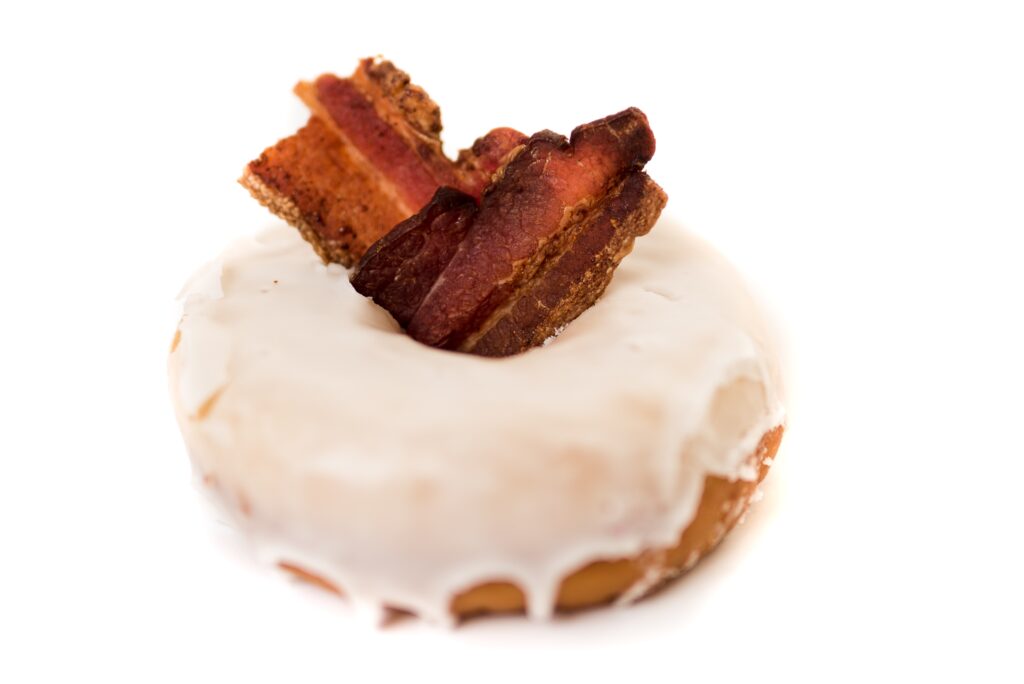
Bacon suddenly appeared in cupcakes, ice cream, and chocolate bars. Sweet and salty sounded exciting in theory. A bite or two felt fun and rebellious. Eating a full dessert, however, was another story.
The novelty couldn’t sustain long-term interest. Many people decided bacon belonged on breakfast plates, not in frosting. Sales cooled rapidly. Bacon desserts became a brief footnote in food trend history.