
1. Hippocrates Promoted Clean Hands

Ancient Greek physicians did not know about germs, but Hippocrates strongly emphasized cleanliness in medical care. He believed that washing hands and keeping wounds clean reduced complications. At the time, this advice came from observation rather than science. Doctors noticed patients healed better when filth was avoided.
Centuries later, germ theory confirmed exactly why this worked. Clean hands reduce bacteria and infection risk. What seemed like simple hygiene advice turned out to be one of the most important medical principles ever. Sometimes watching patterns really does lead to truth.
2. Ancient Egyptians Used Honey on Wounds

Honey was commonly applied to cuts and burns in ancient Egypt. Healers believed it helped wounds heal faster and prevented rot. They did not understand bacteria, but they trusted the results they saw. Wounds treated with honey often healed more cleanly.
Modern science confirms honey has natural antibacterial properties. It also helps maintain moisture and promote tissue repair. Medical-grade honey is still used today in wound care. The ancients were onto something sweet and effective.
3. Greek Physicians Valued Fresh Air

Ancient Greek doctors believed fresh air was essential to good health. They advised patients to spend time outdoors and avoid stagnant indoor spaces. Poor air was thought to cause illness or weakness. This belief came from observing crowded cities and sick populations.
Today, we know fresh air improves oxygen intake and reduces airborne pathogens. Ventilation lowers the spread of disease. While their reasoning was incomplete, their instinct was right. Sometimes the simplest advice holds up best.
4. Ayurveda Encouraged Balance Over Extremes

Ancient Ayurvedic medicine emphasized balance in diet, activity, and lifestyle. Overeating, overworking, or emotional extremes were seen as harmful. Health was thought to come from harmony within the body. These ideas guided daily routines and food choices.
Modern medicine now recognizes the dangers of chronic stress and imbalance. Balanced nutrition and moderation support long-term health. While Ayurveda framed it spiritually, the outcome aligns with science. Balance still matters.
5. Roman Bathing Was About More Than Cleanliness

Romans built massive bathhouses not just for bathing, but for health. Warm water, steam, and social relaxation were believed to improve wellbeing. Bathing was seen as preventative medicine. It was part of daily life for many citizens.
We now know heat therapy can relax muscles and improve circulation. Bathing can reduce stress and support mental health. While Roman baths were not sterile, the concept had merit. Their idea of wellness was surprisingly holistic.
6. Ancient Chinese Medicine Linked Diet and Health
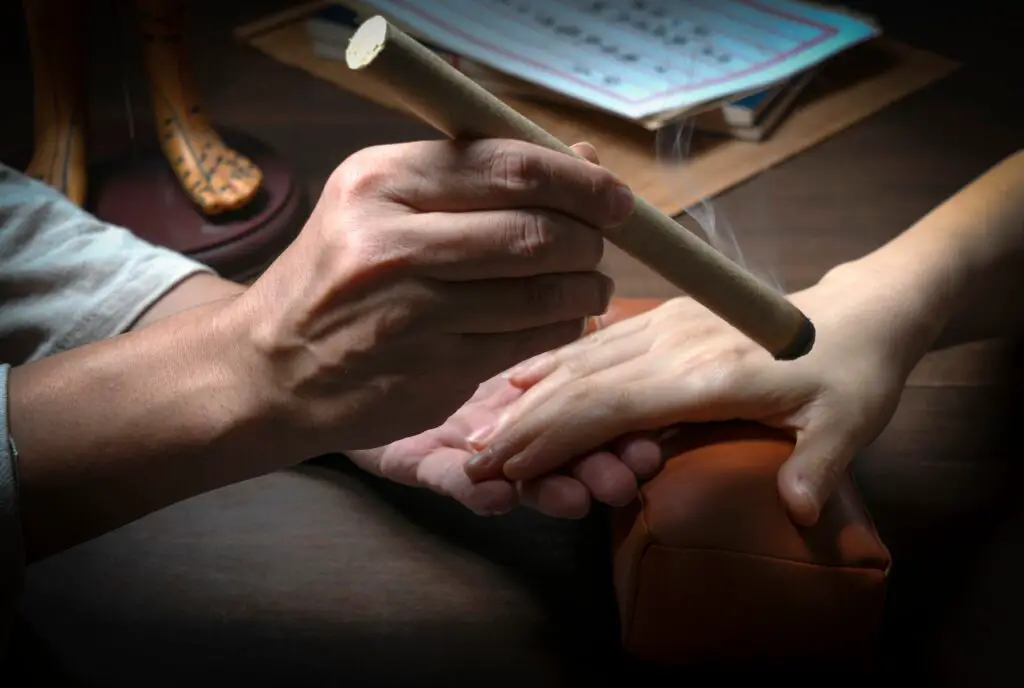
Traditional Chinese medicine stressed that food directly affected health. Certain foods were believed to warm, cool, or balance the body. Meals were chosen intentionally, not randomly. Eating was considered a form of medicine.
Modern nutrition science supports this connection. Diet influences inflammation, energy, and disease risk. While the explanations differ, the principle holds true. What you eat really does matter.
7. Greeks Believed Exercise Prevented Illness

Ancient Greeks encouraged regular physical activity for health. Exercise was thought to strengthen the body and prevent disease. Athletic training was tied to mental discipline as well. This belief was widely accepted.
Today, exercise is one of the most proven tools for disease prevention. It improves heart health, mood, and longevity. The Greeks did not know about cholesterol or metabolism, but they saw the benefits clearly. Moving your body still works wonders.
8. Indigenous Cultures Used Willow Bark for Pain

Willow bark was used for pain relief by ancient civilizations across the world. Healers observed it reduced aches and fevers. It was a natural remedy passed down through generations. No one knew why it worked.
Willow bark contains salicin, which led to the development of aspirin. Modern pain relievers are based on this compound. What began as folk medicine became pharmaceutical science. Nature provided the blueprint.
9. Ancient Indians Practiced Meditation for Health

Meditation was practiced in ancient India to calm the mind and body. It was believed to reduce suffering and improve clarity. Mental health was considered deeply connected to physical health. This practice was spiritual and practical.
Modern research shows meditation reduces stress and supports heart health. It can improve focus and emotional regulation. Science caught up with ancient wisdom here. Quieting the mind truly affects the body.
10. Greeks Linked Sleep to Healing

Ancient Greeks believed sleep was essential for recovery. Healing temples even encouraged long periods of rest. Sleep was seen as a time when the body repaired itself. This belief came from watching sick people recover faster with rest.
Modern science fully supports this idea. Sleep is critical for immune function and tissue repair. Lack of sleep increases illness risk. The Greeks trusted rest, and they were right.
11. Ancient Midwives Promoted Breastfeeding

Many ancient cultures encouraged breastfeeding for infant health. It was believed to strengthen babies and protect them from illness. This advice was based on survival outcomes, not chemistry. Babies who breastfed often thrived.
Today, we know breast milk provides antibodies and ideal nutrition. It supports immune development and bonding. Ancient caregivers relied on observation, and it paid off. Their instincts were remarkably accurate.
12. Traditional Cultures Used Fermented Foods

Fermented foods like yogurt and kimchi were staples in ancient diets. They were believed to aid digestion and preserve food safely. People noticed fewer stomach issues when eating them. Fermentation was practical and beneficial.
Modern science links fermented foods to gut health. Probiotics support digestion and immune balance. Ancient kitchens doubled as health labs. Their food wisdom still applies.
13. Ancient Egyptians Used Moldy Bread on Infections

Moldy bread was sometimes applied to infected wounds in ancient Egypt. Healers believed it stopped infections from spreading. This practice sounds strange today. But it was based on observed improvement.
Mold led to the discovery of penicillin thousands of years later. Certain molds kill bacteria. While risky and unrefined, the idea had merit. History quietly hinted at antibiotics.
14. Greek Doctors Warned Against Overeating

Ancient Greek physicians cautioned against excessive eating. They believed heavy meals strained the body. Moderation was seen as key to longevity. This advice was common in medical texts.
Modern research supports portion control. Overeating increases disease risk and inflammation. The Greeks framed it philosophically, but the message holds. Less can truly be more.
15. Ancient Cultures Respected the Mind Body Connection

Many ancient societies believed emotions affected physical health. Stress, grief, and anger were thought to cause illness. Healing often involved emotional support. This idea was widespread across civilizations.
Modern medicine recognizes the impact of stress on the body. Chronic stress affects immunity, digestion, and heart health. What was once intuitive is now measurable. The mind and body were never separate.
16. Ancient Cultures Practiced Fasting for Health

Many ancient cultures incorporated fasting into religious or healing traditions. It was believed that giving the body a break from food restored balance and clarity. People noticed improved digestion and mental focus afterward. Fasting was often framed as spiritual purification rather than medical treatment.
Modern science now studies intermittent fasting for metabolic health. Research links it to improved insulin sensitivity and cellular repair. While ancient explanations were symbolic, the physical benefits are real. Sometimes restraint turns out to be powerful medicine.
17. Romans Used Vinegar as a Health Aid

Ancient Romans regularly drank diluted vinegar, known as posca. It was believed to aid digestion and prevent illness. Soldiers relied on it during long campaigns. The sour drink was also thought to purify water.
Today, vinegar is known to have antimicrobial properties. It can help regulate blood sugar and digestion. While not a cure all, it offers measurable benefits. The Romans trusted their taste buds for a reason.
18. Indigenous Healers Used Sunlight for Healing

Sun exposure was widely used in ancient healing practices. Sunlight was believed to restore strength and vitality. People observed improved mood and energy after time outdoors. Light was seen as life giving.
Modern medicine confirms sunlight supports vitamin D production. It also helps regulate sleep cycles and mental health. Excess exposure can be harmful, but moderation matters. Ancient sun wisdom holds up surprisingly well.
19. Ancient Physicians Encouraged Seasonal Eating

Many ancient cultures ate foods based on the season. Fresh, local foods were believed to match the body’s needs. Heavy foods were eaten in colder months, lighter foods in warmer ones. This pattern came from necessity and observation.
Modern nutrition supports seasonal eating for nutrient variety. Seasonal produce is often fresher and more nutrient dense. It also aligns with natural metabolic shifts. Eating with the seasons still makes sense today.