
1. LEGO Bricks
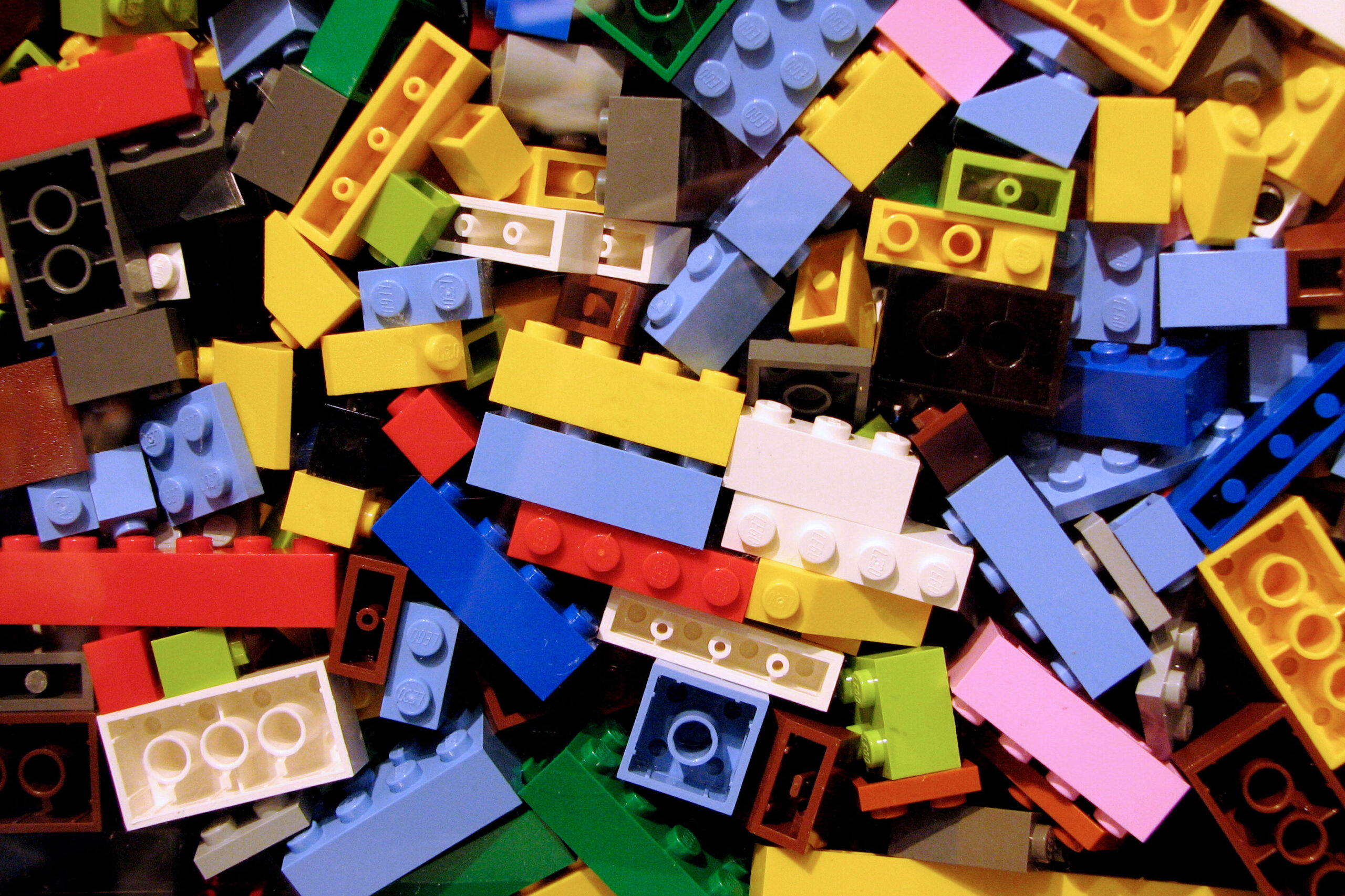
Before themed kits and instruction-heavy builds, LEGO bricks were just a colorful pile of possibilities dumped onto the floor. You could build a spaceship in the morning and a castle by lunchtime without ever taking it apart properly. The magic came from the lack of rules, because there was no right or wrong way to stack those bricks. Even the accidental builds felt like discoveries.
Kids narrated entire stories around their creations, complete with sound effects and dramatic collapses. A half-finished tower could suddenly become a monster or a secret hideout. The bricks themselves were simple, but the worlds they inspired were anything but. LEGO didn’t tell you what to imagine, it trusted you to figure that out yourself.
2. Lincoln Logs
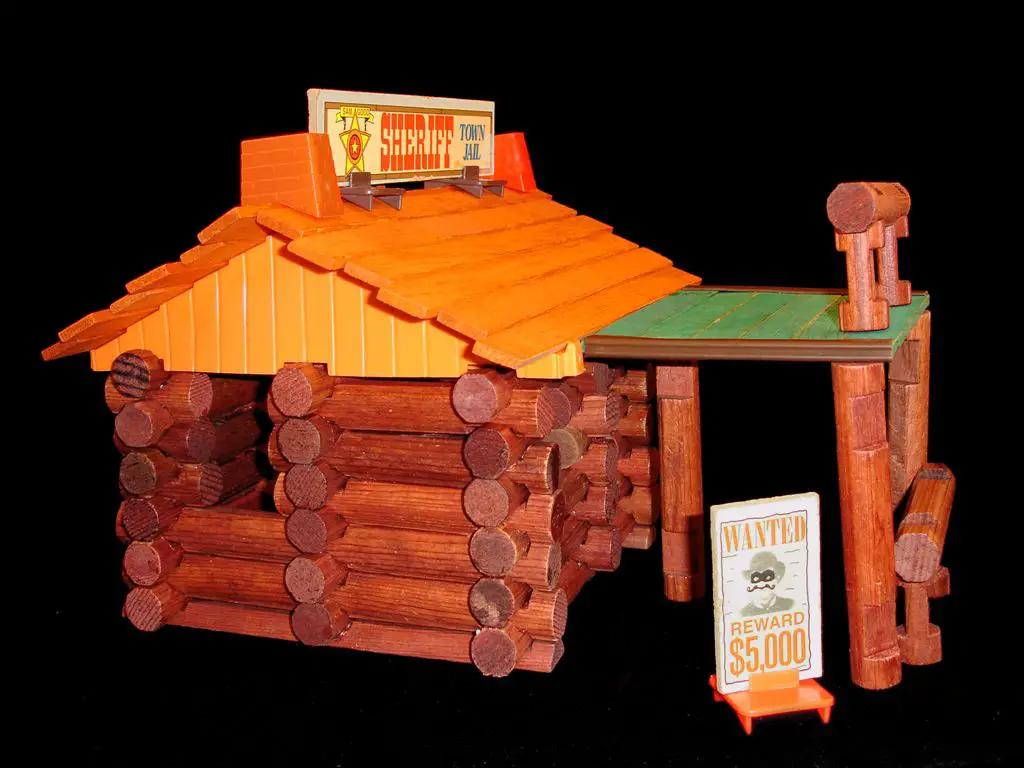
Lincoln Logs turned living room floors into frontier towns and wilderness forts. The pieces were basic, but that simplicity made every structure feel personal and earned. You had to think about balance, design, and how your imaginary family or army would live inside. It felt like real planning, not just play.
Once the structure was built, the real fun began. Cowboys, settlers, or explorers moved in, depending on the day. Sometimes the cabin survived a storm, sometimes it burned down in a dramatic storyline. The logs gave kids a blank stage for long-running adventures.
3. Mr. Potato Head
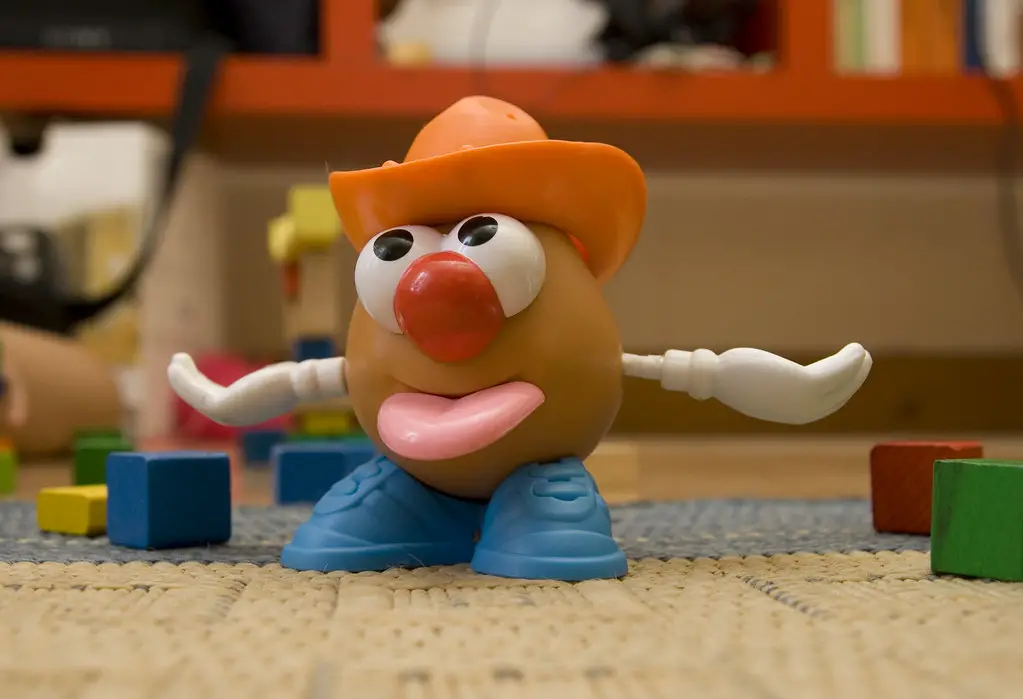
Mr. Potato Head was gloriously weird in the best possible way. You could rearrange faces endlessly, creating expressions that were silly, scary, or downright confusing. There was something powerful about being able to redesign a character over and over again. Every new face felt like a new personality.
Kids gave their Potato Heads names, voices, and backstories. One day he was a superhero, the next he was a grumpy neighbor. Nothing about him stayed fixed, which made him feel alive. The toy encouraged humor and creativity without ever taking itself seriously.
4. Barbie
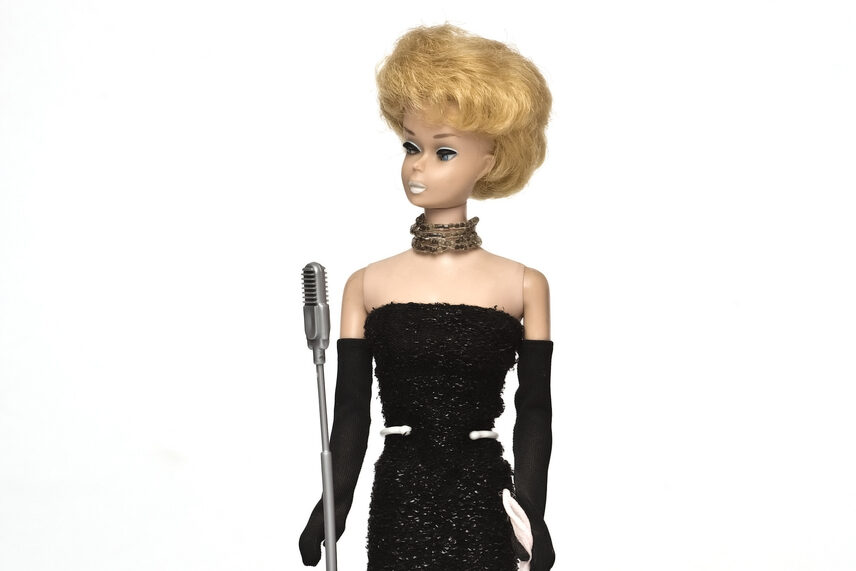
Barbie wasn’t just a doll, she was an entire universe waiting to be built. With a few accessories and a change of outfit, she could be anything from a rock star to a veterinarian. Kids filled in the details, creating careers, friendships, and dramas that played out over weeks. The doll itself was only the starting point.
Entire story arcs unfolded around Barbie’s world. Homes were rearranged, vacations were planned, and arguments were resolved before dinner. The imagination work happened off the plastic, not in it. Barbie invited kids to imagine whole lives, not just moments.
5. G.I. Joe
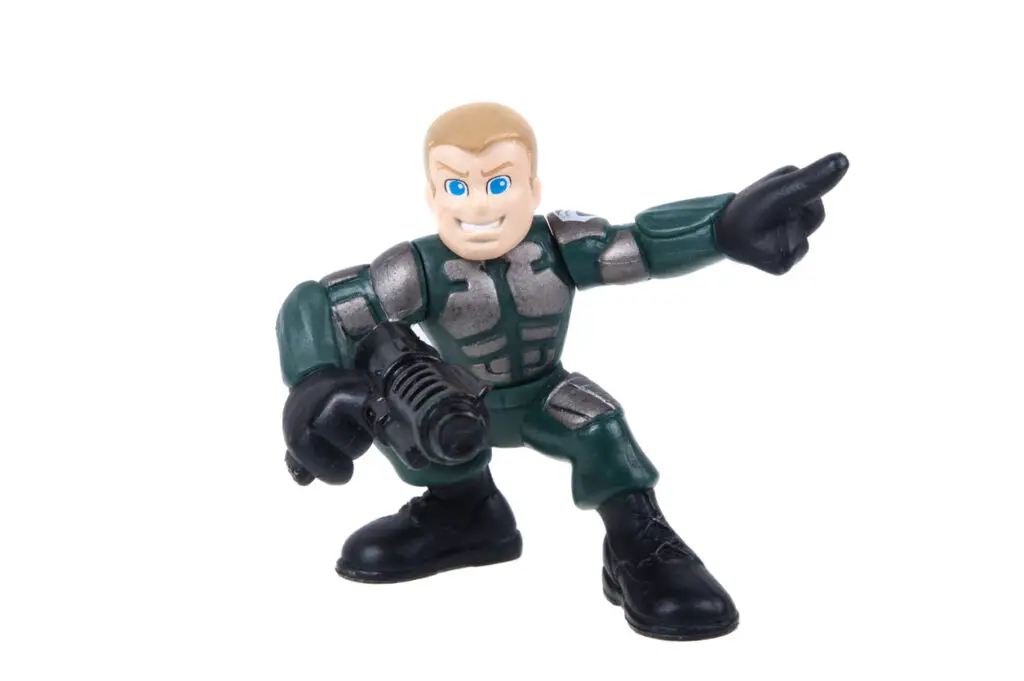
Early G.I. Joe figures were built for storytelling as much as action. With poseable joints and detailed gear, they felt like characters rather than just soldiers. Kids invented missions, alliances, and betrayals that went far beyond simple battles. The figures became heroes, villains, and everything in between.
Play sessions often stretched for hours as storylines evolved. A rescue mission might turn into a survival tale or a moral dilemma. Joe wasn’t just about fighting, it was about decision-making and narrative. The toy gave kids the tools, then stepped back.
6. Matchbox Cars
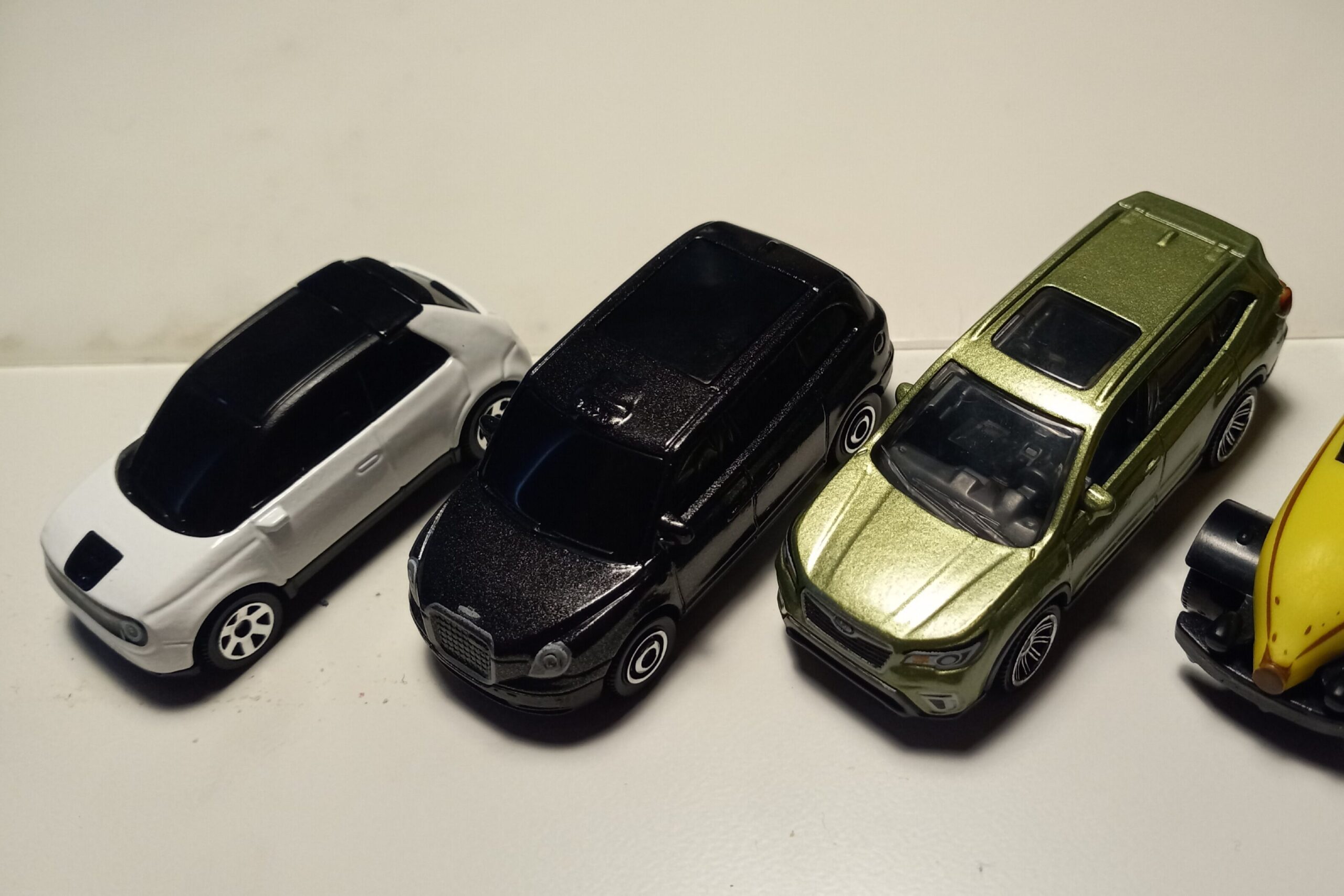
Matchbox cars were small enough to fit anywhere, which meant imagination could happen anywhere. A couch cushion became a mountain and a hallway turned into a highway. Kids created entire cities with nothing but furniture and floor space. The cars didn’t need tracks to tell stories.
Each car developed a personality through play. Some were heroes, some were troublemakers, and some were always breaking down at the worst time. Crashes were dramatic, rescues were heroic, and races had complicated rules. The tiny scale made the imagination feel even bigger.
7. View-Master
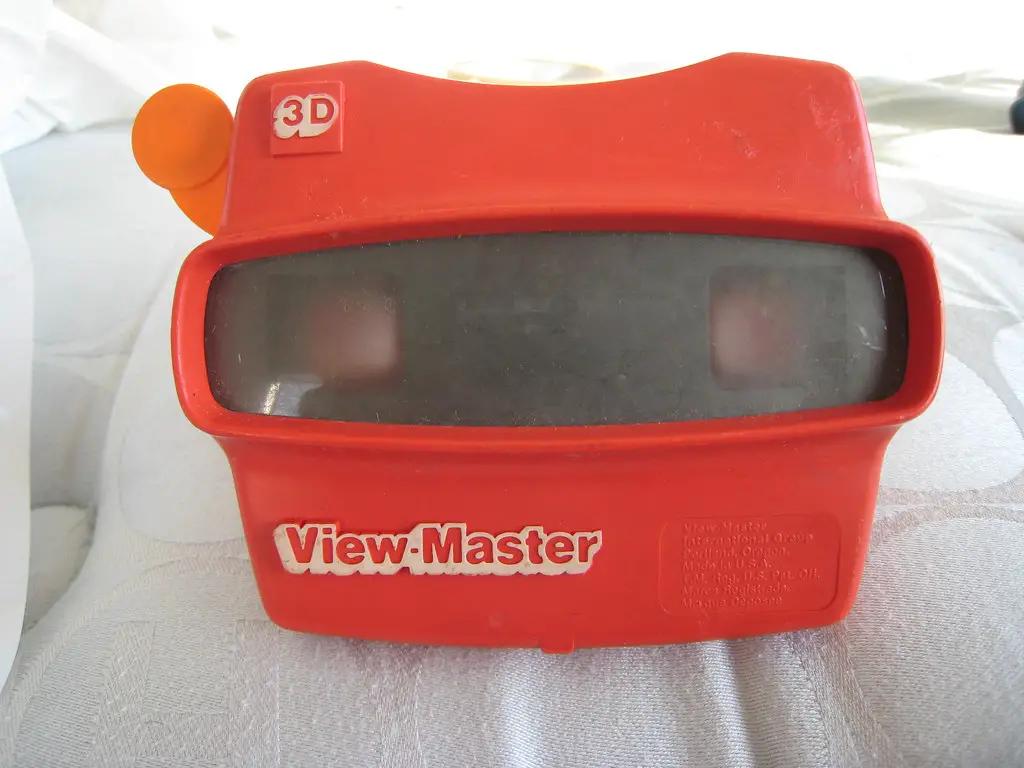
View-Master felt like a window into other worlds. Clicking through the reels made faraway places and fantasy scenes feel personal and immersive. Kids filled in the motion and sound that the still images couldn’t provide. Every click invited a continuation of the story.
Those scenes often sparked long daydreams after the reel was done. A single image could inspire a whole imaginary journey. Kids remembered the pictures and expanded on them later during play. View-Master encouraged curiosity as much as creativity.
8. Lite-Brite
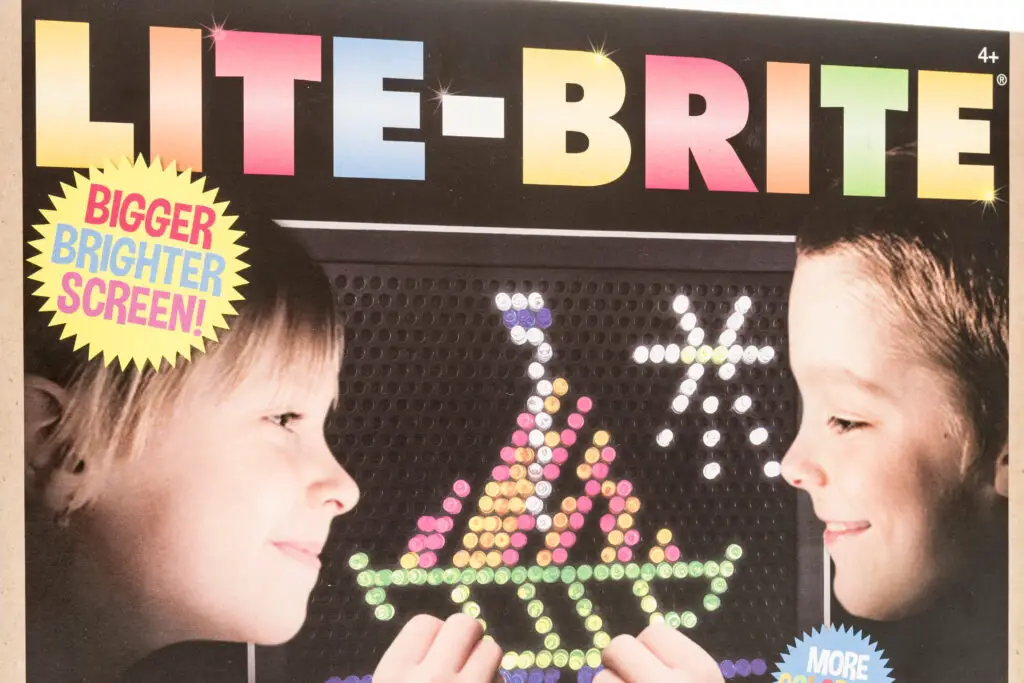
Lite-Brite blended art and imagination in a way that felt magical. Pushing glowing pegs into a dark board felt almost like creating constellations. Kids followed patterns at first, then quickly started making their own designs. The glow made everything feel special.
Those designs often turned into stories. A shape could become a character, a map, or a secret symbol. The lights made imagination feel tangible and alive. Lite-Brite rewarded experimentation without pressure.
9. Spirograph
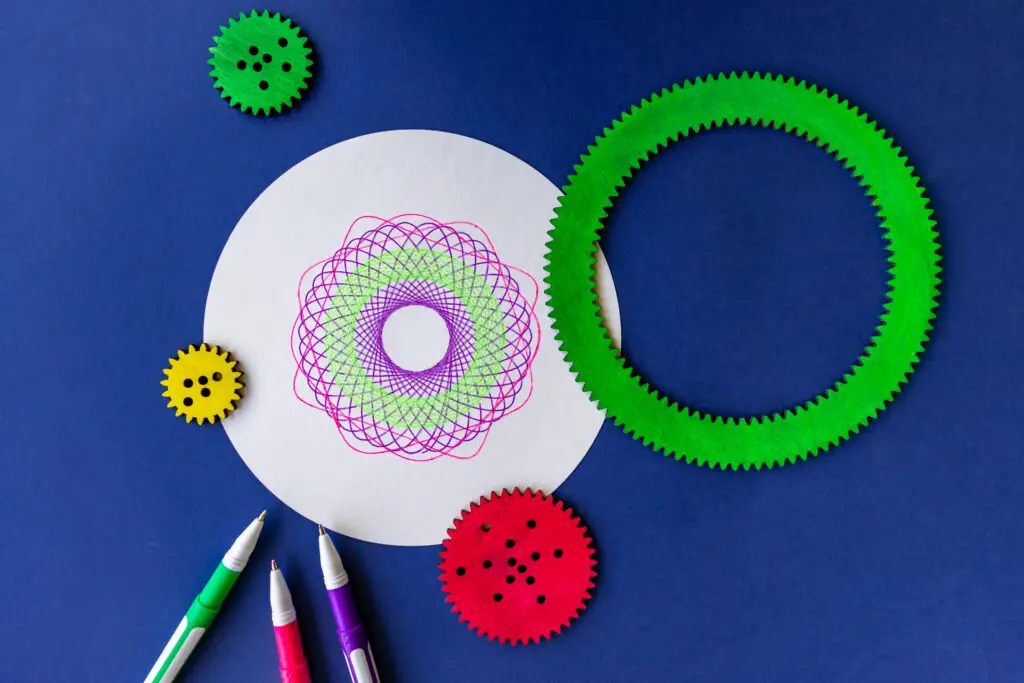
Spirograph turned simple gears into mesmerizing designs. Watching patterns emerge felt like discovering something new every time. Kids experimented with colors, shapes, and combinations to see what would happen next. There was no single goal, just curiosity.
Those designs often inspired imaginary worlds or symbols. A pattern might become a magical portal or a coded message. The toy encouraged patience and exploration. It made creativity feel almost scientific.
10. Fisher-Price Little People
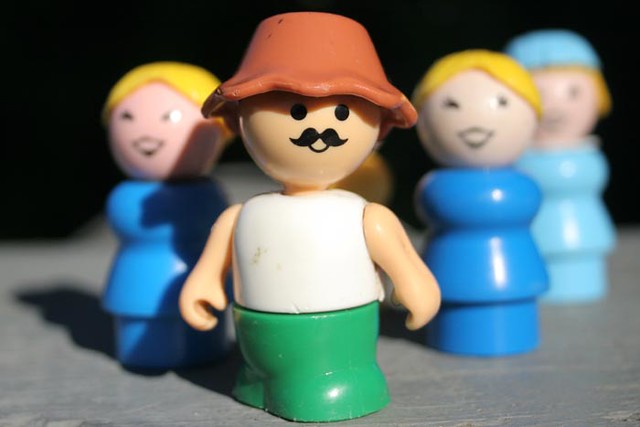
Early Fisher-Price Little People were simple, sturdy, and full of charm. Their lack of facial detail made it easy for kids to project emotions onto them. A single figure could be happy, sad, or mischievous depending on the story. They fit perfectly into small hands and big ideas.
Playsets became entire towns with daily routines and surprise events. Kids acted out family life, jobs, and community stories. Nothing was scripted, everything was invented. The figures existed to support imagination, not limit it.
11. Etch A Sketch
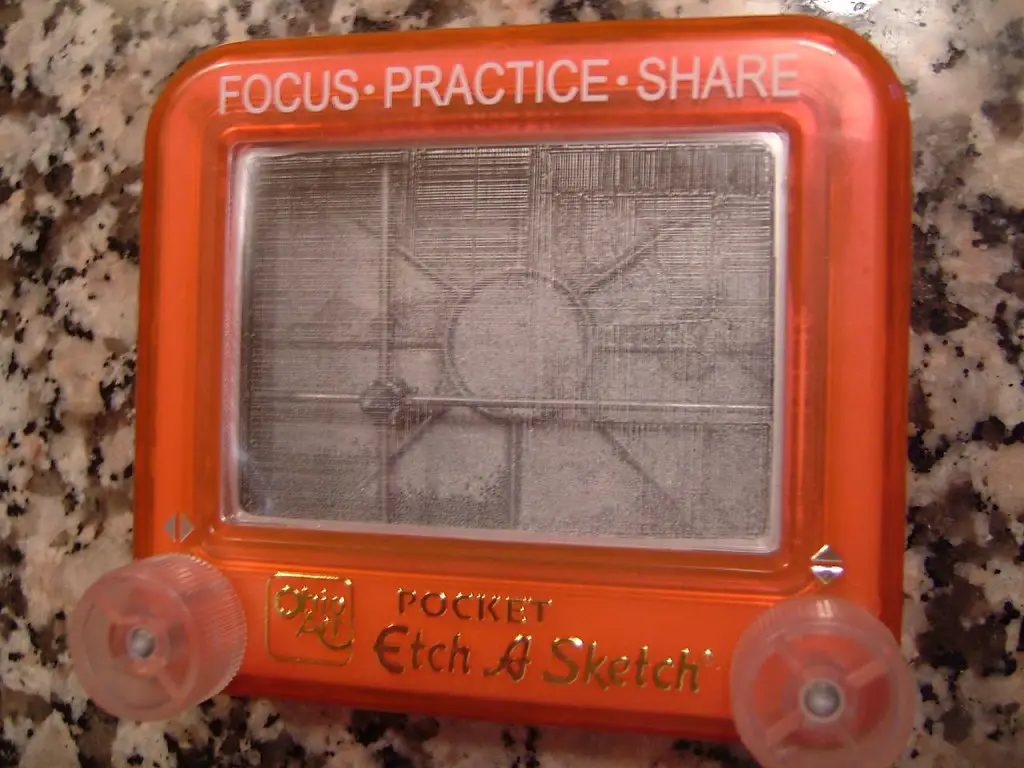
Etch A Sketch felt like magic the first time you used it. Drawing with knobs required patience and planning, which made every picture feel earned. Kids imagined entire scenes before committing to a line. One wrong move could change the whole story.
That challenge made creativity more thoughtful. Drawings often turned into games or characters with personalities. Shaking it clean felt like starting a brand-new idea. Etch A Sketch taught that imagination could be temporary and still meaningful.
12. Slinky
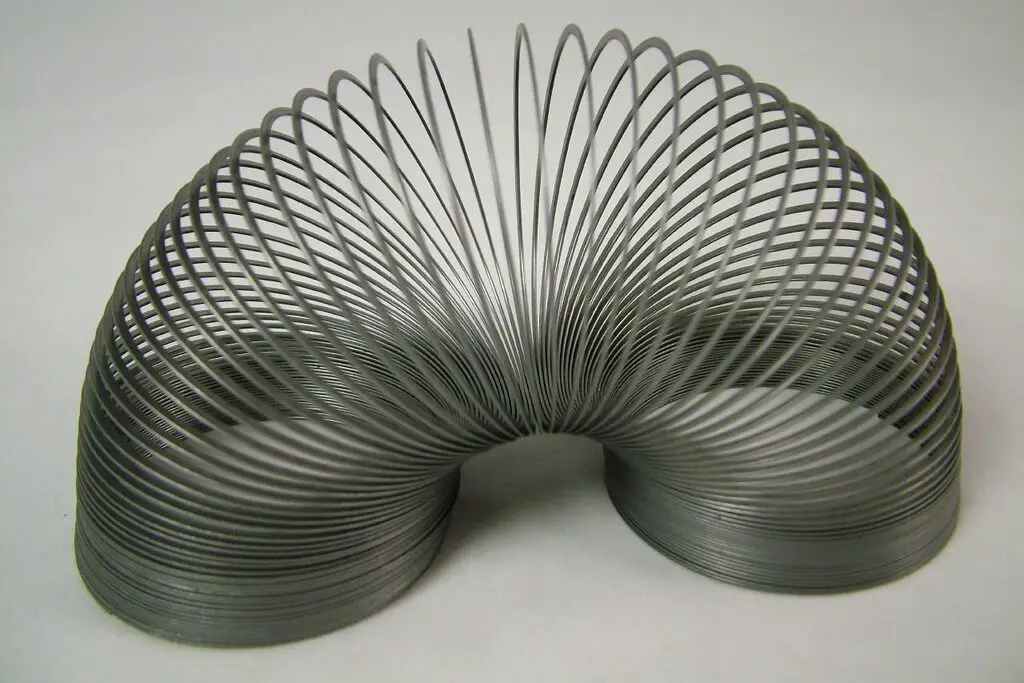
A Slinky didn’t look like much, but it became whatever you wanted it to be. It was a snake, a bridge, or a magical creature depending on the day. Kids experimented endlessly with movement and sound. There were no rules, just curiosity.
The toy encouraged physical imagination. Watching it move sparked ideas and laughter. Kids invented games and challenges around it. Slinky proved that imagination didn’t need complexity.
13. Stretch Armstrong
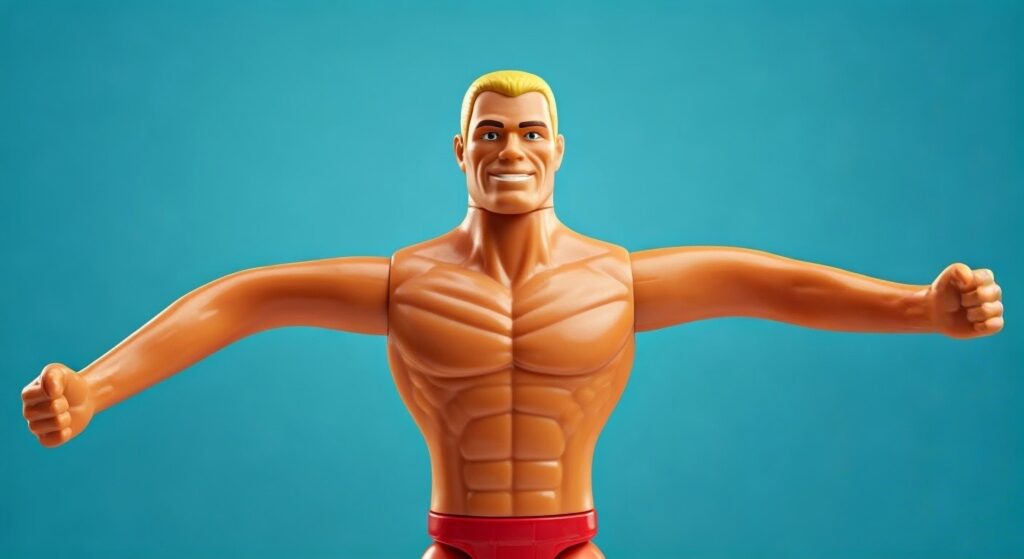
Stretch Armstrong was equal parts toy and character. Pulling his limbs into impossible shapes felt rebellious and exciting. Kids tested limits while imagining his superhuman strength. He became a hero who could survive anything.
Stories formed around his durability. He rescued other toys and endured wild adventures. Stretch Armstrong felt indestructible, which made kids fearless in their storytelling. The toy invited bold, exaggerated imagination.
14. Easy-Bake Oven
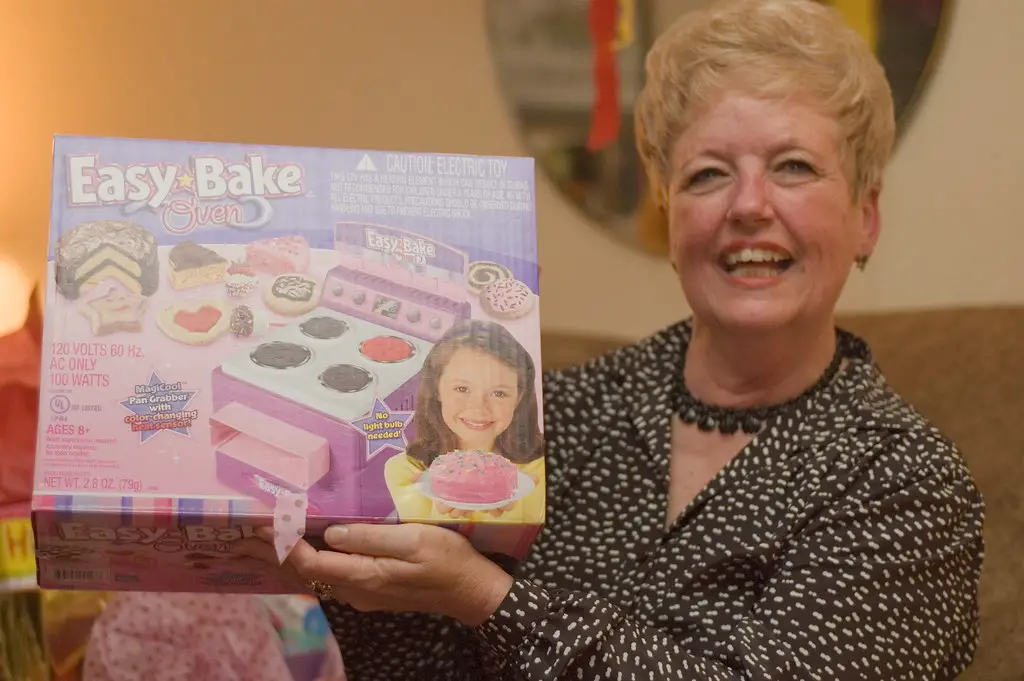
Easy-Bake Oven wasn’t just about baking, it was about pretending to run a kitchen. Kids imagined themselves as chefs, hosts, or TV cooking stars. The tiny treats felt like proof of their creativity. It was play that crossed into real life.
The process mattered as much as the result. Waiting, mixing, and sharing became part of the story. Kids invented restaurants and special occasions. The oven encouraged imaginative role-playing with a tangible payoff.
15. Hot Wheels Tracks
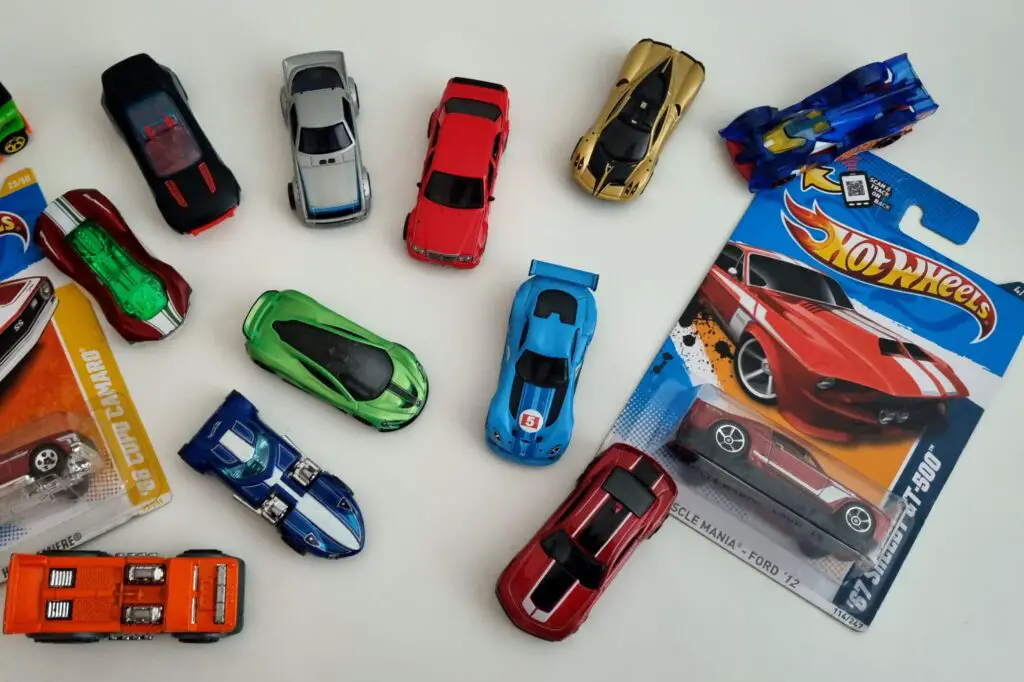
Hot Wheels tracks turned speed into storytelling. Kids designed elaborate courses with loops, jumps, and dramatic finishes. Each setup felt like a new challenge to overcome. The cars became racers with rivalries and reputations.
Crashes were part of the fun and the narrative. Tracks were rebuilt constantly to improve the story. Kids learned through trial and error while imagining epic races. Hot Wheels made physics feel like fantasy.