
1. Edith Is Assaulted in All in the Family
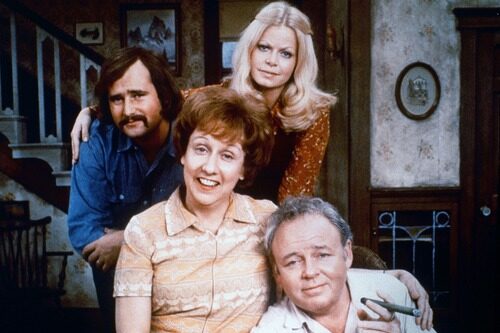
For a show that already pushed buttons weekly, this storyline still landed like a punch to the chest. Edith being sexually assaulted by a man she initially treats with kindness was a shocking turn for a sitcom audience. The episode avoided laughs almost entirely, which was nearly unheard of at the time. Jean Stapleton’s performance was quiet, raw, and deeply unsettling.
What made it bolder was that the show focused on Edith’s emotional aftermath rather than turning the moment into a lesson wrapped in humor. Archie’s helpless rage added another layer, showing a man who could argue anything but could not fix this. The episode aired in 1977, when television rarely addressed sexual violence at all. It trusted viewers to sit with discomfort, and that trust paid off.
2. Maude Chooses Abortion in Maude
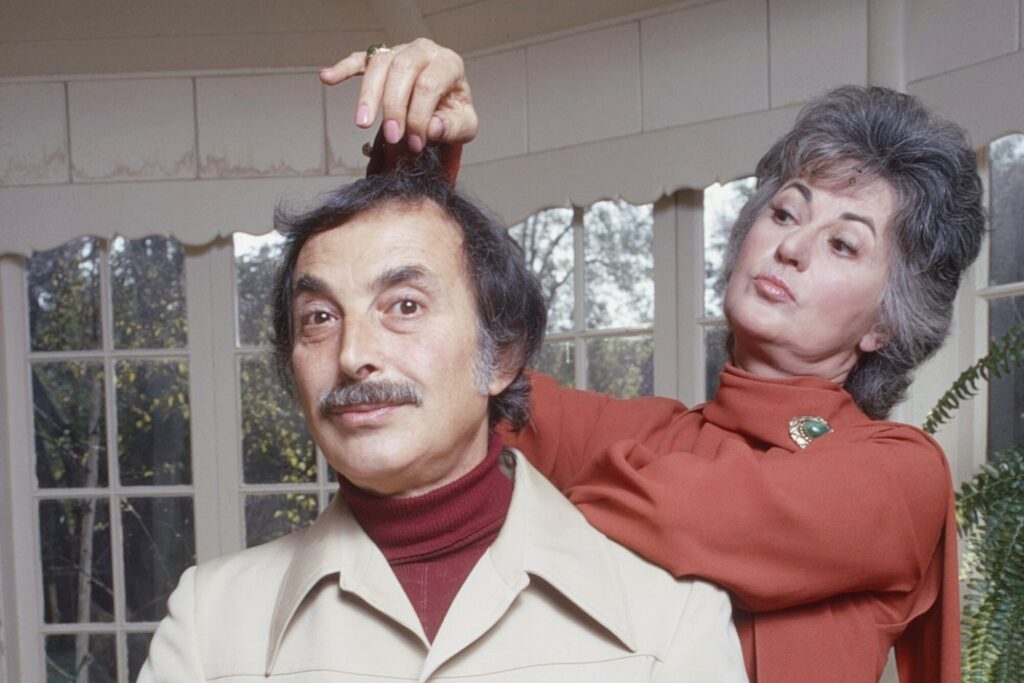
When Maude discovered she was pregnant in her late 40s, the show took a turn that few expected. Instead of sidestepping the issue, the storyline directly addressed abortion. The decision was framed as thoughtful, personal, and deeply considered, not scandalous or sensational.
This aired in 1972, before Roe v. Wade, which makes it even more startling in hindsight. Bea Arthur played the moment with calm conviction rather than melodrama. The episode sparked protests and backlash, yet it also sparked conversation. It proved sitcoms could handle real world issues head on.
3. Sammy Davis Jr. Kisses Archie in All in the Family
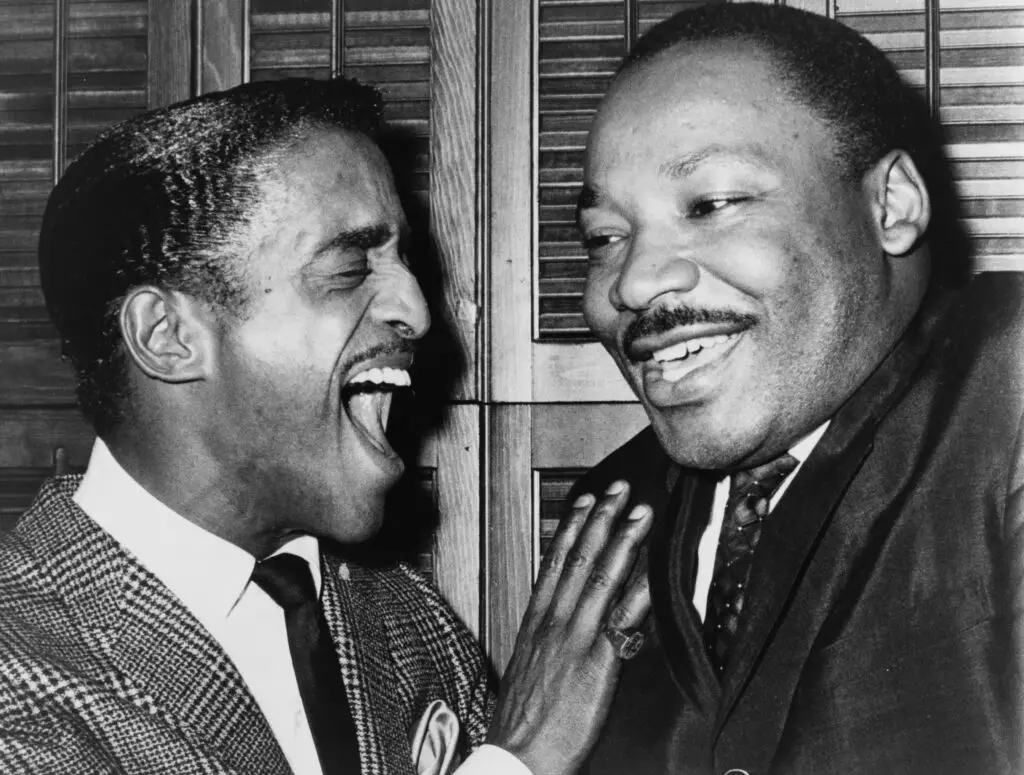
It was meant as a joke, but the cultural impact went far beyond a punchline. Sammy Davis Jr. planting a kiss on Archie Bunker’s cheek was electric television. In seconds, the moment challenged racism, masculinity, and social norms all at once.
The audience laughed, but the discomfort was real. Archie’s frozen reaction said everything without a word. It aired in 1972 and remains one of the most talked about moments in sitcom history. The brilliance was how effortless it seemed while being incredibly pointed.
4. Carol Comes Out in Friends
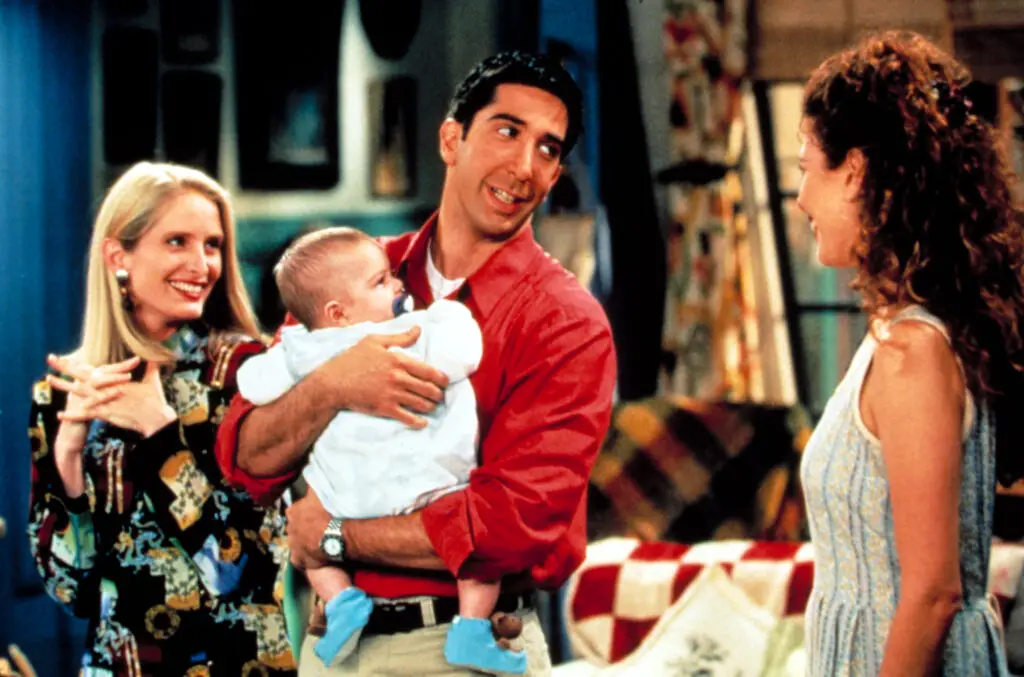
Today it might feel mild, but in the mid ’90s, this was still bold network television. Ross’s ex wife not only comes out as a lesbian but goes on to marry her partner. The show treated their relationship as normal, loving, and permanent.
There were jokes, but the core storyline was sincere. Carol and Susan were not villains or punchlines. Their wedding episode aired in 1996 and faced affiliate backlash in some areas. Even so, it helped normalize same sex relationships for a mainstream audience.
5. Lucy Goes to the Psychiatrist in I Love Lucy
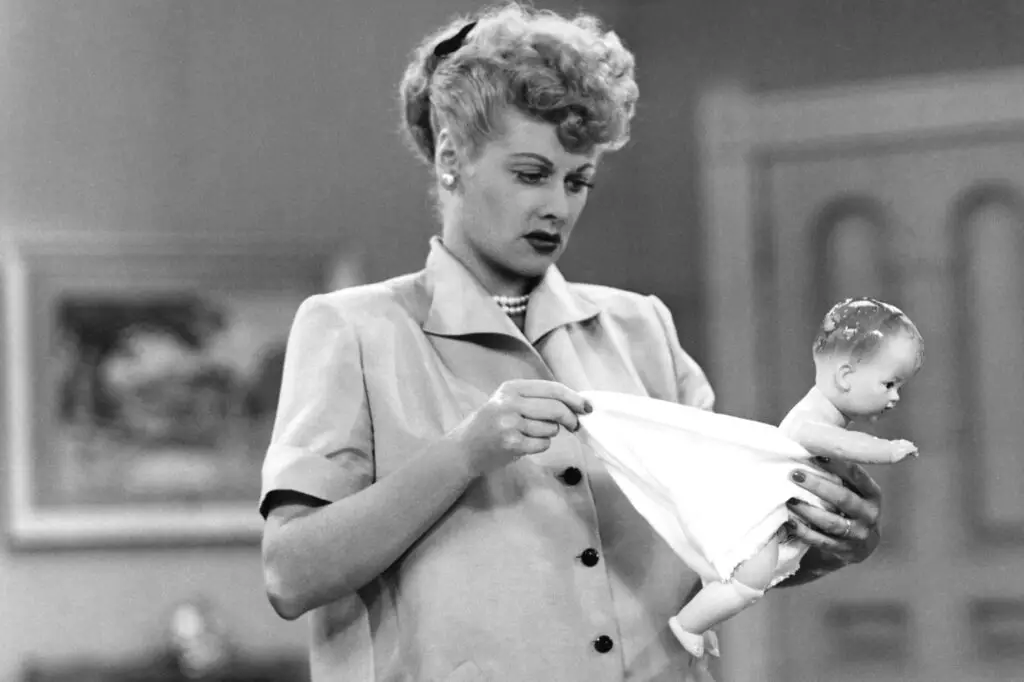
Mental health was not a common topic in early sitcoms, especially not treated seriously. Lucy’s visit to a psychiatrist was played with humor, but it acknowledged anxiety and emotional strain. For the early ’50s, that was a quiet leap forward.
The episode suggested that talking to a professional was not shameful or strange. Lucy was still Lucy, but her worries were real. It planted a seed that mental health mattered, even if it was wrapped in comedy. That subtlety is what made it bold.
6. Hawkeye Faces Burnout in M*A*S*H
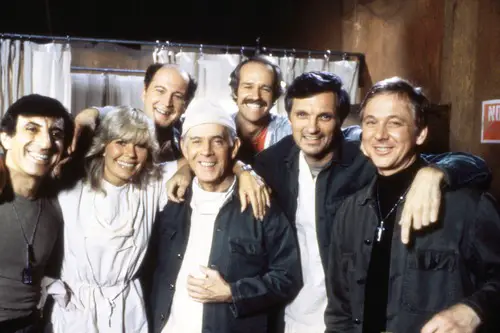
While the show often blended humor with war trauma, this storyline stripped the jokes away. Hawkeye’s emotional collapse from the constant pressure of surgery and loss was devastating. The episode showed a doctor pushed past his limit.
Instead of playing him as the unbreakable hero, the show allowed him to fall apart. This aired in the ’70s, long before burnout was a common conversation. It reminded viewers that even the funny ones can carry the heaviest weight. For a sitcom, that honesty was radical.
7. Jodie Comes Out and Explores Gender Identity in Soap
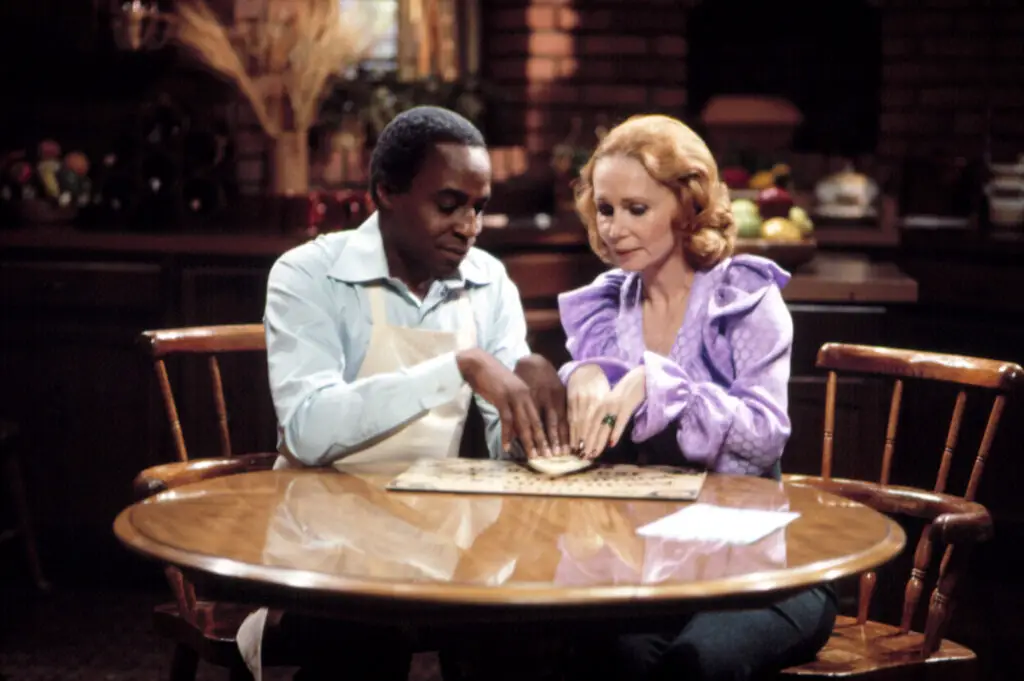
When Billy Crystal joined Soap as Jodie Dallas, it was already pushing boundaries. Jodie was one of the first openly gay characters on American television, and the show did not tiptoe around it. His sexuality was central to his story, not a one episode reveal or a punchline. For a late ’70s sitcom, that alone was startling.
The show went even further by exploring Jodie’s struggle with gender identity and societal pressure. While some elements feel dated now, the fact that a mainstream sitcom even attempted these conversations was groundbreaking. The storyline sparked protests and controversy before episodes even aired. At a time when most shows avoided the topic entirely, Soap went all in.
8. Edith Learns About Menopause in All in the Family
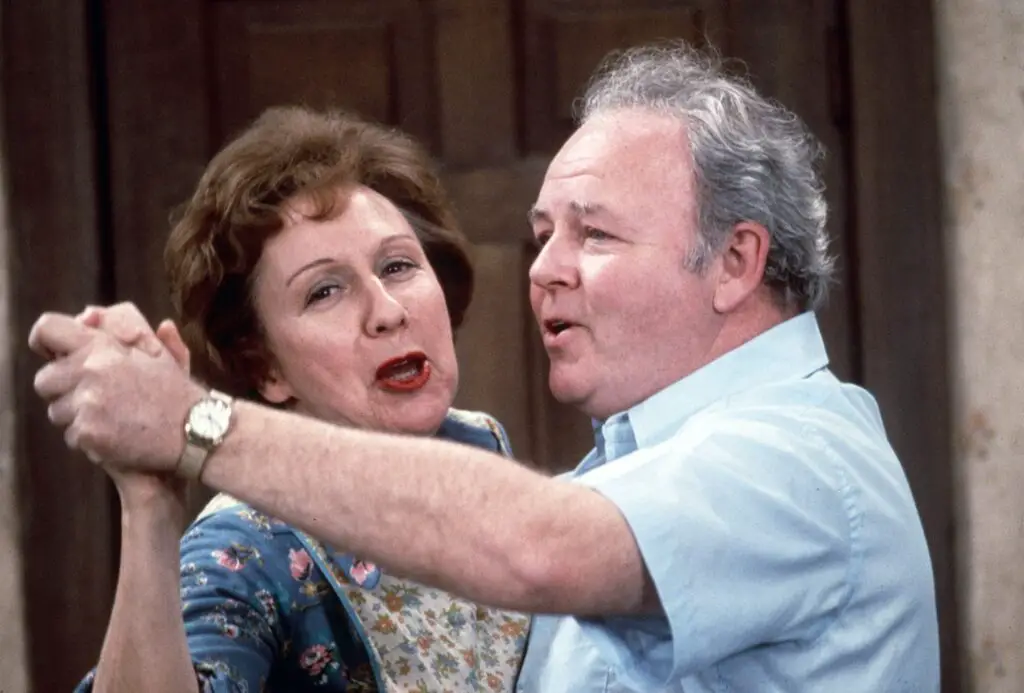
Menopause was almost never discussed openly on television. Edith’s confusion, fear, and vulnerability were treated with empathy. The show allowed her to talk honestly about her body changing.
There were moments of humor, but they never undermined the seriousness. Archie’s discomfort mirrored what many viewers likely felt. By airing this in the ’70s, the show normalized a topic many women were told to whisper about. It was quietly revolutionary.
9. Ann Romano Gets Divorced in One Day at a Time
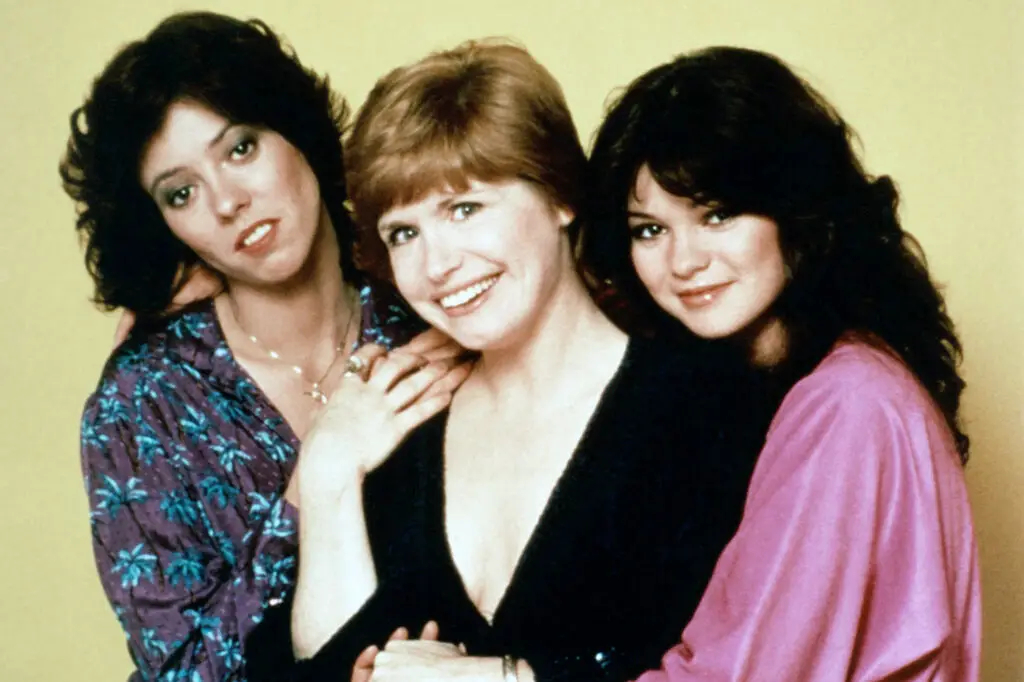
A divorced woman raising two daughters alone was still a bold premise in the ’70s. Ann’s divorce was not portrayed as a failure, but as a necessary step toward independence. The show focused on rebuilding rather than regret.
Ann was not punished for leaving her marriage. Instead, she was allowed to grow, date, and redefine herself. For many women watching, this was the first time they saw their own lives reflected on screen. That representation carried weight.
10. Fonzie Faces Sexual Assault Allegations in Happy Days
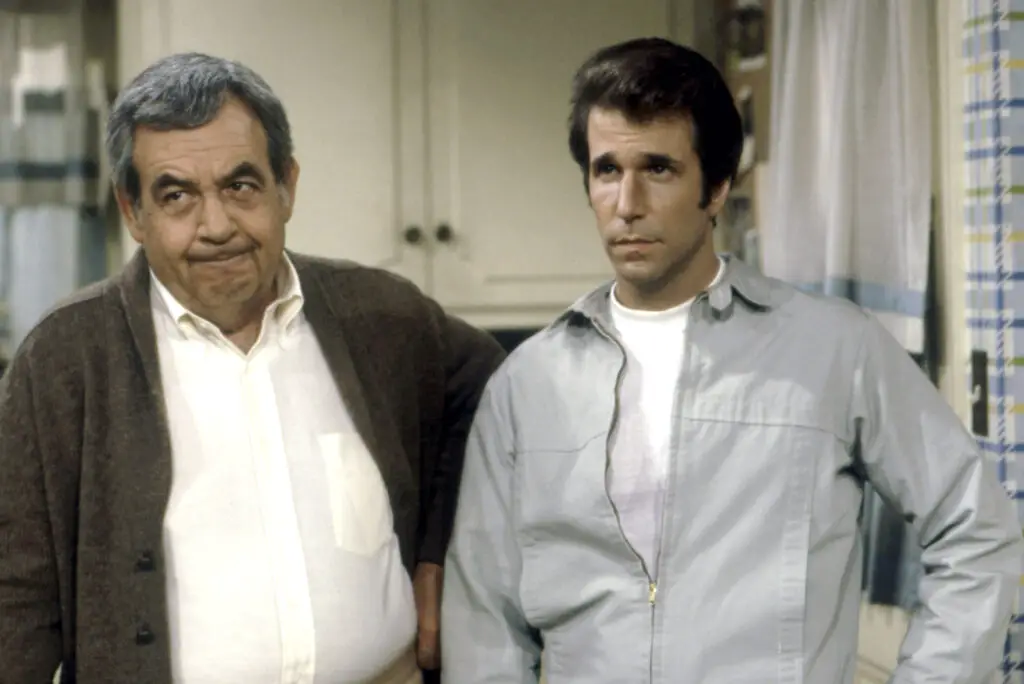
Known for its light tone, this storyline was a surprising shift. When Fonzie is falsely accused of assault, the episode explores reputation, trust, and accountability. It forced a usually carefree character into serious territory.
The show did not play the accusation for laughs. Instead, it examined how quickly judgment can form. For a family sitcom in the ’70s, this was a risky narrative choice. It showed that even beloved characters could face uncomfortable truths.
11. George and Louise Move to the Upper East Side in The Jeffersons
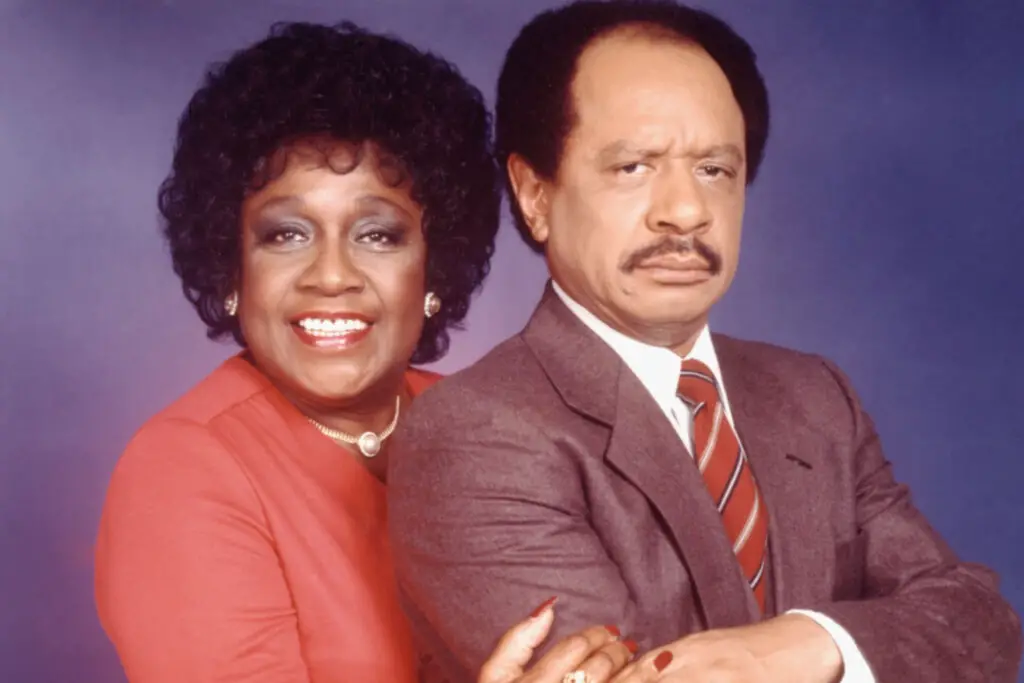
A Black family achieving wealth and moving into a luxury apartment was groundbreaking. The show did not ignore the racial tension that came with it. George’s pride and insecurity were both front and center.
The storyline challenged stereotypes about who belonged in those spaces. Neighbors reacted with curiosity, prejudice, and awkwardness. Airing in the mid ’70s, it reflected social changes happening in real time. It made success itself a bold statement.
12. Blanche Talks About Sexual Freedom in The Golden Girls
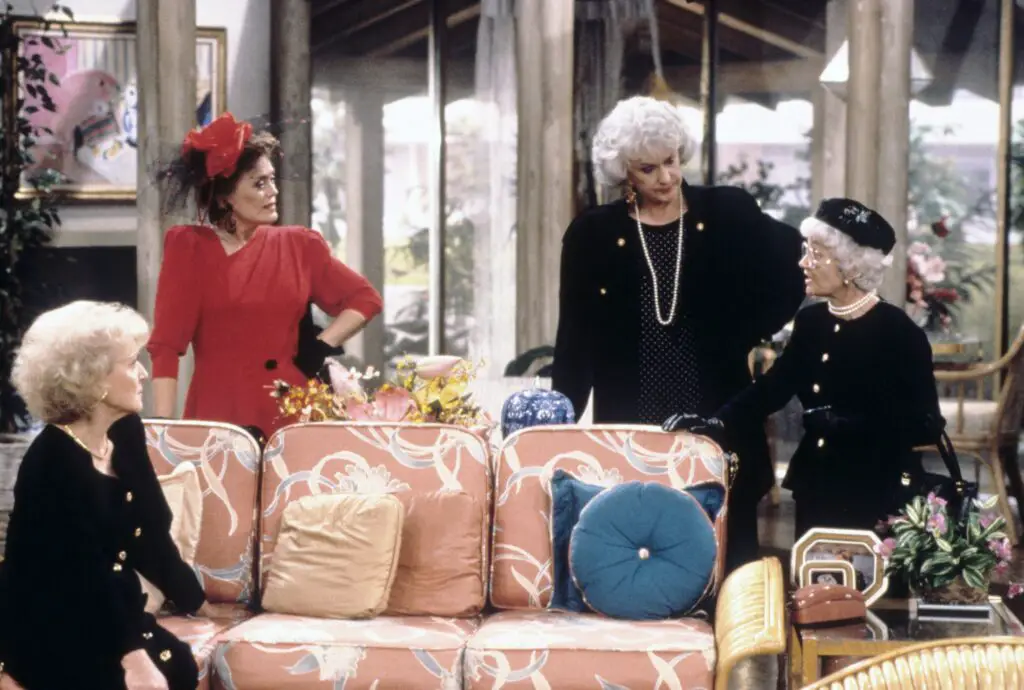
Blanche’s openness about sex was more than a running joke. She talked honestly about desire, aging, and women’s right to enjoy intimacy. This was especially bold given the characters’ ages.
The show refused to treat older women as invisible or asexual. Blanche was confident, flawed, and unapologetic. In the ’80s, that was still unusual. It helped shift how women over 50 were portrayed on television.
13. Alex P. Keaton Confronts Death in Family Ties

When Alex loses a friend, the show pauses its usual rhythm. His grief is quiet, confused, and unresolved. The episode lets him sit in sadness rather than rushing to a lesson.
This was a rare moment of stillness for an energetic sitcom. Michael J. Fox played the pain without jokes or bravado. It acknowledged that young people grieve too. That emotional honesty felt daring at the time.
14. Ellen Comes Out in Ellen
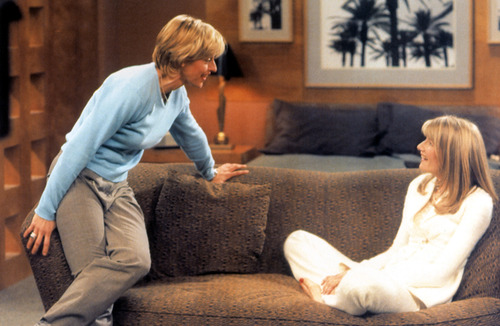
Ellen DeGeneres coming out both on screen and in real life was a cultural earthquake. The storyline followed Ellen Morgan’s realization with humor, fear, and vulnerability. It was not played as a gimmick.
The episode aired in 1997 and faced immediate backlash and celebration. Advertisers pulled out, and conversations exploded nationwide. Despite the fallout, the show went forward anyway. That courage made television history.
15. Murphy Brown Chooses Single Motherhood in Murphy Brown
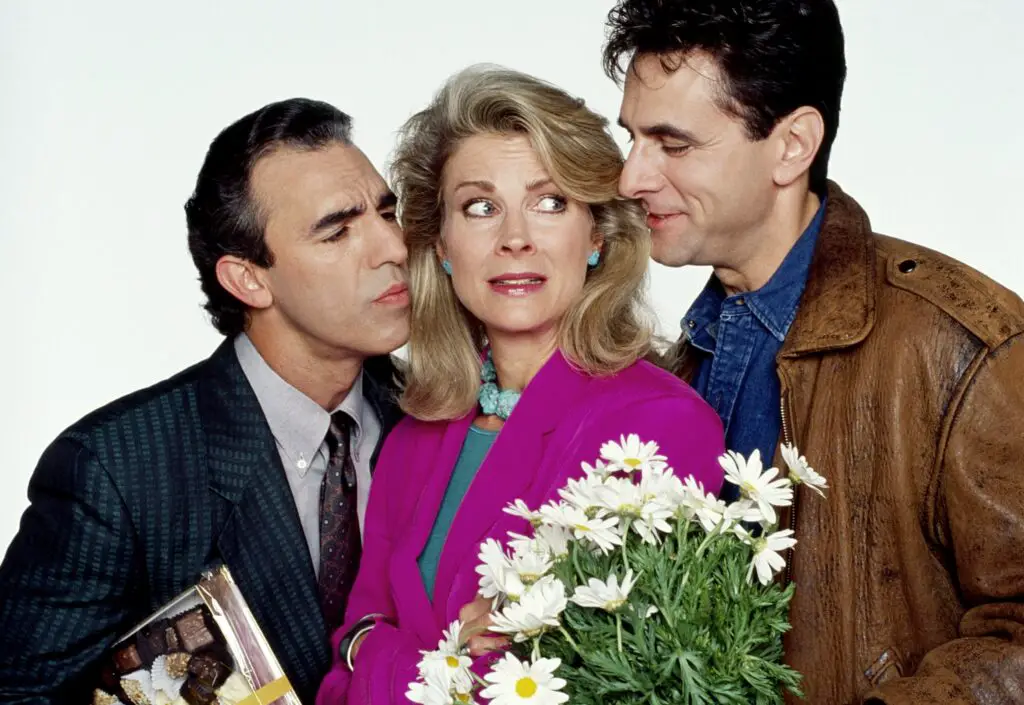
Murphy’s decision to have a child without a partner ignited a national debate. The show treated her choice as thoughtful and responsible, not reckless. It did not frame motherhood as something that required marriage.
The storyline even drew criticism from real life political figures. Instead of backing down, the show doubled down on its message. Airing in the early ’90s, it challenged traditional family narratives. It proved sitcoms could shape culture, not just reflect it.