
1. Paste Pots with Built-In Brushes
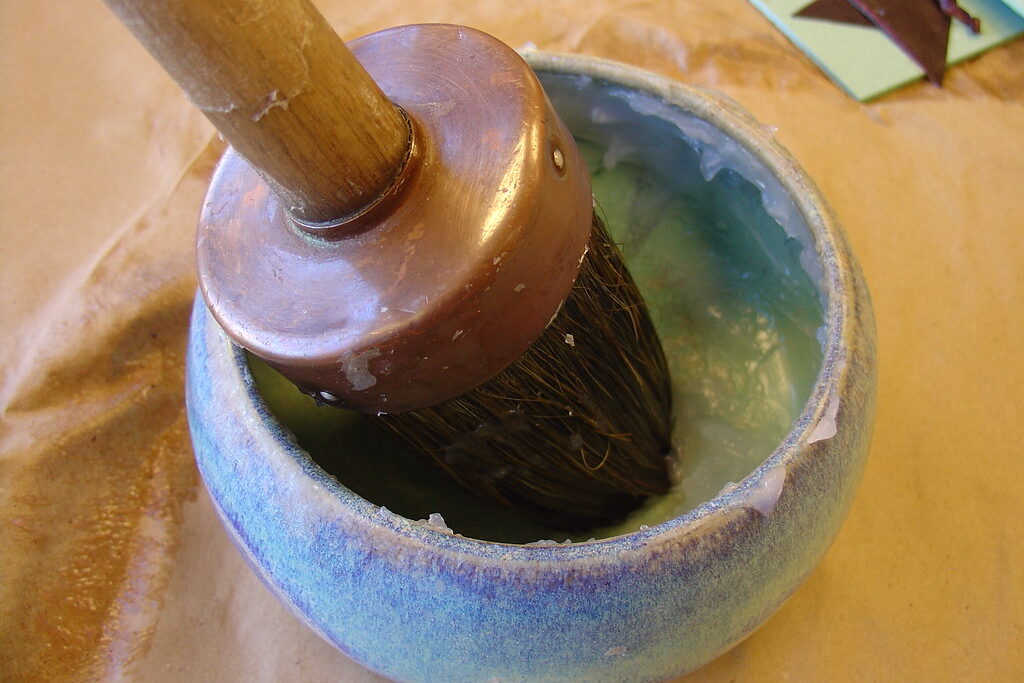
Those squat little paste jars with the attached brush feel almost ceremonial now, like something you’d find behind glass. In the ’60s, they were a classroom standard, especially for art projects and book reports. You unscrewed the lid, lifted the brush, and immediately caught that unmistakable paste smell. It was thick, white, and unapologetically messy. Too much paste meant wrinkled paper and judgment from your teacher. Too little meant nothing stuck at all. Somehow the jar always ended up crusty by October.
Looking back, it feels wild that every kid just dipped into the same communal pot. There was no concern about germs or drying time. The brush would usually harden halfway through the year, turning it into a useless stick. Still, those jars feel iconic, like a symbol of hands-on learning. Today they look less like supplies and more like antique lab tools.
2. Chalkboard Slates

Before spirals and binders ruled the desk, kids hauled around small chalkboard slates. These reusable boards were common early in the decade, especially in lower grades. You wrote, erased, and wrote again, often smearing chalk dust all over your hands and sleeves. The sound of chalk scratching the surface could make your skin crawl. Dropping one usually meant cracked corners and a teacher’s sigh. They were sturdy, heavy, and not exactly ergonomic.
Seen today, they look more like relics from a one-room schoolhouse than something a kid once used daily. The simplicity is striking, no paper, no waste, just chalk and board. Of course, erasing meant clouds of dust and a lot of coughing. It’s practical in theory and miserable in reality. No wonder paper won that battle.
3. Wooden Rulers with Metal Edges
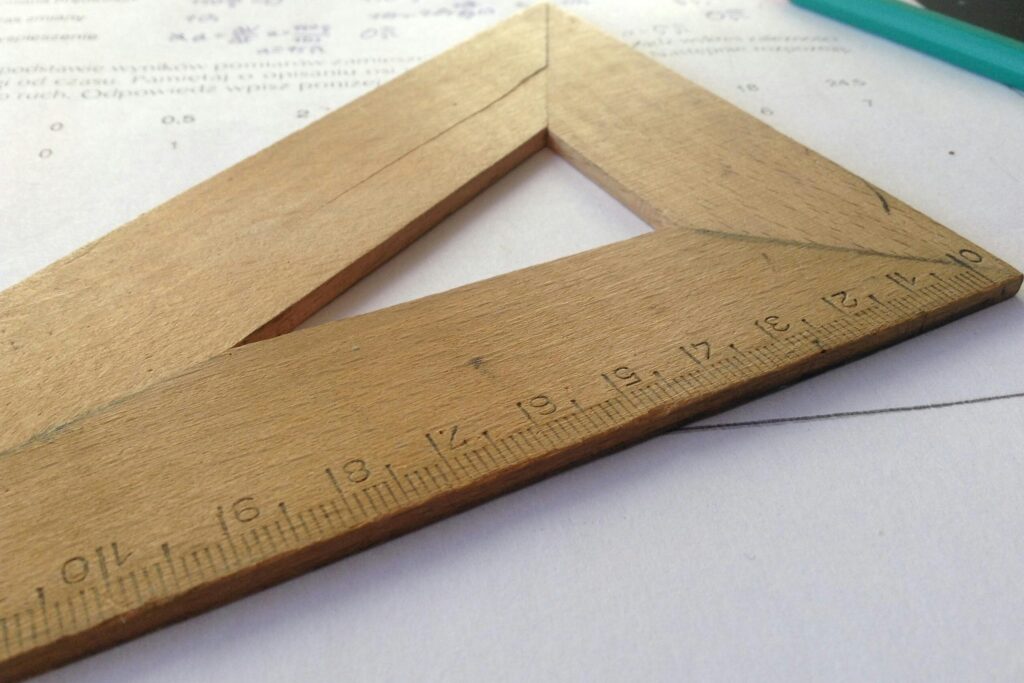
Every desk seemed to have one of these, slightly chipped and permanently crooked. The wooden ruler with a metal edge was both a school tool and an accidental weapon. They were used for measuring, lining up margins, and occasionally tapping on desks when boredom set in. The metal strip was supposed to keep the ruler straight, but it often bent anyway. Splinters were a real concern after a few months of use. Somehow they all smelled faintly of pencil shavings.
Today, they look like something pulled from a carpenter’s toolbox, not a child’s backpack. The markings often wore off halfway through the year. Teachers trusted kids with them without a second thought. Plastic rulers eventually took over, for better or worse. The wooden ones now feel oddly formal and severe.
4. Metal Pencil Sharpeners Bolted to the Wall
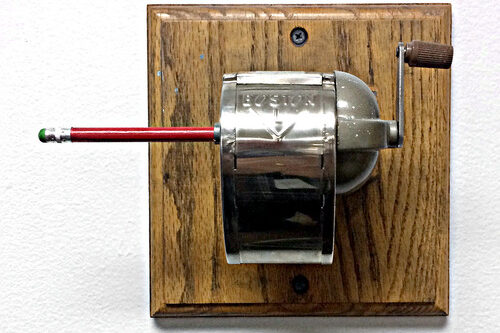
Classrooms in the ’60s often relied on one shared sharpener mounted near the door. It was big, loud, and oddly satisfying to use. You lined up, fed your pencil in, and cranked the handle while hoping it didn’t eat the tip. Sometimes it worked perfectly. Other times your pencil came out chewed and unusable. The noise alone was enough to draw stares.
In hindsight, it feels more like industrial equipment than a school supply. The shavings drawer was always full and never emptied soon enough. These sharpeners demanded patience and coordination. They also turned a simple task into a classroom event. Today they look like something out of a factory, not a lesson plan.
5. Ink Bottles and Fountain Pens
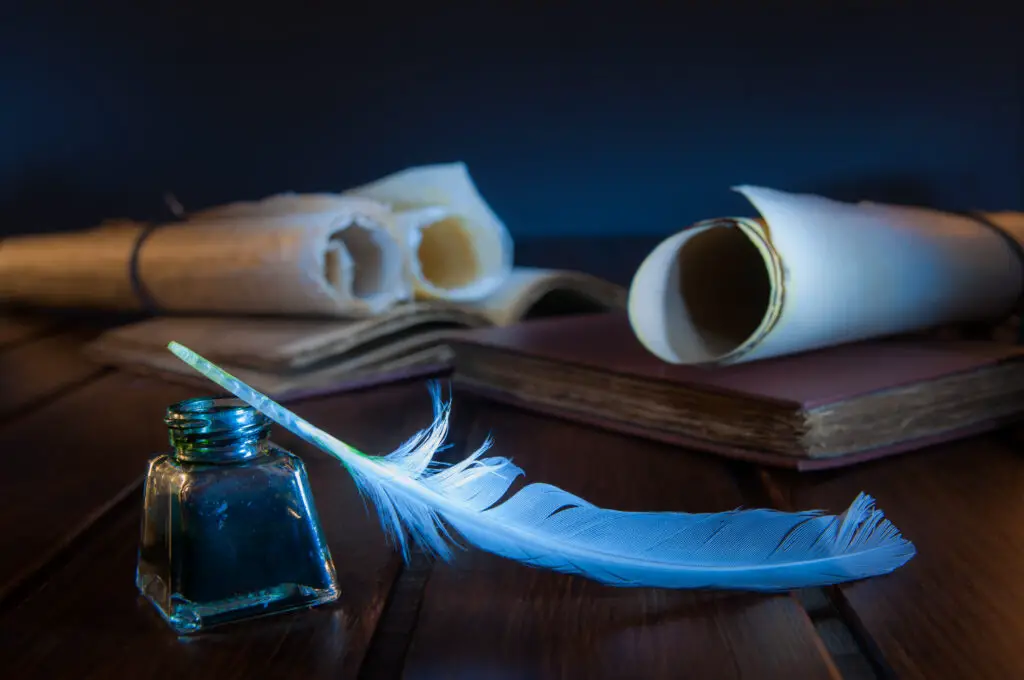
Ballpoint pens existed, but many classrooms still relied on ink bottles and fountain pens. Spilling ink was a constant nightmare. One wrong move could permanently stain your paper and your fingers. Writing required care and a steady hand. Blotters were essential, not optional. Teachers had little sympathy for inky disasters.
Now those bottles look downright elegant, like antique writing tools from a library display. The ritual of dipping and blotting feels almost artistic. But in reality, it was stressful for kids. Modern pens may be boring, but they’re merciful. Ink bottles belong firmly behind glass now.
6. Brown Paper Book Covers

Covering textbooks with brown paper bags felt like an annual rite of passage. Kids spent an afternoon folding, taping, and hoping it stayed together. The result was never quite neat. Corners ripped, names smudged, and tape peeled off quickly. Teachers insisted it protected the books. Students mostly just accepted the task.
Today, those covers look surprisingly old-fashioned and crafty. The bags themselves feel dated, too. There was no decoration beyond maybe your name or a doodle. Later decades added colorful fabric covers and designs. The brown paper versions now feel minimalist to a fault.
7. Mimeograph Paper
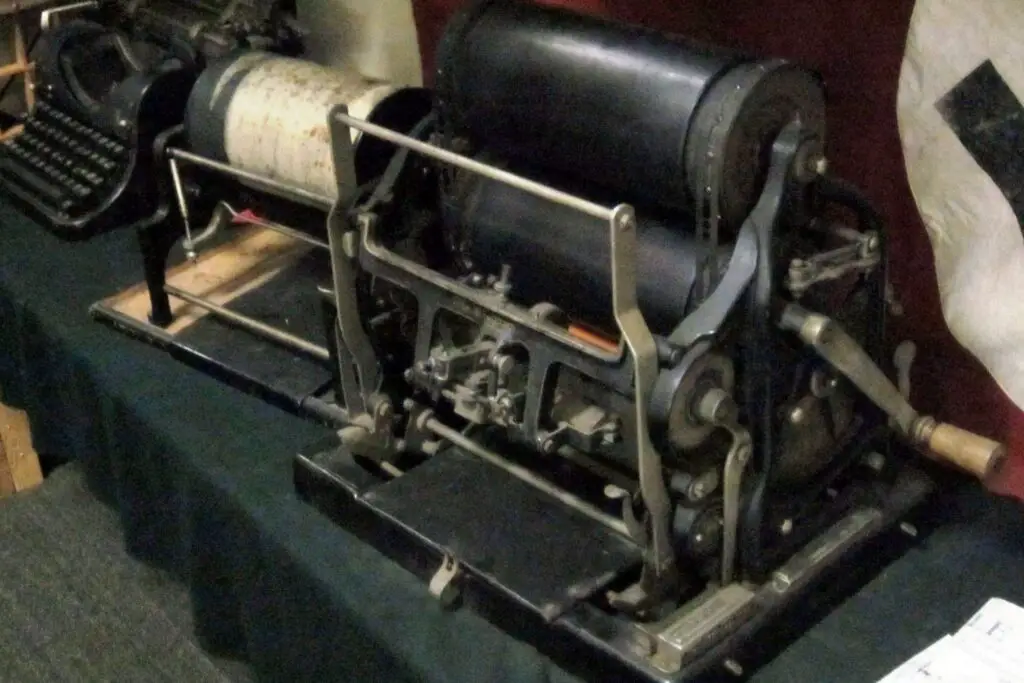
That purplish-blue ink is unforgettable to anyone who smelled it. Worksheets fresh from the mimeograph machine were slightly damp and oddly warm. Teachers handed them out with care. Kids often sniffed them without realizing why. The text sometimes smudged if you weren’t careful. Reading them meant adjusting your eyes to that distinctive color.
Seen now, mimeograph sheets look more like experimental prints than homework. The process itself feels mysterious and mechanical. Photocopiers made them obsolete almost overnight. Yet they remain deeply tied to classroom memory. They’re less paper and more sensory experience.
8. Peel-and-Stick Alphabet Strips
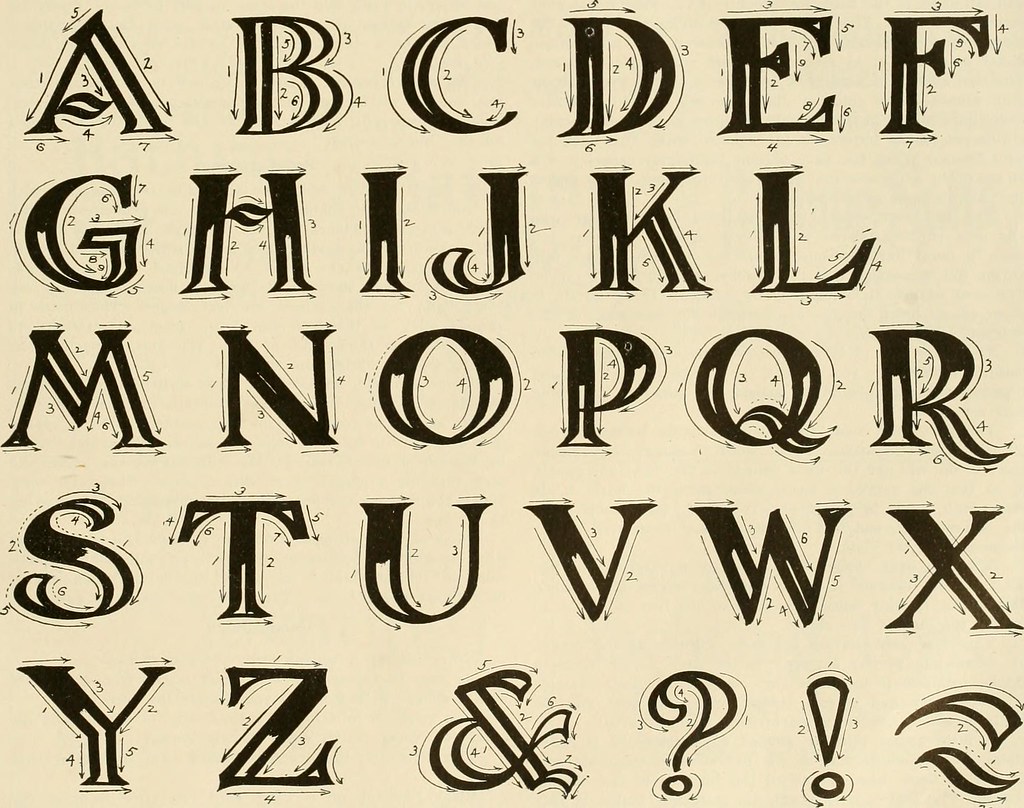
Those thin alphabet strips taped to desks were everywhere in early grades. Each one showed uppercase and lowercase letters, sometimes with cursive included. Over time they curled at the edges and collected grime. Kids picked at them constantly. Teachers re-taped them again and again. They faded under sunlight and wear.
Now they look surprisingly fragile and handmade. Modern classrooms use laminated, colorful visuals instead. These older strips feel like early learning prototypes. They were functional, but barely. Seeing them today feels oddly intimate. Every desk had one, worn in its own way.
9. Crayons in Metal Boxes
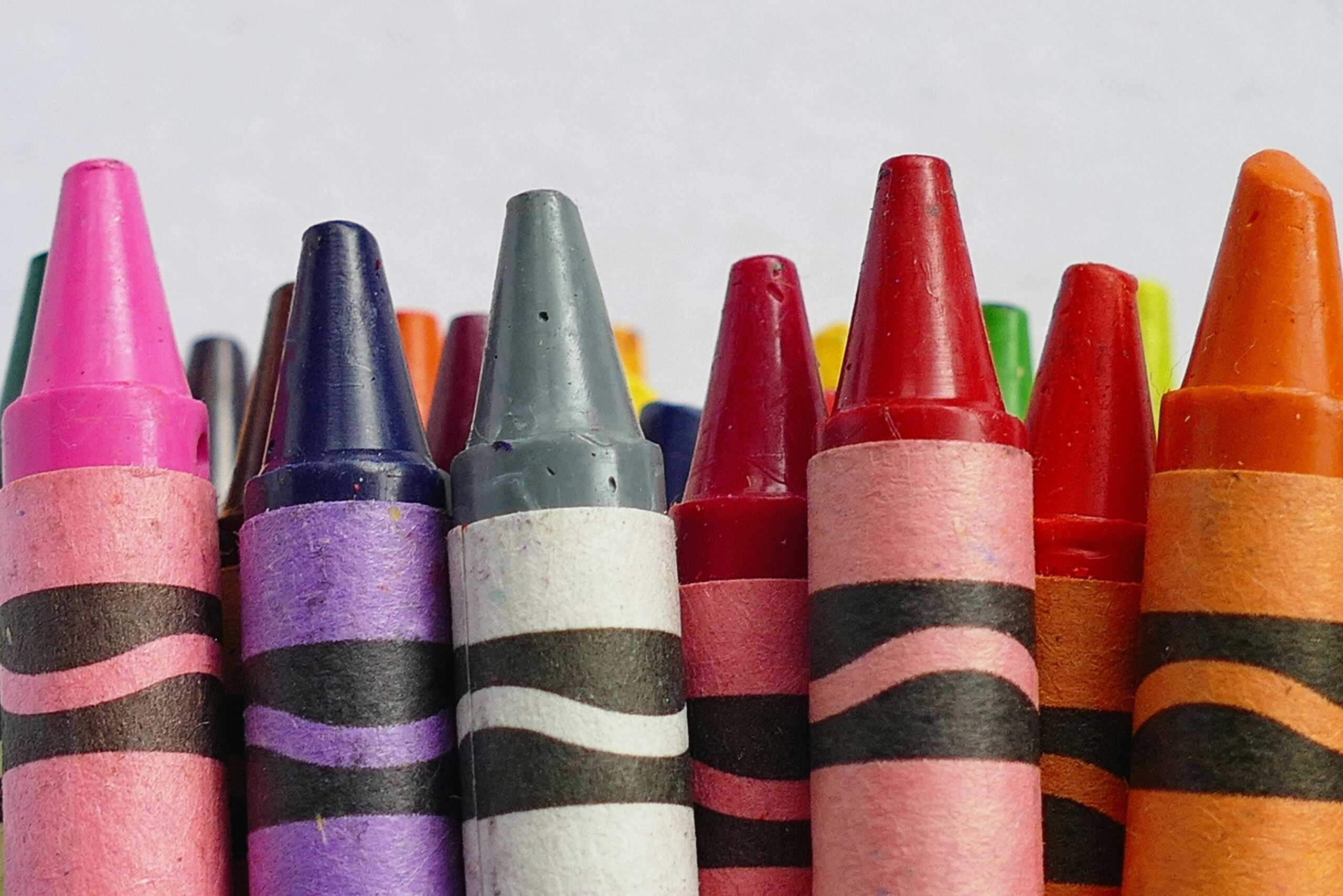
Before cardboard boxes became standard, crayons often came in sturdy metal tins. They rattled loudly in desks and dented easily. The lids sometimes snapped shut on fingers. Inside, crayons broke and melted together in summer heat. Despite the damage, the boxes lasted for years. They felt serious, almost grown-up.
Today those tins look like collectible items. The simple designs scream mid-century. They’re heavier than they need to be. Kids probably didn’t appreciate them at the time. Now they feel charming and indestructible.
10. Protractors Made of Heavy Plastic
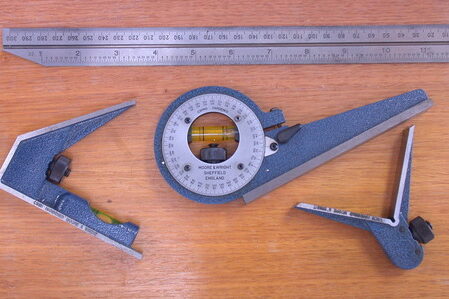
These early protractors were thick, cloudy, and awkward to use. The markings weren’t always clear. Aligning them properly took patience. They slid around easily on desks. Teachers expected neat angles anyway. Losing one meant trouble at home.
Compared to modern, slimmer versions, these look clunky and overbuilt. They resemble drafting tools more than student supplies. You can almost imagine them in a college engineering class instead. For kids, they were intimidating. Today they feel oddly ceremonial.
11. Cursive Writing Tablets
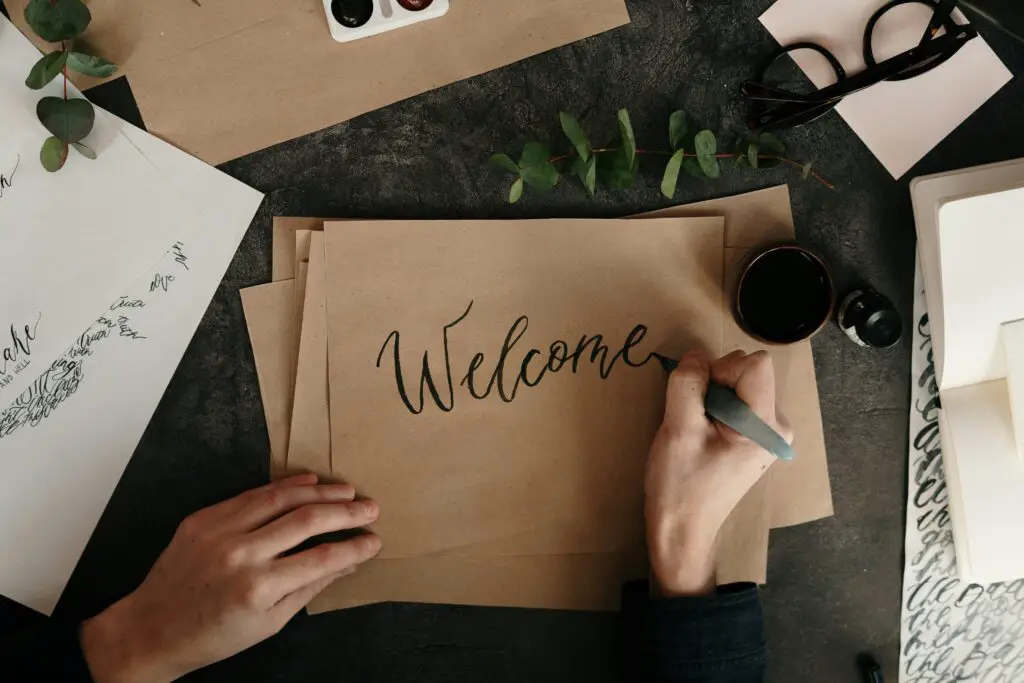
Learning cursive in the ’60s came with special handwriting tablets. The paper had raised lines to guide proper letter shape. Writing too hard left grooves you couldn’t erase. Each page demanded careful form. Teachers corrected relentlessly. Pride came from smooth loops and consistent spacing.
Now those tablets look instructional in a very strict way. The emphasis on cursive feels almost historical. Raised guides seem excessive by today’s standards. But they show how much penmanship mattered. It’s a lost art in physical form.
12. Globes with Political Borders Long Out of Date
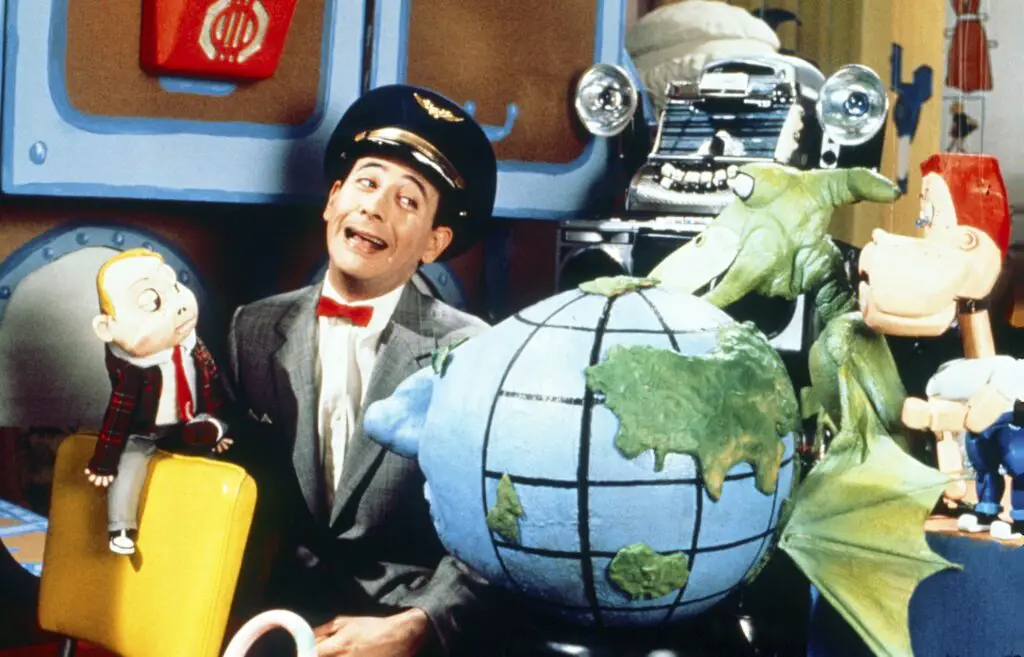
Classroom globes were already outdated when kids used them. Countries shifted, borders changed, and names disappeared. Yet the globe stayed the same year after year. Kids learned geography that no longer existed. Teachers explained changes verbally. The globe itself never caught up.
Today those globes look unmistakably like museum pieces. The colors and labels lock them in time. They’re fascinating to study now. But back then, they were just part of the room. It’s history disguised as a school supply.
13. Thick Erasers That Smudged Everything
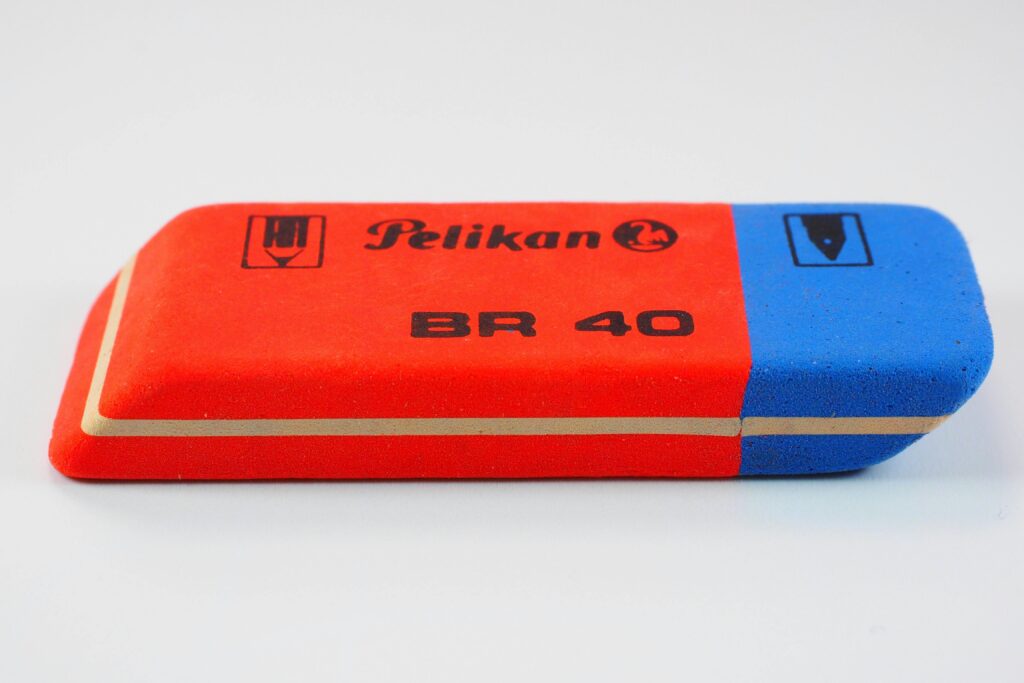
Erasers in the ’60s were big, dusty, and rarely effective. Instead of erasing cleanly, they smeared graphite across the page. Pink erasers eventually turned gray from use. Bits crumbled off during tests. Teachers reminded students to erase lightly. It rarely helped.
Seen today, they look simple and obsolete. Modern erasers are precise and clean by comparison. These older ones feel almost primitive. They did the job, sort of. Mostly, they left evidence behind.