
1. When the Phone Was Always on the Kitchen Wall (All in the Family)
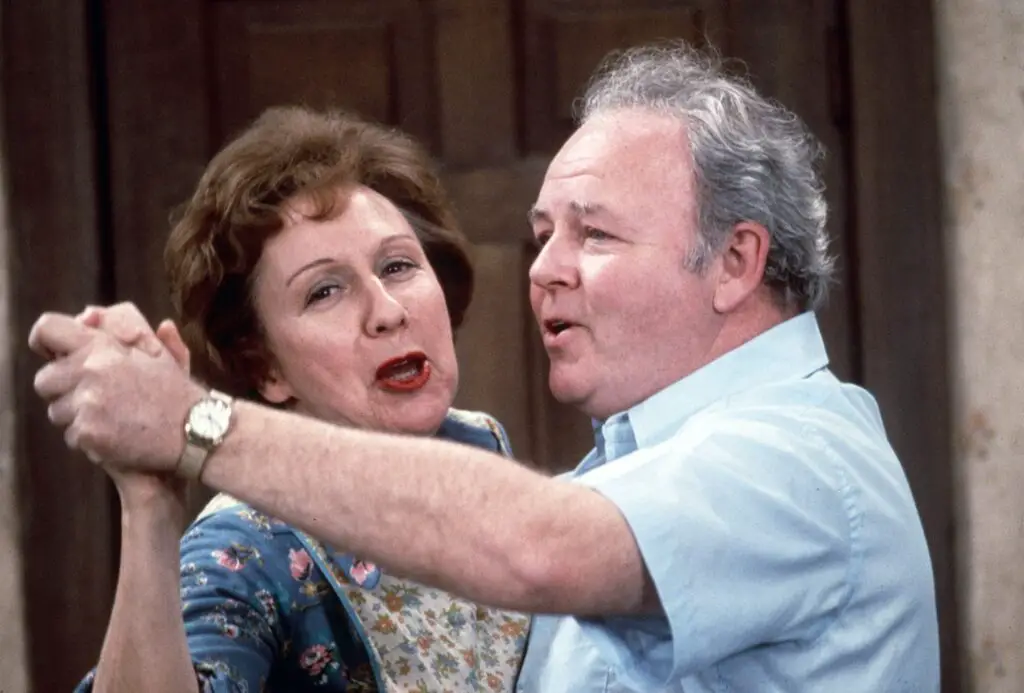
Archie Bunker shouting across the house to answer a ringing phone feels oddly specific now, but back then, it was just life. The whole family knew exactly where the phone was, and private calls were basically a fantasy. If you wanted to whisper, you stretched the cord as far as it would go. Everyone else pretended not to listen while absolutely listening.
That single wall-mounted phone dictated the entire household rhythm. Miss the call and you might miss something important, like a cousin announcing a visit. Younger viewers might not grasp why a ringing phone caused instant panic. If you grew up then, you felt that urgency in your bones.
2. Friday Night Meant One Family Television (The Brady Bunch)
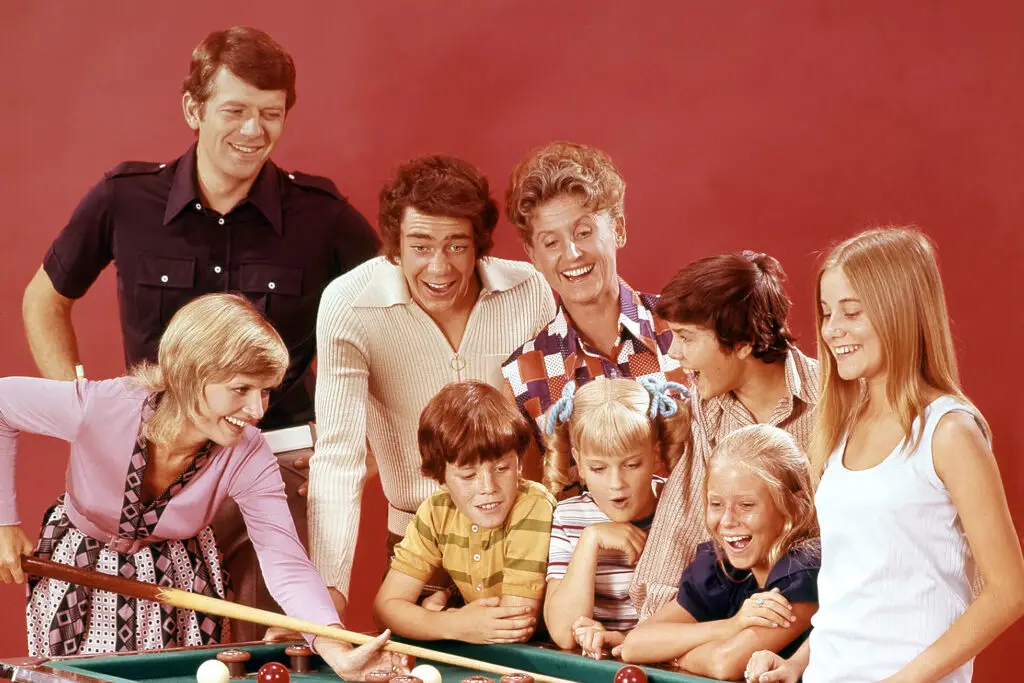
The Brady kids piling onto the couch together wasn’t just cute, it was accurate. Friday nights were sacred television time, and the idea of watching something separately didn’t exist. If you missed the episode, there was no catching up later. You just heard about it at school on Monday.
Changing the channel without asking was practically a crime. Families really did schedule dinners and baths around TV listings. Younger viewers may wonder why no one paused the show. If you lived it, you know pausing simply wasn’t an option.
3. Answering the Door Without Knowing Who It Was (Happy Days)
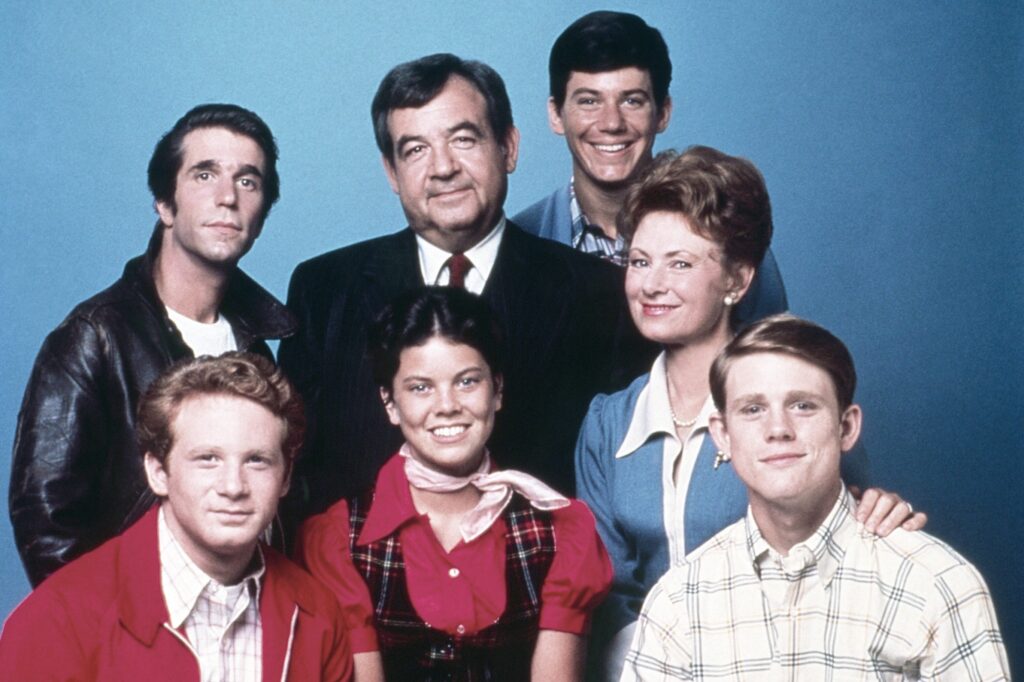
When Richie opened the door to see Fonzie standing there, nobody questioned it. You opened the door because someone knocked, simple as that. No preview screen, no text message warning, just surprise guests.
Friends dropped by without calling and it was considered friendly, not intrusive. Parents expected you to be presentable at all times, just in case. The moment makes perfect sense if you grew up before caller ID. Otherwise, it feels strangely reckless.
4. Writing Letters Instead of Making Calls (The Mary Tyler Moore Show)
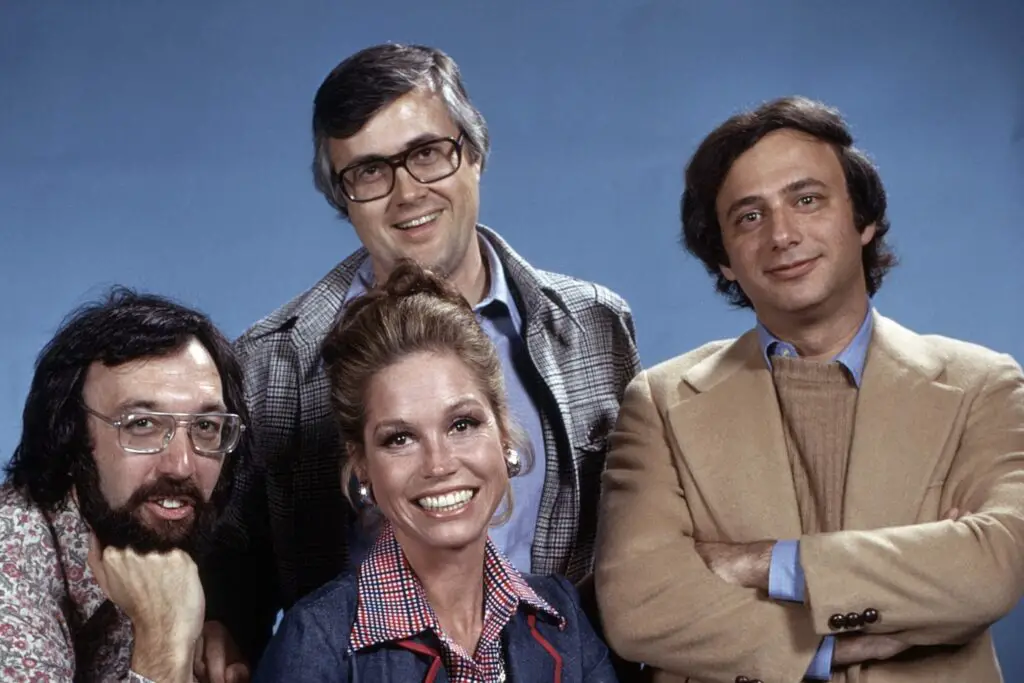
Mary carefully typing or writing a letter wasn’t meant to feel slow. That was normal communication, especially for anything important or professional. You took time choosing words because the message wasn’t instant. Mistakes meant starting over.
Long-distance calls were expensive, so letters filled the gap. Waiting days for a response felt completely reasonable. The emotional payoff came in envelopes, not notifications. Today it reads as quaint, but then it was just adulthood.
5. Everyone Gathering Around the Radio (M*A*S*H)
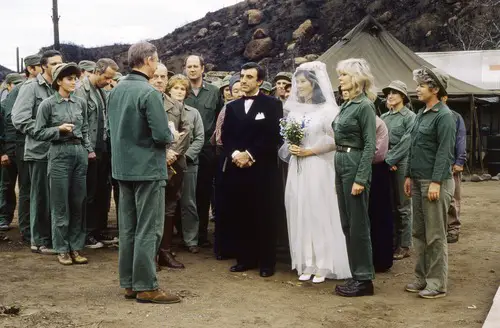
The characters clustering around a small radio during wartime moments hits differently if you remember radios as communal devices. News wasn’t personal or on-demand. It arrived when someone turned a dial and everyone listened together. Silence in the room mattered.
That shared focus made the moment feel heavier. You didn’t multitask or scroll while listening. If you grew up with radio broadcasts being a big deal, the scene feels completely authentic. Otherwise, it can seem oddly dramatic.
6. Misunderstandings That Could Be Solved by One Call (Three’s Company)
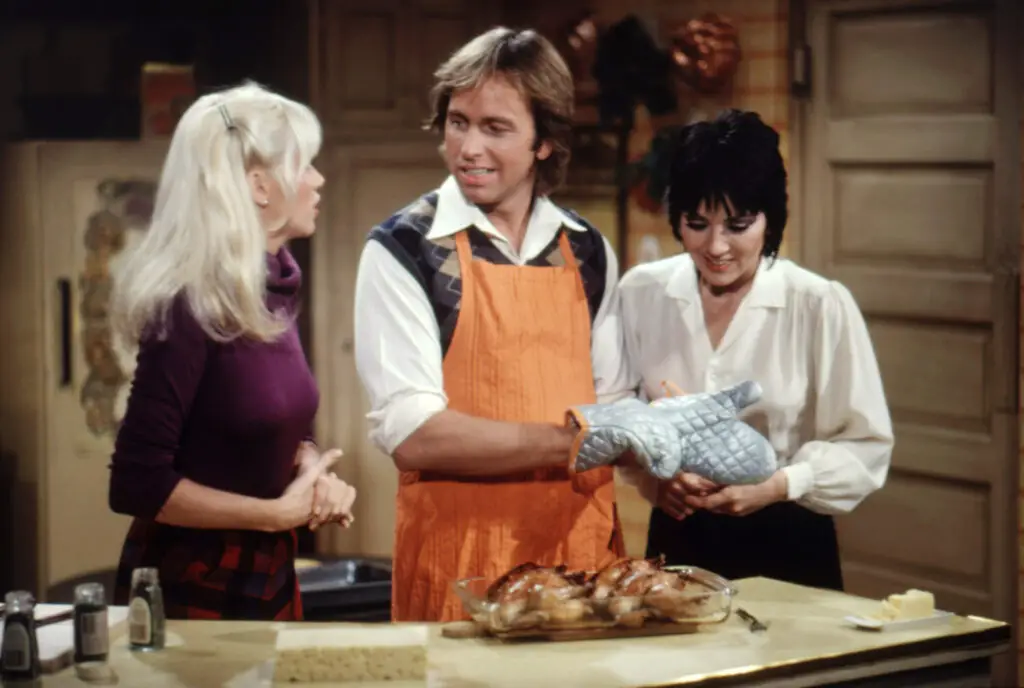
Entire episodes hinge on a missed message or overheard sentence. To modern viewers, it feels frustrating and unnecessary. Why didn’t they just clear it up? Because getting in touch wasn’t instant.
You couldn’t text a clarification or leave a voicemail anytime. Phone tag was real and exhausting. Confusion lingered longer back then. If you lived through it, these plots feel painfully relatable.
7. Using the TV as a Babysitter (Full House)
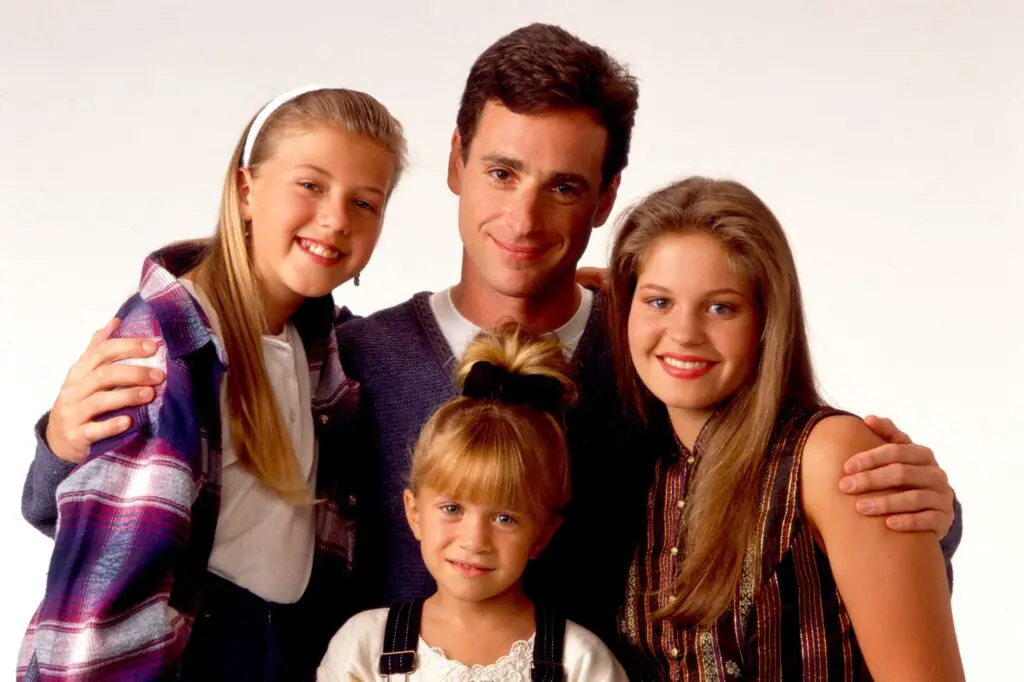
Danny turning on the TV to keep the kids occupied wasn’t lazy parenting. It was practical. Parents trusted television to fill gaps while dinner cooked or laundry got done. Educational value was rarely questioned.
Kids gathered close and stayed put. Sharing one screen taught compromise whether you liked it or not. Today’s unlimited streaming changes the context entirely. Back then, this moment just felt honest.
8. Dressing Up to Go Out for Ice Cream (Laverne and Shirley)
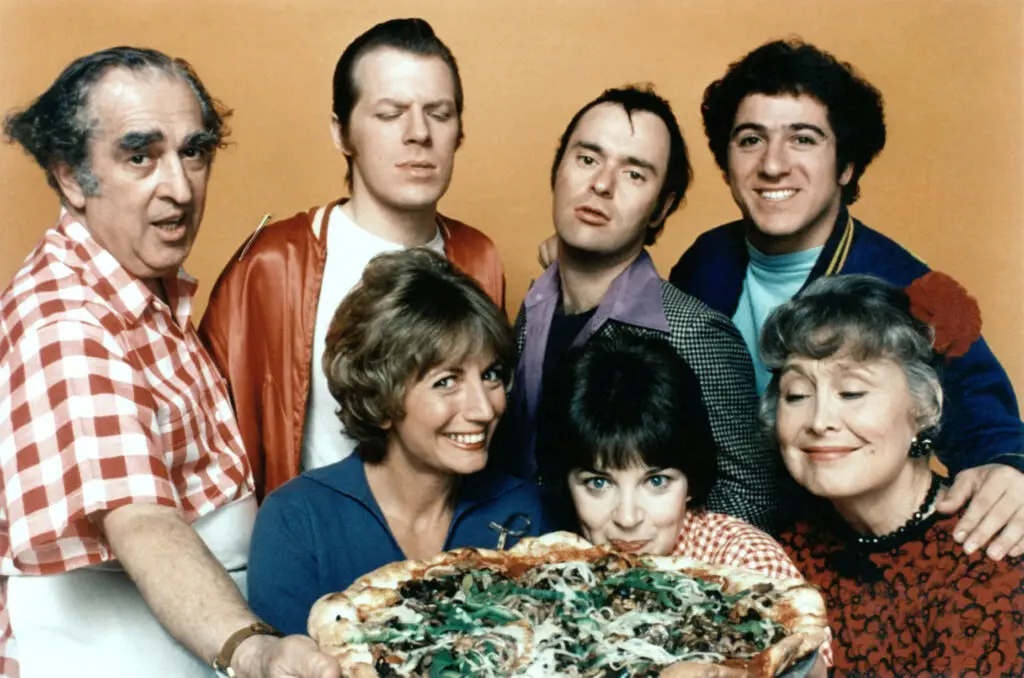
Throwing on a decent outfit for a quick outing wasn’t overkill. You didn’t leave the house in sweatpants unless you were sick. Appearance mattered even for casual errands. The girls’ wardrobe choices reflected real expectations.
Being seen by neighbors was part of daily life. First impressions happened constantly. If you grew up like this, the scene feels natural. To younger viewers, it can seem wildly formal.
9. Sharing One Family Car (The Donna Reed Show)
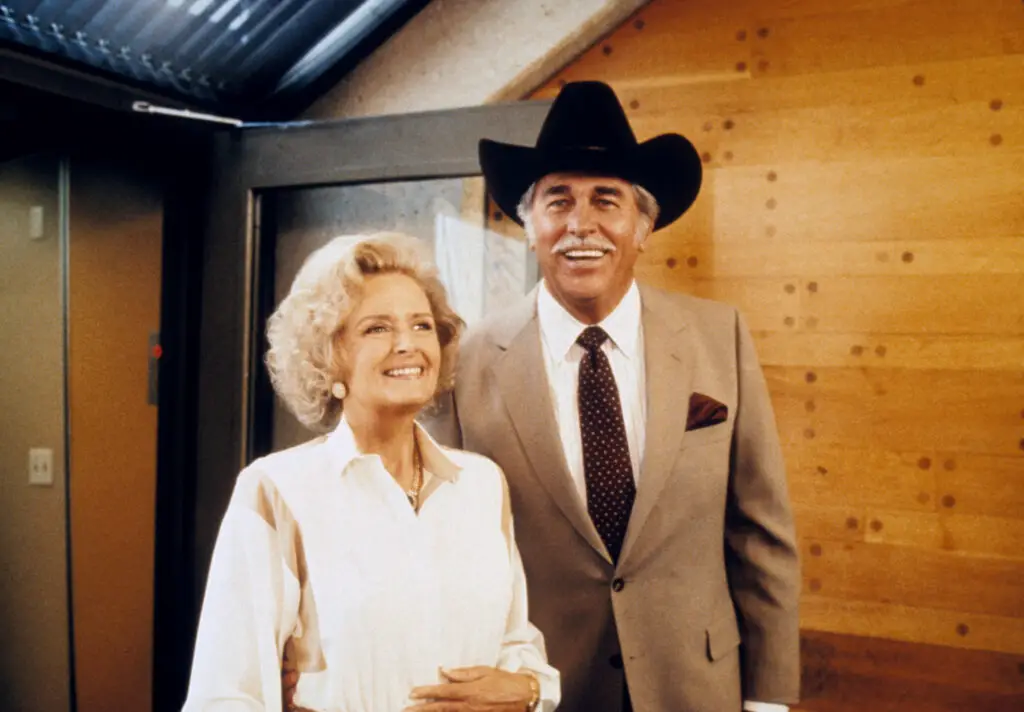
Arguments over who got the car hit close to home. Most families didn’t have multiple vehicles. Planning trips required coordination and negotiation. Spontaneous outings were limited.
Borrowing the car felt like borrowing freedom. Teenagers built entire social lives around access to keys. The tension in those scenes feels real if you remember it. Otherwise, it seems needlessly dramatic.
10. Parents Always Knowing the Neighbors (Bewitched)

Neighbors wandering in unannounced wasn’t strange. Communities were tighter and people were genuinely nosey in a friendly way. Adults kept tabs on each other’s routines. Kids were expected to say hello and be polite.
Privacy worked differently back then. Familiarity was comforting, not invasive. Samantha dealing with curious neighbors reflects that reality perfectly. Today, it reads as intrusive.
11. Waiting a Week for the Cliffhanger (Dallas)
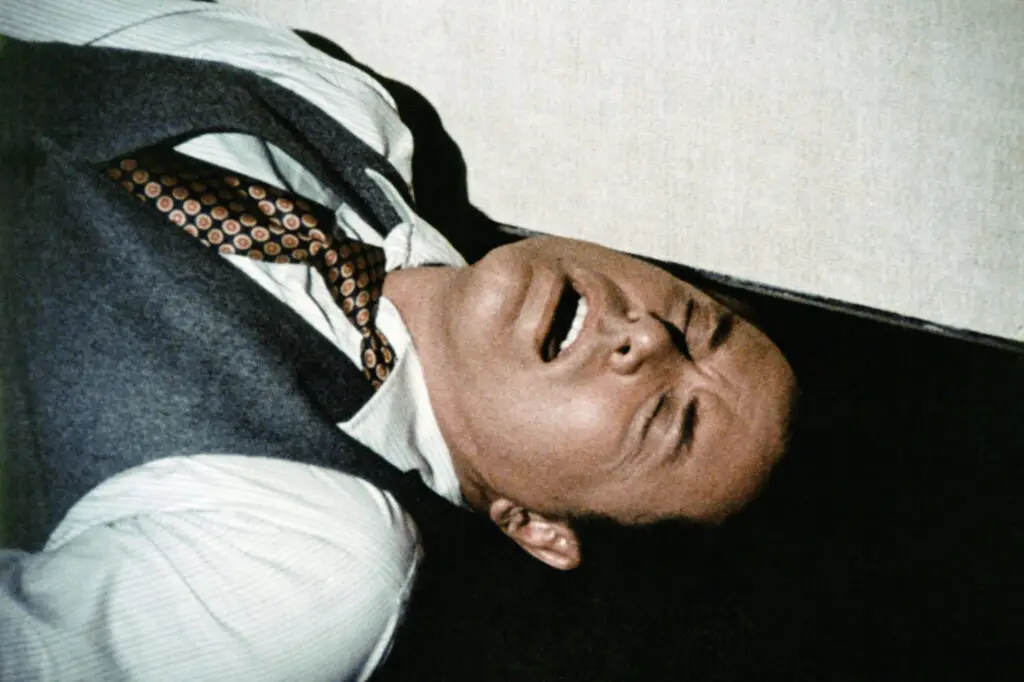
That dramatic pause before the credits rolled meant something. You had to wait a full week to find out what happened next. The anticipation lived in school hallways and office break rooms. Everyone talked about it.
Commercial breaks stretched the tension even further. There was time to speculate and obsess. Binge-watching has erased that experience. If you grew up then, cliffhangers felt monumental.
12. Reading the Newspaper at the Table (The Jeffersons)
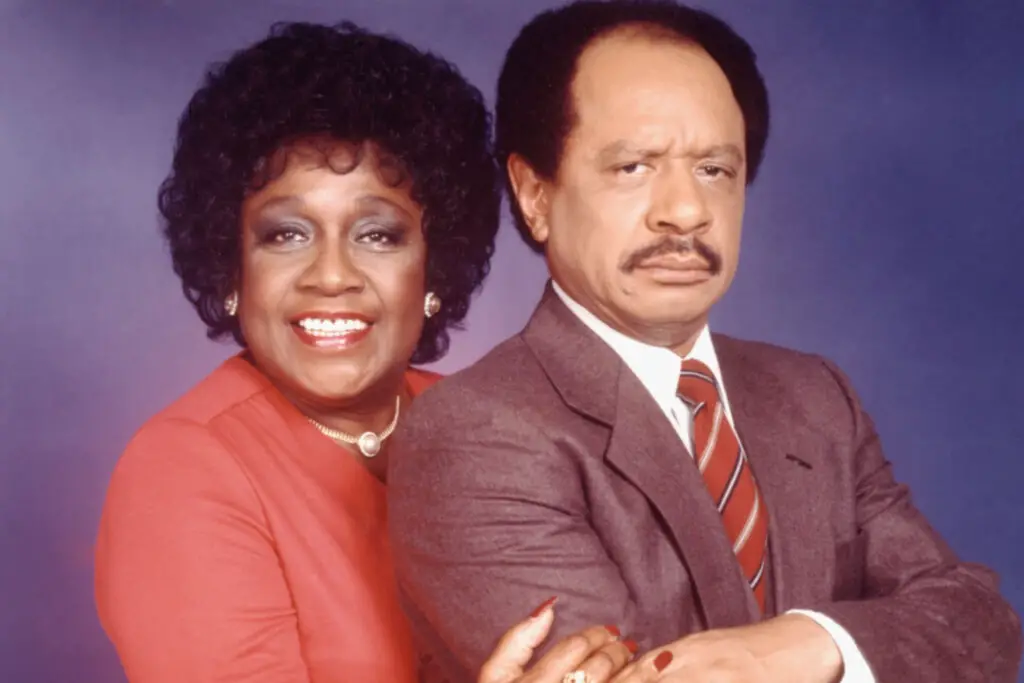
George flipping through the paper during breakfast wasn’t rude. It was routine. Newspapers were massive and full of information you couldn’t get elsewhere. Reading them felt productive.
Families often shared sections and talked about headlines. The paper arrived once a day, so you paid attention. The habit makes complete sense if you grew up with print news. Now it looks strangely ceremonial.
13. Kids Playing Outside Until Dark (Leave It to Beaver)
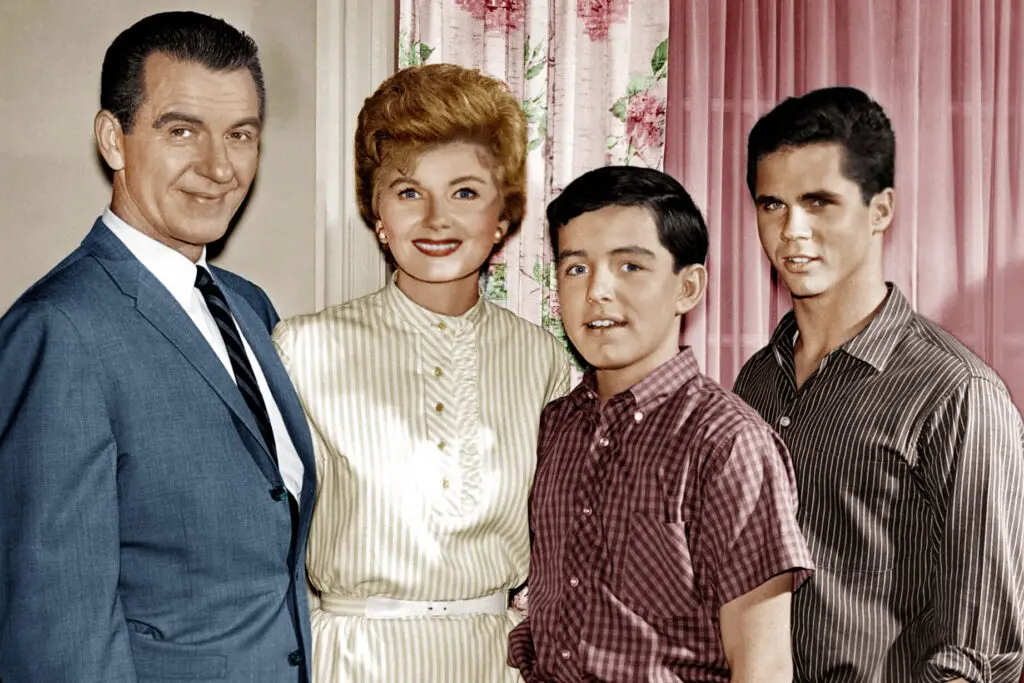
Parents sending kids out with a simple “be home by dark” wasn’t neglect. It was trust. Neighborhoods functioned like extended families. Adults watched out for each other’s children.
Time outdoors was assumed, not scheduled. Boredom led to creativity. The lack of supervision feels shocking now. To those who lived it, it was freedom.
14. Using Notes and Messages Instead of Reminders (Diff’rent Strokes)
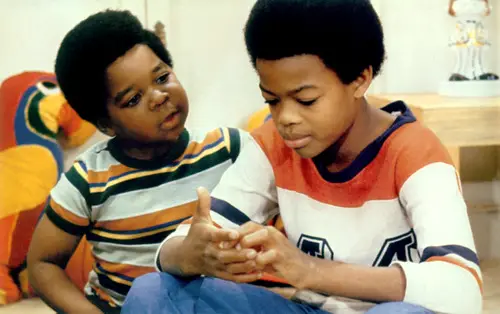
Written notes left on counters actually worked. People checked them, remembered them, and followed through. Life moved at a slower pace. Forgetting to check a note meant taking responsibility.
There were fewer interruptions and fewer distractions. The system made sense. If you grew up before digital reminders, this feels normal. Otherwise, it seems unreliable.
15. Everyone Watching the Same Final Episode (M*A*S*H)
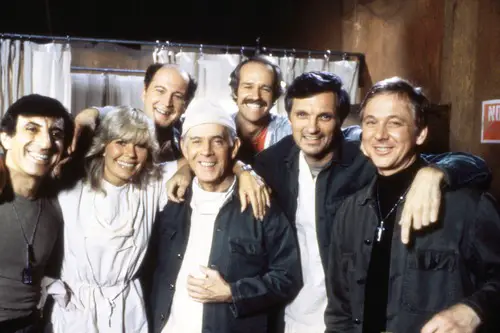
The finale wasn’t just television, it was an event. Streets were quiet because everyone was watching at the same time. You couldn’t stream it later without missing out. The shared experience mattered.
People talked about it for weeks afterward. Tears were communal and reactions were synchronized. Nothing quite compares today. If you grew up then, you still remember where you were.