
1. Richie Cunningham from Happy Days

Richie started out as the squeaky-clean kid who always tried to do the right thing, never pushing too hard against his parents’ rules. Early episodes painted him as the classic all-American teen who managed to land in mild trouble but rarely caused it. As the show went on, though, Richie became more confident and a little more rebellious, especially once he started dating more seriously and taking bigger risks. The writers slowly nudged him toward being more independent so he could carry more storylines.
By the later seasons, Richie’s personality leaned more toward a budding adult trying to navigate real-life decisions instead of high school hijinks. The shift let Ron Howard flex more dramatic muscles, even if the tone still stayed fun. Fans didn’t always notice how much Richie changed because it happened so gradually. By the time he left the series, he felt like a completely different version of the boy we met in season one.
2. Kelly Bundy from Married… with Children
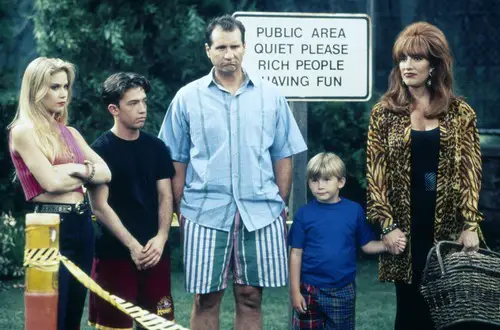
Kelly initially came across as a fairly normal teenage girl who cared about fashion and fitting in. She still had layers, a little bit of sweetness and even some flashes of responsibility when her family needed her. As the seasons rolled on, though, the writers leaned more heavily into her “ditzy blonde” persona. Jokes about her intelligence increased, and she went from shallow to almost cartoonishly clueless in certain episodes.
This rewrite made her a bigger comedic force, especially as Christina Applegate nailed the timing. Kelly’s exaggerated personality became one of the show’s signature elements, and the audience loved her for it. Still, when you look back at season one, it’s surprising how grounded she once was. The transformation was subtle at first, but by the end, Kelly Bundy had become an entirely different brand of funny.
3. Steve Urkel from Family Matters

Urkel wasn’t even part of the plan when the show debuted. He was supposed to be a one-off character who annoyed the Winslows for a single episode. But audiences fell in love with his quirky voice, suspenders and sweet intentions. Before long, he went from occasional nuisance to the center of practically every plot.
As Urkel gained more focus, the character shifted from awkward neighbor to full-on comic whirlwind. His inventions, alter egos and wild mishaps became the engine of the series. This rewrite made the show hugely popular, even if it overshadowed the family dynamic that originally defined it. Looking back, it’s hard to believe he was ever meant to be just a brief cameo.
4. Chrissy Snow from Three’s Company
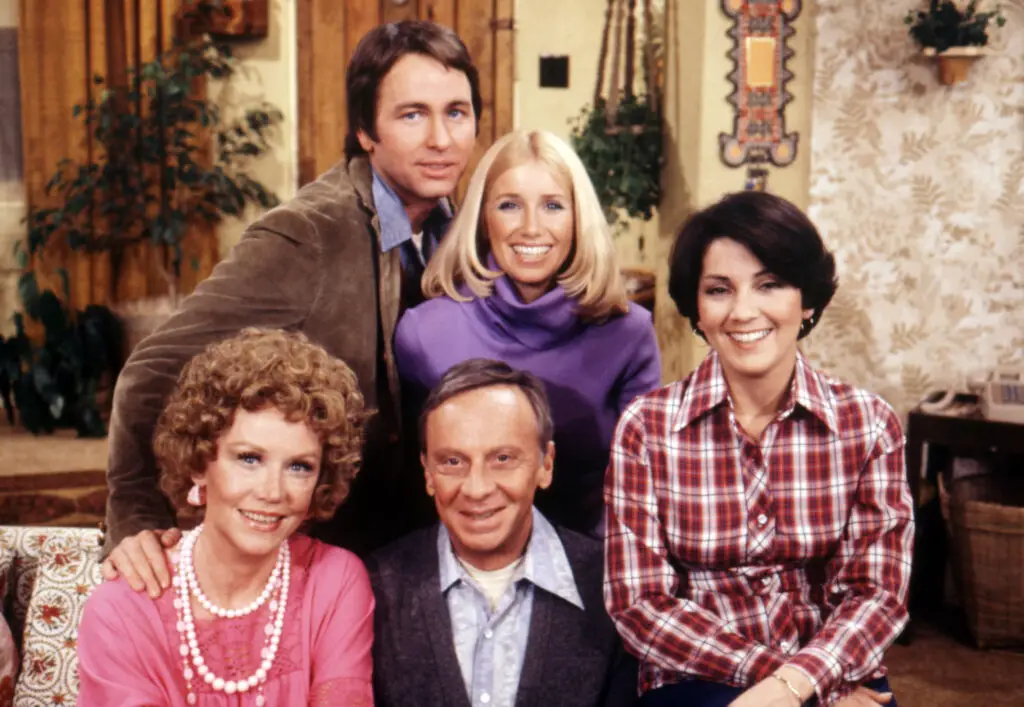
Chrissy began as a bubbly and naïve character, but she wasn’t portrayed as foolish. Early Chrissy had moments of insight, showing she was more than just the pretty roommate with a sunny disposition. As the show grew and Suzanne Somers’ star power skyrocketed, the writers exaggerated Chrissy’s innocence for laughs. Her lines became more simplistic, and her misunderstandings more extreme.
The change made her a breakout character, but it also flattened some of her early charm. Fans still adored her, even as she drifted toward a more exaggerated version of herself. The rewrite was so effective that the “ditzy blonde” trope became tied to Chrissy for decades. It’s easy to forget she once had sharp edges peeking out beneath the sweetness.
5. Barney Fife from The Andy Griffith Show
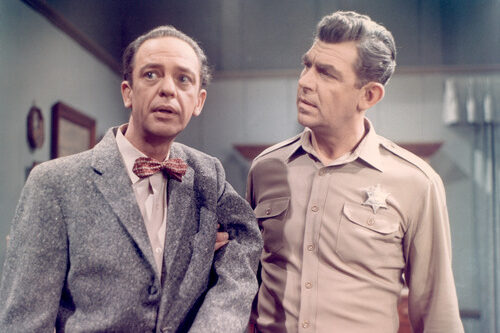
Barney started off as a competent, if high-strung, deputy who genuinely tried to keep Mayberry safe. He still had his nervous habits, but he wasn’t completely hapless. As Don Knotts’ comedic abilities took off, the writers leaned harder into Barney’s over-the-top panic and ineffectiveness. His mistakes became more dramatic, and his confidence more misplaced.
This shift turned him into one of television’s most lovable goofballs. Episodes built entire storylines around Barney’s blunders, and fans wouldn’t have it any other way. Still, comparing the earliest episodes with the later ones shows how dramatically he changed. The rewrite made him iconic, even if it made him far less capable.
6. George Jefferson from All in the Family and The Jeffersons
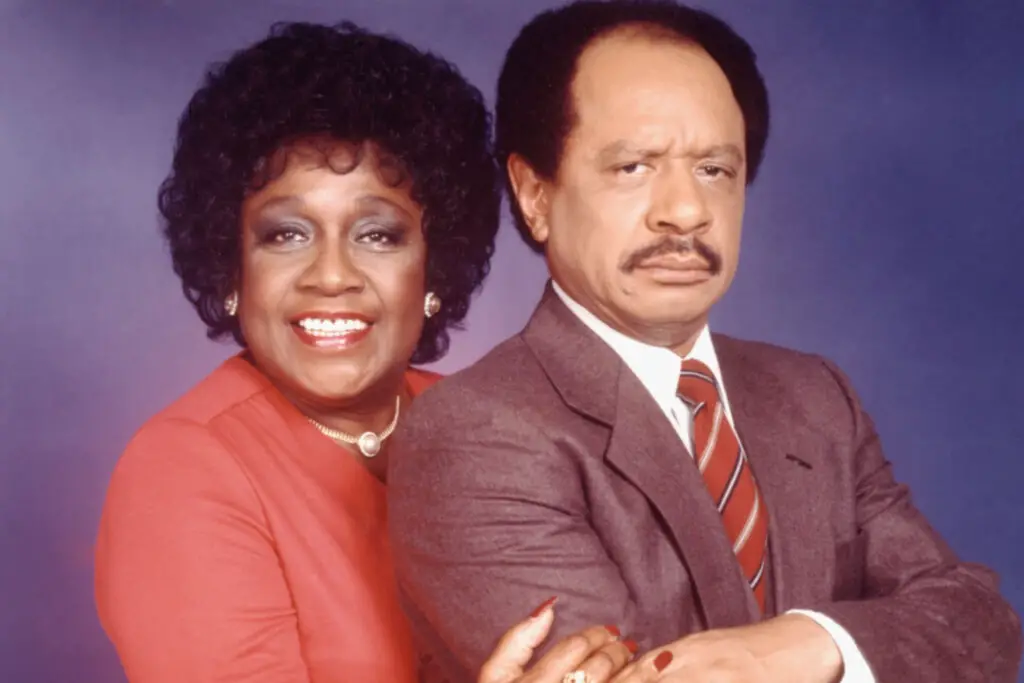
When George first appeared in All in the Family, he was gruff and serious, often using silence as a weapon. His stubborn pride defined him, and his humor was more subtle than loud. But once The Jeffersons spun off, George became much broader and more comedic. His temper, swagger and one-liners got bigger and funnier.
The rewrite worked beautifully as the show built a full world around him. George became a character who could carry both heartfelt moments and outrageous outbursts. The transformation helped make him one of TV’s most memorable sitcom dads. Watching his earliest episodes feels like seeing a prototype of the character he eventually became.
7. Jan Brady from The Brady Bunch
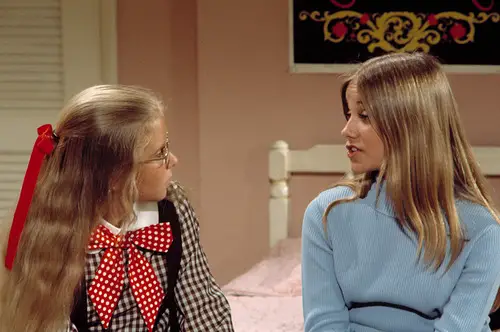
Jan began as the slightly awkward middle child who just wanted her own identity. She had insecurities, but they were relatable and grounded. As the show progressed, the writers turned her into the go-to character for dramatic mood swings and emotional outbursts. Her jealousy of Marcia became more exaggerated and sometimes even played for laughs.
This rewrite made Jan memorable, especially as her insecurities became catchphrases and comedic beats. At the same time, it made her struggles seem larger than life compared to her early episodes. Viewers felt for her, even as the writers gave her more over-the-top dilemmas. The evolution wasn’t drastic all at once, but it definitely reshaped her into the dramatic Brady.
8. Willis Jackson from Diff’rent Strokes
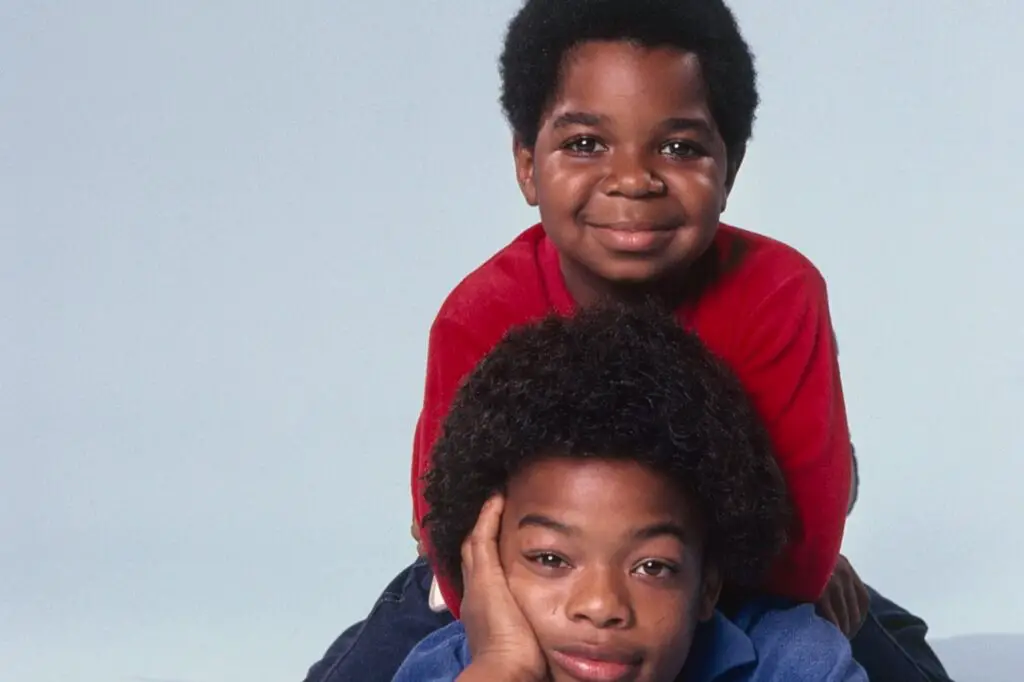
Willis started as a protective older brother who tried to guide Arnold through their new world. He was thoughtful, steady and often the voice of reason. As the series continued, Willis became more rebellious, pushing back against authority and getting into trouble more often. His storylines grew heavier, and the writers leaned into teen angst.
This shift made Willis feel more like a typical sitcom teen from the era. He still had a good heart, but the level-headed big brother vibe faded. Fans saw him tackle real-life issues that gave the show emotional weight. Still, looking back, his early demeanor is strikingly different from his later persona.
9. Florence Johnston from The Jeffersons
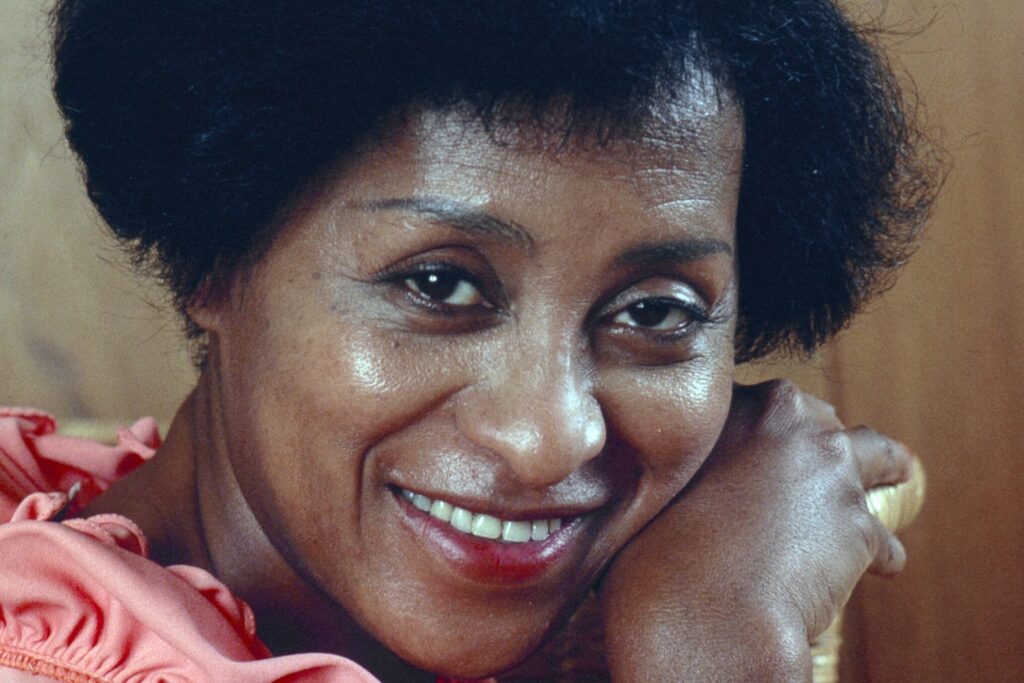
Florence originally appeared as a polite, slightly reserved housekeeper. She had humor in her lines, but her attitude was gentler and more subtle. As the show developed, Florence’s sass skyrocketed, and she became known for her sharp comebacks and fearless honesty. Her banter with George became a highlight of the series.
The rewrite turned Florence into a powerhouse comedic presence. Fans loved seeing her match George line for line, often getting the last laugh. Her transformation helped her become one of the most memorable characters in the show’s ensemble. Revisiting her earliest appearances, she almost feels like a completely different person.
10. Alex P. Keaton from Family Ties
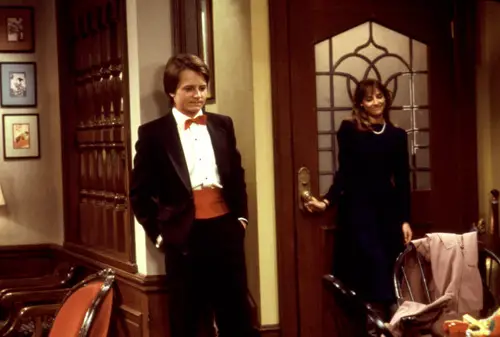
Alex began as a quirky mix of teen awkwardness and budding intellectual pride. He had conservative views from the start, but they were presented more as part of his personality than his whole identity. Over time, the writers steered him toward being the show’s comedic and ideological center. His politics became more pronounced and exaggerated.
This shift gave Michael J. Fox room to shine and helped define the show’s humor. Alex became more of a caricature of a young conservative, but still likable and emotionally grounded. Fans loved the character’s evolution, even if it was a noticeable one. By the later years, he felt far more extreme than the Alex we first met.
11. Kelly Taylor from Beverly Hills, 90210
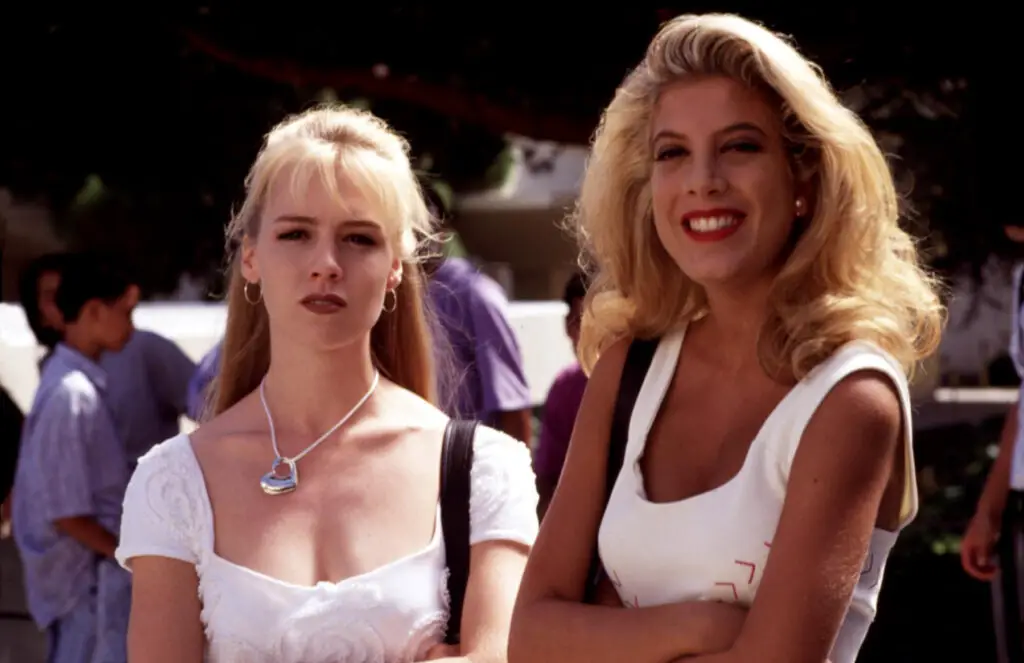
Kelly initially appeared as the fashionable, somewhat superficial friend who cared about popularity. She wasn’t presented as especially complex in the early episodes. But as the series went on, Kelly became one of the show’s most layered and evolving characters. Writers expanded her backstory, added emotional depth and gave her more dramatic storylines.
The shift turned Kelly into a central figure who carried some of the show’s biggest arcs. Viewers saw her survive trauma, navigate complicated relationships and grow into a more grounded person. It’s easy to forget how simple her character once seemed. The rewrite turned her into one of the series’ emotional anchors.
12. Steve Brady from Sex and the City
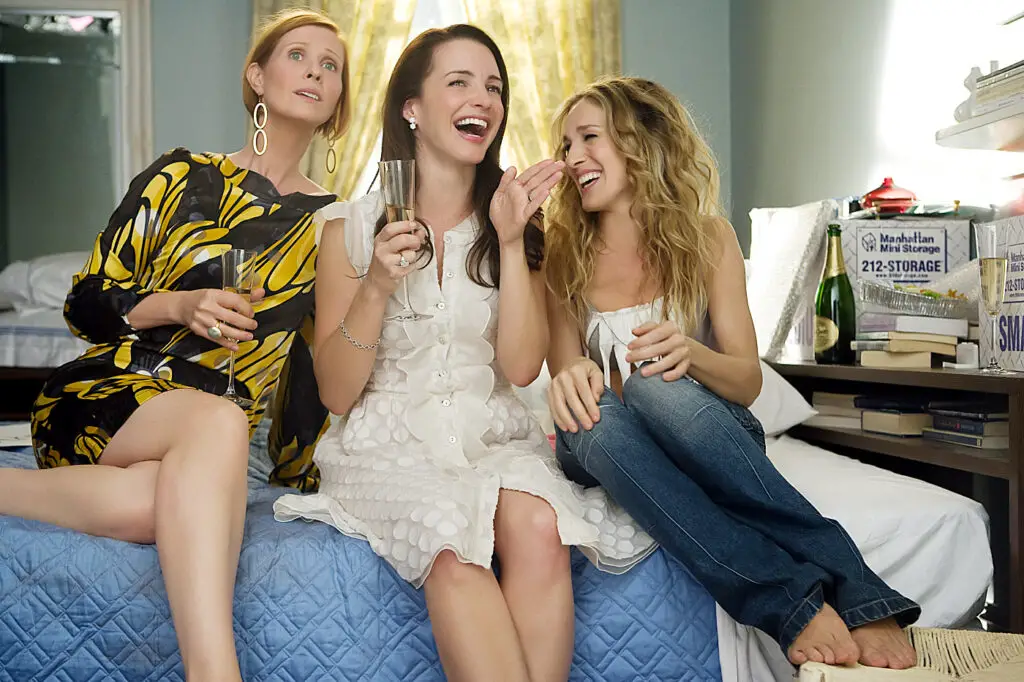
Steve started as a sweet, slightly awkward bartender who seemed to be the opposite of Miranda in every way. His early episodes portrayed him as laid-back but not particularly complex. As the show continued, writers developed him into a deeply sensitive and emotionally intelligent partner. His vulnerability became one of his defining features.
This rewrite made him one of the show’s most beloved characters. Fans rooted for him because he felt real, even when storylines pushed him into unexpected directions. His growth gave the show more emotional balance. Looking at his first few episodes, it’s surprising to see how understated he originally was.
13. Niles Crane from Frasier

Niles began as a refined and slightly snobbish psychiatrist who often hovered at the edges of storylines. His crush on Daphne was initially treated as a small running joke rather than a major arc. As seasons went on, the writers expanded his quirks, deepened his emotional life and gave him more comedic range. His longing for Daphne became one of the show’s central threads.
The rewrite made Niles one of the most dynamic characters on the series. David Hyde Pierce’s performance turned every nervous gesture into comedic gold. By the later seasons, Niles was carrying episodes on his own. Comparing early Niles to later Niles feels like watching a character grow in real time.