
1. Michigan Central Station, Detroit
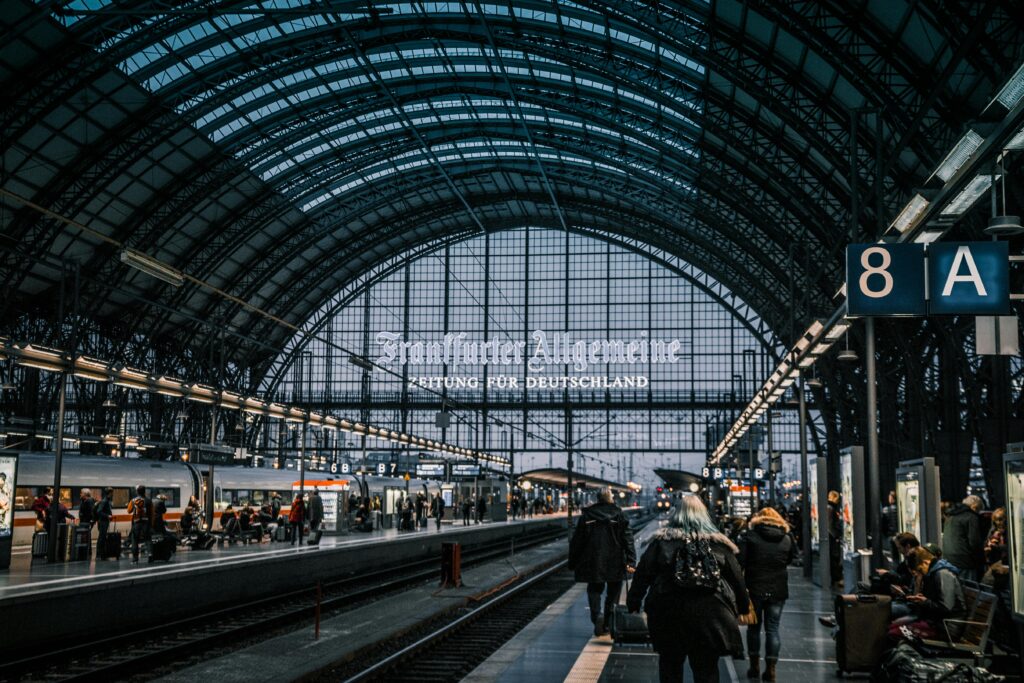
If you grew up driving into Detroit, you probably remember the way Michigan Central Station seemed to hover on the skyline like a ghost of the city’s old grit. Once one of the grandest stations in the Midwest, it closed in 1988 and sat empty for decades, its windows blown out and its halls echoing with nothing but the wind. Urban explorers used to sneak in and describe rooms littered with old schedules and broken marble columns as if the last passengers had just missed their train. Even now, with restoration underway, it still feels like the past is leaning over your shoulder.
Walk around the exterior today and you’ll still feel that strange hush that comes from a building stuck between eras. You can picture the crowds arriving with suitcases and ticket stubs in the ’30s, the wartime goodbyes, the quiet decline. There’s a sense that the walls remember everything even if they don’t say much. It is one of those places where time hasn’t so much stopped as refused to move forward.
2. Canfranc International Station, Spain
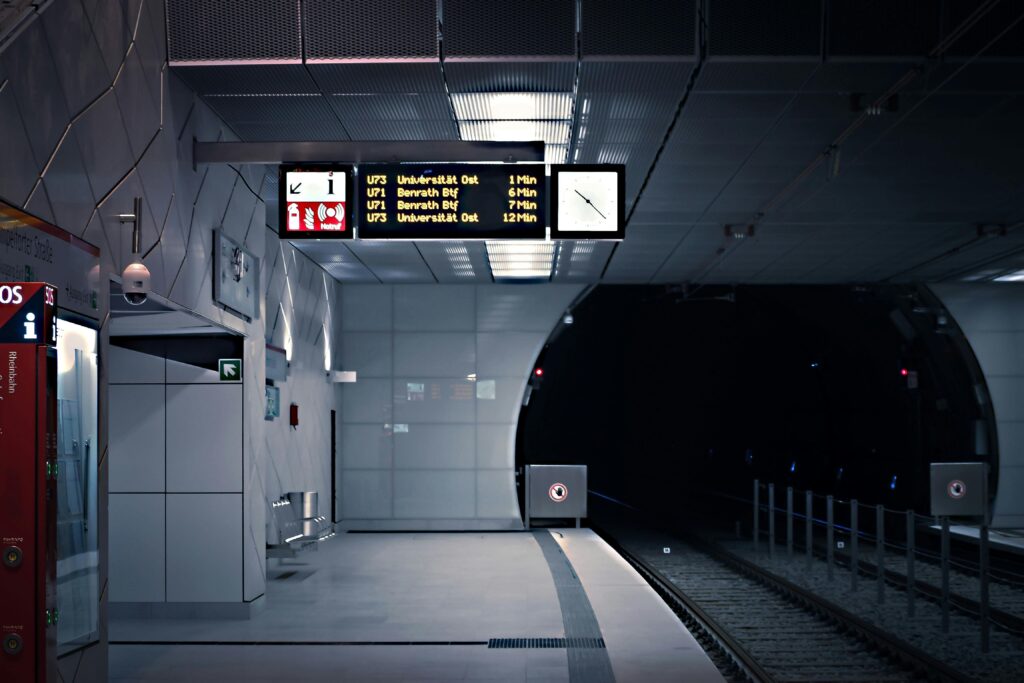
Canfranc Station sits along the Pyrenees like a forgotten palace, the kind of place you stumble upon and immediately wonder how it ever got left behind. Built in 1928, it was meant to be a showpiece for European travel, complete with hundreds of windows and a platform that once felt endless. But after a train accident on the French side in 1970, the cross-border service ended, and the station never quite recovered. The silence inside feels heavy, like it’s waiting for a whistle that never comes.
Visitors say stepping inside feels like walking into an abandoned ballroom, where the dust settles in patterns that make you wonder who stood there last. The peeling paint makes it almost too easy to imagine spies and smugglers slipping through during its World War II years. Canfranc has become a magnet for photographers who love its stillness. Even in decay, it feels strangely regal.
3. City Hall Subway Station, New York City
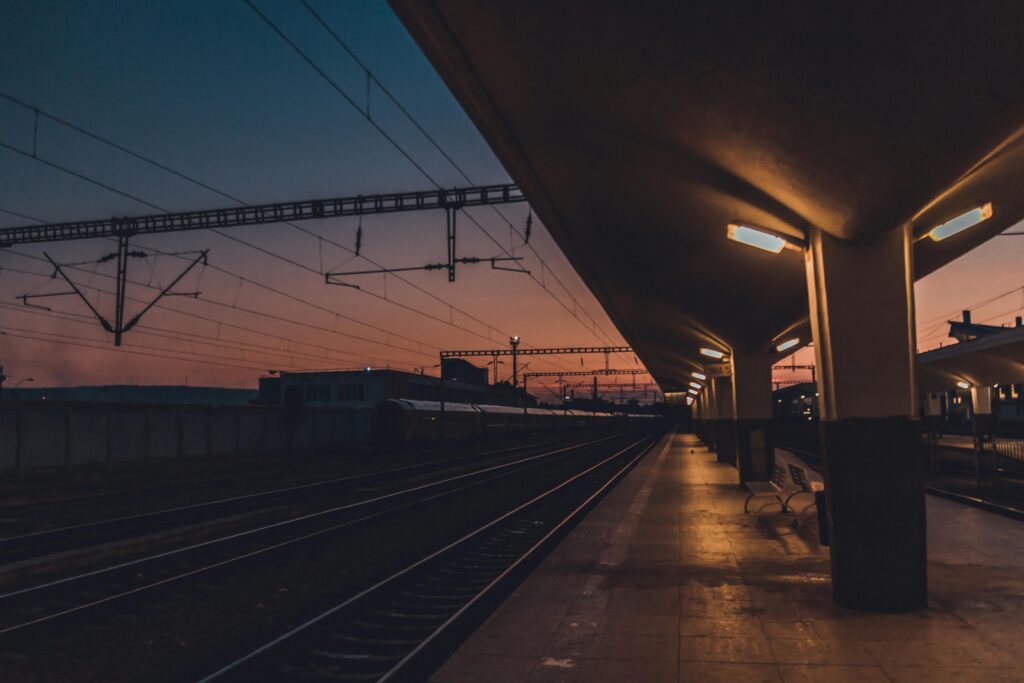
New Yorkers will tell you that the old City Hall station feels like a fairytale hidden underneath the subway system. It opened in 1904 but closed in 1945 because its curved platform couldn’t accommodate newer trains. The chandeliers still hang over tiled arches that catch the light in a way the modern stations never quite manage. The whole place feels like it’s holding its breath, waiting for someone to unlock it for good.
Riding the 6 train through its loop gives you a quick, dreamy glimpse of what was. You see the soft green tiles and the elegant skylights, then it disappears as quickly as it came. Even underground, it feels untouched by the grind of city life. It’s a pocket of history that somehow stayed beautiful by being forgotten.
4. Estación de Oriente, Uruguay
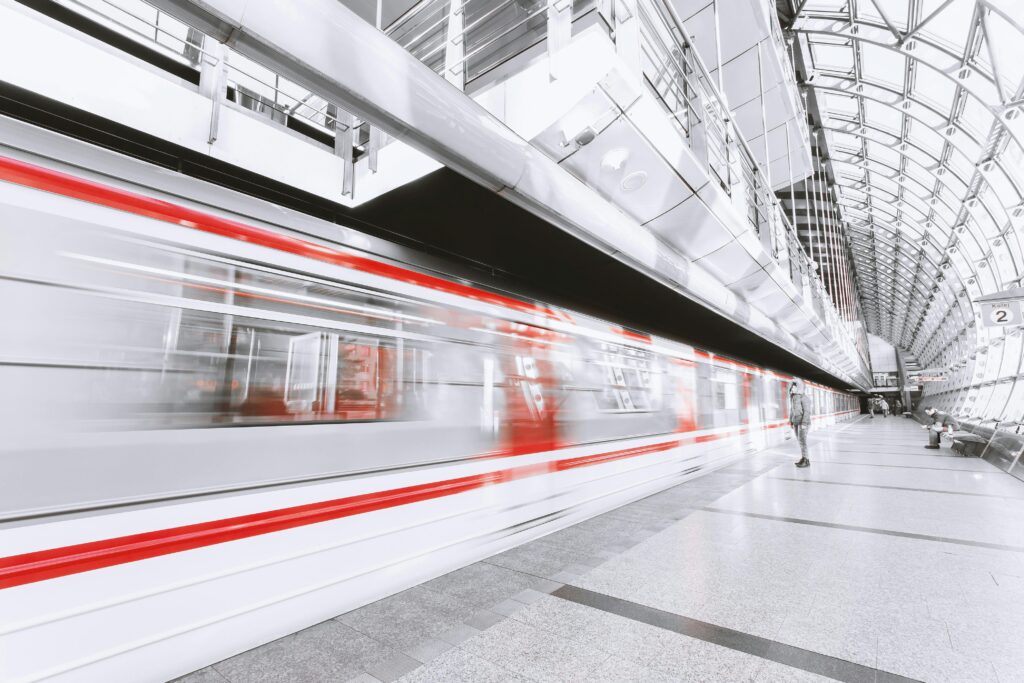
Estación de Oriente looks like a station that simply decided one day to stop playing along with the modern world. Located in a quiet rural area, it once served as a bustling connection point for local farmers and travelers. When service cutbacks hit in the late twentieth century, the station slowly emptied out until it was just the caretaker and the birds. Grass began to crawl onto the platforms as if nature had punched its return ticket.
The station’s wooden benches now sit under layers of dust that feel almost ceremonial. You can picture families waiting for trains that rattled through with a kind of dependable rhythm. The silence doesn’t feel sad, just settled. It’s as if the station knows its work is done but still enjoys the sun on its shoulders.
5. Bokor Mountain Station, Cambodia
Once a French colonial outpost, Bokor Mountain’s tiny station looks like something carved out of clouds and mist. It was part of an ambitious 1920s project to create a mountaintop retreat, complete with a hotel, church, and railway. Time and war took their toll, and soon the trains stopped coming, leaving the building perched in eerie quiet. Travelers who hike up today say it feels like stepping into an old postcard.
Fog rolls through the empty halls, softening the crumbling walls and giving everything a dreamlike glow. It’s not hard to imagine travelers in linen suits stepping off a train that no longer runs. The stillness up here feels thicker than at sea level, as if the altitude holds the past in place. The station isn’t grand, but its loneliness is unforgettable.
6. North Wilkesboro Station, North Carolina
North Wilkesboro’s old station carried generations of passengers when trains were still the heart of small-town travel. After passenger service declined in the mid-twentieth century, the building slowly slipped into silence. Today its faded brick, boarded windows, and old signage create a snapshot of a town that once moved at a different pace. It’s a little haunting, but in a way that feels familiar.
People who wander by say they can almost hear the rhythms of the old timetable. The benches still sit where they always were, though they’re softened by age and dust. Even the overgrown tracks feel like they’re waiting for a train that might surprise them someday. It’s the kind of place that makes you pause without quite knowing why.
7. Hashima Island Rail Spur, Japan
Known for its eerie abandoned mining town, Hashima Island once relied on a small internal rail network to move coal and workers. The tracks remain scattered through the ruins like relics of an industrial skeleton. When the mine closed in 1974, everyone left swiftly, giving the station areas an unsettling “last day of school” feeling. Everything just stopped, and it still looks that way.
Walking through the shattered concrete corridors, you can see rails ending abruptly at collapsed walls. It’s strangely quiet for a place that once shook with machinery. Time doesn’t feel slow here, it feels suspended. Even the sea air seems careful not to disturb anything.
8. Estación de Azpeitia, Spain
Azpeitia’s station once connected visitors to the Basque countryside, a charming little stop between rolling hills. When regular service halted, the station fell into a peaceful kind of sleep. Old posters still cling to the walls, their colors faded like old memories. The tracks, softened by moss, look more like walking paths now.
The surrounding town is lively, which makes the silence of the station even more striking. You can picture commuters stepping out with newspapers tucked under their arms. Now the only movement comes from the breeze that slips through the empty doorways. It feels like the whole place is pausing mid-sentence.
9. Beelitz Heilstätten Station, Germany
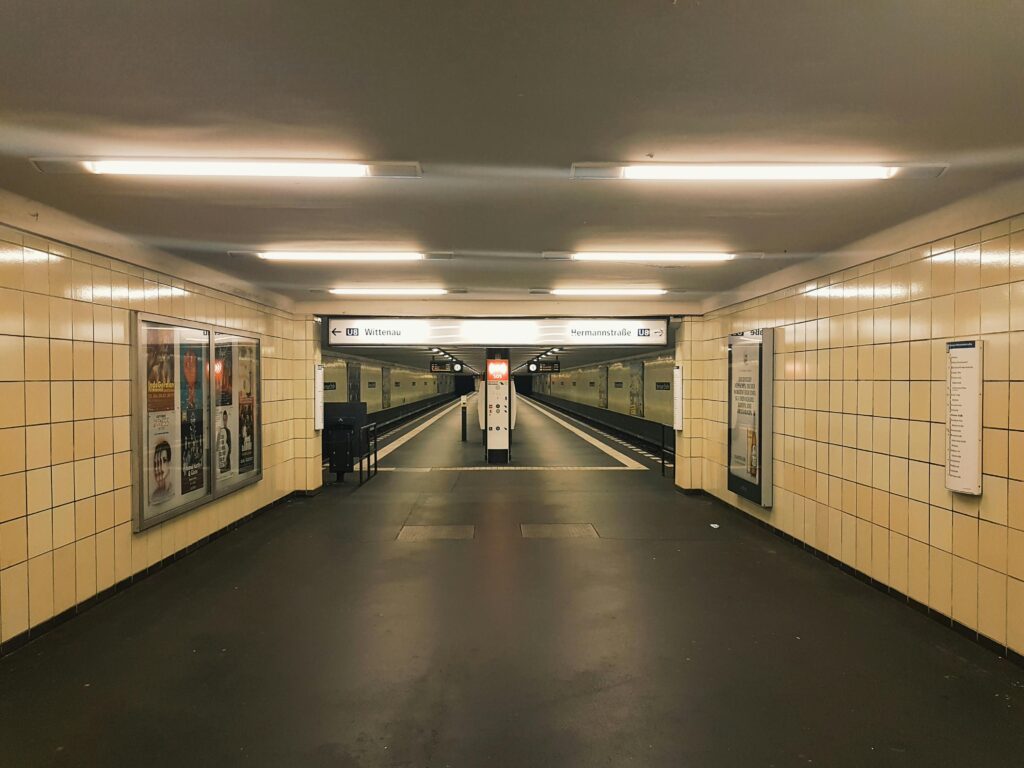
If you’ve ever seen photos of the abandoned hospital complex at Beelitz Heilstätten, you know the surrounding rail stop has the same forgotten magic. The station was once the arrival point for patients and staff during the early twentieth century. After decades of decline, the trains stopped coming, and the platforms fell into disrepair. The vines now wrap around the railings like they’ve decided to claim the place.
People who explore the area describe the station as strangely gentle despite its haunting reputation. Empty signboards tilt slightly as if nodding at visitors. You can almost picture the bustle of doctors arriving for early shifts. It’s a quiet that feels respectful rather than eerie.
10. Chernobyl Railway Station, Ukraine
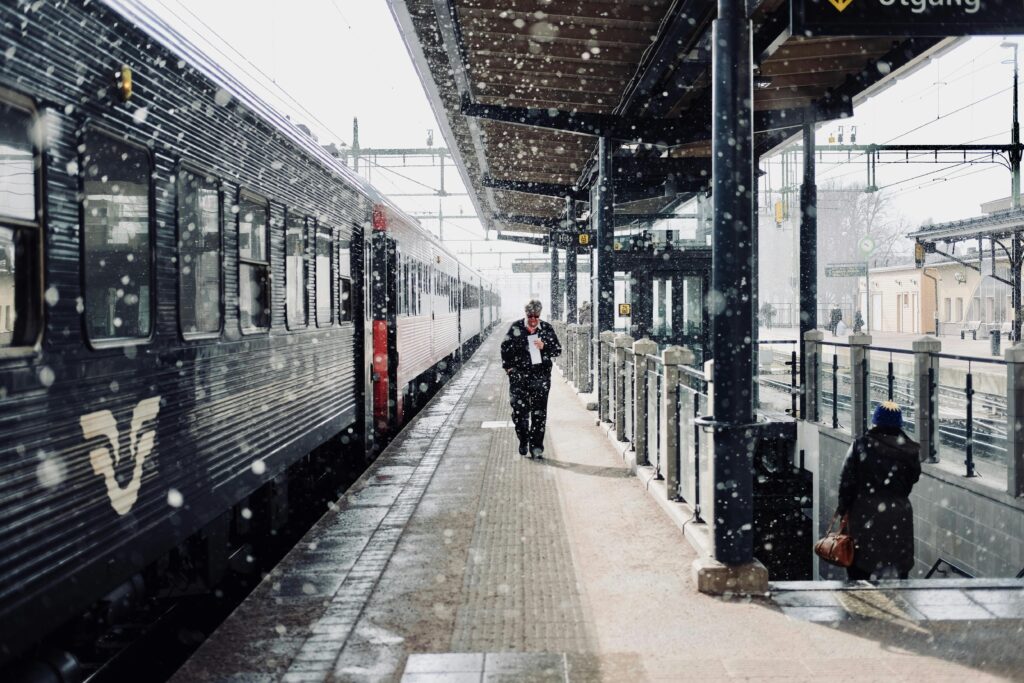
Not far from the Exclusion Zone’s abandoned towns sits a small train station that once bustled with workers heading to and from the plant. After the 1986 disaster, everything was evacuated so quickly that the station looks like time simply ran out. Old equipment sits where it was left, untouched for decades. Even the surrounding forest has grown in around it without disturbing much.
Visitors describe the atmosphere as heavy but oddly serene. The station feels frozen not just in time, but in purpose, as if it knows the world changed and stayed behind anyway. The silence is so complete it almost whistles. It’s one of the clearest examples of how a place can outlive its moment.
11. Gare d’Oradour-sur-Glane, France
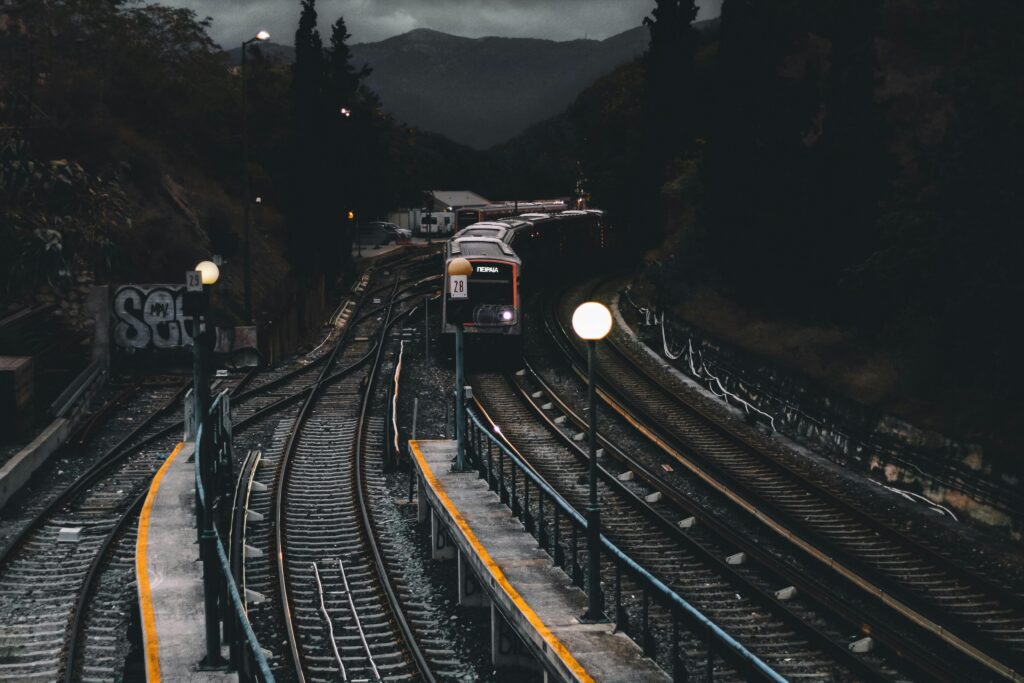
This small station sits on the outskirts of a village left intentionally untouched since World War II. After the tragedy of 1944, the town was preserved as a memorial, and the station stood quietly alongside it, its tracks slowly surrendering to weeds. The platform edges crumble delicately, like old paper. Even the air feels muted here.
Walking past it, you can feel the weight of history settle on your shoulders. Nothing has been staged or restored, which makes the stillness even more profound. It feels as though the last train departed in a hurry and never returned. Time respects this place, and so do its visitors.
12. Vernonia Station, Oregon
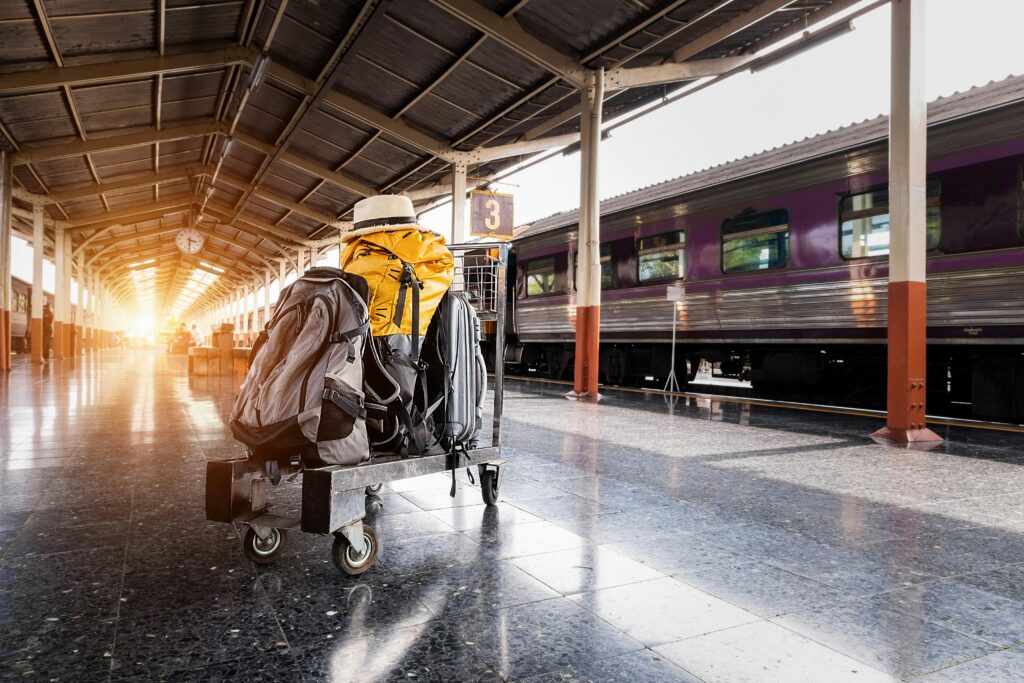
Vernonia once had a small but lively station that served loggers and families traveling through the region. When the railroads shifted and much of the local industry changed, the station slipped into obscurity. Today, its weathered platform and quiet setting make it feel like something out of an old family photograph. You half expect someone to appear carrying a lunch pail.
Locals say the station still has a comforting presence, even in retirement. The tracks have softened under wildflowers, giving everything a gentle patina. It’s the kind of place that feels familiar even on your first visit. Time hasn’t abandoned it so much as tucked it in.